
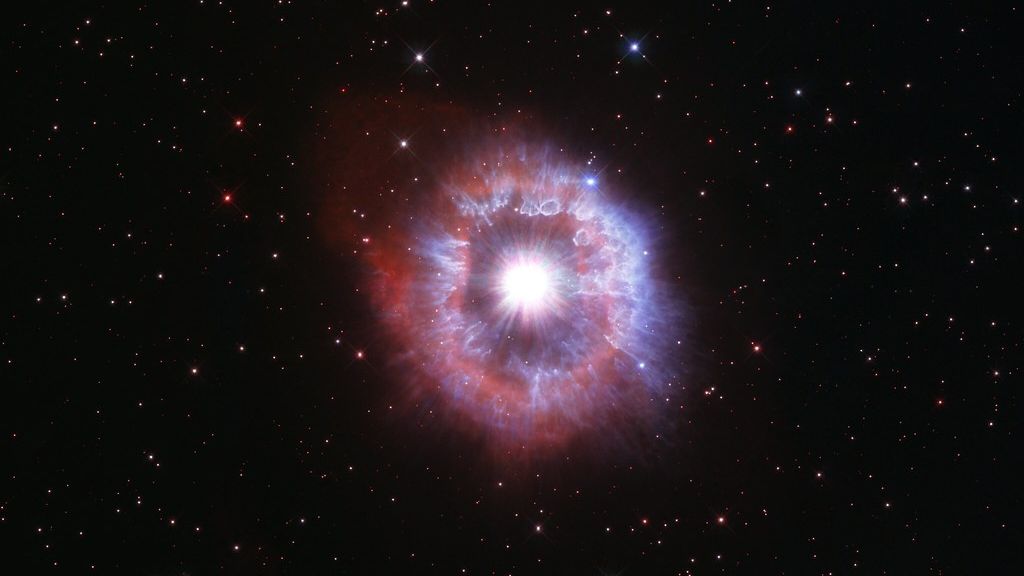
The Building Blocks of the Universe
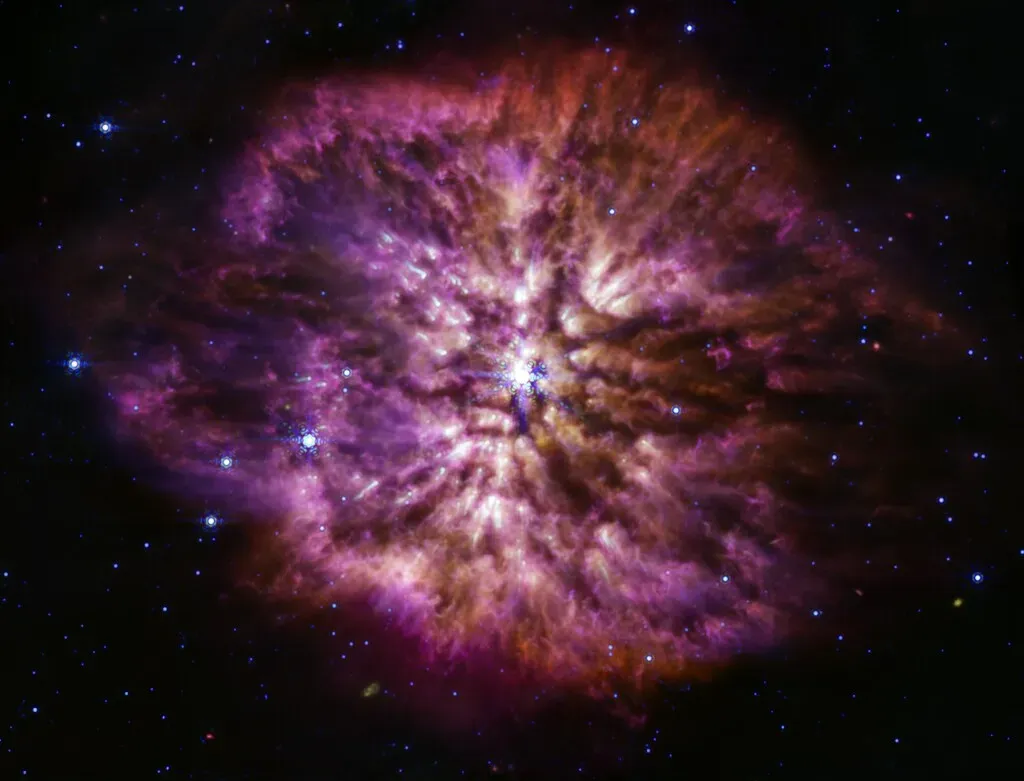
Stars begin as clouds of hydrogen and helium pulled together by gravity. Over millions of years these clouds collapse and ignite nuclear fusion in their cores. The process releases energy while steadily converting lighter elements into heavier ones.
Most stars spend the bulk of their lives fusing hydrogen into helium. Only the largest ones reach the temperatures needed to create elements beyond carbon and oxygen. This steady progression sets the stage for everything that follows in the periodic table.
How Massive Stars Create Iron
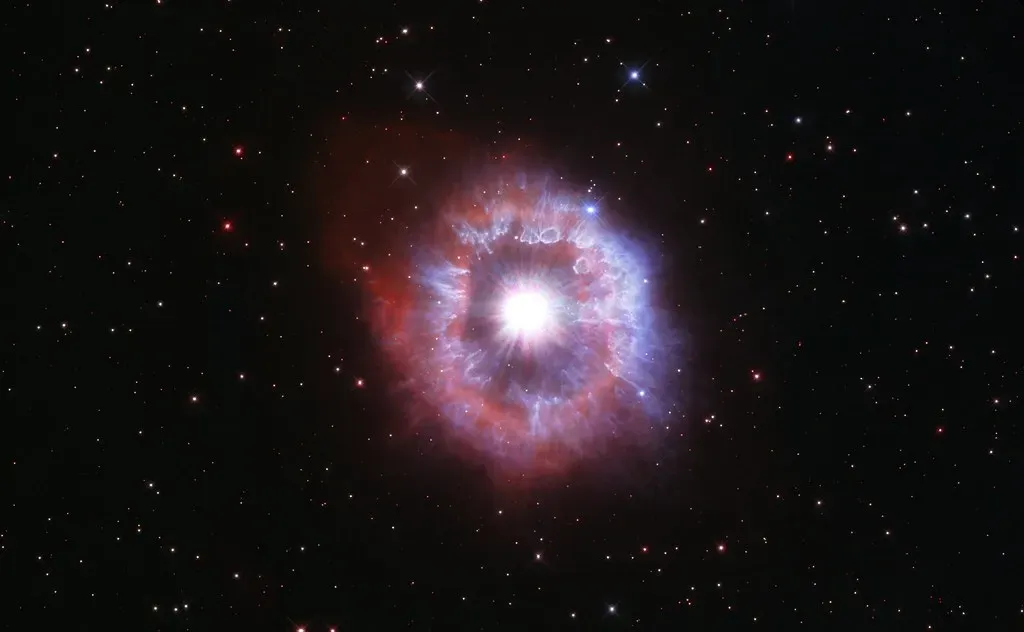
In the final stages of a giant star life cycle fusion moves through silicon and other intermediate elements. The core eventually reaches a point where iron forms. Iron fusion consumes rather than releases energy so the star can no longer support itself against gravity.
Once iron accumulates the core collapses in seconds. The sudden implosion triggers a rebound that rips the star apart. This violent end scatters newly forged iron and other heavy atoms across surrounding space.
The Role of Supernova Explosions
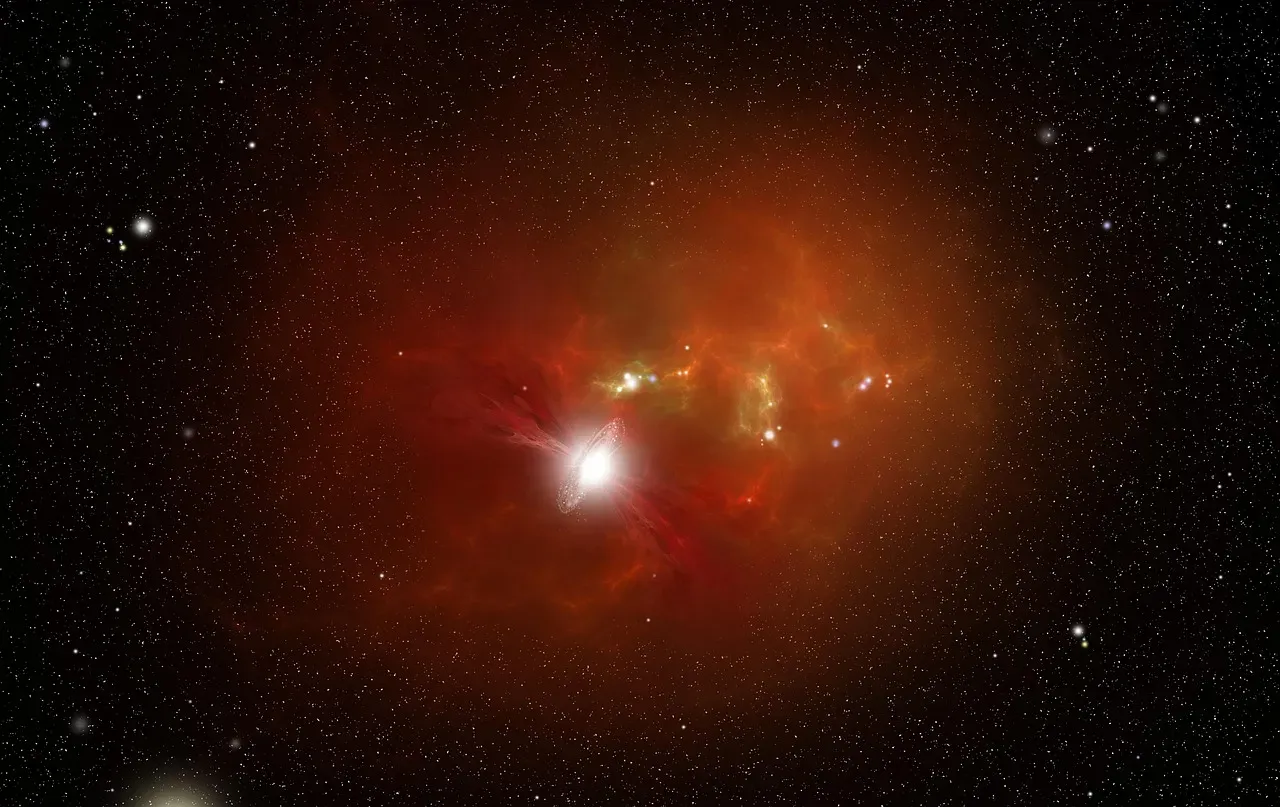
Supernovae serve as the main delivery system for heavy elements into the wider galaxy. The explosion mixes stellar material with surrounding gas and dust. Over time this enriched mixture becomes available for new generations of stars and planets.
Without these explosions the universe would contain far fewer elements heavier than helium. The iron now inside red blood cells owes its existence to one or more such events that occurred billions of years ago.
Our Solar System Inherited Ancient Material
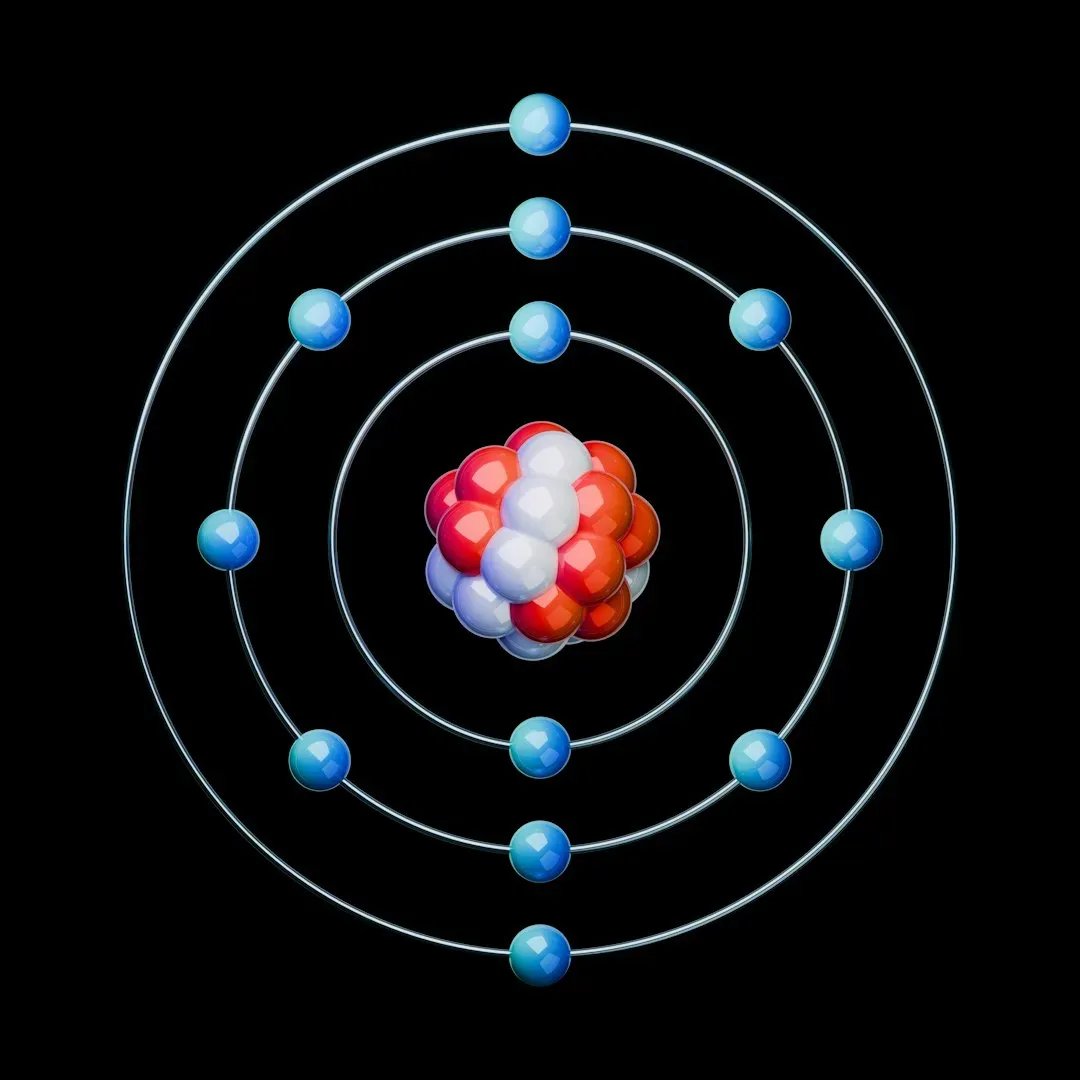
The cloud that formed the sun contained remnants from earlier stars. Those remnants included iron produced in supernovae that predated our star by hundreds of millions of years. Planets and living organisms later assembled from the same pool of atoms.
Earth formed roughly 4.5 billion years ago from this recycled material. The iron that sank to the planet core and the iron that stayed near the surface both carry the same ancient signature. Human bodies simply draw from that same reservoir.
Iron Inside the Human Body
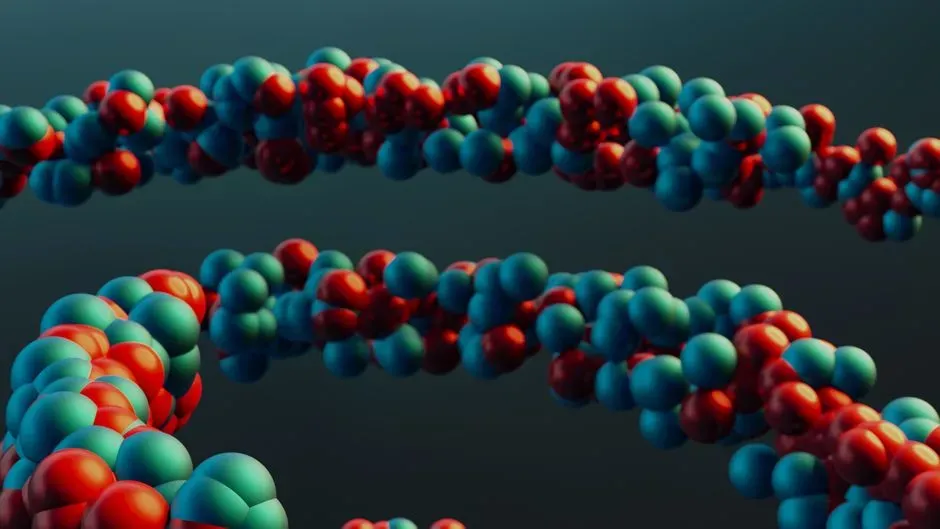
Iron plays a central role in oxygen transport through hemoglobin. Each red blood cell contains millions of iron atoms arranged in precise structures. These atoms arrived on Earth long before the first life forms appeared.
The quantity of iron in an average adult equals only a few grams yet it enables every breath. That small amount links each person directly to stellar processes that unfolded across vast distances and times.
Connections Across Chemistry and Biology
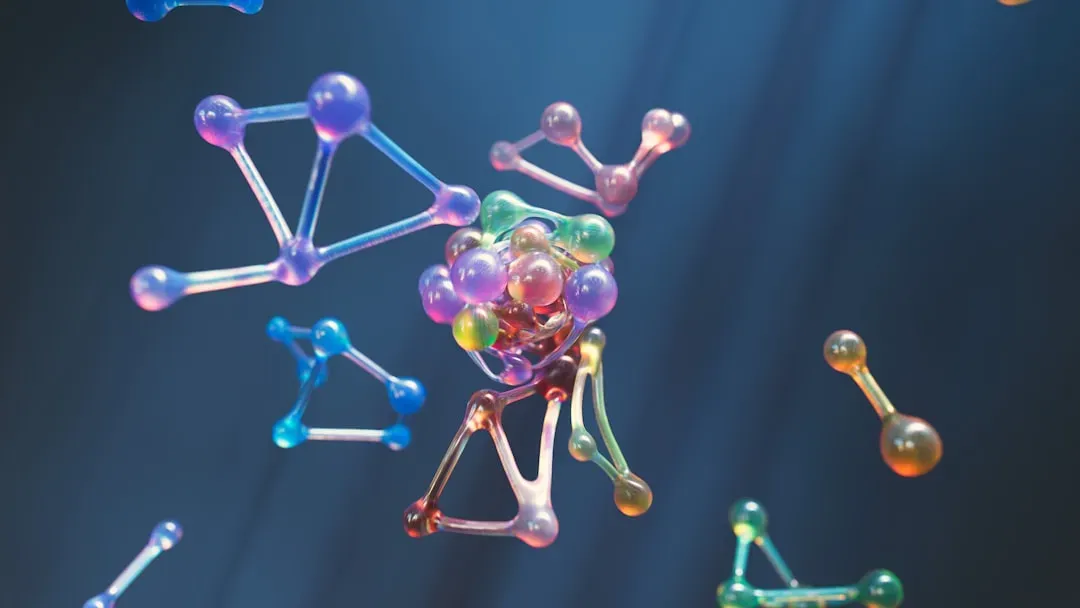
Many other elements essential to life also trace back to stellar sources. Carbon oxygen and nitrogen formed in earlier generations of stars before finding their way into organic molecules. The same cosmic recycling that supplied iron supplied these lighter building blocks as well.
Biochemical pathways in cells rely on these atoms without any distinction between their origins. The periodic table therefore functions as a shared inventory drawn from the galaxy at large rather than from local resources alone.
Shifting Views of Human Place in the Cosmos

Recognizing stellar origins reframes everyday existence as part of a longer sequence. The atoms that allow thought and movement once participated in the death of distant suns. This continuity suggests a deeper continuity between personal biology and galactic history.
Such awareness encourages a quieter sense of scale. Daily routines unfold against a backdrop of processes that span billions of years and uncounted light years. The result is a grounded perspective rather than any claim of special status.
The iron in blood therefore carries more than oxygen. It carries evidence of a universe that builds complexity through repeated cycles of creation and destruction. That evidence sits inside every heartbeat and invites continued attention to the ordinary materials that sustain life.
- 14 Signs an Old Dog Feels Completely Safe Only in Your Arms - July 23, 2026
- 14 Signs a Shelter Cat Has Chosen You as the Human Worth Waiting For - July 23, 2026
- 14 Signs an Old Cat Feels Its Safest Curled Up Beside You - July 23, 2026