

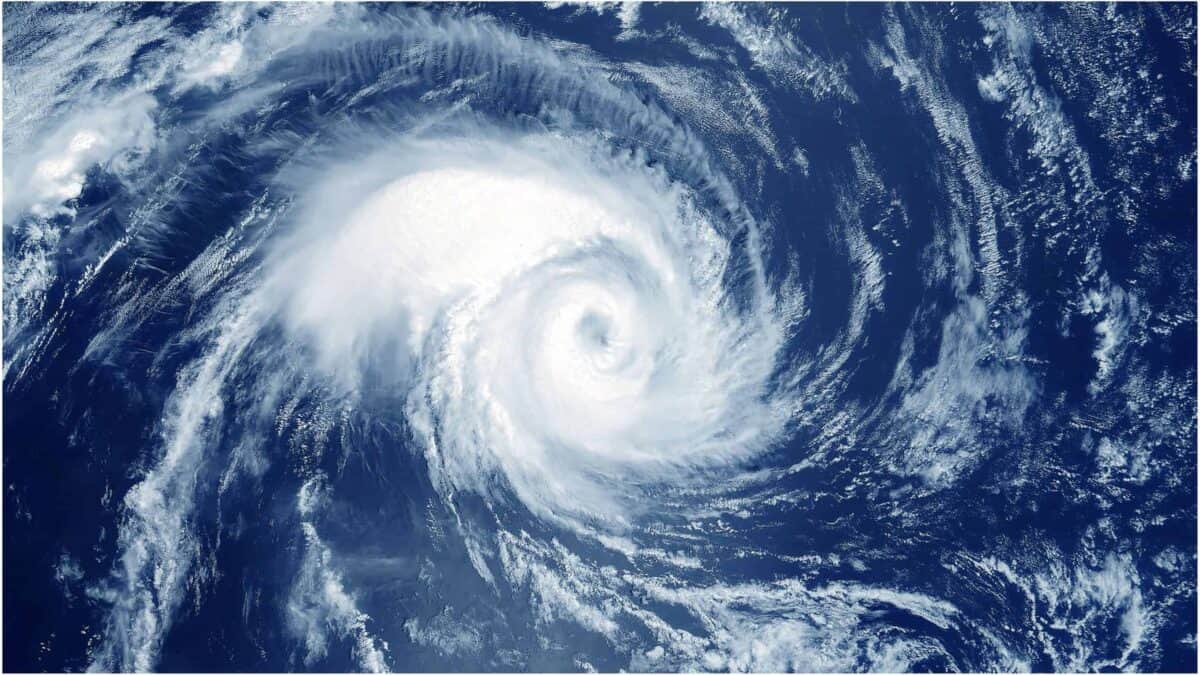
New England – Forecasters now assign a one-in-four chance to a super El Niño developing by late 2026, a powerful climate pattern rooted in rapidly warming Pacific waters.[1][2] This rare phenomenon, defined by sea surface temperatures at least 2 degrees Celsius above average in the central Pacific’s Niño 3.4 region, typically peaks in winter but could influence summer weather patterns earlier. Recent shifts from a weak La Niña to ENSO-neutral conditions have heightened scrutiny, with NOAA projecting a 61 percent likelihood of El Niño emergence as early as May through July.[1]
Early Warning Signs in the Pacific
Subsurface ocean temperatures across the equatorial Pacific have climbed for five straight months, fueling optimism – or concern – among climate modelers. Westerly wind anomalies, a hallmark precursor, appeared over the western Pacific at low levels and the eastern Pacific aloft. Convection patterns near the Date Line also shifted toward averages, signaling the neutral phase’s instability.[1]
Ensemble forecasts point to El Niño consolidation by early summer, potentially escalating to super strength later in the year. Paul Roundy, a professor of atmospheric science at the University at Albany, described the setup as carrying “a real potential for the strongest El Niño event since the late 1870s,” comparable to the 1997-1998 benchmark.[2] Such events occur roughly every few decades, with only four super El Niños recorded since 1980: 1982-83, 1991-92, 1997-98, and 2015-16.
New England Summers Under the Influence
Strong El Niños often deliver warmer, more humid conditions to the Northeast, amplifying heat waves amid already elevated baseline temperatures. Crystal Egger, president of Monarch Weather and Climate Intelligence, noted that “a stronger El Niño often leans toward a warmer and more humid summer across the Northeast, including New England.”[2] Nights could turn notably muggy, echoing patterns from 2015-16.
Yet signals vary: some outlooks suggest slightly cooler averages with heightened thunderstorm risks from tropical moisture surges. Heavy rain events and afternoon storms may proliferate, curbing prolonged dry spells. June might open cooler and drier before a broader warmup takes hold, as Jared Rennie of NOAA anticipated for early summer.[2] Historical precedents, like the drier 1997-98 summer, underscore the pattern’s tendency for below-normal precipitation overall.
A Braking Force on Atlantic Hurricanes
El Niño’s arrival coincides with peak hurricane season, but its dynamics favor restraint in the Atlantic. Elevated wind shear – high-altitude winds tearing at storm tops – typically disrupts development, yielding fewer named storms and weaker hurricanes. Early 2026 projections call for below-average activity: around 13 named storms, six hurricanes, and two majors, per Colorado State University analogs.[3]
- Wind shear acts like a “giant fan,” shredding tropical systems before intensification.[4]
- Jet stream rerouting bolsters this effect, even against record-warm ocean surfaces.
- Past super years, such as 1991’s Hurricane Bob, remind that outliers persist despite odds.
Egger cautioned that “it doesn’t eliminate the risk completely,” highlighting New England’s lingering vulnerability to direct hits.[2]
Global Ripples and Local Preparations
Beyond the region, a super El Niño promises one of 2026’s hottest years globally, redistributing jet streams to spark droughts, floods, and wildfires elsewhere. The West Coast, including Hawaii, faces heightened Pacific storm risks, contrasting the Atlantic lull.[4]
For New England residents, the watch means vigilance: stock up on cooling measures for humid heat, monitor thunderstorm alerts, and stay hurricane-ready despite subdued forecasts. As models refine, this Pacific powerhouse could redefine the year’s weather narrative.
Key NOAA Probabilities: El Niño by May-July: 61%; Persisting through 2026: High likelihood; Super strength (≥+2°C): ~25%.[1]

As a little kid, I fell in love with nature, wildlife, and animals. Living in the USA, South Africa, Italy, China and Germany gave me the opportunity to discover the world's Wildlife. My favorite animals are Mountain Gorillas, Siberian Tigers, and Great White Sharks.
I'm a certified PADI Open Water Diver, went to Everest Base Camp and Trekked Gorillas in Uganda. I hold a Master of Science in Economics and Finance.
Please send any feedback to feedback@animalsaroundtheglobe.com
- The Fearsome Komodo Dragon Earth’s Largest Lizard - August 18, 2026
- How Bears Are Adapting to Urban Life in the U.S. - August 18, 2026
- Animals and Wildlife in North America - August 18, 2026