


Donkeys have been faithful companions to humans for thousands of years, yet these remarkable animals remain largely misunderstood and underappreciated. Often overshadowed by their more glamorous equine cousins, donkeys possess unique characteristics and abilities that deserve recognition. From their extraordinary intelligence to their impressive memory and unwavering loyalty, donkeys are far more complex and fascinating than their stubborn stereotype suggests. This article explores some genuinely surprising facts about these humble animals that will transform your understanding and appreciation of donkeys forever.
Ancient Companions With a Noble History
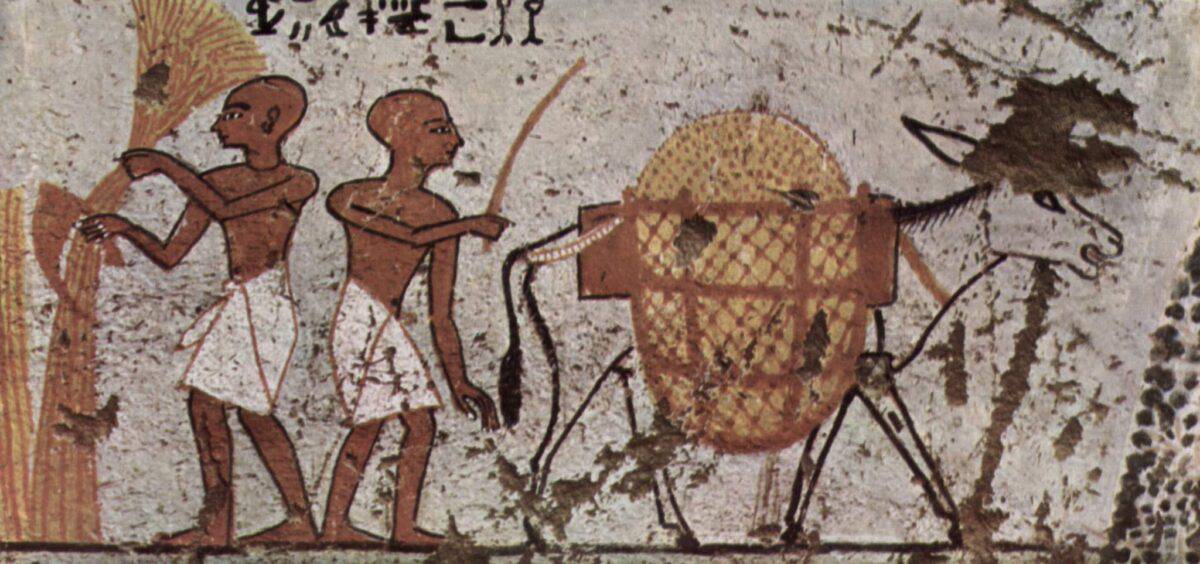
Donkeys have walked alongside humans for over 5,000 years, making them one of our oldest domesticated animal partners. Originally descended from the African wild ass, donkeys were first domesticated around 3000 BCE in Egypt and Mesopotamia. Archaeological evidence suggests they were prized possessions in ancient civilizations, often associated with royalty and deities. In ancient Egypt, donkeys were so valued that they were buried alongside pharaohs to serve them in the afterlife. This noble history stands in stark contrast to their often diminished status in modern times. These animals revolutionized early agriculture and trade, becoming the backbone of ancient economies long before horses were commonly domesticated for similar purposes.
Donkeys Are Incredibly Intelligent
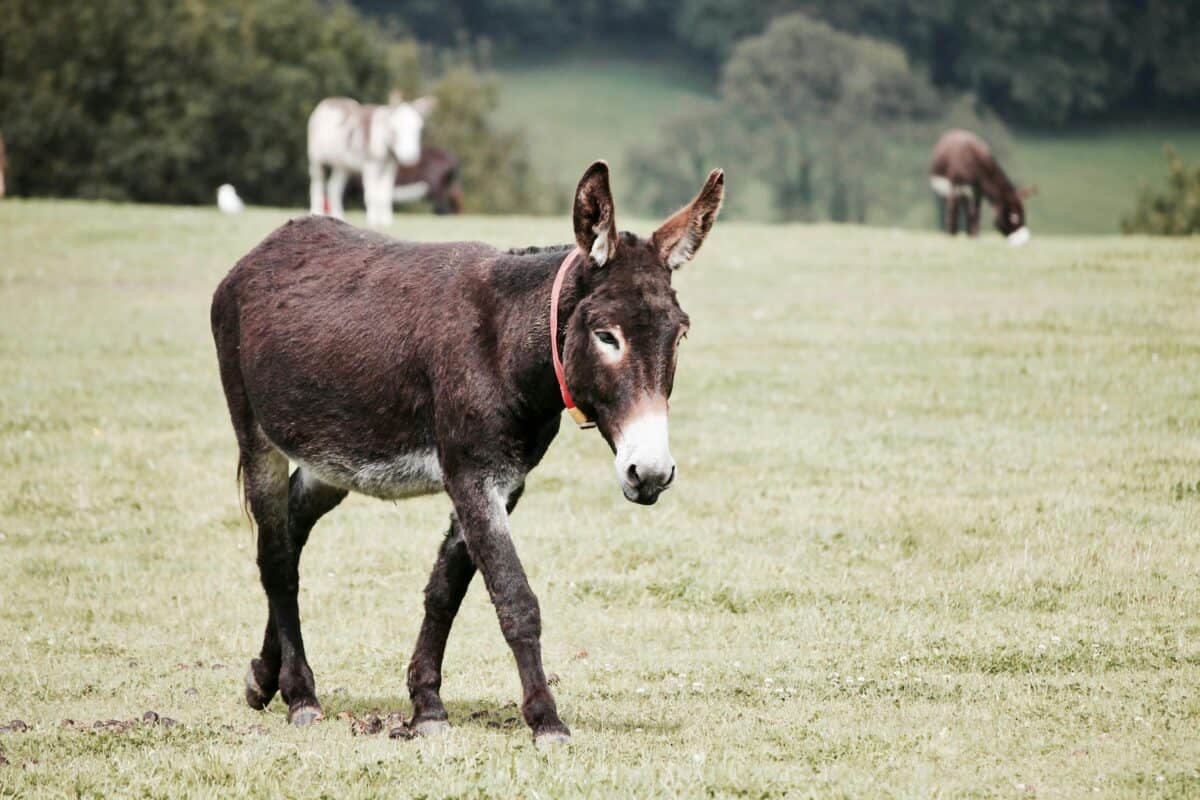
Contrary to popular belief, donkeys possess remarkable intelligence that often surpasses that of horses. Their intelligence manifests differently – while horses react instinctively to fear by fleeing, donkeys stop, analyze the situation, and make calculated decisions about how to proceed. This thoughtful approach is often misinterpreted as stubbornness, when in reality, it demonstrates sophisticated thinking. Studies have shown that donkeys can solve complex problems and remember solutions for years. They excel at puzzle-solving tasks and can learn commands as quickly as dogs. Researchers at The Donkey Sanctuary have documented donkeys figuring out how to open complex gate mechanisms and even using tools in basic ways – cognitive abilities once thought exclusive to primates and certain birds.
Extraordinary Memory Span

Donkeys possess one of the most impressive memories in the animal kingdom, capable of recognizing places and other donkeys they haven’t seen for 25 years or more. This extraordinary memory serves them well in their natural habitat, allowing them to remember complex routes and water sources across vast territories. Their memory extends to people as well – they can recall humans who treated them kindly or harshly years after the interaction. This remarkable ability helps explain why abused donkeys often require extensive rehabilitation; their trauma remains vividly present in their memory. On the positive side, this memory capacity makes them excellent trail animals in challenging terrain, as they’ll remember a safe path through dangerous areas even years after their last journey there.
Emotional Intelligence and Bonding
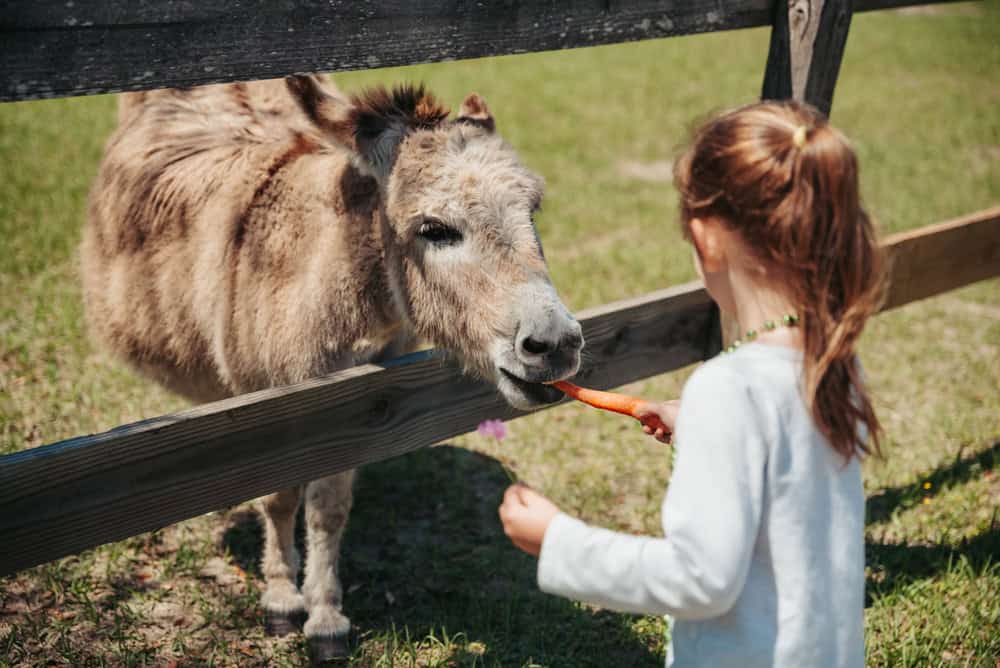
Donkeys form deep emotional bonds that rival those of many companion animals. They develop particularly strong attachments to their companions, whether other donkeys, horses, or even humans. When separated from a bonded companion, donkeys can become depressed to the point of illness. Their capacity for grief is profound – donkeys have been observed standing vigil over deceased companions and showing classic signs of mourning. This emotional depth extends to their human relationships too. Donkeys recognize individual people, respond differently to familiar and unfamiliar humans, and clearly demonstrate affection toward those they trust. This emotional intelligence makes donkeys particularly effective in animal-assisted therapy settings, where their calm, attentive presence helps people with various emotional and developmental challenges.
Desert-Adapted Physiological Marvels
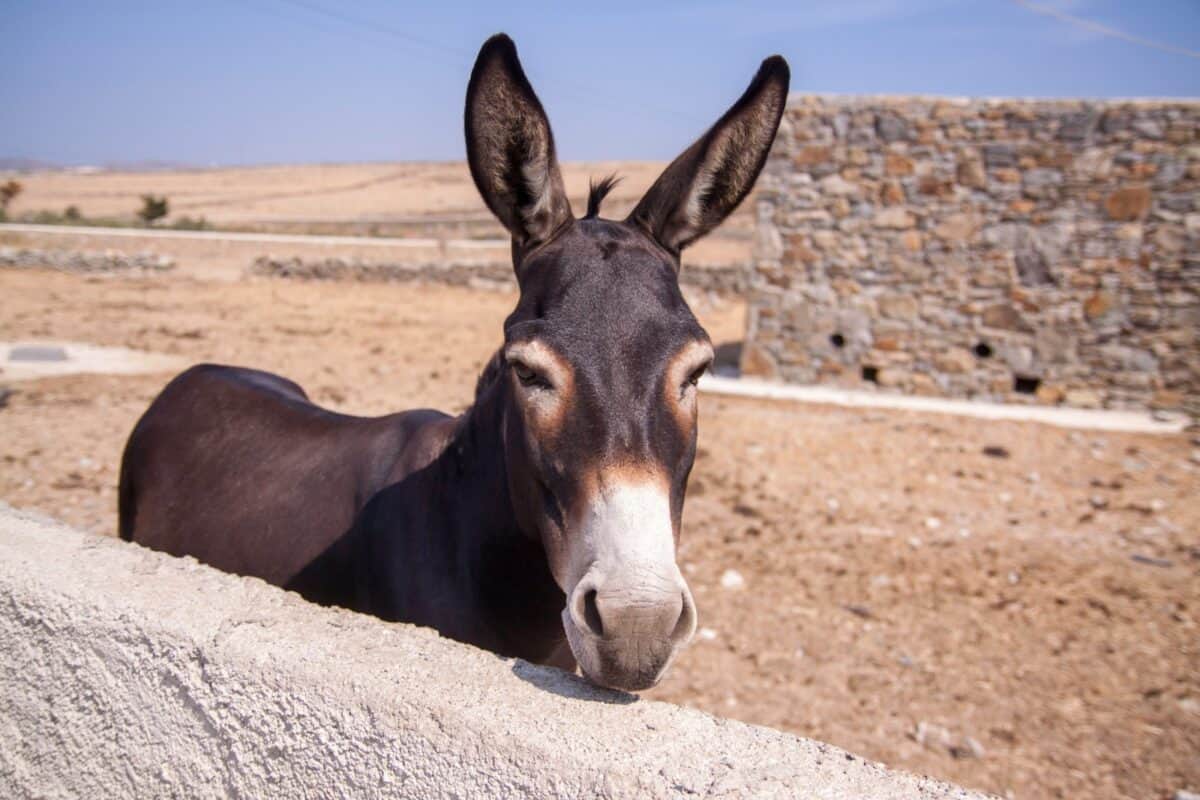
Donkeys possess remarkable physiological adaptations that allow them to thrive in some of Earth’s harshest environments. Unlike most mammals, donkeys can lose up to 30% of their body weight in water and rapidly rehydrate without suffering ill effects – a capability humans and most other animals lack. Their large ears aren’t just for expression; they contain an extensive network of blood vessels that act as natural cooling systems, dissipating heat efficiently. Donkeys also have incredibly efficient digestive systems that can extract nutrients from poor-quality vegetation that would provide little sustenance to other herbivores. Their hooves are uniquely designed for desert terrain, with a firmer, more upright structure than horses that enables better navigation of rocky, uneven ground. These adaptations made donkeys invaluable to human desert civilizations throughout history.
Superior Guardians for Livestock

While dogs are traditionally associated with livestock protection, donkeys are increasingly recognized as superior guardians for certain applications. A single donkey can effectively protect sheep, goats, and other vulnerable livestock from predators like coyotes, dogs, and foxes. Their natural aversion to canids means they’ll instinctively chase away or confront potential predators, often with aggressive braying, kicking, and charging behaviors that few predators are willing to challenge. Unlike guard dogs, donkeys don’t require special training to perform this protective role – it’s instinctual. Farmers across the world report significant reductions in livestock predation after introducing guardian donkeys. This natural protective instinct extends to humans too, with many documented cases of donkeys defending their human handlers from perceived threats.
Unique Vocalization Abilities

The distinctive “hee-haw” bray of a donkey can be heard up to two miles away in optimal conditions, but what’s truly remarkable is the complexity behind this seemingly simple sound. Donkeys possess a unique vocalization mechanism that allows them to inhale and exhale while braying, something few other mammals can do. A donkey’s bray is as individual as a human fingerprint – researchers can identify specific donkeys by the acoustic patterns of their vocalizations. They use different brays to communicate distinct messages, from warnings about predators to expressions of loneliness or hunger. Interestingly, donkeys from different regions have been documented with regional “accents” in their brays, suggesting cultural learning in their communication patterns – a sophisticated trait previously associated primarily with primates and certain birds.
Life-Saving Medical Contributions

Donkeys have made remarkable contributions to human medicine that remain largely unrecognized. Donkey milk contains properties that make it the closest animal milk to human breast milk, with powerful immune-boosting and anti-inflammatory properties. Throughout history, it was prescribed for everything from liver disorders to infectious diseases. Modern research has confirmed that compounds in donkey milk can help treat conditions ranging from eczema to respiratory infections. Even more significantly, anti-venoms for certain snake bites are produced using donkey antibodies, as donkeys produce particularly strong immune responses that make them ideal for antiserum production. Additionally, donkeys have contributed to pioneering research on asthma treatments, and their genetic makeup has helped scientists understand certain human genetic disorders, making these humble animals genuine lifesavers in the medical field.
Extraordinary Lifespan

Donkeys possess remarkable longevity, with many healthy individuals living 40-50 years in proper care conditions – far longer than horses, dogs, or cats. This exceptional lifespan makes them one of the longest-lived domesticated animals. The oldest documented donkey lived to 62 years old, comparable to the human lifespan when adjusted for scale. This longevity means donkeys often form multi-generational bonds with human families, sometimes serving three human generations during their lifetime. Scientists studying aging have become increasingly interested in donkey physiology, as they show remarkable resistance to common age-related conditions that affect other mammals. Their extended lifespan creates both opportunities and responsibilities for owners, as proper donkey care requires a multi-decade commitment that exceeds that of most other companion animals.
Cultural Impact Across Civilizations

Few animals have influenced human culture as profoundly yet subtly as the donkey. They appear prominently in religious texts – from carrying Mary to Bethlehem in Christian tradition to featuring in over 14 suras of the Quran. Literary donkeys like Eeyore from Winnie the Pooh and the donkey in Shrek have shaped cultural perceptions, while political symbolism has adopted donkeys as party emblems. In music, art, and folklore across cultures, donkeys feature prominently as symbols of both humility and wisdom. Phrases like “stubborn as a mule” (referring to donkey-horse hybrids) have entered global lexicons. Perhaps most significantly, donkeys feature in the origin stories of countless human settlements, where their transport abilities enabled community establishment in otherwise inaccessible regions. Their cultural footprint spans continents and millennia, making them among humanity’s most influential animal partners.
Endangered Status of Wild Relatives
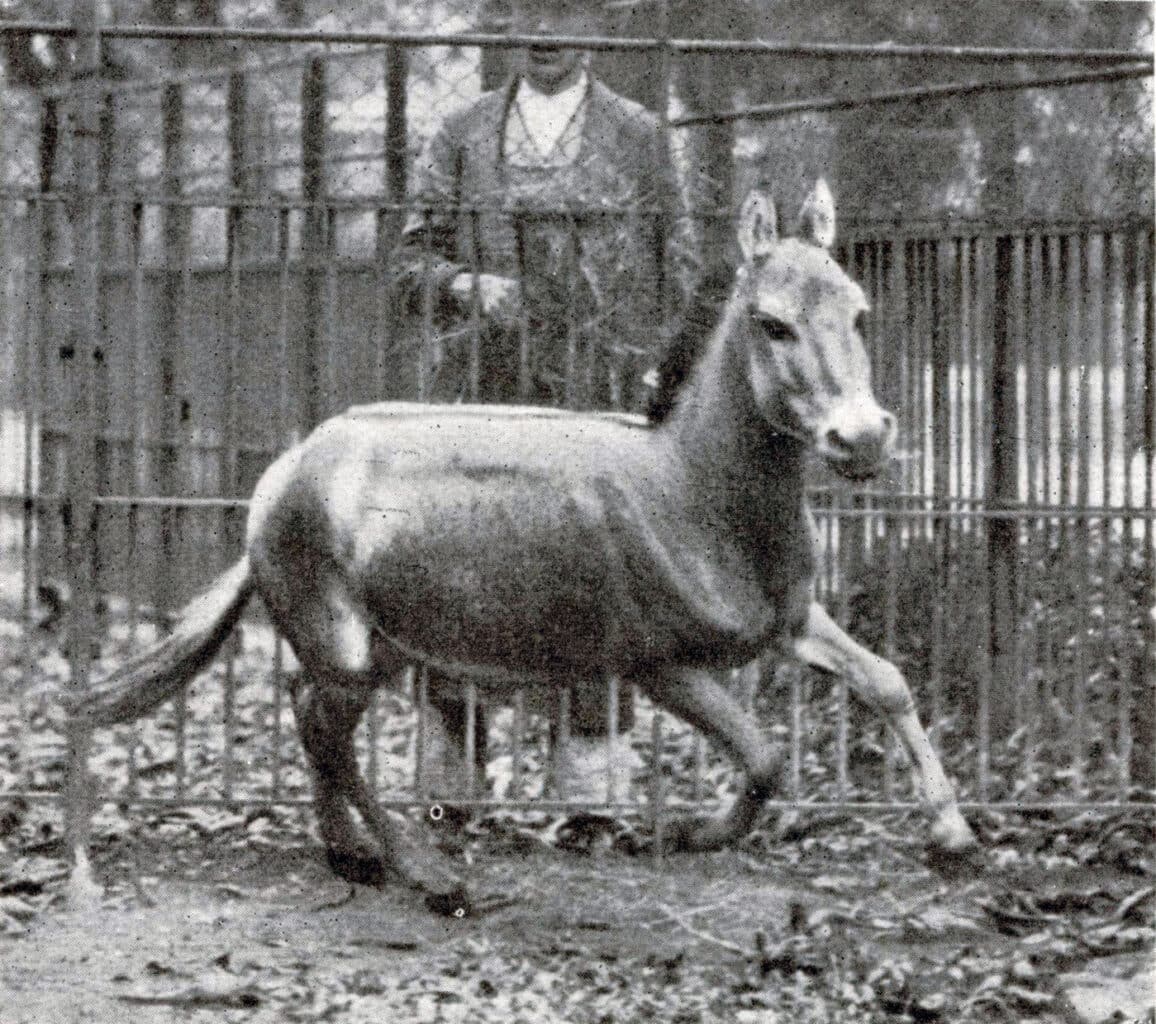
While domesticated donkeys number around 50 million worldwide, their wild relatives face devastating decline. Of the five original wild ass subspecies that once roamed Africa and Asia, one is completely extinct (the Syrian wild ass), and the remaining four are critically endangered. The African wild ass, the direct ancestor of domestic donkeys, has fewer than 600 individuals remaining in the wild. This precarious situation stems from habitat loss, hunting, and competition with livestock for resources. The genetic diversity represented by these wild populations is irreplaceable and crucial for maintaining healthy domestic donkey populations in the future. Conservation efforts face significant challenges, including political instability in the regions where these animals survive and limited public awareness about their plight. Understanding the endangered status of wild donkeys adds urgent conservation context to our relationship with their domesticated relatives.
Working Worldwide to Support Human Communities

In today’s mechanized world, it may be surprising to learn that an estimated 500 million people worldwide still depend directly on donkeys for their livelihoods. In developing nations across Africa, Asia, and Latin America, donkeys remain the primary means of transportation, agricultural power, and water collection. A single working donkey can support an extended family of up to 30 people by carrying water, transporting goods to market, and plowing fields. Their ability to work in harsh conditions where motorized vehicles fail makes them irreplaceable in many regions. International development experts increasingly recognize donkeys as crucial allies in poverty reduction. However, these working animals often face welfare challenges due to overwork, inadequate veterinary care, and poor nutrition. Organizations like The Donkey Sanctuary and Brooke work globally to improve working donkey welfare while preserving their essential role in supporting vulnerable human communities.
Donkeys truly deserve a complete reassessment in our collective understanding – these are not simple, stubborn beasts but complex, intelligent animals with remarkable capabilities that have shaped human civilization for millennia. Their extraordinary cognitive abilities, emotional depth, and physiological adaptations make them among the most impressive domesticated animals on the planet. As we’ve discovered through these surprising facts, donkeys possess qualities that have made them indispensable companions throughout human history, from ancient Egyptian royalty to modern subsistence farmers. Perhaps most importantly, by understanding the true nature of donkeys, we can better appreciate our responsibility toward these animals that have given so much to humanity over thousands of years of partnership. The humble donkey, it turns out, is anything but ordinary – and certainly worthy of our renewed respect and admiration.

- What We Can Learn From the Way Animals Build Homes - August 9, 2026
- Mini Pigs Are Becoming America’s Fastest-Growing Pet Trend - August 9, 2026
- Beginner’s Guide to Spotting Wolves in the Wild - August 9, 2026