Anthropology Says Ancient Cave Art May Have Been a Form of Shared Storytelling-feature image/Unsplash
Imagine standing in the dimly lit recesses of a prehistoric cave, where flickering torchlight reveals vivid depictions of animals and human figures on the walls. These ancient artworks, some dating back over 40,000 years, have long captivated archaeologists and historians. Recent anthropological studies suggest that these cave paintings may have served as a form of shared storytelling, offering profound insights into the cognitive and social lives of our ancestors.
The Emergence of Symbolic Expression
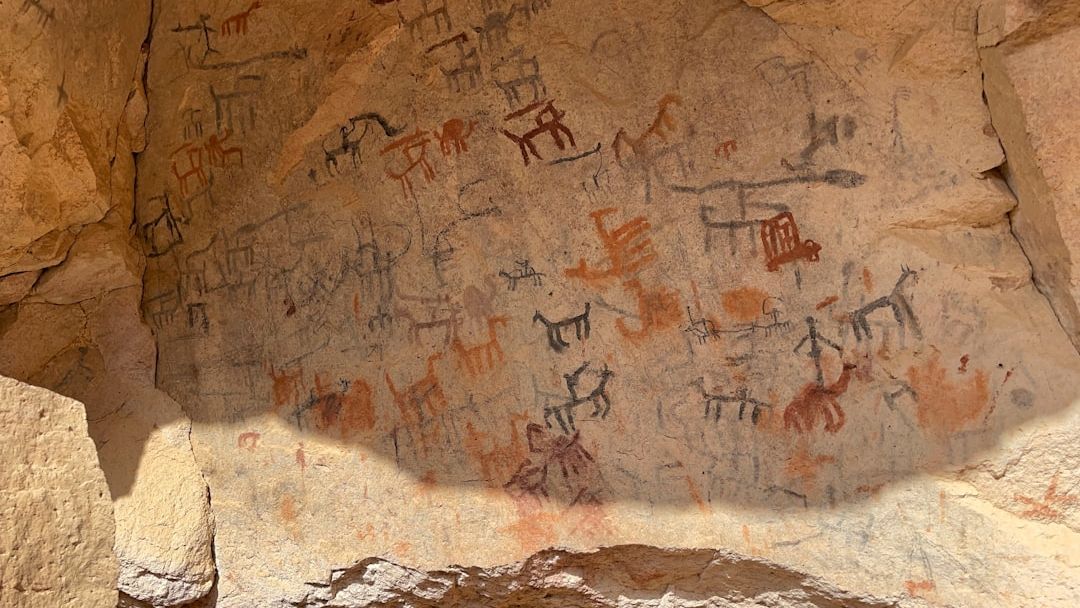
The Emergence of Symbolic Expression (Image Credits: Unsplash)
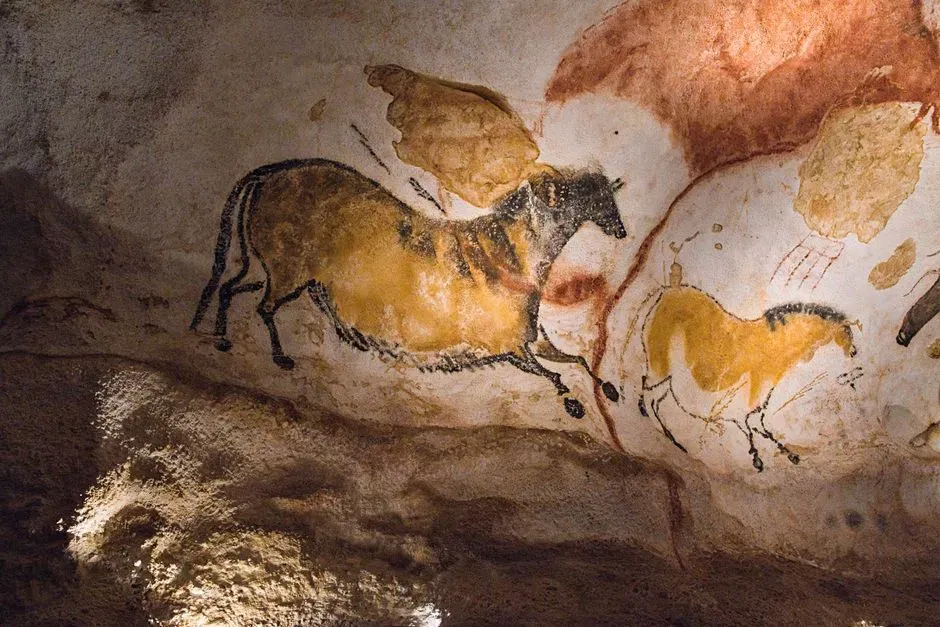
The creation of cave art marks a significant milestone in human evolution, reflecting the development of symbolic thinking. This ability to represent objects, ideas, and narratives through symbols is foundational to language and culture. The intricate scenes painted on cave walls indicate that early humans possessed the cognitive capacity to convey complex stories and concepts visually.
These artworks often feature recurring motifs and symbols, suggesting a shared visual language among prehistoric communities. The consistency of these symbols across different regions implies that storytelling through art was a widespread practice, facilitating communication and the transmission of knowledge.
Acoustic Environments and Ritualistic Narratives
Acoustic Environments and Ritualistic Narratives (Image Credits: Unsplash)
Intriguingly, many cave paintings are located in areas with unique acoustic properties. Researchers have found that the placement of art often coincides with spots where sound echoes or resonates strongly. This suggests that these spaces may have been used for rituals involving music, chanting, or storytelling, with the cave art serving as visual aids to these oral narratives.
The combination of visual art and acoustics would have created immersive storytelling experiences, enhancing the communal aspect of these rituals. The reverberating sounds, coupled with the evocative imagery, likely played a role in reinforcing social bonds and shared beliefs within the group.
Depictions of Daily Life and Mythology
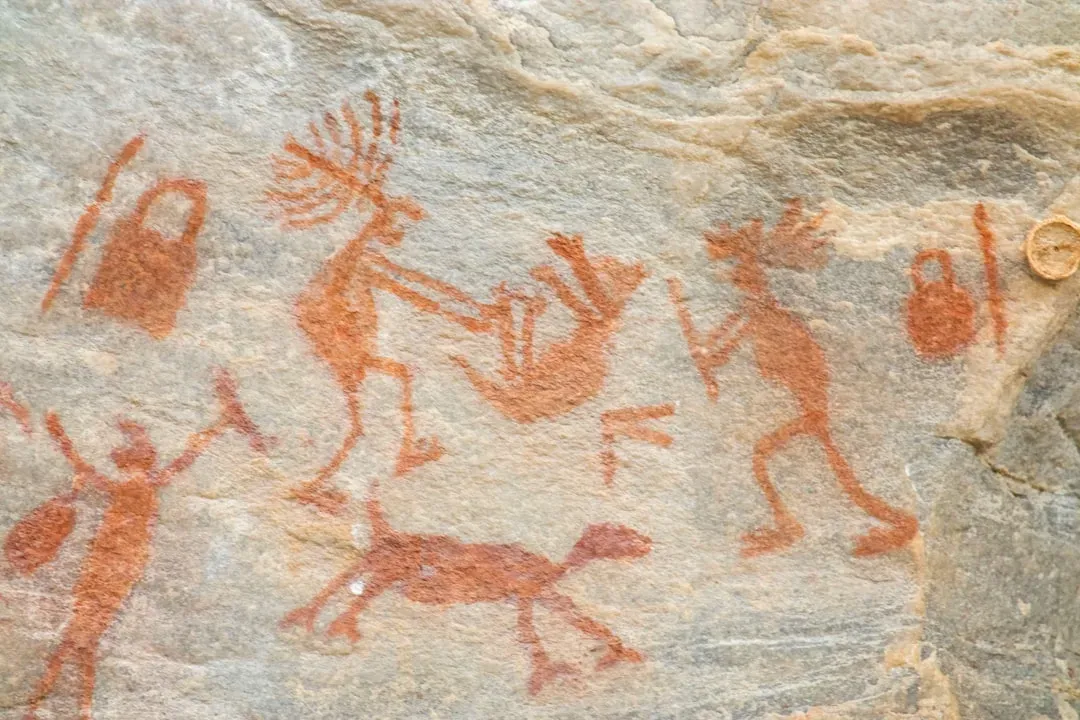
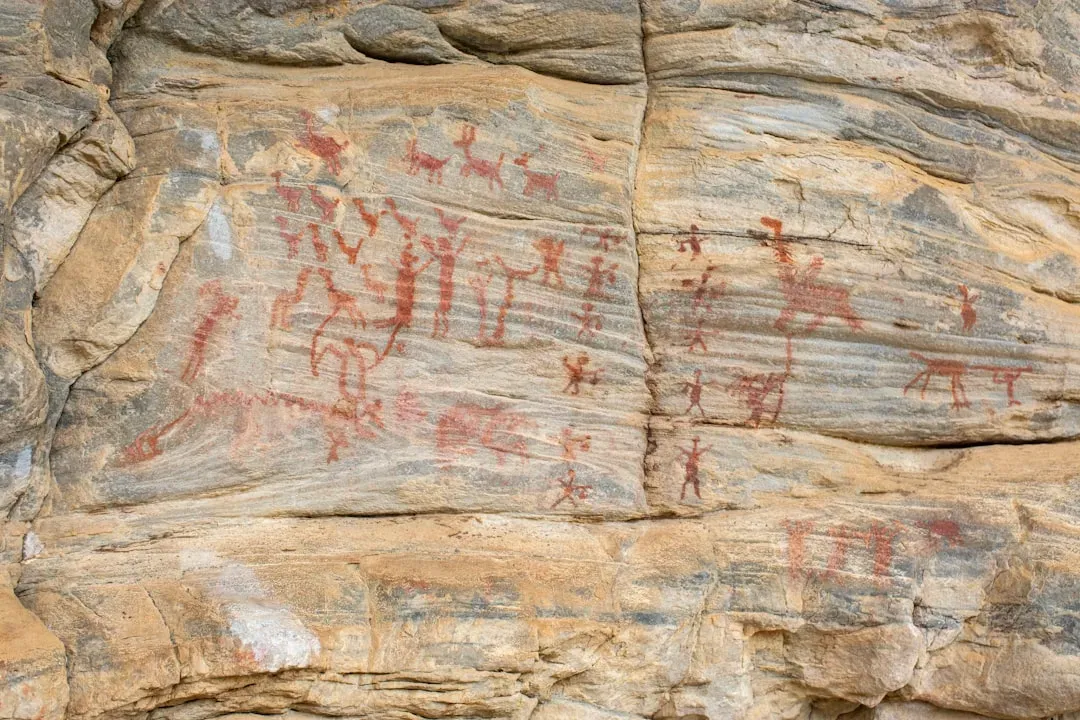
Depictions of Daily Life and Mythology (Image Credits: Unsplash)
Cave paintings often depict scenes of hunting, dancing, and communal activities, providing glimpses into the daily lives and practices of prehistoric humans. These images may have functioned as educational tools, conveying important information about survival strategies, social roles, and cultural norms.
Beyond practical knowledge, some artworks appear to illustrate mythological or spiritual themes. The presence of composite creatures – part human, part animal – suggests a rich tapestry of myths and legends that were integral to the community’s worldview. These narratives, preserved in art, would have been instrumental in passing down traditions and values through generations.
Hand Stencils: Personal Marks in Shared Stories
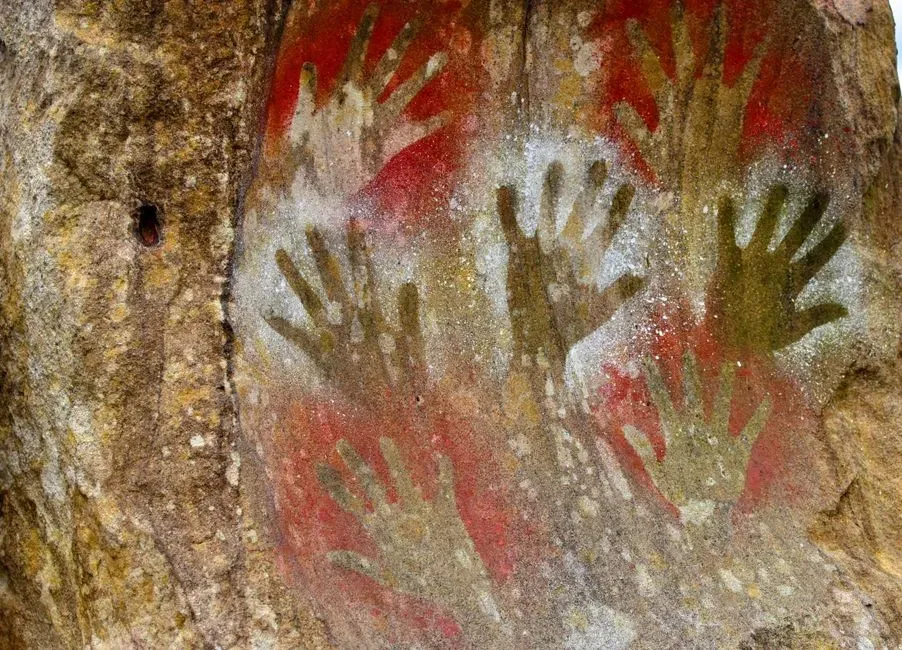
Hand Stencils: Personal Marks in Shared Stories (Image Credits: Pexels)
Among the most striking images in cave art are the stenciled handprints, often found in clusters. These handprints are believed to be the artists’ signatures or marks of participation, symbolizing individual presence within the collective narrative. The act of leaving one’s handprint may have been a ritualistic gesture, affirming one’s role in the shared story of the community.
The prevalence of these handprints across various sites indicates a universal desire to be part of a larger story, to leave a lasting imprint that connects the individual to the group’s history and identity.
Neanderthal Contributions to Storytelling
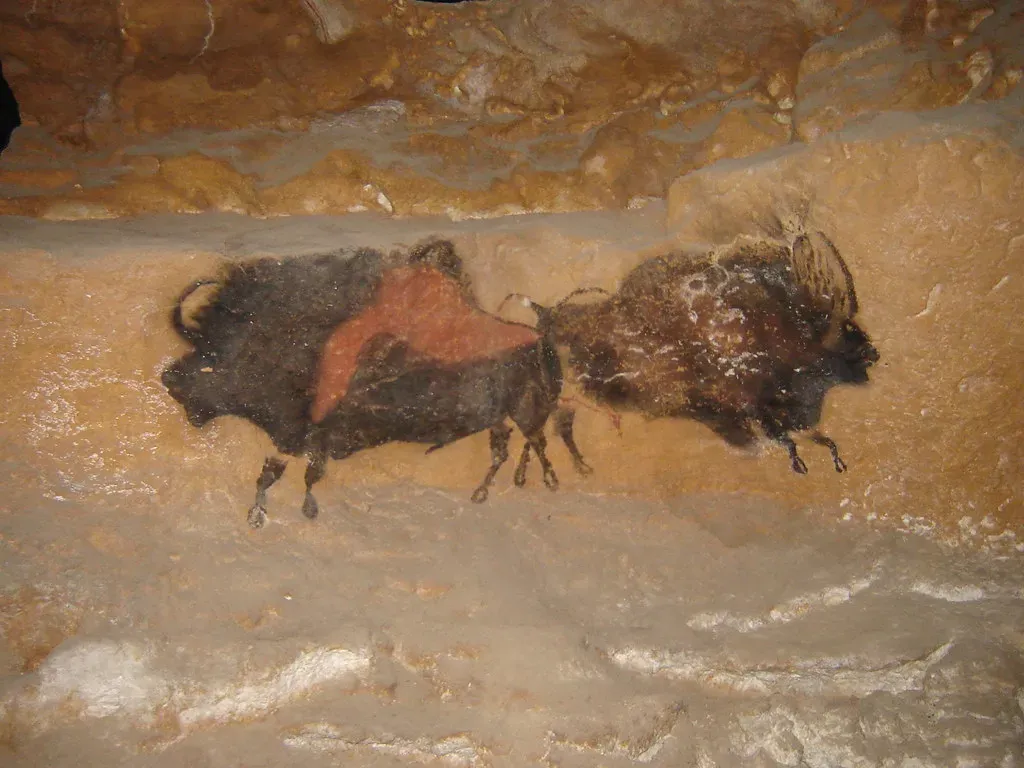
Neanderthal Contributions to Storytelling (SKI tripper, Flickr, CC BY 2.0)
Recent discoveries have revealed that Neanderthals, our close evolutionary relatives, also created cave art. Dating back over 64,000 years, these artworks predate the arrival of modern humans in Europe, suggesting that the capacity for symbolic expression and storytelling was not unique to Homo sapiens.
The presence of Neanderthal art challenges previous assumptions about their cognitive abilities and indicates that the practice of shared storytelling through visual art has deep evolutionary roots. This finding underscores the universality of storytelling as a fundamental aspect of human and hominin culture.
Preserving Ancient Narratives
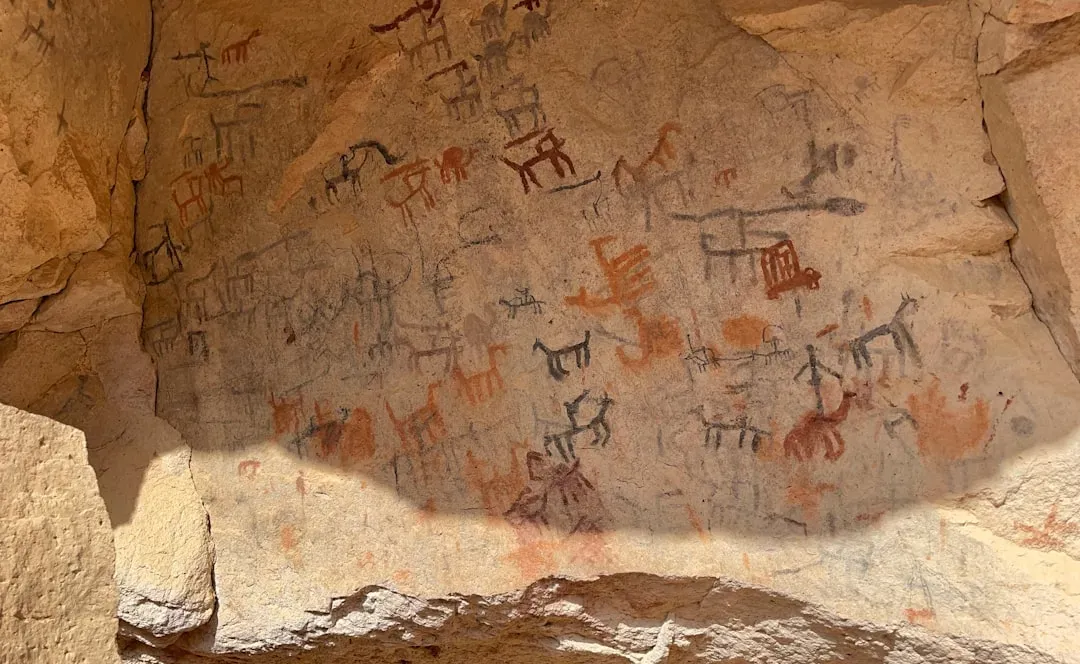
Preserving Ancient Narratives (Image Credits: Unsplash)
The study and preservation of cave art are crucial for understanding the origins of human culture and communication. Organizations like the Ancient Art Archive are dedicated to documenting and sharing these prehistoric artworks, ensuring that the stories they tell are not lost to time. Through advanced imaging techniques and virtual reality, these efforts make ancient narratives accessible to a global audience.
By safeguarding these artworks, we honor the creative expressions of our ancestors and gain deeper insights into the shared human experience that transcends time and geography.
Conclusion
Conclusion (Image Credits: Pexels)
The exploration of ancient cave art reveals that storytelling is an intrinsic part of the human experience, deeply embedded in our evolutionary history. These prehistoric paintings are not mere decorations but are windows into the minds and lives of our ancestors, reflecting their thoughts, beliefs, and social structures. As we continue to study and preserve these artworks, we not only uncover the origins of our own narratives but also recognize the enduring power of shared stories to connect us across millennia.
Did you find this helpful? Share it with a friend who’d love it too!
Gargi is an MA in History and a B.Ed graduate from India, with a deep passion for animals and wildlife awareness. As an article writer and editor at Animals Around The Globe, she combines her love for storytelling with her dedication to educating readers about animals, conservation, and responsible pet care. A devoted dog lover, Gargi enjoys creating engaging and informative content that inspires compassion and awareness toward the natural world.