


When wildlife rangers in Tasmania performed a routine pouch check on several female Tasmanian devils, they didn’t expect such a joyful surprise—ten healthy joeys wriggling inside. For a species battling extinction, this discovery isn’t just adorable—it’s a sign of hope. These tiny joeys represent resilience, survival, and the hard work of countless conservationists trying to save this iconic marsupial.
Born Into Uncertainty
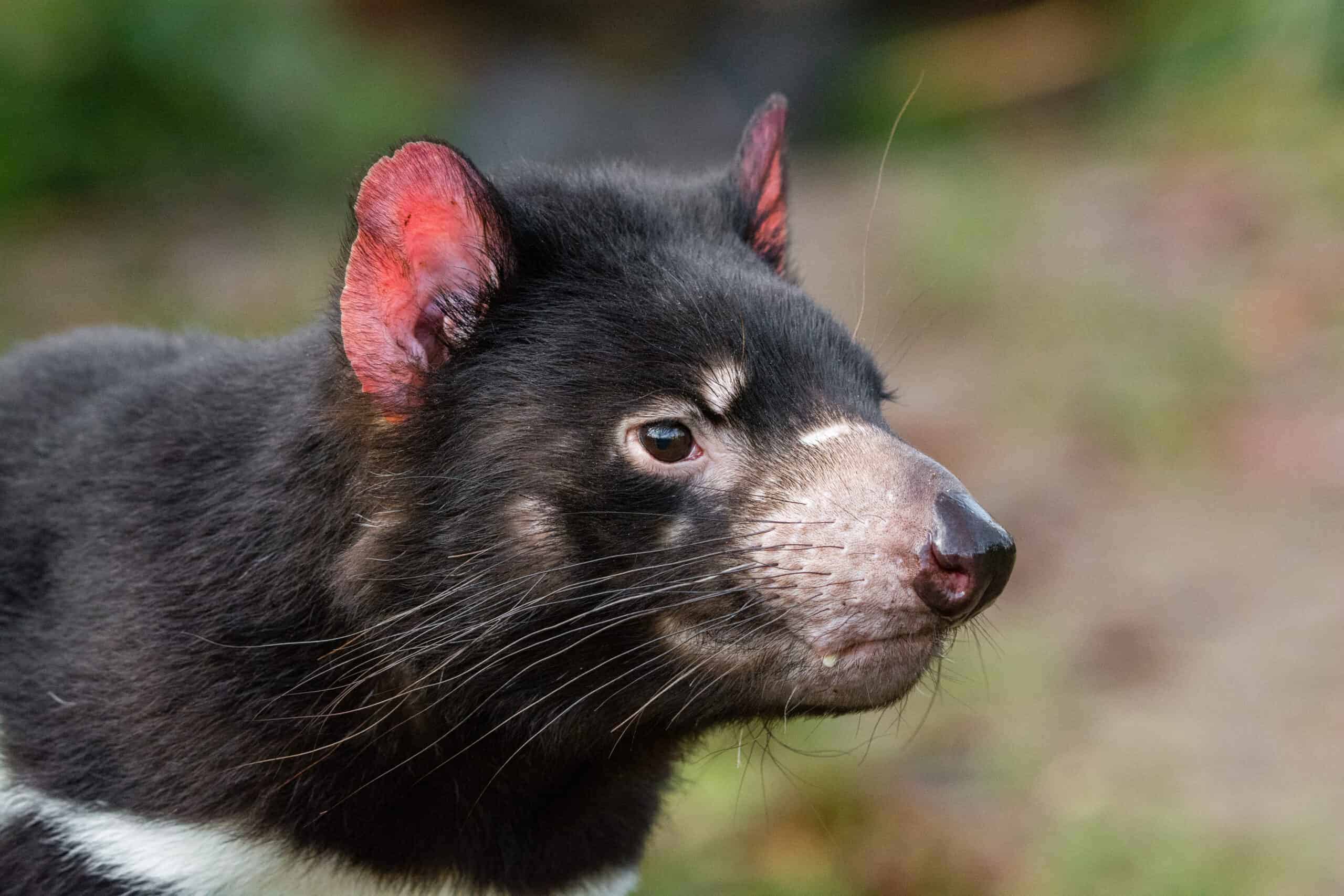
Tasmanian devils have faced a grim reality for years. A contagious facial tumor disease decimated populations, placing them on the endangered species list. These joeys were born into that uncertainty—into a world where every new life is a small victory. But inside the protected environment of the conservation site, they’ve been given a fighting chance.
A Carefully Watched Arrival

Wildlife rangers check the pouches of female devils to monitor breeding success and ensure health. These pouch checks are delicate and infrequent, designed to cause minimal stress to the mothers. When the team found ten joeys across multiple females, it was a thrilling and unexpected moment. Each joey, no larger than a jellybean at this stage, represents the future of the species.
Tiny But Fierce

Though they’re still developing, Tasmanian devil joeys already carry the traits that define their species: grit, noise, and raw determination. As they grow, they’ll develop the sharp teeth and powerful bite devils are known for. For now, they’re vulnerable, blind, and fully dependent on their mothers—but they’re survivors.
Raised By Mothers—and Science
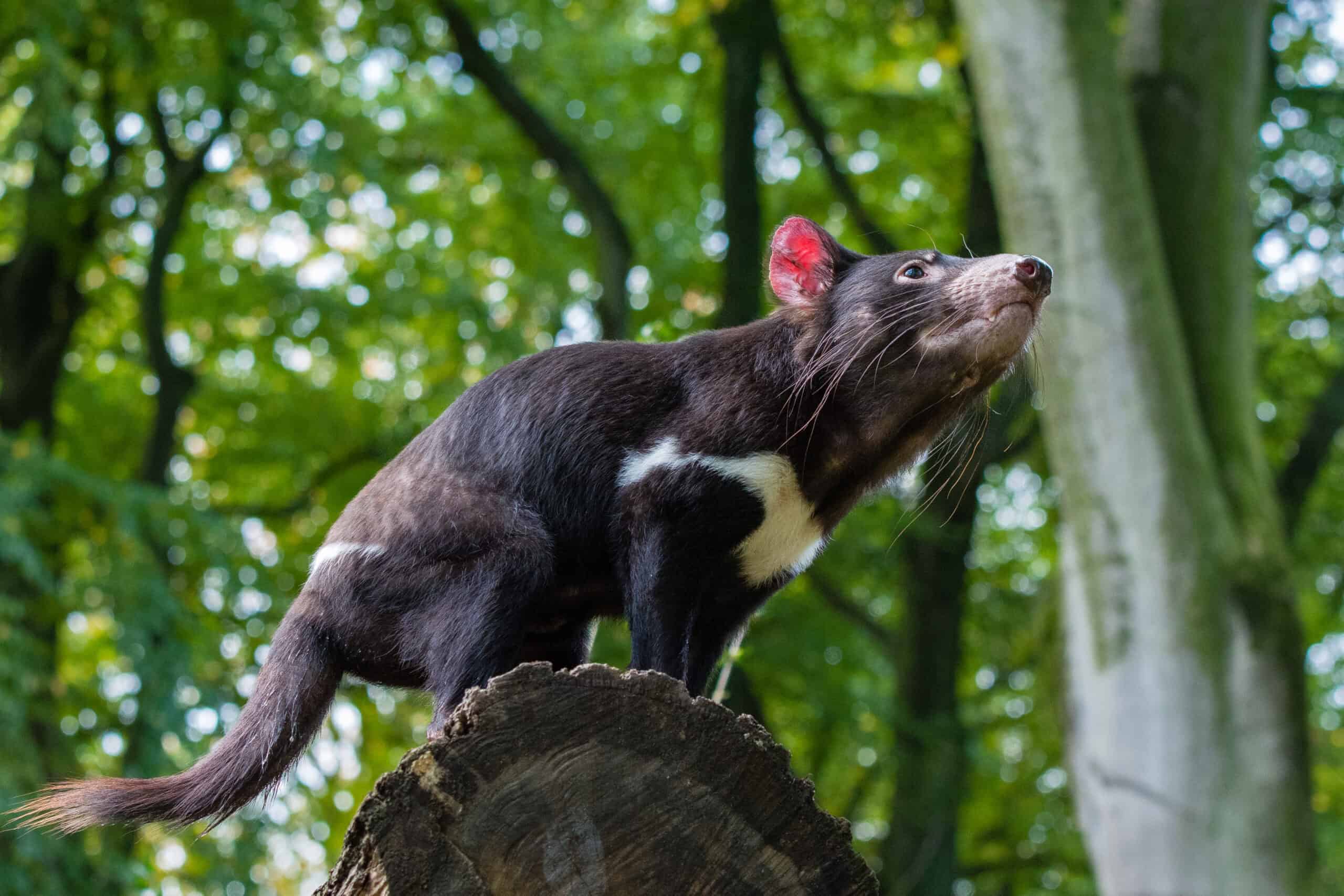
These joeys are being raised in semi-wild enclosures, where human hands stay mostly out of sight, but science plays a silent, guiding role. Conservation programs have carefully bred healthy, genetically diverse devils in hopes of future reintroductions to the wild. These ten joeys are part of that long-term plan—a generation being raised with both natural instincts and behind-the-scenes support.
A Symbol of What’s Possible

The discovery of ten thriving joeys is more than a sweet moment—it’s a powerful reminder that conservation efforts are working. Against all odds, these marsupials are reproducing, thriving, and slowly reclaiming their place in the Tasmanian wilderness. The joeys may be small, but they carry the weight of decades of hope on their tiny shoulders.
A Wild Future Awaits
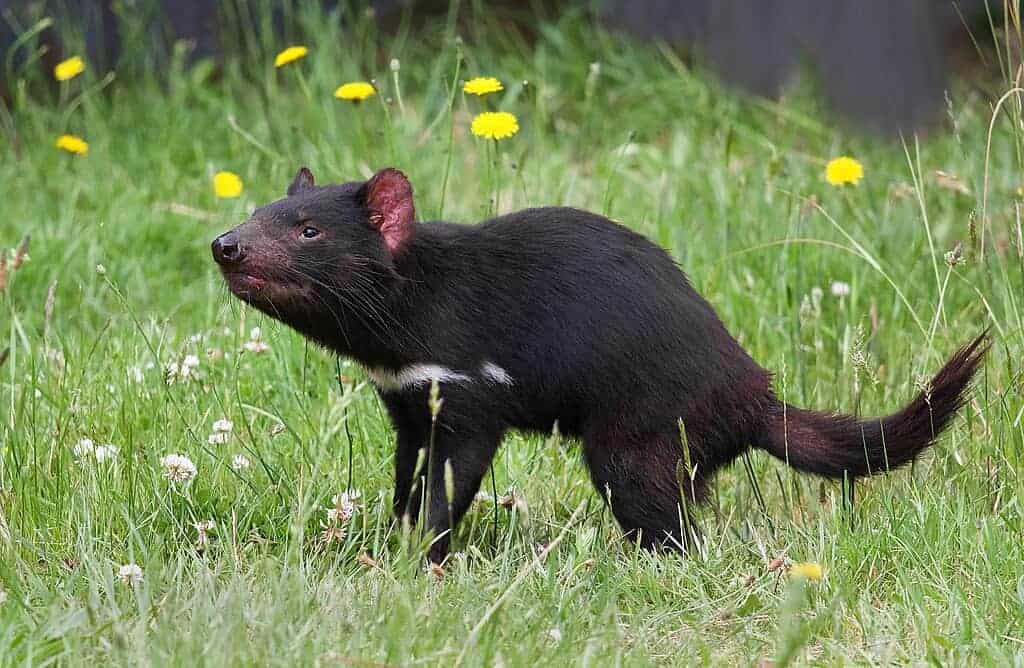
As the joeys grow stronger, they’ll eventually leave the pouches, explore their surroundings, and, one day, take part in the next generation. If all goes well, they could even be released into the wild to help strengthen the dwindling populations. For now, they stay safely tucked inside their mothers’ pouches—unaware that the world is rooting for them. These tiny Tasmanian devils are a reminder of nature’s resilience and the incredible impact of human care. In a time when so many species are disappearing, these joeys offer something rare: hope.

adventuring, photography and videography. I am currently working towards a BSc in Biodiversity and Ecology at Stellenbosch University to go on to specialise in Marine Sciences one day.
Please send any feedback to Feedback@animalsaroundtheglobe.com
- Curious Orca May Have Invented Tool Use And Scientists Are Stunned - June 24, 2026
- Curious Black Bear Tastes Car - June 24, 2026
- Rescue Dog Saves Stranger from Impending Seizure - June 24, 2026