


Across the U.S., termites are staging a quiet but destructive invasion. Pest control experts are reporting a significant spike in termite activity in 2025, with some cities seeing record numbers of infestations. Florida, Texas, and California top the list, but infestations are spreading far beyond the southern belt.
Orkin’s latest rankings list Miami, Los Angeles, Tampa, Houston, and Dallas as the top five most termite-infested cities. Houston, for the first time, has cracked the Top 10—a worrying sign that termite populations are expanding rapidly in areas once considered low-risk.
What’s Fueling the Surge?
Several conditions have combined to create a perfect storm for termites in 2025. Milder winters with fewer deep freezes have allowed more termites to survive year-round, while a wet spring and humid summer have helped colonies grow rapidly. Urban expansion is also a factor—new construction often disturbs underground nests and provides fresh sources of wood for termites to invade.
In South Florida, scientists have identified hybrid termite colonies that combine traits from two aggressive species, making them more resilient and quicker to spread. Adding to the concern, researchers have discovered that termites are traveling via recreational boats, allowing them to jump from marina to marina and cross state lines undetected.
Know the Warning Signs Before It’s Too Late
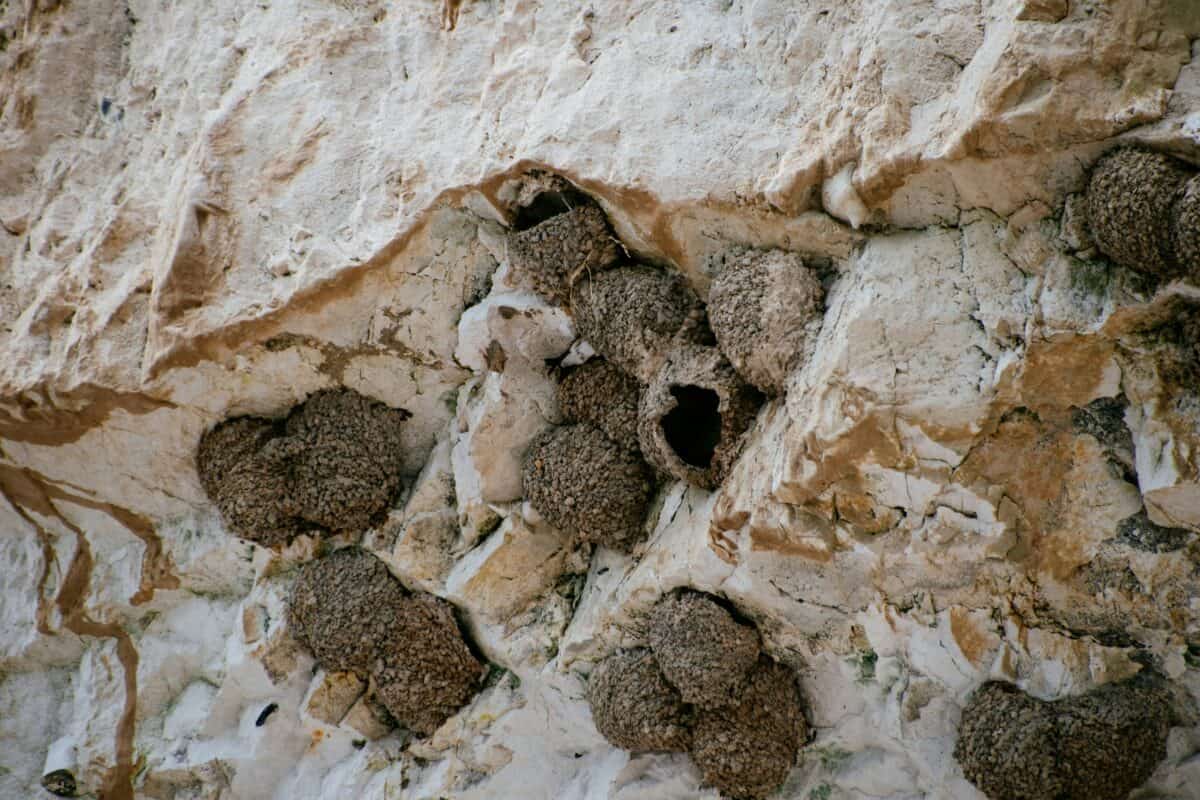
Many homeowners don’t notice they have termites until the damage is severe. Here are some red flags:
- Mud tubes: Thin tunnels running up walls or foundations—these are highways for subterranean termites.
- Discarded wings: After mating, swarmers shed their wings near windows, doors, or light fixtures.
- Frass: These are termite droppings that resemble coffee grounds or sawdust, often found near wooden trim or baseboards.
- Hollow-sounding wood: Tap wood with a screwdriver or handle—if it sounds empty, it may be hollowed from the inside.
- Warped floors or sagging ceilings: Damage to the structural wood can cause parts of your home to bow or buckle.
If you’re seeing any of these signs, the infestation may already be advanced.
How to Protect Your Home

The good news? You can take action now to reduce your risk.
- Keep wood and mulch away from your foundation. Termites love damp, organic materials in direct contact with your home.
- Fix leaks fast. Even a small plumbing leak can create ideal conditions for termites inside walls or under floors.
- Seal all cracks and gaps. Especially where pipes enter the house or along the foundation.
- Install physical barriers. Metal mesh or sand barriers can stop termites from entering the structure.
- Use bait systems or perimeter treatments. These detect or kill colonies before they reach your home.
- Schedule annual inspections. Don’t wait until you see damage. A professional can catch early signs invisible to the average person.
What To Do If You Find Termites
What if there are already termites on your property? Do not worry, there is still much you can do to chase them away. Here are some tips you can use:
- Call a licensed pest control company immediately. DIY methods often make infestations worse or just drive termites deeper into the structure.
- Don’t disturb the colony until professionals arrive. You may cause them to relocate or expand into other areas.
- Treat trees and wooden structures nearby. Decks, sheds, and even fences can serve as bridges for termites to enter your home.
- Dispose of infested wood safely. Always use or burn firewood within a short distance of where you got it—ideally within 50 km (30 mi).
Bottom Line
Termites may be quiet, but their damage is anything but. With 2025 shaping up to be one of the worst seasons in recent memory, homeowners across the U.S. should be on high alert. Whether you’re in termite-heavy states like Florida or part of newly affected areas like Houston and Southern California, prevention and early detection are key. Don’t wait for sagging floors and crumbling walls—protect your home now and save thousands in repairs later.

- Texas Ranchers Injured and Horses Killed in Aggressive Bee Attack - July 19, 2026
- Cougar Attack on Cyclists Shakes Washington Wilderness - July 19, 2026
- Snake Found in Arizona Toilet Shocks Homeowner - July 19, 2026