


The emerald ash borer (EAB) is a small, metallic-green beetle native to Asia, but don’t let its size or color fool you—it’s one of the most destructive tree pests in the U.S. Since being first identified in Michigan in 2002, this beetle has killed tens of millions of ash trees and left a permanent scar on both forests and city streets.
The real damage comes not from the adult beetles, but their larvae. Once eggs hatch, the larvae tunnel underneath the bark of ash trees and begin feeding on the layer responsible for moving nutrients and water. Over time, this effectively chokes the tree from the inside, and even healthy-looking trees can die within a few years.
New Infestations in Nebraska, Oregon, and Denver
Newly reported EAB outbreaks in Hamilton County, Nebraska, Forest Grove, Oregon, and Denver, Colorado, have officials on high alert. In Nebraska, the pest has now been found in 16 counties, and in Oregon, forestry officials say the bug is likely spreading more than previously expected.
In Denver, home to more than 1.45 million ash trees, the discovery of EAB this summer raised immediate concerns. Urban ash trees are vital not just for shade, but for cooling neighborhoods, improving air quality, and supporting local wildlife. The spread to these new regions signals the beetle’s continuing westward march—and it’s not slowing down.
Why Emerald Ash Borer Spreads So Fast
The beetle doesn’t get around on its own—it usually hitches rides in firewood, nursery plants, or lumber. Campers and homeowners unknowingly move infested wood from one area to another, helping the EAB jump to new locations. Once it arrives, the beetle spreads rapidly.
Infestations are often hard to detect early because symptoms appear late. By the time a tree looks sick, the beetles may have already moved to neighboring trees.
Efforts to Save the Nation’s Ash Trees
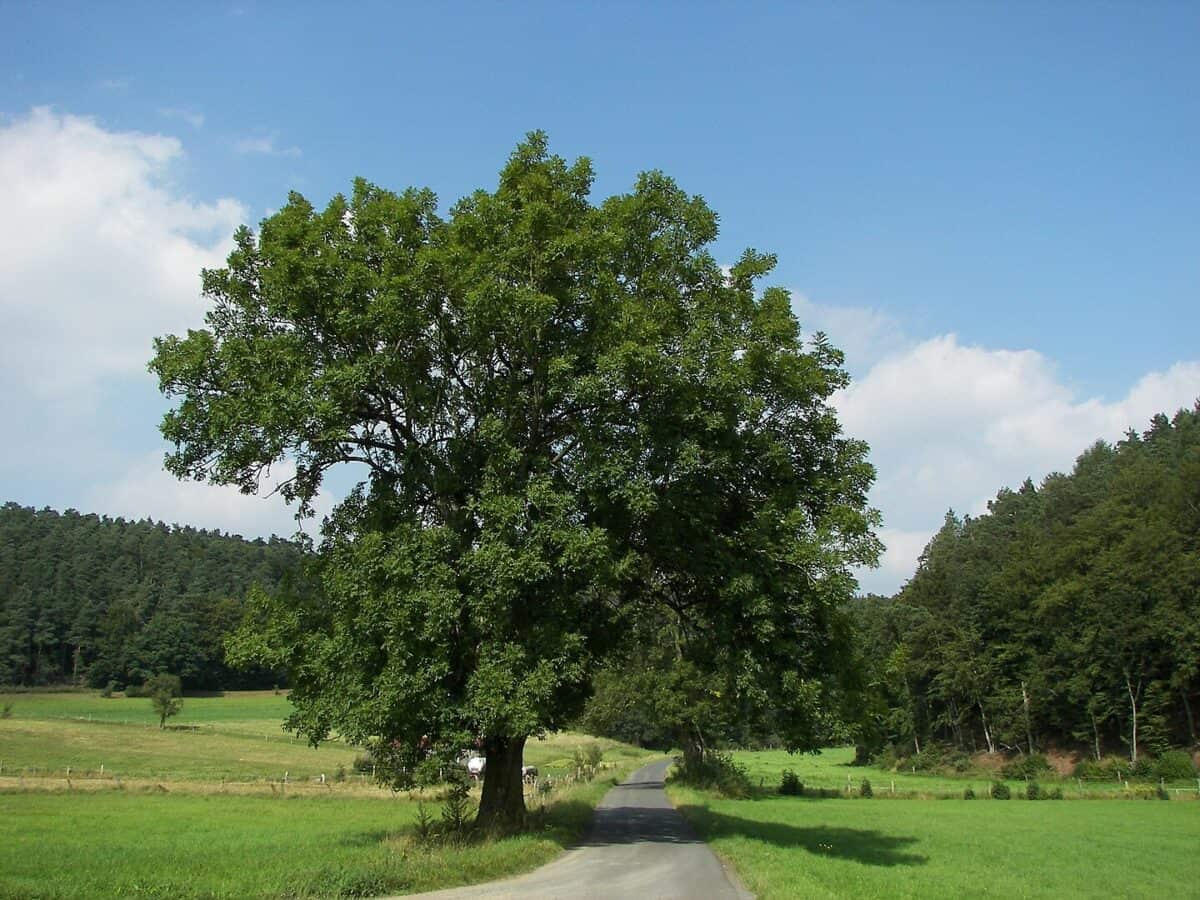
Despite the grim numbers, communities are fighting back:
- Chemical Treatments: Arborists are injecting high-value ash trees with systemic insecticides like emamectin benzoate, which can protect trees for up to three years. Bay County, Michigan, for example, is actively treating close to 1,000 trees this summer.
- Biological Control: Scientists have introduced three species of tiny wasps from Asia, natural predators of EAB larvae. These wasps lay their eggs inside EAB larvae, effectively neutralizing them before they can mature.
- Public Awareness Campaigns: States such as Minnesota and California are promoting “Don’t Move Firewood” campaigns and encouraging residents to report signs of infestation.
What You Can Do Right Now
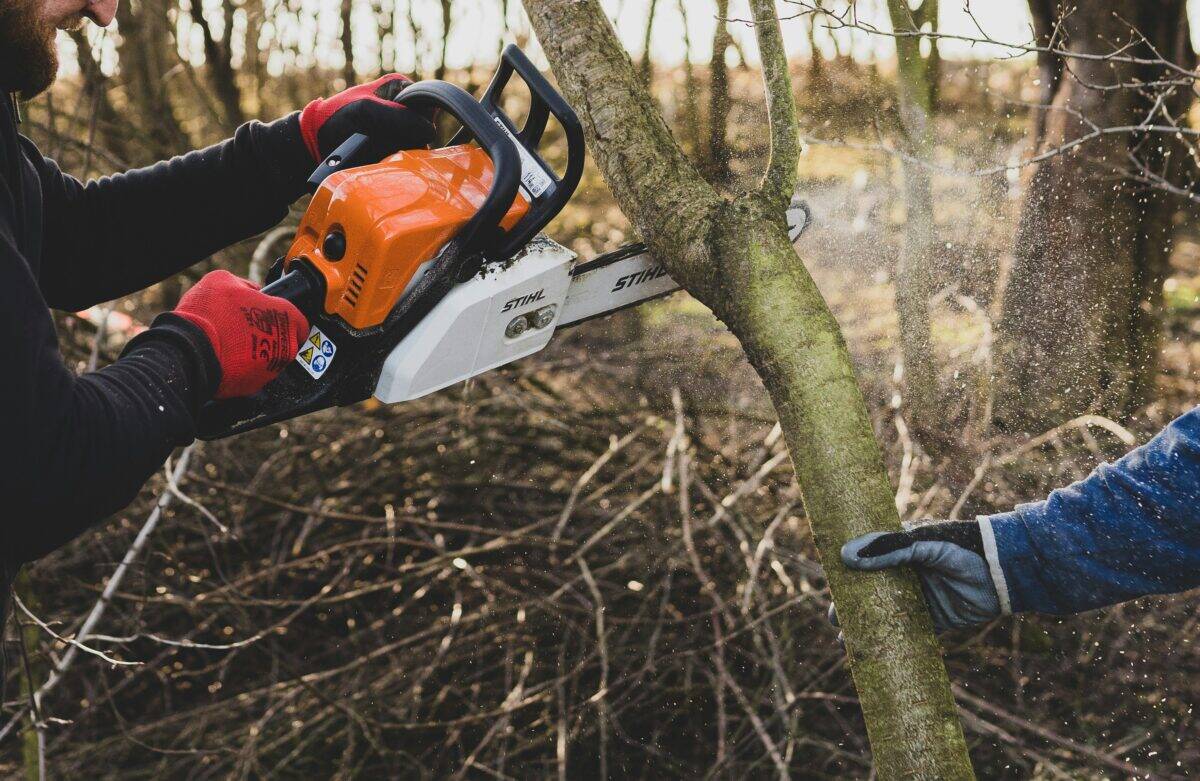
If you have ash trees or live in an area where EAB is spreading, here are a few actions you can take:
- Inspect Your Trees: Look for thinning crowns, bark splitting, or D-shaped exit holes about 3–4 mm wide. You may also notice increased woodpecker activity—these birds feast on EAB larvae.
- Report Suspected Infestations: Many states have hotlines or online forms that allow residents to submit photos and locations.
- Avoid Moving Firewood: Always buy firewood locally or within a 50 km (30 mi) radius. Moving infested firewood is one of the fastest ways EAB spreads.
- Consider Treatment or Removal: If you have a high-value ash tree, contact a certified arborist about treatment options. If a tree is beyond saving, safe removal may prevent the beetles from spreading.
What’s Next
The emerald ash borer is no longer just a problem on the East Coast. With active infestations now stretching into the Midwest and Pacific Northwest, homeowners, municipalities, and land managers must act together. While we may not stop the beetle entirely, proactive steps—inspecting trees, limiting transport, and treating valuable specimens—can slow its spread and preserve what’s left of our ash tree population.

- Texas Ranchers Injured and Horses Killed in Aggressive Bee Attack - July 19, 2026
- Cougar Attack on Cyclists Shakes Washington Wilderness - July 19, 2026
- Snake Found in Arizona Toilet Shocks Homeowner - July 19, 2026