
There’s a particular kind of quiet that settles over a person standing in a truly great garden. It isn’t silence exactly, more a sense that time has slowed down enough to notice the small stuff: how light moves through a canopy, the specific green of new leaves against old stone. Some gardens achieve that feeling through centuries of royal ambition, others through decades of one obsessive gardener’s private vision, and a few through sheer modern audacity. What follows is a tour through ten places that manage, each in their own way, to turn planted ground into something closer to art.
Keukenhof, the Netherlands
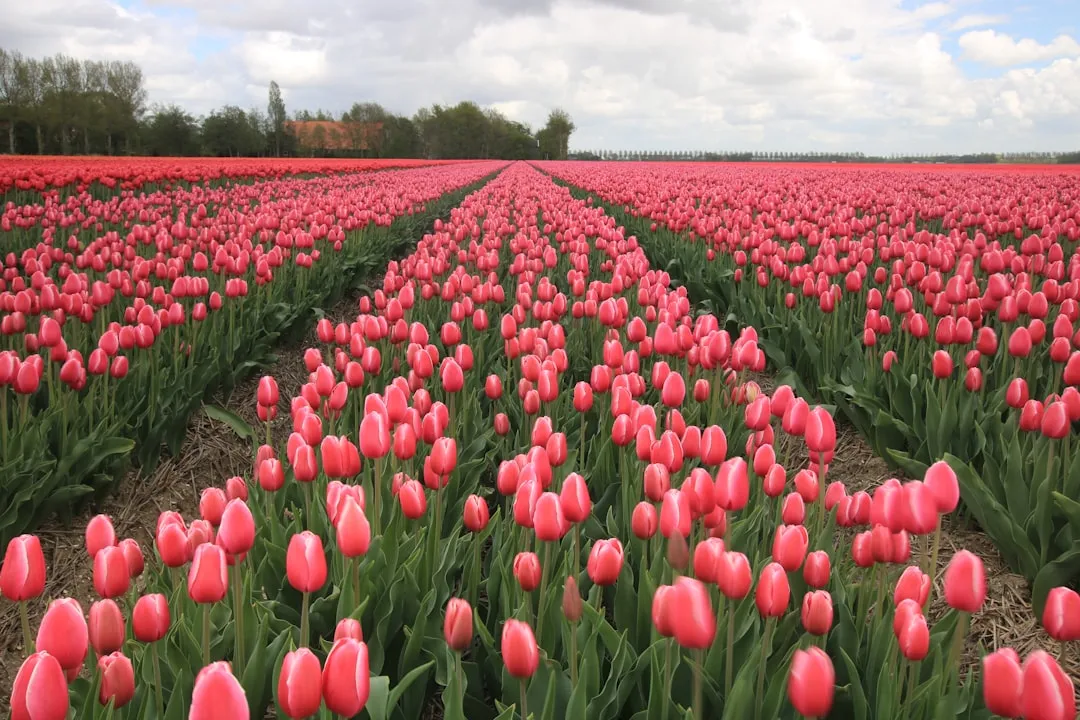
Tucked into the Dutch province of South Holland, Keukenhof was never meant to be permanent art. It began in 1949 as a practical showcase, a way for bulb growers and exporters to display their product to the world. The park was established in 1949 by a consortium of bulb growers and flower exporters to showcase their products and support the export industry. What started as a trade fair has become one of the most photographed gardens on earth.
Every autumn, an army of gardeners plants millions of bulbs by hand, timed so the colors shift week to week rather than arriving all at once. Each autumn, 40 gardeners plant the 7 million bulbs, donated to the park by over 100 growers, with planting starting in early October and usually completed by early December. The garden only opens for about eight weeks each spring, and of the 7 million flower bulbs, there are a whopping 800 different varieties of tulips, which is part of why people plan entire trips around a narrow window in April.
Butchart Gardens, Canada
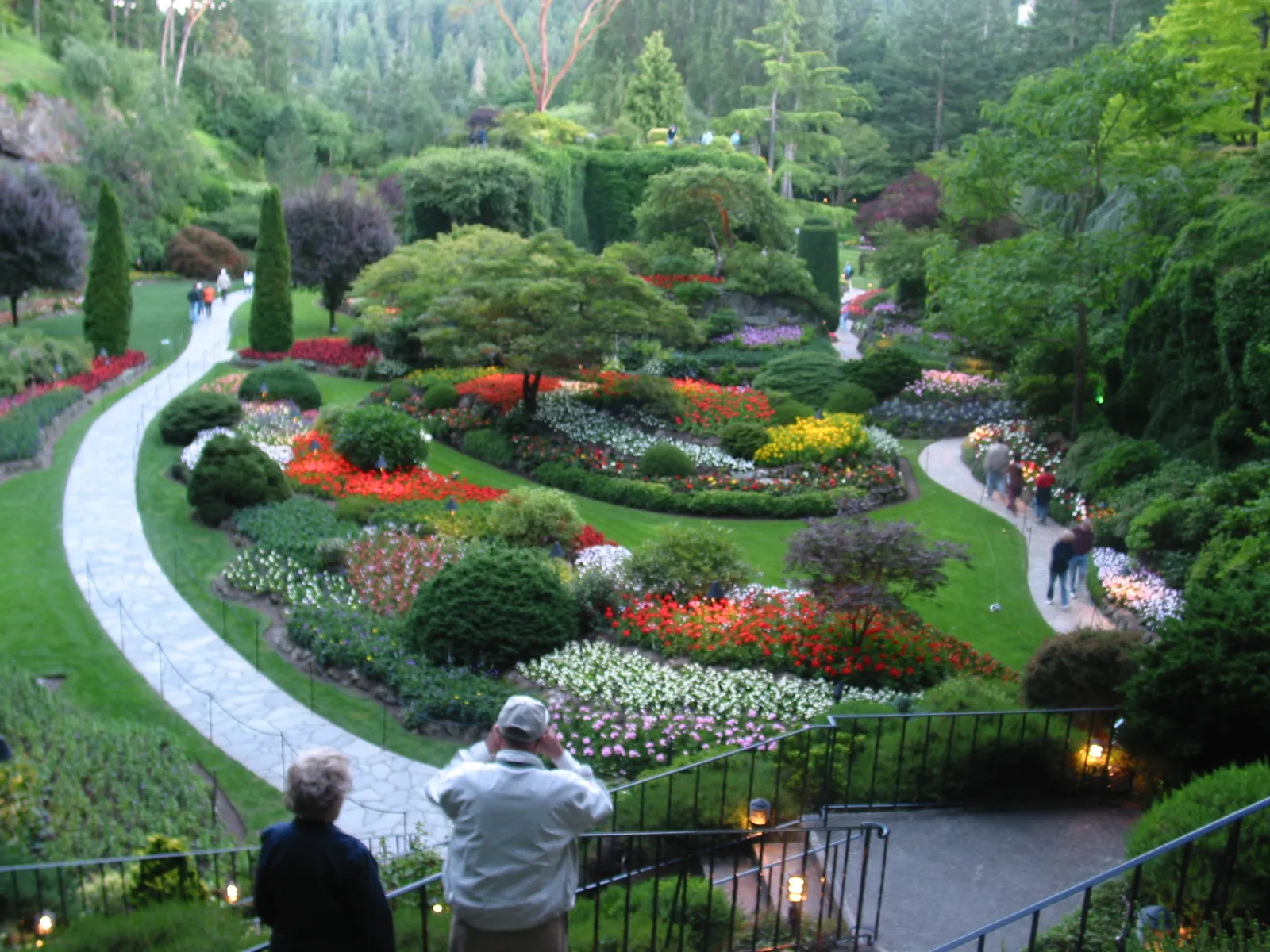
Not every great garden starts with beauty in mind. Butchart Gardens on Vancouver Island began as an industrial site, a limestone quarry feeding a cement business. A booming business quickly ran the natural resources dry, and the limestone deposits were exhausted by 1909, at which point Jennie Butchart instantly envisioned a solution for the giant pit left near their estate: gardens.
Turning a quarry into a garden meant hauling in soil by hand and cart, a job that took the better part of a decade. Tons of topsoil had to be brought in by horse and cart to build the garden beds from scratch, and in the end it took nine years to complete the Sunken Garden, which remains the largest and one of the most iconic sections of the gardens to this day. The family kept expanding through the following decades, adding an Italian Garden on an old tennis court and a Rose Garden with 2,500 rose plants, and the site later earned recognition as a National Historic Site of Canada.
Gardens by the Bay, Singapore
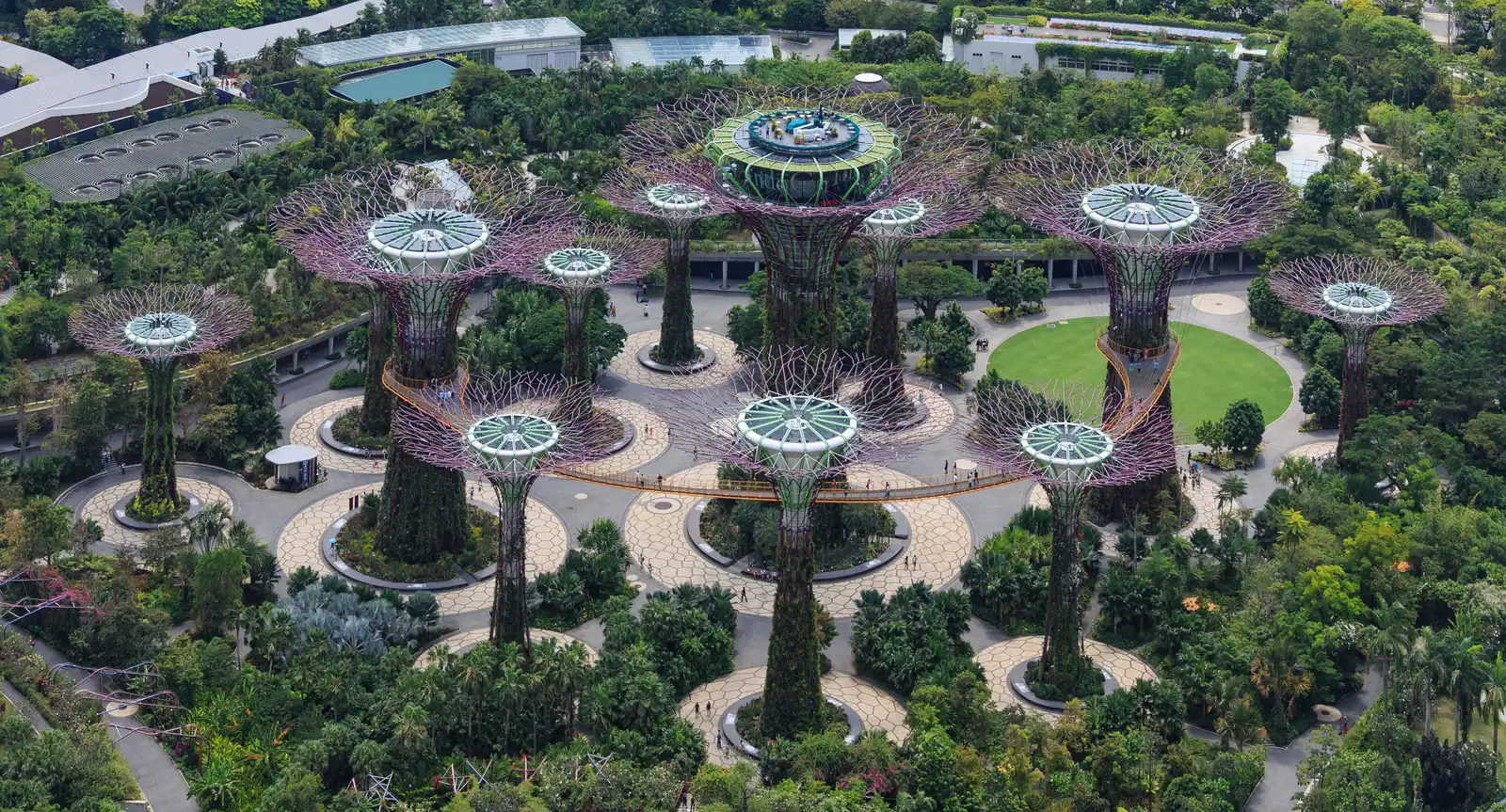
If the other gardens on this list lean toward history, Singapore’s answer is pure engineering theater. Bay South Garden, the largest section, opened in 2012 as part of an ambitious plan to reimagine an entire city around greenery. Bay South Garden opened to the public on 29 June 2012, and it is the largest of the three gardens at 54 hectares, designed to show the best of tropical horticulture and garden artistry.
The garden’s signature feature, the Supertree Grove, looks like something out of science fiction, and that’s rather the point. Measuring between 25 and 50 metres tall, the Supertrees are designed with large canopies that provide shade in the day and come alive with an exhilarating display of lights and sounds at night. These structures aren’t just decorative either, since over 226,000 plants comprising more than 200 species and varieties of bromeliads, orchids, ferns and tropical flowering climbers are planted on the 18 Supertrees, and several of them quietly generate solar power or vent exhaust from a biomass plant behind the scenes.
Monet’s Garden, Giverny, France
![Monet's Garden, Giverny, France (the-athenaeum.org [1], Public domain)](https://nvmwebsites-budwg5g9avh3epea.z03.azurefd.net/aatg/2d718dd3d04b75380ac845f2715a3115.webp)
Claude Monet didn’t just paint gardens, he built one specifically so he’d have something worth painting. He settled in Giverny in 1883 and spent the rest of his life shaping the land around his house. Monet purchased his home in Giverny in 1883, living there until his death on December 5th 1926. The garden splits into two distinct moods, a formal flower garden in front of the house and a looser, Asian-inspired water garden across the road.
The pond, with its arched Japanese bridge and floating water lilies, became the subject of one of the most famous painting series in art history. After ten years of living in Giverny, Monet bought some land from his neighbours and dug a small pond, though neighbours objected as they were worried his strange plants would poison the water, but Monet continued expanding his ponds until reaching the large ponds visitors can see today. The estate fell into disrepair after his family’s passing but was later restored, and today it draws roughly 400,000 visitors annually who come specifically to stand where the paintings were made.
The Gardens of Versailles, France
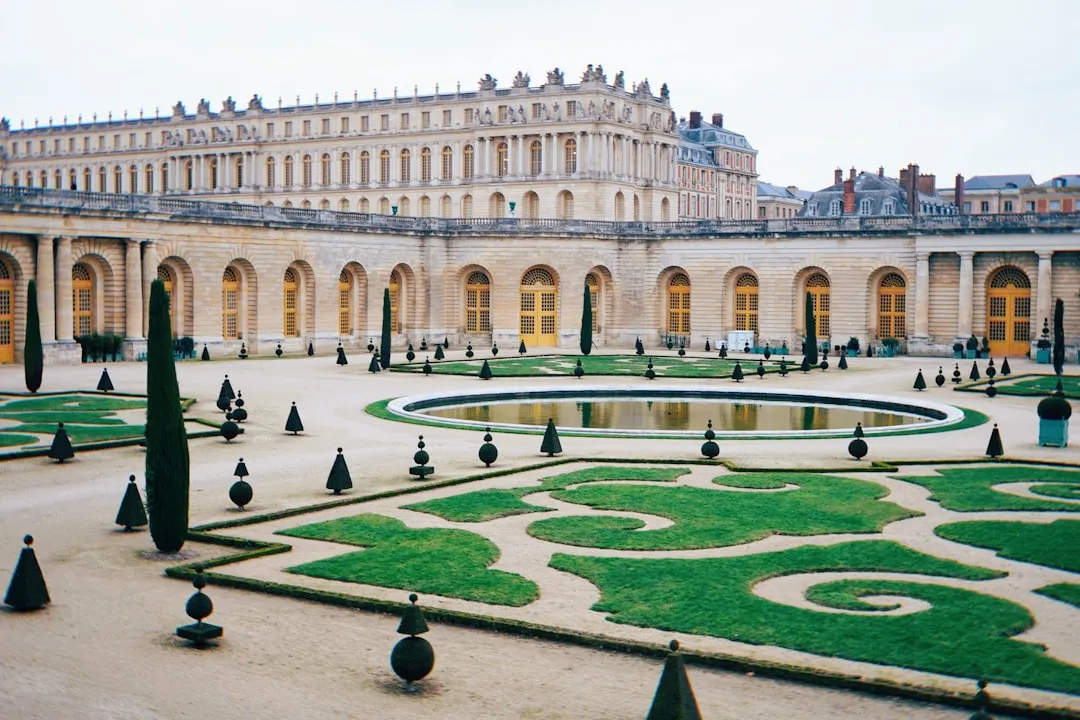
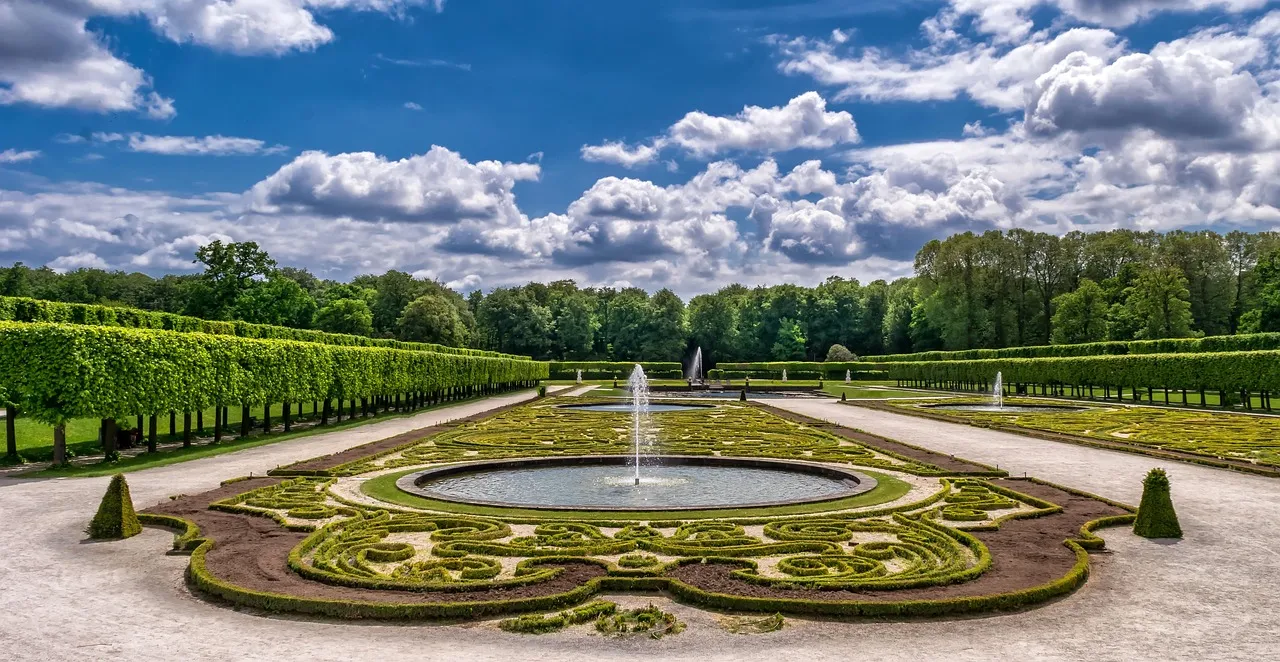
Where Giverny is intimate, Versailles is deliberately the opposite. Commissioned under Louis XIV, the grounds were engineered as a statement of absolute royal power, with geometric parterres, long sightlines, and fountains that once required an entire hydraulic system to run. The gardens remain tied to the palace as one single UNESCO-protected estate, and a visit to the Château de Versailles is one of those essential experiences while visiting France, with its gardens the most visited in France and protected as a UNESCO World Heritage Site.
Walking the grounds today still involves genuine distance, since the Grand Canal alone stretches well over a kilometer, flanked by groves that were designed to surprise visitors as they wandered from one to the next. The scale can feel almost absurd compared to the smaller, more personal gardens elsewhere on this list, but that absurdity was the intended effect all along, a landscape built to make anyone walking through it feel the presence of a king who answered to no one.
Kyoto’s Temple Gardens, Japan
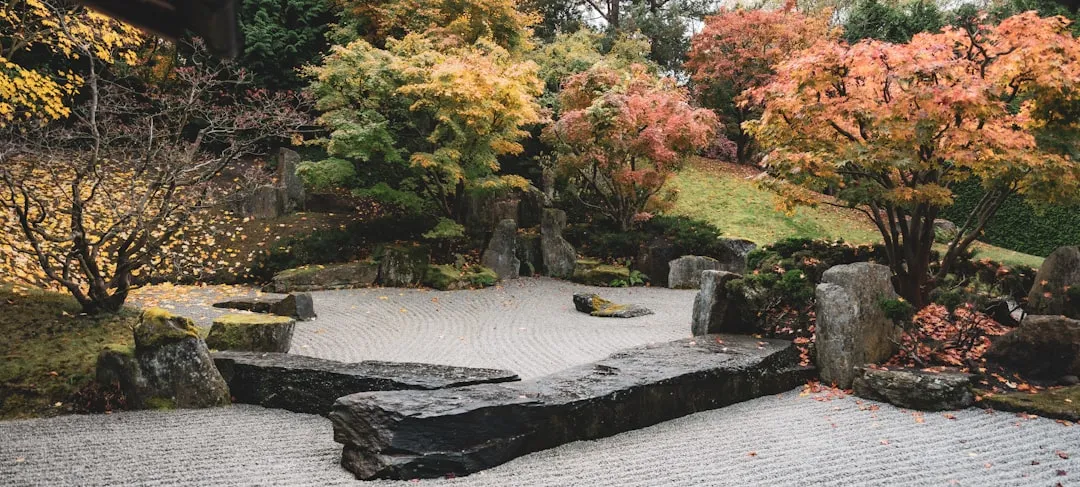
Kyoto approaches gardens as a spiritual exercise rather than a display of wealth or color. Kyoto is renowned for its many tranquil temple gardens, some of which are open to the public and well worth a visit, focusing often on natural elements like rocks and moss rather than lush planting. The dry rock garden at Ryoan-ji, with its careful arrangement of stones in raked gravel, is probably the most studied example of this restraint anywhere in the world.
Other temples take a greener approach without losing the same sense of discipline. The Eastern Garden at Kyoto’s Tofuku-ji Temple is the largest of four Japanese gardens found within Hojo, the former living quarters of the head priest. What unites these spaces, regardless of style, is a refusal to overwhelm the visitor, favoring a handful of carefully placed elements over abundance.
Villa d’Este, Tivoli, Italy
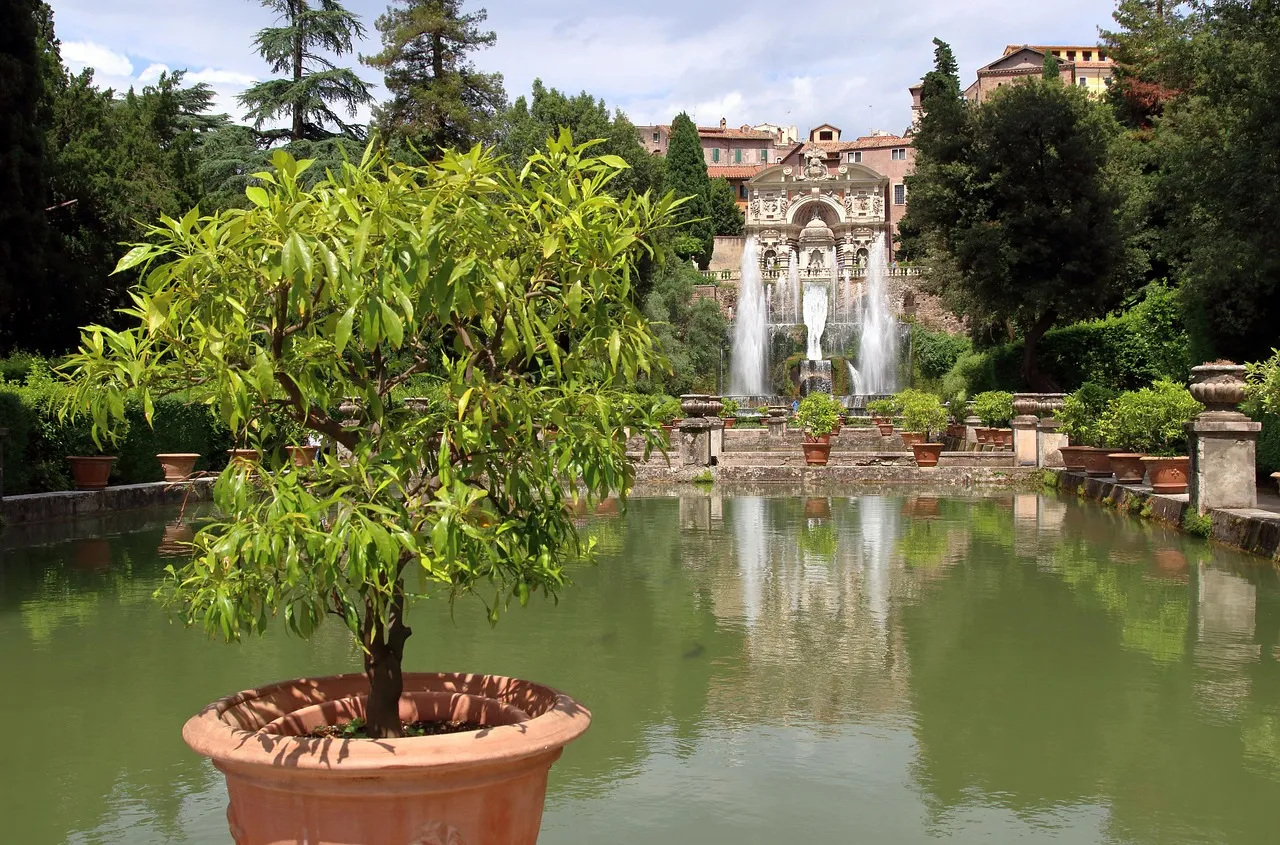
Some gardens whisper. Villa d’Este shouts, in the best possible way, through water. Constructed in the sixteenth century for Cardinal Ippolito II d’Este, these terraced hillside gardens boast elaborate fountains, water features, and landscaping arranged along a system of stone paths and walkways surrounded by trees.
What makes the place genuinely astonishing is the sheer volume of water in motion, all of it powered by gravity rather than pumps. These terraced gardens cascade down a hillside with over 500 fountains, pools, and water features operating entirely by gravity. The most theatrical of these is a fountain built to imitate a musical instrument, since the most marvelous water feature is the Fountain of the Organ, complete with a 1571 water organ installed inside that trumpets and plays Renaissance music. It’s little surprise the whole estate is now protected as a UNESCO World Heritage Site.
Giardino di Ninfa, Italy
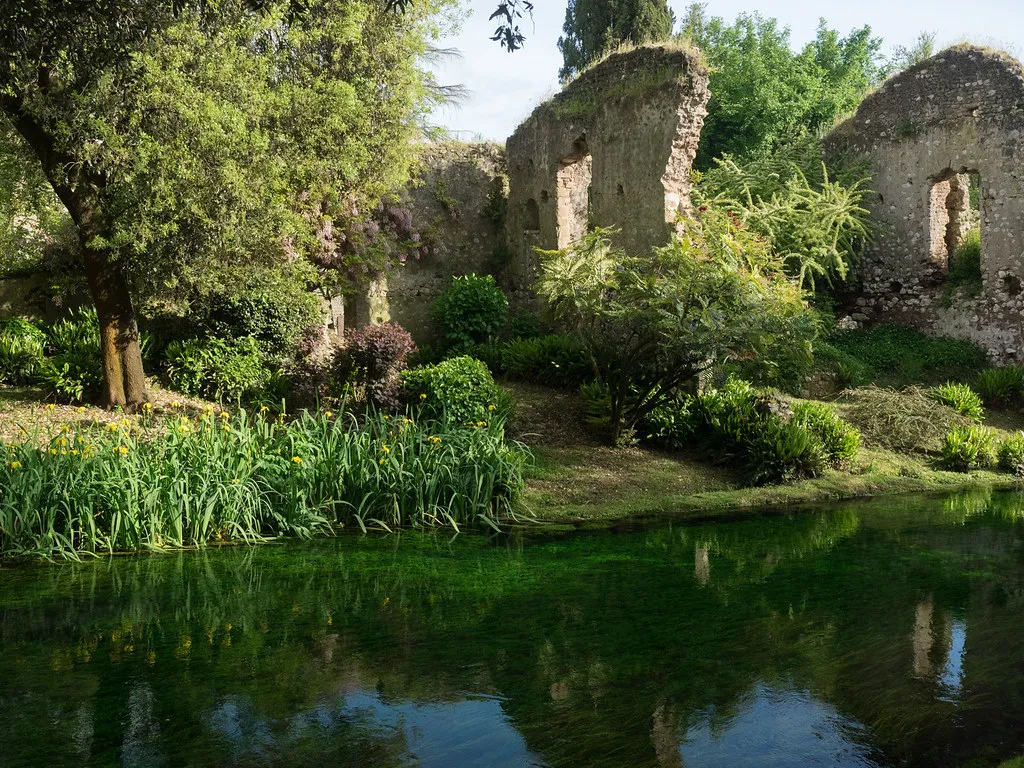
Ninfa is a garden built inside a ghost town, which is part of what makes it so unusual. The site was a thriving medieval settlement until disease and conflict emptied it centuries ago. This enchanting garden is situated within the ruins of the medieval town of Ninfa, which thrived between the 8th and 14th centuries before being abandoned due to malaria and other factors.
In the early twentieth century, the Caetani family began planting among the ruins rather than clearing them away, letting roses and vines climb through broken archways and old church walls. The setting is indescribably atmospheric, with roses scrambling for footholds in ruined archways, the frescoed church wall still standing open to the weather, and roses, banana trees, maples and resident ducks thriving in the microclimate. Access is deliberately limited, with the garden open only on the first weekend and third Sunday of each month from April to October, which somehow adds to its reputation as one of the most romantic gardens anywhere.
Jardin Majorelle, Marrakech, Morocco
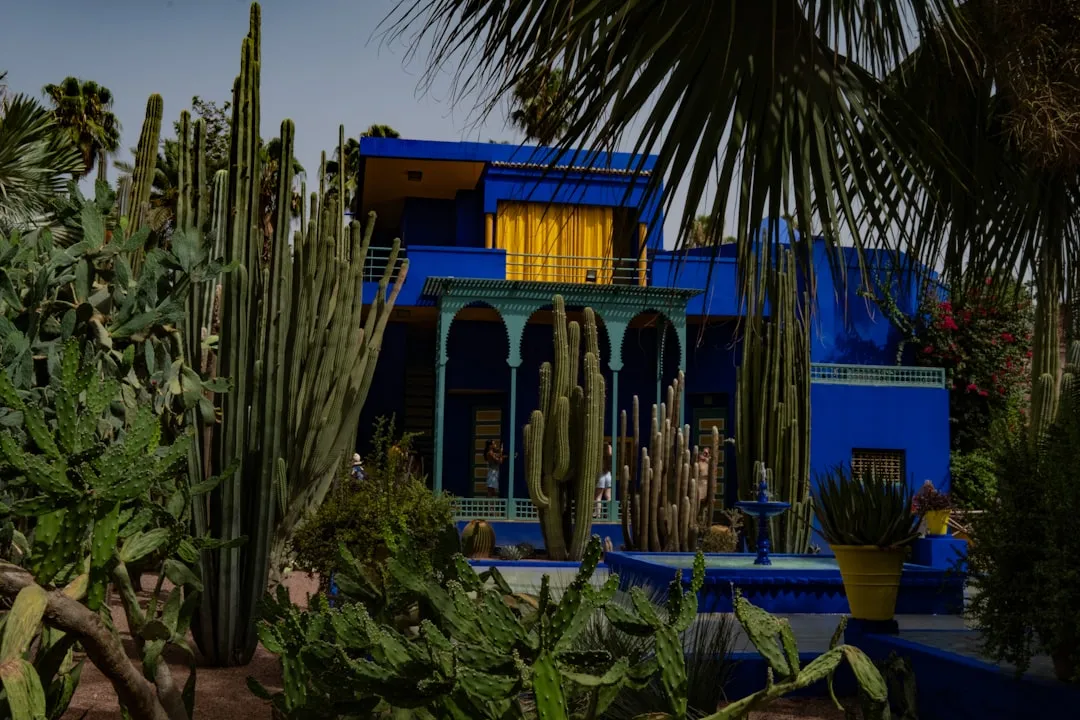
French painter Jacques Majorelle spent four decades building this garden around his own studio, and it shows in how personal the whole place feels. French painter Jacques Majorelle spent forty years creating this botanical masterpiece in Marrakech, introducing exotic plants from around the world. He even developed his own signature color for the buildings scattered throughout the grounds.
That electric blue, now simply called Majorelle Blue, sets off the greenery in a way that feels almost cinematic against the desert light. He patented the deep cobalt blue color used on the buildings throughout the garden, and when fashion designer Yves Saint Laurent later bought the property with his partner Pierre Bergé, restoring and adding to the gardens, his ashes were eventually scattered in the rose garden after his death. Despite its fame, the garden stays surprisingly small and walkable, covering barely more than two acres just outside Marrakech’s old medina walls.
Dubai Miracle Garden, United Arab Emirates
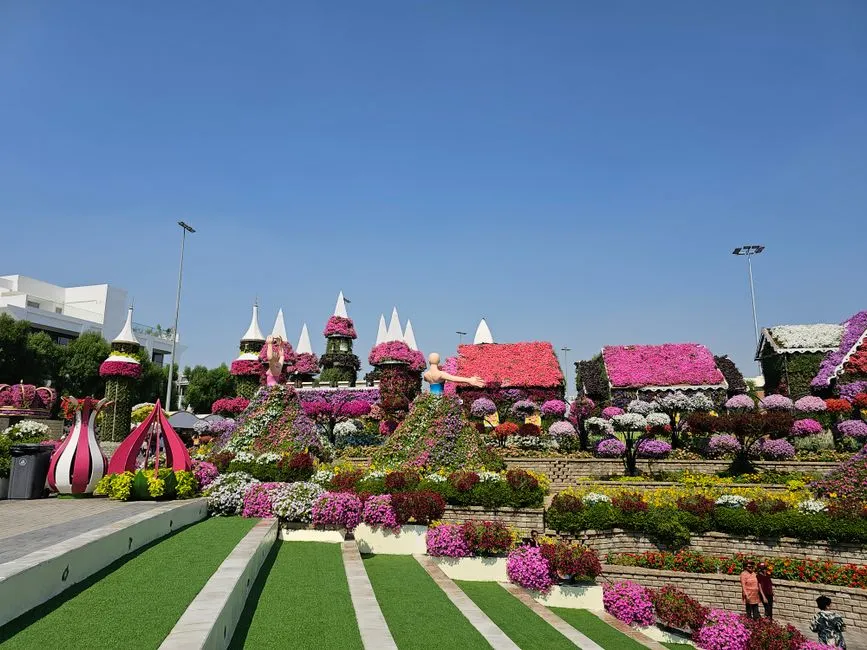
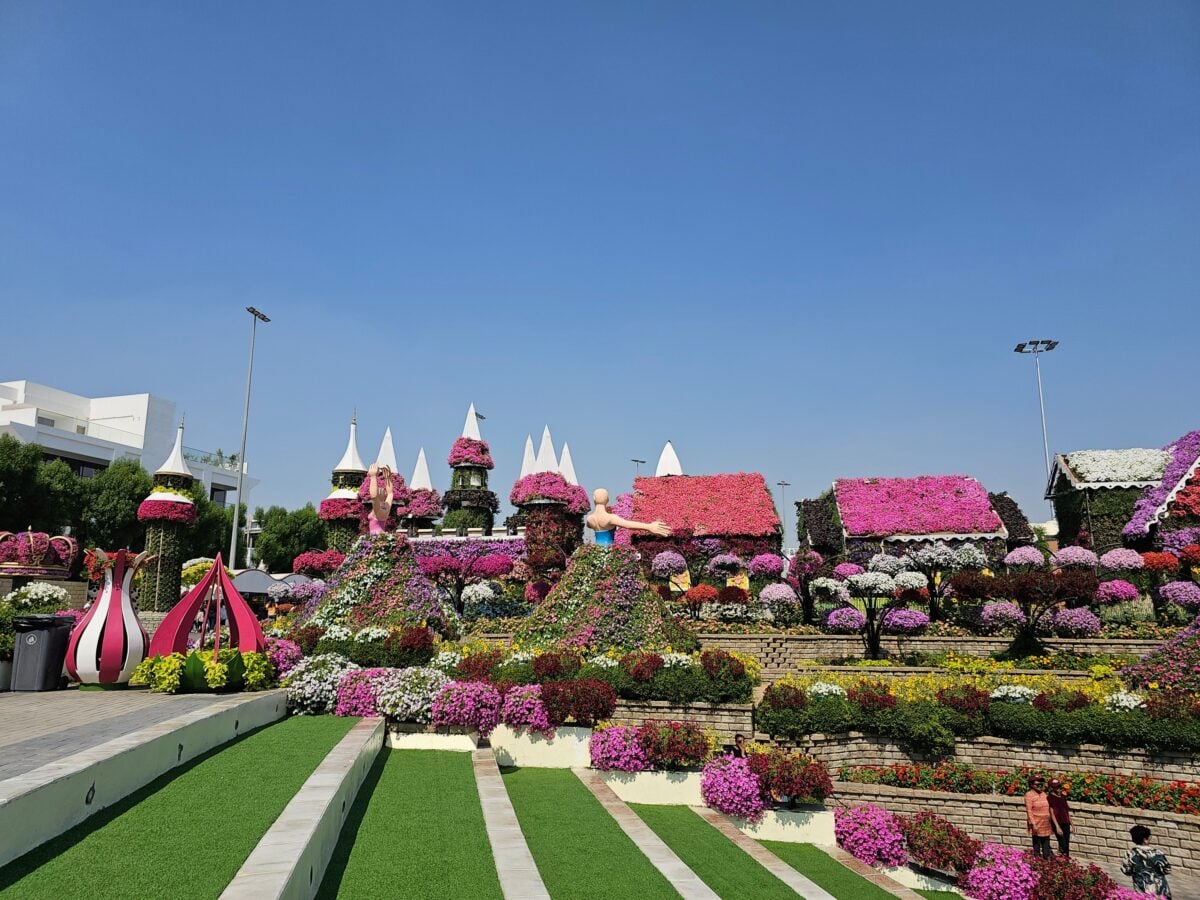
Every other garden on this list took decades or centuries to reach its current form. Dubai Miracle Garden did the opposite, arriving suddenly and unapologetically as proof that flowers can thrive even in a desert if enough resources are thrown at the problem. Dubai Miracle Garden, the largest natural flower garden in the world, is a welcome, colorful oasis that stands out sharply against the surrounding arid desert.
The scale here is less about subtlety and more about sheer spectacle. Spread over seventy-two thousand square meters and bursting with color, it features over a hundred and fifty million flowers arranged in breathtaking designs, including a flower-covered Emirates A380 sculpture, heart-shaped pathways, and flower-shaped pyramids. It’s an odd but fitting bookend to this list, proof that a beautiful garden can be built from centuries of patient cultivation, or from pure modern will, and either approach can leave a visitor equally speechless.
Final Thoughts
Ranking gardens is a strange exercise, honestly, because so much of what makes each of these places extraordinary has almost nothing to do with the flowers themselves. Keukenhof works because of timing and abundance, Ninfa works because of ruin and neglect turned into something tender, Versailles works because of raw ambition. If pressed to pick a favorite from this list, I’d lean toward Ninfa or Giverny over the grander, more manicured entries, simply because there’s something more moving about a garden shaped by one person’s stubborn devotion than one shaped by unlimited budget. Either way, the common thread across all ten is patience: none of these places happened overnight, and that slow accumulation of care is probably the real reason they still stop people in their tracks.
