
Every dog lover has dreamed of welcoming a furry companion into their home, imagining lazy afternoons of fetch and cozy evenings on the couch. The reality, though, can be far more complex than those daydreams suggest. Some breeds demand levels of commitment, patience, and expertise that catch even seasoned owners off guard. Others slide into household routines with barely a hiccup.
Choosing a dog isn’t just about falling for those soulful eyes or that wagging tail. It’s about matching energy levels, understanding instincts bred over centuries, and acknowledging your own lifestyle honestly. Let’s be real, not every breed suits every person. What follows is a candid look at which dogs will test your limits and which ones make life surprisingly simple.
Afghan Hound: Beauty with a Stubborn Streak
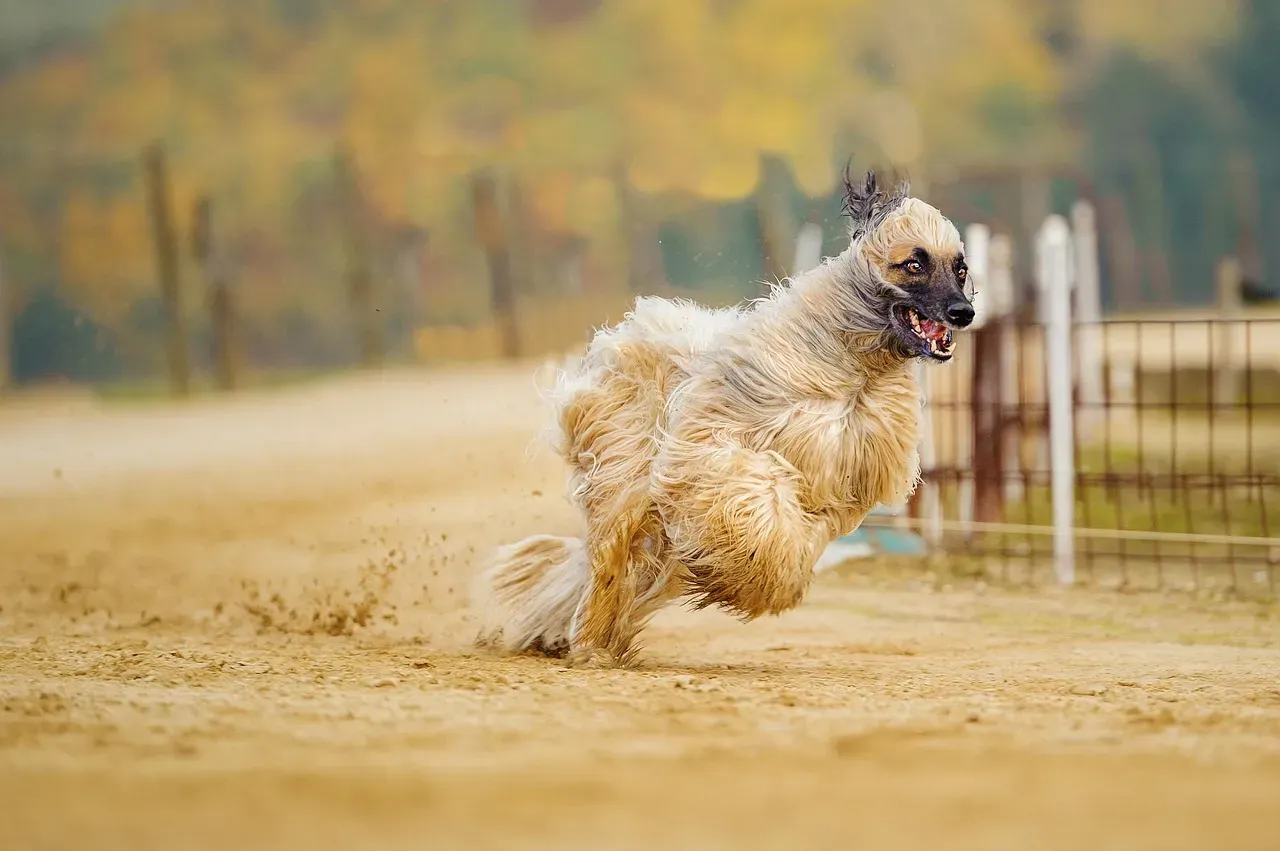
Afghan Hounds are known for their beauty and intelligence, but they are also one of the most independent dog breeds. Dignified and sophisticated, with a strong stature and elegant in looks, Afghan hounds are an ancient breed that are the “royals” of the dog world. Their appearance might draw you in, yet their personality will keep you on your toes.
Afghan Hounds often do what they want, when they want, and they can be aloof and often choose to listen to commands on their own terms. Their never-ending loyalty can be a double-edged sword as Afghan hounds struggle to adjust to new places and new people, and they won’t take kindly to strangers and will typically be standoffish toward them. Training requires a gentle approach and mountains of patience.
Siberian Husky: The Escape Artist Extraordinaire
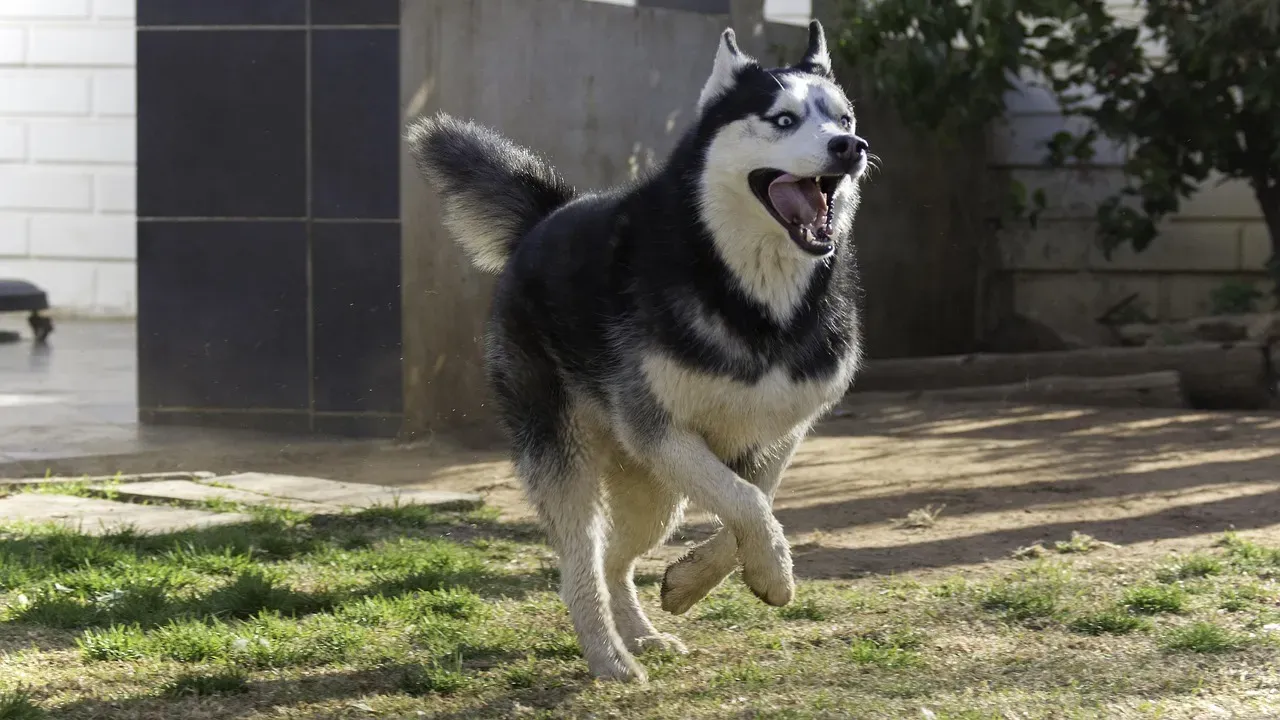
Think you can contain a Siberian Husky? Think again. If you looked up “high-maintenance dog” in the dictionary, you might be greeted with a picture of the Siberian Husky, as this breed is independent, extremely energetic, and requires tons of exercise and mental stimulation to remain happy.
Huskies are demanding, strong-willed and stubborn, making training them anything but a walk in the park, and Siberian huskies are also one of the highest energy dogs out there, no doubt due to the fact that the breed was developed to be sled dogs capable of traversing long distances. Siberian Huskies have strong-willed personalities that may make them prone to ignoring commands and doing things their way, particularly when it comes to escaping, and these escape artists are notorious for running out the door whenever they’re given the chance. Their vocal nature adds another layer of complexity for apartment dwellers.
Border Collie: Too Smart for Their Own Good
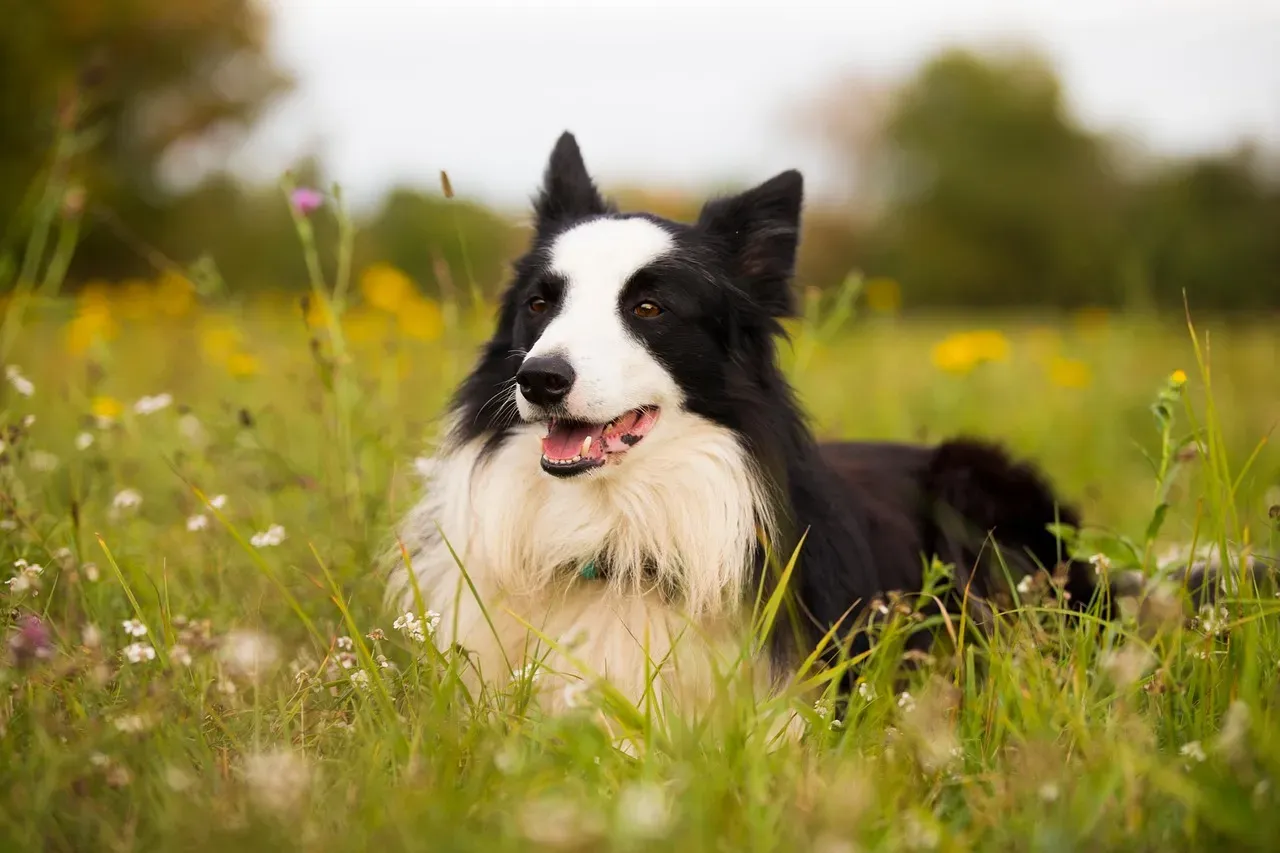
With a history of livestock herding, Border Collies are revered for their remarkable intelligence and high energy levels, and they thrive when given a task to focus on, but without a way to express their natural herding instincts, they may act out and try to outsmart their owners. That intelligence becomes a problem when boredom sets in.
They become easily stressed when they’re not provided with enough mental stimulation and physical activity. Border Collies are extremely intelligent and bursting with energy, and these dogs are best suited to country life and do not do well as urban apartment dwellers because of their intense need for physical activity, and natural herders, Border Collies are prone to nipping at peoples’ heels and they’re loyal and affectionate with their owners but tend to be standoffish or snappy with strangers. They need a job, not just a home.
Rottweiler: Power Meets Protectiveness
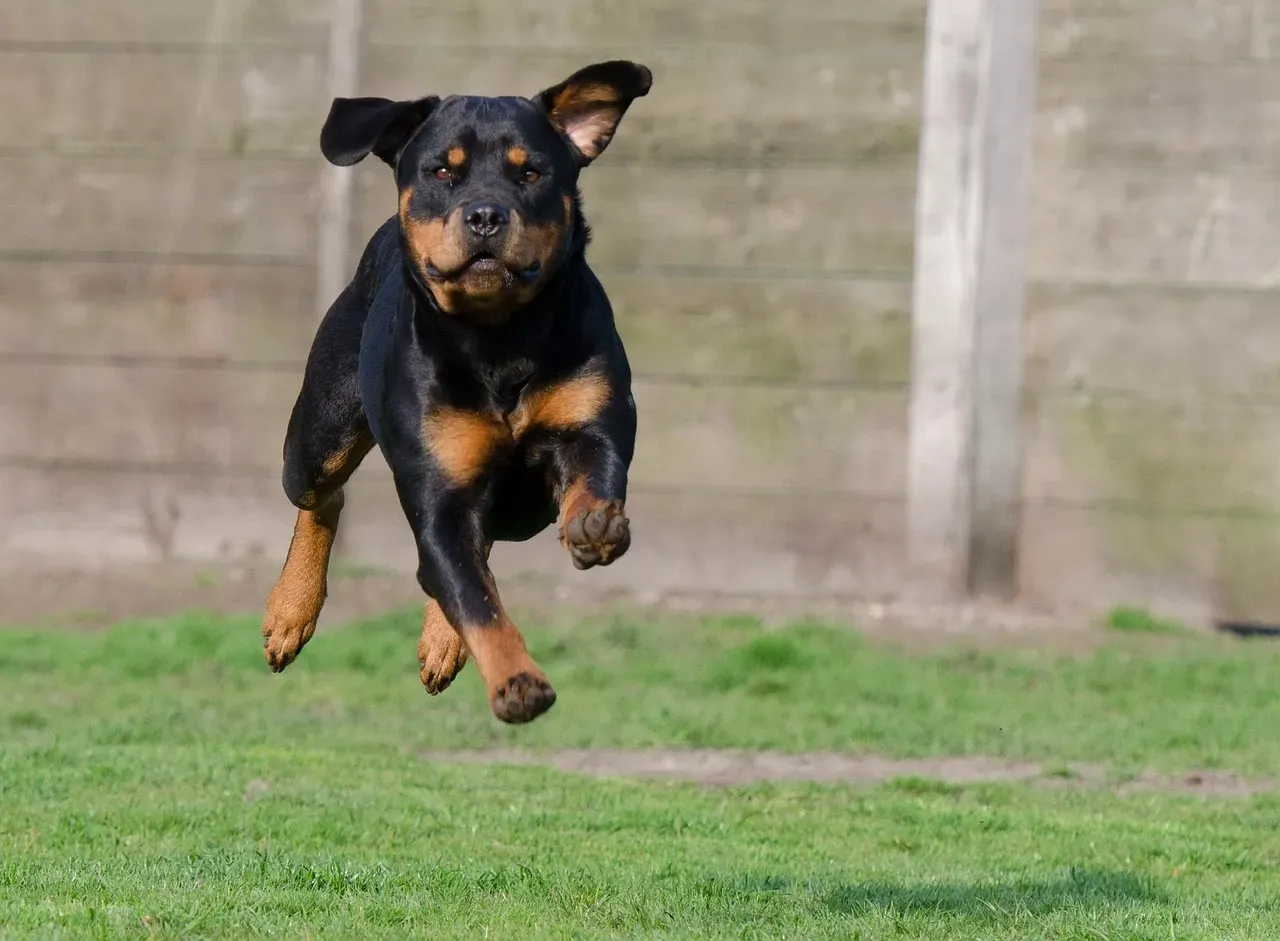
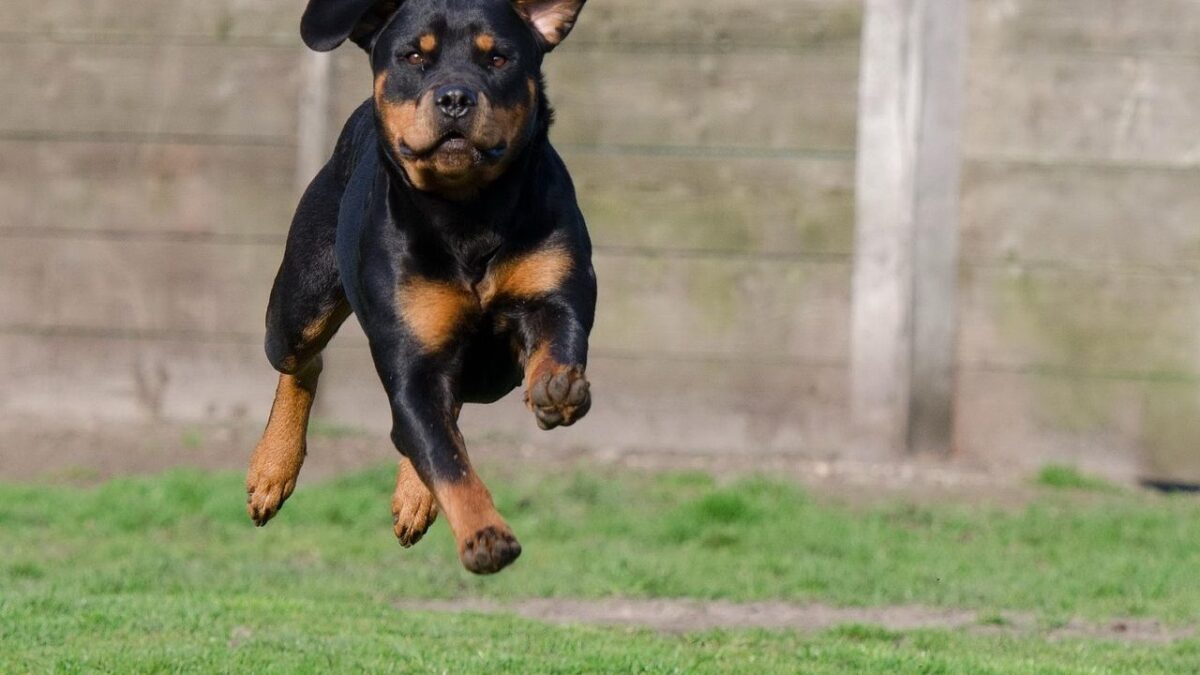
Rottweilers are known for their protective and territorial instincts, and if they aren’t properly trained, this breed may become aggressive, and these dogs are strong-willed, large in size, and may try to assert dominance if they sense a lack of authority, making early socialization, routine training, and assertiveness crucial for raising a Rottweiler that’s well-behaved. Their muscular build makes any bad habits exponentially harder to correct.
They can be stubborn and become overly protective if not trained correctly, and this breed requires an owner who understands the importance of establishing clear leadership and boundaries. Despite their tough exterior, these dogs are surprisingly sensitive souls who need confident handling from day one.
Basset Hound: Slow Learners with Stubborn Charm
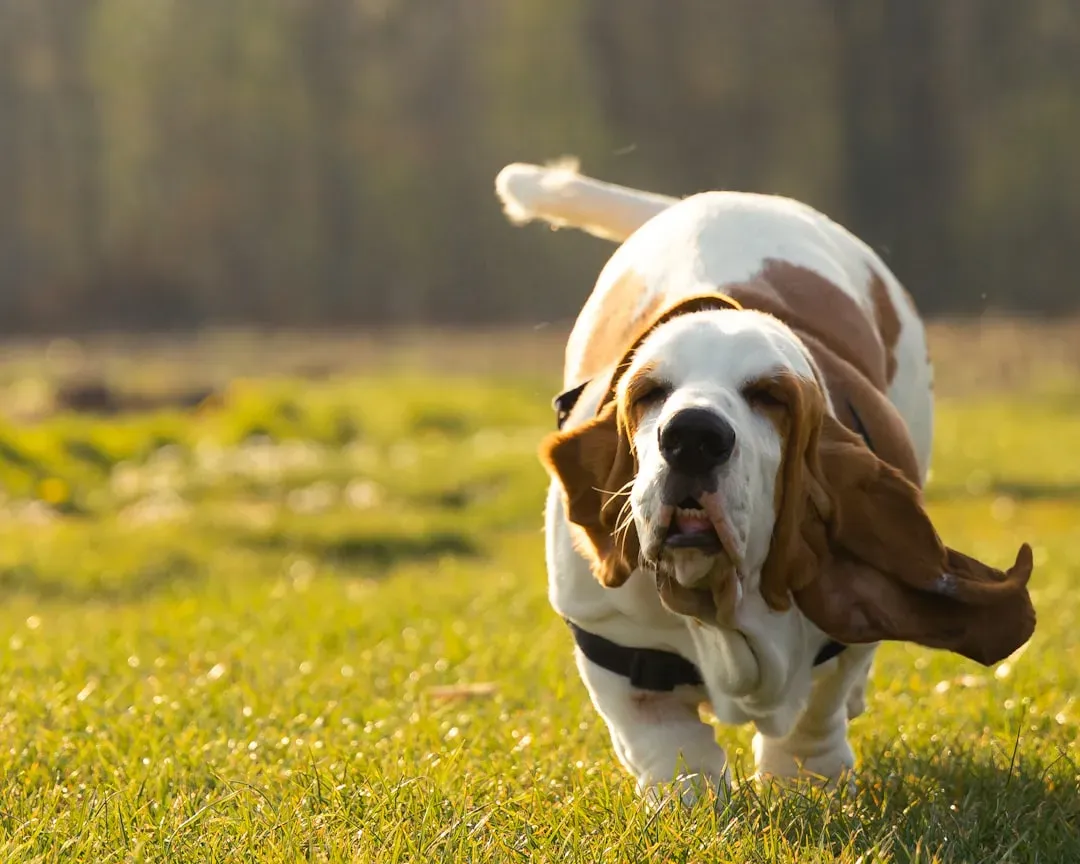
Basset hounds are famous for their easygoing demeanor, but any pup parent of a basset hound will know exactly why they’re a top contender for the hardest dog to train as they’re slow learners and one of the most difficult breeds to housebreak. That droopy-eyed sweetness hides a will of iron.
Their nose rules their world, making recall training particularly frustrating. Once a scent catches their attention, good luck getting them to respond to anything else. The patience required for housebreaking can test even the most devoted owner’s resolve.
Beagle: Following Their Nose, Not Your Commands
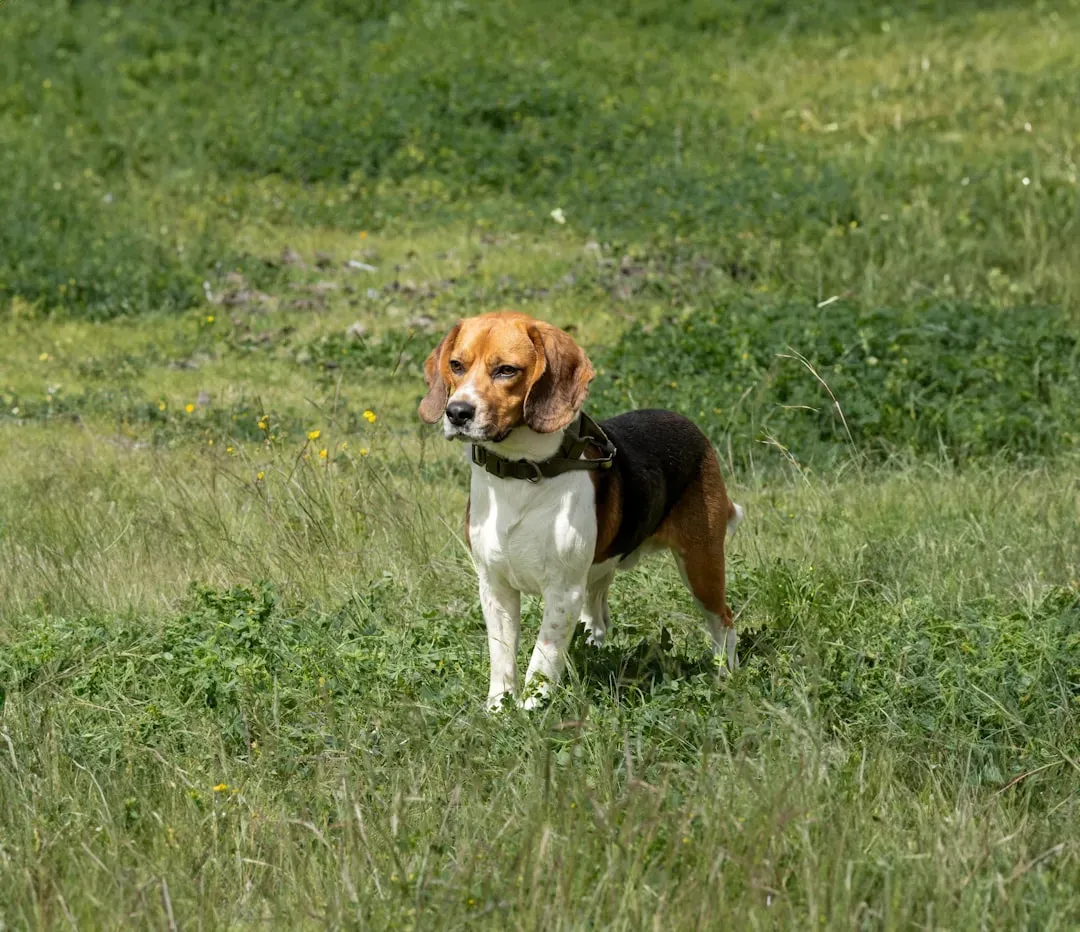
Most Beagles have high amounts of energy, which is why they are hard to train, and they are independent and take longer to get used to commands, but with consistent training and a lot of patience, training a Beagle is certainly achievable. Their hunting heritage means their noses constantly override their ears.
These compact hounds were bred to work in packs, following scent trails for miles. That independent streak makes them delightful companions but challenging students. Honestly, watching a Beagle completely ignore you while tracking an invisible trail is both amusing and maddening.
Chow Chow: The Aloof Emperor
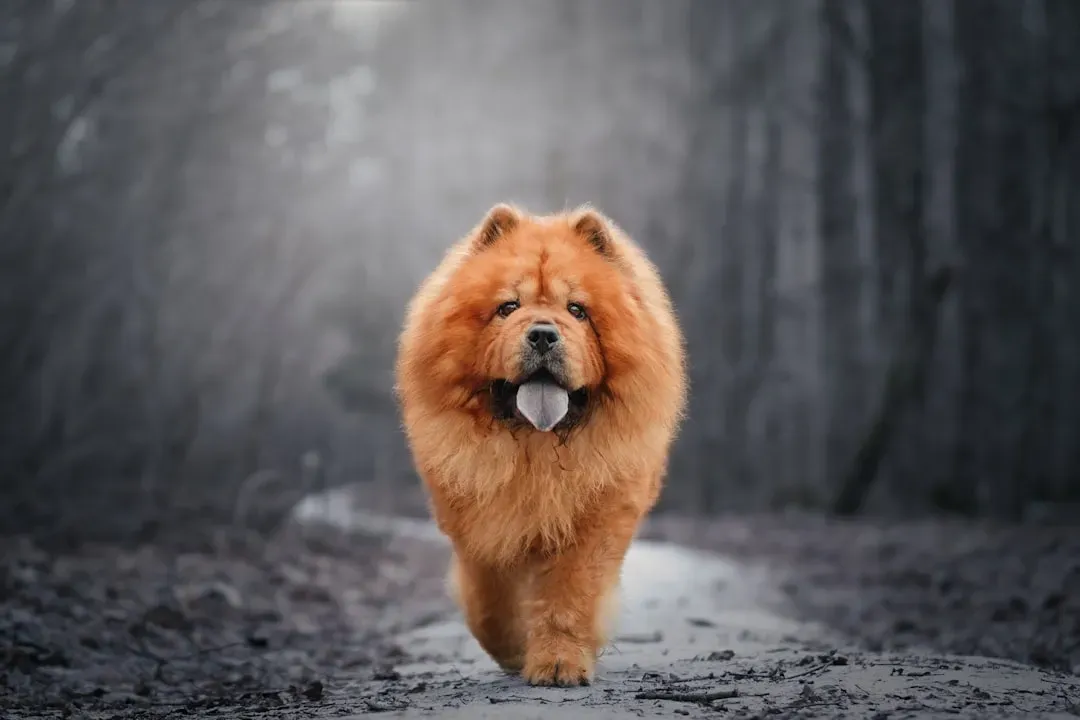
Chow Chows are known for their distinctive lion-like appearance and aloof demeanor, and they are independent and stubborn, making training a challenge for even experienced dog owners, and Chow Chows require early socialization to prevent aggression and wariness around strangers. Their thick coat demands regular grooming on top of everything else.
While intelligent, these dogs are stubborn, and raising a well-mannered and well-adjusted Chow takes a lot of training and patience, so these dogs do best with experienced owners. Their cat-like independence means they’ll comply with your requests only when it suits them. First-time owners often find themselves completely overwhelmed.
Jack Russell Terrier: Boundless Energy in a Small Package
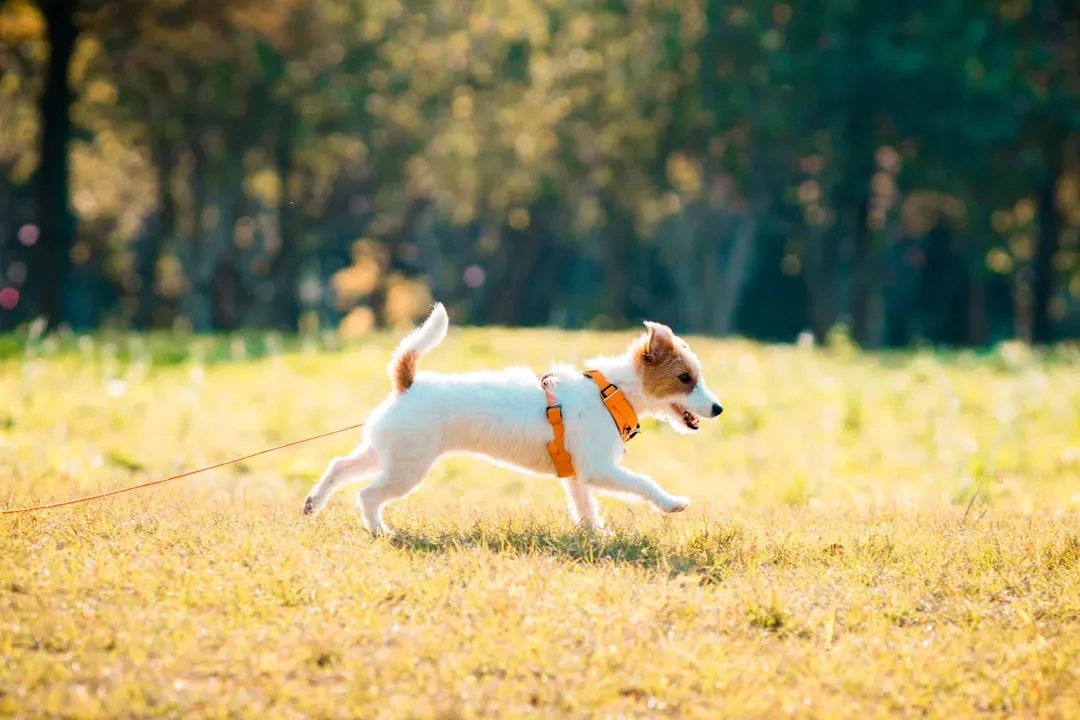
Jack Russells have spirited personalities and seemingly boundless energy, earning them the reputation of being “hyper”. Jack Russell terriers are small, powerful dogs that were bred to be used in fox hunting, and they have a very high prey drive, which makes them one of the hardest dogs to train.
It’s important to find good energy outlets for Jack Russell terriers and keep their mind engaged in learning through obedience training, tricks and brain games. These tendencies can be especially challenging for first-time dog owners to handle, and plenty of exercise, mental stimulation, and socialization are needed to keep this breed in line. Their size deceives people into thinking they’re easy starter dogs. Wrong.
Chihuahua: Tiny Dogs, Massive Attitudes
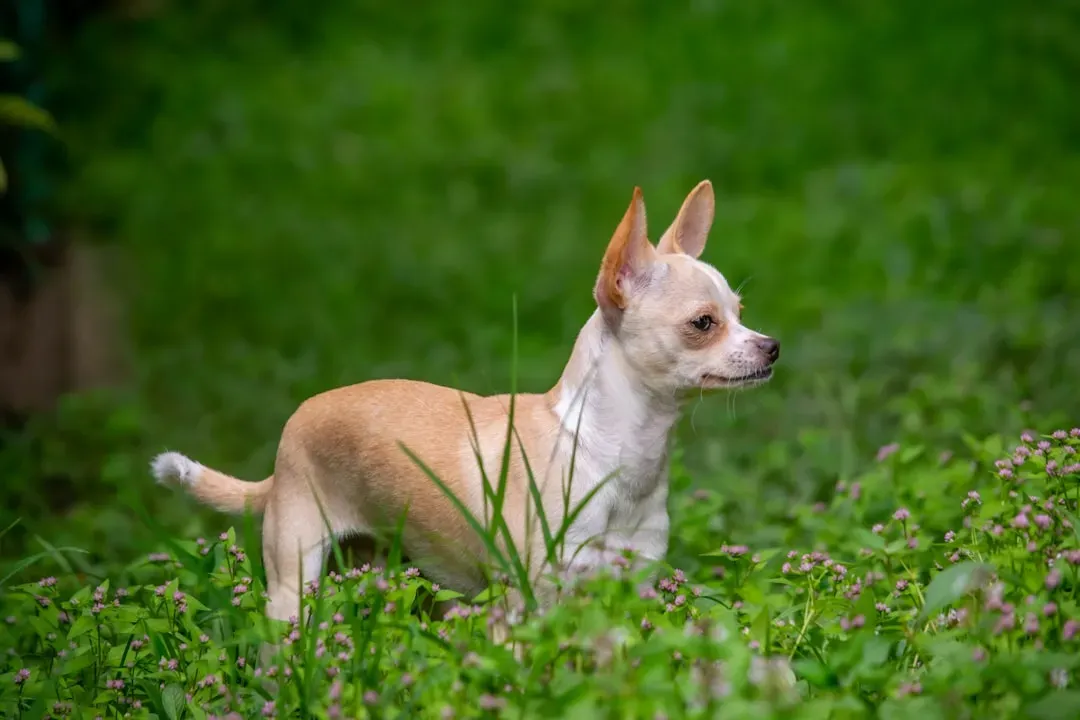
Chihuahuas may be the smallest dog breed in the world, but their attitude is probably the biggest out there as they’re not afraid to act out or try any means to get what they want, so they need an assertive owner that can take charge. Unfortunately, just like basset hounds, Chihuahuas are notoriously difficult to housebreak, and persistence and consistency are critical when training a Chihuahua.
Keep in mind that Chihuahuas also have a bad habit of forgetting just how small they actually are as they won’t hesitate to challenge dogs twice their size, something which can be detrimental if they challenge the wrong big dog, and for this reason, they require dedicated training to reign in their larger-than-life attitude. Their Napoleon complex can create dangerous situations if left unchecked.
Dachshund: Mischief Wrapped in a Long Body
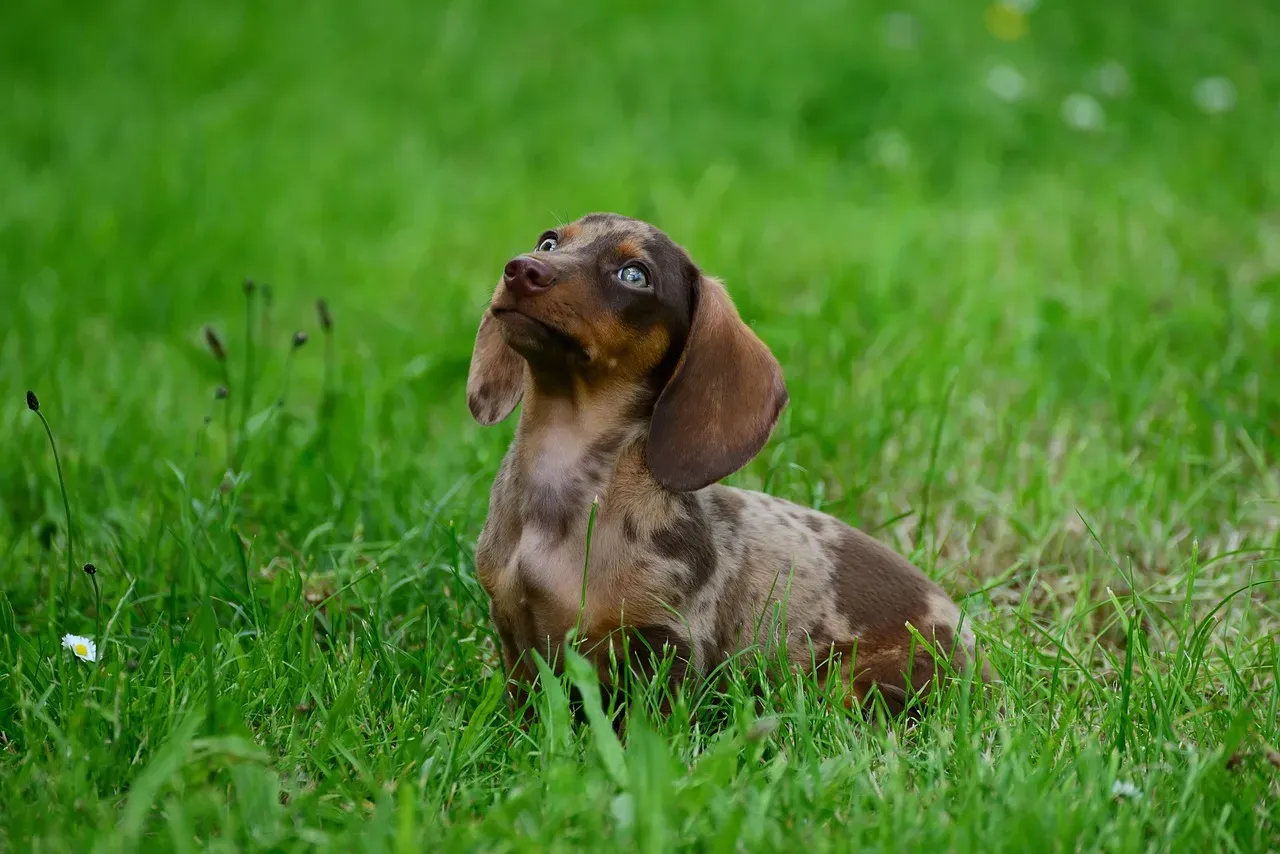
Dachshunds may look tiny and harmless, but these comically long dogs also have an independent spirit and can sometimes be stubborn, and they have a knack for being mischievous and surprising digging abilities, meaning they’ll tunnel under fences or anything else that stands in their way. That adorable shape comes with a stubborn personality to match.
Consistent training is key to curbing their more curious and disruptive tendencies. Their hunting background means they’re determined little problem solvers who will find creative ways around your rules. Yards need reinforced fencing, and patience needs constant replenishment.
Golden Retriever: The People Pleaser
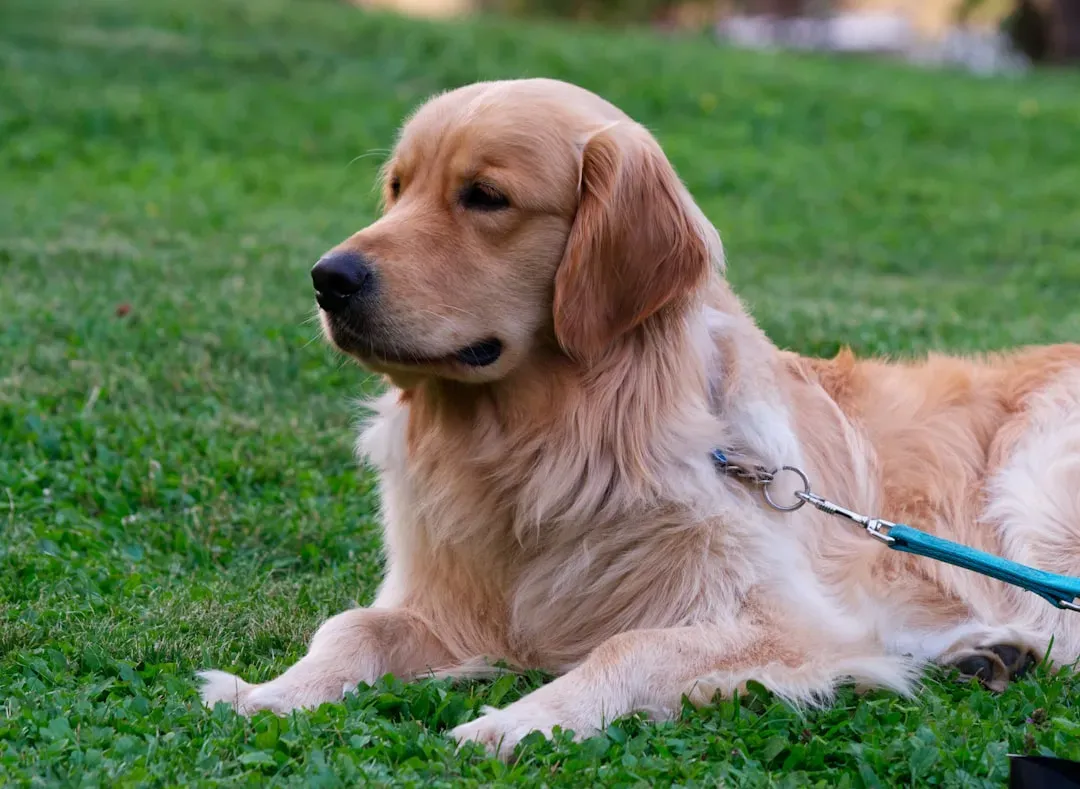
Here’s the thing about Golden Retrievers: they genuinely want to make you happy. If there were a gold medal for trainable, lovable, and all-around amazing dogs, the Golden Retriever would win it hands down, as this large breed is famous for being friendly, loyal, and ridiculously eager to please, which makes them ideal for families, first-time dog owners, and anyone looking for a furry companion who actually listens.
Most times Golden Retrievers are smart and easy to train, as Golden Retrievers have a reputation for being intelligent and eager to please, and they’re quick learners and are one of the easier breeds to train. Due to their hunting backgrounds, Golden Retrievers are great when it comes to training, and their need to please their owners also makes training easier, and when working with a Golden, you’ll see they have the ability to catch on to most commands quickly. Their gentle temperament makes them perfect for households with children or other pets.
Labrador Retriever: The All-American Companion
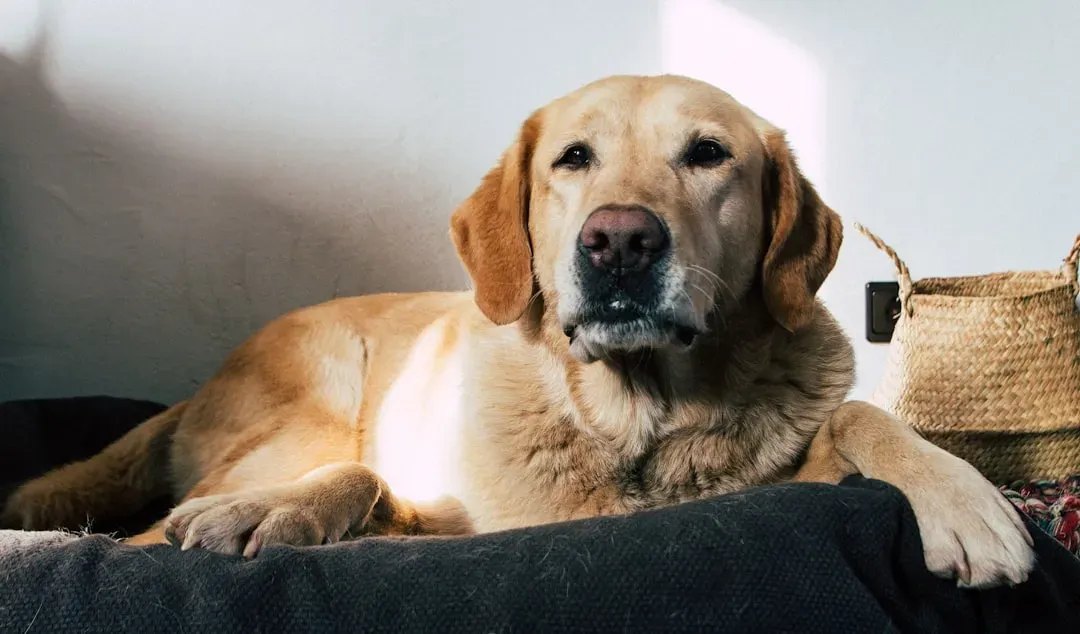
The Labrador Retriever is the all-American favorite for a reason, as friendly, outgoing, and endlessly loyal, Labs are the type of dog that wins hearts the moment they wag their tail and keeps winning them with their eagerness to learn and please. By bringing a Labrador into your home, you’ll quickly discover they are among the easiest dogs in the world to train, and like the Golden Retriever, these dogs can learn commands easily.
Friendly, eager to please, and quick to learn, Labs are among the easiest breeds to train, especially for first-time dog owners, and they respond well to positive reinforcement and thrive with structure and mental stimulation. Their enthusiasm for life is contagious. Sure, they might eat your sock occasionally, but they’ll look so apologetic you’ll forgive them instantly.
Cavalier King Charles Spaniel: Gentle Souls with Big Hearts
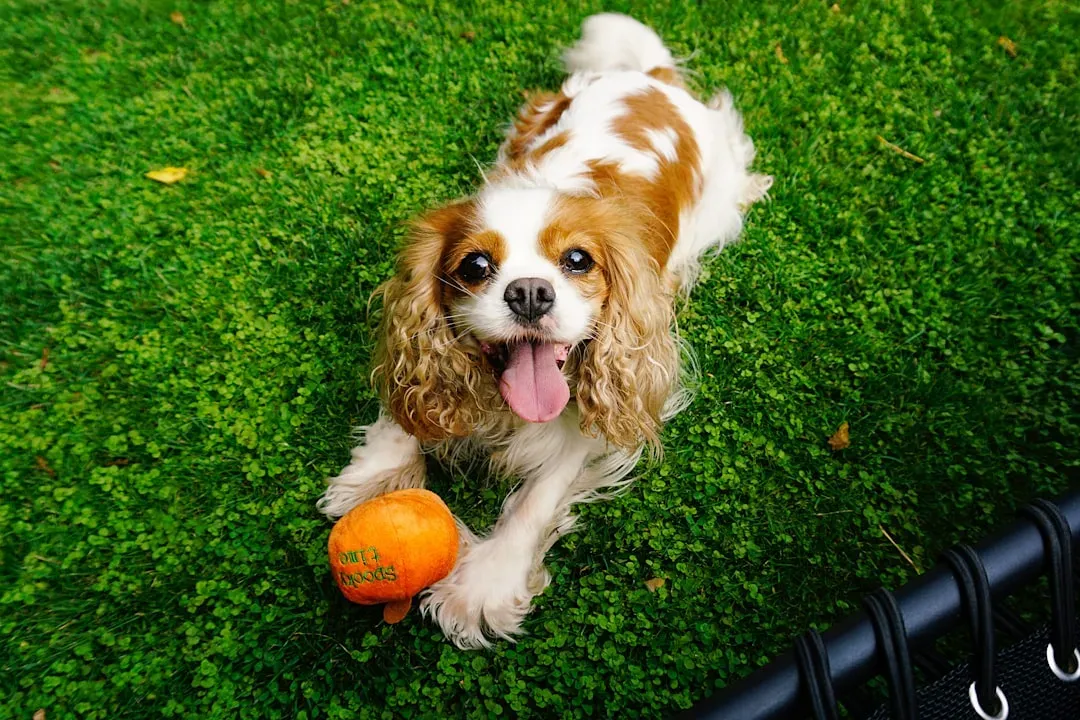
Meet the Cavalier King Charles Spaniel, the perfect mix of adorable, affectionate, and eager to please, and with their long, silky ears, soulful eyes, and gentle disposition, these little dogs are practically designed to melt hearts while being wonderfully easy to train. Cavaliers are intelligent and responsive, making training a smooth and enjoyable experience, and they thrive on positive reinforcement, whether it’s treats, praise, or gentle play, and their eagerness to bond with their humans ensures that they’ll quickly pick up commands and routines.
Their adaptability makes them suitable for apartments or houses, active families or quieter households. They’re social butterflies who get along beautifully with everyone they meet.
Poodle: Brains and Beauty Combined
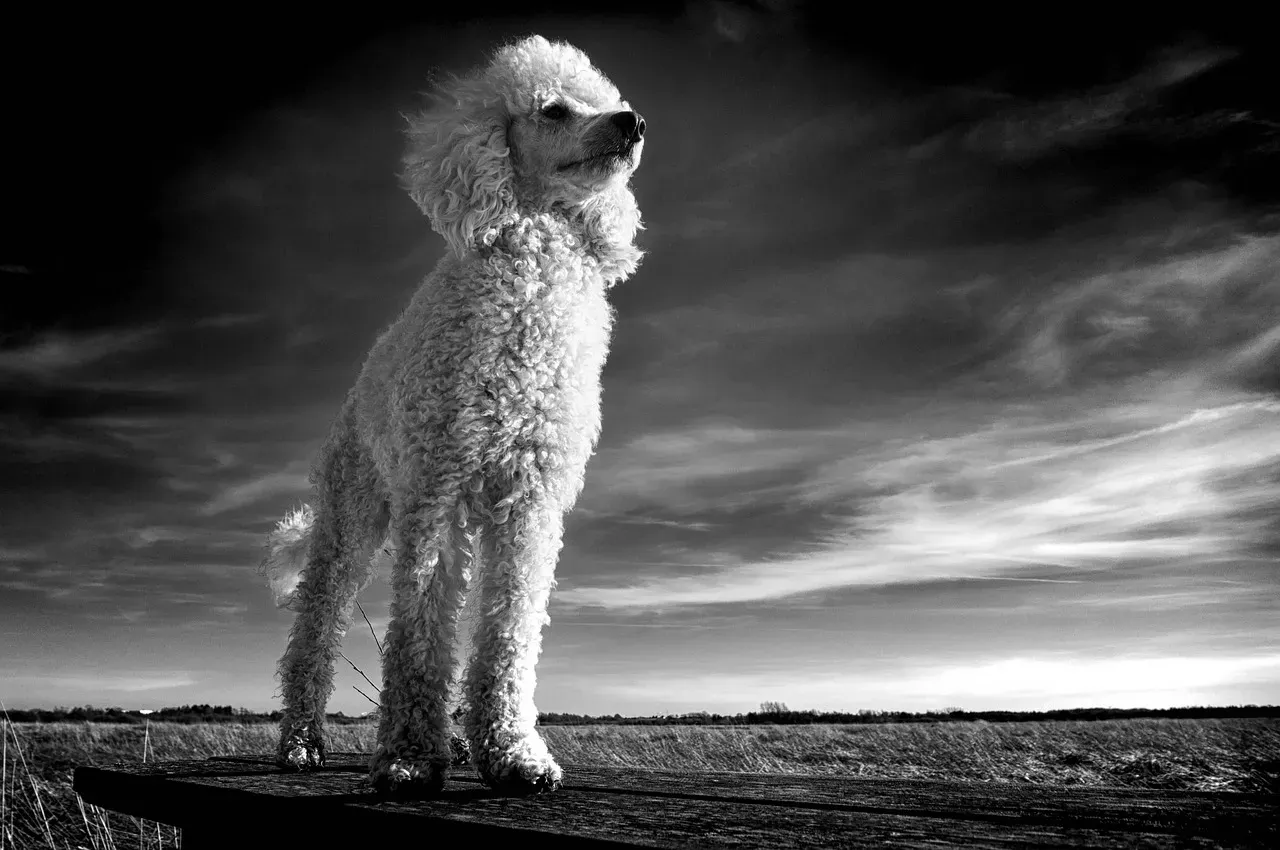
Very intelligent, the Poodle is easy to train and will want to please their owner, though they do need to be kept mentally stimulated, so they don’t get bored, and love a good brain game. Beyond their fancy haircuts and elegant appearance lies a working dog heritage that makes them remarkably capable.
Standard Poodles are alert canines with blitz thinking, and they can easily handle complex tasks and changes in routine better than most breeds, and their calm attitude in public spaces, paired with high intelligence, makes them strong candidates for service or therapy work. Whether you choose a standard, miniature, or toy variety, you’re getting a sharp mind packaged in a hypoallergenic coat.
Cavalier King Charles Spaniel-Poodle Mix (Cavapoo): The Best of Both Worlds
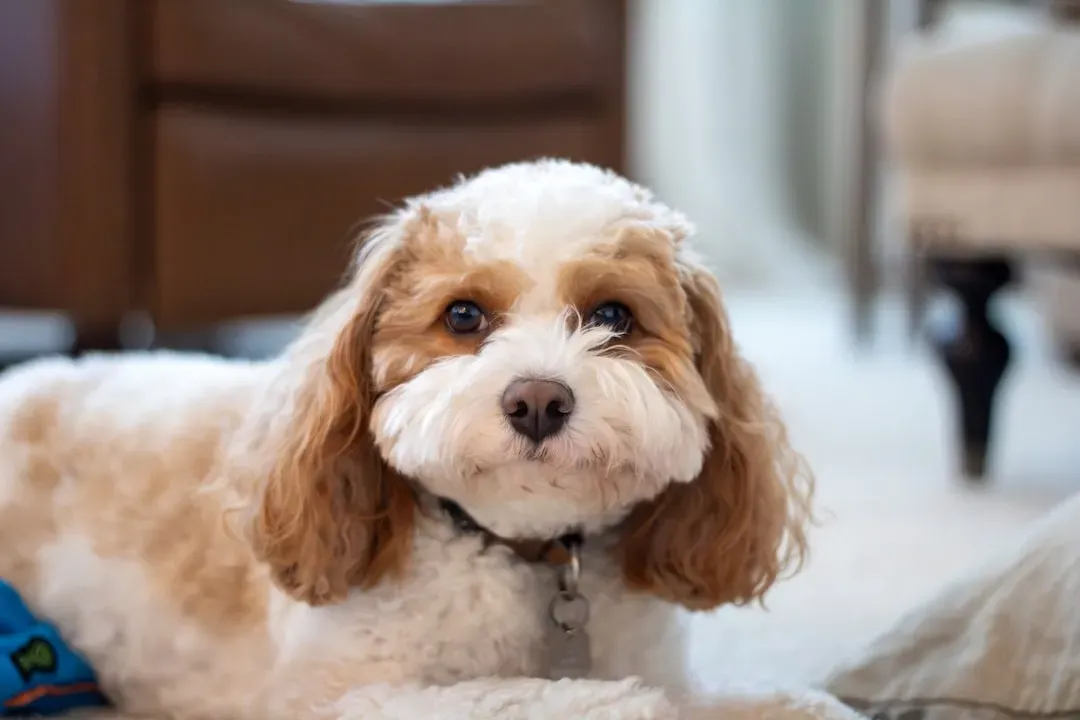
The Cavapoo combines the best qualities of the Cavalier King Charles Spaniel and the Poodle – affection, intelligence, and a hypoallergenic coat, and these small dogs are ideal for families, singles, and seniors who want a loving, easy-to-train pet. Cavapoos are intelligent and eager to please, making them relatively easy to train, and positive reinforcement and consistency are key to successful training.
They are social, easy to train, and thrive on human companionship. Their trainability makes them a perfect first pet. These designer dogs have surged in popularity precisely because they deliver on their promises of companionship without the headaches some purebreds bring.
Selecting a dog breed shouldn’t be a gamble. The difficult breeds listed here aren’t bad dogs, they’re simply dogs that demand experienced handlers, abundant time, and unwavering commitment. Meanwhile, those easier breeds offer pathways to successful dog ownership without the steep learning curve. Personally, I think too many people choose breeds based on looks or trends rather than honest self-assessment of their lifestyle and capabilities.
Whether you’re drawn to the challenge of a stubborn Afghan Hound or the sunny disposition of a Golden Retriever, the key is knowing what you’re signing up for. Every dog deserves an owner who understands their needs. So which type of owner are you? The answer to that question matters far more than which breed looks cutest on Instagram.

- 13 Dog Breeds Experienced Groomers Quietly Stopped Recommending to First-Time Owners After Seeing Too Many Heartbroken Families - June 18, 2026
- 15 Silent Signs Your Old Dog Is Getting Ready to Cross the Rainbow Bridge – Most Owners Never Catch Them - June 18, 2026
- 12 National Parks Where Bison Still Rule the Plains - June 18, 2026