
When you look at your dog curled up on the couch, have you ever wondered how far back that connection between humans and canines really goes? I know it sounds crazy, but some of the breeds we share our homes with today can trace their lineage back thousands of years. These aren’t just pets with long histories. They’re living links to ancient civilizations, warriors, and hunters who depended on these animals in ways we can barely imagine now.
Let’s be real, most modern breeds were designed in the last couple hundred years during that Victorian breeding frenzy. Yet a handful of dogs have remained remarkably unchanged through millennia. Their stories are absolutely wild, filled with pharaohs, monks, and desert nomads. So let’s dive in and discover which breeds have stood the test of time.
Saluki: The Ancient Speedster
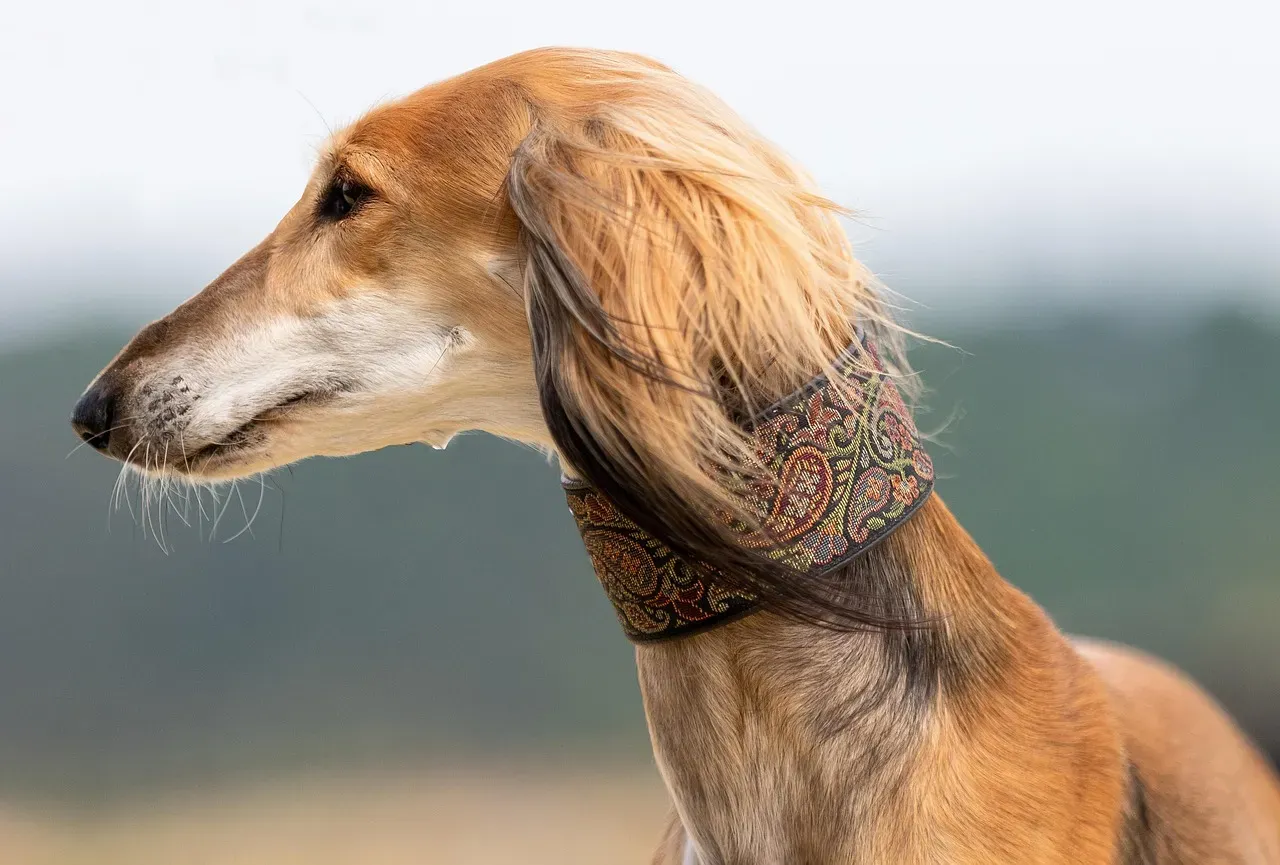
The Saluki currently holds the Guinness World Record for being the oldest breed of dog in the world. Though recent genetic studies might challenge that precise claim, nobody denies this breed is seriously old. Archaeologists uncovered a golden pendant depicting a Saluki that dated back to 3,300BCE while the remains of mummified Salukis have been discovered in ancient tombs in the Upper Nile region.
Picture this: Arab tribesmen racing across the desert on horseback while these elegant sighthounds sprint alongside them. These elegant dogs were highly valued by Arab tribesmen and Egyptian nobility alike, prized for their speed, endurance, and keen hunting instinct. They weren’t just working dogs either. They were treasured companions who shared tents with their owners.
Capable of reaching speeds of up to 42 mph, the Saluki was most famously used to hunt gazelle but, in the mountainous terrain of northern Iran and Turkey, it adapted to the environment, becoming “bigger, heavier, [and] hairier” to cope with larger prey, like deer. That kind of adaptability over thousands of years is honestly pretty remarkable when you think about it.
Modern Salukis retain that independent streak their ancestors needed for hunting. They’re curious and athletic but definitely not the easiest dogs to train. Their prey drive remains incredibly strong, so good luck if you have a cat.
Basenji: The Barkless Wonder
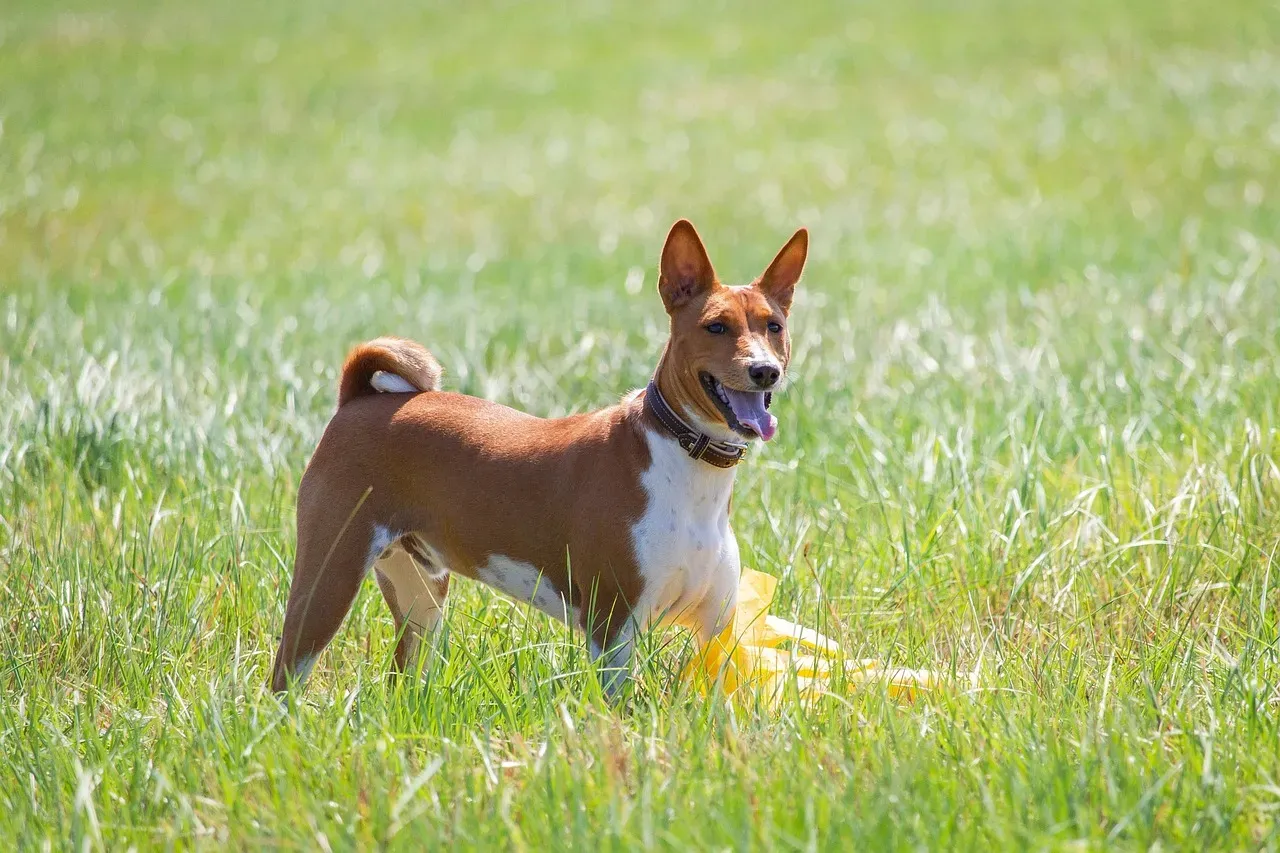
Here’s the thing about the Basenji that makes them truly unique among dogs. The Basenji is another ancient breed, believed to be depicted in cave paintings in Libya that date all the way back to 6000BC, with depictions of this breed also found in Egyptian relics. These small hunters from Africa possess traits that feel almost alien compared to most modern dogs.
Like the Greyhound, the Basenji is believed to be related to the dogs of Ancient Egypt, although others claim it originated in Africa, and having been isolated in remote regions, the Basenji has maintained many of the unusual traits of its ancient predecessors and displays more catlike behavior than most dogs. They groom themselves meticulously, climb with surprising agility, and here’s the kicker: they don’t bark like normal dogs. Instead, they make this fascinating yodeling sound that’s been described as anything from charming to utterly bizarre.
Their intelligence is undeniable, though it comes with a healthy dose of stubbornness. This breed hunted in Africa, giving it independence that allowed it to collect food for its owners. That self-reliance shaped their personality in ways that persist today.
They’re compact dogs, typically weighing less than 25 pounds, but they pack tremendous energy into those small frames. Mental stimulation isn’t optional with these guys. It’s absolutely essential for their wellbeing.
Afghan Hound: The Elegant Mountain Hunter
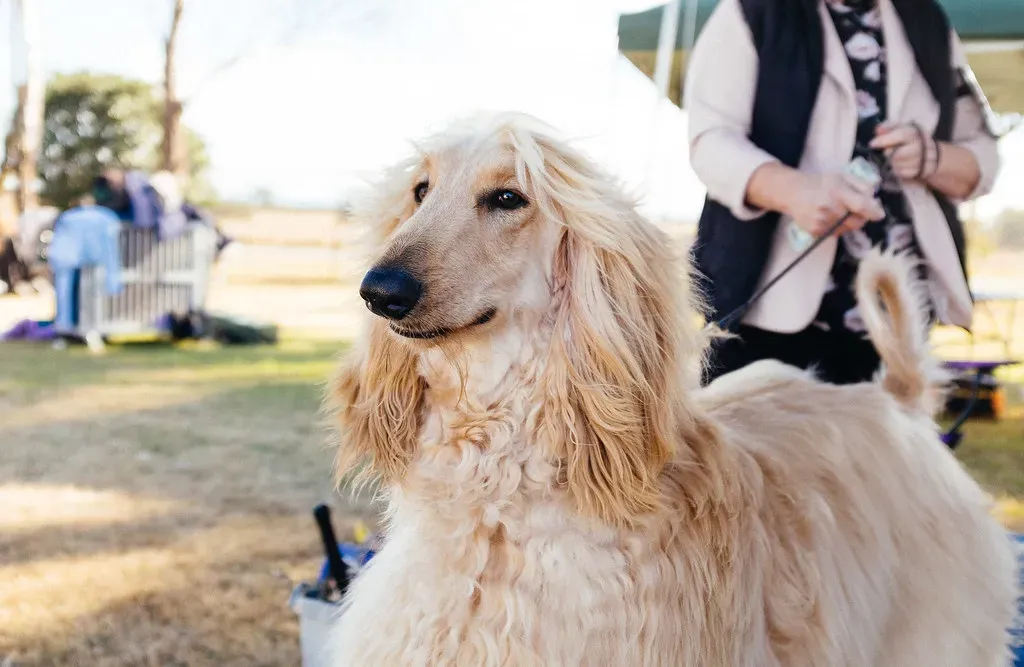
Another dog closely related to the Saluki is the Afghan Hound, and though its name comes from its prevalence as a hunting dog in Afghanistan’s hilly countryside, it is unclear whether the breed originated there or elsewhere in the Middle East, though either way, they are believed to go back at least a few thousand years. Legend even claims Noah saved them from the Great Flood, though I seriously doubt there’s evidence for that particular story.
What sets Afghans apart is their absolutely stunning appearance. Those long, flowing locks and regal bearing made them favorites in the show ring, but don’t let the glamour fool you. Closely related to the Saluki, Afghans have an independent streak that harks back to their hunting origins and can be stubborn and aloof, with these traits making them difficult to train, especially as they have an exceptionally high prey drive.
They hunted big game in harsh mountainous terrain for centuries. That required intelligence, stamina, and the ability to make split second decisions without human guidance. Modern Afghans still carry those instincts deeply embedded in their DNA.
Their grooming needs are honestly no joke. That gorgeous coat requires serious commitment from owners willing to put in the work. Still, for those who appreciate their unique blend of beauty and ancient lineage, few breeds can match their mystique.
Akita: Japan’s Noble Guardian
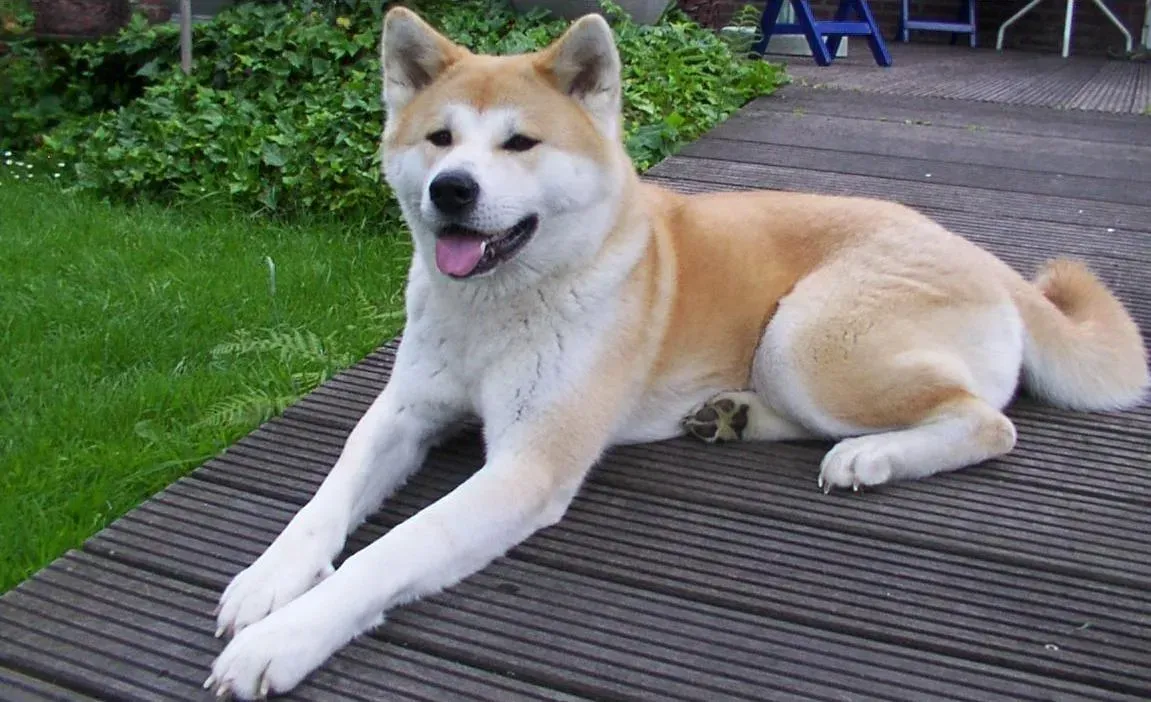
While the Akita Inu’s precise time of origin is uncertain, archaeological finds suggest that a dog known as Matagi-Inu lived between 8000 BC and 200 BC, believed to be an ancestor of the Akita, and though these ancient dogs are smaller than the Akita Inu we know and love today, there’s no denying the rich history and lineage of the breed. The connection between modern Japan and these powerful dogs runs incredibly deep.
The Akita is one of many ancient and popular Japanese dog breeds, a working breed that became a natural monument of Japan and was used for hunting and fighting, and now, they’re used as police and guard dogs, similar to German Shepherds, with Akitas going back over 1,000 years and prized for their tracking skills. They also gained legendary status for their loyalty, with stories of Akitas waiting for their owners becoming cultural touchstones in Japanese society.
These are substantial dogs, with males reaching well over 100 pounds. Their physical presence commands respect, but it’s their temperament that really defines the breed. Akitas form intense bonds with their families while remaining naturally wary of strangers.
Training an Akita requires consistency and respect. They’re not dogs for first time owners or anyone looking for an overly submissive pet. Their working heritage means they need purpose and clear leadership from humans they trust.
Alaskan Malamute: Arctic Powerhouse
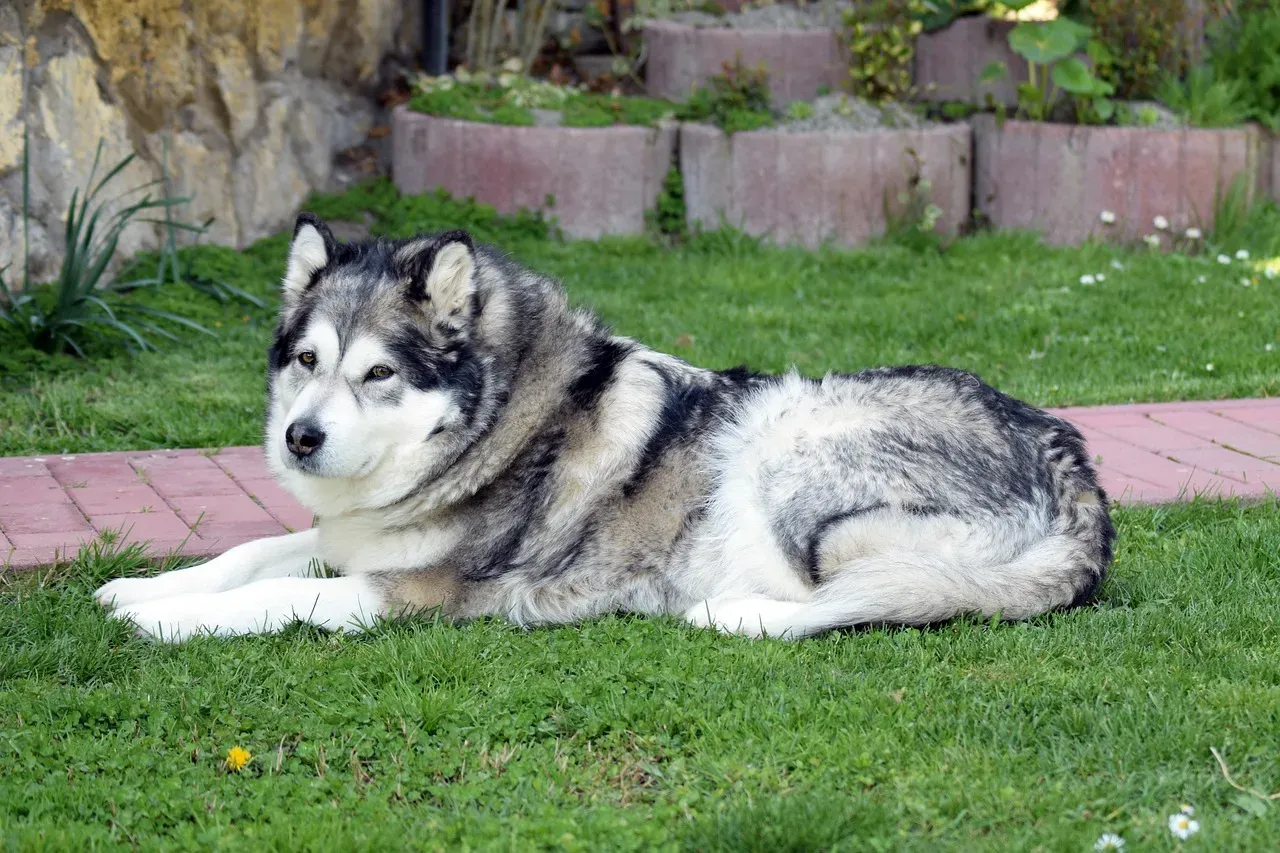
The Alaskan Malamute is believed to have descended from the domesticated wolf dogs that migrated with their hunter owners from the Bering Strait into North America over 4,000 years ago, one of the oldest sled dog breeds of the Arctic, and their name “Malamute” is inspired by the Alaskan Inuit tribe Mahlemiut, who likely played a big part in developing the breed. This wasn’t some fancy breeding program. This was survival.
The indigenous people of Alaska needed dogs capable of pulling heavy loads across frozen landscapes where temperatures plummet to deadly levels. Malamutes answered that call with incredible strength and endurance. Their thick double coats protected them from brutal Arctic conditions while their powerful builds allowed them to haul supplies that would break lesser dogs.
Modern Malamutes retain that working drive, though most now pull sleds for sport rather than survival. They’re friendly and affectionate with their families, quite different from some other ancient breeds who can be aloof. However, their size and strength mean they need experienced handlers who understand their needs.
These aren’t apartment dogs, honestly. They need space to move and jobs to do. A bored Malamute can become a destructive Malamute faster than you’d believe possible. But for active families in suitable climates, few breeds offer such a direct connection to humanity’s partnership with canines in extreme environments.
Chow Chow: China’s Lion Dog
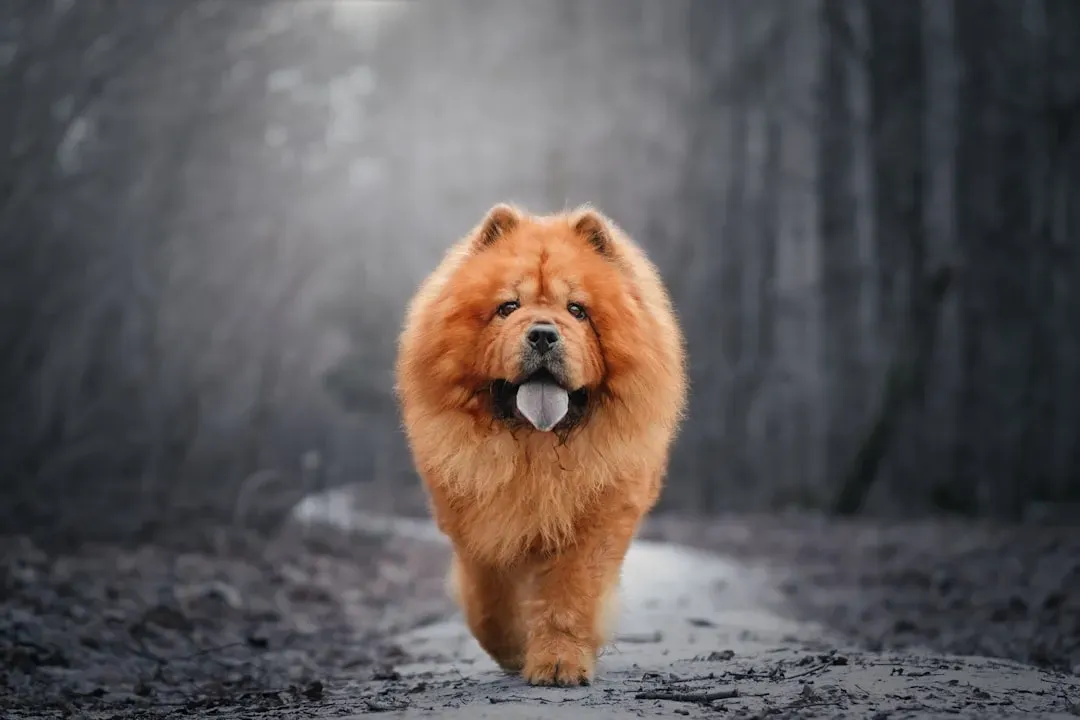
The Chow Chow is one of the most recognized ancient dog breeds today, known for its fluffy fur and black tongue, coming from ancient China around the Han Dynasty over 2,000 years ago, with Chows originally companions to Chinese nobles, guards, hunters, and haulers. That distinctive blue black tongue sets them apart from virtually every other breed, giving them an almost otherworldly appearance.
Their lion like mane and dignified bearing made them favorites among Chinese nobility. Yet they weren’t merely ornamental lap dogs. Chows performed serious work as guardians and hunting companions. Their protective instincts remain incredibly strong in modern dogs.
They have a protective nature, so they’re often not open to strangers. That’s putting it mildly. Chows can be downright suspicious of anyone outside their immediate family circle. Early socialization is absolutely critical with this breed to prevent aggression issues down the line.
Despite their medium energy levels compared to some ancient breeds, Chows need consistent training and firm boundaries. They’re intelligent but independent, characteristics that can challenge novice owners expecting blind obedience. For those willing to respect their dignified nature, Chows offer unmatched loyalty and presence.
Greyhound: The Pharaoh’s Favorite
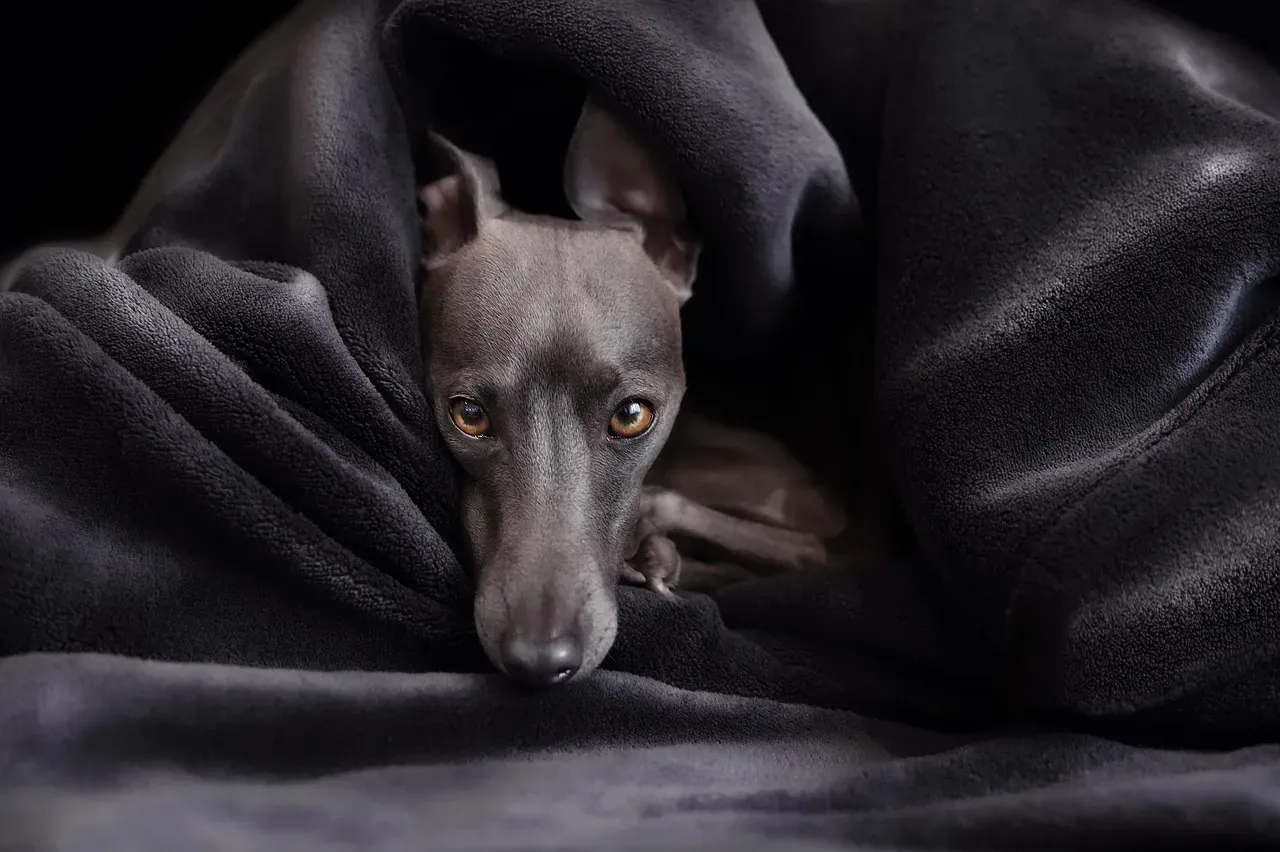
Closely related to the sighthounds depicted in the temple drawings from 6,000 BC discovered in present-day Turkey, the Greyhound is one of the oldest dog breeds in the world, and while some are convinced the dog depicted on graves, inscriptions, and tomb paintings was, in fact, a Greyhound, others believe it has more in common with the Basenji or Saluki. The exact lineage gets murky when you’re talking about dogs from six thousand years ago.
What we do know is fascinating. While no one knows for certain the exact origin of Greyhounds, dogs that closely resembled the breed were favorites of the Egyptian Pharaohs, making them one of the oldest dog breeds in the world, so highly valued and celebrated that the birth of a Greyhound was just as important an occasion as the birth of a son, prized as royalty and living in special kennels. Can you imagine treating a dog’s birth with the same ceremony as a human child? That’s the level of reverence ancient Egyptians had for these swift hunters.
By the Middle Ages, the Greyhound was nearly extinct, as widespread famine swept across Europe, with the breed saved by clergymen who went on to breed them for nobility, giving the Greyhound its revered status as a companion to the aristocracy. Their survival through dark times speaks to their enduring appeal.
Modern Greyhounds are gentle, affectionate companions despite their incredible athletic ability. They’re surprisingly mellow indoors, though they can reach breathtaking speeds when given the opportunity to run. Their quiet, mild mannered nature makes them wonderful pets for the right homes.
Tibetan Mastiff: Guardian of the Himalayas
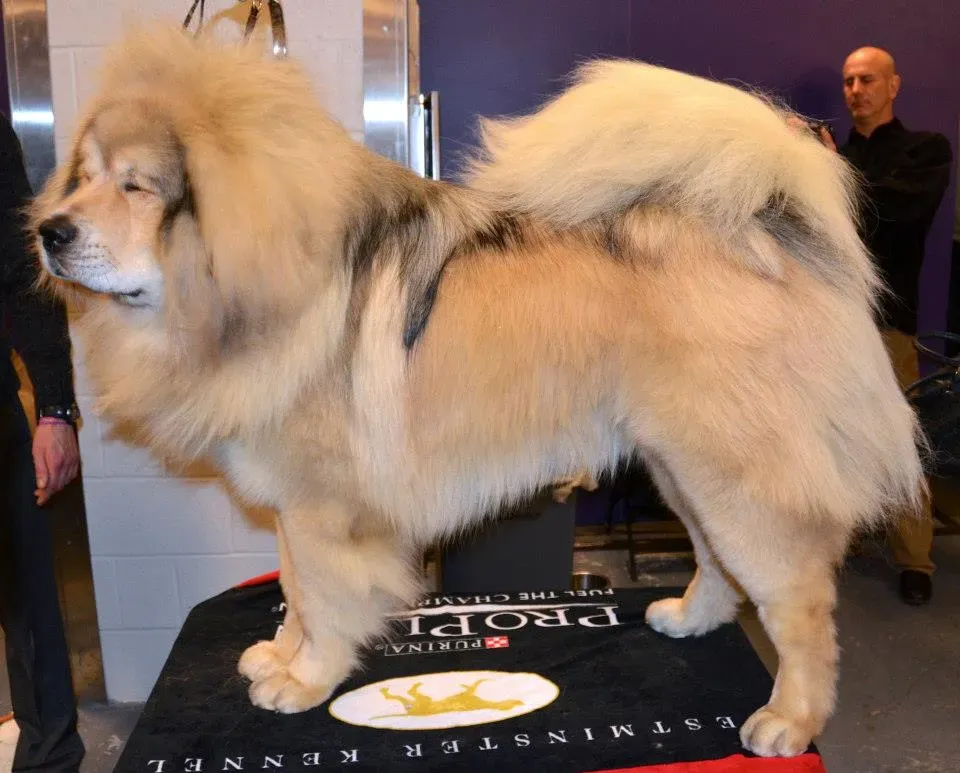
The Mastiff is one of the oldest dogs, believed to have descended from the war dogs of ancient Rome, although there is little genetic evidence to support this theory, with Tibetan Mastiffs originally used as guard dogs, protecting both property and livestock, so it’s hardly surprising that they are very territorial dogs. These massive guardians developed in isolation among the peaks of Tibet, where they defended monasteries and flocks from predators that would make most dogs run for the hills.
Their size alone is imposing. Males can exceed 150 pounds easily, with thick coats that make them appear even larger. That impressive bulk wasn’t just for show. They needed mass and power to confront wolves, leopards, and other threats in the harsh Himalayan environment.
While gentle and affectionate with family members, Tibetan Mastiffs can be aggressive towards strangers and, as a result, have been banned in parts of the US, France, and Australia, among other places, yet despite such bans, the Tibetan Mastiff remains a popular breed, celebrated for its intelligence, independence, strength, and loyalty. Their protective nature isn’t something you can train out of them. It’s hardwired after generations of selective breeding for exactly that purpose.
These aren’t dogs for casual pet owners. They require experienced handlers who understand guardian breeds and can provide proper socialization from puppyhood. In the right hands, though, they’re magnificent animals with an ancient heritage few breeds can match.
Shar Pei: The Wrinkled Warrior
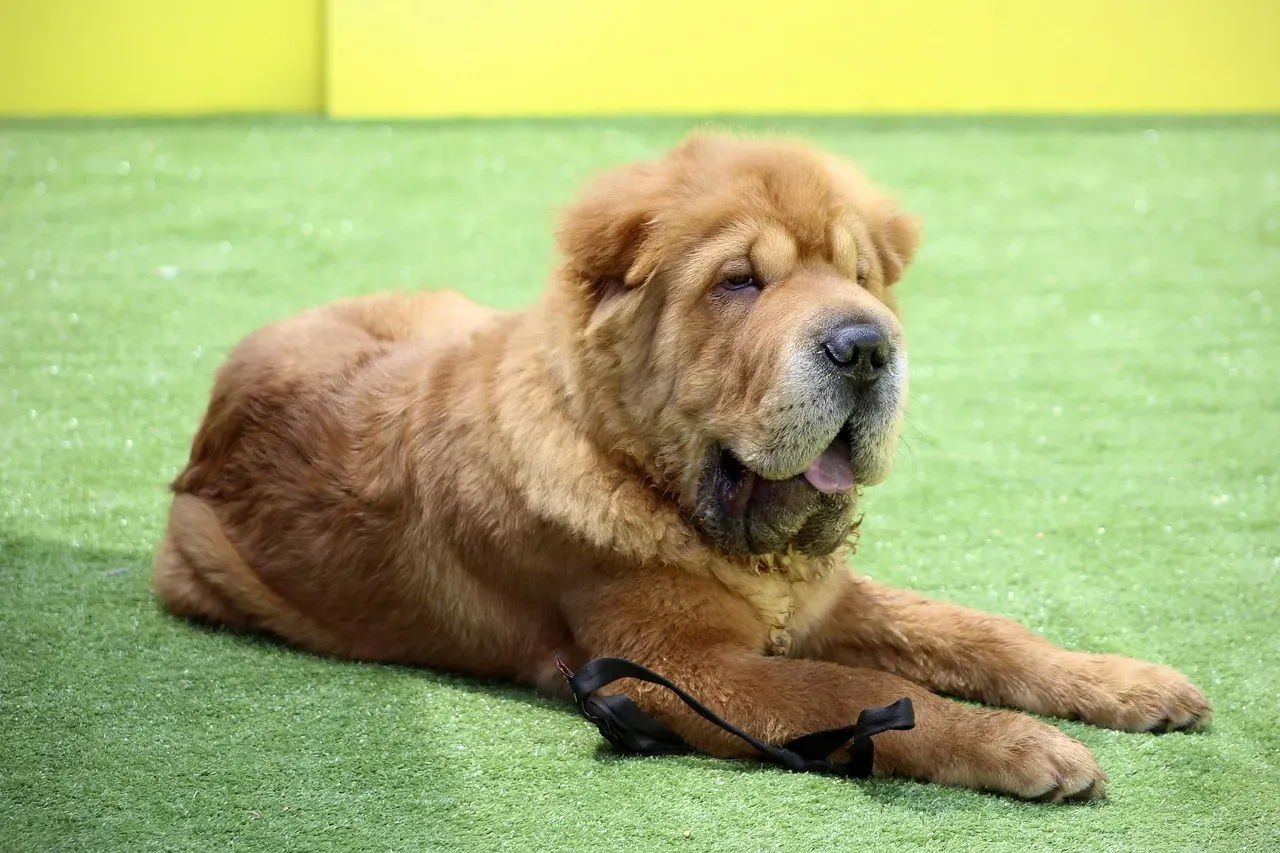
There are no records that indicate the origin of the breed, though it resembles an unwrinkled guard dog kept in China during the Han dynasty (202 BC to 9 AD), with the Chinese Shar-Pei bearing a strong resemblance to statues dating back to ancient times, and many manuscripts making references to “wrinkled dogs”. Those deep wrinkles and blue black tongue make the Shar Pei instantly recognizable among dog breeds worldwide.
This breed’s history dates back to around 200 BC in China, where they served as guardians that protected the royal family, with the Shar-Pei bred to have a loose coat to fend off wild animals while guarding homes and livestock. That loose skin served a practical purpose in fights, making it harder for attackers to get a solid grip and reach vital areas.
Modern Shar Peis retain strong guarding instincts despite their somewhat comical appearance. They’re loyal to their families but can be standoffish with strangers. Early socialization helps tremendously with their territorial tendencies.
Health wise, those wrinkles require special attention. Skin fold dermatitis can become an issue without proper care. Their eyes can also be sensitive due to the folds around that area. Still, for owners willing to provide appropriate care, Shar Peis offer a unique blend of ancient heritage and devoted companionship that few breeds can replicate.
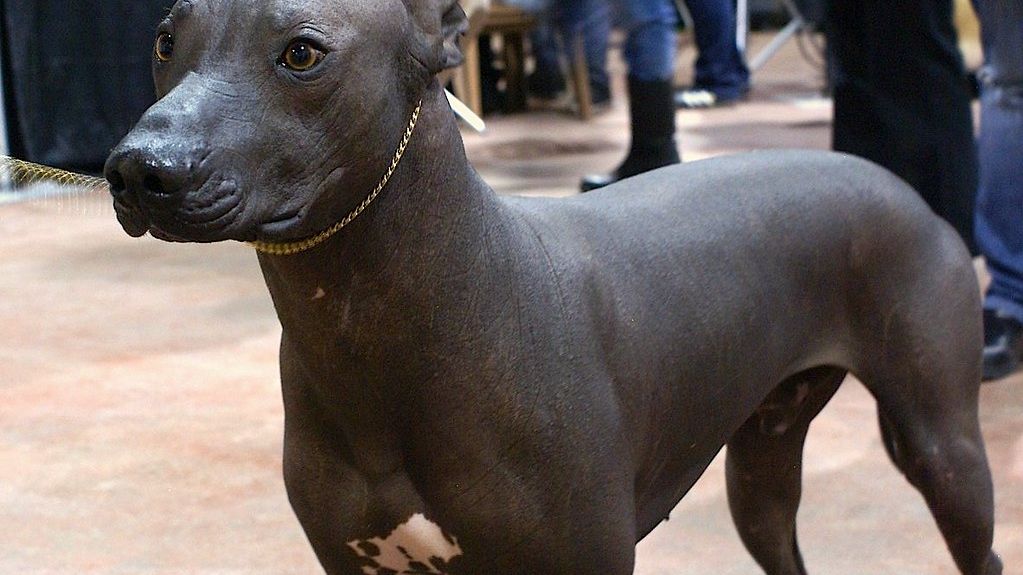
Xoloitzcuintli: The Aztec Sacred Dog
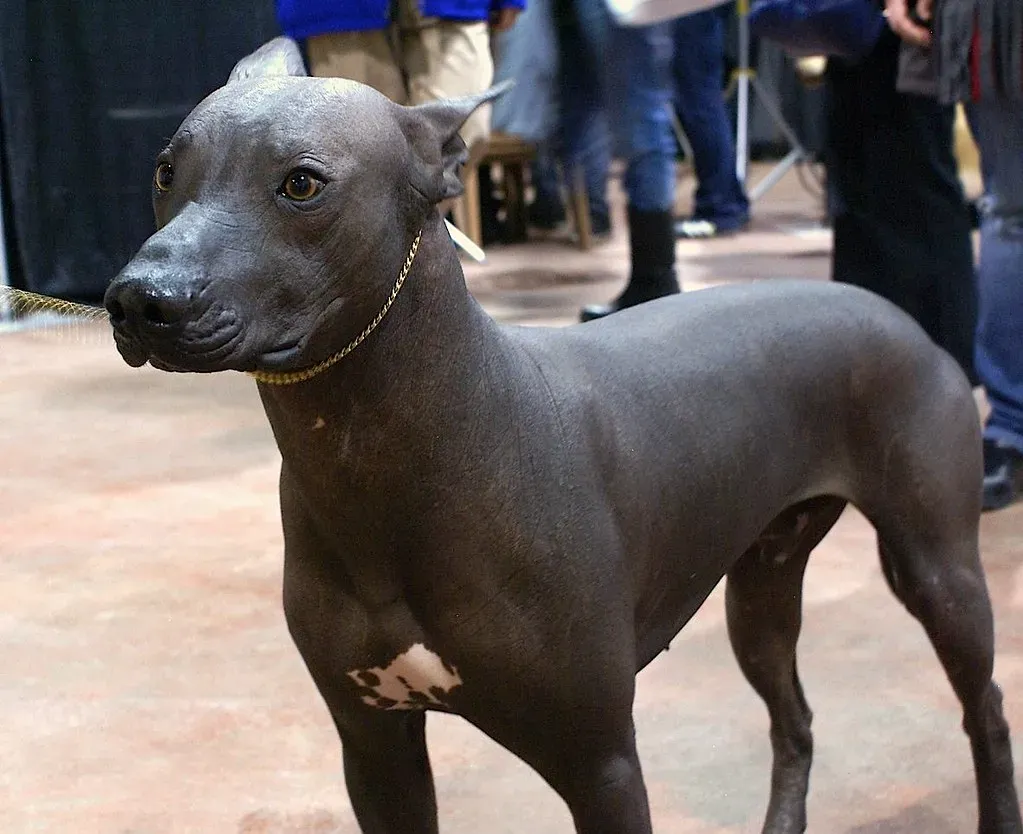
Recently published research in Cell Reports, looking at the genetics of more than 150 dog breeds, has unearthed genetic traces of a “New World Dog” that migrated with humans across the Bering Strait, with these dogs thought to be descended from dogs domesticated in Siberia roughly 23,000 years ago, and archaeological evidence existed of this ancient dog, but the study was the first to show “living evidence of these dogs in modern breeds,” including the Peruvian hairless dog and the Xoloitzcuintl. The Xolo represents a completely different branch of canine history from the Old World breeds.
The Xoloitzcuintli is a breed that dates back to the ancient Aztecs in Mexico, often associated with the Aztec gods, with the Xolo believed to guide the soul of its owner to the afterlife. That spiritual significance elevated them beyond mere pets into sacred companions with mythological importance.
Their hairless appearance strikes some people as odd at first glance. Others find their unique look absolutely captivating. The lack of fur meant they radiated warmth, making them living hot water bottles for the people who kept them. Some historians suggest they were also valued for their meat, though modern Xolo enthusiasts understandably prefer to focus on their companionship qualities.
These are intelligent, loyal dogs with moderate energy levels. They bond closely with their families while remaining somewhat reserved around strangers. Their skin requires different care than furred breeds, including sun protection and moisturizing. For those drawn to their ancient lineage and unusual appearance, Xolos offer something truly special.
Conclusion
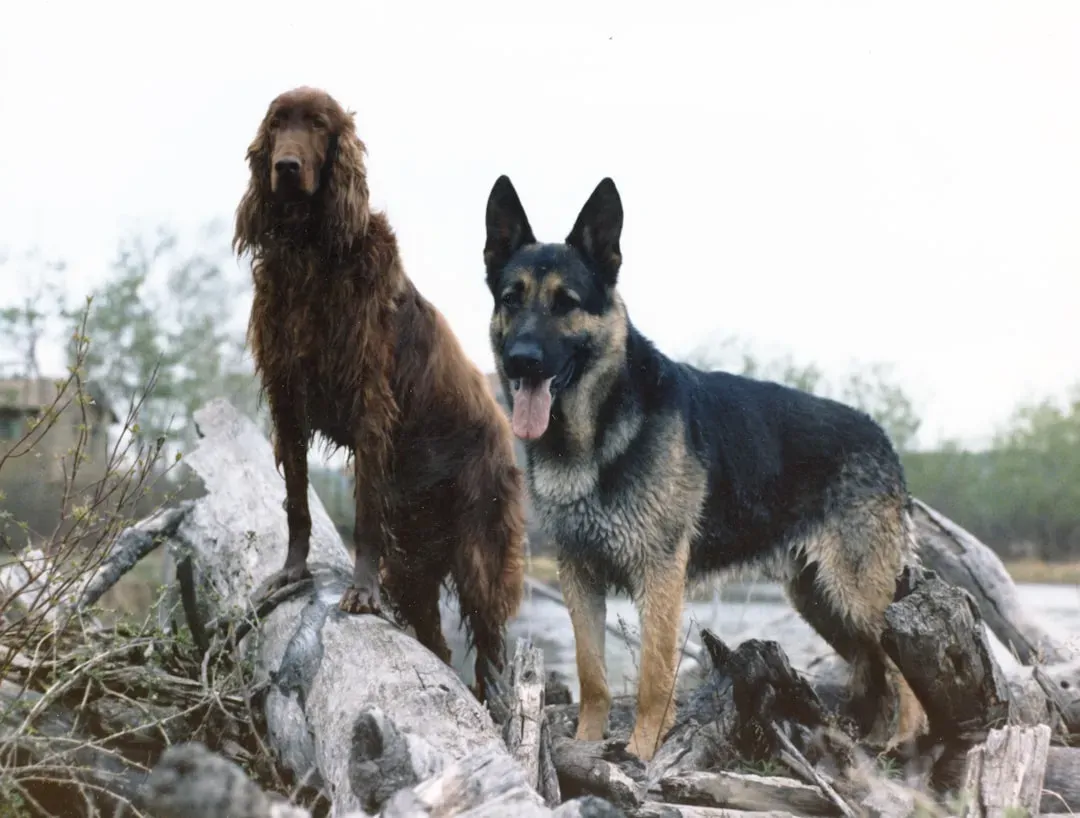
These ten breeds represent something remarkable. They’re not just dogs who happen to have long pedigrees. They’re survivors who adapted alongside humans through countless generations, from desert hunting expeditions to Arctic survival situations to sacred temple duties. Each one carries genetic memories of ancient partnerships that shaped both human and canine evolution.
What strikes me most is how different they are from the breeds developed in just the past century or two. Modern breeding often prioritizes appearance over function, sometimes with troubling health consequences. These ancient breeds were forged by necessity and natural selection as much as human intervention. That gave them resilience, independence, and distinctive personalities that can challenge modern owners expecting more biddable companions.
The next time you see one of these breeds, take a moment to appreciate what you’re really looking at. That’s not just a pet. That’s a living connection to pharaohs and nomads, monks and warriors, stretching back through millennia of shared history. Did you expect that your neighbor’s Greyhound has more ancient royal connections than most human families can claim? What do you think? Tell us in the comments.

- 6 Exotic Bird Species You Can Spot in U.S. National Parks - July 19, 2026
- 11 Iconic American Birds Facing New Challenges and How You Can Help - July 19, 2026
- 10 Friendliest Animals in the World - July 19, 2026