
There’s something genuinely moving about watching a senior walk through a shelter, stopping at a kennel, and locking eyes with a dog. The pull is real, and the need for that kind of companionship is deeply human. Studies have shown that seniors who have pet dogs tend to be in a better mood overall and experience enhanced health and well-being benefits as a result of having daily attention and unconditional love that pets offer.
The trouble is that love at first sight doesn’t always translate into a workable daily reality. Certain breeds come with demanding needs – whether it’s endless energy, stubborn temperaments, or health issues – that can quickly become overwhelming for someone looking for a calmer, more manageable companion. Some dogs require hours of daily exercise, advanced training, or meticulous grooming routines, which may be impractical for seniors with limited mobility or energy. These six breeds are the ones shelter workers and trainers consistently flag as poor matches. Knowing why matters more than most people realize.
#1: Siberian Husky
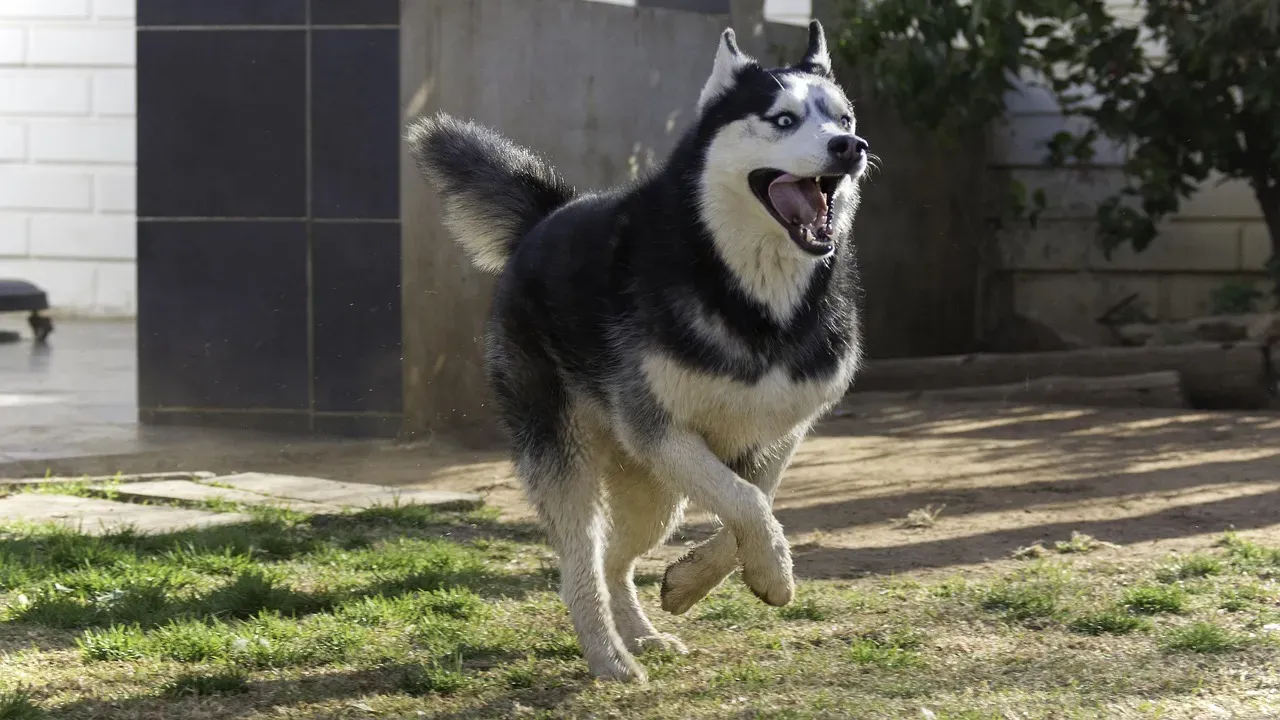
The Husky’s dramatic good looks make it one of the most admired dogs at any shelter. That striking appearance is exactly the problem – it draws people in before the full picture becomes clear. Siberian Huskies are full of energy and have a strong need for physical activity. These dogs were bred to pull sleds, and they retain that desire to run and explore. That’s not a quirky personality trait; it’s a deeply wired biological drive.
Huskies require extremely secure fencing since they can dig and jump out of almost anything, they need to be mannerly on a leash but are difficult to train, and they have a huge wanderlust potential, meaning they can and will get away from their owners to go explore. Beyond the escape risk, a sudden pull from a 60-pound Husky can easily cause a fall, especially for seniors with joint or balance issues. Consistent training may reduce this tendency, but it requires effort and strength that many elderly owners may not be able to provide. Adding to the difficulty, their dense coat needs regular grooming, which can strain seniors with arthritis or mobility concerns.
#2: Rottweiler
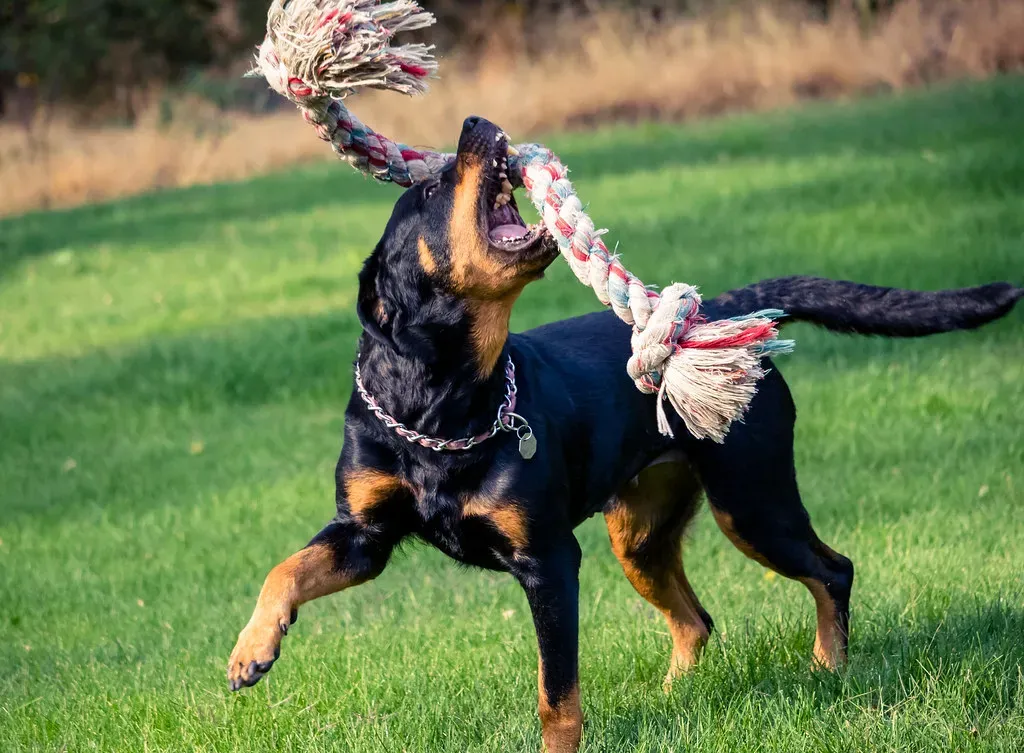
Also known as the Rottie, the Rottweiler is a strong, muscular breed originally bred in Germany for herding and guarding livestock. Their confidence and natural protective instincts make them exceptional working dogs, but these same traits can be overwhelming for elderly pet owners who prefer calm, low-maintenance companions. The strength factor alone is genuinely significant – this isn’t a breed that can be redirected with a light tug on the leash.
Without enough exercise, Rottweilers can become restless, destructive, or domineering, demanding firm and consistent guidance that may be strenuous for older individuals. Training a Rottweiler is not optional – it is essential. If they sense any weakness, they may try to take control, which can become unsafe given their size. This strong-willed nature makes them unsuitable for most senior owners despite their intelligence and quick learning abilities.
#3: Border Collie
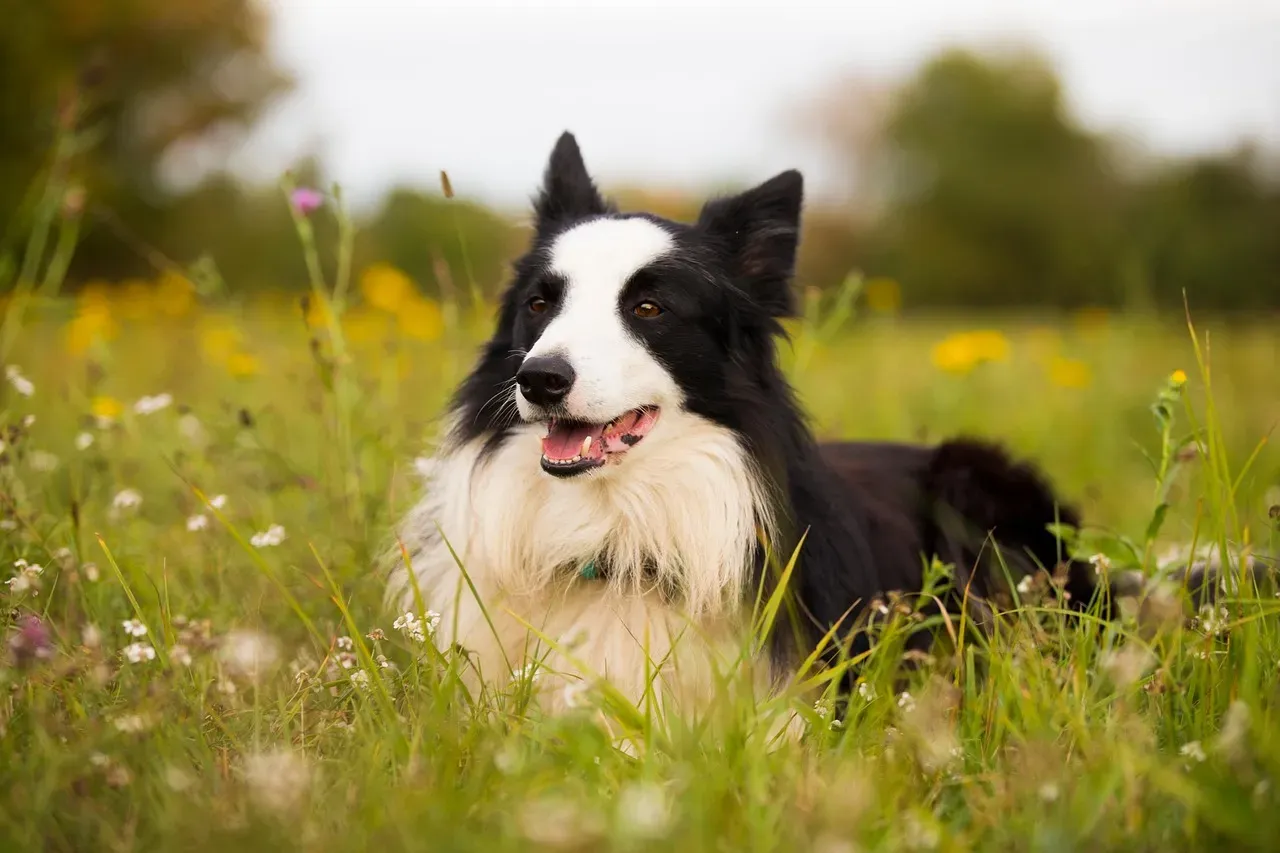
According to the American Kennel Club, the Border Collie is an exceptionally intelligent and industrious breed – often described as a remarkably bright “workaholic.” Bred for herding livestock, Border Collies have boundless energy and require hours of daily physical and mental stimulation. That intelligence is not a passive trait. It actively creates problems when the dog isn’t given enough to do.
Border Collies require a minimum of two hours of exercise daily. That’s a steep ask for any owner, let alone someone managing arthritis, limited stamina, or reduced mobility. Without the proper exercise, Border Collies can become mischievous when there is nothing else to do. There’s also a behavioral quirk worth noting: their strong herding instincts make them prone to chasing or nipping at moving objects, which can be difficult to manage in quieter homes or around frail individuals.
#4: Dalmatian
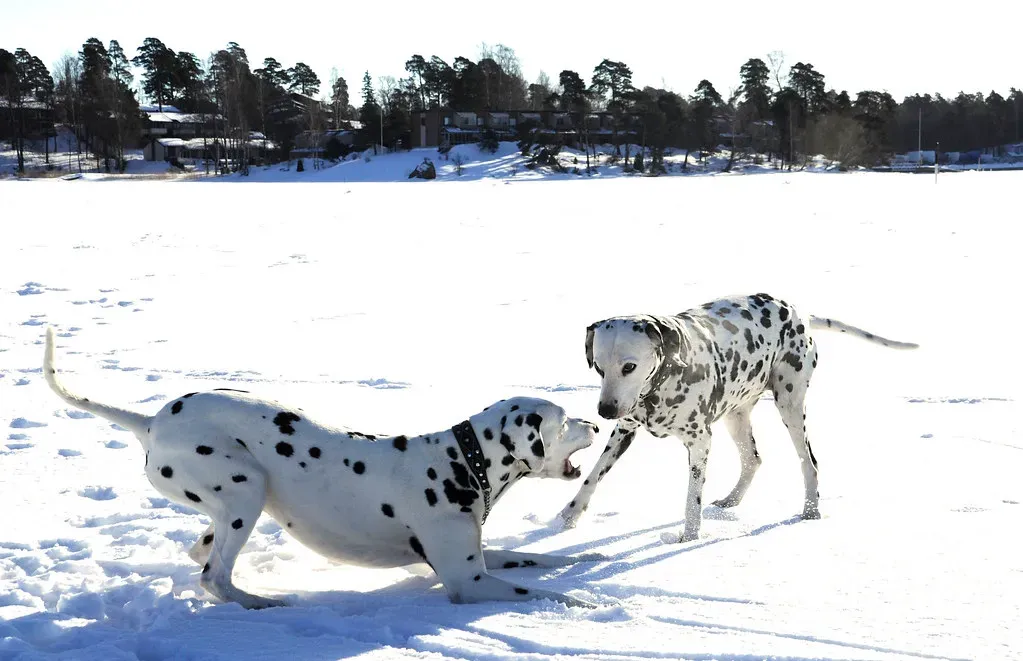
Dalmatians are medium-to-large dogs known for their striking spotted coats and energetic personalities. They were originally bred to guard horses and coaches, and that watchdog instinct is still present in the breed today. They are intelligent and sociable but thrive best with experienced pet owners who can provide structured exercise and training routines. The image of Dalmatians as charming, movie-friendly dogs has a way of masking just how demanding they really are.
Dalmatians require around one and a half to two hours of vigorous activity daily, from long walks to games of fetch. That’s not a light afternoon stroll; that’s a genuine athletic commitment. Without consistent outlets for their energy, they can become restless, destructive, and even develop behavioral problems, which might be difficult for seniors to manage. They are also prone to specific health problems such as urinary stones, deafness, and skin sensitivities that require careful management.
#5: Belgian Malinois
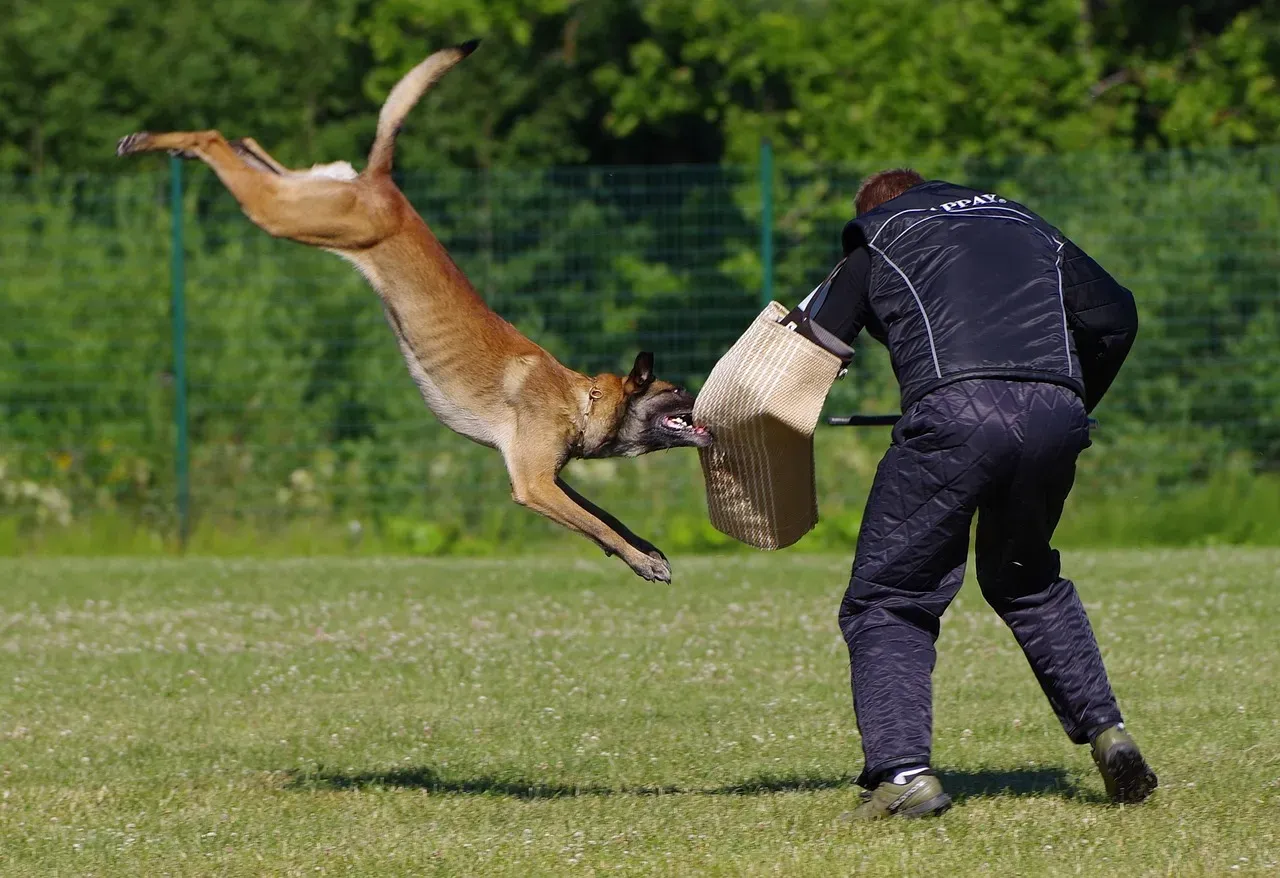
The Belgian Malinois has served alongside Navy SEALs and elite military units, renowned for its endurance, intelligence, and fearless determination. That context tells you almost everything you need to know about whether this is a suitable companion for someone in their retirement years. This is a working dog in the most serious sense of the term, and it doesn’t downshift easily.
This breed’s independent nature and powerful instincts make it difficult for seniors to manage, especially if they lack experience with strong-willed dogs. A Malinois that isn’t properly exercised may become restless, vocal, or overly protective. Its brain runs at full speed, meaning boredom turns into chaos quickly. For seniors looking for peace and a steady walking buddy, this breed’s energy and drive to “work” might be way more than they bargained for.
#6: Chow Chow
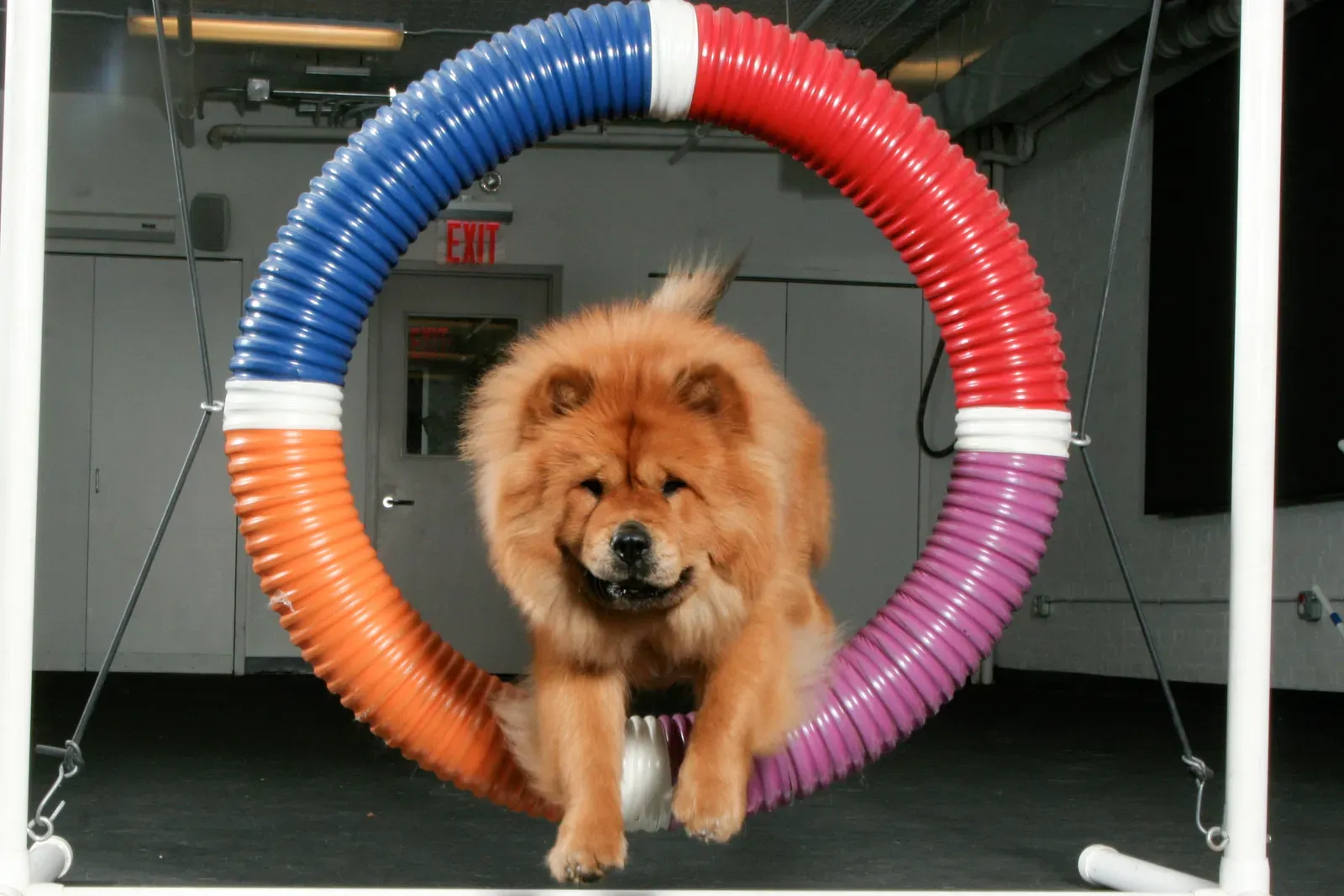
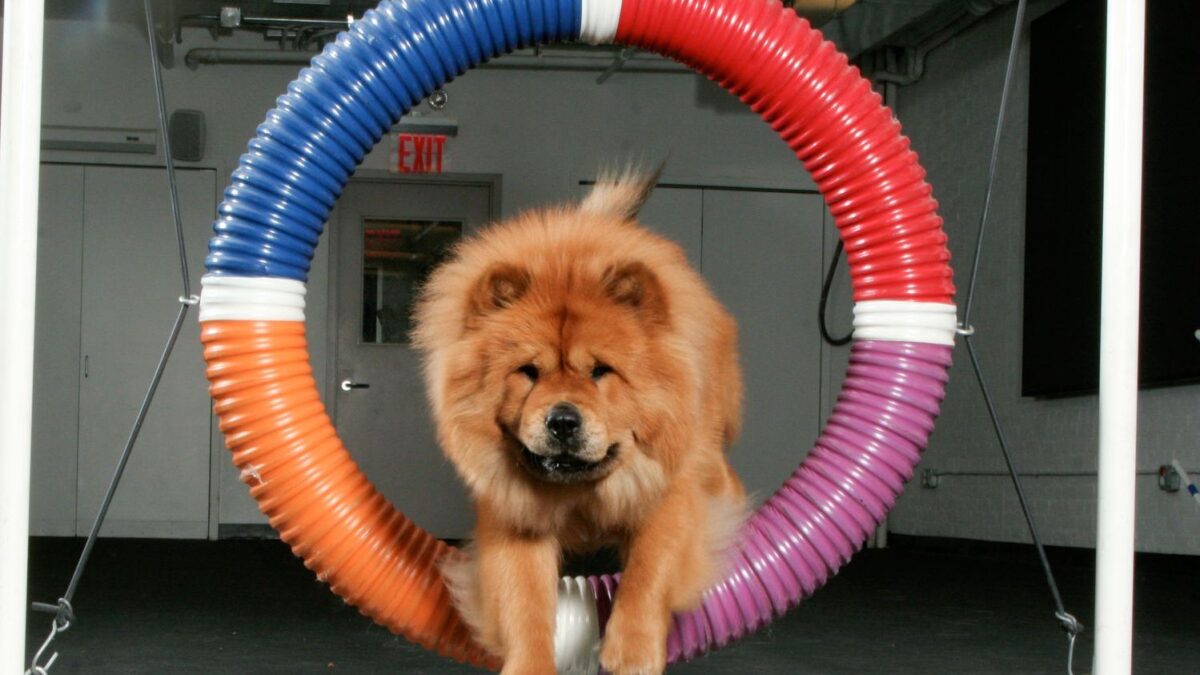
Recognized by their lion-like manes, Chow Chows were used as hunters, guard dogs, and companions in the Han dynasty. This ancient dog breed is medium-sized, but it is surprisingly powerful. They make loving and affectionate pets, but are not suitable for the elderly. Some people describe the Chow Chow’s temperament as “complicated” because they tend to be finicky. That “complicated” label has real-world consequences for seniors who may not have the energy for daily temperament management.
This breed can be challenging for elderly owners due to its high grooming requirements and independent temperament. Without consistent socialization, Chow Chows may become territorial or reactive, occasionally resulting in bites if they feel threatened. They also need firm, experienced handling, which may be overwhelming for seniors who prefer a calmer, low-maintenance companion. The combination of unpredictable social behavior and physical grooming demands makes this breed a particularly mismatched fit for most senior households.
What Seniors Should Look for Instead

The best fit often comes from looking at individual personality and adopting adult or senior dogs rather than just puppies. Before getting a dog, seniors should evaluate activity level, physical limitations, financial preparedness, living arrangements, and how much time they can devote to training and care. These aren’t just bureaucratic checkboxes – they’re genuinely the factors that determine whether a dog enriches daily life or quietly overwhelms it.
Adopting a senior dog may be a great move for older adults, since puppies may be a lot of work. Senior dogs, many of which are surrendered to shelters, are typically already house-trained, spayed or neutered, and have many of the vaccines that are necessary to get as a puppy. That’s a practical path worth serious consideration, especially when paired with a calmer, lower-energy breed. The best dog breeds for seniors are those that require little exercise, have a low-maintenance grooming routine, and don’t suffer from many health problems.
A Final Thought
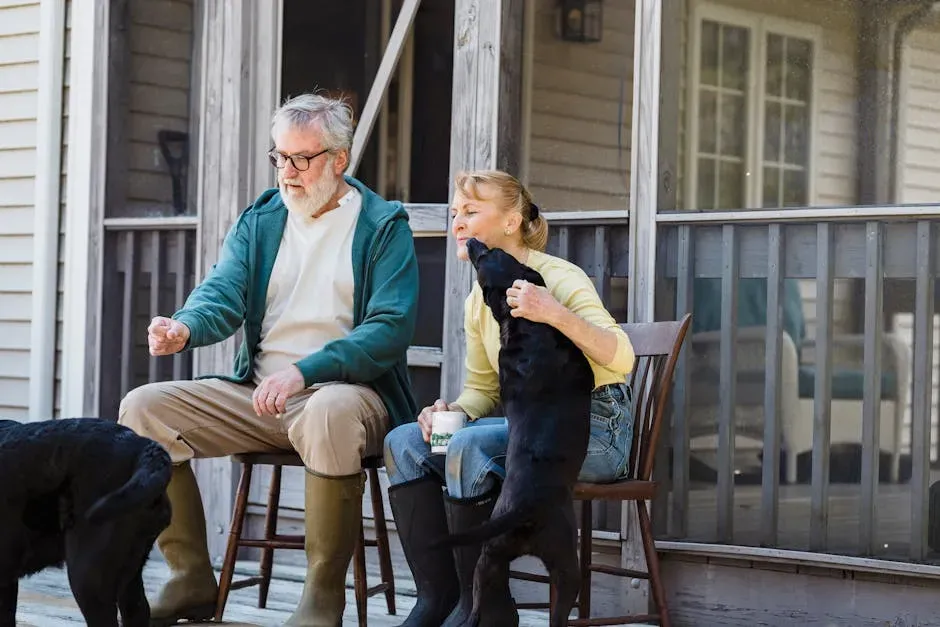
None of the breeds on this list are bad dogs. That distinction matters. They’re simply dogs whose needs and a senior’s realistic capacity can diverge in ways that create daily stress for both human and animal. A mismatched pet can unintentionally add stress or even create safety risks in daily life. Large, energetic breeds may require rigorous exercise routines that can be physically demanding, while overly independent or strong-willed dogs might need extensive training that can overwhelm older owners. Even small dogs can pose challenges if they are overly excitable or prone to injury.
The right dog doesn’t just keep someone company. It fits into the rhythm of their days without friction, without fear of a fall, and without the nagging worry that the animal is getting less than it needs. Getting that match right is, quietly, one of the most important decisions a senior can make – for themselves, and for the dog.

- Do Dogs Have Dreams About You? Harvard Psychologists Have Solved the Mystery! - July 20, 2026
- The Sharks That Call the Mississippi River Home - July 20, 2026
- 6 Exotic Bird Species You Can Spot in U.S. National Parks - July 19, 2026