

The question of whether humans should have the right to control nature is a profound and complex issue that spans ethical, environmental, and philosophical domains. As humanity continues to assert its dominance over the natural world, it becomes crucial to consider the implications, responsibilities, and consequences of such control. This article examines the multifaceted dimensions of human interaction with nature, offering insights and perspectives on our role and responsibilities.
The Historical Context of Human-Nature Relationships
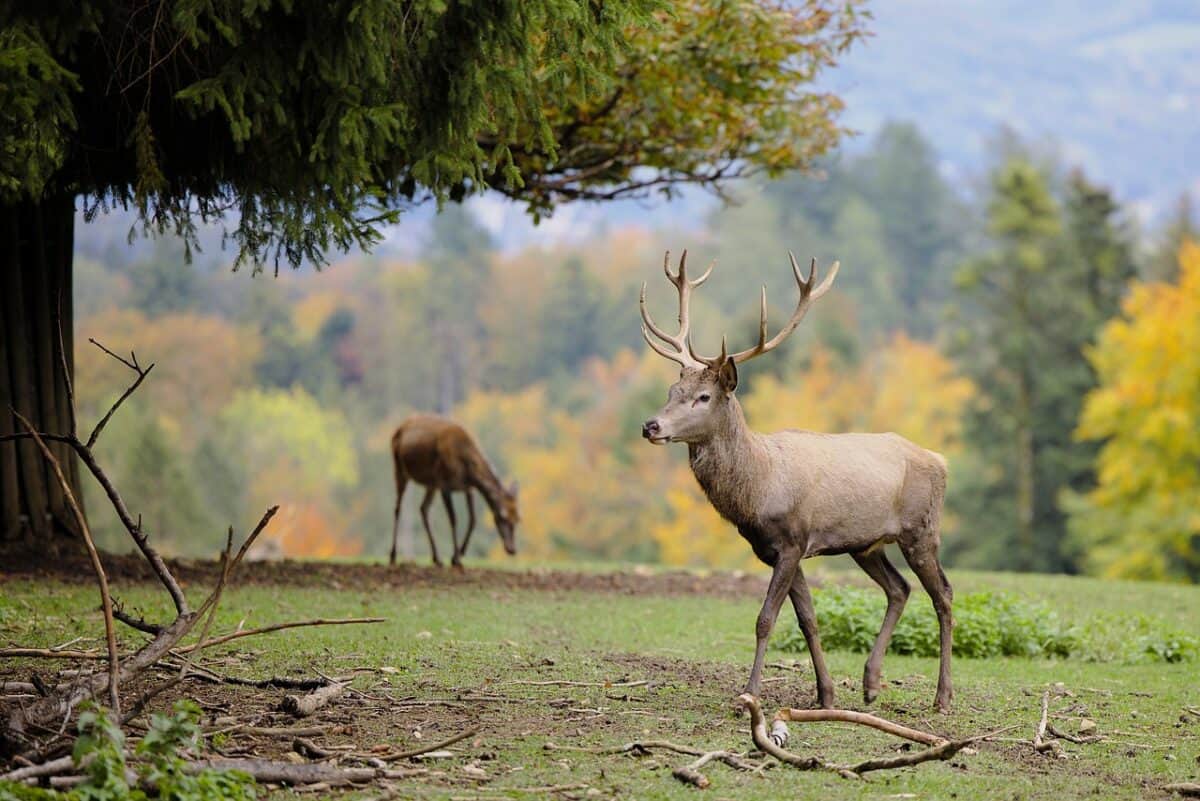
Throughout history, humans have interacted with nature in various ways, ranging from mere coexistence to absolute domination. Early human societies lived in harmony with the land, relying on sustainable practices that ensured their survival. However, the advent of agriculture and industrialization marked a shift toward exploiting natural resources, leading to today’s pressing environmental challenges.
The Ethical Dimensions of Controlling Nature

Ethically, the question of whether humans should control nature involves weighing our rights against our responsibilities. On one hand, human ingenuity and technological advancements have improved quality of life. On the other, these developments often come at a cost to the environment and biodiversity. This raises fundamental ethical inquiries: Do we have the right to prioritize our needs over the earth’s ecosystems?
Environmental Impact and Sustainability

The environmental consequences of asserting control over nature are significant. From deforestation and pollution to climate change and species extinction, human activities have left an indelible mark on the planet. Emphasizing sustainability is essential to ensure that future generations can enjoy a healthy and balanced environment. The need for sustainable practices raises important questions about the extent and limits of human intervention in nature.
The Role of Conservation Efforts

Conservation efforts aim to restore and protect natural environments, balancing human needs with ecological integrity. Initiatives such as protected areas, wildlife corridors, and reforestation projects reflect attempts to mitigate human impact. While conservation can be seen as a form of controlling nature, it is often necessary to rectify past damages and preserve the earth’s biodiversity.
Technological Advancements and Control

Advances in technology offer humans unprecedented means to modify and control natural processes. From genetic engineering to geoengineering, these technologies promise solutions to age-old problems. However, they also raise ethical concerns and risks, as unintended consequences can disrupt ecosystems and lead to irreversible changes.
Cultural Perspectives on Nature
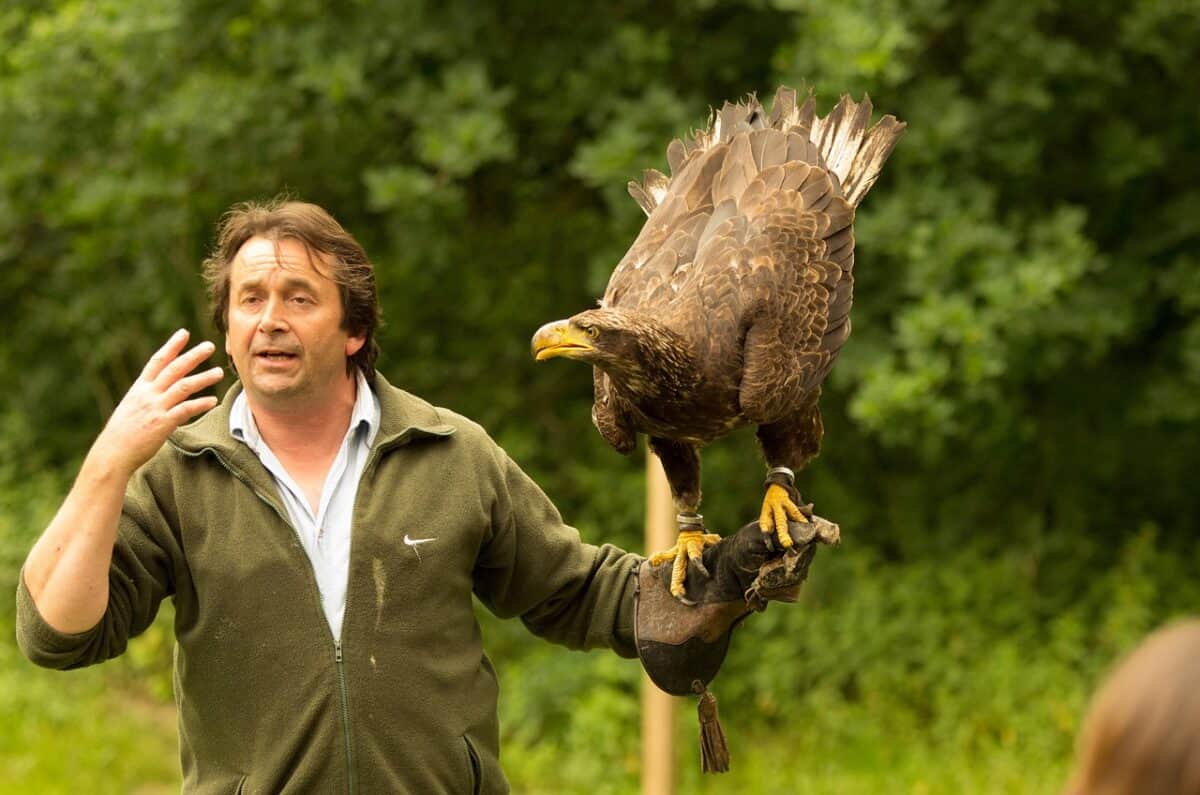
Cultural attitudes towards nature vary significantly across the globe. Indigenous cultures often hold nature in high regard, viewing humans as stewards of the natural world. In contrast, industrialized societies may prioritize economic growth over ecological preservation. These differing viewpoints underscore the importance of culturally inclusive discussions about humanity’s role in controlling nature.
The Legal Framework Governing Nature Control

International laws and agreements, such as the Paris Agreement and Convention on Biological Diversity, seek to regulate the extent of human control over nature. These frameworks aim to align national policies with global environmental priorities, emphasizing the importance of cooperation and shared responsibility to address environmental challenges.
The Moral Responsibility of Stewardship

Many argue that humans have a moral obligation to act as stewards of the planet. This perspective highlights the duty to protect and nurture natural ecosystems, ensuring a harmonious coexistence. The concept of stewardship shifts focus from control to care, promoting practices that respect and preserve nature’s inherent value.
Challenges in Balancing Human Needs and Ecological Health

Balancing human development with ecological preservation presents significant challenges. Urban expansion, agriculture, and resource extraction often conflict with conservation goals. Finding equilibrium requires innovative solutions, integrated planning, and a commitment to sustainable development that respects both human and environmental health.
The Role of Education and Awareness

Education plays a pivotal role in fostering a deep understanding of human-nature relationships. Raising awareness about the importance of biodiversity, ecosystem services, and the impacts of human activities can shape attitudes and behaviors toward responsible stewardship of the planet.
The Psychological Impact of Nature on Humans

Nature has profound psychological benefits for humans, contributing to mental health, well-being, and stress reduction. Acknowledging the importance of nature to human health reinforces the need to maintain natural spaces, challenging the notion that humans have an inherent right to control nature solely for their benefit.
Opportunities for Coexistence

Amidst debates about control, opportunities for coexistence between humans and nature emerge. Collaborative conservation initiatives, community-led environmental actions, and participatory governance models offer pathways to harmonize human activities with ecological integrity. Fostering coexistence prioritizes mutual respect and shared benefits.
Conclusion: Rethinking the Human-Nature Relationship

As the discussion around controlling nature continues, it is crucial to reflect on the broader consequences of our actions. While humans possess remarkable capabilities to manipulate the natural world, our greatest challenge may lie in embracing humility, respect, and responsibility as stewards of the earth. By prioritizing sustainability and coexistence, we can foster a future where nature and humanity prevail together.

- The Smallest Bird in the World Is So Tiny It Can Fit in a Teaspoon - July 19, 2026
- What Happens If You Lock Eyes With a Wild Leopard? - July 19, 2026
- 10 Fastest Racing Dog Breeds You Must Know - July 19, 2026