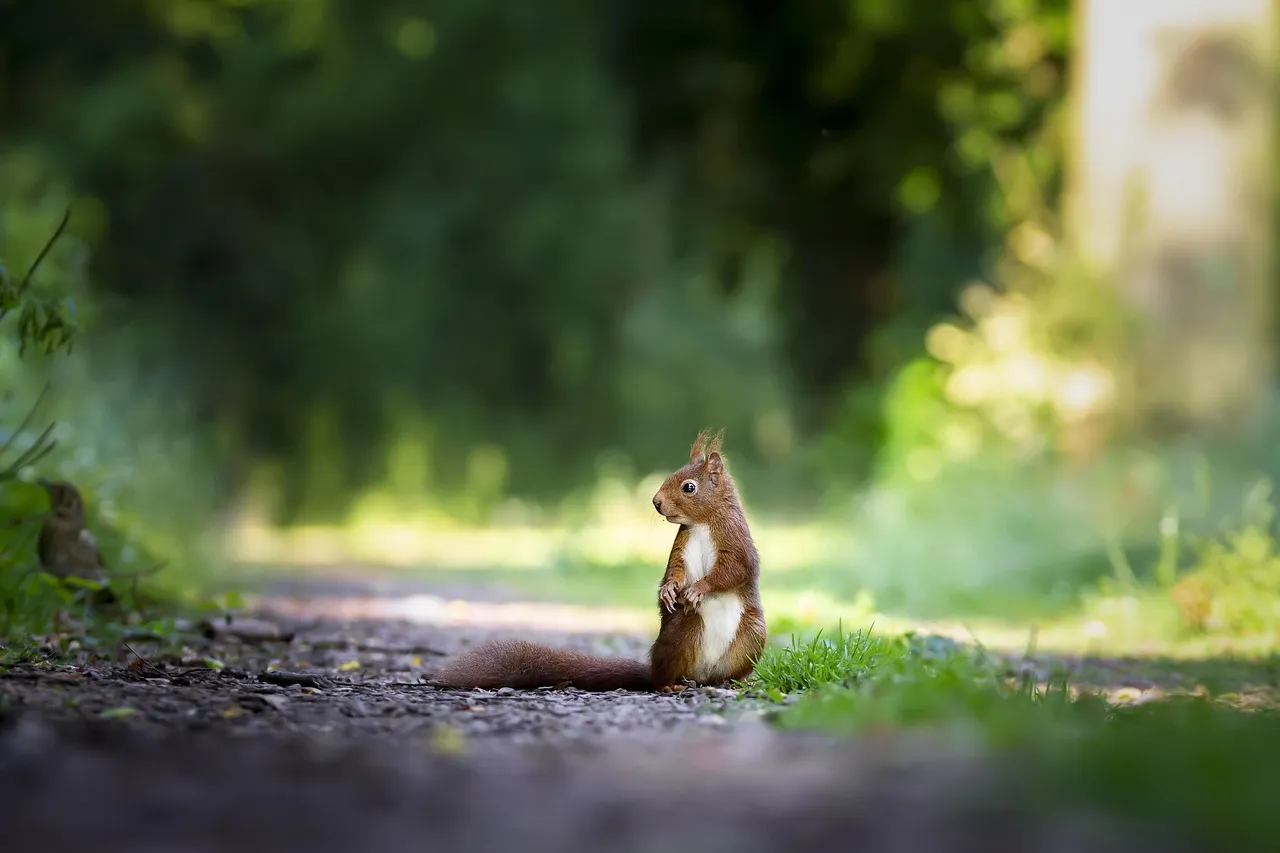
Image credits: Pixabay
Squirrels are more than just the playful acrobats of our backyards; they’re also vigilant sentinels, constantly on the lookout for potential dangers. Their diverse vocalizations serve as a sophisticated warning system, alerting fellow squirrels – and sometimes even humans – to specific threats. Understanding these sounds can offer valuable insights into the safety of your yard and the well-being of its furry inhabitants.
The Sharp “Kuk”: Immediate Danger Nearby
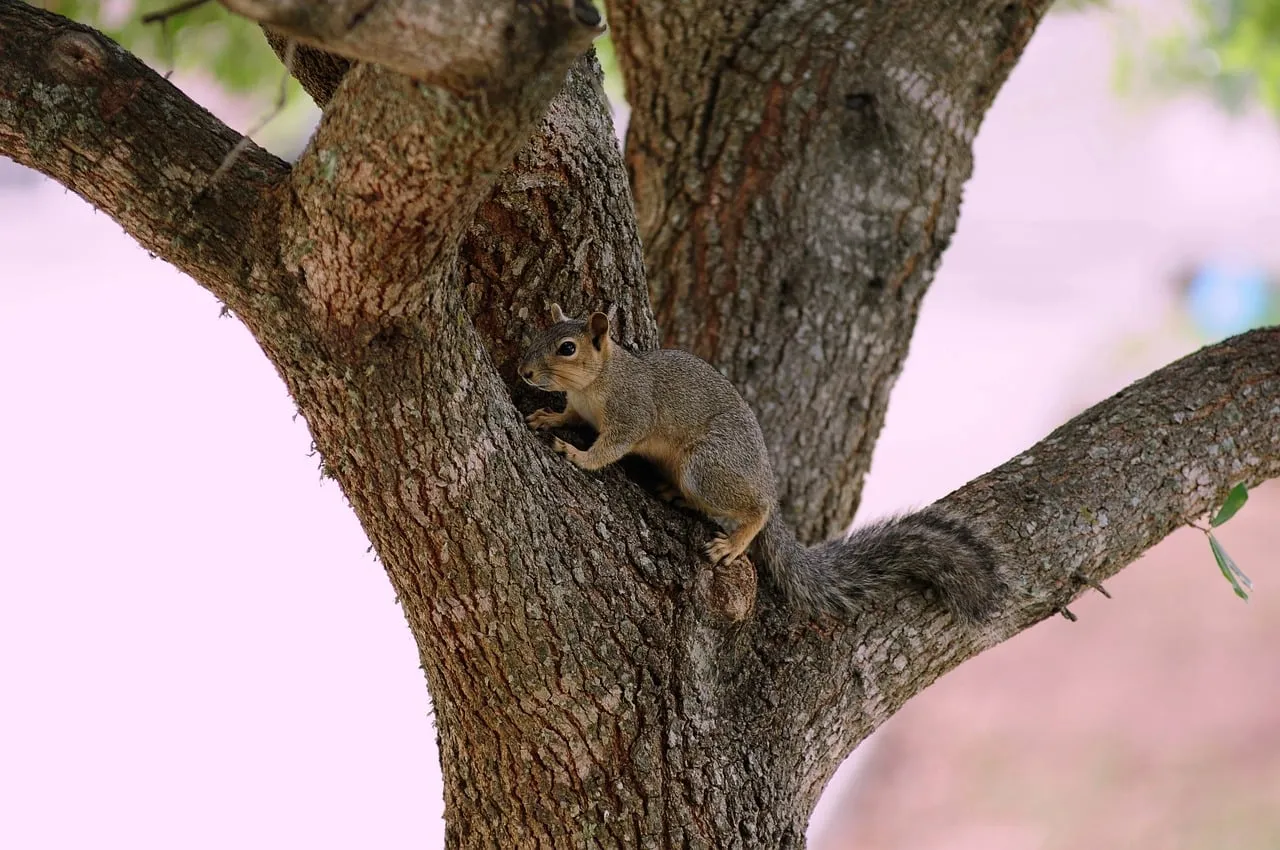
The Sharp “Kuk”: Immediate Danger Nearby (Image Credits: Pixabay)
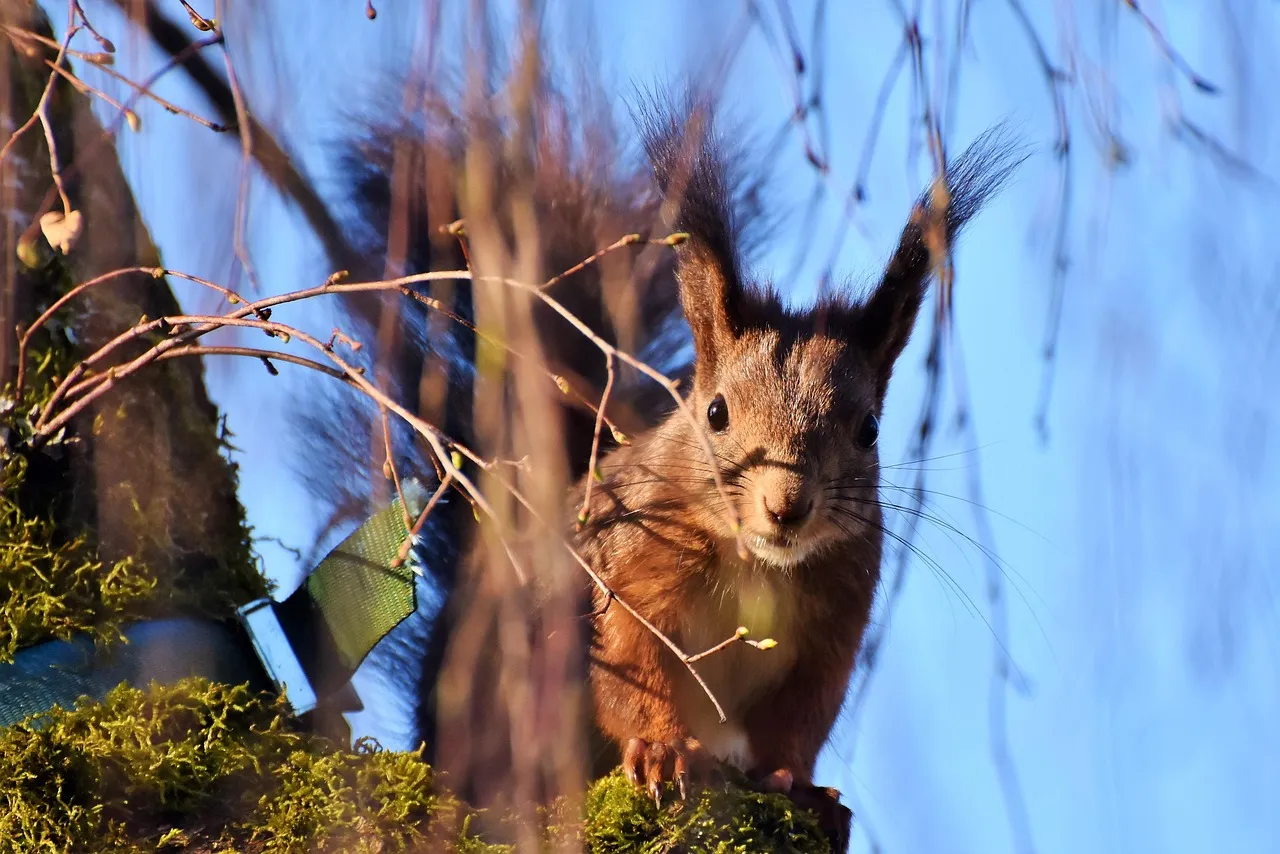
When a squirrel emits a rapid series of sharp “kuk” sounds, it’s signaling the presence of an immediate threat. This staccato barking is often the first line of defense against predators like cats or dogs encroaching on their territory.
The “kuk” serves as a general alarm, prompting other squirrels to be on high alert. If you hear this sound frequently, it might indicate that your yard is a hotspot for potential predators, suggesting a need to assess and mitigate these risks.
The Prolonged “Quaa”: Predator in Motion
The Prolonged “Quaa”: Predator in Motion (Image Credits: Pixabay)
Following the initial “kuk,” squirrels may transition to a longer, more drawn-out “quaa” sound. This raspy call indicates that the predator is still present and possibly moving through the area.
The “quaa” serves to keep the community informed of the ongoing threat. Persistent “quaa” calls in your yard could suggest that predators are not just passing through but are lingering, which may require intervention to ensure the safety of local wildlife.
The High-Pitched “Moan”: Aerial Threats Overhead
The High-Pitched “Moan”: Aerial Threats Overhead (Image Credits: Pixabay)
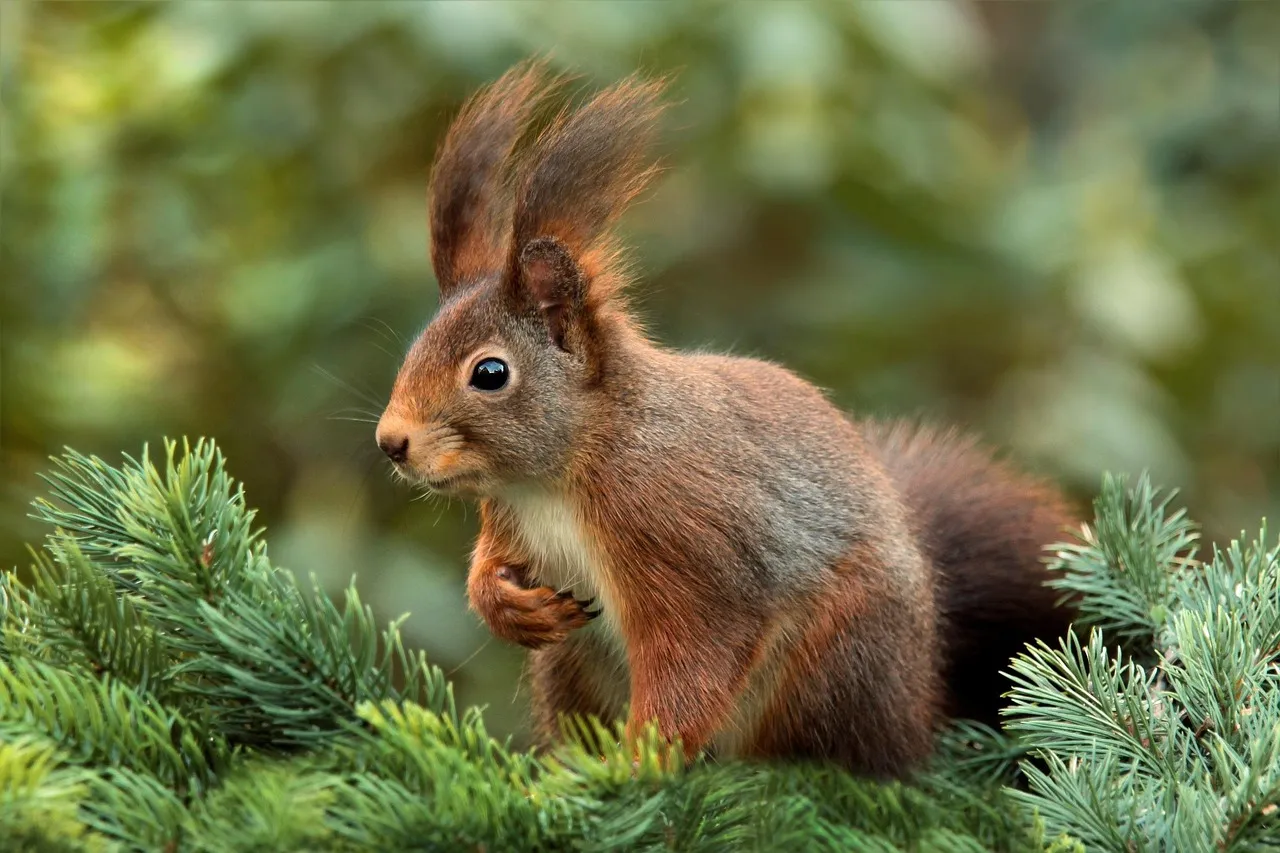
A softer, tonal “moan” rising quickly and falling slowly is a squirrel’s response to aerial predators like hawks or owls. This sound prompts squirrels to seek cover, often by moving to the opposite side of a tree trunk.
Regular “moan” calls in your yard may indicate the presence of birds of prey. While these raptors play a vital role in the ecosystem, their frequent visits could pose a threat to smaller animals, suggesting a need for protective measures.
The Aggressive “Chatter”: Territorial Disputes
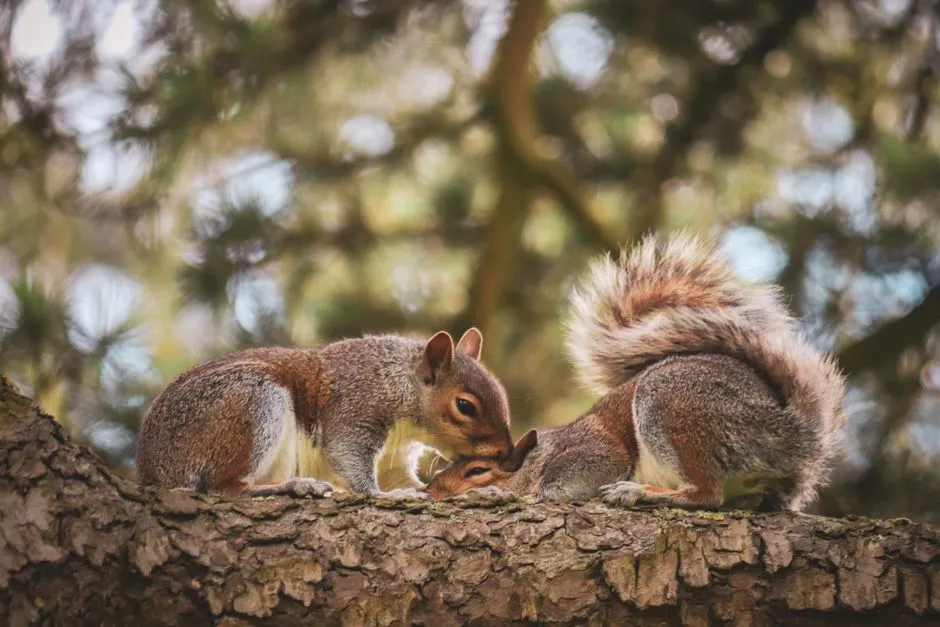
The Aggressive “Chatter”: Territorial Disputes (Image Credits: Pixabay)
A rapid, continuous chattering sound often signifies a territorial dispute between squirrels. This aggressive vocalization is used to assert dominance and ward off intruders from a claimed area.
If you notice frequent chattering in your yard, it might indicate competition for resources like food or nesting sites. Ensuring an ample supply of these resources can help reduce conflicts among the local squirrel population.
The Soft “Muk-Muk”: Mating Calls
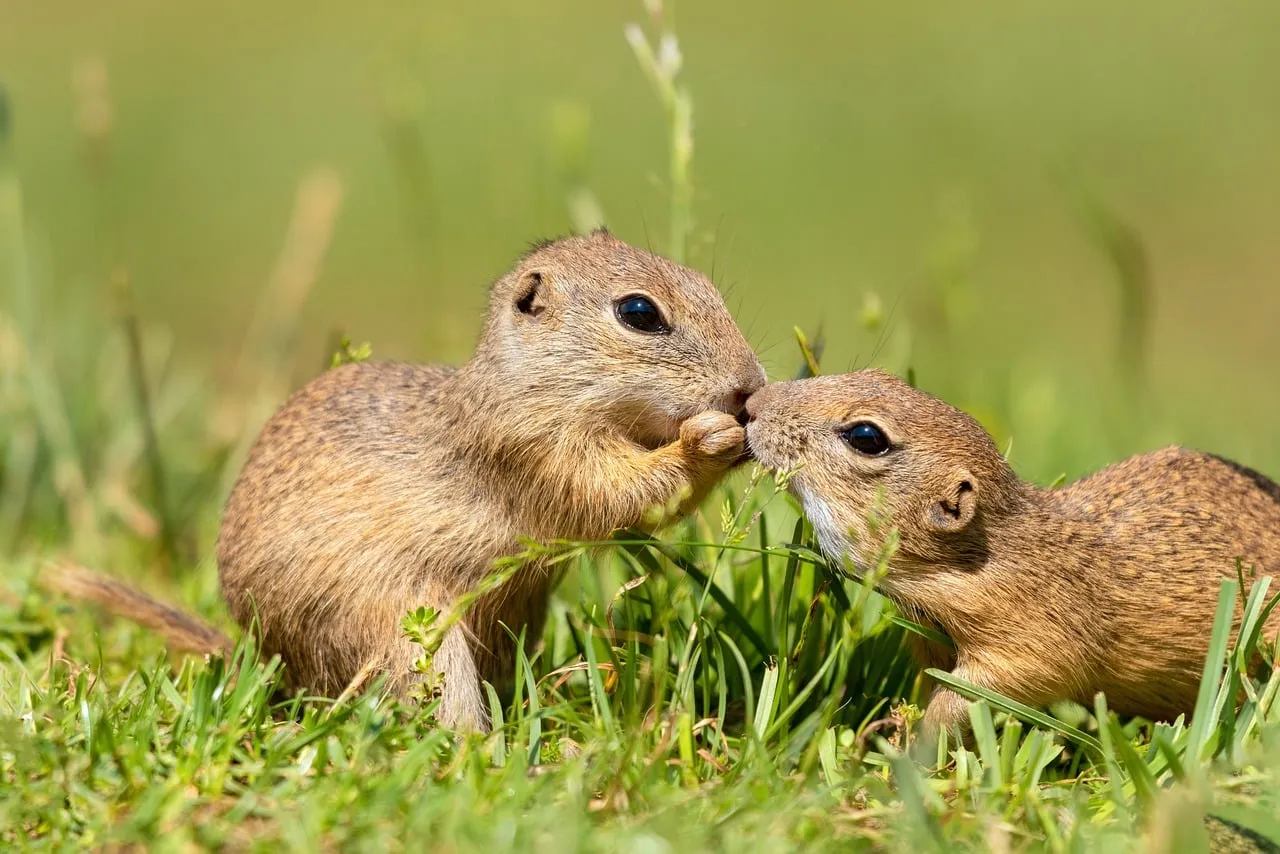
The Soft “Muk-Muk”: Mating Calls (Image Credits: Pexels)
During mating season, male squirrels produce a soft “muk-muk” sound, resembling a stifled sneeze, to signal their interest to females. This gentle call is part of their courtship behavior.
Hearing “muk-muk” sounds in your yard indicates active mating behaviors. Providing a safe and resource-rich environment can support the reproductive success of your local squirrel community.
The Distressed “Squeal”: Immediate Danger or Injury
The Distressed “Squeal”: Immediate Danger or Injury (Image Credits: Unsplash)
A loud, high-pitched squeal is a clear sign of distress, often indicating that a squirrel is injured or has been caught by a predator. This alarming sound is a call for immediate attention.
If you hear such squeals, it’s crucial to investigate, as a squirrel may need assistance. However, approach with caution to avoid causing further stress or injury.
The Persistent “Squawk”: Agitation or Annoyance
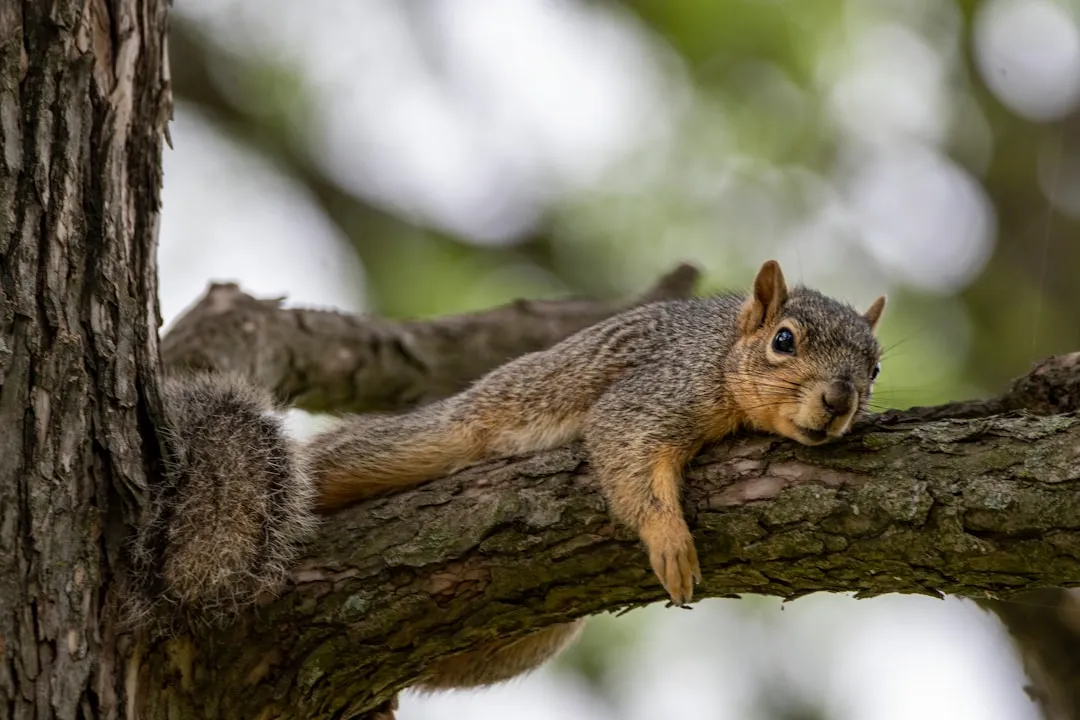
The Persistent “Squawk”: Agitation or Annoyance (Image Credits: Pixabay)
A repetitive squawking sound often reflects a squirrel’s agitation or annoyance, possibly due to a nearby threat or disturbance. This vocalization serves as a warning to others and a deterrent to the perceived threat.
Frequent squawking in your yard may suggest ongoing disturbances. Identifying and addressing these issues can help create a more peaceful environment for your local wildlife.
By tuning into these seven distinct squirrel sounds, you can gain a deeper understanding of the dynamics at play in your yard. This awareness not only enriches your connection with nature but also empowers you to take proactive steps in fostering a safe and harmonious habitat for all its inhabitants.
Did you find this helpful? Share it with a friend who’d love it too!
Gargi is an MA in History and a B.Ed graduate from India, with a deep passion for animals and wildlife awareness. As an article writer and editor at Animals Around The Globe, she combines her love for storytelling with her dedication to educating readers about animals, conservation, and responsible pet care. A devoted dog lover, Gargi enjoys creating engaging and informative content that inspires compassion and awareness toward the natural world.