


In the vast expanse of our planet’s skies, one extraordinary creature has mastered what seems impossible to humans: the ability to sleep while flying, not just for brief moments, but for days on end. The common swift (Apus apus) represents one of nature’s most remarkable evolutionary achievements, combining the necessities of rest with continuous flight in a way that has fascinated scientists and bird enthusiasts alike. These aerial marathoners spend almost their entire lives in the air, rarely touching land except during breeding season. The swift’s ability to sleep while flying isn’t just a curious biological footnote—it’s a sophisticated adaptation that allows these birds to maximize their time in the air, where they feed, mate, collect nesting materials, and even sleep. Join us as we explore the fascinating world of the common swift and its incredible ability to stay airborne for months at a time, sleeping on the wing in a display of avian excellence that continues to amaze researchers today.
The Remarkable Common Swift: An Overview

The common swift belongs to the family Apodidae and is primarily found across Europe, Asia, and Africa. With their sleek, crescent-shaped wings spanning approximately 40-44 cm (16-17 inches) and their compact, streamlined bodies weighing between 35-56 grams, these birds are perfectly engineered for a life spent almost entirely in flight. Their scientific name “Apus” derives from the Greek word meaning “without feet,” reflecting their extremely small, weak legs that make terrestrial movement difficult but pose no hindrance to their aerial lifestyle.
Swifts are often confused with swallows due to their similar appearance and aerial acrobatics, but they belong to an entirely different order of birds. Their dark, sooty-brown plumage and distinctive screaming calls make them recognizable as they dart through the skies at impressive speeds reaching up to 69 mph (111 km/h) during certain flight maneuvers. These remarkable birds have evolved not just to survive in the air but to thrive there, developing a suite of adaptations that allow them to remain airborne for extraordinary periods—a lifestyle that necessitated the evolution of their most fascinating ability: sleeping while flying.
The Discovery That Changed Ornithology

The scientific community’s understanding of swift behavior took a revolutionary turn in 2016 when researchers from Lund University in Sweden published groundbreaking findings in the journal Current Biology. Using lightweight accelerometers attached to common swifts, the team led by Anders Hedenström tracked the birds’ movements during their non-breeding season. The data revealed something astonishing: the birds remained continuously airborne for up to 10 months, never once landing during this period. This study provided the first empirical evidence of what had long been suspected but never proven—that common swifts could indeed stay aloft for months at a time.
This discovery immediately raised questions about how these birds managed fundamental biological needs such as sleep. The research indicated that swifts must have evolved mechanisms to sleep during flight, challenging conventional understanding of avian physiology. The study became a watershed moment in ornithology, opening new avenues of research into bird migration, sleep patterns, and evolutionary adaptations. It transformed our understanding of what is physically possible in the animal kingdom and highlighted how much remains to be discovered about even relatively common species that have lived alongside humans for centuries.
The Physiology of Aerial Sleep
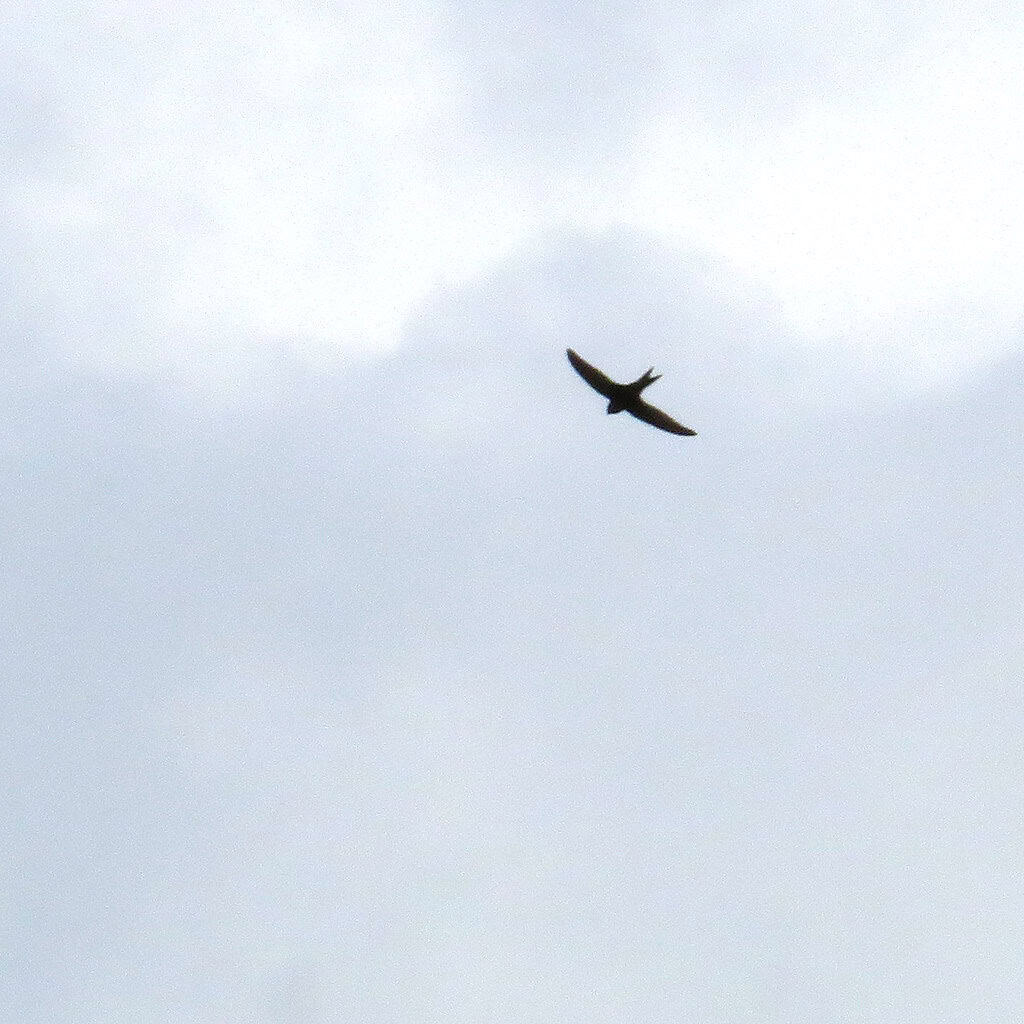
The common swift’s ability to sleep while flying involves sophisticated neurological adaptations that differ significantly from human sleep patterns. Unlike mammals, birds can engage in unihemispheric slow-wave sleep (USWS), where one brain hemisphere remains awake while the other sleeps. This remarkable adaptation allows swifts to maintain flight control with one half of their brain while the other half gets much-needed rest. The awake hemisphere keeps one eye open, monitoring for predators and maintaining spatial awareness, while the sleeping hemisphere recuperates.
Research suggests that swifts may also utilize microsleeps—extremely brief periods of sleep lasting just seconds—which, when accumulated, provide sufficient rest without compromising flight capability. Additionally, their brains might be capable of entering a state similar to torpor during flight, reducing energy consumption while maintaining essential functions. The birds’ neurological systems have evolved to require significantly less total sleep than mammals, with some estimates suggesting they may need as little as 1-2 hours of accumulated sleep daily. These physiological adaptations represent millions of years of evolutionary refinement, resulting in a creature perfectly adapted to life on the wing.
Breaking Flight Records: The 10-Month Marathon
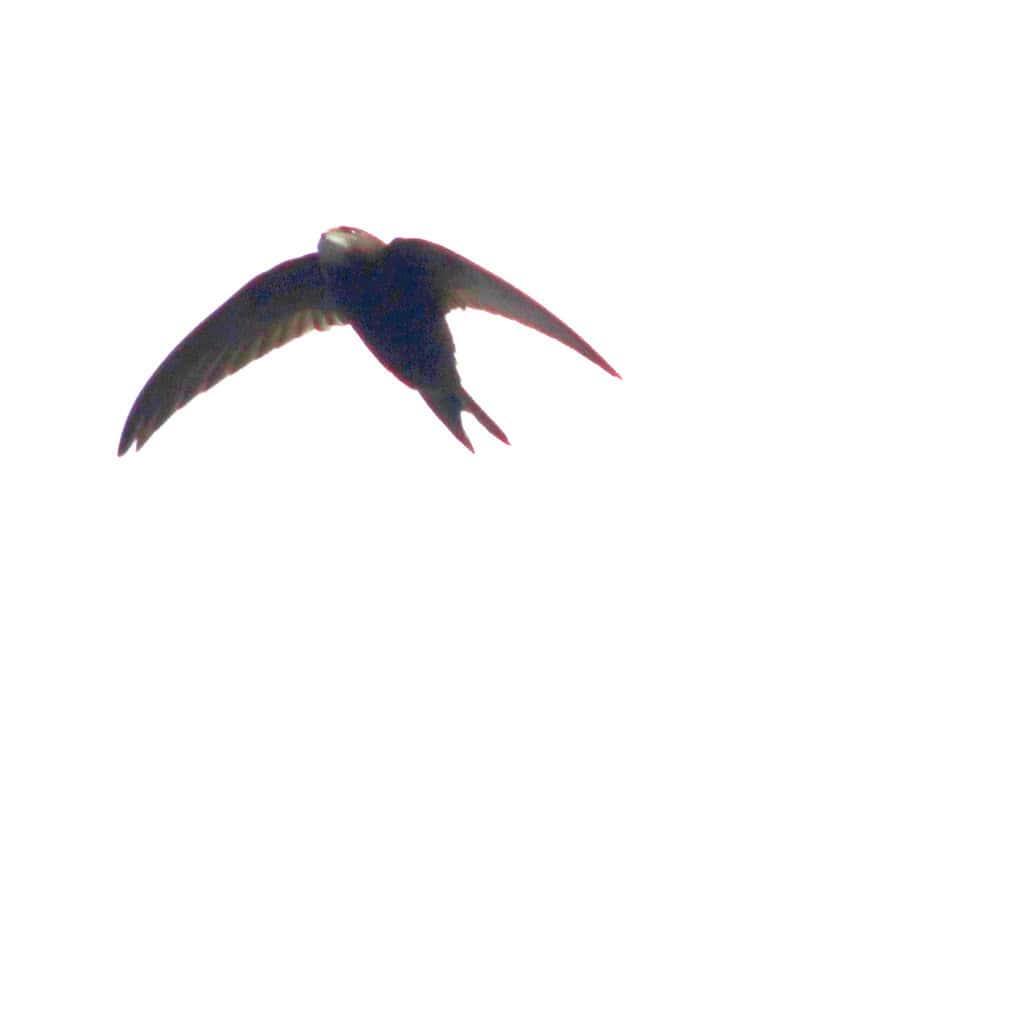
The common swift holds the record for the longest continuous flight of any bird species, with documented instances of individuals remaining airborne for an astonishing 10 months without landing. This marathon begins after the breeding season when adult swifts leave their nesting sites and embark on a migration to sub-Saharan Africa. During this period, they perform all essential activities—feeding, drinking, preening, and sleeping—without ever touching down on a solid surface. The Swedish study that confirmed this behavior tracked individual birds for complete annual cycles, recording their activity patterns through miniaturized data loggers weighing just 0.5-0.7 grams.
This extended flight period significantly surpasses other long-distance flyers like the Alpine swift (which can fly continuously for up to six months) and the frigatebird (which can stay aloft for up to two months). What makes this achievement even more remarkable is that unlike some seabirds that can rest on water, the common swift remains truly airborne throughout this period. The only interruption to their aerial lifestyle comes during the breeding season when they briefly return to land to nest and raise their young. This extraordinary endurance represents not just a biological curiosity but one of the most impressive physical feats in the animal kingdom.
Feeding and Drinking Without Landing
The common swift’s ability to remain airborne for extended periods hinges on its capacity to meet all basic survival needs while flying. These aerial insectivores feed exclusively on the wing, capturing flying insects and airborne spiders in their specialized wide gape. A single swift can consume up to 10,000 insects daily, including flies, aphids, and flying ants, which they collect in a special throat pouch before forming a food ball that can be swallowed or carried back to nestlings. Their feeding strategy involves flying with their mouths open, creating a natural “insect net” as they move through insect-rich air currents.
Perhaps most remarkably, swifts even drink without landing. They accomplish this impressive feat by flying low over water surfaces and briefly dipping their beaks to collect water, a maneuver they can perform in just a fraction of a second. During rainstorms, they may also drink droplets directly from the air. These specialized feeding and drinking adaptations, combined with an efficient metabolism that maximizes energy extraction from their insect diet, create a self-sufficient aerial lifestyle that eliminates the need to touch down for resources. This complete adaptation to aerial living represents one of nature’s most sophisticated survival strategies.
Aerial Mating and Social Behavior

Even the reproductive behavior of common swifts has adapted to their aerial lifestyle. While they do need to land for nesting and raising young, much of their courtship and mating occurs in the air. During breeding season, they engage in spectacular high-speed chases and synchronized flying displays, with pairs sometimes flying side by side while emitting their characteristic screaming calls. These “screaming parties,” as they’re colloquially known, serve both as courtship rituals and social bonding activities for the swift community.
Swifts are generally monogamous and form long-term pair bonds, with couples returning to the same nesting sites year after year. Their social structure extends beyond simple pair bonds, however, as they frequently fly in groups and appear to maintain complex social relationships. Researchers have observed collective behaviors suggesting some form of social communication and cooperation, particularly during feeding in insect-rich areas. This social complexity, combined with their aerial mating practices, demonstrates how thoroughly the swift has adapted every aspect of its life cycle to accommodate its predominantly airborne existence, further reducing the need for terrestrial contact.
Anatomical Adaptations for Perpetual Flight

The common swift’s body represents a masterpiece of evolutionary engineering for sustained flight. Their wings are exceptionally long relative to their body size, with a high aspect ratio (length compared to width) that provides efficient gliding capabilities. Unlike many birds that rely primarily on powered flight, swifts are adept at using thermal currents and air movements to minimize energy expenditure, essentially “surfing” the air. Their wing muscles are designed for endurance rather than power, containing a high proportion of slow-twitch muscle fibers that resist fatigue during prolonged activity.
The swift’s internal anatomy also supports extended flight. They possess an unusually efficient respiratory system with nine air sacs that extend into their hollow bones, allowing for continuous unidirectional airflow through their lungs—a system significantly more efficient than the mammalian bidirectional breathing pattern. Their metabolic adaptations include the ability to enter controlled metabolic reduction during non-intensive flight phases, conserving energy while maintaining necessary functions. Even their excretory system has adapted, producing highly concentrated waste that minimizes water loss. These comprehensive anatomical specializations work in concert to create a flying machine of unparalleled efficiency, capable of sustained performance that would be impossible for any other bird species.
The Navigation Mystery: How Swifts Find Their Way

One of the most intriguing aspects of the common swift’s prolonged flight is their navigation ability during these extended aerial journeys. Without the benefit of landmarks or regular rest stops, swifts navigate with remarkable precision across continents and back to specific nesting sites year after year. Research indicates they likely use a combination of navigation systems, including sensing the Earth’s magnetic field through specialized proteins called cryptochromes in their eyes. These magnetoreceptors may create visual patterns that align with magnetic field lines, essentially allowing the birds to “see” the Earth’s magnetic field as a navigational aid.
Swifts also appear to use celestial navigation, orienting by the position of the sun during daylight hours and possibly stars at night. Additionally, they may utilize infrasound—low-frequency sounds below human hearing range—created by ocean waves, mountain ranges, and other geographical features to create an acoustic map. Some researchers suggest they might even detect polarized light patterns in the sky, providing additional directional information. This multi-sensory navigation system represents one of nature’s most sophisticated guidance mechanisms, allowing these birds to maintain directional control during months of continuous flight and successfully return to precise locations across vast distances without the benefit of visual landmarks or GPS technology.
Weather Adaptation and Climate Change Challenges
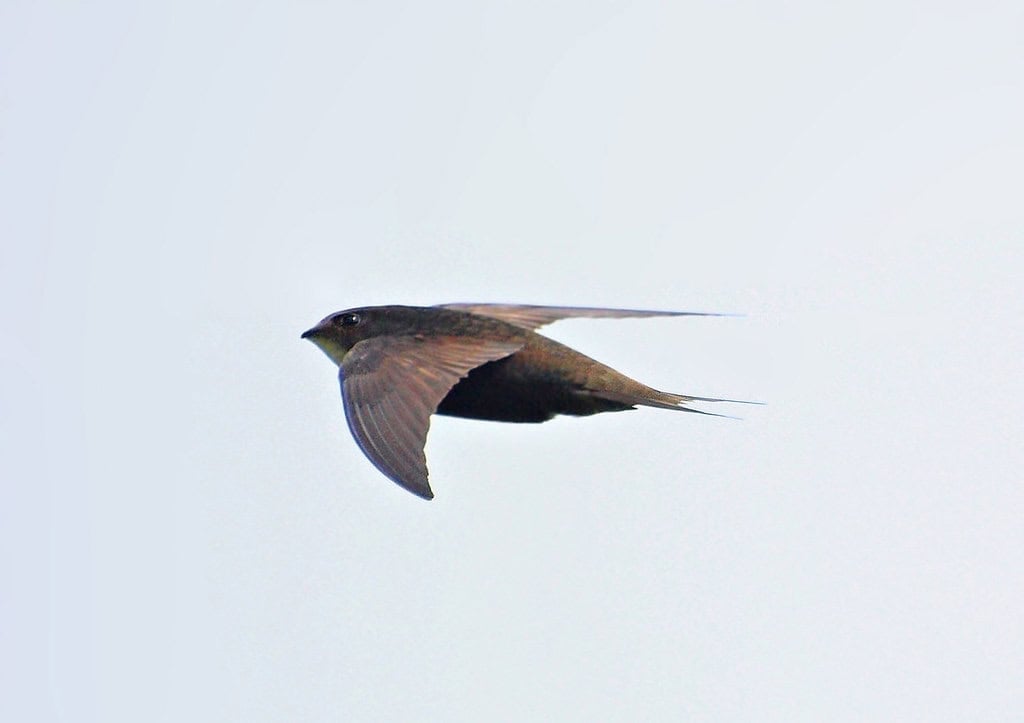
Common swifts have developed remarkable strategies for dealing with various weather conditions during their extended flights. They can detect approaching storm systems through changes in barometric pressure and will often fly around or above weather fronts. When encountering unavoidable storms, they ascend to higher altitudes where air is calmer, sometimes reaching heights of up to 10,000 feet. During cold nights, they can enter a state of torpor while flying, reducing their metabolic rate and conserving energy until warmer conditions return. This weather adaptability has been crucial to their evolutionary success as perpetual flyers.
However, climate change presents new challenges for these aerial specialists. Shifting weather patterns and more frequent extreme weather events disrupt the predictable conditions swifts have evolved to navigate. Additionally, climate change affects insect populations that swifts depend on for food, potentially creating mismatches between migration timing and peak food availability. Research indicates that some swift populations are already adjusting their migration schedules and routes in response to these changes, but whether they can adapt quickly enough remains uncertain. Conservation efforts focused on protecting swift nesting sites and maintaining healthy insect populations are becoming increasingly important as these remarkable birds face unprecedented environmental changes that test the limits of their evolutionary adaptations.
The Swift’s Annual Life Cycle

The common swift’s year follows a remarkable pattern dictated by their unique aerial lifestyle. After spending 10 months continuously airborne, they return to Europe and Asia in late April or early May for the brief terrestrial portion of their lives. During this approximately 3-month period, they nest in cavities in buildings, cliffs, or specially designed swift boxes, where females lay 2-3 eggs. Both parents participate in incubation and chick-rearing, making frequent flights to gather insects which they form into boluses (compact food balls) to feed their young. Unlike most birds, swift nestlings can survive parental absences of several days during bad weather by entering torpor, lowering their body temperature and metabolic rate until parents return with food.
Young swifts develop specially adapted wings that are proportionally larger than those of adults, allowing them to fly immediately upon leaving the nest—a necessity, as they cannot perch like other birds. Once fledged, juvenile swifts begin their own aerial lifestyle, often not landing again until they reach sexual maturity and return to breed 2-3 years later. By late July or early August, breeding duties complete, both adults and juveniles begin their migration back to Africa, commencing another extended period of continuous flight. This annual cycle represents one of the most specialized life histories in the bird world, with approximately 90% of their lives spent without touching a solid surface.
Conservation Status and Human Connection

Despite their aerial prowess, common swift populations face significant challenges. In the UK alone, swift numbers declined by 53% between 1995 and 2016, with similar trends observed across Europe. This decline stems primarily from habitat loss, as modern buildings lack the nooks and crannies these birds traditionally use for nesting, and renovation of older structures often eliminates existing nest sites. Additionally, insect population declines due to pesticide use and habitat destruction directly impact the swift’s food supply. In response, conservation efforts now include the installation of swift boxes on buildings and the incorporation of “swift bricks”—specialized nesting cavities—in new construction projects.
The relationship between humans and swifts spans centuries, with these birds historically welcomed as insect controllers and harbingers of summer. In many cultures, swifts hold symbolic significance, representing freedom, perpetual motion, and the changing seasons. Their distinctive screaming calls as they race through urban skies have become a beloved soundmark of European summers. Today, citizen science projects track swift populations and nesting sites, while urban planning increasingly considers the needs of these aerial specialists. This evolving human-swift relationship demonstrates how conservation can succeed when cultural appreciation combines with scientific understanding, potentially securing a future for these remarkable sleepers of the sky.
The Continuing Mystery of Aerial Sleep

Despite significant advances in our understanding of the common swift’s extraordinary lifestyle, much remains unknown about the precise mechanisms of their aerial sleep. The ethical and technical challenges of studying sleep in wild, continuously flying birds mean that many details of their sleep patterns remain theoretical. Current research utilizes increasingly sophisticated tracking technology, including miniaturized EEG devices that might one day record brain activity during flight. Some researchers are also studying captive swifts in wind tunnels, though these environments cannot fully replicate natural conditions.
What we do know with certainty is that the common swift represents an extreme example of evolutionary specialization, pushing the boundaries of what we consider biologically possible. Their ability to sleep while flying for days, weeks, and even months challenges our fundamental understanding of sleep requirements and adaptation. As research techniques advance, the swift continues to serve as a critical model for studying the evolution of sleep across species and may offer insights relevant to human sleep disorders and fatigue management. In many ways, the swift’s aerial sleep remains one of ornithology’s most fascinating frontiers, a reminder that even in our technologically advanced age, nature still holds mysteries that inspire scientific curiosity and wonder.
Conclusion: Masters of the Sky
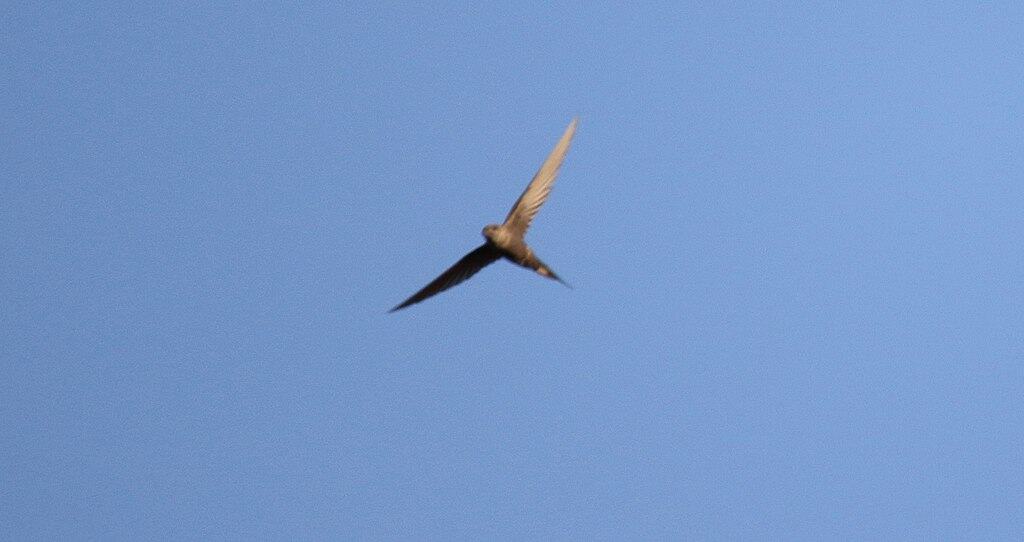
The common swift stands as one of nature’s most extraordinary evolutionary achievements, having transformed the very fundamentals of avian existence to create a life almost entirely divorced from the earth. Their ability to sleep while flying for days on end represents just one facet of a comprehensive adaptation to aerial living that touches every aspect of their biology, behavior, and life cycle. From specialized wing structures and efficient metabolisms to unihemispheric sleep and aerial feeding techniques, every element of the swift’s existence has been refined through millions of years of evolution to support their perpetual flight lifestyle.
As we face an era of unprecedented environmental change, the swift’s remarkable adaptability serves both as inspiration and warning. These birds demonstrate the incredible potential for specialized adaptation within evolutionary constraints, yet their declining populations remind us how quickly human activity can disrupt even the most successful evolutionary strategies. Conservation efforts for these aerial sleepers must continue and expand if future generations are to witness their spectacular flight displays.
The common swift challenges us to reconsider what we know about biological necessities like sleep and rest, suggesting alternative pathways that expand our understanding of life’s possibilities. In doing so, they blur the boundaries between what seems natural and what is truly exceptional in the animal kingdom. Their tireless flight is not just a marvel of endurance, but a testament to nature’s ingenuity in overcoming environmental limits.
Ultimately, the common swift stands as both a biological wonder and a symbol of nature’s fragility. Their mastery of the skies invites us to appreciate the delicate balance required to sustain such extraordinary creatures. Protecting their habitats, understanding their migrations, and mitigating threats like climate change and habitat loss will ensure that the skies remain alive with their sweeping arcs and ceaseless motion. In the common swift, we find a humbling reminder of life’s resilience—and of our responsibility to safeguard the wild wonders that share our world.

From exploring the marine wonders in the Azores and witnessing the vast savannas of Kenya, to delving deep into the rich biodiversity of South Africa and traversing iconic landscapes in Australia and the US like Yellowstone, Chris's experiences are vast.
With a penchant for diving alongside sharks, the ocean holds a special place in his heart.
Through his academic insights, he champions wildlife conservation, striving with 'Animals Around The Globe' to cultivate a profound connection between humans and animals, enhancing our mutual appreciation.
Connect with him at Feedback@animalsaroundtheglobe.com.
- How Bison Are Reshaping the American Prairie - July 10, 2026
- How Ocean Animals Are Affected by Climate Change - July 10, 2026
- 23 Popular Dog Breeds Illinois Vets Secretly Wish You’d Stop Choosing - July 10, 2026