


Among the diverse array of horned creatures that roam our planet, one stands out for its particularly impressive cranial weaponry: the Cape buffalo (Syncerus caffer). Native to the grasslands and savannas of sub-Saharan Africa, this formidable bovine carries what are considered the heaviest horns in the animal kingdom, with adult males sporting headgear that can weigh up to 40 pounds (18 kg). These massive structures aren’t merely for show—they serve as formidable weapons that these animals wield with surprising precision and devastating force.
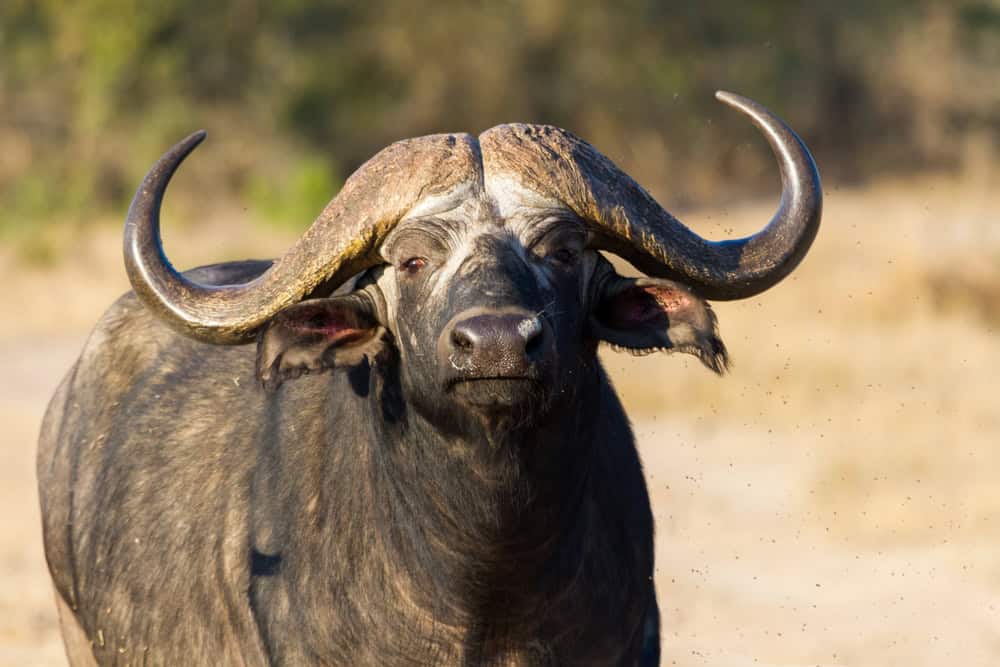
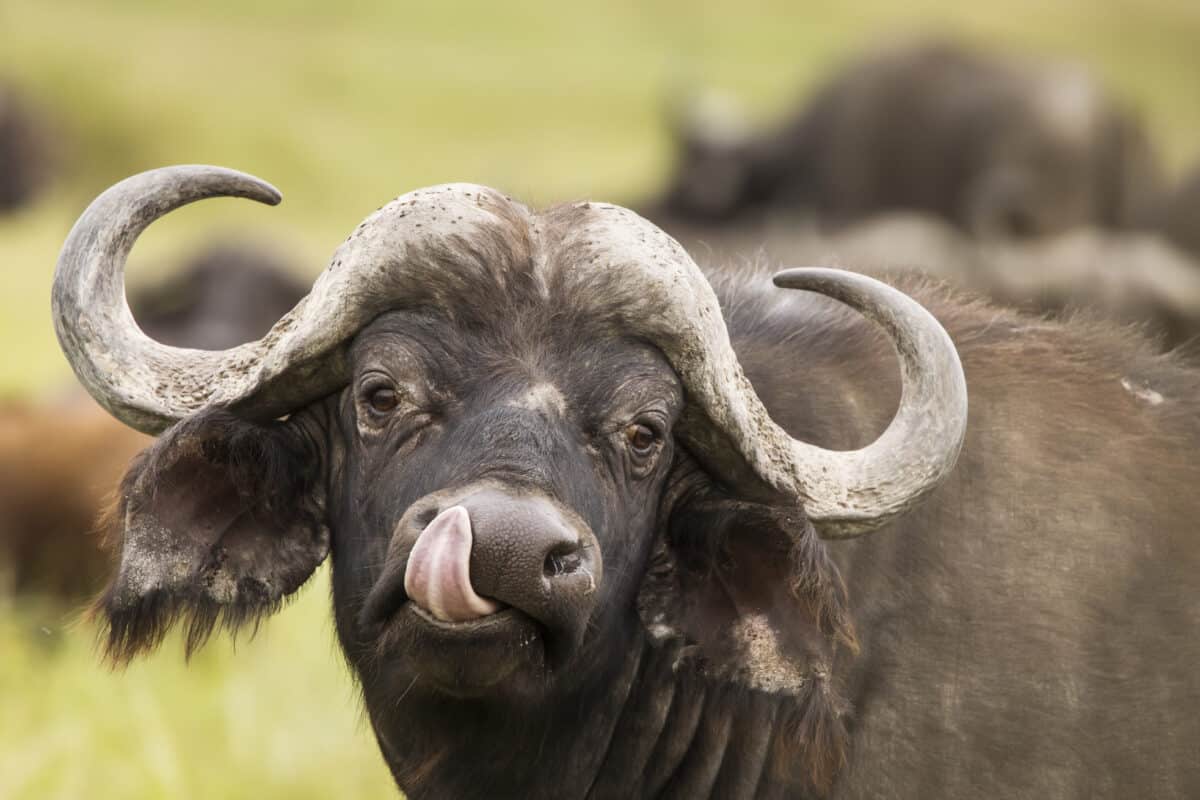
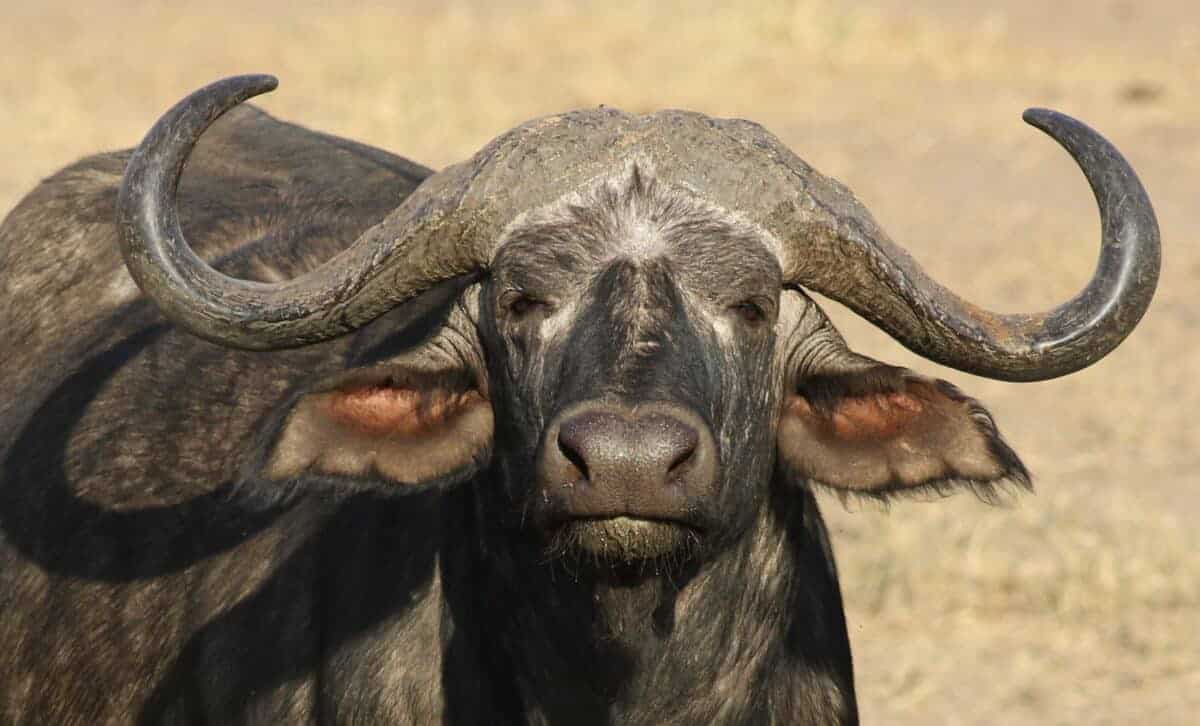
The Cape buffalo’s horns have evolved to be not just extraordinarily heavy but also exceptionally durable. They begin as separate protrusions on either side of the head before curving outward and then inward, often meeting in the middle to form what’s called a “boss”—a solid shield of horn covering the forehead. This distinctive helmet-like structure provides crucial protection during violent confrontations with predators or rival buffalo. When these animals lower their heads and charge, they effectively transform these weighty appendages into natural sledgehammers capable of delivering bone-crushing impacts.
Anatomy of the World’s Heaviest Horns

The Cape buffalo’s horns are marvels of biological engineering. Unlike antlers, which are shed and regrown annually, buffalo horns are permanent structures that grow throughout the animal’s lifetime. They consist of a bony core covered by a sheath of keratin—the same protein found in human fingernails. What makes these particular horns so exceptionally heavy is their density and the extensive boss formation where the horns fuse at the center of the forehead. This boss can be up to 2 inches thick, creating an almost impenetrable shield protecting the buffalo’s skull.
The shape of these horns varies somewhat between different subspecies of Cape buffalo, with some displaying more dramatic curves while others have wider spreads. However, all share the characteristic massive weight that makes them stand out among horned mammals. The impressive horns can span up to 5 feet (1.5 meters) from tip to tip in mature bulls. Interestingly, both males and females possess horns, though those of males are significantly larger and heavier, reflecting their use in competition for mating rights as well as defense.
Sledgehammer Tactics: How Cape Buffalo Use Their Horns

When Cape buffalo employ their horns in combat, the comparison to sledgehammers becomes immediately apparent. These animals have perfected several distinct fighting techniques that maximize the impact force of their weighty headgear. The most common attack involves lowering the head, aiming the boss toward the target, and charging forward with their full body weight (up to 2,000 pounds) behind the blow. This creates a battering ram effect that few predators or rivals can withstand. The concentrated force delivered through the boss can easily shatter bones or cause fatal internal injuries.
Beyond the straightforward charge, Cape buffalo also employ hooking and tossing motions that utilize the curved tips of their horns. When facing a predator that has already made contact, the buffalo will often hook upward with a sharp jerking motion, using the pointed horn tips to gore their attacker before tossing them into the air. This combination of battering, hooking, and tossing makes the Cape buffalo one of Africa’s most dangerous herbivores, responsible for more hunter fatalities than any other large African mammal—earning them the ominous nickname “Black Death” among big game hunters.
Predators and the Buffalo’s Defensive Arsenal

Even apex predators like lions approach Cape buffalo with extreme caution, often requiring coordinated pride attacks to bring down a healthy adult. The buffalo’s sledgehammer horns serve as their primary defensive weapon, capable of seriously injuring or killing even the most skilled predators. Lions attacking buffalo frequently sustain injuries, and there are numerous documented cases of buffaloes not just repelling attacks but actively hunting down and killing lions that have threatened their herds. This remarkable ability to turn defense into offense has earned Cape buffaloes respect throughout their range.
African wild dogs, hyenas, and crocodiles also occasionally prey on Cape buffalo, but typically target calves, isolated individuals, or sick animals. Healthy adult buffalo in herds present too formidable a challenge with their sledgehammer horns and collective defensive behaviors. When threatened, buffalo herds often form a protective circle with calves in the center and adults facing outward, creating a perimeter of deadly horns that few predators dare to breach. This strategy, combined with their willingness to counter-attack as a unit, makes buffalo herds nearly impregnable to predation.
Male Combat: Horn-to-Horn Battles for Dominance

While the defense against predators is impressive, perhaps the most spectacular display of the Cape buffalo’s horns occurs during male dominance contests. Bulls engage in ritualized battles that showcase the full power of their natural sledgehammers. These confrontations typically begin with parallel walking displays, where rivals assess each other’s size and strength. If neither backs down, the contest escalates to direct horn-to-horn combat. The bulls charge at each other, colliding with tremendous force as their bosses clash. The impact produces sounds that can be heard over considerable distances—a literal crack of thunder as nature’s sledgehammers meet.
These battles are tests of both strength and skill. The combatants push against each other in trials of pure power, each attempting to force the other backward or off balance. They also engage in complex hooking maneuvers, trying to get their horns positioned advantageously beneath their opponent. The weight of the horns becomes crucial here—the heavier set often prevails in these shoving matches. Despite the violence of these encounters, fatal injuries are relatively rare, as the thick boss at the horn base provides excellent protection against the very weapon it constitutes, though serious wounds can occur from the sharp horn tips.
Evolutionary Advantages of Heavy Horns

The extreme weight of Cape buffalo horns represents a significant biological investment. Growing and carrying such massive structures requires considerable energy and places mechanical stress on the animal’s neck and skeletal structure. This begs the question: why evolve such extraordinarily heavy horns? The answer lies in the unique ecological pressures facing these animals. In environments with high predator density, especially big cats and hyenas hunting in groups, the defensive advantage conferred by massive horns clearly outweighs their metabolic cost.
From an evolutionary perspective, the sledgehammer effect of heavy horns provides superior protection compared to lighter, pointed horns that might be more efficient for stabbing but less effective for absorbing and delivering impact force. Additionally, the impressive size of male buffalo horns serves as an honest signal of genetic quality during mate selection. Females can assess a potential mate’s fitness by evaluating his ability to grow and carry massive horns while still maintaining good overall condition. This sexual selection has likely driven the evolution of increasingly heavy horns over generations.
Growing Nature’s Heaviest Headgear

The development of Cape buffalo horns is a lifelong process that begins shortly after birth. Calves are born with small horn buds that start growing outward from the skull within their first few months of life. The growth rate is most rapid during the first few years, with the distinctive boss formation beginning to develop as the animal approaches sexual maturity around three to five years of age. The horns continue to grow throughout the buffalo’s life, though the rate slows considerably in older animals.
This growth process requires significant nutritional resources, particularly calcium and phosphorus for the bony core, and protein for the keratin sheath. During periods of environmental stress or food scarcity, horn growth may temporarily slow. The buffalo’s diet of grasses and occasional browse must provide sufficient nutrients to maintain not just basic bodily functions but also the ongoing development of these massive structures. The weight distribution of the horns requires powerful neck muscles to support and maneuver them effectively, leading to the characteristic muscular build of adult Cape buffalo bulls.
Comparing Buffalo Horns to Other Heavy-Horned Species

While Cape buffalo possess the heaviest horns in the animal kingdom, several other species have evolved impressive cranial weapons worth comparing. The American bison, a distant relative of the Cape buffalo, sports horns that can weigh up to 30 pounds but are typically shorter and more upturned. The water buffalo, domesticated throughout Asia, can grow massive curved horns spanning up to 6 feet, though they generally lack the thick boss structure that adds so much weight to Cape buffalo horns.
Among wild bovids, the giant eland has impressively large spiral horns that can reach 4 feet in length but are relatively lightweight for their size. The muskox of the Arctic possesses a somewhat similar boss structure to the Cape buffalo, though scaled down in overall weight. What sets the Cape buffalo apart is not just the absolute weight of its horns but the ratio of horn weight to body size and the specialized boss structure that optimizes them for their sledgehammer function. This unique combination has made them the undisputed champions of heavy-horned animals.
Cultural Significance of Buffalo Horns

Throughout African cultures, Cape buffalo horns have held significant symbolic and practical importance. Many traditional societies view these impressive structures as symbols of strength, courage, and power. In some cultures, warriors who successfully hunted buffalo earned special status, with the horns becoming prestigious trophies that demonstrated their bravery. Buffalo horn artifacts appear in traditional ceremonies, often representing authority or connection to ancestral strength.
Beyond their symbolic value, buffalo horns have been utilized practically across African societies. Craftspeople transform them into musical instruments, particularly horns for signaling or ceremonial purposes. The keratin sheath can be carved into utensils, jewelry, and decorative items, while the hollow core has traditionally been used as a container. Even today, despite conservation concerns that have reduced such practices, Cape buffalo horns remain culturally significant across much of sub-Saharan Africa, their sledgehammer design admired for both its natural engineering and its symbolic power.
Conservation Status and Threats
Despite their formidable natural defenses, Cape buffalo face significant conservation challenges. While currently classified as “Near Threatened” by the International Union for Conservation of Nature (IUCN), their population has declined from an estimated 1 million individuals in the late 1800s to approximately 400,000 today. The primary threats come from habitat loss as human populations expand, converting natural grasslands to agricultural use. Disease has also impacted buffalo populations, particularly rinderpest historically, though vaccination campaigns have helped address this issue.
Trophy hunting represents another pressure, with buffalo horns being highly prized by some hunters. While regulated hunting can support conservation through funding and local community involvement, poaching remains a serious concern in some areas. Climate change poses an emerging threat, as extended droughts impact the grassy habitats these herbivores depend on. Conservation efforts focus on maintaining protected habitat corridors, disease management, and working with local communities to reduce human-wildlife conflict. The future of these remarkable sledgehammer-horned animals depends on successful implementation of these strategies.
Fascinating Horn Facts and Adaptations
Beyond their impressive weight and defensive capabilities, Cape buffalo horns feature several fascinating adaptations. The horns contain a network of blood vessels that help regulate the animal’s body temperature—a critical function in the hot African climate. By circulating blood through the horns and then back to the body, buffalo can dissipate excess heat, functioning somewhat like a car’s radiator system. This thermoregulatory function adds another dimension to the evolutionary value of these massive structures.
Another interesting aspect is how the horns’ growth patterns can reveal information about the individual buffalo’s life history. Similar to tree rings, periods of nutritional stress create visible marks in the horn structure, allowing researchers to track environmental conditions throughout the animal’s lifetime. Each buffalo’s horn configuration is also slightly unique, enabling individuals to be identified by researchers studying their behavior and ecology. These distinctive characteristics, combined with their sledgehammer functionality, make Cape buffalo horns one of nature’s most remarkable adaptations.
The Enduring Legacy of Nature’s Sledgehammers
The Cape buffalo’s extraordinary horns represent one of nature’s most impressive examples of biological weaponry. These massive structures, the heaviest horns in the animal kingdom, serve multiple functions from defense and offense to thermoregulation and mate attraction. Their sledgehammer design has evolved as the perfect solution to the challenges of life on the African savanna, where predator pressure and competition for resources are intense. The buffalo’s ability to wield these weighty appendages with precision and devastating force has earned them a fearsome reputation among both predators and humans.
As we continue to study these remarkable animals, we gain deeper appreciation for the complex evolutionary processes that have shaped their distinctive headgear. The Cape buffalo stands as a powerful reminder of nature’s ingenious adaptations, where form follows function in the endless dance of survival. While facing conservation challenges in a rapidly changing world, these iconic animals and their sledgehammer horns remain symbols of wild Africa’s untamed power and beauty. Their continued presence in the ecosystem represents not just a biological achievement but a testament to resilience in an increasingly human-dominated landscape.

From exploring the marine wonders in the Azores and witnessing the vast savannas of Kenya, to delving deep into the rich biodiversity of South Africa and traversing iconic landscapes in Australia and the US like Yellowstone, Chris's experiences are vast.
With a penchant for diving alongside sharks, the ocean holds a special place in his heart.
Through his academic insights, he champions wildlife conservation, striving with 'Animals Around The Globe' to cultivate a profound connection between humans and animals, enhancing our mutual appreciation.
Connect with him at Feedback@animalsaroundtheglobe.com.
- How Bison Are Reshaping the American Prairie - July 10, 2026
- How Ocean Animals Are Affected by Climate Change - July 10, 2026
- 23 Popular Dog Breeds Illinois Vets Secretly Wish You’d Stop Choosing - July 10, 2026