

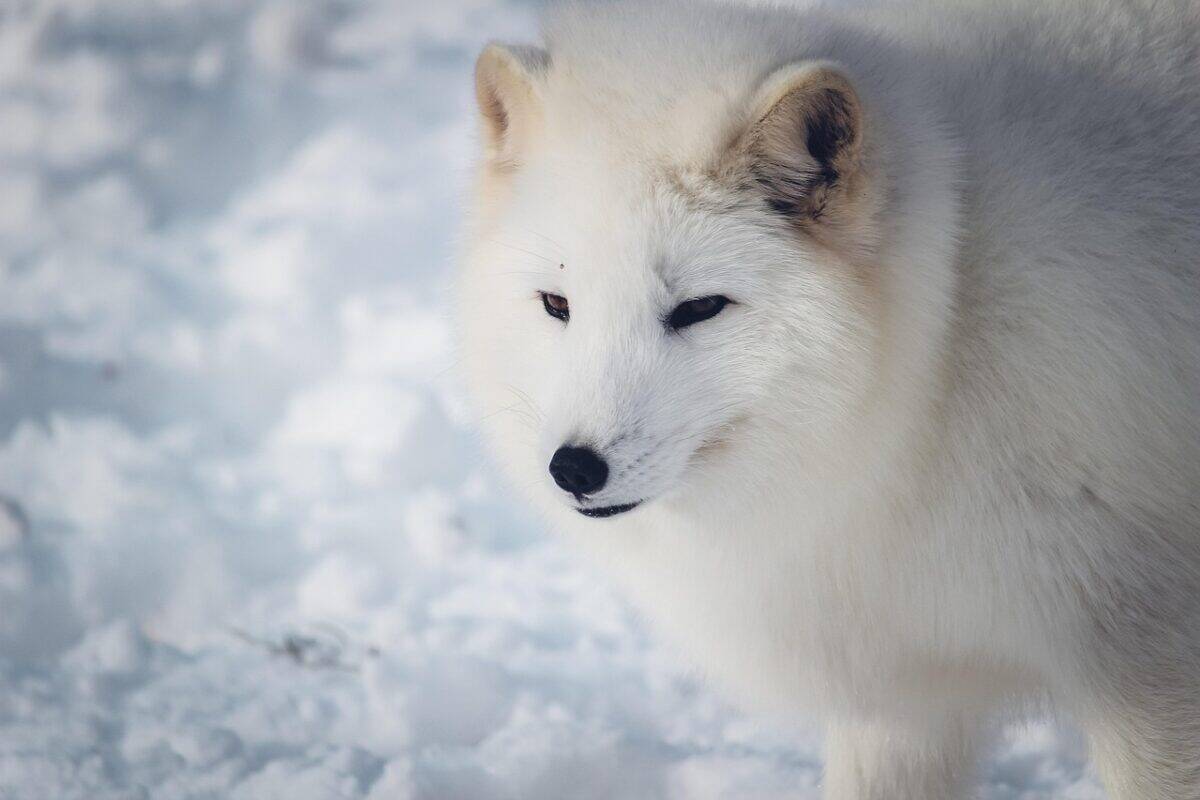
Alaska’s vast, frozen landscapes host some of the most remarkable wildlife on Earth. As North America’s northernmost state, Alaska provides a vital habitat for numerous arctic species that have evolved extraordinary adaptations to survive extreme conditions. From the towering polar bears to the elusive arctic foxes, these animals demonstrate nature’s incredible resilience in one of the planet’s most challenging environments. This article explores the diverse array of arctic wildlife that calls Alaska home, examining their unique adaptations, behaviors, and the conservation challenges they face in a rapidly changing environment.
Alaska’s Iconic Polar Bears
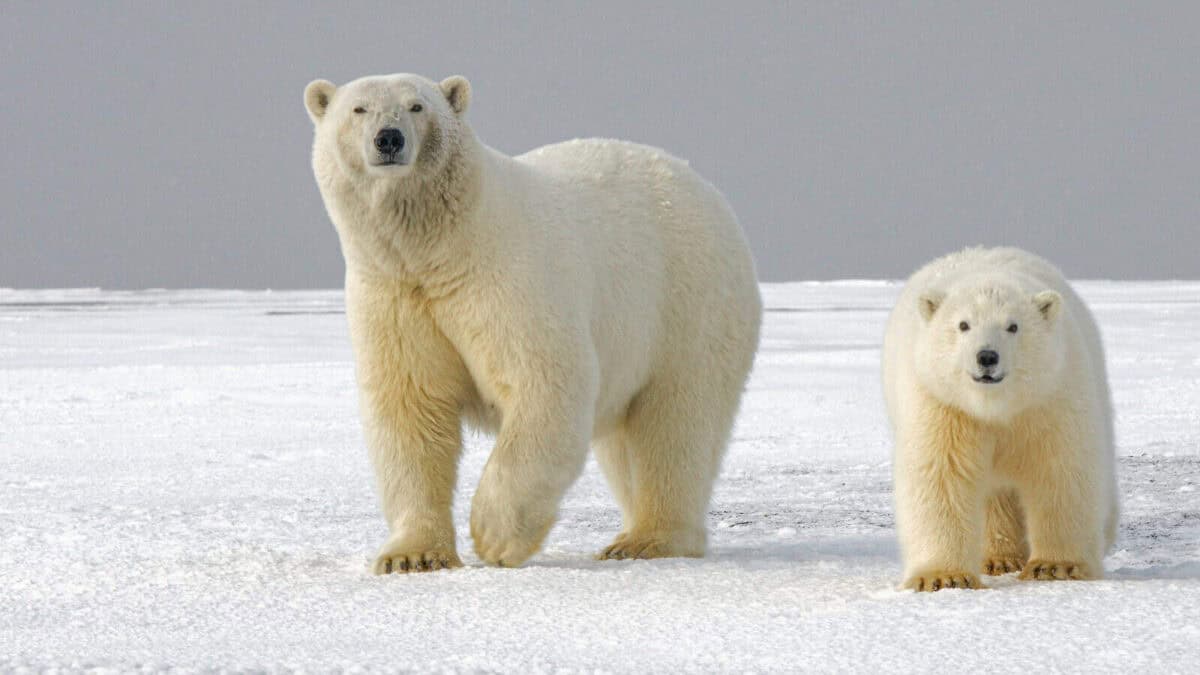
Polar bears (Ursus maritimus) stand as the Arctic’s most iconic predators and the world’s largest land carnivores. In Alaska, these magnificent creatures primarily inhabit the northern and northwestern coastal regions, including the Beaufort and Chukchi Seas. Adult males can weigh up to 1,500 pounds and stand 10 feet tall on their hind legs, making them formidable hunters and undisputed apex predators of the Arctic ecosystem.
Perfectly adapted for Arctic life, polar bears possess a thick layer of blubber beneath their water-repellent fur, providing insulation against frigid temperatures. Their massive paws, measuring up to 12 inches in diameter, act as effective snowshoes and powerful swimming paddles. While classified as marine mammals due to their dependence on sea ice for hunting seals, polar bears face increasing challenges as climate change reduces their hunting grounds, forcing them to spend more time on land and altering their traditional feeding patterns.
Arctic Foxes: Masters of Camouflage
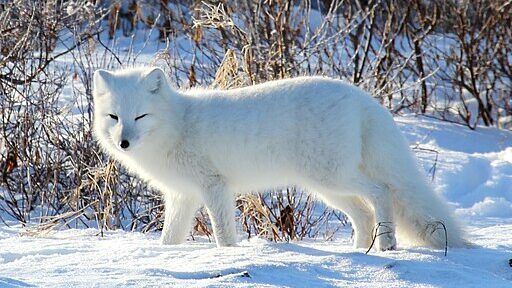
The arctic fox (Vulpes lagopus) represents one of nature’s most remarkable examples of seasonal adaptation. These small canids undergo dramatic coat changes, shifting from pure white in winter to brown-gray in summer, providing year-round camouflage in Alaska’s changing landscapes. Weighing just 6-10 pounds, these compact predators have developed extraordinary cold resistance, with fur-covered paws and the lowest measured surface temperature of any mammal – allowing them to maintain body heat in temperatures as low as -58°F (-50°C).
In Alaska’s northern regions, arctic foxes display remarkable behavioral adaptations, including food caching and scavenging behind larger predators like polar bears. Their keen hearing allows them to detect small mammals moving beneath the snow, which they pounce on with precision. Unlike many Arctic species, arctic fox populations remain relatively stable, though climate change brings competition from red foxes expanding northward into traditional arctic fox territory, creating new ecological pressures.
The Majestic Caribou Herds
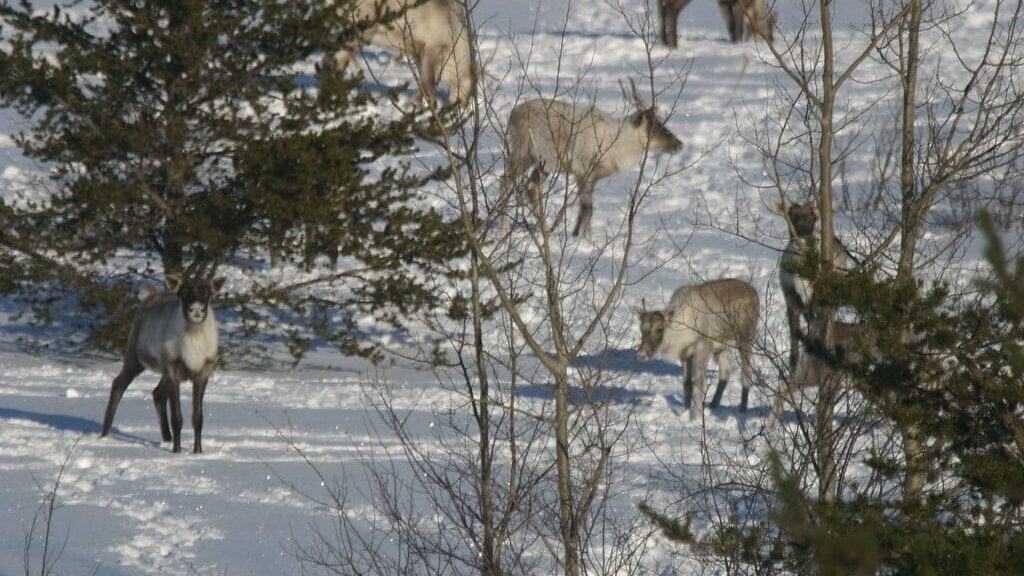
Caribou (Rangifer tarandus), known as reindeer in Eurasia, represent Alaska’s most numerous large land mammals. The state hosts four major herds: the Western Arctic, Porcupine, Central Arctic, and Teshekpuk herds, collectively numbering over 750,000 animals. These iconic ungulates undertake some of North America’s most impressive migrations, traveling up to 400 miles seasonally between calving grounds on the coastal plains and wintering areas in the boreal forests and mountains.
Both male and female caribou grow antlers, with males shedding theirs after the fall rut while pregnant females retain theirs until after calving in spring. This unique adaptation allows pregnant females to defend feeding areas during winter. Caribou possess specialized hooves that adapt seasonally – spreading wide in summer to provide stability on soft tundra and shrinking in winter to cut through snow and ice. Their fur consists of hollow hairs that provide superior insulation, and they’ve evolved specialized nose structures that warm incoming cold air before it reaches their lungs.
Muskoxen: Ice Age Survivors
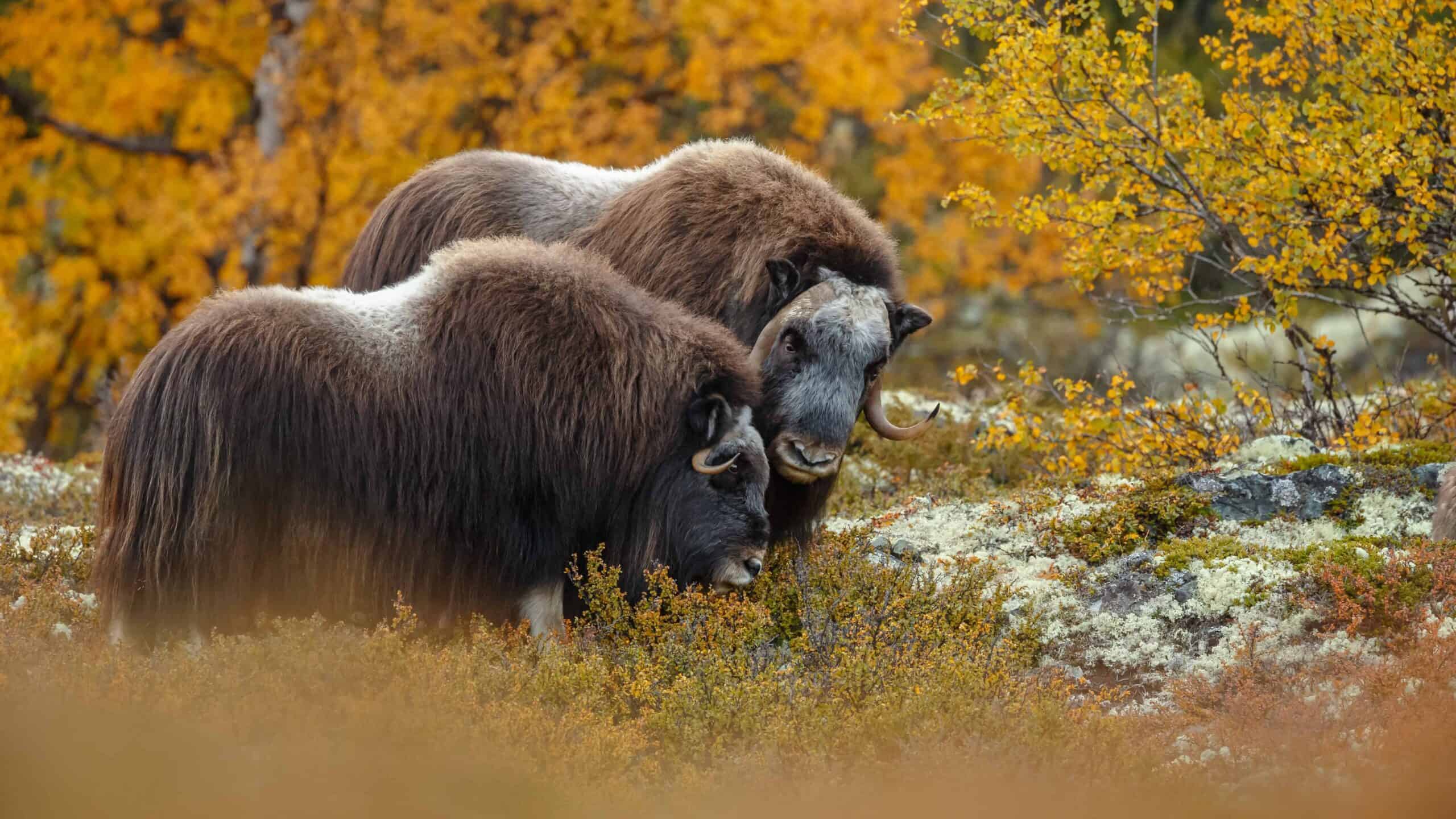
Muskoxen (Ovibos moschatus) stand as living relics from the Pleistocene era, having once roamed alongside woolly mammoths. After being hunted to extinction in Alaska by the late 1800s, they were successfully reintroduced in 1930 when 34 animals from Greenland were released on Nunivak Island. Today, approximately 4,200 muskoxen inhabit Alaska, primarily on the Arctic Coastal Plain, Seward Peninsula, and several islands including Nunivak and Nelson islands.
These massive bovids, weighing up to 800 pounds, possess an extraordinary double coat: an outer layer of long guard hairs reaching almost to the ground and a soft underwool called qiviut that’s eight times warmer than sheep’s wool. When threatened, muskoxen display their famous defensive formation—a circle with adults facing outward and calves protected inside—a strategy developed against now-extinct predators like saber-toothed cats. Their diet consists primarily of grasses, sedges, and willows, with winter feeding requiring them to paw through snow to reach vegetation, conserving energy by reducing movement during the harshest months.
Wolverines: The Elusive Powerhouses
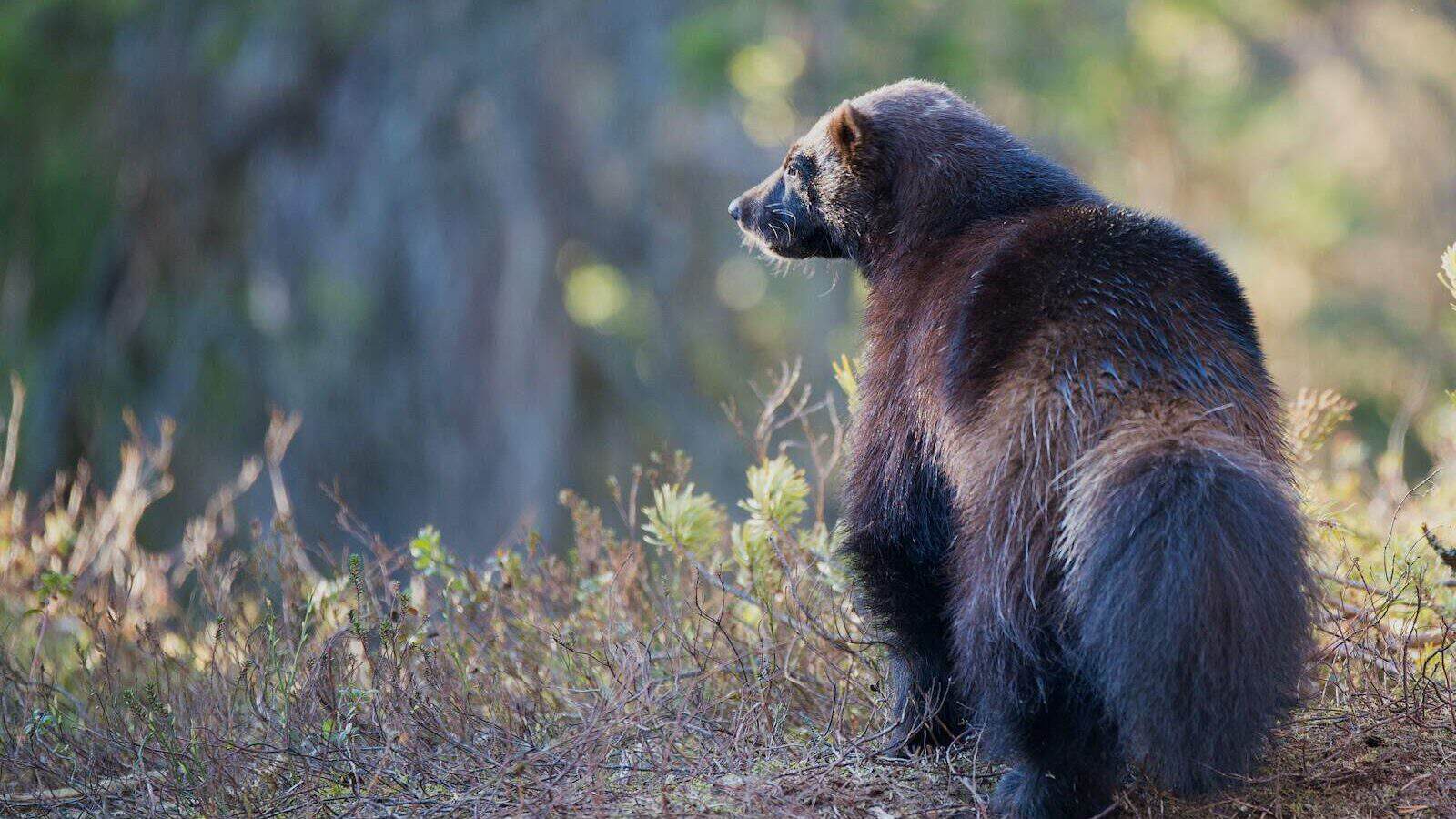
The wolverine (Gulo gulo), the largest terrestrial member of the mustelid family, embodies the wild spirit of Alaska’s remote backcountry. Despite weighing just 20-40 pounds, these solitary predators display legendary strength and tenacity, capable of bringing down prey many times their size and defending kills against much larger predators. Their scientific name “Gulo” derives from the Latin word for “glutton,” referencing their voracious appetite and impressive ability to consume and digest frozen meat and bone.
Alaska’s wolverines have evolved specialized adaptations for Arctic living, including large, crampon-like claws for climbing and digging through snow, hydrophobic fur that resists frost buildup, and powerful jaws that can crush frozen bones. Males patrol territories spanning up to 240 square miles—among the largest home ranges relative to body size of any mammal. With fewer than 300 individuals estimated in Alaska, wolverines face increasing habitat fragmentation challenges as climate change alters their alpine and boreal forest habitats, potentially impacting their preference for denning in deep, persistent snowpack.
Ringed Seals: The Polar Bear’s Prey
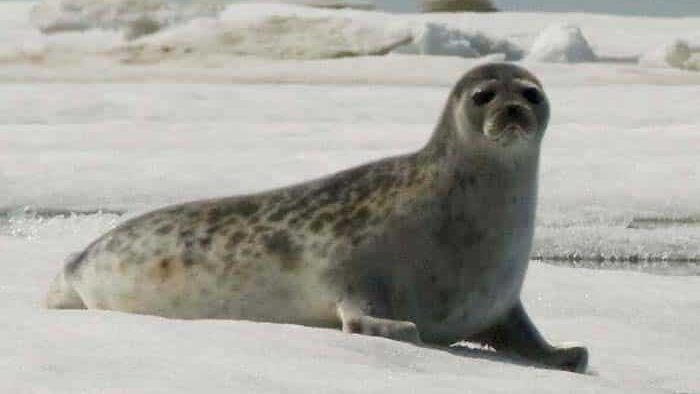
Ringed seals (Pusa hispida) are the most abundant marine mammals in the Arctic seas surrounding Alaska, with populations estimated between 1-4 million across their circumpolar range. These relatively small pinnipeds, typically weighing 110-150 pounds, serve as the primary prey for polar bears. Their name derives from the distinctive light rings patterned against their dark gray coats, providing camouflage in both water and on ice.
What makes ringed seals truly remarkable is their specialized adaptation to life under solid sea ice. They maintain breathing holes by constantly scratching the ice with strong claws on their front flippers, preventing openings from freezing completely during winter. Females construct snow caves (subnivean lairs) above breathing holes for pupping, providing critical protection for vulnerable newborns against predators and extreme cold. As Arctic sea ice patterns change due to warming temperatures, ringed seals face challenges in constructing these protective dens, leading to increased pup mortality and designation as a threatened species under the Endangered Species Act in 2012.
Snowy Owls: The Arctic Sentinels

The snowy owl (Bubo scandiacus) represents one of the Arctic’s most distinctive avian residents, instantly recognizable with its striking white plumage and piercing yellow eyes. Among the heaviest owl species in North America, weighing 3.5-6.5 pounds with wingspans reaching 5 feet, these powerful birds have developed remarkable adaptations for Alaska’s northern reaches. Unlike most owls, snowy owls are diurnal, hunting during the extended daylight hours of the Arctic summer, with exceptional vision allowing them to spot prey up to a mile away.
Alaska’s North Slope provides crucial breeding habitat for snowy owls, where their population cycles typically follow lemming abundance. In years with abundant prey, females may lay up to 11 eggs—an extraordinary clutch size for raptors. Adult males develop nearly pure white plumage, while females and juveniles retain some dark barring, providing camouflage against tundra landscapes. Though capable of withstanding extreme cold with their dense feathering extending to their toes, snowy owls face uncertain futures as climate change alters Arctic ecosystems and prey availability, with some populations showing significant declines in recent decades.
Walruses: Giants of the Arctic Seas

Pacific walruses (Odobenus rosmarus divergens) inhabit the shallow waters of Alaska’s continental shelf in the Bering and Chukchi seas, where approximately 200,000 individuals represent a significant portion of the global population. These massive marine mammals can weigh up to 4,400 pounds (2,000 kg), with males typically larger than females. Their most distinctive feature—impressive tusks reaching lengths of 3 feet—serves multiple purposes: establishing dominance, creating breathing holes in ice, and helping the animals haul themselves onto ice floes.
Walruses are highly social animals, gathering in groups (called “herds”) numbering hundreds or even thousands during breeding and molting seasons. They feed primarily on benthic invertebrates, consuming up to 4,000-6,000 clams in a single feeding session. Their sensitive whiskers (vibrissae) help locate prey on the dark ocean floor. Traditional Alaskan Native communities have sustainably harvested walruses for thousands of years, using nearly every part of the animal for food, tools, clothing, and artwork. However, diminishing sea ice forces walruses to haul out on land in unprecedented numbers, leading to dangerous crowding conditions where stampedes can cause significant mortality, particularly among calves.
Beluga Whales: The Canaries of the Sea
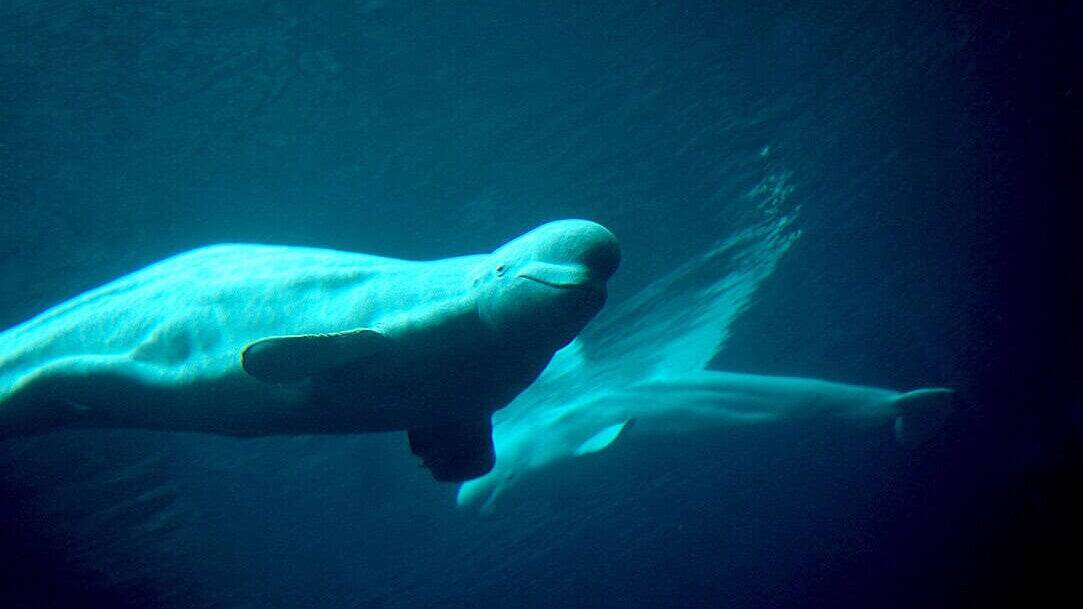
Beluga whales (Delphinapterus leucas) grace Alaska’s coastal waters with their distinctive white coloration and bulbous foreheads. Five distinct stocks inhabit Alaskan waters, with the Cook Inlet population designated as endangered. Known as “canaries of the sea” for their diverse vocalizations including whistles, clicks, and trills, belugas possess extraordinary communication abilities facilitated by their flexible facial features and melon-shaped foreheads, which focus and direct sound waves.
Unlike most cetaceans, belugas have unfused neck vertebrae, allowing them to turn their heads independently of their bodies—a crucial adaptation for navigating and hunting in ice-filled waters. These medium-sized whales (averaging 13-15 feet long) lack dorsal fins, another adaptation reducing heat loss and facilitating movement under ice sheets. Belugas demonstrate remarkable site fidelity, returning to the same estuaries annually. The Cook Inlet population, isolated from other beluga groups for approximately 10,000 years, shows distinct genetic adaptations to its unique environment but faces significant challenges from habitat degradation, underwater noise pollution, and contaminants, with population numbers declining from about 1,300 in the 1970s to fewer than 300 today.
Arctic Ground Squirrels: The Extreme Hibernators
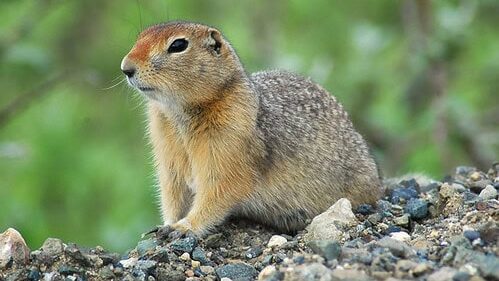
The Arctic ground squirrel (Urocitellus parryii) holds the remarkable distinction of being the only known warm-blooded animal capable of surviving with body temperatures below freezing. During their seven to eight month hibernation period in Alaska’s tundra and boreal forests, these small mammals allow their body temperatures to drop to 26°F (-3°C), entering a state of suspended animation called torpor. This extreme physiological adaptation enables them to conserve energy through Alaska’s long winters when food resources vanish beneath deep snow.
During their brief active season (May to September), Arctic ground squirrels engage in frenzied feeding, accumulating fat reserves that can double their body weight. They construct elaborate burrow systems with multiple chambers including sleeping quarters, food storage, and waste areas, with entrances often marked by distinctive soil mounds visible across the tundra landscape. These industrious rodents play crucial ecological roles as prey for numerous predators including foxes, wolves, and raptors, while their burrowing activities aerate soil and distribute nutrients. Scientists study these extreme hibernators intensively, as their unique physiological adaptations may provide insights for human medical applications, including brain protection during cardiac arrest and stroke.
Dall Sheep: Kings of the Alpine Realm
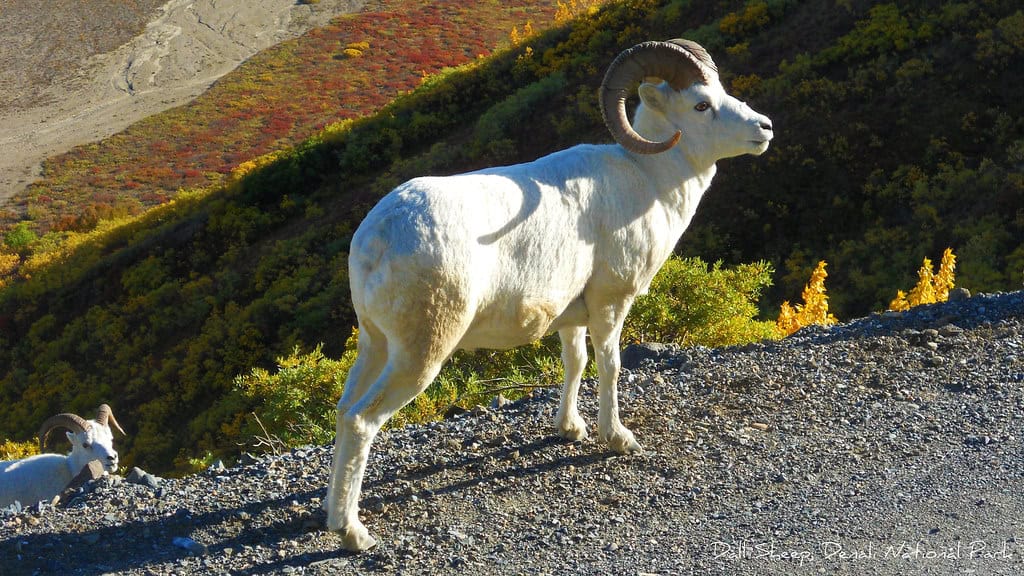
Dall sheep (Ovis dalli) epitomize the rugged wilderness of Alaska’s mountainous regions, inhabiting steep, rocky terrain throughout the Alaska Range, Brooks Range, Wrangell Mountains, and Chugach Mountains. Instantly recognizable by their brilliant white coats and magnificent curled horns, these alpine specialists demonstrate remarkable agility on precarious slopes that few predators can navigate. Males (rams) develop massive, curled horns throughout their lifetime that can reach full curl by age 8, with horn size serving as both a status symbol during mating season and a determinant of hierarchy in bachelor groups.
These hardy ungulates have evolved specialized adaptations for mountain living, including concave, rubber-like hooves with rough edges that provide exceptional grip on rocky surfaces and keen vision that detects movement up to a mile away. Dall sheep employ a fascinating winter survival strategy by inhabiting windswept ridges where snow accumulation remains minimal, allowing access to the dried grasses and sedges that constitute their winter diet. Alaska maintains healthy populations of approximately 45,000-50,000 Dall sheep, though they face increasing challenges from climate change as alpine habitats warm, potentially allowing woody vegetation to encroach on their preferred open terrain and altering the timing of spring green-up which sheep synchronize their lambing to match.
Alaska’s arctic animals represent some of nature’s most extraordinary examples of adaptation and resilience. From the cellular mechanisms that allow Arctic ground squirrels to survive body temperatures below freezing to the massive migrations of caribou herds across the tundra, these species have evolved remarkable strategies for thriving in one of Earth’s most challenging environments. Their continued presence enriches not only Alaska’s wilderness but also our understanding of evolutionary biology and ecological relationships.
However, these remarkable creatures face unprecedented challenges as climate change transforms Arctic environments at rates exceeding global averages. Sea ice reduction impacts marine species like polar bears and walruses, while warming temperatures alter vegetation patterns affecting terrestrial mammals from caribou to muskoxen. Conservation efforts must consider both direct human impacts and broader climate influences to ensure these iconic species continue to thrive.
For Alaska Native communities who have coexisted with these animals for thousands of years, arctic wildlife represents not just ecological importance but cultural heritage, providing sustenance, materials, and spiritual significance. Their traditional ecological knowledge complements scientific research in understanding how these species respond to environmental changes. As stewards of this remarkable arctic heritage, we bear responsibility for ensuring that future generations can witness the majesty of Alaska’s arctic wildlife – from massive polar bears prowling sea ice to delicate snowshoe hares bounding across the tundra.
By appreciating the extraordinary adaptations and ecological roles of Alaska’s arctic animals, we gain deeper insight into nature’s resilience and the intricate balance that sustains life in extreme environments. This understanding should motivate careful management of human activities that impact these species, from resource development to tourism, ensuring that Alaska’s arctic wilderness remains a sanctuary for these remarkable creatures for centuries to come.

- 21 Scary Creatures You Might Run Into While Hiking In The U.S - June 3, 2026
- The Difference Between Turtles and Tortoises—Explained - June 3, 2026
- What Makes Owls the Silent Predators of the Night? - June 3, 2026