
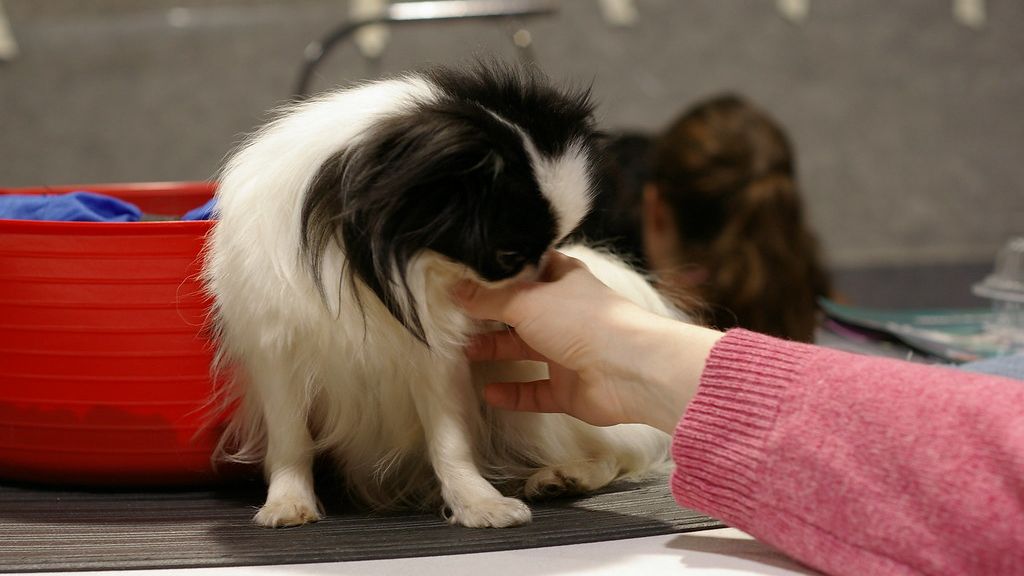
Few things trigger immediate guilt quite like scolding your dog and then watching that little face crumple. You raise your voice, their ears flatten, and suddenly you’re the one feeling like you’ve done something wrong. It’s a dynamic every dog owner knows well.
What happens in the moments after the scolding is genuinely fascinating. Dogs don’t process conflict the way we do, but they have a deeply wired ability to restore harmony. Whether you call it forgiveness, appeasement, or reconciliation, the signals they send are real, nuanced, and worth understanding.
The Soft Body Reset
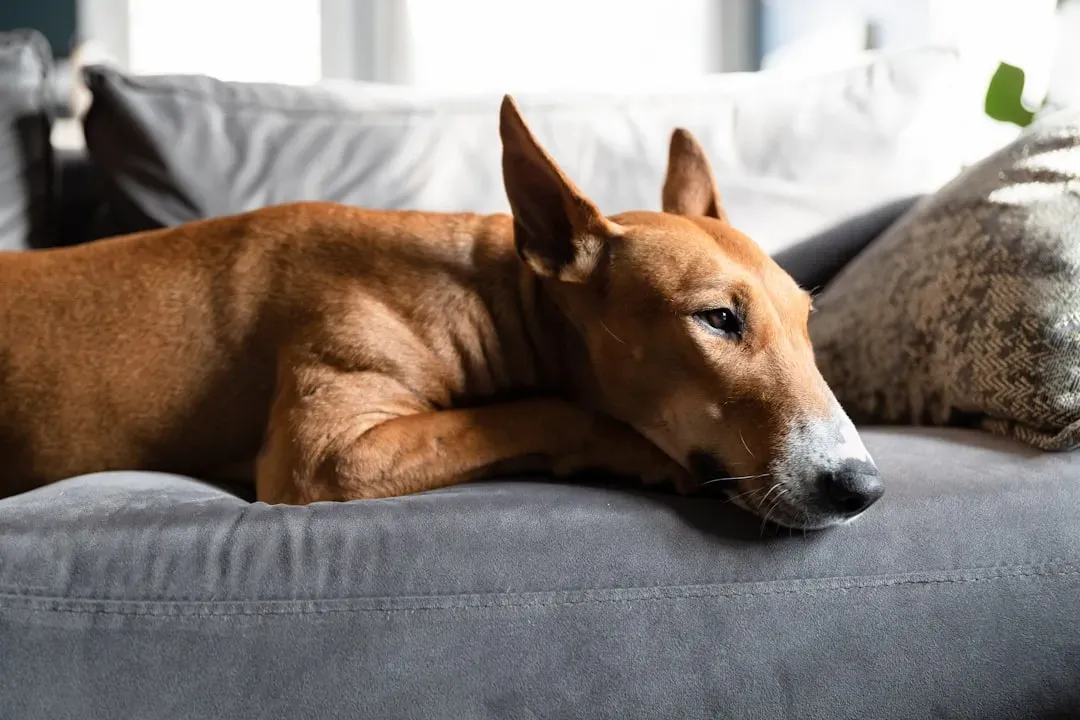
When a dog has worked through a tense moment, one of the clearest signs is a visible shift in body language. Where they may have been stiff or avoidant right after a scolding, their body gradually softens and shows signs of comfort again.
They might lie down beside you or even roll over, indicating that trust has been restored. This calm behavior is a clear sign they are no longer tense and are emotionally at ease once more.
It’s one of those quiet signals that’s easy to miss if you’re not paying attention. The physical loosening of their posture is, in its own way, a white flag.
Coming Back to Seek Physical Closeness
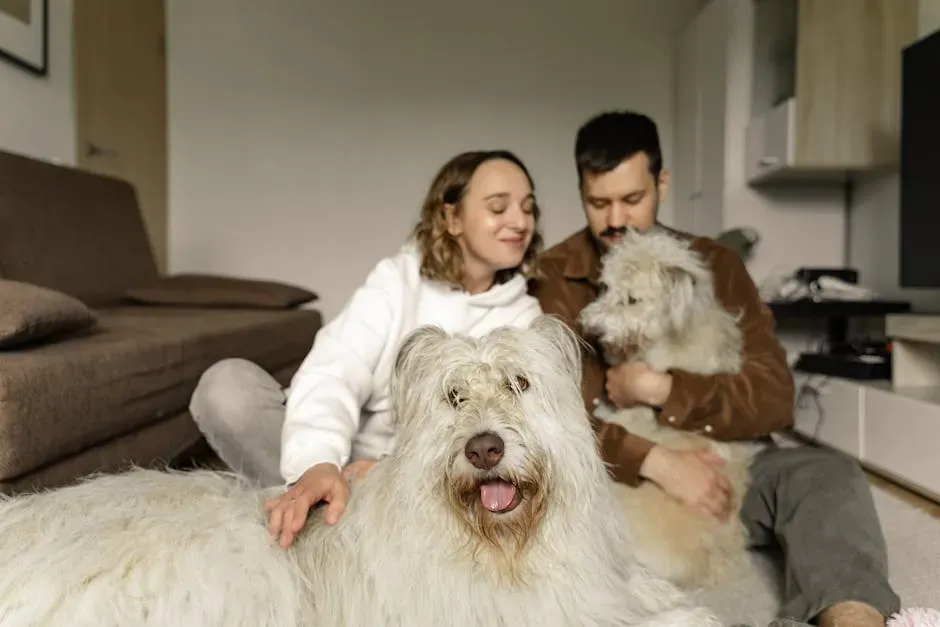
Another strong sign that a dog has moved past the tension is when they come seeking comfort and cuddles. If they were upset, they might have kept their distance at first. Once they’ve let go of the stress, they’ll seek physical closeness, like snuggling next to you or curling up in your lap, which is a display of trust and a willingness to return to their safe place.
This return to physical proximity is meaningful. Dogs are social animals, and choosing to close the gap after a stressful moment is deliberate rather than accidental.
The Lick Offering
Dogs who are trying to re-establish connection tend to lick. After a difficult moment, they may lick their own nose or face as a displacement behavior, but when they do it to you directly, it’s a small gesture aimed at soothing you and reducing the tension between you.
Research has shown that licking releases endorphins in a dog’s brain, which helps both the dog and the person feel calmer and more relaxed. It’s not just affection; it’s a biological mechanism for de-escalation.
Next time your dog quietly licks your hand after a tense moment, take it for what it is. They’re trying to close the chapter.
Returning to Their Normal Routine
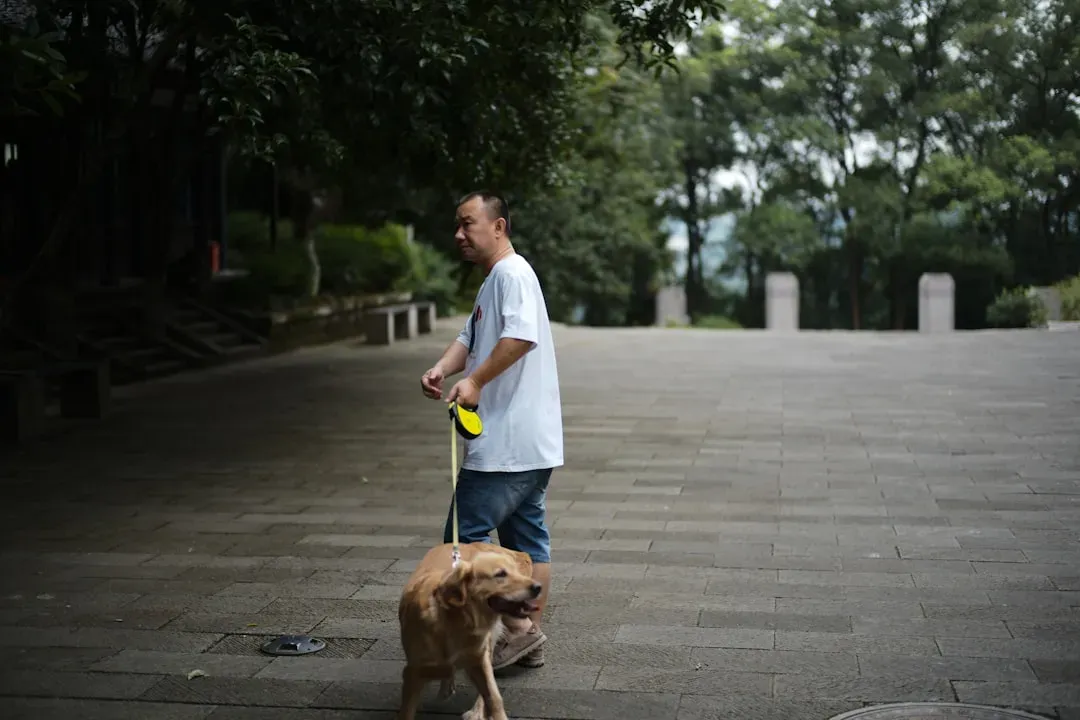
Dogs are creatures of habit, and when something disrupts their world they may appear withdrawn. After a rough moment, a dog might act distant or reserved. When they’ve moved past it, they’ll return to their usual behaviors, like eagerly waiting for a walk or following you around the house. This quick return to regular behavior signals that they’ve let go of the tension and are ready to move forward.
There’s something quietly reassuring about watching your dog trot over to their water bowl, sniff around, and carry on as normal. The storm has passed, and they’re demonstrating it through routine.
Bringing You a Toy
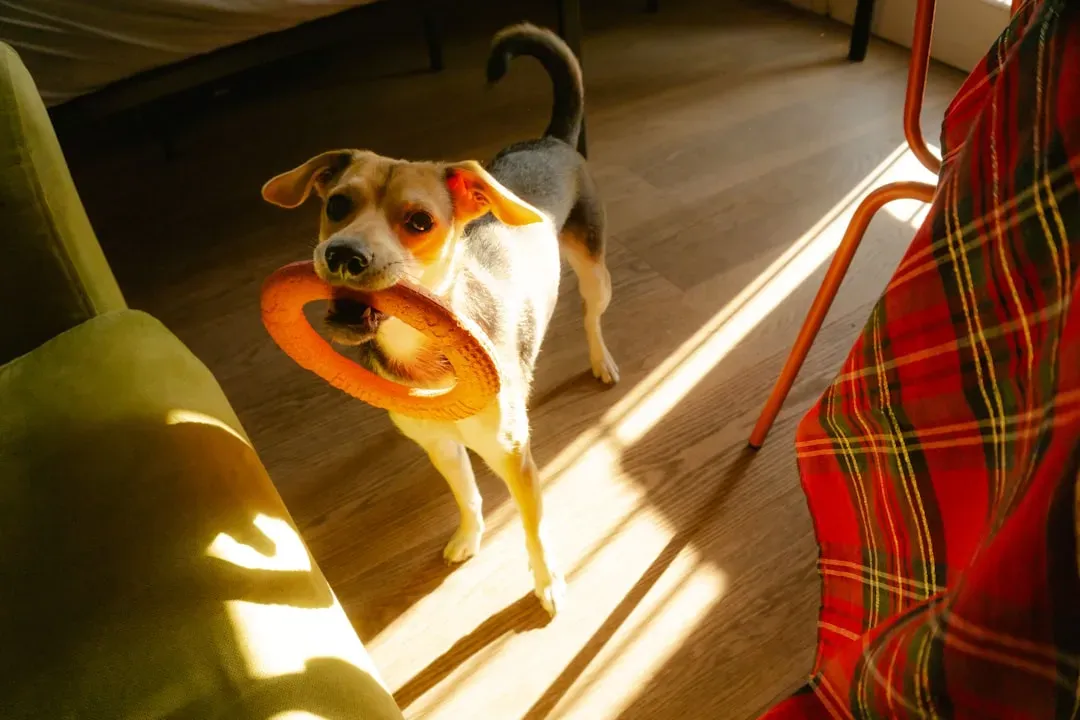
When a dog has made peace with the situation, they might offer their favorite toy as a kind of peace offering. This gesture can be a sign of affection and an attempt to re-establish a positive connection. By bringing you something they love, they are essentially sharing a part of themselves. The act shows their desire to move past any negative emotions that might have existed.
It can look almost comically earnest, a dog padding over with a squeaky toy dangling from their mouth. But the intent behind it is genuine. Play is one of the ways dogs reset the emotional register between themselves and people they care about.
The Gentle Paw Touch
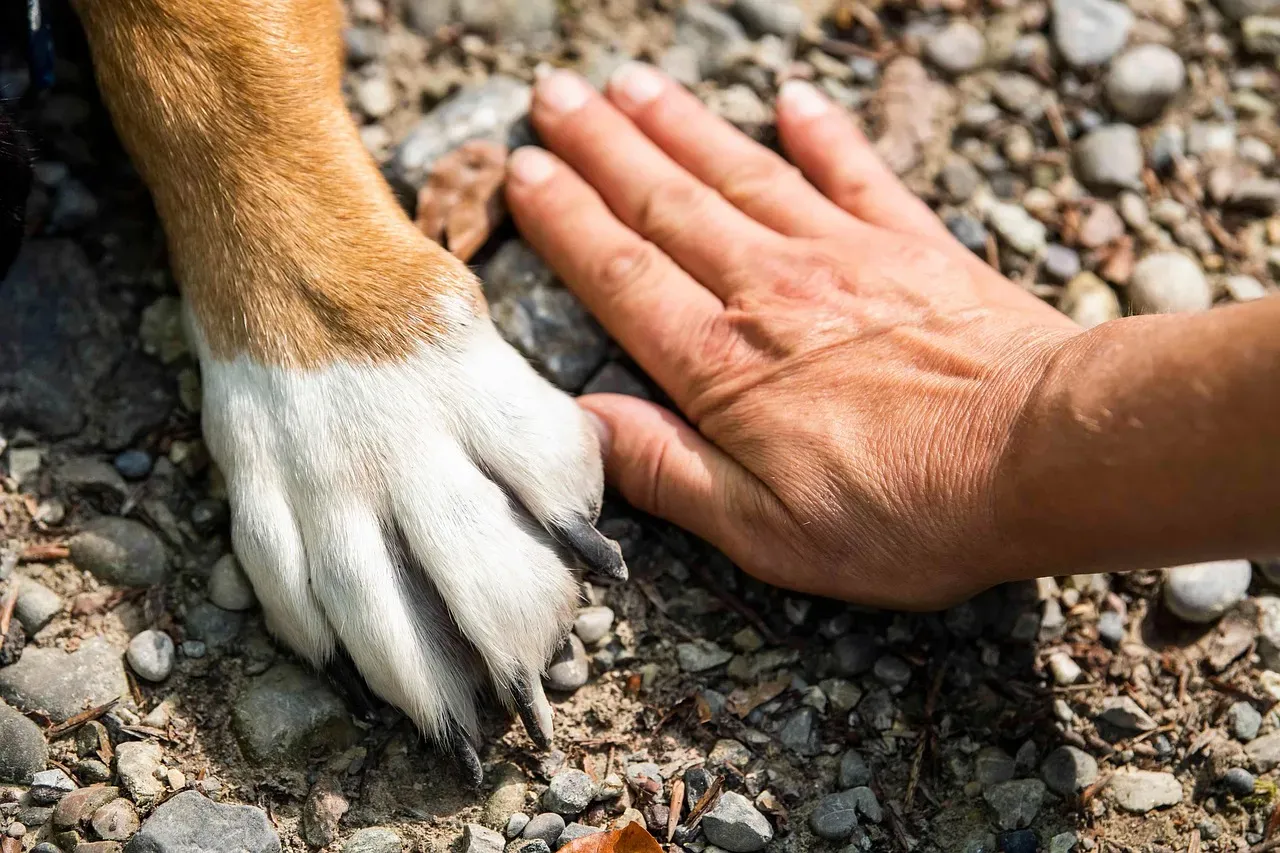
Softly touching you with a paw can be a way of seeking attention or reconciliation. It’s one of the more understated signals, easy to overlook if you’re not tuned in to it. The paw lands gently, without demand, more like a tap on the shoulder than anything else.
Dogs will often lift a front paw as part of an effort to de-escalate a situation. While researchers aren’t entirely certain why they choose this gesture, it’s usually coupled with other appeasement behaviors.
What makes the paw touch so interesting is its restraint. It’s not jumping, barking, or nudging. It’s a careful, considered gesture that seems almost designed to check whether the door is open again.
Avoiding Direct Eye Contact as a Peace Signal
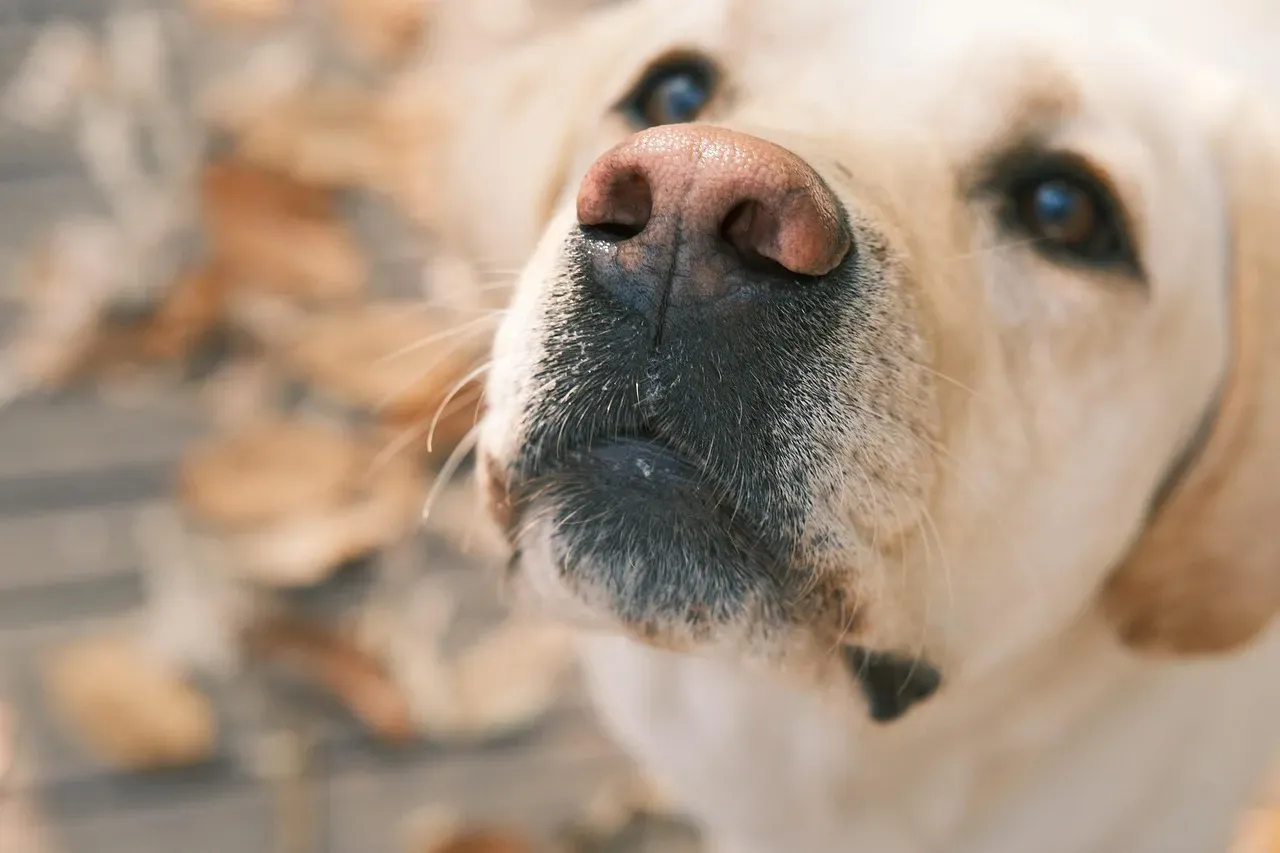
One of the most subtle appeasement signals a dog offers is the avoidance of direct eye contact. This is a significant gesture since a direct stare communicates a threat in dog language, making its opposite, looking away, a deliberate signal of non-aggression.
A dog that is seeking forgiveness won’t hold a direct gaze. They may avert their eyes, since direct eye contact in canine communication can be synonymous with challenge, and averting it is a calming signal toward the other party.
Owners sometimes misread this as the dog ignoring them or sulking. In fact, it’s closer to the opposite. The dog is actively choosing a submissive, non-threatening posture to signal that the conflict is over on their end.
Shadowing You Around the House
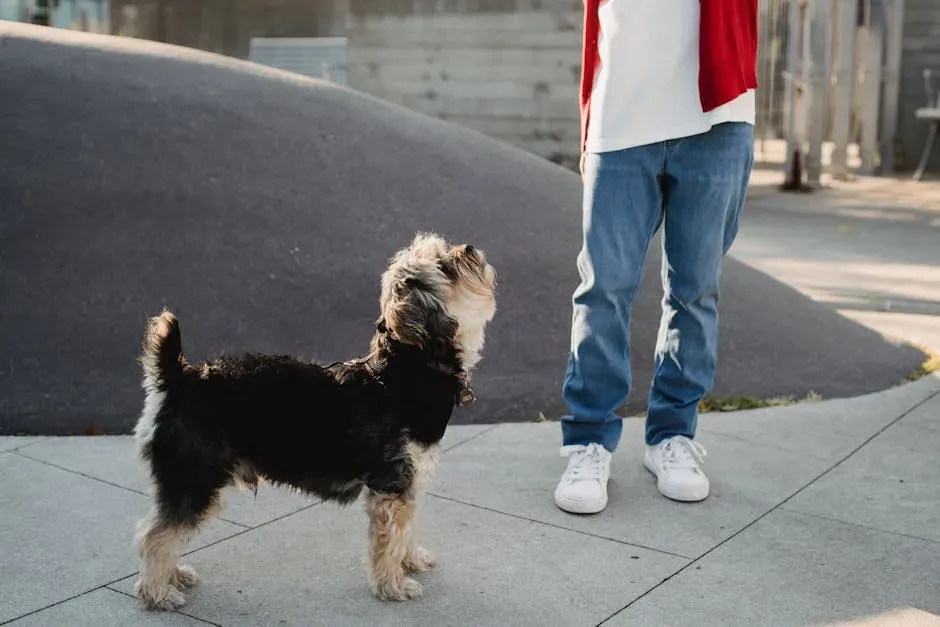
Dogs are loyal by nature, and when they forgive, they tend to show it by returning to their usual habit of following you from room to room. After a scolding, some dogs keep their distance, but when they’ve genuinely worked through it, they’ll start shadowing you again. This behavior reflects their attachment and willingness to put aside the upset. Their presence near you signals that they feel emotionally secure and comfortable in your company once more.
It’s the canine equivalent of someone quietly pulling up a chair beside you. No grand gesture, no fanfare, just proximity. And for a dog, proximity is everything.
The Belly Exposure
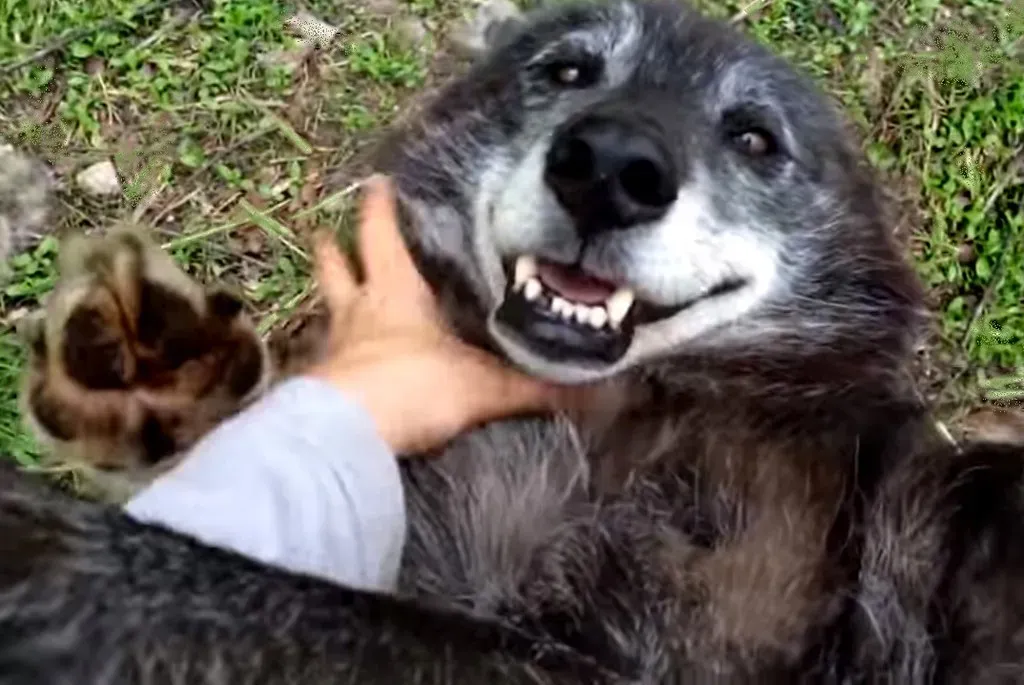
When a dog rolls over and exposes their belly after a scolding, it’s another form of appeasement behavior. While an exposed belly is often associated with trust, in the context of a tense moment it can mean they want to avoid confrontation, feel vulnerable, or simply don’t want to be in trouble.
Rolling onto their back can also function as an appeasement gesture in which a dog expresses vulnerability, signaling that they want to avoid conflict. Context matters here. A dog flopping onto their back on the couch at 9pm is probably just looking for a belly rub. The same move right after a sharp word carries a different meaning.
Rolling over is often a sign of extreme submission and should not be misinterpreted as stubbornness or solicitation of petting. The key is reading the whole picture, not just the belly.
Nose Licking and Calming Yawns
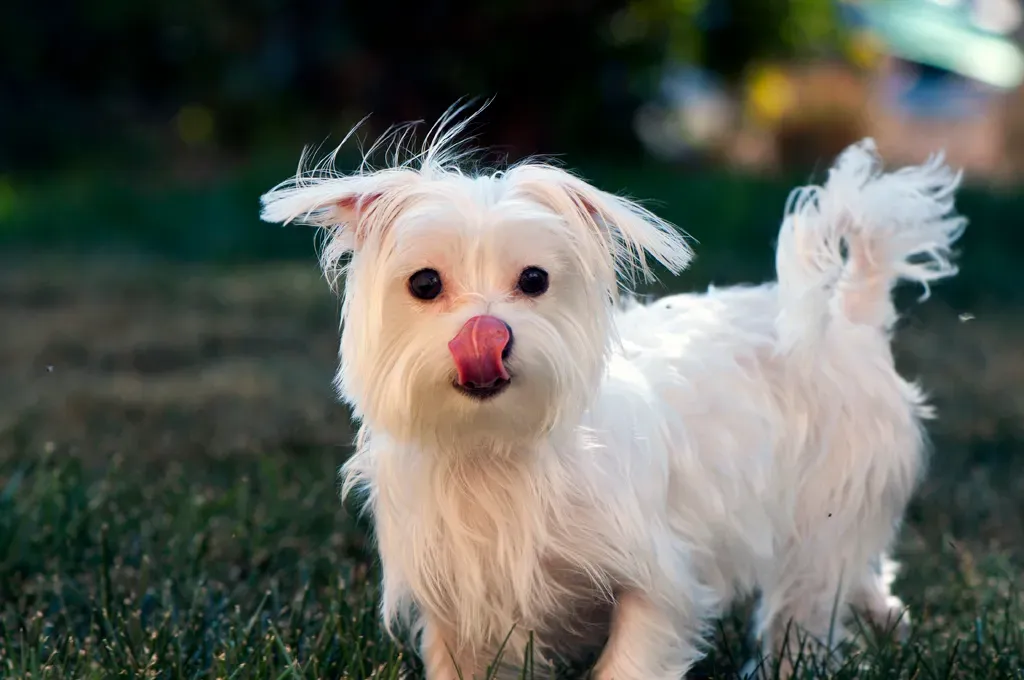
Calming signals, sometimes called appeasement signals, are communicative cues used by dogs to de-escalate tense encounters or to prevent them from developing further. These signals are performed by the dog and directed toward whoever they’re interacting with, including humans.
Licking of the lips and looking away are calming signal behaviors used by dogs in both interactions with other dogs and with humans, and in both cases are thought to serve an appeasing function toward the recipient.
Yawning and nose-licking are considered ambivalent behaviors, meaning the dog is cautious, concerned, or stressed, but is actively trying to communicate a desire to de-escalate rather than engage in conflict. When your dog offers a slow yawn and licks their nose right after a tense exchange, they’re not being dismissive. They’re trying to lower the temperature in the room.
Conclusion: Reading the Language They Already Speak
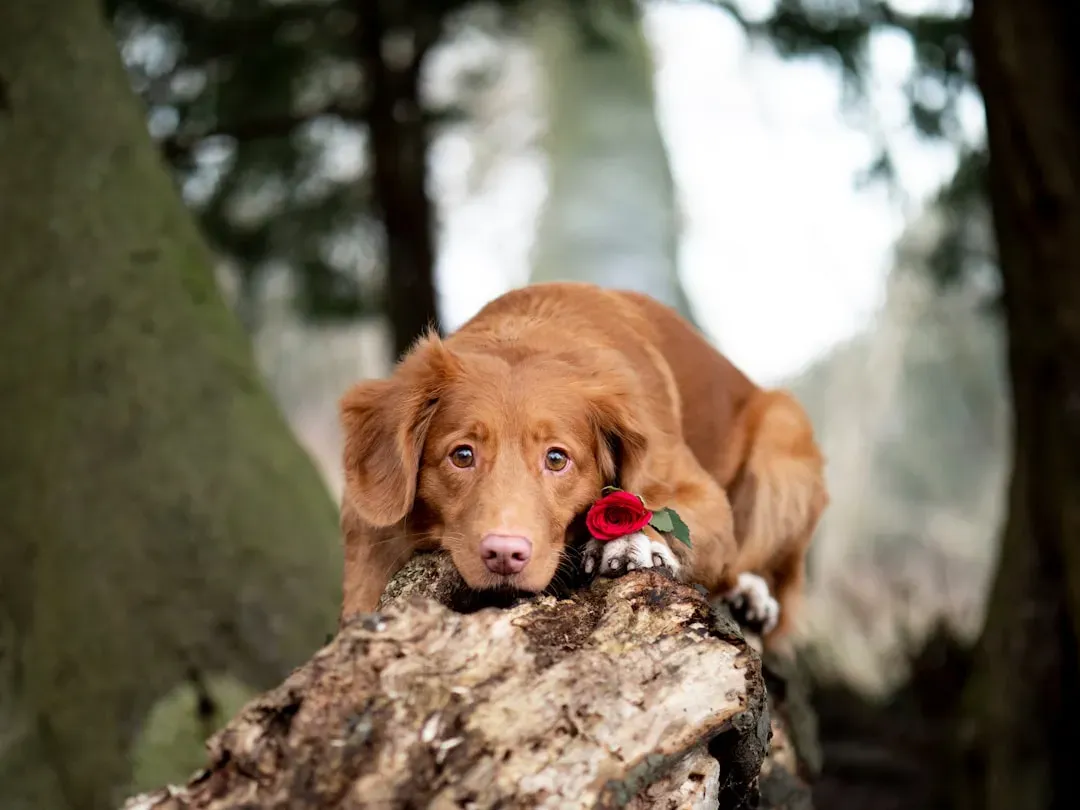
Dogs don’t hold grudges the way people do. Their emotional architecture is built for social harmony, not prolonged resentment, and everything in their body language after a scolding reflects that drive to restore connection.
While dogs may not grasp the human concept of an apology, they do recognize when their behavior has upset their person. Over thousands of years of domestication, dogs have developed a remarkable ability to read and respond to human emotions, and this emotional intelligence enables them to display behaviors that resemble apologies.
The important caveat is one worth holding onto: research suggests dogs don’t feel guilt in the way humans do. What people interpret as guilt is more accurately appeasement behavior, and dogs are primarily sensitive to human tone and body language, reacting to signs of displeasure accordingly.
Understanding what your dog is actually communicating changes the entire dynamic. Instead of projecting guilt onto them, you can meet their signals for what they are, genuine attempts to rebuild the bond, and respond with the calm reassurance they’re asking for. That’s a conversation worth having, even without a single word.
