

Think about an animal that can virtually vanish into its surroundings, not through magic, but through biology. Up in the frozen reaches where winter never seems to completely let go, there’s a small creature barely bigger than a house cat that has mastered one of nature’s most spectacular disappearing acts. Twice each year, this clever survivor transforms its appearance so dramatically that you might think you’re looking at two entirely different animals.
The arctic fox’s coat color will be white during winter months to blend in with the snow, then they will switch to earthy tones such as brown or grey during summer months. This isn’t just a simple wardrobe change. It’s a survival mechanism so precise that it’s been fine-tuned over thousands of years. Let’s dive into how this remarkable animal pulls off one of the most impressive adaptations in the entire Arctic wilderness.
The Science Behind the Spectacular Transformation
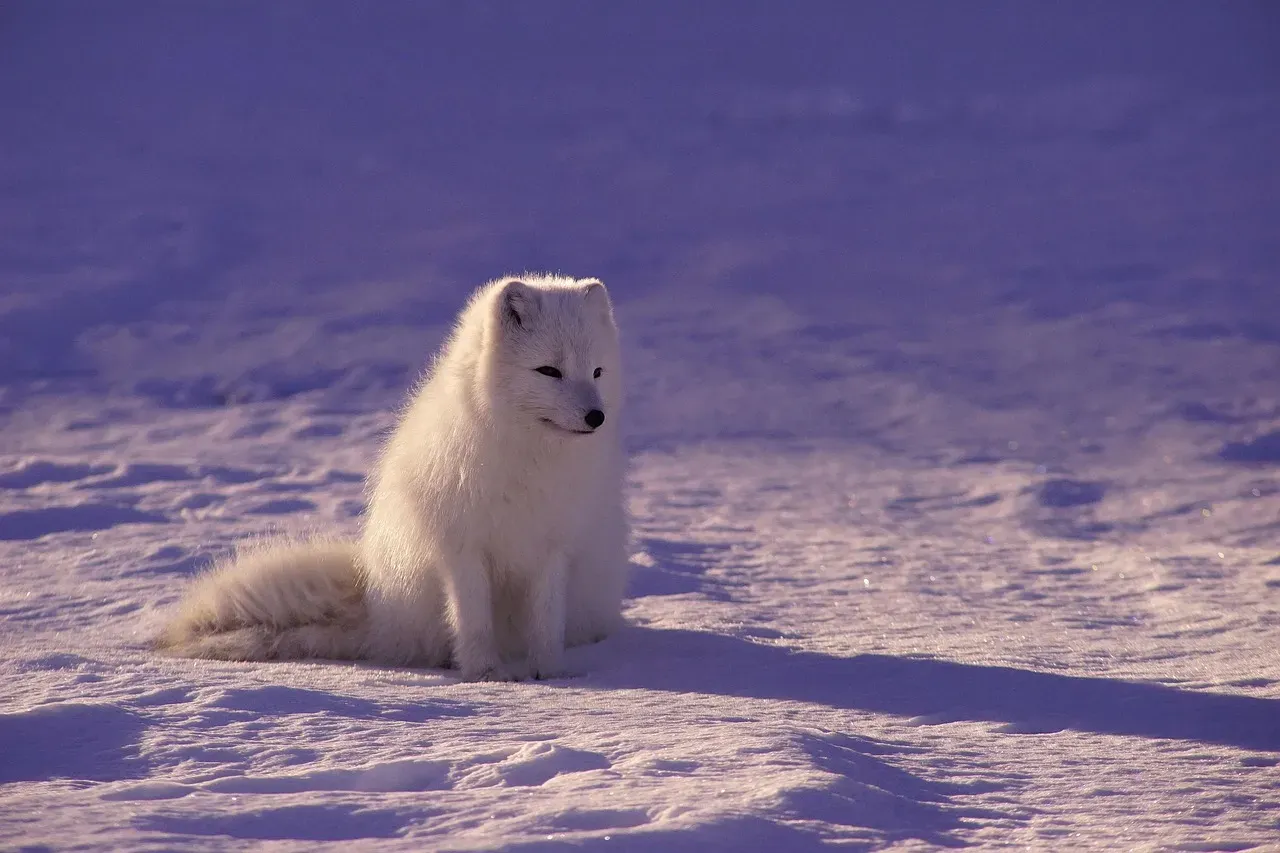
You might wonder what actually triggers this dramatic seasonal makeover. It’s daylight, not cold or warm weather, that triggers this seasonal shedding and hair growth. Animals register changes in the photoperiod – the hours of daylight – which spurs the secretion of hormones such as prolactin and melatonin. This is honestly fascinating when you think about it.
The mechanism is more sophisticated than you’d expect. This process involves the pineal gland, which responds to changes in light by altering melatonin production, subsequently affecting melanin – the pigment responsible for fur color. Scientists have identified specific genes that regulate this seasonal change, including the MC1R gene that influences pigment production. Nature’s created a biological clock so precise it rivals anything we could engineer.
When the fox is growing its white coat in the fall, melanin production is shut off and the fur comes in without pigment. It’s basically the fox’s body deciding that pigment is unnecessary for winter survival. The white fur that emerges contains air spaces where melanin would normally be, which actually provides an extra insulation bonus.
Researchers have even replicated this process indoors under controlled conditions. The results confirm that it’s purely the light exposure, not temperature, that flips this biological switch. If you artificially shorten daylight hours for an arctic fox in summer, it’ll start producing its winter coat right on cue.
Honestly, the precision is remarkable. These animals don’t wait for the first snowfall to start changing. They anticipate it based on an internal calendar synced to the sun’s position.
Winter’s Pristine White Armor
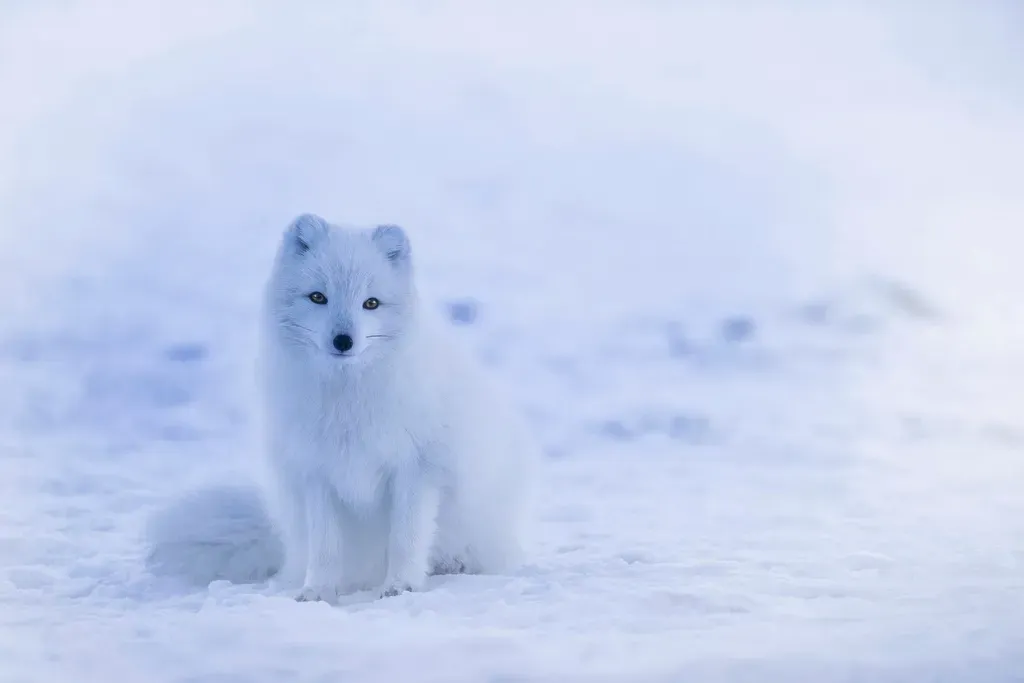
The change to winter pelage begins in September and by November the luxurious white winter coat is complete. Twice as thick and dense as their summer fur, this seasonal coat provides outstanding insulation. Think about that thickness increase for a moment. We’re talking about fur that basically doubles in density.
The winter coat serves multiple purposes beyond just looking pretty against the snow. The arctic fox is an incredibly hardy animal that can survive frigid Arctic temperatures as low as –58°F in the treeless lands where it makes its home. It has furry soles, short ears, and a short muzzle – all-important adaptations to the chilly clime. Every detail matters when your environment regularly tries to freeze you solid.
Here’s something that surprised me when I learned it: The winter coat’s exceptional insulating properties allow the fox to conserve body heat so effectively that it doesn’t need to increase its metabolic rate to stay warm until temperatures fall below -31°F (-35°C). That’s an extraordinary energy-saving adaptation when food becomes scarce.
The white coloration itself provides near-perfect invisibility. A white coat against winter snow is the next best thing to invisibility, and that’s important for predators and prey. Arctic foxes are both. Bears, snowy owls and golden eagles will eat foxes given the chance, and the foxes’ white winter coat helps them to hunt and hide.
The transformation affects even the smallest details. Their paws grow extra fur that acts like built-in snowshoes, distributing weight across icy surfaces while preventing frostbite. Nature really thought of everything with this design.
Summer’s Earthy Disguise Emerges
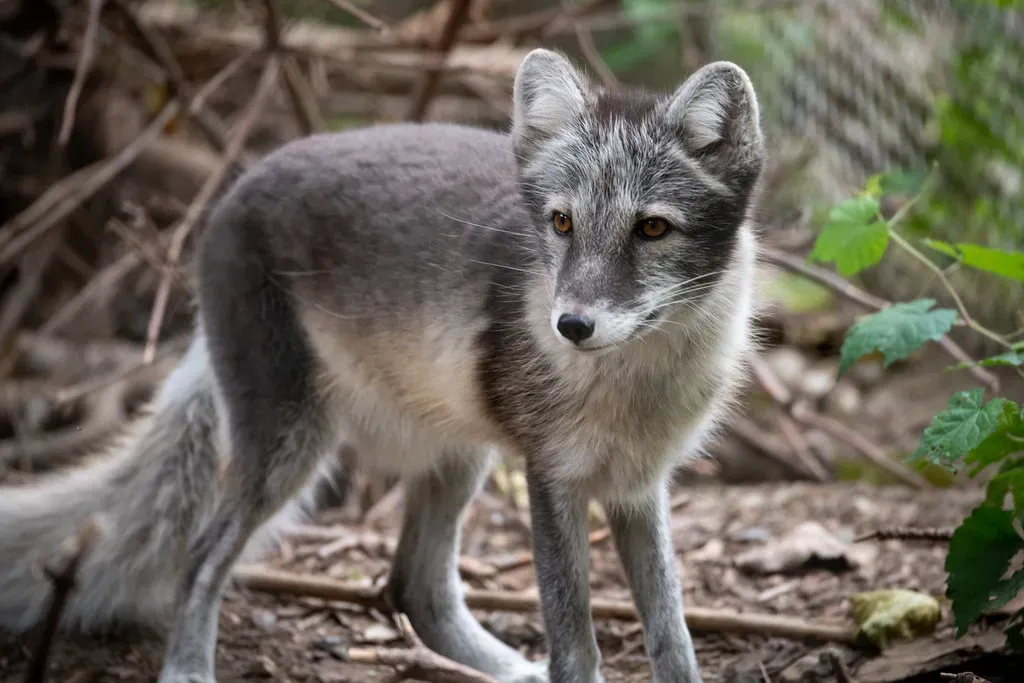
As spring arrives and daylight hours stretch longer, the arctic fox begins another metamorphosis. The white foxes begin to shed their long winter fur in early April. By late June the face, legs, and upper parts of the body are covered with short, brown summer fur. The fur of the lower sides and abdomen is yellowish-white. The shedding process is gradual, creating some genuinely awkward-looking phases.
When the seasons change, the fox’s coat turns as well, adopting a brown or gray appearance that provides cover among the summer tundra’s rocks and plants. These colorings help foxes to effectively hunt rodents, birds, and even fish. The color shift perfectly matches the landscape as snow melts to reveal rocky terrain and vegetation.
The summer coat isn’t just about color. It’s significantly thinner and shorter than winter fur, which helps with temperature regulation when the Arctic experiences its brief warm season. Let’s be real, even Arctic summers require some cooling mechanisms when you’re covered in fur.
This brown and gray combination varies slightly between individuals and locations. Some foxes develop reddish tones, while others lean more gray. The variation likely reflects the specific terrain each population calls home.
What strikes me most is how the transformation affects the fox’s entire hunting strategy. During winter, they’re tracking lemmings beneath the snow using sound. In summer, they’re pursuing birds and scavenging along coastlines with completely different techniques suited to their new environment.
The Mysterious Blue Morph Exception
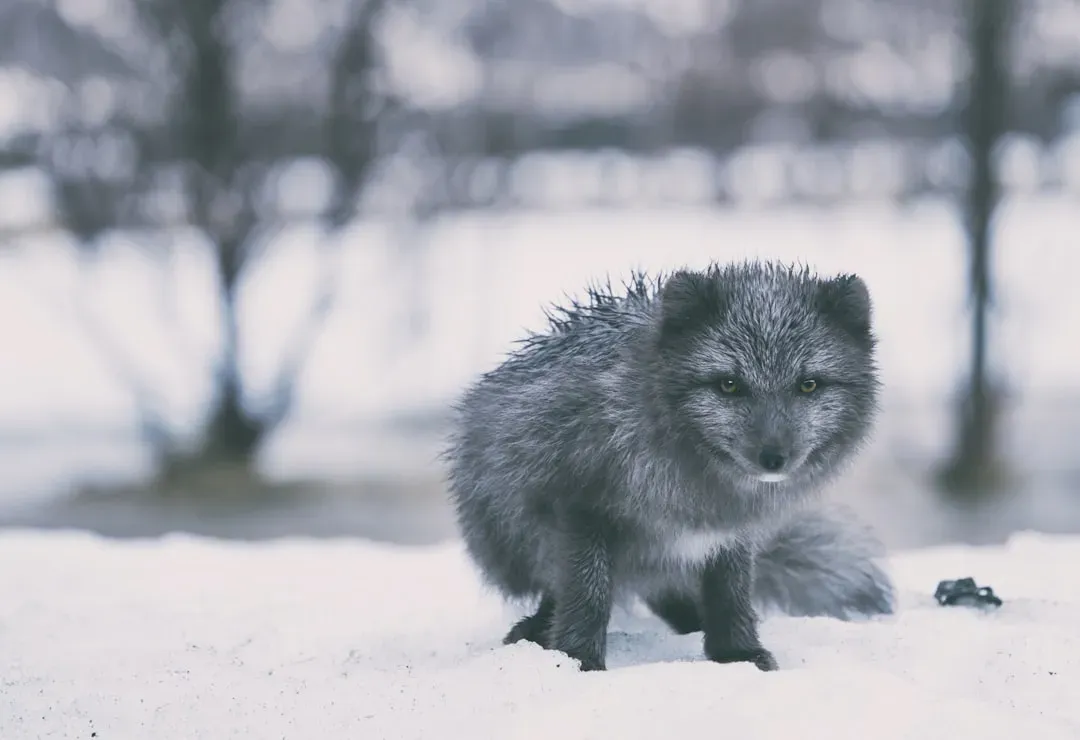
Not all arctic foxes follow the white winter, brown summer pattern. There are two genetically distinct coat color morphs: white and blue. The white morph has seasonal camouflage, white in winter and brown along the back with light grey around the abdomen in summer. The blue morph is often a dark blue, brown, or grey color year-round. This variation is genuinely intriguing from an evolutionary standpoint.
In Alaska, the blue phase more common on the Aleutian and (especially) on the Pribilof Islands, and is rare in the north. This is due to blue foxes, or coastal ecotypes, relying more on marine food sources and less on rodents. Along the islands, their darker fur provides better camouflage against ice-free coastlines in winter.
The distribution pattern reveals something fascinating about adaptation. Where snow cover is less consistent or where rocky coastlines dominate the landscape year-round, maintaining a dark coat makes more survival sense. Why waste energy changing colors if your environment stays relatively similar?
Interestingly, some Arctic fox populations in areas with little seasonal snow cover, like those in Iceland, don’t undergo this dramatic color change, demonstrating the adaptive nature of this trait. Evolution customizes solutions based on local conditions rather than applying one-size-fits-all strategies.
The blue morph foxes do lighten slightly in winter, becoming somewhat less charcoal-dark. It’s hard to say for sure, but this subtle shift might offer minor camouflage benefits during twilight hunting hours when contrast matters less.
The Awkward In-Between Stages
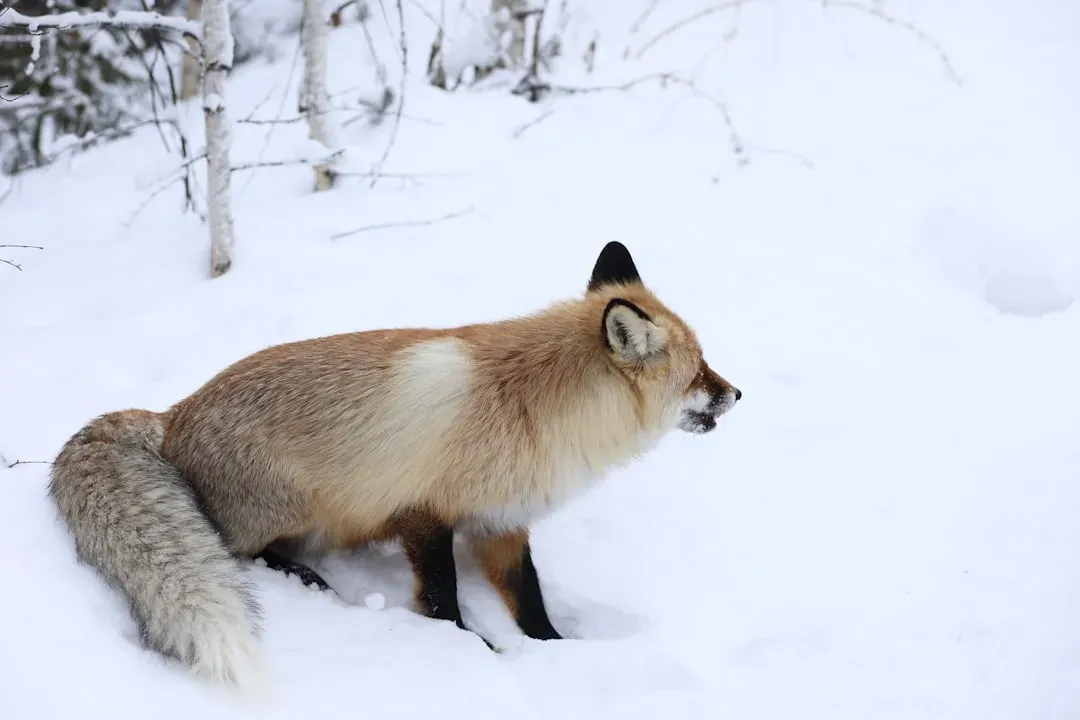
The molting process creates some genuinely vulnerable moments for arctic foxes. These “in-between” phases typically occur during the spring (April-May) and fall (September-October), when the fox may appear mottled or patchy with an uneven mix of white and brown fur. This mismatched appearance can potentially increase predation risk if the timing doesn’t align perfectly with environmental changes. Nature’s timing needs to be precise.
Imagine being highly visible against both snow and bare ground simultaneously. That’s the reality for molting foxes who find themselves caught between seasons. During these transition phases, foxes often adapt their behavior to compensate for their imperfect camouflage, sometimes becoming more nocturnal or selecting habitat patches that better match their current coat color.
The energy demands during molting are substantial. The molting process itself requires significant energy, with the fox’s metabolism increasing to support the growth of new fur while shedding old coat components. They’re essentially running a manufacturing operation inside their bodies while still needing to hunt and avoid predators.
Climate change is making these vulnerable periods more problematic. Climate scientists have observed that in recent years, with warming temperatures causing earlier spring thaws and later winter onsets in parts of the Arctic, some fox populations are experiencing longer periods of camouflage mismatch – appearing white while the ground remains brown, or brown while snow still covers the ground.
The mismatch issue represents a serious challenge. When your survival depends on being invisible and the environment changes faster than your molting schedule can adapt, problems emerge quickly.
Climate Change and the Future of Seasonal Camouflage
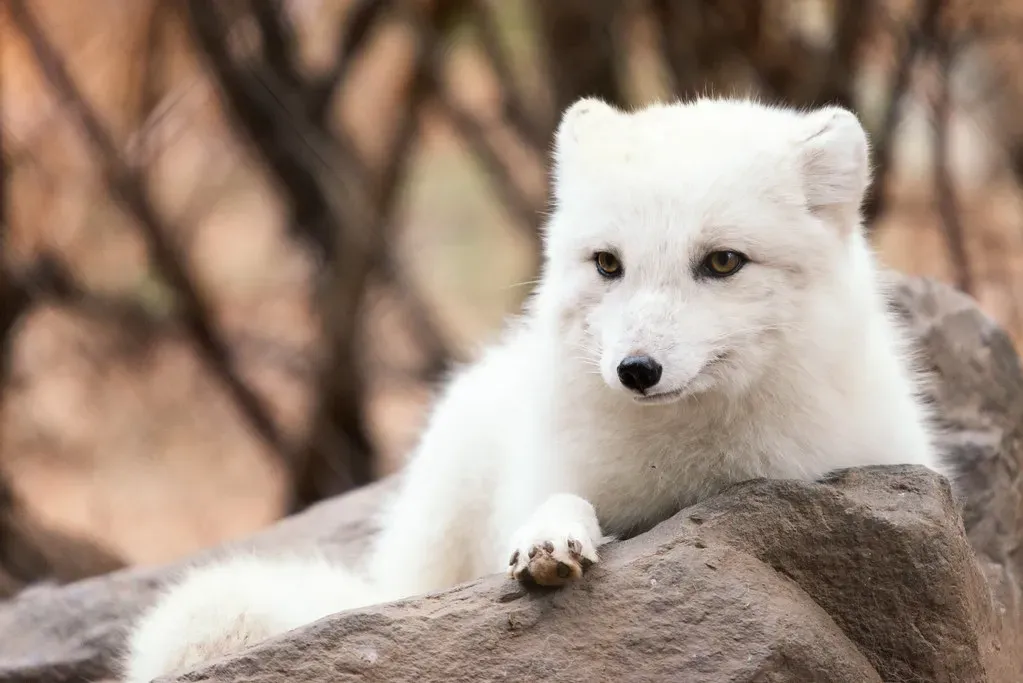
Climate change is having an impact on the habitat of the arctic, notably the melting of snow which has resulted in arctic foxes becoming endangered in some regions of Fennoscandia. This can result in a mismatch between the color of their winter coat and their surroundings. This makes their camouflage less effective and can result in them becoming more susceptible to predators. It also has an impact on their ability to catch food as they use camouflage to sneak up on their prey.
The Arctic is warming at an alarming rate, creating unprecedented challenges for color-changing species. Snow cover duration is decreasing, arrival dates are shifting, and the predictability that these animals evolved to exploit is disappearing. It’s difficult to overstate how significant this disruption could become.
Scientists expect that arctic foxes will adapt the color of their winter coat over time (by natural selection) or may even lose their winter coat altogether. Evolution might eventually solve this problem, but the question remains whether it can happen fast enough to prevent population crashes.
Research using camera traps has documented the extent of camouflage mismatch in various populations. Some foxes now spend weeks visibly standing out against their backgrounds, a situation their ancestors rarely faced. The increased predation risk and decreased hunting success during these periods adds cumulative stress.
There’s also the complicating factor of red foxes pushing northward into traditional arctic fox territory as temperatures rise. Competition for resources is intensifying precisely when arctic foxes are already stressed by environmental changes. The timing couldn’t be worse for these specialized survivors.
Conclusion: A Masterpiece of Adaptation Under Threat
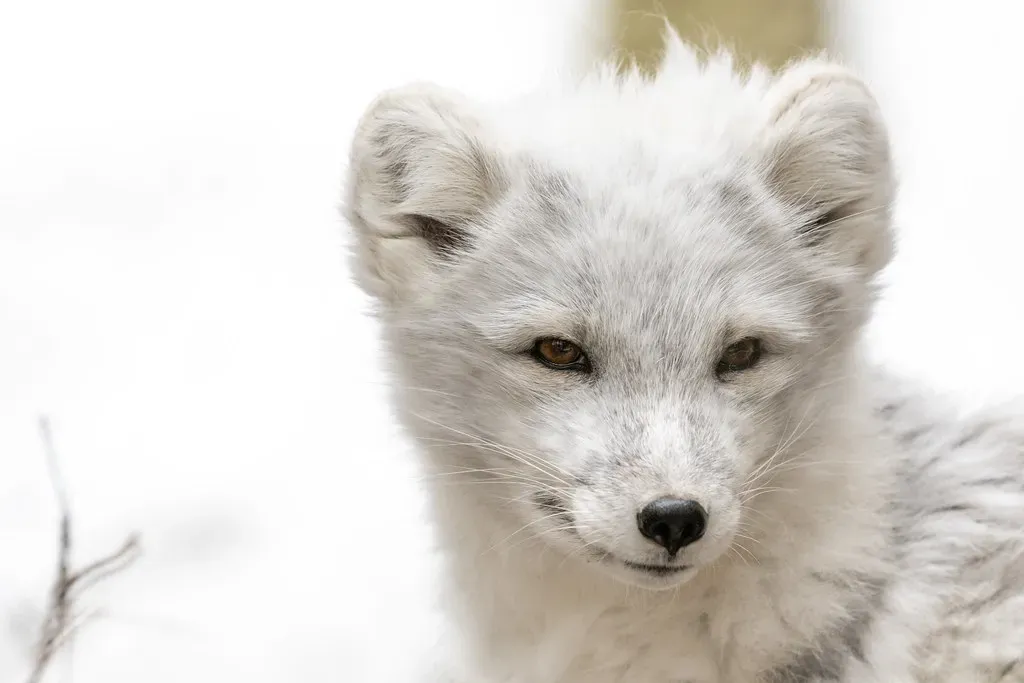
The arctic fox’s seasonal color transformation represents one of evolution’s most elegant solutions to environmental challenges. This small predator has perfected the art of disappearing into its landscape, whether that landscape is blinding white or rocky brown. The biological mechanisms controlling this change demonstrate nature’s sophistication, relying on light-triggered hormonal cascades to orchestrate the precise timing of fur color shifts.
Yet this masterpiece of adaptation now faces an uncertain future. The very predictability that made such specialization advantageous is eroding under climate change. Arctic foxes are caught in a mismatch between their evolutionary programming and rapidly shifting environmental conditions. Whether they’ll adapt quickly enough through behavioral changes, phenotypic plasticity, or evolutionary shifts remains an open question.
These remarkable animals remind us that even the most brilliantly evolved survival strategies can become vulnerabilities when the rules of the game change too quickly. The arctic fox’s coat transformation, perfected over millennia, may need to be reinvented within mere decades. What do you think about animals that change with the seasons now facing seasons that change faster than they can? Tell us in the comments.

- Is Earth Already In Its 6th Extinction? - July 18, 2026
- 11 Animals With Unique Survival Strategies in the Harshest Environments - July 18, 2026
- 12 US States Where Wild Horses Are Roaming Free Again and Why It Matters - July 18, 2026