
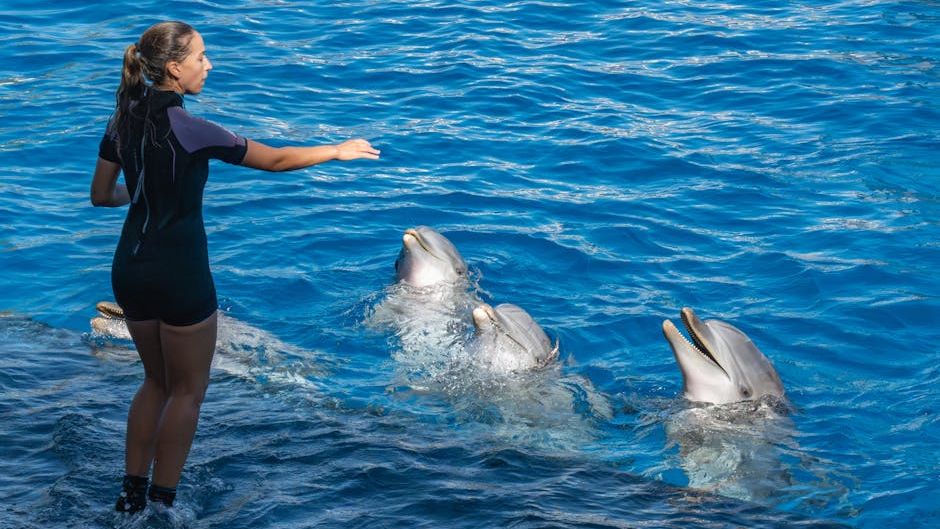
Most of us grow up with a fairly simple picture of ocean life. Fish swim in schools, sea turtles drift with currents, and the larger mammals out there are magnificent but essentially mysterious. Then someone tells you that a dolphin can recognize its own reflection, that an orca can modify a piece of kelp into a grooming tool, or that a whale has been known to carry her dead calf for over a thousand miles – and the picture changes entirely.
Whales and dolphins, members of the cetacean family, are among the most intelligent animals on Earth, and their cognitive abilities and emotional depth continue to captivate both researchers and animal lovers. Science has been peeling back layers of this mystery for decades, and what keeps emerging is genuinely humbling. These animals don’t just live complex lives. In many ways, they seem to experience them.
Brains Built for More Than Survival
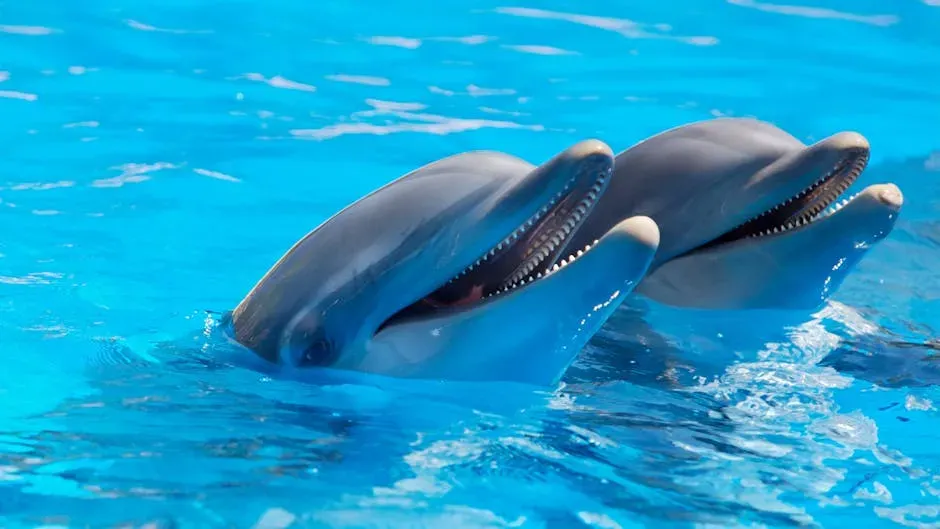
The sheer scale of cetacean brains alone stops scientists in their tracks. Sperm whales have the largest brains on Earth, yet they have been little studied due to their distant habitats in the deep ocean. The average bottlenose dolphin brain weighs around 1,700 grams, while the average adult human brain weighs around 1,300 grams.
Species like dolphins exhibit brain-to-body ratios close to humans, indicating sophisticated cognitive functions, and their brains feature a highly developed neocortex linked to complex behaviors such as problem-solving and social interaction. That’s not just an anatomical curiosity. It has real consequences for how these animals navigate their world.
A study found that the long-finned pilot whale has more neocortical neurons than any other mammal, including humans, examined to date. Whale and dolphin brains also contain specialized brain cells called spindle neurons, associated with advanced abilities such as recognising, remembering, reasoning, communicating, perceiving, adapting to change, problem-solving and understanding.
By studying brains extracted from whale carcasses, researchers have discovered von Economo neurons, a type of nerve cell associated with the processing of complex emotions – neurons previously documented only in humans, certain great apes, and elephants. To date, they have now been observed in humpback whales, fin whales, sperm whales, killer whales, bottlenose dolphins, Risso’s dolphins, and belugas.
The Language They Speak Underwater
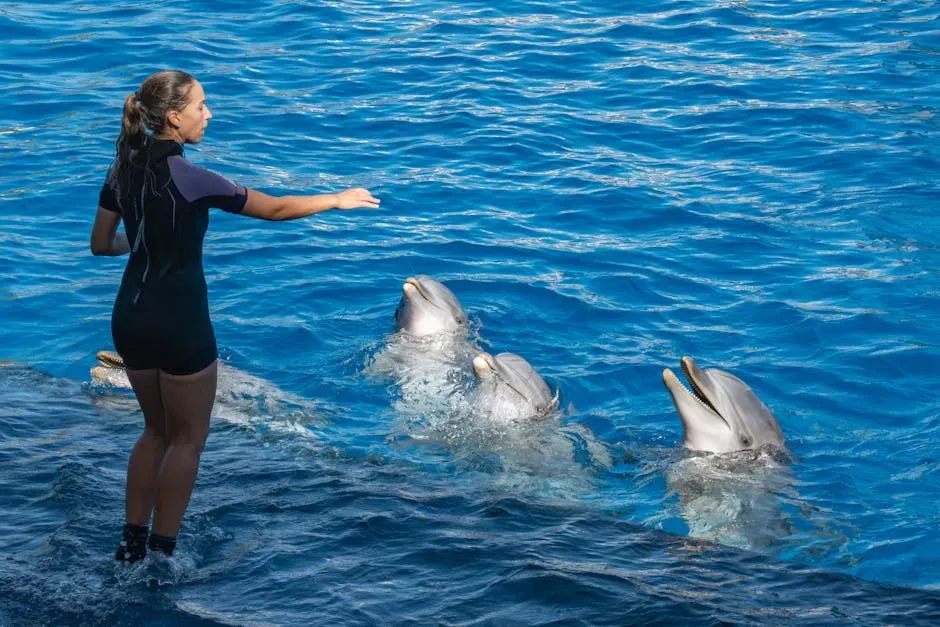
Communication among marine mammals is far more structured than a series of random clicks and squeals. Experts have figured out that some dolphin species use distinct names for one another – identifiable individual whistles known as signature whistles, which dolphins use to identify and call each other. Infant dolphins learn their names from their mothers and keep them for life.
Dolphins greet one another at sea by exchanging their names and seem to remember the names of other dolphins for decades. No other creature, besides humans, is believed to use given names for each other. That’s a remarkable parallel, and one that’s hard to dismiss as coincidence.
Humpback whales are especially known for their long and intricate songs, which can change over time, hinting at a cultural aspect to their communication. These whale songs are shared across ocean basins, with males singing the same tune despite being thousands of miles apart.
New findings show that dolphins also possess an extra sound processing system in the brain, which starts at the inner ear and goes to the temporal lobe, where humans process language. Whether this constitutes anything like language in the human sense remains an open and genuinely exciting question in science.
Culture, Tools, and Learned Traditions
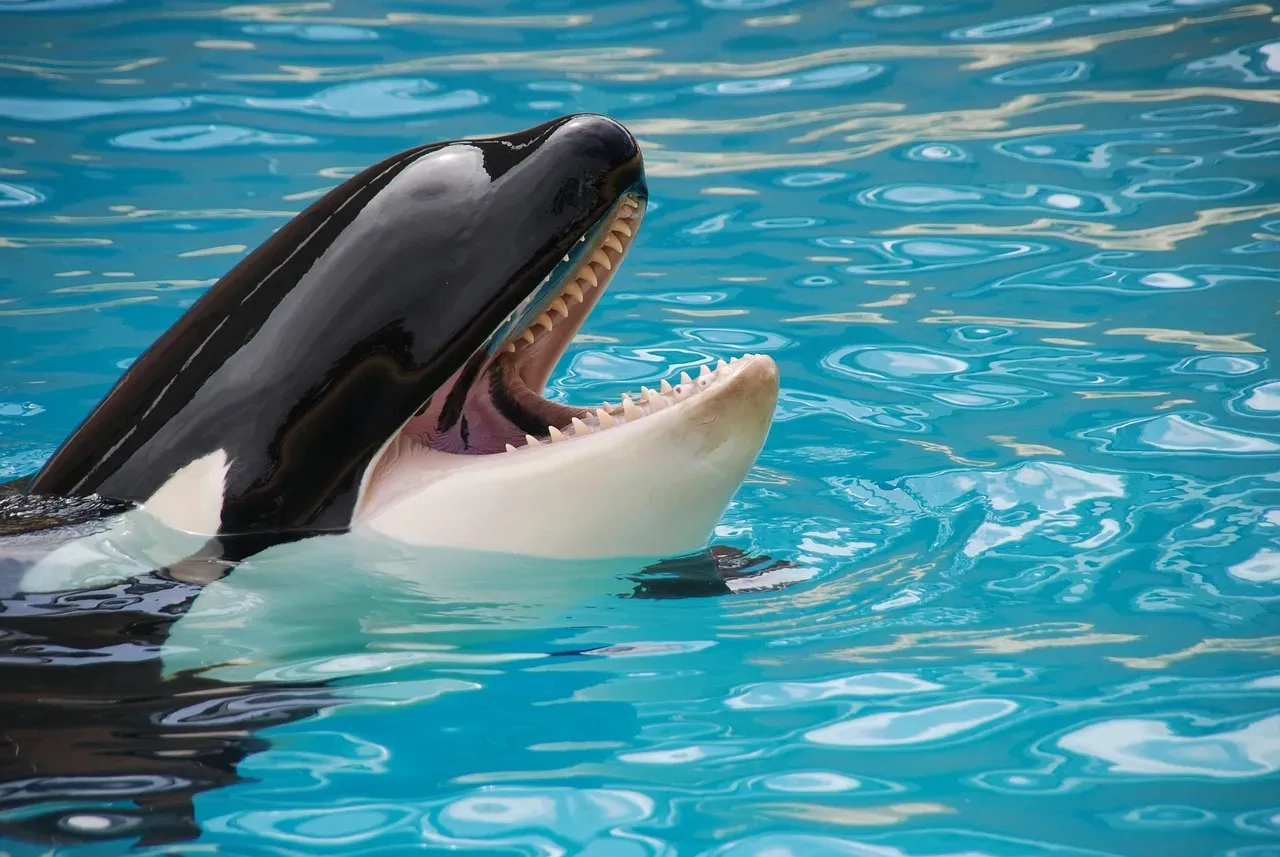
The concept of animal culture, meaning behaviors passed down through generations rather than encoded in genes, was once considered uniquely human. Cetacean research has thoroughly complicated that assumption. Field studies have documented impressive cultural learning of dialects, foraging sites, and foraging and feeding strategies in cetaceans, and culture, the transmission of learned behavior, is one of the attributes of cetaceans that most sets them apart from the majority of other nonhuman species.
Orcas are intelligent mammals who possess longstanding, often unique, cultural traditions, including diet preferences, dialects and other behaviors that are passed down through learning from one generation to the next. Hunting different types of prey requires different skill sets, speaking to the killer whales’ complex problem-solving abilities, with hunting marine mammals often involving group strategies and coordination.
In 2025, a striking discovery raised the stakes even further. New research documented southern resident killer whales grooming each other using kelp they had modified, with researchers observing about 30 instances in which whales rolled stalks of kelp against one another, peeling away dead skin, and also using their teeth to shorten kelp and fashion it into a proper shape for the grooming behavior.
Strand feeding methods are one of the more remarkable examples of complex problem solving, decision making, and adaptability seen in marine mammals, involving intentionally stranding themselves after driving fish or other prey onto shorelines or shallow sandbars to trap and capture them. This method requires precision, cooperation, and learned skill, and it is often passed down through generations as a culturally transmitted behavior.
Self-Awareness and the Mirror Test
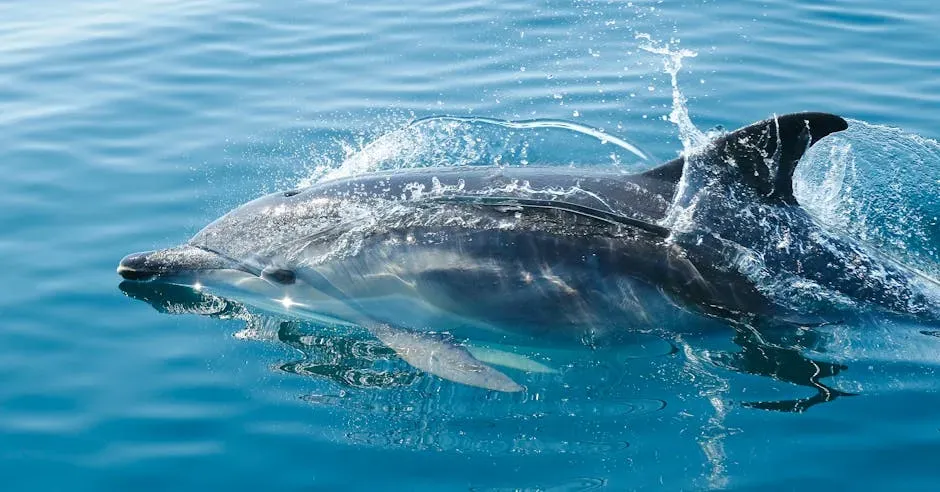
One of the cleanest measures researchers use to gauge self-awareness in animals is the mirror test. The logic is straightforward. Does the animal understand that what it’s seeing in the mirror is itself? Very few species pass. Besides humans, only bottlenose dolphins, chimpanzees, elephants, and magpies have been shown to recognize themselves in a mirror.
Dolphins have convincingly demonstrated that they use a mirror to investigate their own bodies, showing that they have a sense of self. These findings are consistent with further evidence for self-awareness and self-monitoring in dolphins and related cognitive abilities that likely underwrite the complex social patterns observed in many cetacean species.
No nonhuman animal has shown the levels of diversity, flexibility, and cognitive control of imitative skill demonstrated in bottlenose dolphins. Their capacity for imitation extends to novel behaviors, actions they’ve never performed before, and even to imitating behaviors demonstrated on a television monitor.
Bottlenose dolphins are one of only three species, along with humans and sea otters, among which individual-level specialization in tool use is documented. Genomic analyses indicate that the RELN gene, which encodes the reelin protein and modulates synaptic plasticity, has been under positive selection among both bottlenose dolphins and sea otters. The authors suggest that the maternally and socially transmitted variation in foraging behavior and tool use may be linked to genetic adaptations for increased memory and learning abilities.
Grief, Empathy, and Emotional Depth
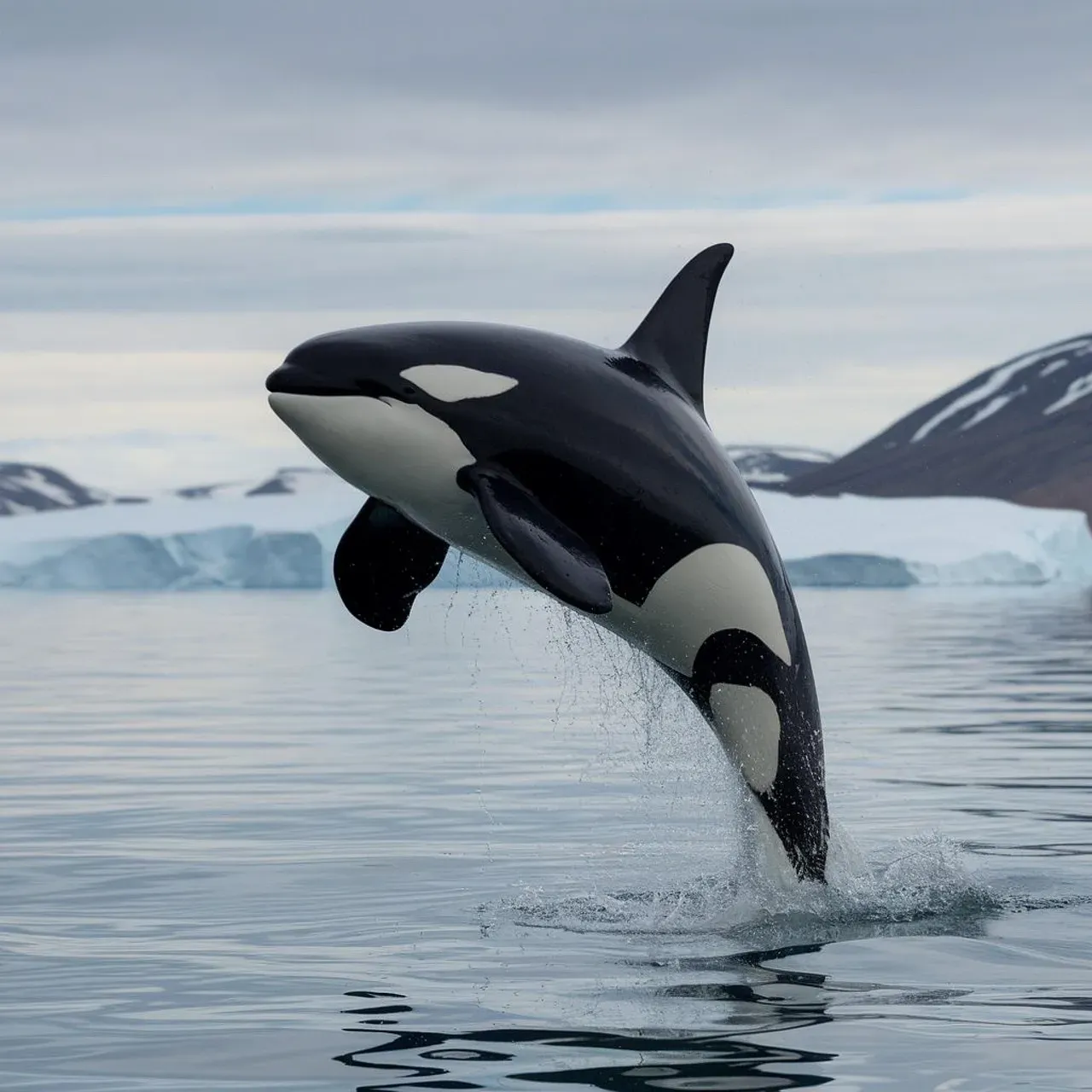
Perhaps the most moving dimension of cetacean intelligence is the emotional one. Research is now proving that by living in these complex societies, whales and dolphins are capable of feeling deep, emotional loss when a member of their pod dies. A growing body of evidence shows that at least 20 species of cetaceans exhibit grief-like behaviors, often referred to as postmortem attentive behavior, meaning they stay with their dead, physically interacting with the body long after life has left it.
One particularly notable example made headlines when a female orca named Tahlequah carried her dead calf across 1,000 miles over at least 17 days while in mourning. Her relatives were occasionally spotted assisting her in bearing the calf and are suspected to have helped nourish Tahlequah during her period of grieving.
Documented instances of cetaceans mourning deceased companions indicate a profound emotional connection and an understanding of loss, while reports of dolphins aiding injured individuals and even other species, including humans, illustrate their capacity for empathy and altruism.
Humpback whales are even known to help individuals of other species escape from attacking killer whales. In general, large-brained creatures tend to share certain traits, like long lifespans, rich social lives, complex behaviors, and extraordinary care for their young. The intelligence of whales and dolphins runs deeper than their cognitive abilities, extending into emotional intelligence that shapes how they connect, communicate, and respond to the world around them.
Conclusion
The intelligence of marine mammals doesn’t fit neatly into the frameworks humans have built to measure their own minds. It is striking that convergence in primates and cetaceans is observed in so many domains, from social complexity to cultural transmission, to manipulation of the environment, to artificial language comprehension, and now in the ability to possess a sense of self.
Reviewing current scientific knowledge about cetacean brains and cognition reveals areas where they are different from us and areas where they are very similar, and as a result of our shared deep evolutionary history as mammals and our shared neuroanatomy, cetaceans and humans are not entirely unfamiliar to each other.
What that ultimately means is still being worked out. The science keeps moving, the behaviors keep surprising researchers, and the questions keep getting better. These animals have been navigating social worlds of immense complexity for tens of millions of years. The least surprising thing, really, is that they turned out to be far more than we assumed.

- 16 Horse Breeds That Vets Say Are Nearly Impossible to Recommend to Beginners Anymore - June 13, 2026
- 6 Signs Your Home Has a Spider Infestation - June 13, 2026
- 8 Things You Should Never Do When Hiking In Angel’s Landing - June 13, 2026