

The awe-inspiring and somewhat intimidating great white shark has long captured our imaginations and attention. The sheer size and power of these apex predators have been the subject of numerous documentaries and scientific studies. In recent years, reports from California have shed light on sightings of some exceptionally large great whites, piquing the curiosity of both experts and the general public. Among these, one particular shark sighting stands out for its extraordinary size.
Introduction to the Apex Predator
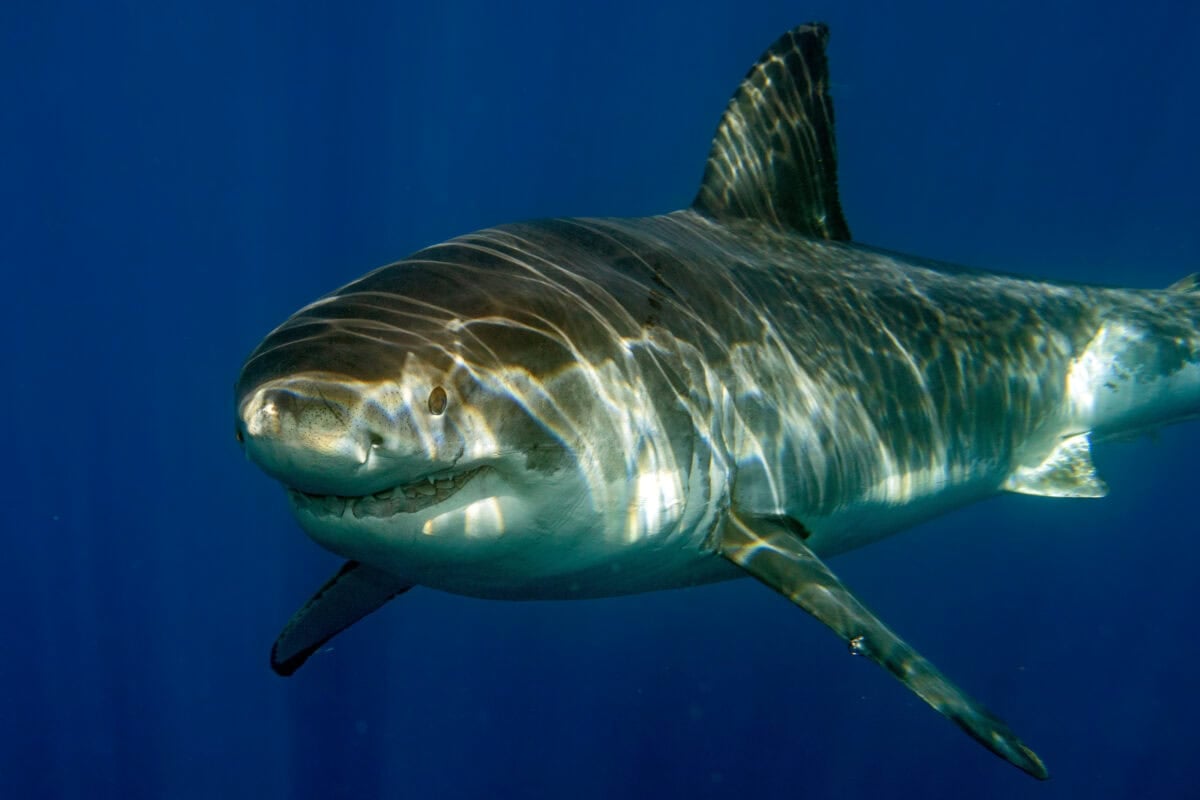
Great white sharks, also known scientifically as *Carcharodon carcharias*, have reigned as oceanic apex predators for millions of years. Their ability to dominate the food chain comes from a combination of physical adaptations and instinctual prowess. Found in coastal waters across the globe, these sharks are particularly known for their presence along California’s coastline, often captured in breathtaking footage alongside daring divers.
The Remarkable Sighting Near California

In recent years, the biggest great white shark ever recorded near California left researchers and onlookers astonished. Photographs and video footage captured the enormous creature as it gracefully lurked near the water’s surface, displaying its toll on the marine ecosystem as a top predator. The shark’s size has aroused both fear and fascination worldwide, offering rare insights into the grandeur of marine life.
Historical Perspective on Great White Sharks

The history of great white shark sightings in California can be traced back as far as early explorers’ logs and indigenous people’s tales. As one of the few shark species able to tolerate the cooler temperatures of the Pacific Ocean, they have established themselves as central figures in the region’s aquatic lore. While some stories have exaggerated their size and danger, scientific assessments help distill these accounts into factual data that enhances our understanding of the species.
Size Matters: How Big Was the Shark?
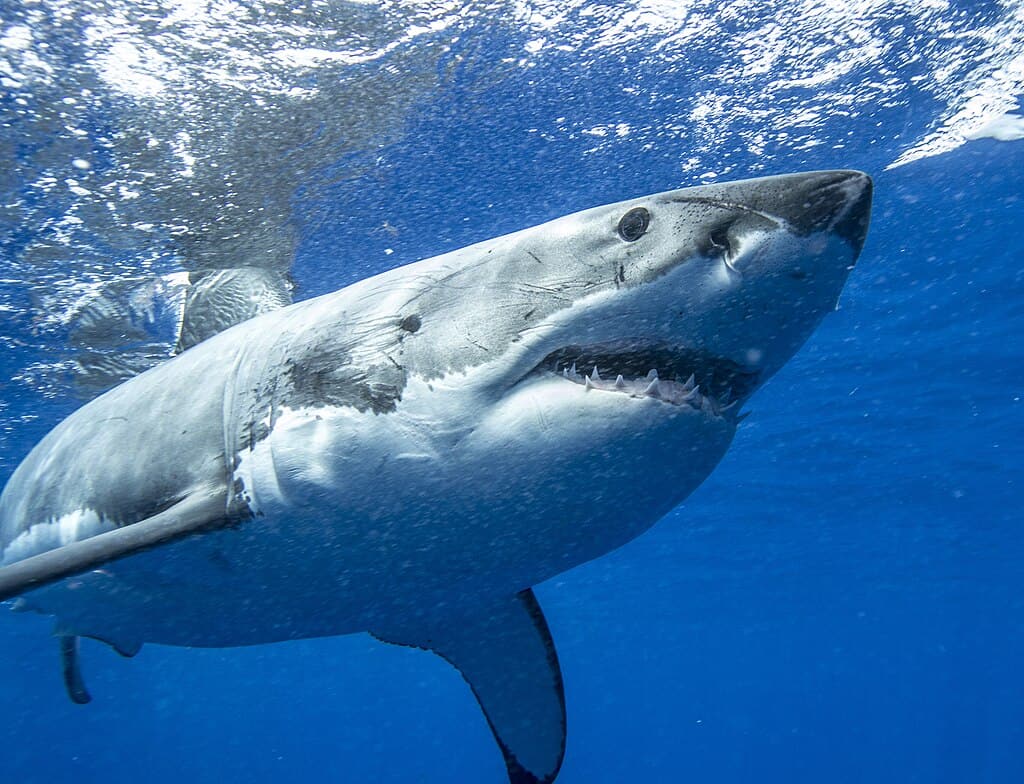
The great white shark sighted was estimated to be over 20 feet in length and weigh more than 5,000 pounds. To put this into perspective, most great white sharks average between 11 and 16 feet in length. The estimated size of this particular shark places it among the largest great whites ever observed globally, rivaling even Deep Blue, the famous and massive great white often sighted off the coast of Mexico.
Characteristics and Physical Adaptations

Great white sharks possess features finely tuned for hunting and survival. Their torpedo-shaped bodies and powerful tails allow them to reach speeds of up to 35 miles per hour in short bursts, ideal for ambushing prey. Their long, serrated teeth are designed for ripping flesh, complemented by their excellent sense of smell and acute hearing, making them perfect predators in their marine habitats.
Habitat: Why the California Coastline?

California’s coastline, with its diverse marine ecosystems, provides an abundant supply of prey for great whites, including seals and sea lions. The cooler waters, influenced by undersea currents, are ideal for nurturing this shark species. Additionally, the migratory patterns of marine mammals create seasonal feeding opportunities, attracting great whites to this dynamic environment.
The Role of Great White Sharks in the Ecosystem

As apex predators, great white sharks play a crucial role in maintaining the balance of marine ecosystems. They help regulate the populations of prey species, ensuring that no single species dominates and disrupts the environmental equilibrium. This balance, in turn, supports ocean health, influencing everything from seagrass beds to coral reefs.
Understanding Behavior and Social Structure

Research into great white shark behavior reveals complex social interactions and learning patterns. These sharks are known to display curiosity and may engage in behaviors like tail-slapping to communicate with one another. Social hierarchies within groups are observed, with larger, more dominant sharks feeding first at kills.
Conservation Efforts and Challenges

Despite their fearsome reputation, great whites are vulnerable to overfishing and habitat loss. Conservation efforts, including strict regulations and protective measures, aim to support their populations. Challenges remain, with threats such as accidental bycatch in fishing gear and climate change impacting their distribution and behavior.
The Fascination with Great White Sharks

The human fascination with great whites is partly driven by their portrayal in media and popular culture. Films, documentaries, and literature have perpetuated both myths and truths about these enigmatic creatures, captivating audiences by exploring their power and mystery. This intrigue fuels both admiration and fear, driving interest and conservation initiatives.
The Future of Great White Shark Populations
Ongoing research and monitoring aim to understand better the population dynamics and health of great white sharks. Satellite tagging and tracking projects provide data on migration routes and breeding grounds, informing conservation strategies that seek to protect these marine giants for future generations to admire and study.
Conclusion: The Majesty of the Ocean’s Rulers

The sighting of an exceptionally large great white shark near California serves as a reminder of the ocean’s mysteries and the importance of preserving its ecosystems. As stewards of the planet, our responsibility includes understanding and protecting apex predators that play a pivotal role in biodiversity. Through continued research and outreach, we can ensure that great whites, and the oceans they inhabit, thrive for generations to come.

- Why You Should Always Respect a Lone Bison - August 18, 2026
- The Secret World of Animals That Glow - August 18, 2026
- How Pacific White-Sided Dolphins Navigate Through Echolocation - August 18, 2026