
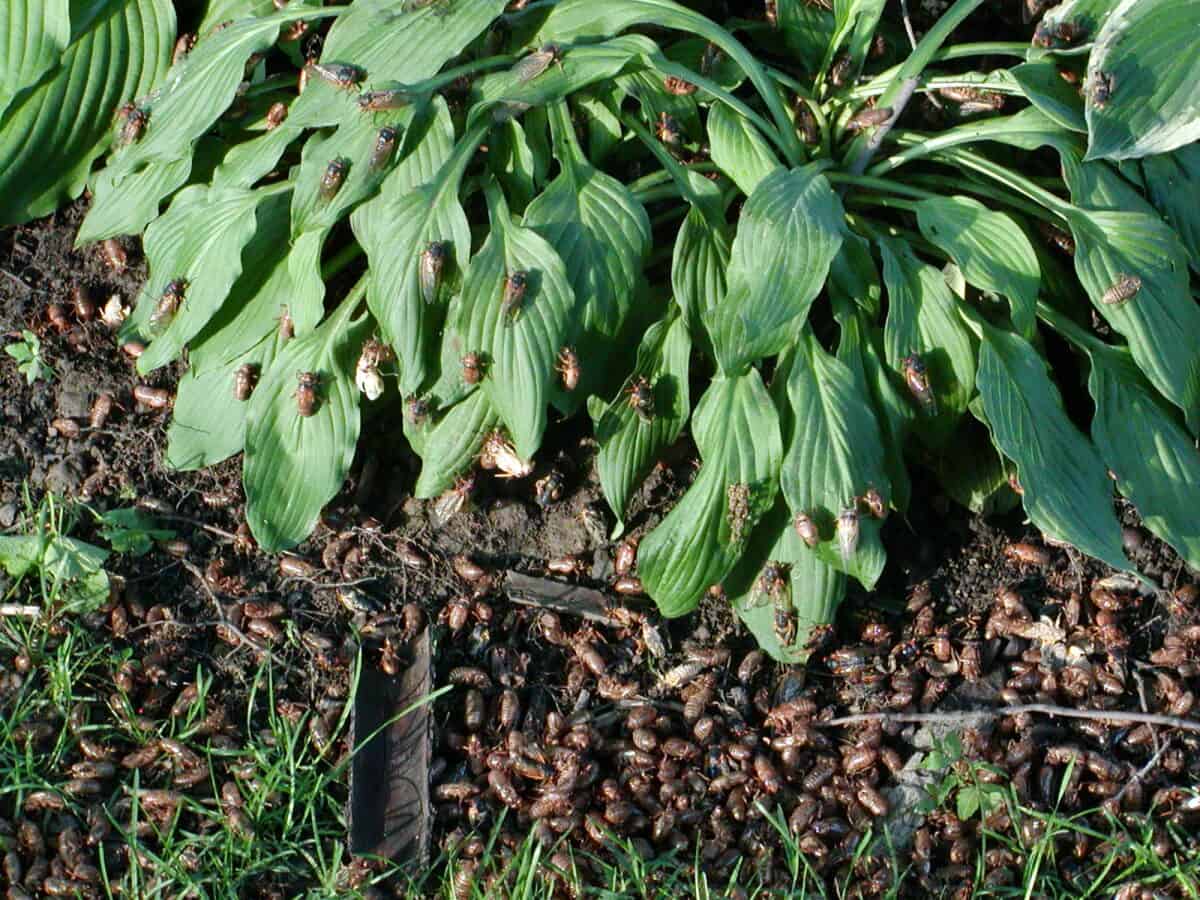
In the spring of 2021, a remarkable natural phenomenon unfolded across the eastern United States. After 17 years of underground development, trillions of Brood X periodical cicadas emerged from the soil in a synchronized biological event that captivated scientists and citizens alike. These red-eyed insects appeared in 15 states, creating a cacophony of sound, leaving countless exoskeletons clinging to trees, and fascinating onlookers with their brief but dramatic appearance above ground. The emergence of these 17-year cicadas represents one of nature’s most intriguing mysteries and provides a rare opportunity to witness an extraordinary life cycle that has evolved over millions of years.
The Remarkable Life Cycle of Periodical Cicadas
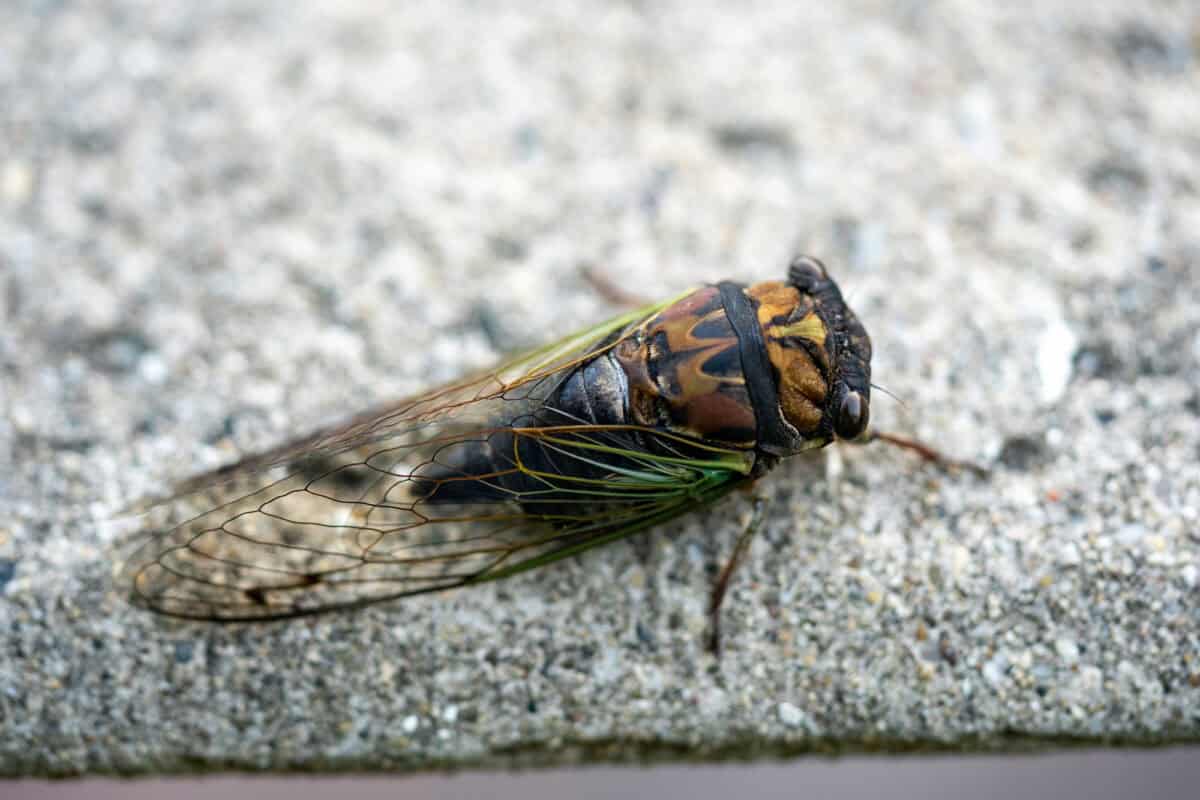
Periodical cicadas (Magicicada) possess one of the most unusual life cycles in the insect world. Unlike annual cicadas that emerge every year, periodical cicadas appear in massive synchronized broods every 13 or 17 years, depending on the species. The 17-year cicadas of Brood X begin their lives as rice-sized eggs laid in tree branches. After hatching, the nymphs drop to the ground and burrow into the soil, where they spend the next 17 years feeding on sap from tree roots. During this extended underground phase, they pass through five developmental stages, gradually growing larger until they’re ready to emerge. This extraordinarily long juvenile period is believed to be an evolutionary strategy to overwhelm potential predators through sheer numbers when they finally surface.
The Massive Scale of Brood X
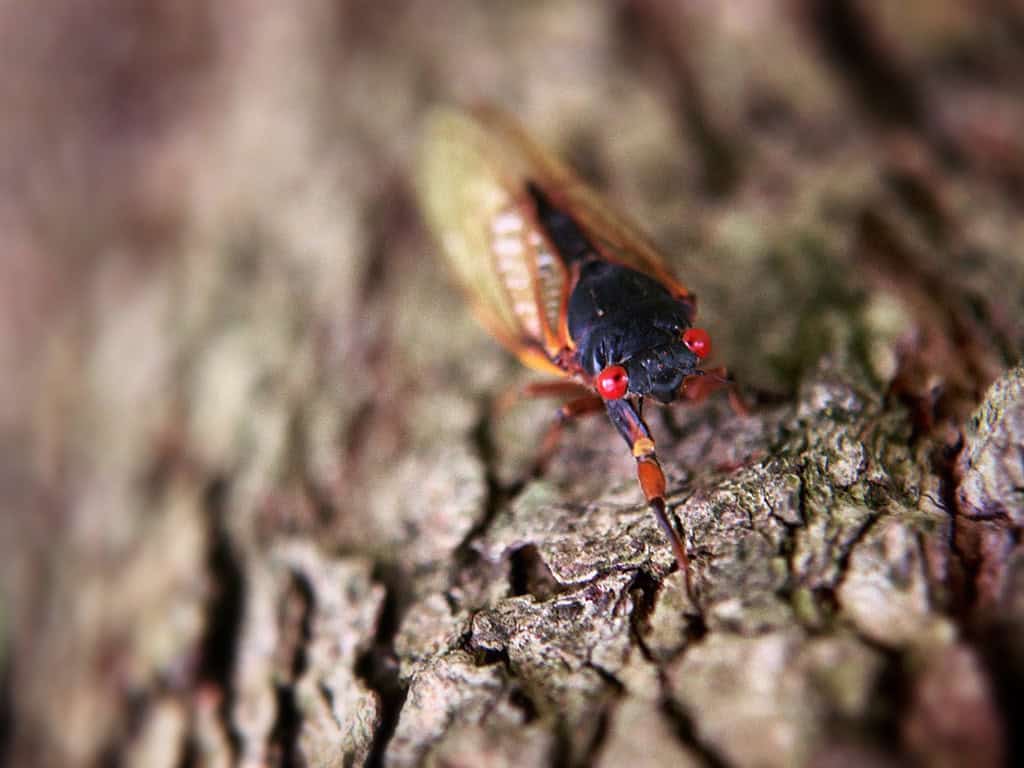
The 2021 emergence of Brood X was truly staggering in its scale. Entomologists estimated that trillions of cicadas appeared across parts of 15 states from Georgia to New York and as far west as Illinois. In peak areas, population densities reached as high as 1.5 million cicadas per acre. This massive emergence represents one of the largest aggregations of terrestrial animals on Earth. The sheer biomass of the emergence is difficult to comprehend – in some areas, the weight of emerging cicadas exceeded the combined weight of all mammals in the same region. This incredible abundance serves an ecological purpose: overwhelming predators through a strategy known as “predator satiation,” ensuring enough cicadas survive to reproduce despite being eaten in large numbers.
The Science Behind Their Perfect Timing

How do cicadas count to 17? This question has fascinated scientists for generations. Research suggests that periodical cicadas track the seasonal cycles of their host trees through changes in the composition of xylem fluid they consume. As trees go through their annual cycles of growth, the chemical compounds in the sap change subtly, providing the cicadas with a natural calendar. However, the exact mechanism that allows them to count precisely to 17 years remains incompletely understood. Temperature also plays a crucial role in triggering emergence. The nymphs begin their journey to the surface when soil temperatures reach approximately 64°F (18°C) at a depth of 8 inches. This typically occurs in late April or May, depending on the region. Climate change may be affecting this timing, with some evidence suggesting earlier emergences in recent broods.
The Synchronized Emergence Event
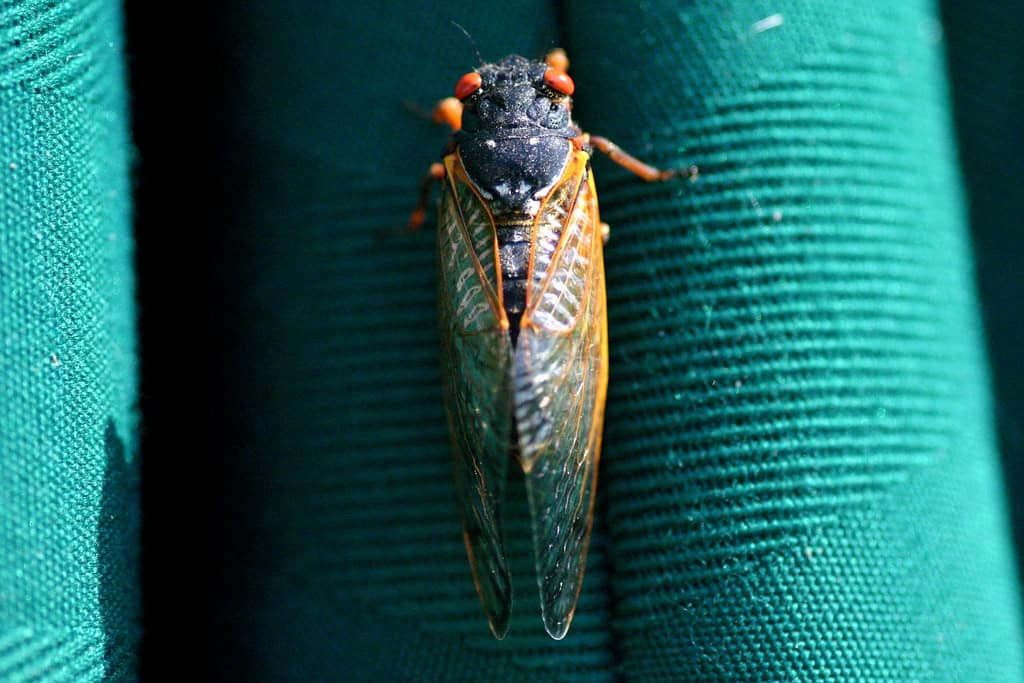
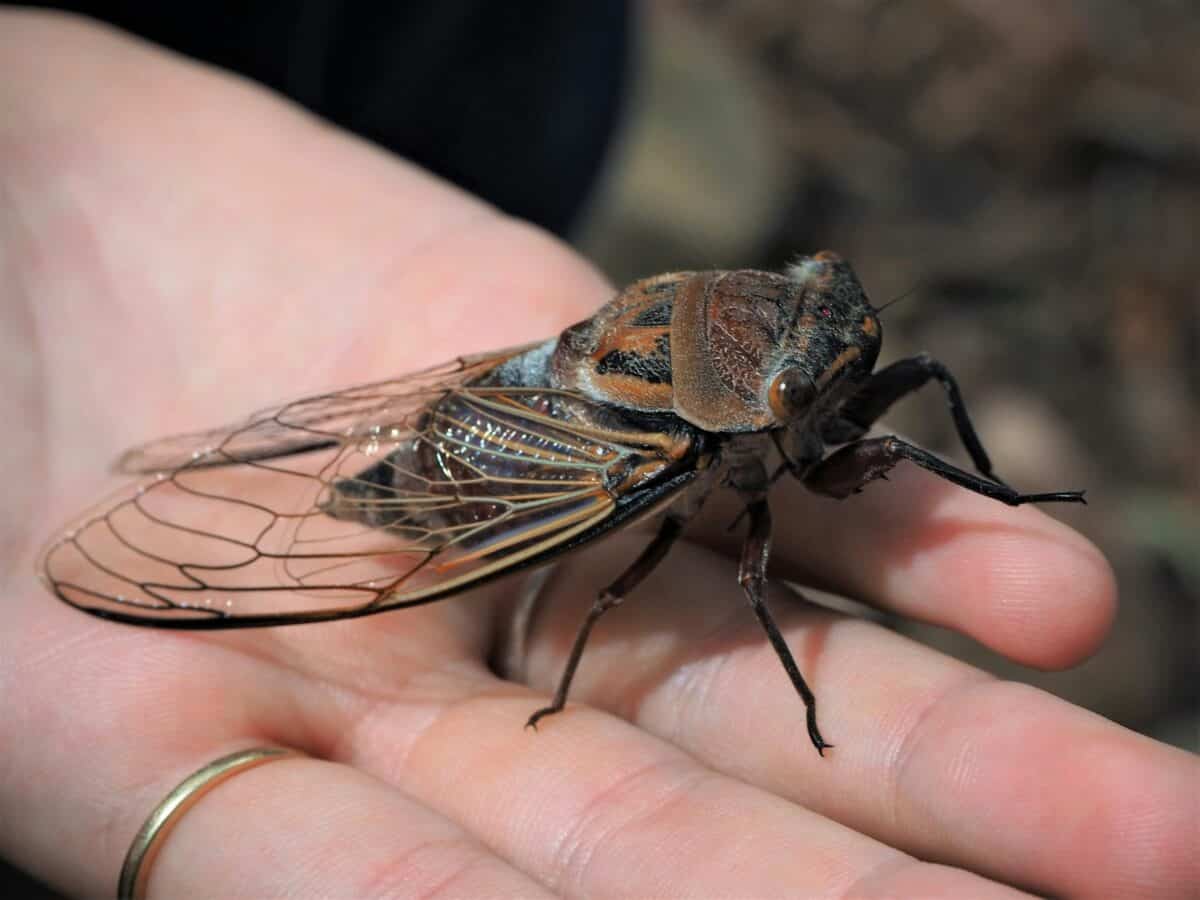
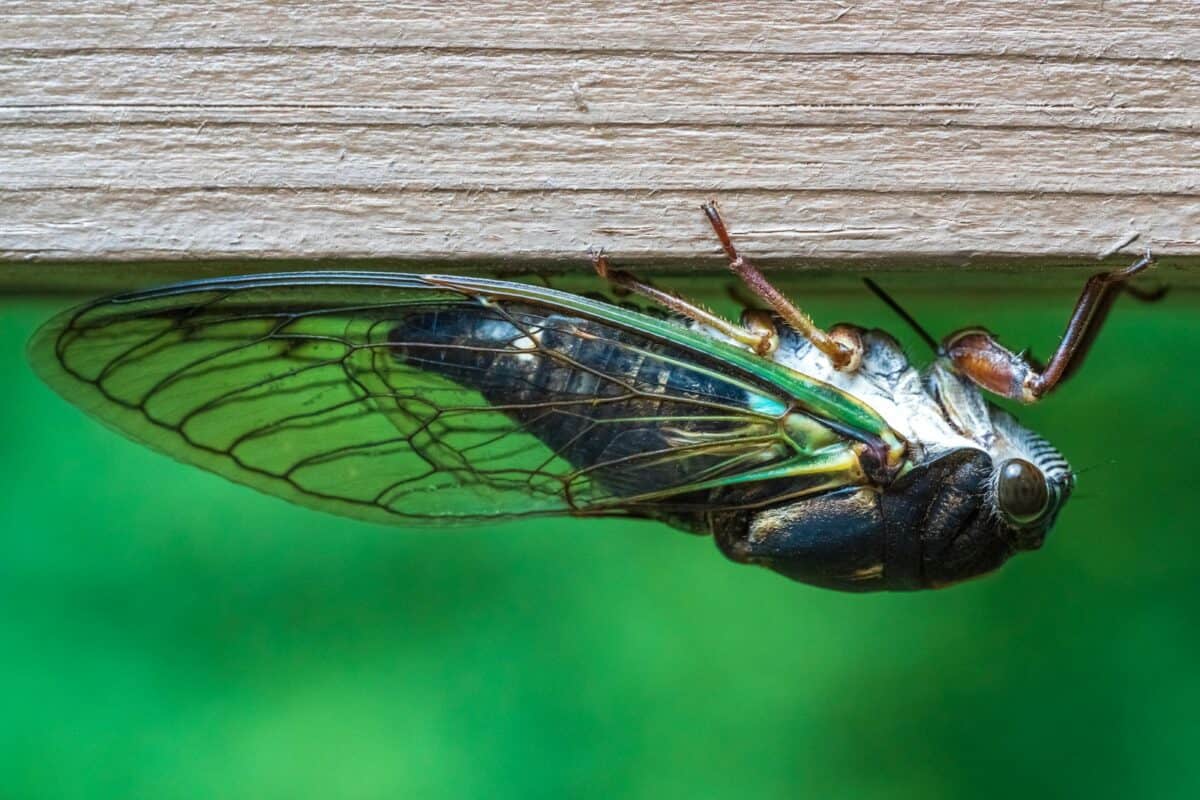
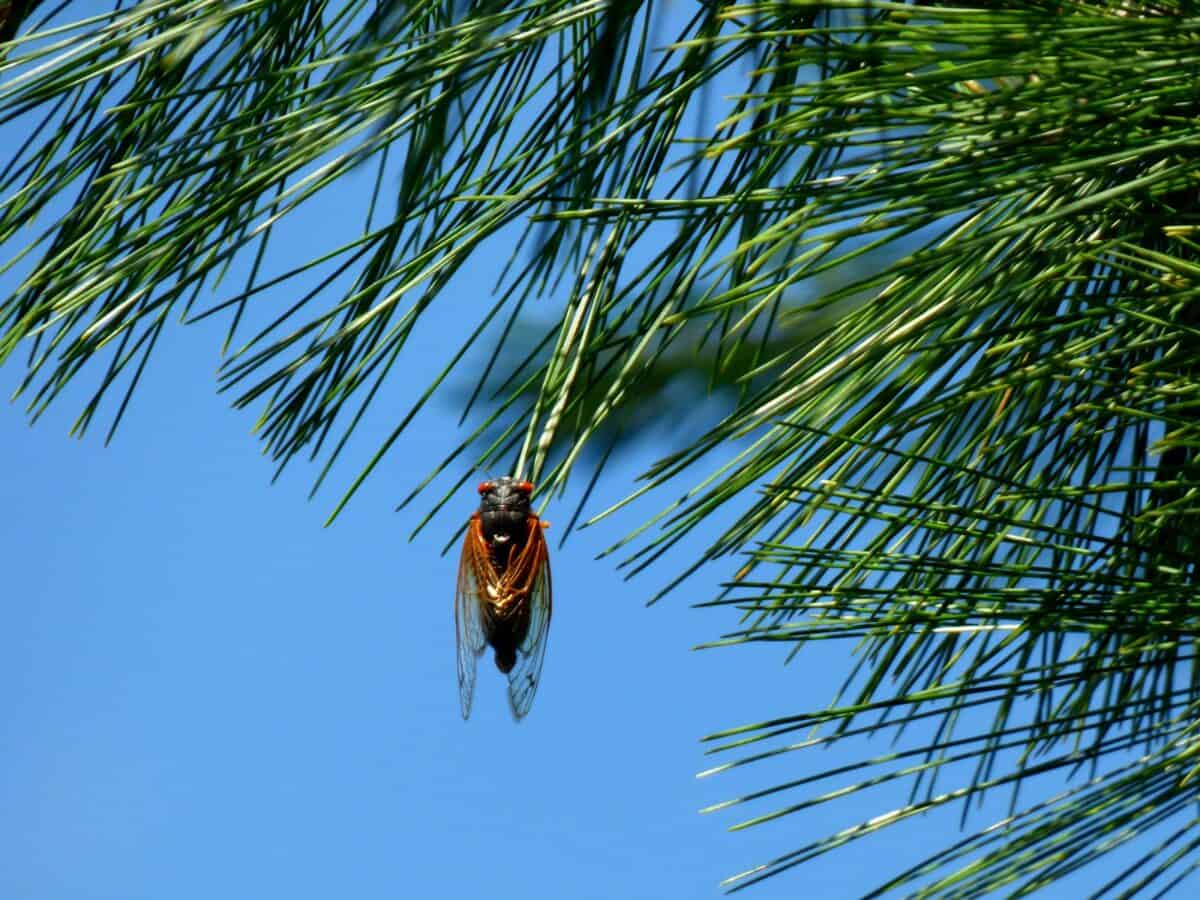
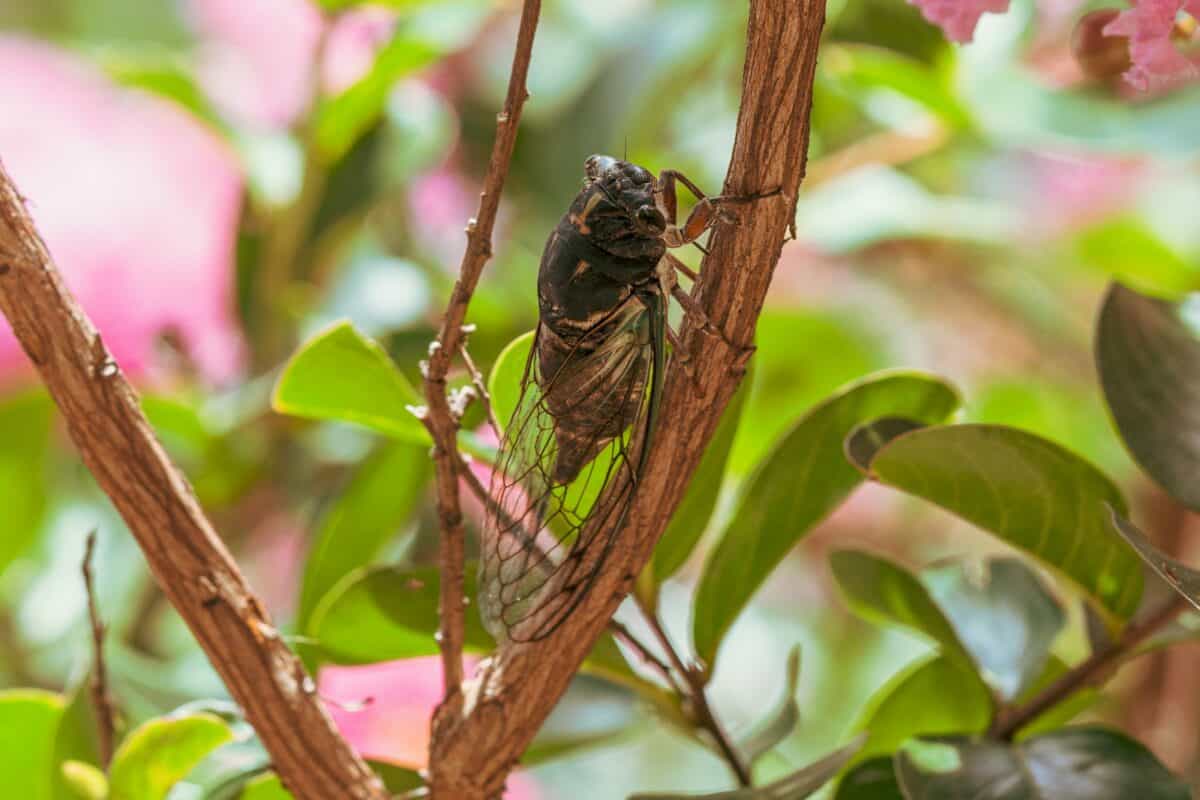
The emergence itself is a precisely choreographed event that begins when mature nymphs construct exit tunnels to the surface. They then wait for the optimal conditions – the right soil temperature and often after a warm rain – before emerging en masse, typically at dusk. This synchronization is crucial for their survival strategy. The nymphs climb vertical surfaces like trees, fence posts, or buildings, where they undergo their final molt. They split their exoskeletons along the back and emerge as pale, soft-bodied adults. Over several hours, their exoskeletons harden and darken to their characteristic black color with orange wings and striking red eyes. The discarded nymphal shells remain attached to surfaces, creating an eerie landscape of empty cicada husks that can blanket trees and structures.
The Deafening Chorus
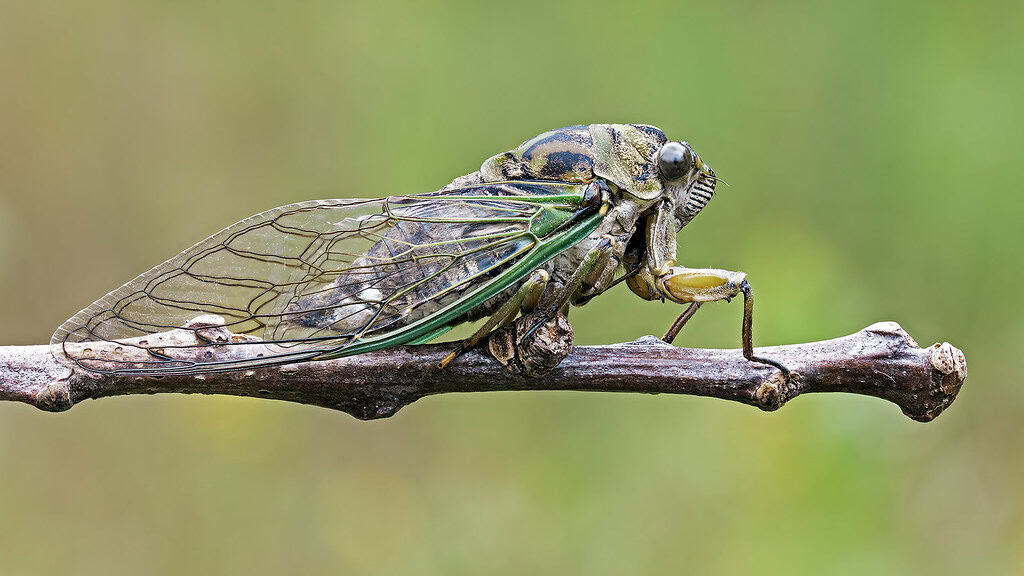
Perhaps the most memorable aspect of a cicada emergence is the incredible sound they produce. Male cicadas possess specialized structures called tymbals – ribbed membranes on their abdomens that they rapidly flex and relax to produce their distinctive calls. These calls can reach an astonishing 100 decibels – as loud as a motorcycle or lawn mower – when produced by thousands of males simultaneously. The collective chorus serves a vital reproductive purpose: attracting females. Each of the three main Brood X species (Magicicada septendecim, M. cassini, and M. septendecula) produces a different call, allowing females to identify males of their own species. In areas of peak emergence, the combined sound creates a constant background hum that residents described as surreal, with some comparing it to the sound of alien spaceships or constant car alarms.
Ecological Impact and Importance
Despite their intimidating appearance and overwhelming numbers, periodical cicadas play several beneficial ecological roles. Their emergence represents a massive pulse of nutrients into forest ecosystems. When cicadas die after their brief adult lives of 4-6 weeks, their bodies decompose, releasing nitrogen and other nutrients into the soil, essentially providing a natural fertilization event for forests. Their burrowing activities aerate the soil, improving its structure and water infiltration capacity. Additionally, the pruning effect that occurs when females lay eggs in tree branches can act as a natural form of forest management, stimulating new growth in the following season. Research has shown that trees in emergence areas often show a growth spurt in the years following a cicada emergence due to this combination of soil enrichment and natural pruning.
A Feast for Predators
The emergence of Brood X created a bonanza for wildlife across the eastern United States. Virtually every predator capable of eating insects took advantage of this abundant food source. Birds like grackles, robins, and woodpeckers gorged themselves, often becoming visibly satiated. Mammals including squirrels, raccoons, opossums, and even domesticated dogs and cats feasted on the slow-moving insects. Fish activity increased in streams and ponds near emergence areas as cicadas fell into the water. Some wildlife populations show measurable increases in reproductive success during cicada years due to this protein windfall. Researchers documented higher breeding success and nestling survival rates among certain bird species during the 2021 emergence. This predator satiation strategy is central to cicada survival – by emerging in such overwhelming numbers, enough cicadas survive predation to ensure the continuation of the species.
Cultural and Historical Significance

Periodical cicadas have fascinated humans throughout American history. Native American tribes recognized their cycles long before European colonization, incorporating them into their agricultural practices and oral traditions. The first written record of periodical cicadas in North America dates to 1633, when colonists in Plymouth described an emergence, initially mistaking them for locusts. Each emergence has been documented by scientists, creating one of the longest continuous biological datasets in existence. The 2021 emergence was particularly well-documented due to the proliferation of smartphones and social media, with thousands of citizen scientists contributing observations to research projects. The cultural impact was also significant, with cicada-themed foods, artwork, merchandise, and festivals appearing across the emergence zone. Some restaurants even featured cicadas on their menus, highlighting their potential as a sustainable protein source.
Climate Change Concerns
The clockwork precision of cicada emergences makes them valuable indicators of environmental change. Scientists are closely monitoring how climate change might affect these long-established cycles. There is growing evidence that warming temperatures may be disrupting the timing mechanisms that cicadas rely on. In some locations during the 2021 emergence, cicadas appeared days to weeks earlier than in previous cycles. A particular concern is the potential for “stragglers” – cicadas that emerge in off-cycle years – to become more common as changing climate conditions confuse their internal timekeeping. If significant numbers emerge in non-synchronized years, they might fail to find mates or become easy targets for predators, potentially threatening the long-term viability of some broods. Researchers are also studying how habitat fragmentation and urbanization impact cicada populations, as these insects require relatively undisturbed soil around tree roots for their long development period.
Scientific Research Opportunities
Each periodical cicada emergence presents a unique research opportunity that scientists eagerly anticipate. The 2021 Brood X emergence saw unprecedented scientific activity, with researchers investigating everything from acoustic properties of cicada choruses to genetic relationships between broods. One major research focus has been understanding how cicadas might be affected by the widespread use of neonicotinoid pesticides, which can accumulate in tree roots where nymphs feed. Advances in genomic techniques allowed scientists to sequence cicada DNA more comprehensively than ever before, providing insights into their evolutionary history and the genetic basis for their synchronized life cycles. Citizen science played a crucial role, with apps like Cicada Safari enabling thousands of people to document cicada sightings, creating the most detailed mapping of an emergence ever recorded. This combination of professional and citizen science has generated a wealth of data that will inform our understanding of these remarkable insects for years to come.
Human Reactions and Adaptations
Human responses to the 2021 cicada emergence ranged from fascination to frustration. While many embraced the opportunity to witness this rare natural event, others found the noise and abundance of insects challenging. Outdoor weddings and events were rescheduled, and some sensitive landscapes required protection from egg-laying damage. Entomologists and extension offices worked overtime to educate the public, emphasizing that cicadas pose no threat to humans – they don’t bite, sting, or carry diseases. Many communities organized cicada-themed events, including educational programs, art exhibitions, and even culinary experiences featuring cicadas as ingredients. Schools integrated the emergence into science curricula, giving students hands-on experience with scientific observation and data collection. The emergence also highlighted the disconnect many urban and suburban residents feel from natural cycles, as some people experienced a periodical cicada emergence for the first time despite living in regions where they have occurred regularly for thousands of years.
Looking Ahead to Future Emergences
As the adult cicadas of Brood X completed their lifecycle in the summer of 2021, they left behind billions of eggs that hatched into tiny nymphs, beginning the 17-year underground cycle anew. The next emergence of Brood X is anticipated in 2038, though other broods will emerge in the intervening years. Notably, 2024 will see the emergence of Brood XIII (a 17-year brood) in parts of Illinois, Indiana, Iowa, Michigan, and Wisconsin, and Brood XIX (a 13-year brood) across the southeastern United States. This will mark the first time since 1803 that a 13-year brood and a 17-year brood will emerge in the same year. Scientists are already preparing to study these emergences, particularly focusing on areas where the broods may overlap. These future emergences will provide valuable data points for understanding how these insects are adapting to our changing world and will offer new generations the opportunity to witness one of nature’s most remarkable synchronized biological events.
Conclusion
The 2021 emergence of Brood X periodical cicadas represented a remarkable biological spectacle that connected millions of Americans with a natural cycle that predates human civilization on the continent. These 17-year visitors provided scientists with valuable data about ecological relationships, climate change impacts, and evolutionary adaptations while giving ordinary citizens an extraordinary window into the complexity of the natural world. As the nymphs of this generation now feed silently underground, they remind us of nature’s incredible timekeeping abilities and the importance of preserving habitats to ensure such phenomena continue. When they next emerge in 2038, they will offer another generation the chance to witness this ancient ritual and perhaps provide answers to questions about environmental change that we are only beginning to formulate today.

- The Story of the Arctic Fox’s Incredible Seasonal Transformation - July 18, 2026
- 10 Most Venomous Snakes in US National Parks - July 18, 2026
- The Moth That Drinks Blood - July 18, 2026