

When we think of mammals adapted to extreme cold, Arctic favorites like polar bears, Arctic foxes, or snow leopards typically come to mind. These creatures have evolved impressive insulation systems to survive in frigid environments. However, none of these well-known cold-weather specialists holds the title for the mammal that can endure the coldest temperatures. The actual record-holder might genuinely surprise you, as it challenges our understanding of mammalian cold tolerance and reveals fascinating adaptations that push the boundaries of biological resilience. This remarkable creature has developed physiological mechanisms that allow it to function at temperatures that would be fatal to most other mammals, including humans.
The Arctic Ground Squirrel: Cold-Weather Champion

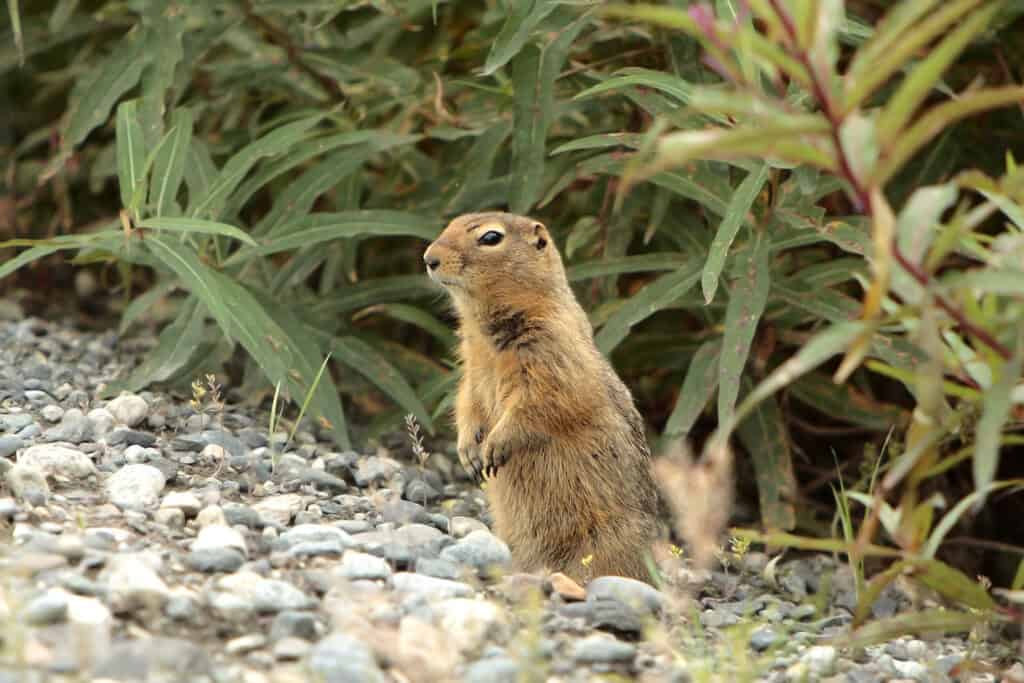
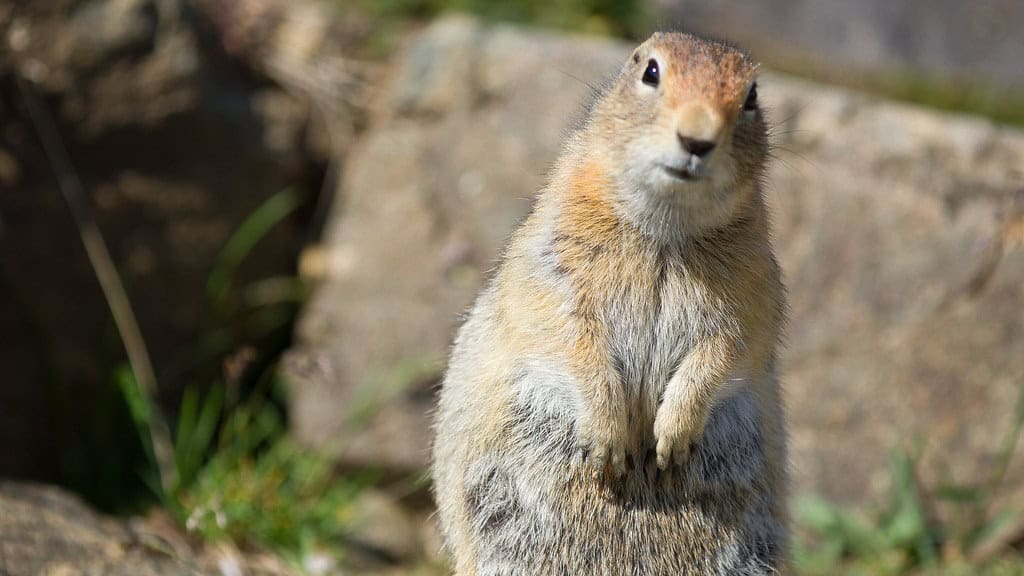
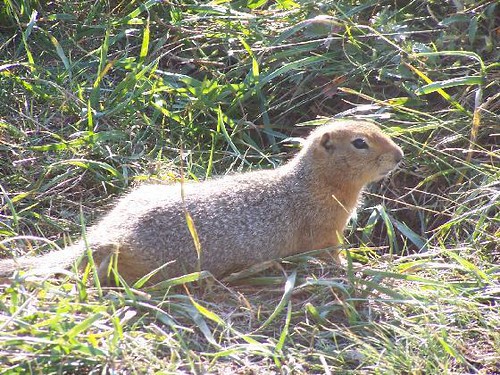
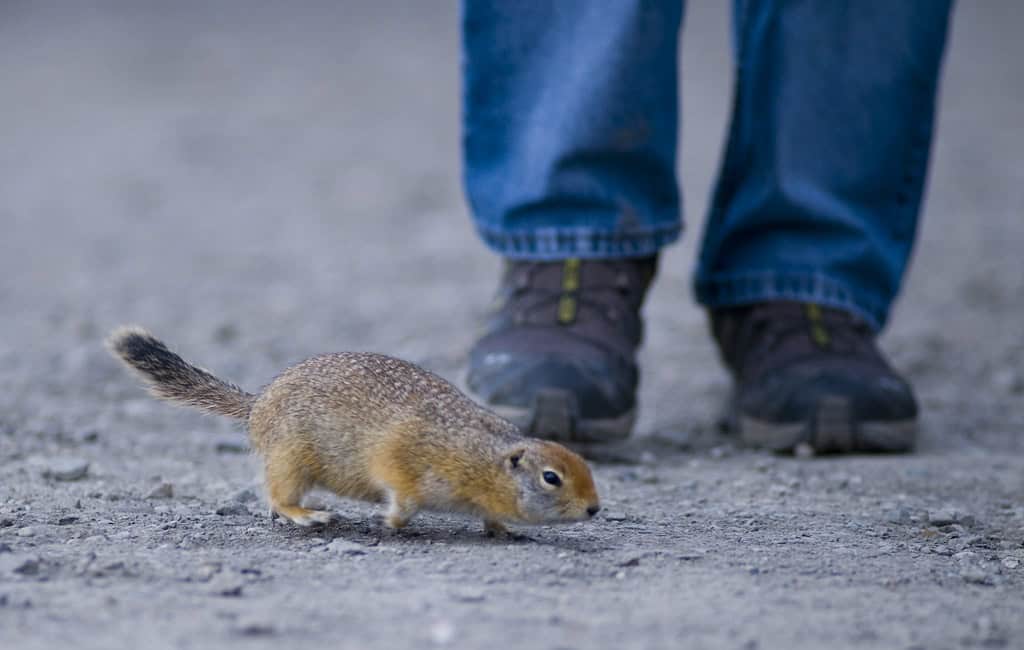
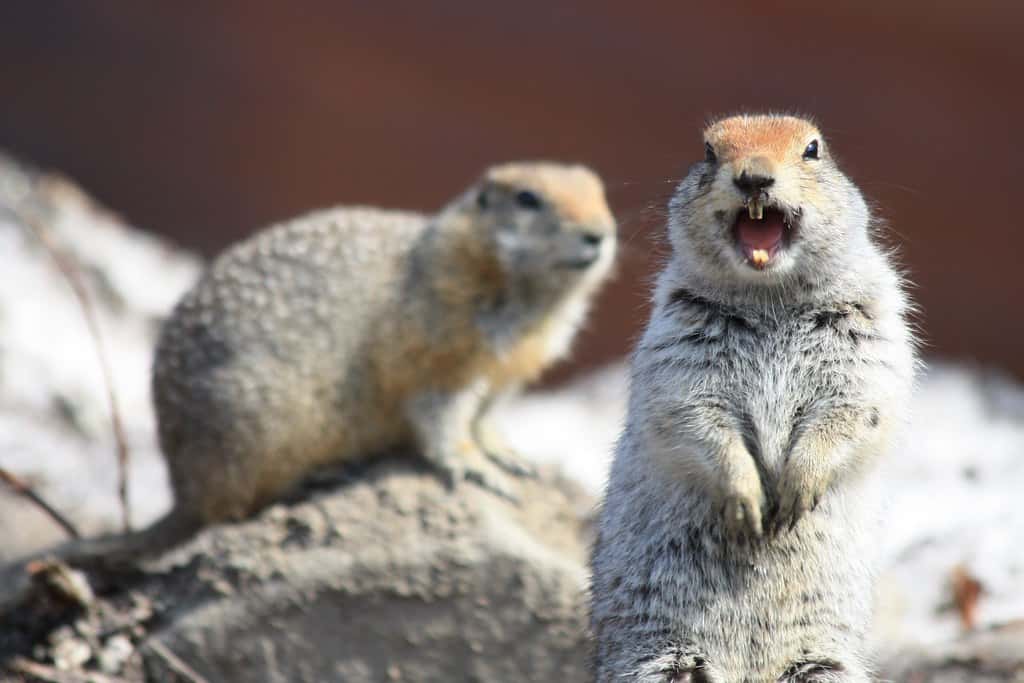
The Arctic ground squirrel (Urocitellus parryii) is the unexpected titleholder for the coldest mammal on Earth. This relatively small rodent, weighing just 500-900 grams, inhabits the tundra regions of Alaska, northern Canada, and Siberia. What makes this creature extraordinary isn’t just its ability to survive in cold environments, but rather its unique hibernation physiology. During deep hibernation, the Arctic ground squirrel’s body temperature can drop to -2.9°C (26.8°F), making it the only known mammal to regularly survive with a body temperature below freezing. This supercooled state represents one of the most extreme physiological adaptations observed in the mammalian world.
Understanding Supercooling in Mammals
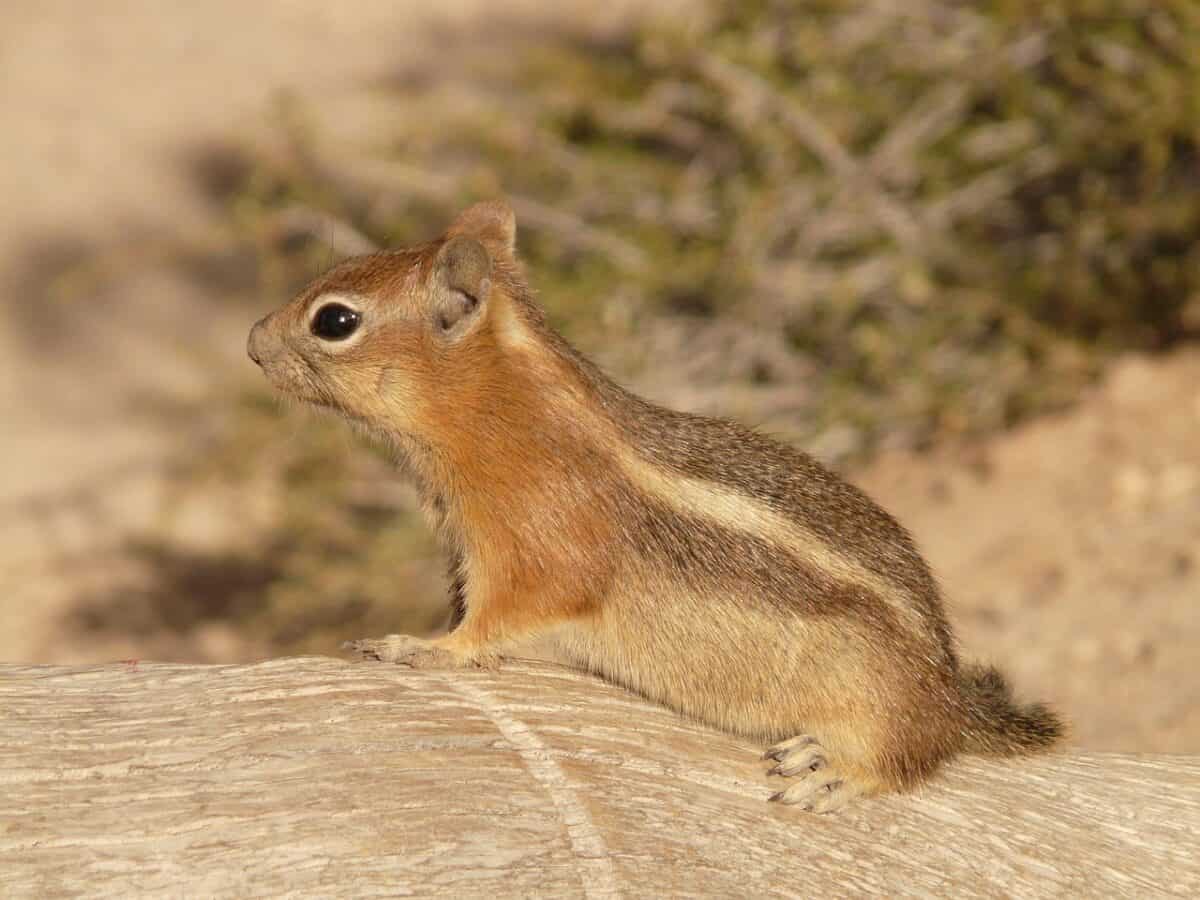
Supercooling refers to the process where a liquid drops below its freezing point without solidifying into ice. In the case of the Arctic ground squirrel, its blood and other bodily fluids remain liquid despite dropping below 0°C (32°F). This remarkable feat is achieved through complex biochemical adaptations that prevent ice crystal formation in tissues and cells—a process that would otherwise be lethal. The squirrel’s body produces specialized proteins and glucose compounds that act as natural antifreeze, allowing it to maintain cellular function at temperatures that would cause irreparable damage in other mammals. This adaptation represents one of the most extreme examples of temperature regulation in the animal kingdom.
The Hibernation Cycle
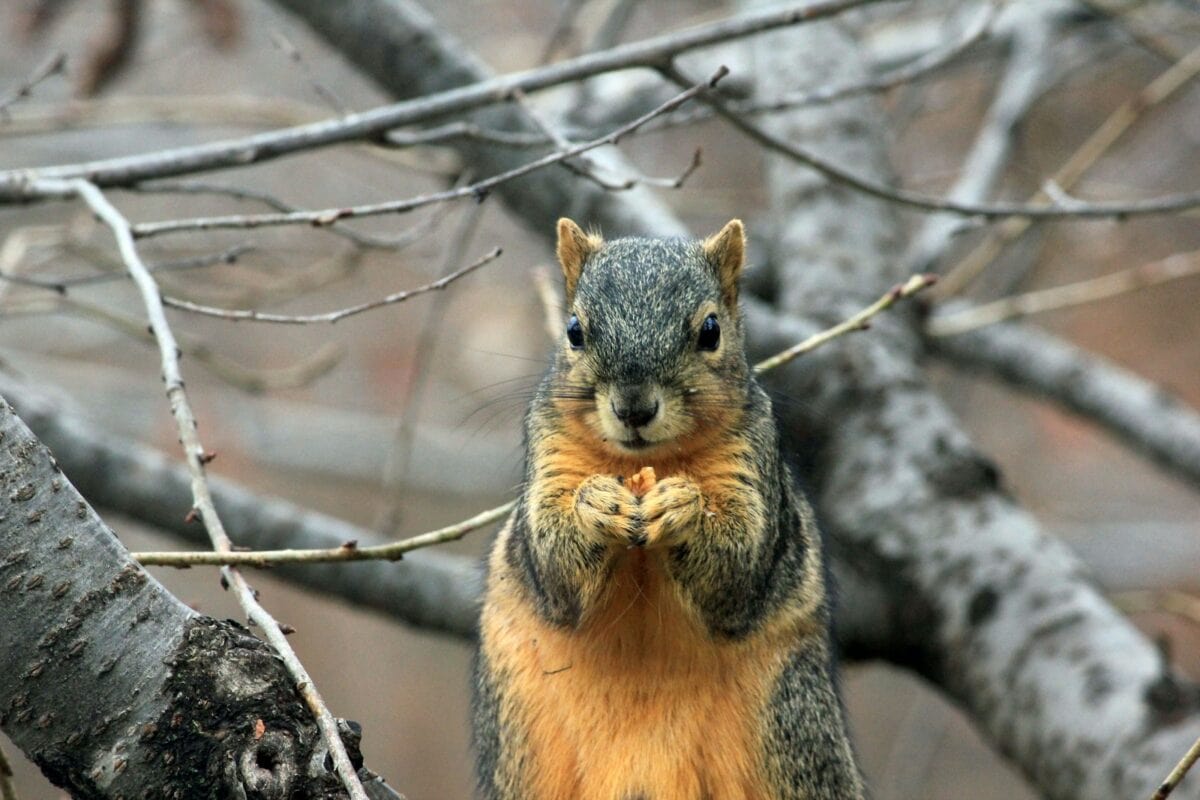
Arctic ground squirrels spend approximately 7-8 months of the year in hibernation, typically from September to April or May. During this extended period, they retreat to underground burrows that can reach depths of up to 1 meter (3 feet). Their hibernation isn’t continuous but occurs in cycles lasting 1-3 weeks, interrupted by brief arousal periods where body temperature returns to normal for less than 24 hours. During deep torpor phases, heart rate decreases from a normal 200-300 beats per minute to just 3-5 beats per minute, and breathing slows to as little as one breath every 5 minutes. This extreme metabolic suppression allows them to conserve energy during the harsh Arctic winter when food is scarce and temperatures are at their lowest.
Physiological Adaptations for Extreme Cold
Beyond their supercooling ability, Arctic ground squirrels possess several additional adaptations for surviving extreme cold. Their bodies undergo dramatic seasonal changes, including significant weight gain before hibernation, with fat stores increasing by up to 40%. They also experience a form of muscle atrophy that would be debilitating in humans but helps conserve energy during hibernation. Perhaps most remarkably, their brains can function at temperatures that would cause immediate tissue damage in other mammals. Research has shown that they can maintain neural activity and protect brain cells from damage despite the near-freezing temperatures, a capability that has significant implications for understanding and potentially treating traumatic brain injuries and stroke in humans.
Geographical Distribution and Habitat
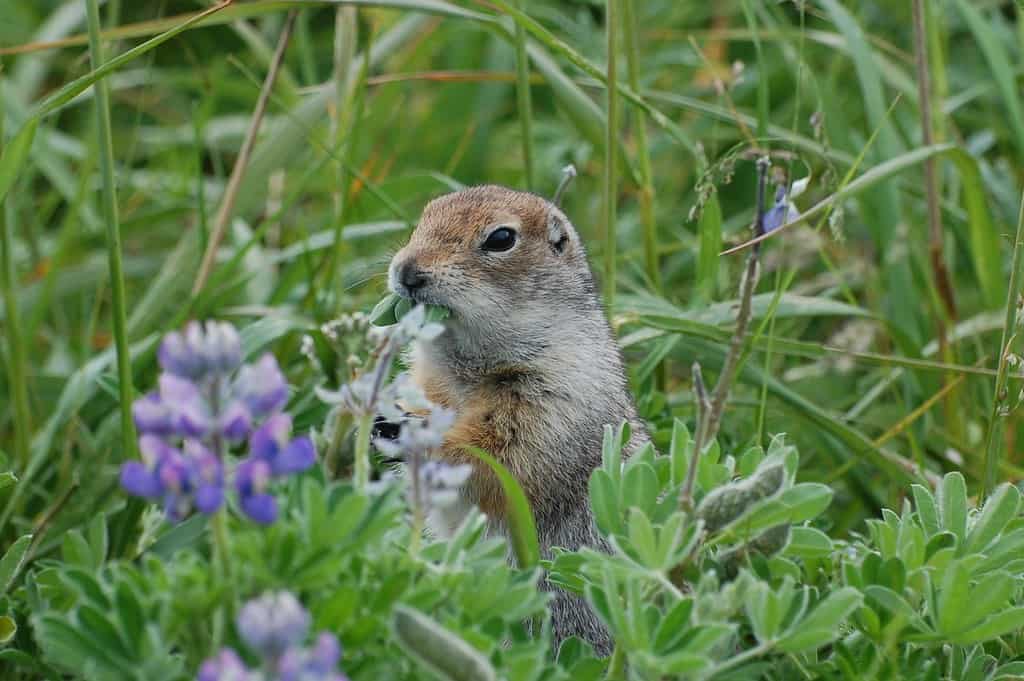
Arctic ground squirrels have carved out a niche in some of the harshest environments on Earth. They are distributed across the Arctic tundra and adjacent boreal forests of Alaska, northern Canada, and parts of Siberia. These regions regularly experience winter temperatures below -40°C (-40°F), with little to no sunlight for months at a time. The squirrels prefer well-drained, rocky areas where they can dig their elaborate burrow systems. These underground networks serve multiple purposes: providing protection from predators, offering a stable microclimate during the active season, and most importantly, creating hibernation chambers that, while still cold, buffer them from the most extreme surface temperatures. Their burrow systems typically include multiple entrances, nesting chambers, and dedicated hibernation areas lined with dried vegetation for additional insulation.
The Role of Brown Adipose Tissue
A crucial component of the Arctic ground squirrel’s cold-tolerance arsenal is brown adipose tissue (BAT), commonly known as “brown fat.” Unlike white fat, which primarily stores energy, brown fat specializes in thermogenesis—the generation of heat. Arctic ground squirrels possess substantial deposits of BAT, particularly around their shoulders, neck, and back. During periodic arousal from hibernation, this tissue rapidly activates through a process called non-shivering thermogenesis, generating heat that raises the squirrel’s body temperature by as much as 20°C (36°F) in just a few hours. This remarkable heating ability is essential for transitioning out of the supercooled state without causing tissue damage. The efficiency of this system far exceeds comparable mechanisms in other mammals, allowing them to rewarm from near-freezing to normal body temperature using minimal energy reserves.
Challenging Scientific Understanding
The Arctic ground squirrel’s ability to survive with a body temperature below freezing challenges fundamental principles of mammalian biology. Until their discovery, scientists believed that no mammal could survive with body temperatures below 0°C. Research into these squirrels has forced revisions to our understanding of cellular function, cold tolerance, and hibernation physiology. Studies continue to uncover the molecular mechanisms that allow them to protect tissues from freeze damage, maintain neural function at extreme cold, and rapidly restore normal metabolic processes after prolonged torpor. The implications extend beyond pure biological interest—understanding these mechanisms could lead to breakthroughs in human medicine, particularly in areas like organ preservation for transplantation, treatment of hypothermia, and even long-duration space travel.
Comparison to Other Cold-Adapted Mammals
While several mammalian species have evolved impressive cold-weather adaptations, none approaches the extreme capabilities of the Arctic ground squirrel. Polar bears maintain a body temperature of approximately 37°C (98.6°F) despite living in Arctic conditions, relying on thick insulation rather than temperature reduction. Arctic foxes can reduce blood flow to their extremities and maintain a core temperature similar to other mammals. Even other hibernators like black bears only reduce their body temperature by 3-5°C during winter dormancy, nowhere near the sub-zero temperatures tolerated by Arctic ground squirrels. The closest competitors would be other ground squirrel species and some bats that enter deep torpor, but even these maintain body temperatures several degrees above freezing, highlighting just how exceptional the Arctic ground squirrel’s adaptations truly are.
Seasonal Life and Behavior

Outside their hibernation period, Arctic ground squirrels lead remarkably active lives during the brief Arctic summer. They emerge from hibernation when snow still covers much of the landscape, with males typically appearing first in mid-April, followed by females about two weeks later. This early emergence allows them to establish territories and begin mating season immediately. Female squirrels give birth to litters of 5-10 pups after a pregnancy lasting approximately 25 days, leaving just enough time for the young to develop and gain sufficient weight before the next hibernation cycle. During the active season, they are diurnal creatures, spending up to 12 hours daily foraging for food, including seeds, berries, leaves, flowers, and occasionally insects or small vertebrates. They’re also busy preparing for the next winter, gathering nesting materials and food caches while consuming enough food to nearly double their body weight in preparation for hibernation.
Research Significance and Applications
The unique cold-tolerance abilities of the Arctic ground squirrel have made it a subject of intense scientific interest. Researchers are particularly focused on understanding the mechanisms that protect the brain during extended periods of reduced blood flow and oxygen—conditions that would cause permanent damage in humans. The squirrels’ neurons can withstand dramatic temperature fluctuations and low oxygen environments without deterioration, potentially offering insights for treating stroke, traumatic brain injury, and neurodegenerative diseases. Additionally, their ability to prevent ice formation in tissues at sub-zero temperatures has implications for organ preservation techniques. The medical field of cryonics—preserving human tissue through freezing—faces the fundamental challenge of preventing ice crystal formation that damages cells, precisely the problem Arctic ground squirrels have naturally solved. Military and space agencies are also studying these adaptations for applications in extreme environment survival and long-duration space missions.
Conservation Status and Threats
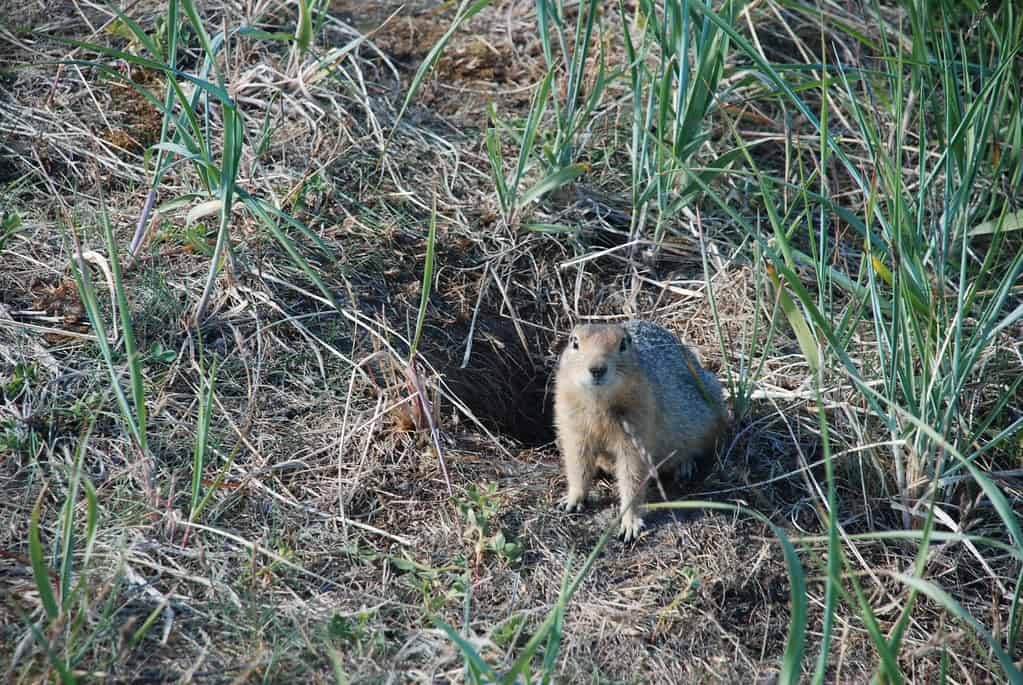
Currently, the Arctic ground squirrel is listed as a species of “Least Concern” on the IUCN Red List, with relatively stable populations across its range. However, these cold-weather specialists face increasing challenges from climate change. The Arctic is warming at twice the global average rate, altering the timing of seasons and potentially disrupting the squirrels’ finely-tuned hibernation cycles. Warmer winters may lead to insufficient snow cover, reducing insulation over their burrows and potentially exposing them to more temperature fluctuations. Changed precipitation patterns could also affect food availability during their critical pre-hibernation feeding period. Additionally, warming might allow predator species to expand their ranges northward, increasing predation pressure. While adaptable, the extreme specialization of Arctic ground squirrels to cold environments raises questions about their ability to adjust to rapidly changing conditions, making ongoing monitoring of their populations increasingly important.
Conclusion: Nature’s Cold-Weather Marvel
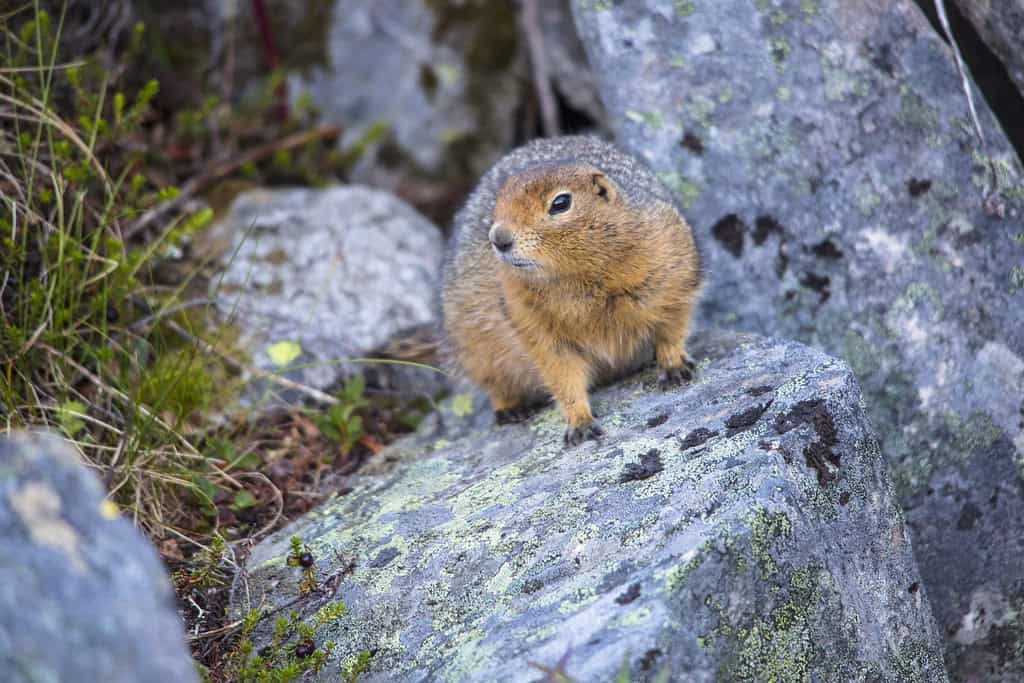
The Arctic ground squirrel stands as a remarkable testament to the extraordinary adaptations that can evolve in response to extreme environmental challenges. Its ability to survive with body temperatures below freezing represents one of the most impressive physiological feats in the mammalian world, challenging our understanding of what living organisms can endure. As research continues to unravel the molecular and cellular mechanisms behind these adaptations, the potential applications for human medicine, space exploration, and conservation biology continue to expand. The unassuming Arctic ground squirrel reminds us that nature’s most extraordinary innovations often come in unexpected packages, and that even after centuries of biological research, the natural world still has the capacity to surprise and inspire us with its ingenuity and resilience.

- The World’s Smallest Vertebrate Was Discovered in a U.S. Forest - July 30, 2026
- How Tigers Are Reclaiming Lost Ground in Nepal - July 30, 2026
- The Animal That Drinks Fog - July 30, 2026