

For thousands of years, the American bison (Bison bison) has been far more than just an animal to the Indigenous peoples of North America. This magnificent creature has stood at the center of Native American spiritual beliefs, economic systems, and daily life, particularly for the Plains tribes. The relationship between Native peoples and bison represents one of the most profound connections between humans and wildlife in North American history—a sacred bond that sustained entire civilizations and shaped cultural identities for countless generations. From the Blackfeet to the Lakota, from the Comanche to the Crow, the bison provided not merely sustenance but a way of understanding the world and humanity’s place within it. This article explores the deep cultural significance of bison to Native American tribes, examining how this relationship has evolved from ancient times through periods of near-extinction to modern efforts at cultural and ecological restoration.
The Central Role of Bison in Plains Indian Life
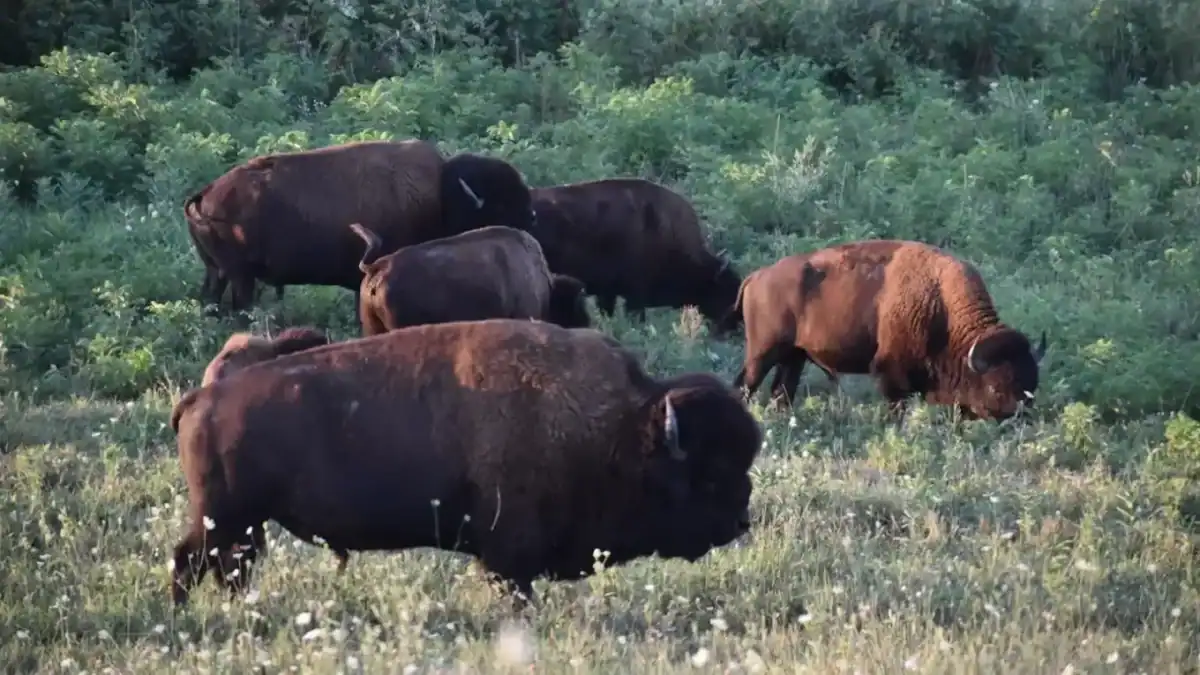
For Plains tribes such as the Lakota, Blackfeet, Comanche, Cheyenne, and Crow, bison formed the foundation of their entire way of life. These massive animals, which once numbered between 30-60 million across North America, were not merely a food source but the center of a complex and sustainable relationship. Tribes followed the seasonal migrations of bison herds, structuring their nomadic lifestyle around these movements. This relationship was so fundamental that many Plains tribes referred to themselves as “the Buffalo People,” signifying their inseparable connection to the animal.
Archaeological evidence suggests that Native peoples’ relationship with bison stretches back at least 10,000 years, with specialized hunting techniques evolving over millennia. Before the introduction of horses by European colonizers, Indigenous hunters demonstrated remarkable ingenuity, using sophisticated communal hunting methods such as driving herds over cliffs (known as buffalo jumps) or into specially constructed corrals. These communal hunts required extensive planning, cooperation, and an intimate knowledge of bison behavior—skills passed down through generations and preserved in oral traditions and ceremonies.
Spiritual and Ceremonial Significance

In the spiritual worldview of many Native American tribes, the bison occupied a sacred position. The animal was often viewed as a gift from the Creator, sent to provide for the people’s needs. This spiritual connection was reinforced through numerous ceremonies, prayers, and rituals that honored the bison’s sacrifice and ensured its continued abundance. For the Lakota, the White Buffalo Calf Woman—who brought the sacred pipe and essential teachings to the people—was intrinsically connected to bison spirituality, establishing sacred protocols for how the animal should be hunted and honored.
The Sun Dance, one of the most significant ceremonies practiced by many Plains tribes, often incorporated bison symbolism and actual bison parts, particularly the skull, which served as an altar. Before hunts, tribal members performed ceremonies seeking permission from the bison spirits and expressing gratitude for the upcoming harvest. This spiritual framework established a relationship of reciprocity rather than exploitation—a key distinction from later European approaches to wildlife. Many tribes believed that if they failed to show proper respect to the bison through these ceremonies, the herds would disappear, bringing hardship to the people.
Complete Utilization: Nothing Wasted
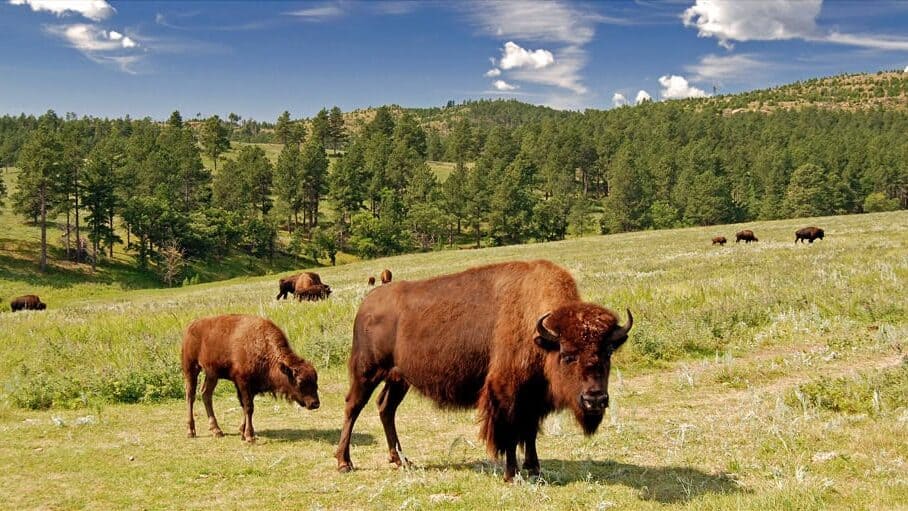
Native American tribes developed a system of utilizing virtually every part of the bison, demonstrating both practical ingenuity and deep respect for the animal that gave its life. A single bison could provide a family with food, tools, clothing, shelter, and ceremonial items. The meat, which could weigh up to 800 pounds from a single animal, was prepared in numerous ways—fresh cuts were roasted, while other portions were dried to create pemmican (a mixture of dried meat, fat, and berries) that could be stored for months and provided essential nutrition through harsh winters when fresh food was scarce.
Beyond meat, hides were tanned to create tipis, clothing, moccasins, robes, and shields. Bones became tools, utensils, and toys. Sinew served as thread and bowstrings. Horns were crafted into cups, spoons, and ceremonial items. Stomachs and bladders became water containers. Even the dung, called buffalo chips, provided essential fuel for fires in the treeless plains. This comprehensive use of all parts demonstrated both ecological wisdom and the profound respect Indigenous peoples held for the bison, seeing the animal as a relative who continued to provide gifts even after death.
Bison in Native American Art and Stories

Bison imagery permeates Native American artistic expressions, appearing prominently in ledger art, petroglyphs, pictographs, beadwork, quillwork, and painted hides. These artistic representations served not merely as decoration but as ways to preserve and transmit cultural knowledge. Winter counts—pictorial calendars documenting tribal histories—often featured significant events related to bison, such as exceptional hunts or unusual migrations. Through these visual records, tribes maintained their historical relationship with the animal across generations.
Equally important were the stories and oral traditions surrounding the bison. Origin stories often featured bison prominently, explaining how the animal came to have a special relationship with humans. For instance, Lakota tradition tells of a time when people were starving, and a young woman married a bison who then led his herd to sacrifice themselves to save her people—establishing the sacred covenant between humans and bison. These stories weren’t simply entertainment but contained ecological knowledge, hunting practices, and ethical guidelines for how humans should relate to bison and the natural world.
Tribal Economies and Trade Networks
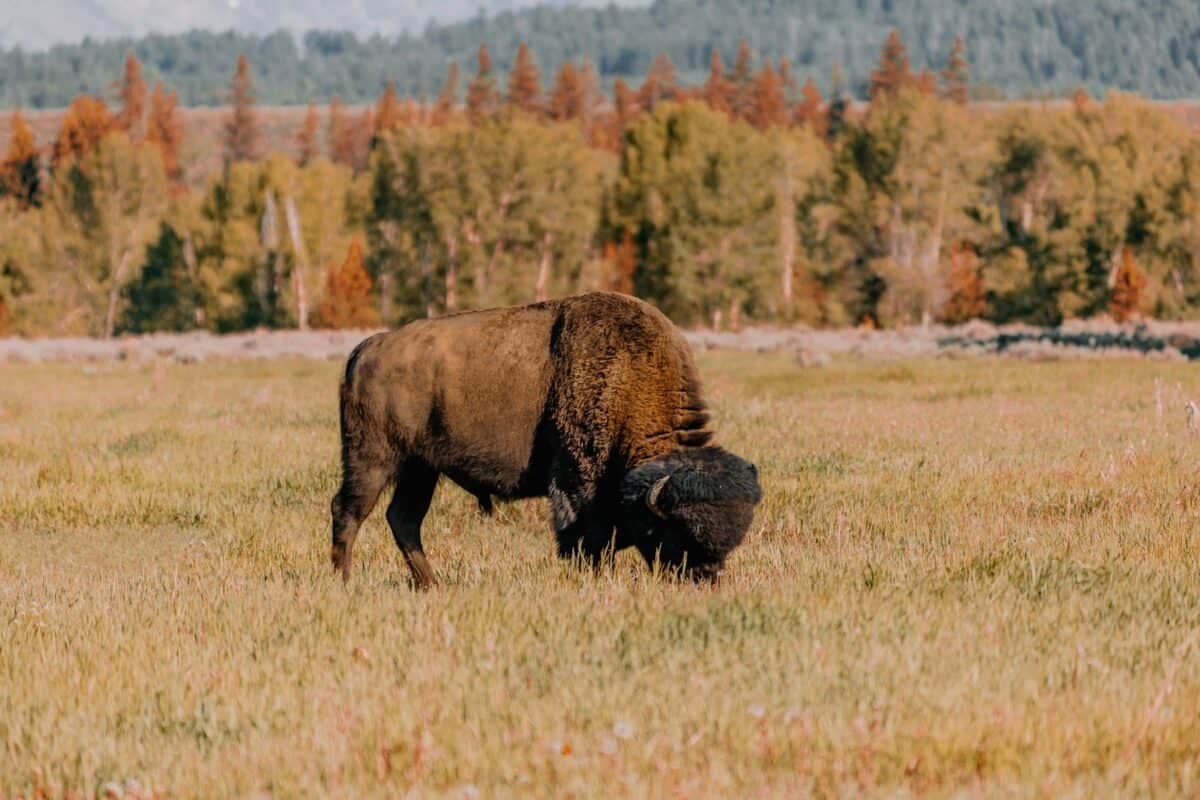
Bison created the foundation for complex economic systems among Native American tribes. While providing directly for tribal needs, bison products also became valuable trade commodities that connected distant Indigenous nations. Tribes with direct access to bison herds would trade meat, hides, and other bison products with groups from different ecological regions who might offer fish, pottery, agricultural products, or shells in exchange. This inter-tribal trade network stretched across North America, creating cultural connections and economic interdependence long before European contact.
After European colonization began, bison products became central to early trade relationships between Native peoples and Europeans. Bison robes and tongues (considered a delicacy) were particularly valued in this early commerce. For a time, this trade allowed some tribes to maintain economic independence while engaging with the new market economy. However, as commercial hunting intensified in the 19th century, this system rapidly collapsed with the near-extinction of the bison, fundamentally disrupting Indigenous economies that had functioned sustainably for thousands of years.
The Devastating Impact of Bison Destruction
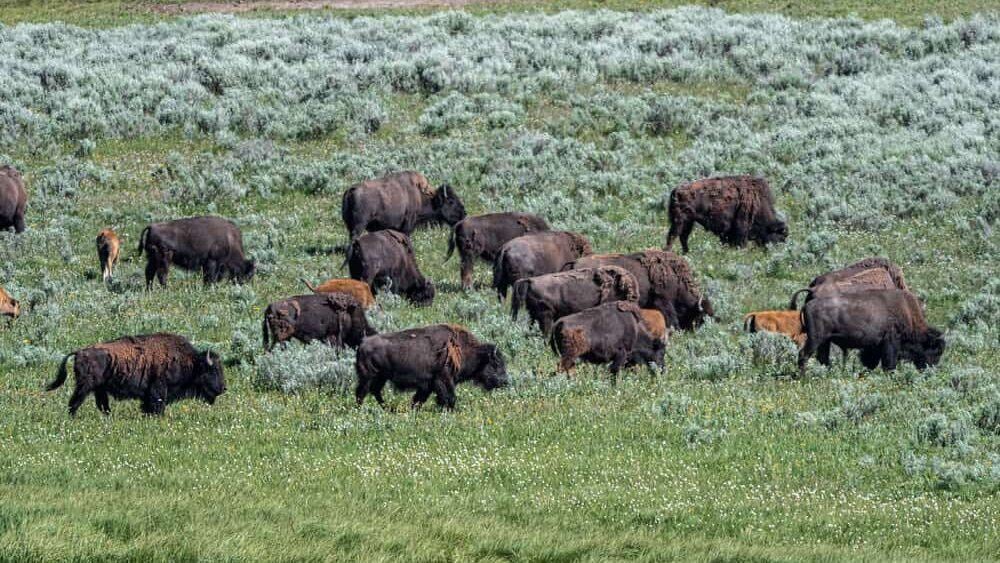
The systematic destruction of the American bison in the 19th century represents one of history’s most rapid eliminations of a keystone species. From a population of 30-60 million, bison numbers plummeted to fewer than 1,000 by the 1880s through a combination of commercial hunting, sport killing, and deliberate government policy. While often presented as merely economic exploitation, the destruction of bison herds was also explicitly tied to U.S. military strategy against Plains tribes. General Philip Sheridan famously declared, “When the buffalo are gone, the Indians will cease to resist,” acknowledging the direct connection between bison eradication and breaking Indigenous resistance to westward expansion.
The consequences for Native tribes were catastrophic and multidimensional. Beyond the immediate food insecurity and material deprivation, the loss of bison attacked the very foundation of tribal identity, spiritual practices, and social organization. Communities that had defined themselves through their relationship with bison for countless generations suddenly faced an existential crisis. The trauma of this loss continues to reverberate through generations of Native peoples, representing not just the removal of a resource but an assault on cultural continuity and spiritual foundations—what some scholars and tribal members have described as a form of cultural genocide.
Bison in Native American Social Structure
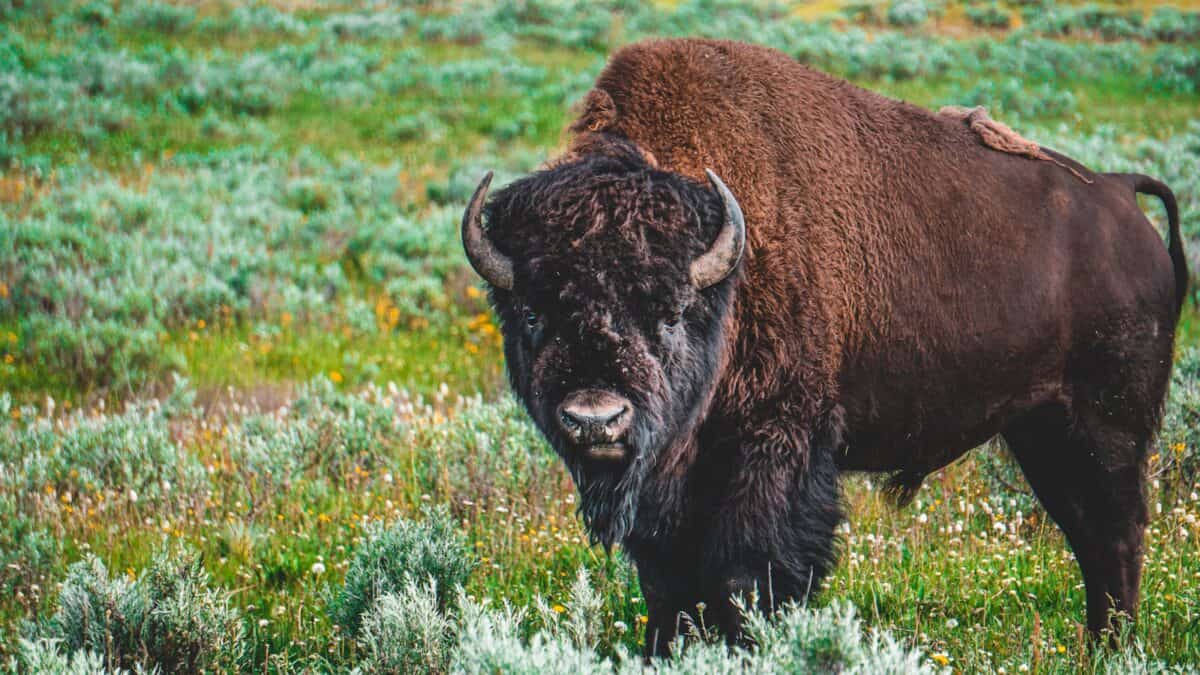
The collective enterprise of bison hunting shaped Native American social structures, particularly on the Plains. Successful hunts required sophisticated coordination and clear leadership roles. Hunter societies emerged with specific responsibilities not only for tracking and killing bison but for ensuring equitable distribution of meat and materials among tribal members. These societies often had complex initiation rituals and internal hierarchies based on hunting skill and spiritual connection to the bison. For many tribes, a man’s status within the community was significantly influenced by his abilities as a bison hunter and his generosity in sharing the results of successful hunts.
Gender roles were also defined in relation to bison procurement and processing. While men typically (though not exclusively) conducted the hunts, women performed the equally crucial and labor-intensive work of processing. Skilled women could convert a fresh hide into a finished robe in 10-12 days through a complex process involving scraping, tanning, smoking, and softening. Women controlled the distribution of processed materials and held significant economic power through their essential role in transforming raw bison products into usable goods. This created a complementary system where the survival and prosperity of the community depended on both men’s and women’s specialized knowledge.
Tribal Ecological Knowledge of Bison
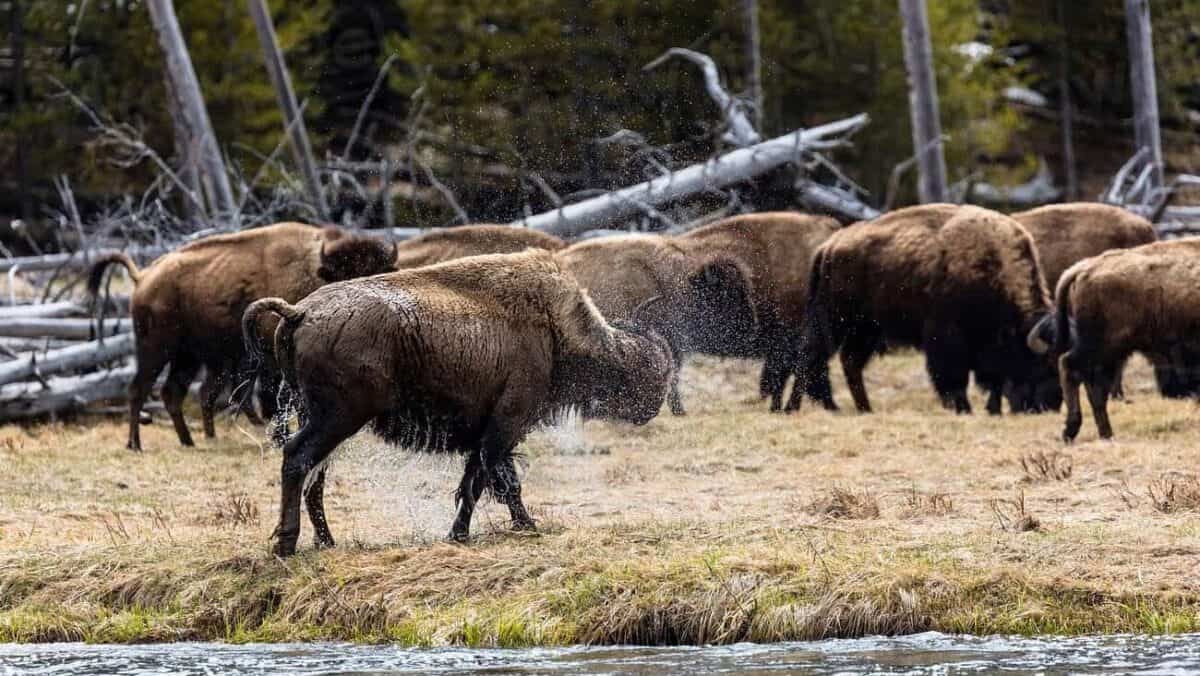
Over thousands of years of close observation and interaction, Native American tribes developed sophisticated ecological knowledge about bison behavior, biology, and their role in prairie ecosystems. This knowledge—passed down through generations—included understanding seasonal migration patterns, recognizing how weather affected herd movements, identifying preferred grazing areas, and recognizing signs of health or disease in the animals. Hunters knew precisely when and where to position themselves for successful hunts based on subtle environmental cues and bison behavior that might be invisible to untrained observers.
This traditional ecological knowledge extended to understanding the intricate relationship between bison and prairie landscapes. Many tribes practiced controlled burning, which they recognized would promote fresh grass growth that attracted bison herds. They observed how bison wallowing (rolling in dirt depressions) created microhabitats that supported diverse plant and animal communities. Rather than viewing themselves as separate from this ecological system, Native peoples saw themselves as participants in a complex web of relationships that included bison, plants, soil, water, and other animals—a perspective that modern ecological science has only recently begun to fully appreciate.
Modern Bison Restoration Efforts

In recent decades, numerous Native American tribes have led efforts to restore bison to tribal lands, recognizing that ecological and cultural restoration are inseparable. The InterTribal Buffalo Council, formed in 1992, now includes over 76 tribes working collaboratively to restore bison to Indigenous lands and lives. Significant herds have been established on several reservations, including the Blackfeet Nation in Montana, the Fort Peck Assiniboine and Sioux Tribes, and the Fort Belknap Indian Community. These efforts go beyond simple conservation, focusing on restoring the cultural, spiritual, and economic relationships between tribes and bison.
These restoration programs face significant challenges, including limited land availability, conflicts with neighboring cattle operations, and complex regulatory hurdles. However, they represent one of the most promising paths toward both ecological restoration of North American grasslands and cultural healing for Native communities. Unlike purely conservation-oriented programs, tribal bison restoration explicitly recognizes the essential cultural dimensions of the relationship. As Fred DuBray, former president of the InterTribal Buffalo Council, stated: “The buffalo is not just an animal, but a relative. So, in many ways, we’ve begun the process of reuniting our human families with our buffalo relatives.”
Bison in Contemporary Native American Identity
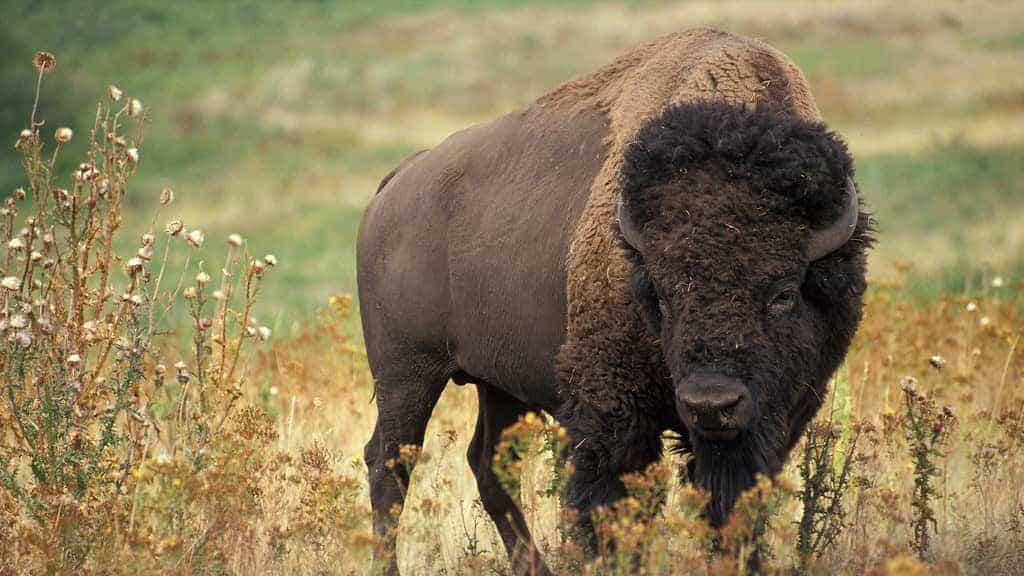
Even through the darkest periods of bison absence, many Native American tribes maintained cultural practices, stories, and ceremonies centered on the animal. Today, as physical herds return to tribal lands, these cultural connections are being strengthened and revitalized. Young tribal members are learning traditional practices related to bison—from hunting and processing techniques to ceremonial protocols and artistic traditions. Many tribes have incorporated bison meat into school lunch programs and community events, reconnecting younger generations with traditional foods that have both cultural significance and health benefits compared to the processed foods that became common in reservation diets.
For many contemporary Native Americans, the return of bison represents more than ecological restoration—it symbolizes cultural resilience and the potential for healing historical trauma. The animal’s near-extinction and subsequent recovery parallels many tribes’ own journeys through devastating population losses, cultural suppression, and ongoing revitalization efforts. As bison numbers slowly rebuild across North America, their presence on tribal lands offers a powerful symbol of Indigenous persistence and the enduring strength of Native cultures despite centuries of attempted erasure.
Bison and Native Food Sovereignty
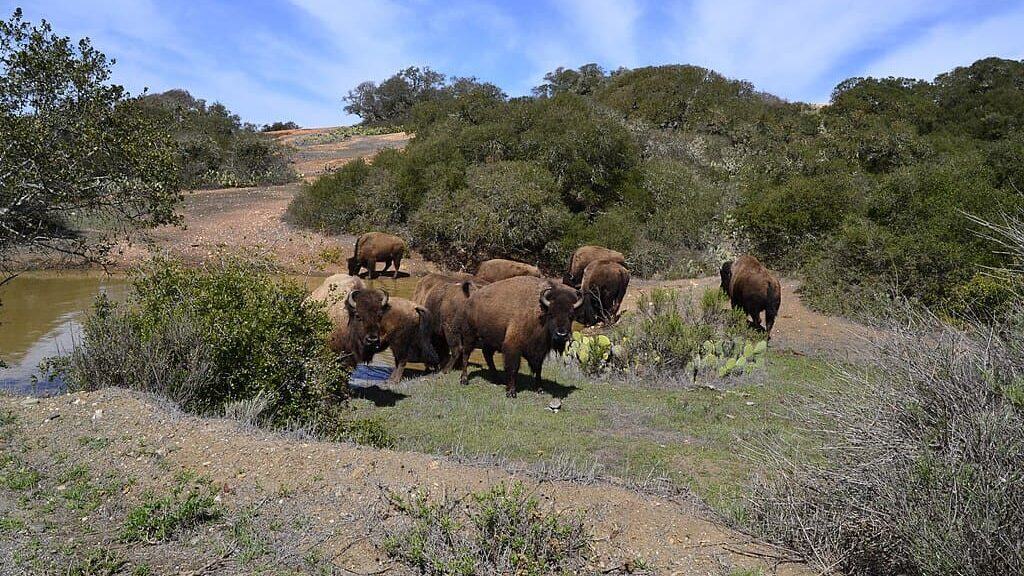
The contemporary movement for food sovereignty among Native American communities has increasingly centered around restoring access to traditional foods, with bison meat playing a crucial role in these efforts. Before colonization, bison provided a nutritionally complete protein source perfectly adapted to Indigenous physiologies through thousands of years of co-evolution. Modern research has confirmed that bison meat is lower in fat and higher in protein than beef, with a nutritional profile better suited to preventing diabetes and heart disease—health conditions that disproportionately affect Native American communities today.
Several tribal nations have developed programs to reintroduce bison meat into community diets through school lunches, elder nutrition programs, and community events. The Quapaw Nation in Oklahoma has established a USDA-certified processing facility, enabling them to distribute bison meat to tribal members and sell to external markets. The Cheyenne River Sioux Tribe’s Tanka Bar (made from buffalo meat and cranberries) became a successful commercial product based on traditional pemmican recipes. These initiatives represent more than nutrition programs—they are assertions of cultural continuity and tribal sovereignty, reclaiming Indigenous food systems that were deliberately targeted for destruction during colonization.
Conclusion: The Enduring Relationship
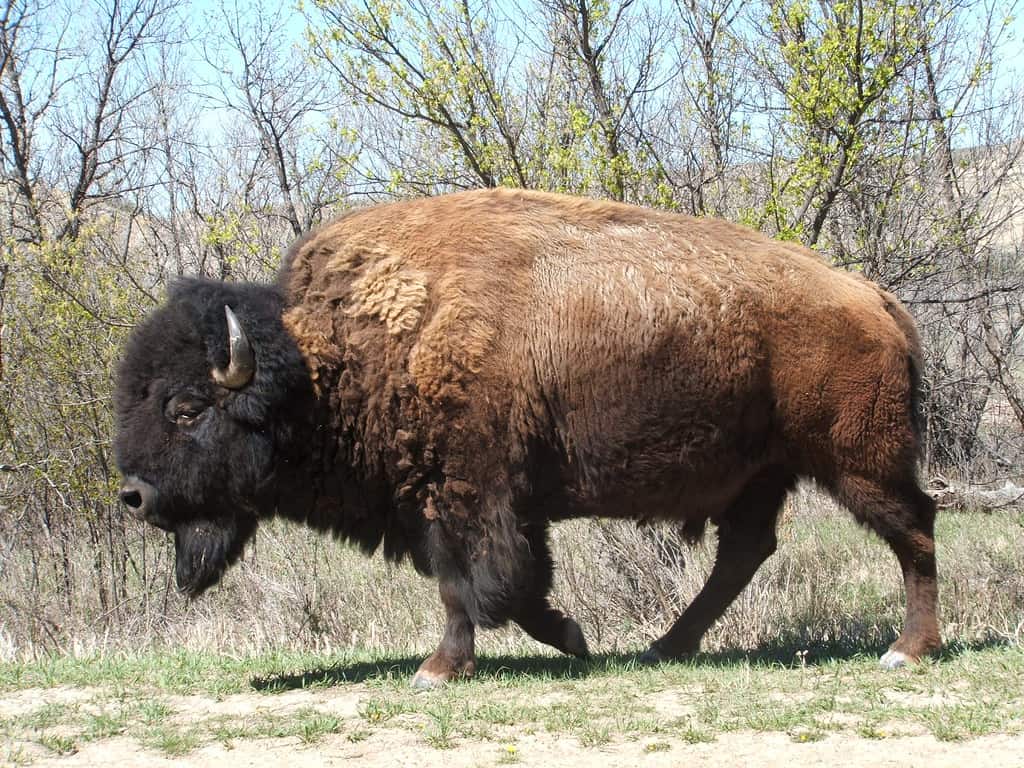
The relationship between Native American tribes and bison represents one of North America’s most profound cultural and ecological partnerships—a connection that has endured despite extraordinary challenges. From the practical utilization of every part of the animal to the deep spiritual reverence expressed through ceremony and art, bison shaped Indigenous lifeways for thousands of years before both Native peoples and bison populations were devastated by European colonization. The deliberate destruction of bison herds in the 19th century delivered a traumatic blow to Native communities, attacking not just their food supply but the very foundation of their cultural and spiritual identity.
Yet today, this ancient relationship is experiencing a remarkable renewal. As tribal nations lead efforts to restore bison to their ancestral lands, they are simultaneously revitalizing cultural practices, economic opportunities, and ecological health. Young Native Americans are reconnecting with traditional knowledge about bison that their ancestors carefully preserved even during the darkest periods when the animals were absent from the landscape. This revival demonstrates the remarkable resilience of both species—bison and humans—who co-evolved in a relationship of mutual benefit and respect.
The story of bison and Native American tribes continues to unfold, offering important lessons about sustainable relationships between humans and wildlife. As contemporary society grapples with environmental challenges and seeks more balanced approaches to natural resources, the traditional Indigenous understanding of bison—not as a commodity to be exploited but as a relative to be respected—provides a powerful alternative model. In the ongoing efforts to restore both bison populations and tribal sovereignty, we witness not just historical reconciliation but the emergence of new possibilities for cultural and ecological healing across North America.

- How Squirrel Monkeys Use Teamwork to Avoid Predators - June 22, 2026
- Why Sandbar Sharks Thrive Along the U.S. Atlantic Coast - June 22, 2026
- What Kind of Lemur Is King Julien from Madagascar? - June 22, 2026