


Imagine plunging into the ocean’s inky depths, surrounded by the silent expanse of water pressing in from all sides. For most creatures, such a descent would quickly become perilous, but the sperm whale turns it into an everyday escapade. As the undisputed champion of deep diving among mammals, the sperm whale combines physiological marvels with sheer resilience to endure the deep sea. Let’s explore this fascinating creature and uncover the secrets behind its extraordinary breath-holding ability.
What Makes the Sperm Whale Unique?

🔥 Would you like to save this?
We'll email this post to you, so you can come back to it later!
The sperm whale is not just a giant of the seas—it’s a master of underwater endurance. These colossal creatures can reach lengths of up to 60 feet, dwarfing most other marine mammals. Their unique adaptations enable them to dive to incredible depths, with recorded dives reaching over 2,000 meters (about 6,500 feet). This impressive capability is not just about size but involves a finely tuned physiology perfected over millions of years of evolution.
The Anatomy of a Sperm Whale’s Dive
🔥 Would you like to save this?
We'll email this post to you, so you can come back to it later!
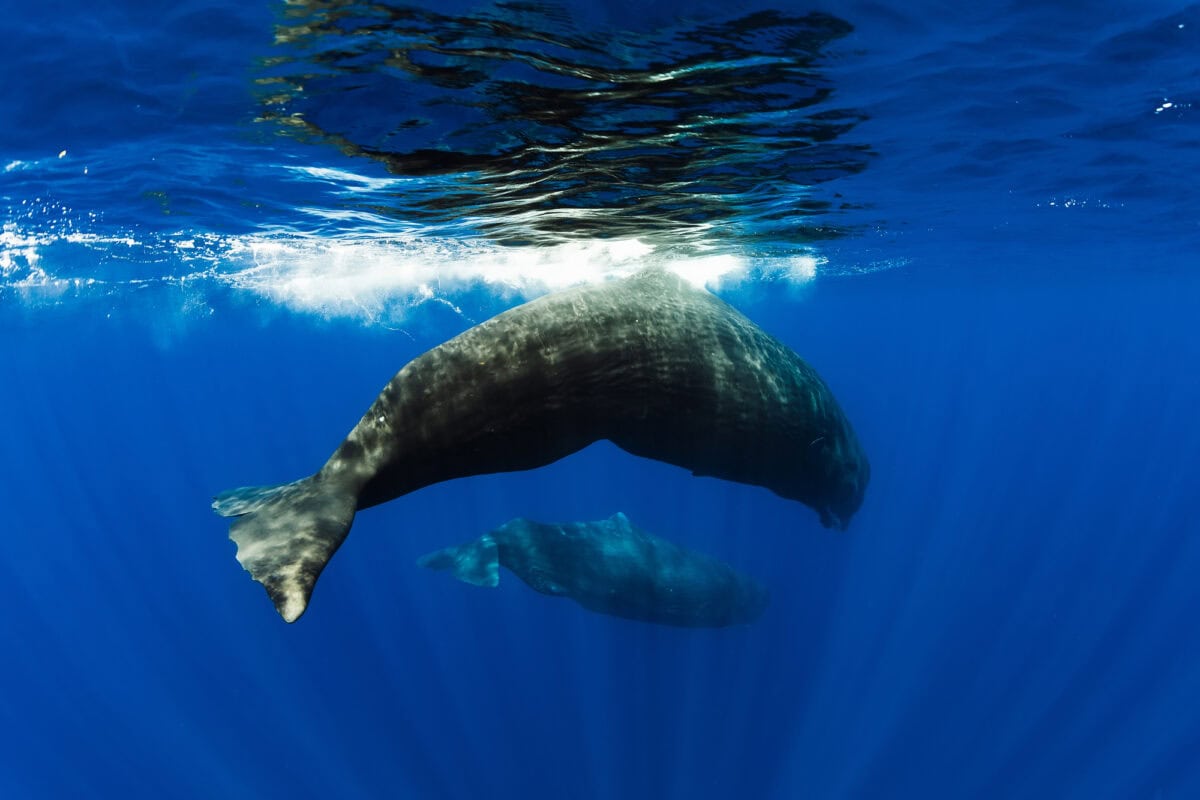
When it comes to diving, the sperm whale has several anatomical features that set it apart. Most notably, it possesses a large, oil-filled organ in its head known as the spermaceti organ. This structure helps regulate buoyancy, allowing the whale to efficiently control its descent and ascent in the water column. Furthermore, its robust, streamlined body reduces drag, making it an efficient swimmer even at great depths.
Breath-Holding: How It Works

🔥 Would you like to save this?
We'll email this post to you, so you can come back to it later!
At the heart of the sperm whale’s diving prowess is its remarkable ability to hold its breath for extended periods. While humans struggle to hold their breath for more than a couple of minutes, sperm whales can remain submerged for up to two hours. Central to this capability is a high blood volume and an abundance of myoglobin, a protein that stores oxygen in muscle tissues. This allows the whale to maintain its oxygen supply even while diving deep.
Regulating Oxygen Use Under Pressure

🔥 Would you like to save this?
We'll email this post to you, so you can come back to it later!
Deep diving brings extreme challenges, particularly with respect to oxygen management. Sperm whales have adapted to this by slowing their metabolism during dives. Their heart rate decreases drastically, conserving oxygen by supplying it primarily to essential organs like the brain and heart. Non-essential processes are minimized, allowing them to stay submerged for extended times without depleting their oxygen reserves.
Specialized Blood Vessels: A Circulatory Genius

🔥 Would you like to save this?
We'll email this post to you, so you can come back to it later!
An additional marvel of sperm whale physiology is the structure of its circulatory system. These whales have a unique network of arteries and veins called retia mirabilia. This system acts as a reservoir for blood, helping to manage blood pressure and oxygen storage, further enhancing the whale’s ability to endure long and deep dives.
How the Lungs Function in Extreme Conditions

🔥 Would you like to save this?
We'll email this post to you, so you can come back to it later!
Sperm whales’ lungs are highly adapted for diving. Unlike human lungs, which would be crushed under similar conditions, the lungs of a sperm whale can collapse with ease as they descend. This capability prevents nitrogen absorption into the bloodstream, which helps the animal avoid decompression sickness—a potentially deadly condition for less adapted divers.
Sound Navigation: Echolocation at Work
🔥 Would you like to save this?
We'll email this post to you, so you can come back to it later!
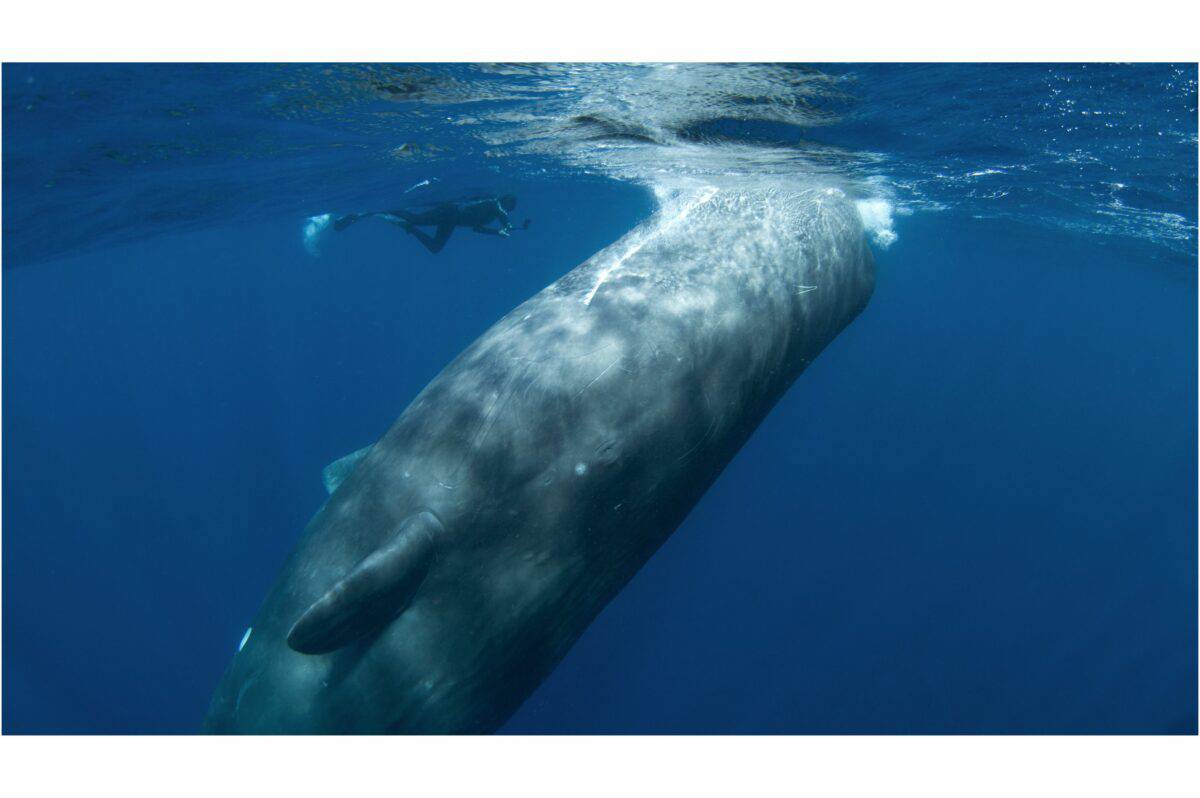
Exploring the dark depths of the ocean requires not just physical adaptations but also sensory ones. Sperm whales are equipped with a powerful echolocation ability, using clicks and sounds to navigate and hunt in absolute darkness. This sophisticated biological sonar system enables them to detect prey and obstacles even in the murkiest waters.
The Hunt for Giant Squid

🔥 Would you like to save this?
We'll email this post to you, so you can come back to it later!
At the heart of the sperm whale’s diet are deep-sea creatures such as colossal squids. The depths at which these giants dwell are accessible only to animals with the type of adaptations seen in sperm whales. Using their echolocation, they track and hunt these formidable creatures, showcasing their prowess as one of the ocean’s top predators.
Social Structure and Communication

🔥 Would you like to save this?
We'll email this post to you, so you can come back to it later!
Beyond solitary dives, sperm whales exhibit complex social structures. They live in matriarchal pods, often comprising females and their young. Communication within these groups is facilitated by a repertoire of clicks and codas. These sounds serve as both echolocative tools and social signals, helping whales maintain group cohesion in the vast openness of the ocean.
Challenges Facing the Sperm Whale

🔥 Would you like to save this?
We'll email this post to you, so you can come back to it later!
Despite their adaptability and resilience, sperm whales face numerous anthropogenic threats. Ocean noise pollution, ship strikes, and entanglement in fishing gear pose significant risks. Additionally, climate change and marine pollution threaten their habitats, emphasizing the need for concerted conservation efforts to protect these magnificent creatures.
The Role of Sperm Whales in Ocean Ecosystems

🔥 Would you like to save this?
We'll email this post to you, so you can come back to it later!
Sperm whales play a pivotal role in maintaining the health of marine ecosystems. By diving deep and feeding on organisms like squid, they help maintain the balance of aquatic food webs. Furthermore, their fecal matter contributes essential nutrients to surface waters, promoting phytoplankton growth, which is crucial for carbon sequestration and supporting marine life.
Embracing the Wonder of the Deep

🔥 Would you like to save this?
We'll email this post to you, so you can come back to it later!
The sperm whale’s remarkable adaptations for deep diving serve as a testament to the wonders of evolution. These marine giants not only captivate our imagination but also underline the importance of preserving the delicate balance of oceanic ecosystems. As we continue to uncover the mysteries of these deep-sea explorers, their story reminds us of the intricate connections that sustain life in our oceans.
In summary, the sperm whale’s incredible ability to dive deep and endure without breathing for hours is a combination of unique physiological adaptations. The journey of understanding these majestic creatures illustrates not only the wonders of the natural world but also our responsibility to protect their habitat for future generations.

From exploring the marine wonders in the Azores and witnessing the vast savannas of Kenya, to delving deep into the rich biodiversity of South Africa and traversing iconic landscapes in Australia and the US like Yellowstone, Chris's experiences are vast.
With a penchant for diving alongside sharks, the ocean holds a special place in his heart.
Through his academic insights, he champions wildlife conservation, striving with 'Animals Around The Globe' to cultivate a profound connection between humans and animals, enhancing our mutual appreciation.
Connect with him at Feedback@animalsaroundtheglobe.com.
- 15 Wild Animals You Might Spot in U.S. National Parks - November 5, 2026
- Top 10 Animals and Wildlife in Hawaii - November 4, 2026
- Top 10 Animal Encounters in Europe - November 3, 2026