
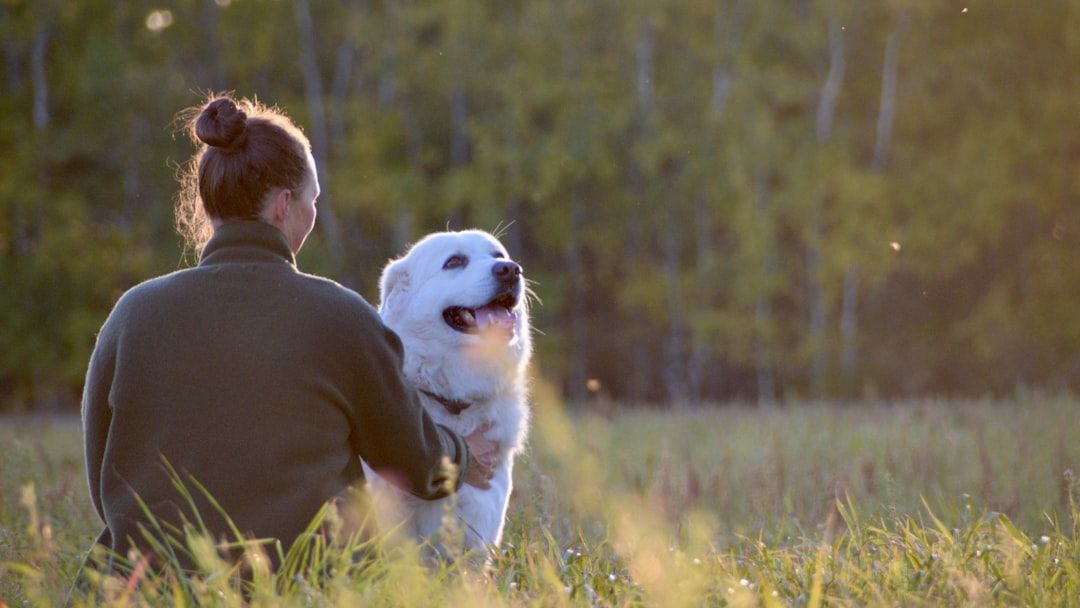
You walk to the door, grab your keys, and the moment your dog hears that familiar jingle, something shifts. The tail drops. The panting starts. The eyes go wide with what honestly looks a lot like dread. Most people assume their dog is just being dramatic, or perhaps they’ve spoiled them a little too much. But the truth is far more fascinating and, when you really sit with it, a little heartbreaking.
Science has been quietly unlocking the deeper mechanics of what happens inside your dog’s mind when you leave. It turns out this isn’t just a quirk or a phase. It’s rooted in ancient biology, emotional wiring, and attachment bonds that look strikingly similar to the ones between a parent and a child. So let’s get into it, because what researchers have discovered might change the way you think about your dog forever.
Your Dog Is Biologically Wired to Need You
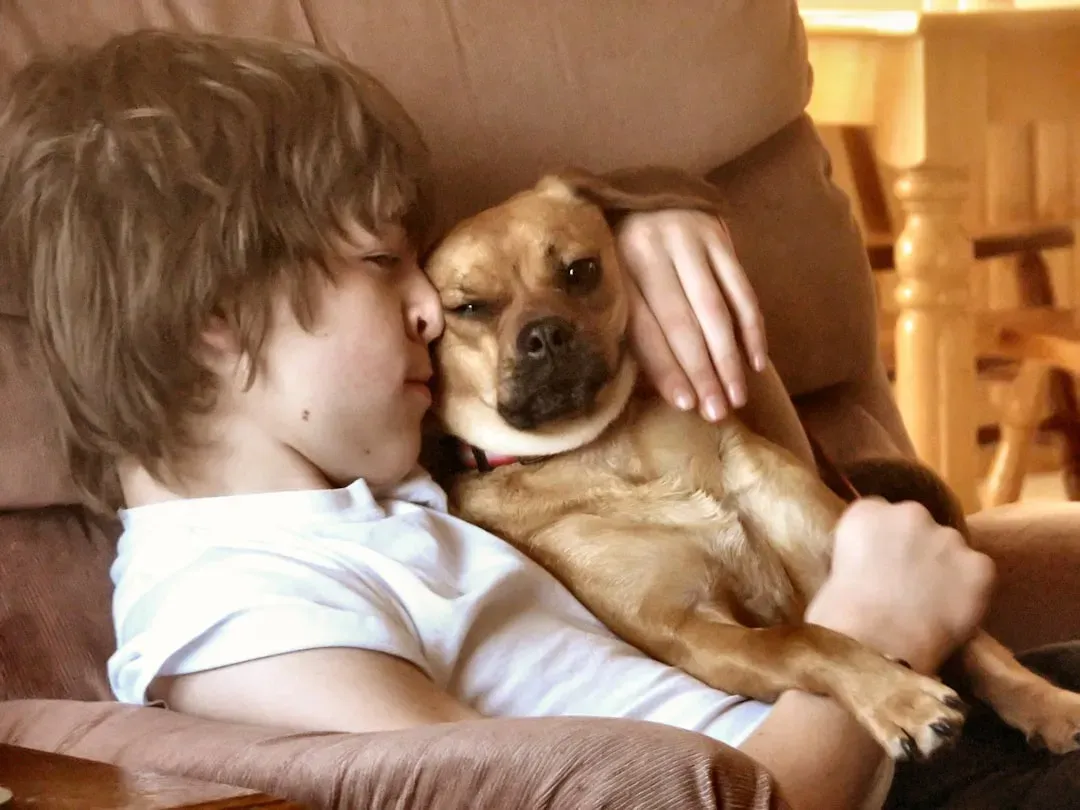
Here’s the thing most people miss: your dog’s dependence on you isn’t a personality flaw. It’s the result of thousands of years of deliberate evolution. The bond formed between dogs and their human owners is consistent with an attachment, and the emotional attachment between adult dogs and their owners has been found to be similar to that displayed by human adults and their children. This is not surprising given that dogs have been selected for their dependence on humans over ten thousand or more years of domestication.
Think about that for a moment. We literally bred dogs to need us. We selected generation after generation for traits that made them emotionally reliant on human contact, human direction, and human presence. The dog sitting anxiously by your front door isn’t broken. In many ways, it’s doing exactly what its ancestors were shaped to do.
Though it is a relationship between two adult individuals, the human-dog social bond is thought to be analogous to filial attachment. As humans provide resources to the dog, the same as parents provide it to their offspring, the dog is dependent on humans and motivated to stay close to its owner. This motivation manifests itself as a stress response in the absence of the owner.
It’s a bit like a child who hasn’t yet developed the cognitive tools to understand that a parent who leaves the room will come back. For dogs, every departure can feel alarmingly permanent.
What Attachment Science Actually Says About Dogs
Attachment theory wasn’t invented for dogs. It was originally developed by John Bowlby and Mary Ainsworth in the context of human relationships, based on the idea that a deep emotional bond forms between two individuals, offering a sense of security and comfort. Researchers eventually began applying this same framework to dogs, and the results were striking.
Dogs tend to form strong emotional connections with their human caregivers, and a securely attached dog feels safe in their guardian’s presence. Overly intense attachment can lead to separation anxiety.
The assessment of canine attachment styles is particularly relevant given emerging evidence that the quality of the attachment bond may mediate behavioral responses to caregiver absence, especially when such responses reach clinically significant levels, as observed in Canine Separation Anxiety.
In other words, it’s not just whether a dog is attached, it’s how that attachment is structured. A dog with a secure attachment style tends to handle brief separations more gracefully. A dog with a more anxious or insecure attachment? That’s where things unravel fast.
The Panic Response: What’s Really Happening Inside Your Dog
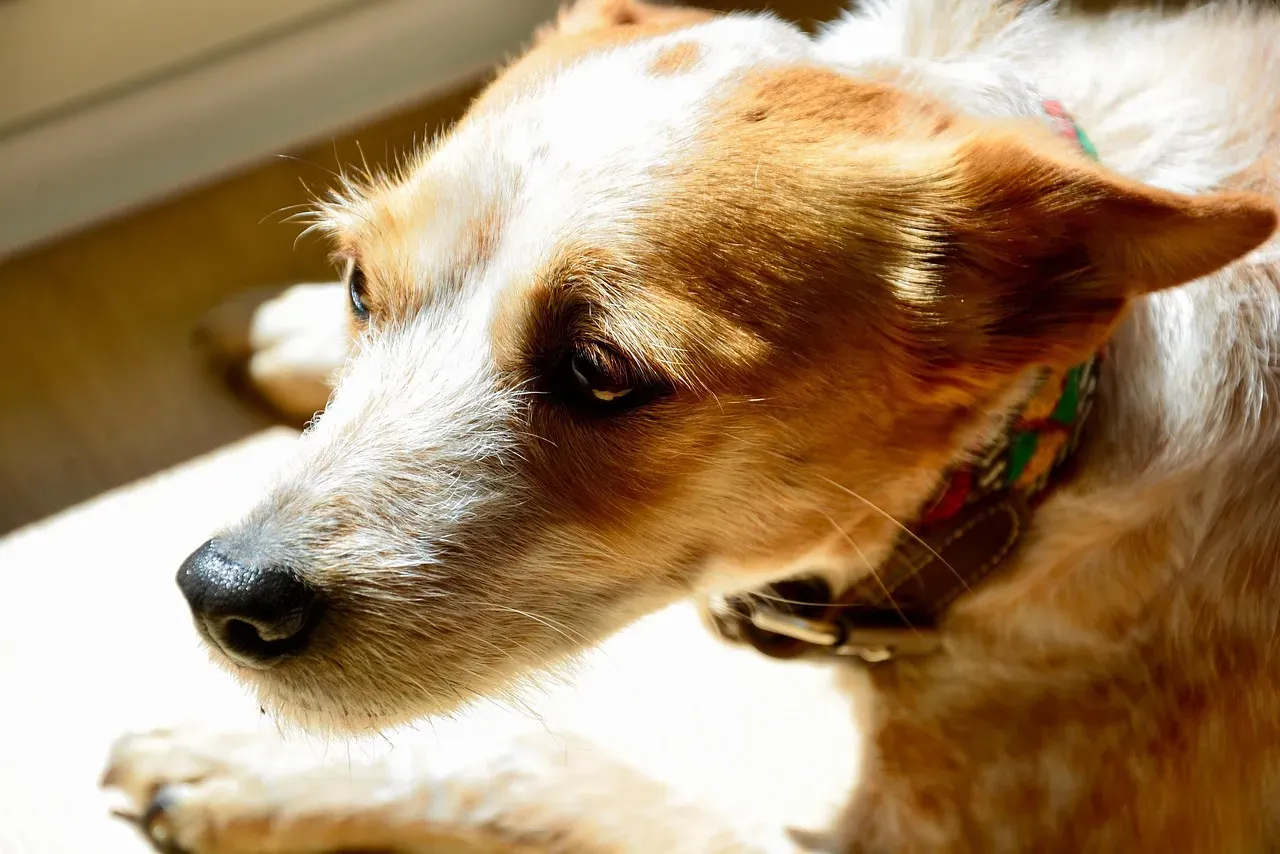
Let’s be real for a second. When people say their dog “panics,” they often picture a dog barking at the door. The actual science paints something considerably more disturbing. Behavioral signs characteristic of separation anxiety include vocalization, urination and defecation, salivation, inappetence, destructiveness, restlessness, and self-injury.
Dogs present signs of distress when separated from their owners, such as destructiveness, excessive vocalisation, and house soiling. Additionally, they might present physiological signs like excessive salivation, panting, trembling, repetitive behaviour such as pacing, and activity level changes, which may also happen while the owner is preparing to leave.
Notice that last part. Some dogs begin reacting before you’ve even opened the door. Some dogs will begin to whine, pace, pant, or freeze as their owner’s departure becomes imminent, and the peak intensity of separation-related behaviors occurs shortly after the owner’s departure.
Separation anxiety has been shown to raise measurable cortisol, the body’s primary stress hormone, increase anxiety-related behaviors, and can even cause self-injurious behavior. This is a genuine physiological stress response. Not manipulation. Not stubbornness. Pure, measurable biological distress.
The Surprising Role of Breed, History, and Your Own Behavior
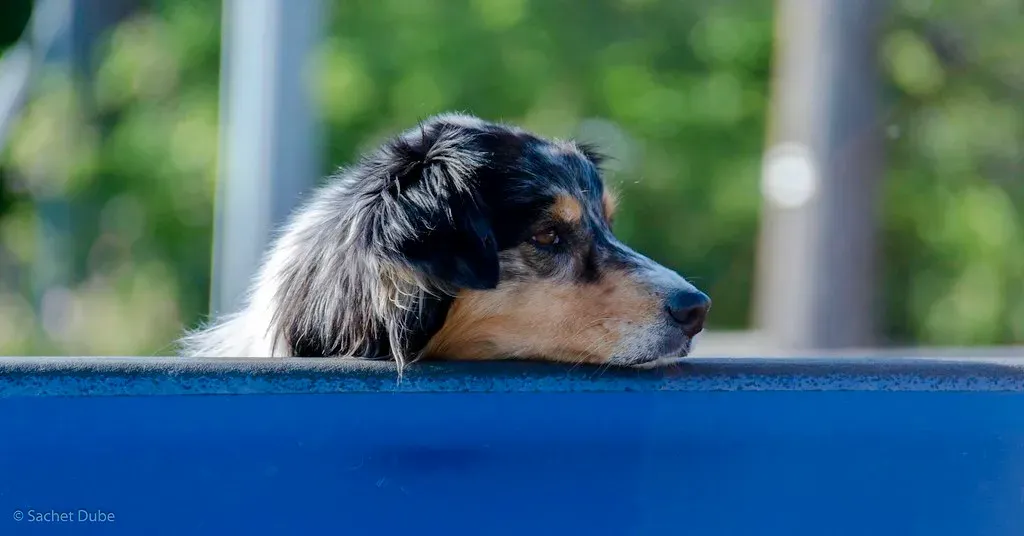
I think this is the part that surprises most dog owners the most. The risk factors for separation anxiety aren’t just about what you do after bringing a dog home. They go much deeper, reaching back into the dog’s early life and even its genetics. Dogs seem to develop separation-related behavior problems if they are male, sourced from shelters or found, and separated from the litter before they are sixty days old.
Breed matters too, in ways you might not expect. Cooperative breeds, which work in close visual contact with their handler, bark more frequently during separation than independently working dog breeds. This possibly suggests that functional breed selection may not only have resulted in dogs that are more motivated to stay close to their owners, but could also make them more prone to frustration when separated.
Your own behavior plays a role that’s genuinely uncomfortable to acknowledge. Dogs who are allowed to follow their owners from room to room, who are encouraged to display more overt leaving and greeting behavior, and who are excessively bonded to their owners may be more anxious in their owner’s absence.
It’s common for pet parents to inadvertently encourage anxious behavior in association with an impending departure. An owner who feels guilty about leaving is an easy mark for a dog who is interested in getting extra attention. So those long, dramatic goodbye rituals at the door? Science suggests they may be making things worse.
How Common Is This, Really?
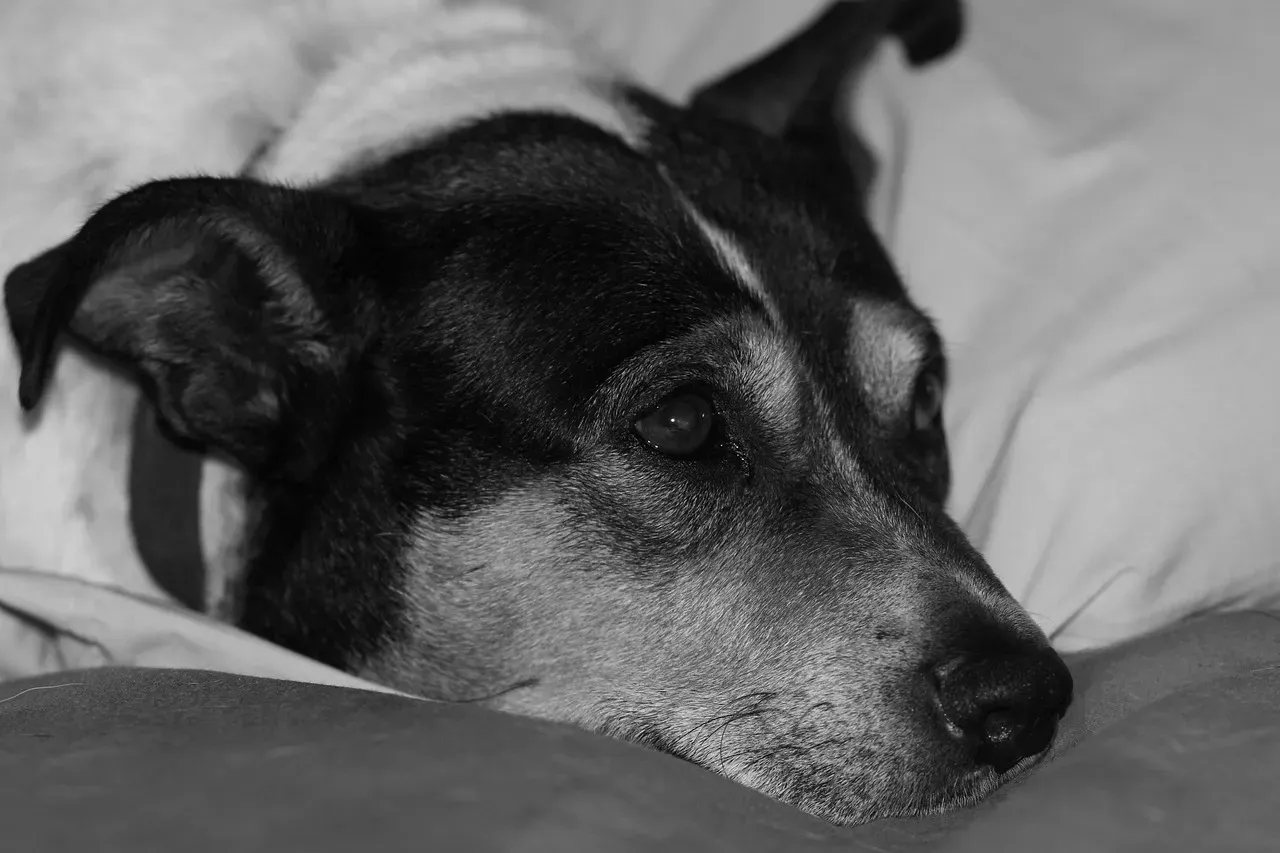
If you’re reading this thinking “my dog definitely has this,” you’re far from alone. Canine separation anxiety is one of the most frequently reported forms of anxiety-related behavior by dog guardians, and a large survey found that being left alone was the second most frequently reported trigger of anxiety, cited by roughly one in five guardians.
Separation anxiety is common, affecting between roughly an eighth and a quarter of all dogs. Although the condition is not directly life-threatening, the extreme behaviors displayed by dogs with separation anxiety interfere with their quality of life. The consequences of the panic a dog experiences are common reasons for rehoming, surrender, or in extreme cases, euthanasia.
That last statistic is the one that tends to silence a room. Dogs are surrendered and sometimes euthanized because of a problem rooted in their deep biological need for connection. It’s a sobering reminder of how urgently this issue deserves attention. Separation anxiety is one of the most commonly diagnosed behavioral disorders in domestic dogs and a principal reason for relinquishment of dogs to animal shelters.
What Can Actually Be Done About It
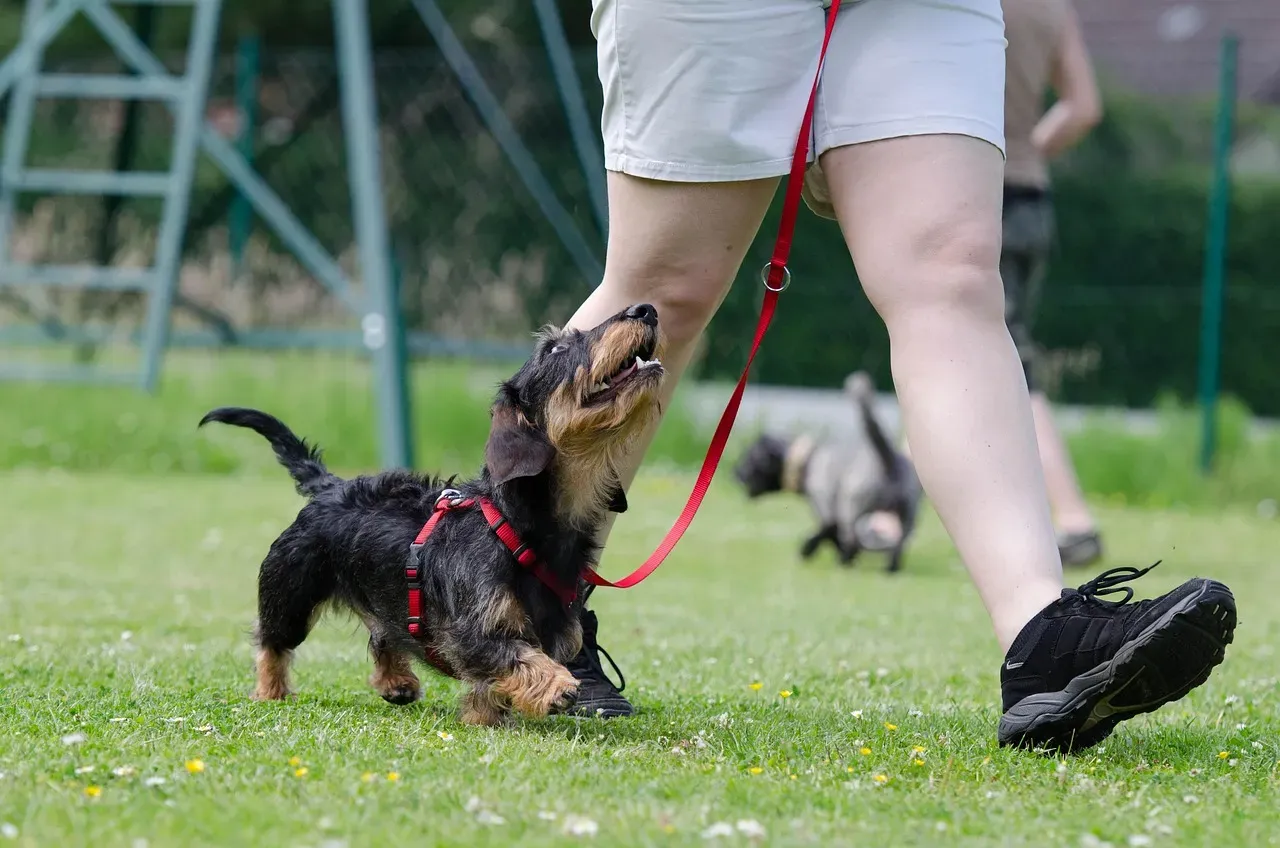
Here’s where things get genuinely hopeful, because there are real, evidence-backed strategies that work. It’s hard to say there’s a single magic fix, but the research is fairly consistent on what helps. Systematic desensitization has been found to be successful in reducing or eliminating separation-related behavior problems. It involves exposure to mild versions of the feared stimulus that will not elicit anxiety, with subsequent gradual increases in intensity. Initially, the dog is exposed to very short periods of owner absence.
The dog’s anxiety often begins with the first cue that the owners are leaving, so an important step is to uncouple the departure cues from the actual departure and reinforce calm, relaxed behavior. For example, owners can pick up their keys and then simply sit down. Relaxed behavior in the dog is rewarded and anxious behavior is ignored, never punished.
Protective factors include ensuring a wide range of experiences outside the home and with other people between the ages of five and ten months, stable household routines and absences from the dog, and the avoidance of punishment.
Robust desensitization programs, when conducted correctly, can be a cornerstone of successful treatment. After a dog learns to remain calm during periods of brief separation from its owner, this calm behavior can likely be applied to longer periods of separation. Patience is everything here. Think of it less like fixing a broken appliance and more like slowly teaching someone to trust again after a difficult experience.
Conclusion
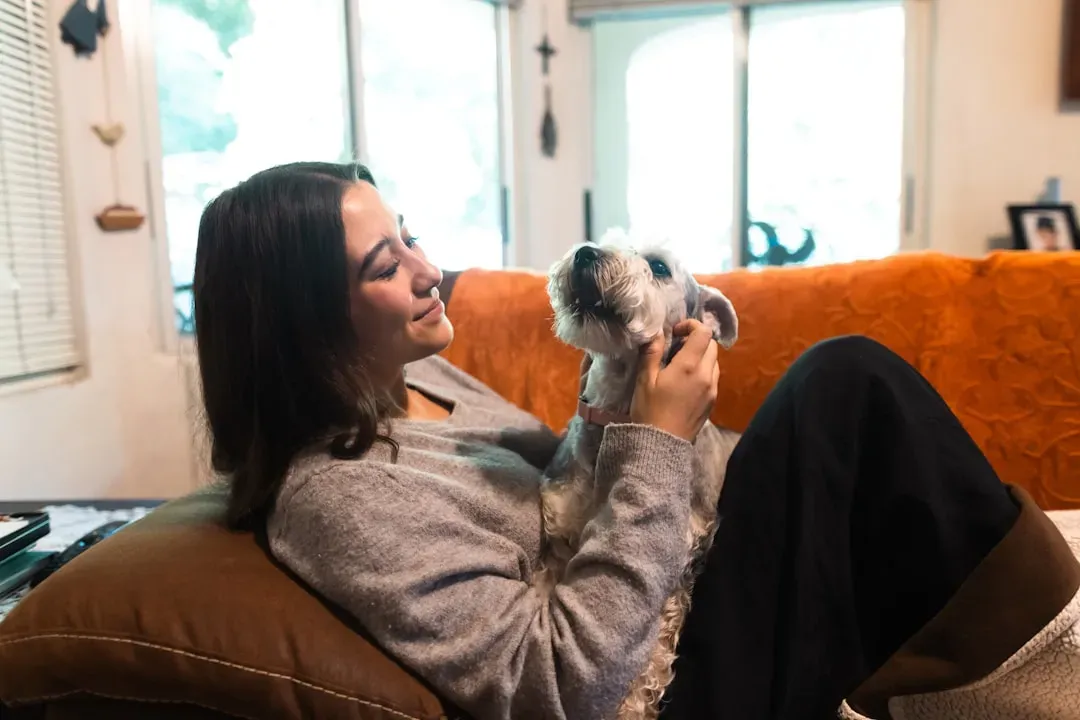
What we’ve uncovered here is more than just a behavioral curiosity. It’s a window into a relationship that is, at its core, rooted in genuine love and biological need. Your dog isn’t being dramatic when you leave. It’s experiencing something frighteningly real, a disruption to the emotional homeostasis that your presence provides.
The science of attachment tells us that this bond, the one formed between dogs and their humans, is ancient, powerful, and deeply meaningful. Understanding it means we can respond with compassion instead of frustration, and with strategy instead of helplessness.
If your dog panics at the door, don’t write it off. Don’t feel guilt-tripped into lavish goodbyes either. Instead, take a slow, patient, science-guided approach to helping them learn that you always come back. Because in the end, that’s what every anxious dog is waiting to truly believe.
What would you have guessed was happening inside your dog’s mind? Tell us in the comments.
