

Something extraordinary happened in northeastern China during the winter of 1974 that would forever change how we understand earthquake prediction. Picture this: thousands of snakes emerging from their underground dens in the middle of a brutal Chinese winter, only to freeze to death on snow-covered roads. This wasn’t a scene from a disaster movie, but rather nature’s desperate warning signal that saved thousands of lives.
The story of the Haicheng earthquake represents humanity’s only truly successful earthquake prediction in recorded history. What makes it even more remarkable is that the heroes of this tale weren’t sophisticated seismographs or cutting-edge technology, but rather the creatures that lived beneath our feet.
The Bizarre Winter Snake Exodus

In December 1974, rats and snakes appeared “frozen” on the roads, with snakes coming out of hibernation but subsequently dying on the frozen ground. Before the Haicheng earthquake in China in 1975, snakes were seen to leave their underground holes despite the cold of winter and froze to death on the surface.
Think about how utterly wrong this was. The sightings were bizarre because they happened in the dead of winter in the north of China, when snakes should have been hibernating underground. Snakes came out of hibernation for two months in December 1974 and January 1975, and it was as if they were committing suicide.
Imagine the confusion local residents must have felt witnessing this phenomenon. Hibernating snakes frozed and died in the snow, the numbers increasing, gathering together. These weren’t just isolated incidents but mass suicidal migrations that defied every natural instinct these cold-blooded creatures possessed.
A City on the Edge of Disaster

On February 4, 1975, at 19:36 CST, an earthquake of Ms 7.3 and intensity (MMI) IX hit the city of Haicheng, Liaoning, China. However, the affected region had a population of more than 3 million. This wasn’t some remote mountain village, but a bustling industrial center where hundreds of thousands of lives hung in the balance.
It is approximated that 90% of the structures in Haicheng at the time experienced significant damage or were completely destroyed by the earthquake. Local bridges collapsed and oil transport pipelines were damaged. The sheer scale of destruction would have been catastrophic had the city remained populated.
The Greatest Evacuation in History

The evacuation remains the only successful evacuation of a potentially affected population before an earthquake in history. Based on further observations and numerous foreshocks, the city was successfully evacuated before the earthquake occurred. Chinese officials made a decision that would echo through seismological history forever.
These observations led them to order about 100,000 residents to evacuate the city. The evacuation of the city prevented up to 150,000 deaths according to estimates, however, many died from fire and hypothermia in the subsequent days. Picture nearly one million people leaving their homes based largely on the strange behavior of animals.
When the main quake struck at 7:36 pm, a reported 2,041 people died, over 27,000 were injured and thousands of buildings collapsed. While tragic, this represented a miracle compared to what could have been.
The Deadly Price of Survival
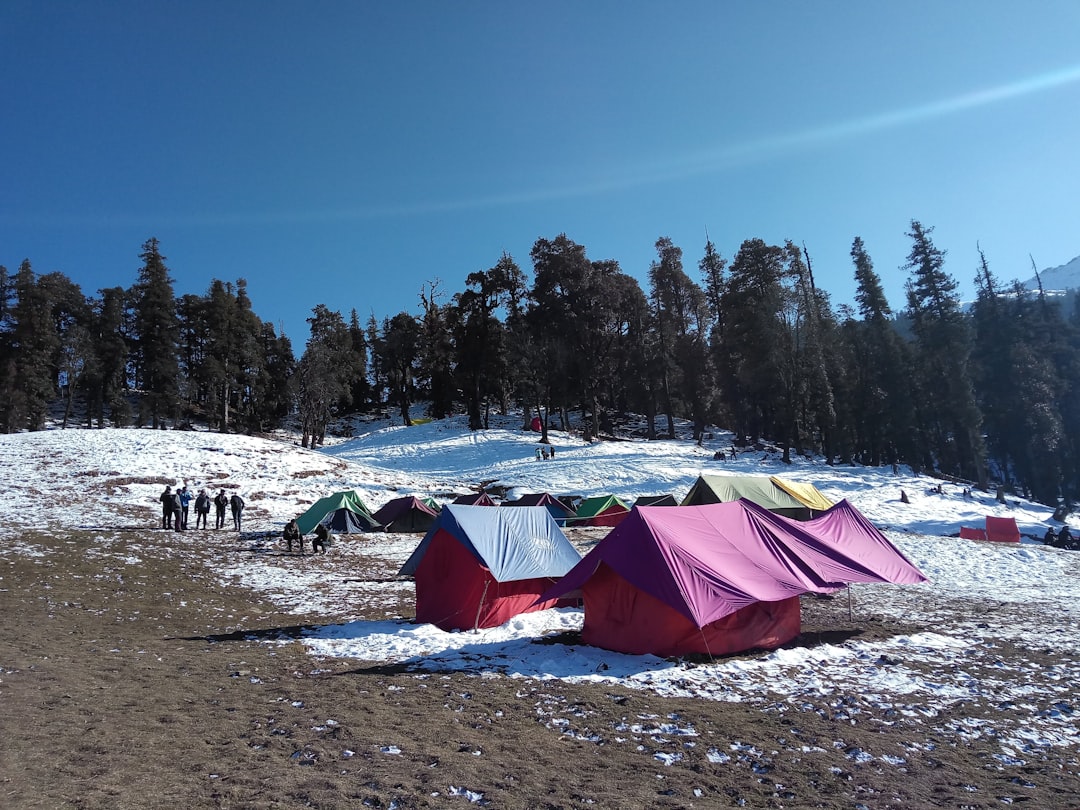
The evacuees lived during the deep winter in self-made tents made of tree branches, bed sheets, tarps and straw, 372 froze to death and 6,578 suffered frostbite, while a fire burned 341 to death and 980 suffered non-fatal burns. The fire was one of the most notable earthquake-induced fires in China, triggered from a combination of cooking, winter heating and lighting.
Ironically, the very animals that had saved these people by their warnings became harbingers of a different kind of death. The evacuees, living in makeshift shelters during one of China’s harshest winters, faced nature’s brutality in a different form. Yet even with these additional casualties, the death toll remained a fraction of what it would have been without the evacuation.
Animals as Nature’s Seismographs

Starting in February 1975 reports of this type increased greatly, with cows and horses looking restless and agitated, rats appearing “drunk”, chickens refusing to enter their coops and geese frequently taking to flight. During the following month, January 1975, thousands of reports of unusual animal behavior were being received from the general area.
“Of all the creatures on Earth, snakes are perhaps the most sensitive to earthquakes,” bureau director Jiang Weisong was quoted as saying, claiming snakes can sense an earthquake up to 120 kilometres away and three to five days before it happens. In a video observed by the bureau, Weisong recalled how snakes would even bang their heads against the walls in an attempt to escape their captivity before an earthquake.
The scientific community began taking these observations seriously. “Animals usually give us signs, and people should be alert if they see snakes wake up early from their winter hibernation, or if rats seem to be fleeing a basement, or even if dogs bark madly. Changes in the taste, color and levels of well water should also be noticed,” he said.
The Science Behind the Serpents
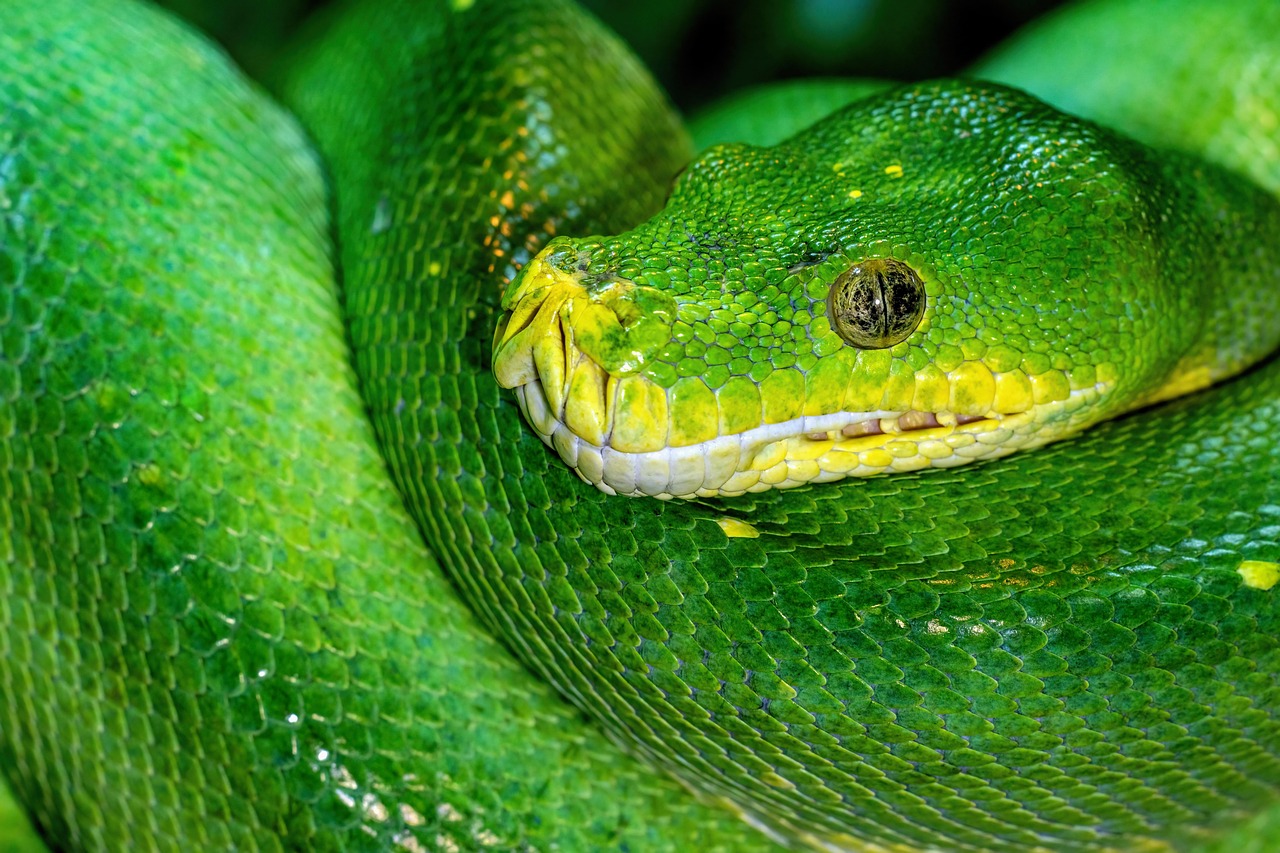
Snakes and some insects can detect thermal variations based on their infrared vision, with physicist Friedemann T. Freund demonstrating in 1993 that rocks under tension emit infrared radiation and infrared anomalies also being recorded by the NASA Terra satellite before the magnitude 7.9 Bhuj earthquake (India) January 21, 2001, suggesting maybe snakes can “see” the accumulating stress applied to rocks by telluric movements.
Before the earthquake, the underground rock strata had been moving slowly day by day, showing a state of creeping, and there was strong friction between the fault planes, therefore, it is believed that a low-frequency sound wave could be generated on the friction fault planes only a few times to more than ten times per second, which is lower than human hearing, with humans needing more than 20 sound waves per second to feel them, while animals do not, with highly sensitive to sound animals horrified when they feel it, resulting in abnormal phenomena such as winter snakes coming out of the hole.
The Foreshocks That Confirmed Animal Warnings

Both authorities and citizens were finally placed on high alert and an evacuation order was issued due to an increase in foreshocks. Their report concluded that the 1975 Haicheng prediction was based mainly on the pronounced foreshock sequence; other aspects of the described methodology were more difficult to assess.
Scientists in the city, which has a population of 1 million, said they raised the alarm after recording a 3.1-magnitude tremor and 1,000 smaller aftershocks the previous day. “Over 1,000 slight earthquakes provided scientists then with an obvious indication, but that is rare”.
The combination of animal behavior and seismic activity created a perfect storm of evidence. However, critics argue that the success was more about the foreshocks than the animals. The evacuation of Haicheng was based mainly on a sequence of foreshocks that occurred months and days before the earthquake and the authorities had suspected for years that a larger earthquake could occur in a region with past strong earthquakes, with the animals not behaving strange without lacking an apparent reason but reacting to the continued and almost daily trembles and foreshocks.
Why This Success Couldn’t Be Repeated
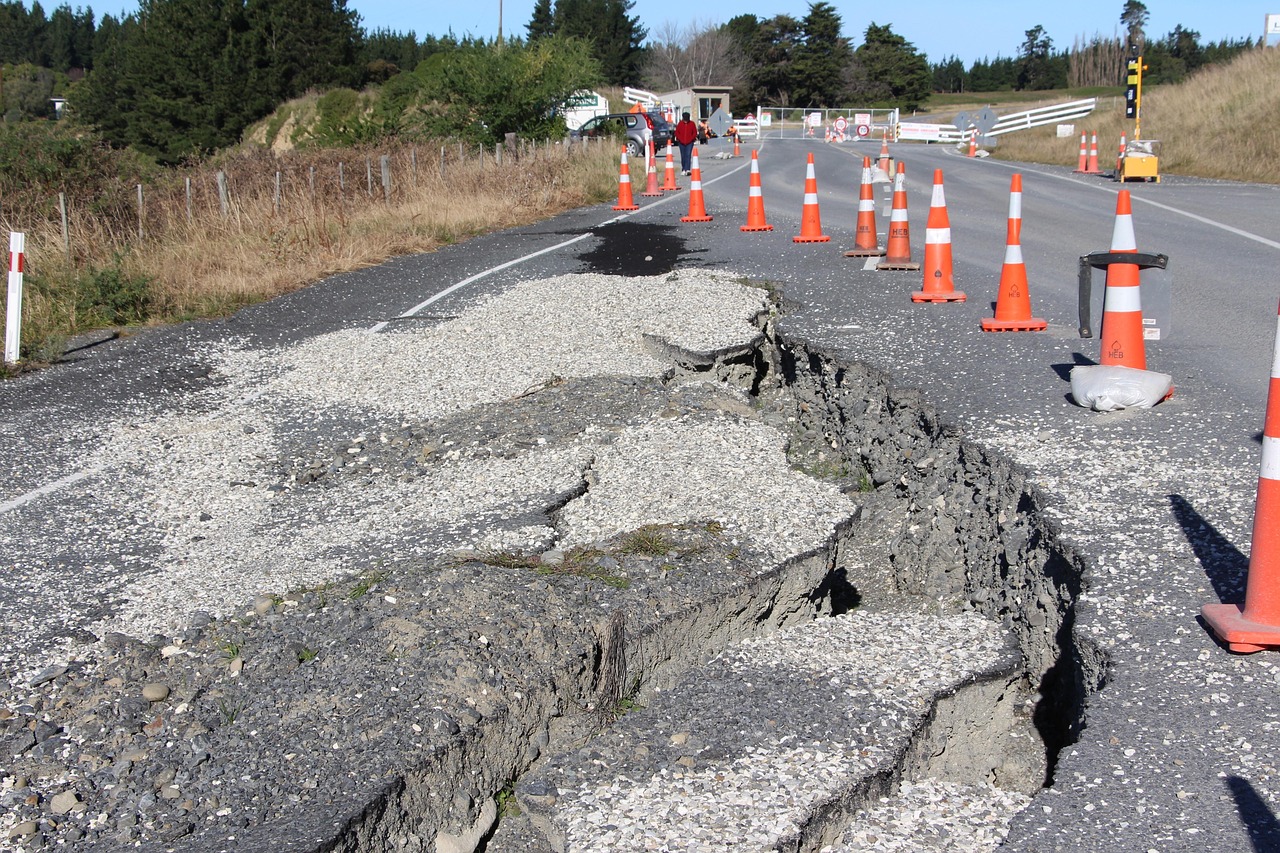
None of the precursors observed in this earthquake were observed in the 1976 Tangshan earthquake, which killed over 240,000 a year later. The following year, on July 28, 1976, a magnitude 7.6 earthquake struck the city of Tangshan, a thriving industrial city with approximately one million inhabitants, without warning, with none of the precursors observed near Haicheng being observed this time, and the earthquake causing an estimated 250,000 fatalities and 164,000 injured.
Seismologists have agreed that the Haicheng earthquake can’t be looked to as any sort of “prototype” for predicting future earthquakes, as the foreshocks that played a huge role in leading to prediction of this earthquake are not a regular, reliable occurrence before all earthquakes. This reality check brought the scientific community back down to earth, literally and figuratively.
The harsh truth is that the Haicheng prediction may have been as much about luck as it was about science. The convergence of animal behavior, foreshocks, and alert officials created a unique set of circumstances that haven’t been successfully replicated since.
Conclusion
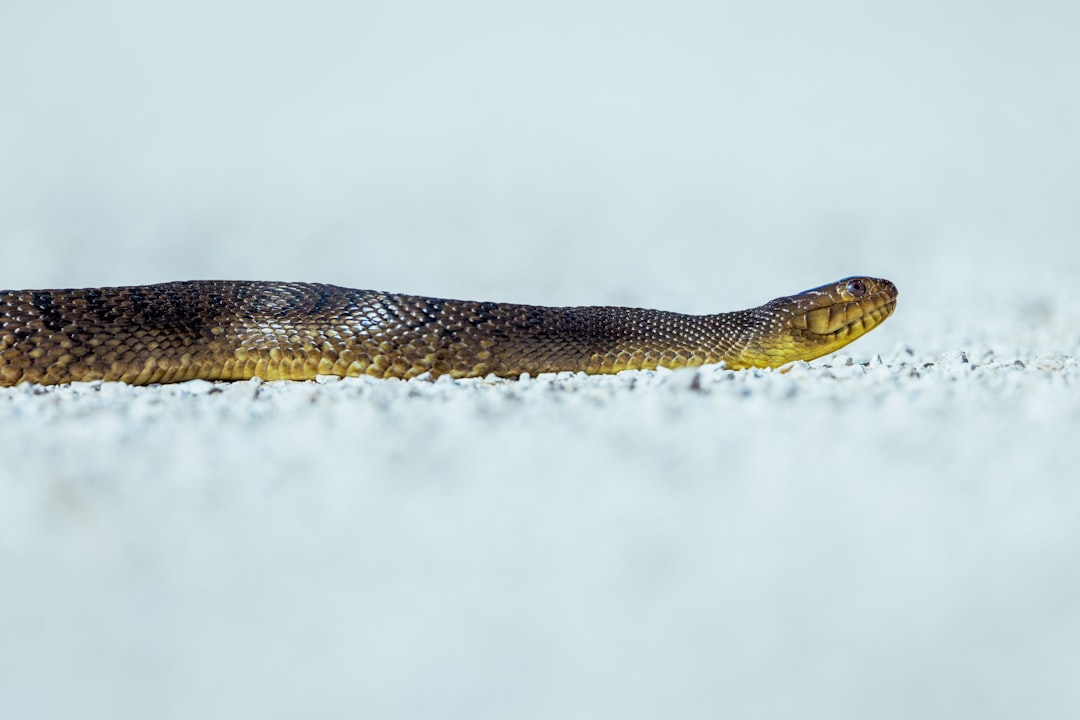
The snakes that emerged from their winter hideouts to die on frozen Chinese roads became unlikely heroes in one of history’s greatest natural disaster success stories. Their sacrifice, along with that of countless other animals whose strange behavior warned of impending doom, saved tens of thousands of human lives. Though we’ve never successfully repeated this earthquake prediction feat, the Haicheng event remains a testament to the deep connections between all living things and our planet’s geological forces.
Perhaps the most haunting aspect of this story isn’t the earthquake itself, but the image of snakes choosing certain death in winter’s grip rather than staying underground where seismic forces were building. Their ing act wasn’t really a disappearance at all, but nature’s most dramatic warning signal we’ve ever witnessed. What do you think drives animals to such extreme behavior in the face of natural disasters?

- How to Cool Down a Dog: Science‑Backed Ways To Keep Your Pup Safe - August 10, 2026
- Animal Cognition Says Parrots Practice Words Alone Before Using Them in Social Situations - August 10, 2026
- 8 Things Guinea Pigs Remember About Daily Routines - August 10, 2026