


The world of giant tortoises is a remarkable realm of endurance, longevity, and evolutionary marvels. These magnificent reptiles, known for their striking size and deliberate pace, have long captured human imagination and scientific curiosity. With habitats ranging from the isolated Galápagos Islands to the remote archipelagos of the Indian Ocean, giant tortoises stand as a testament to nature’s resilient adaptability and evolutionary ingenuity.
A Peek into the Past Evolution and Distribution
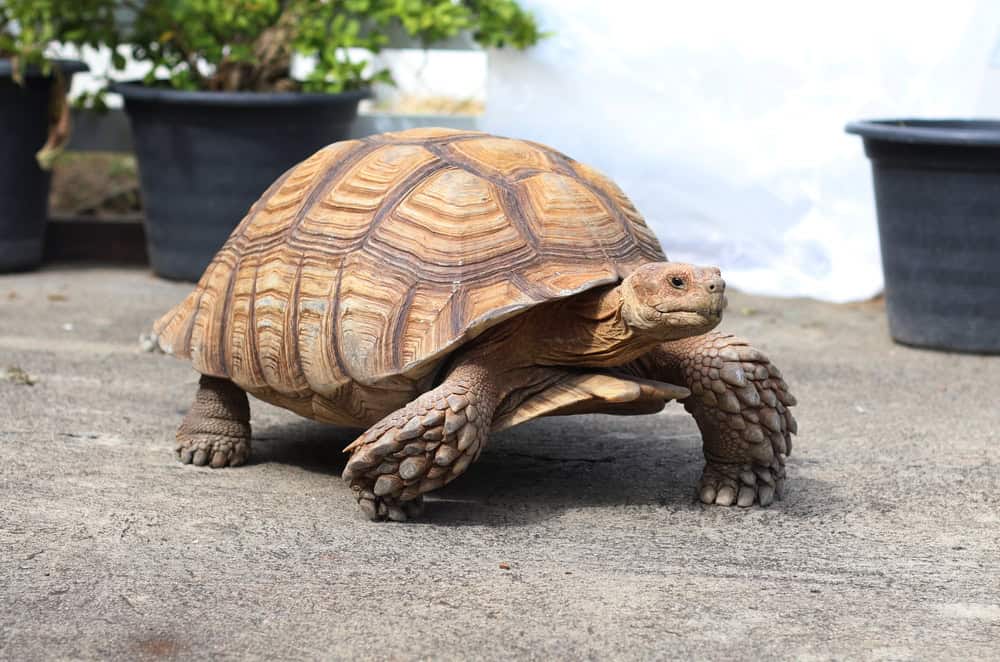
Giant tortoises have roamed our planet for millions of years, with their ancestors dating back to the period when dinosaurs still walked the Earth. They are members of the Testudinidae family, which consists of land-dwelling creatures notable for their domed shells and sturdy limbs. Fossil evidence suggests that these reptiles once thrived on multiple land masses, but today, they are primarily found on the Galápagos and in the Aldabra Atoll of the Seychelles.
Their wide-ranging distribution in the past contributed to their evolution into several species and subspecies, each uniquely adapted to its specific environment. The isolation of the Galápagos Islands, for instance, allowed for the development of diverse shell morphologies among different island populations, a fact that piqued Charles Darwin’s interest during his famous voyage aboard the HMS Beagle.
Living Legends of Longevity

Giant tortoises are synonymous with incredible lifespans, often living well over 100 years. Some individuals have been recorded surpassing the 150-year mark in captivity, making them some of the longest-lived vertebrates on the planet. Their longevity can be attributed to several factors, including a slow metabolism, a plant-based diet, and minimal natural predators in their isolated habitats.
Throughout their lengthy lives, giant tortoises undergo a slow but fascinating growth process. Hatchlings start their journey at just a few ounces in weight, gradually amassing up to 500 pounds as adults. They also maintain an impressive resilience to the ailments that usually accompany ageing in other species.
A Closer Look at Behavior and Ecology

Despite their formidable size, giant tortoises are gentle creatures, leading peaceful, solitary lives. They are predominantly herbivorous, feasting on grasses, leaves, and fruits, which they consume in leisurely munches. This plant-rich diet plays a critical role in the ecosystem, aiding in seed dispersal and shaping the vegetation patterns of their habitats.
Giant tortoises are also known for their ability to endure harsh environmental conditions. They can survive for extended periods without food or water, relying on their internal fat reserves and the water stored in their expansive bladders. This remarkable adaptation allows them to thrive in arid environments and cope with the challenges of living in isolated territories, where resources can sometimes be scarce.
Conservation Challenges and Efforts

Despite their resilience, giant tortoises face numerous threats that have led to significant population declines in recent centuries. Humans’ arrival on their native islands has brought hunting, habitat destruction, and the introduction of invasive species, all of which have posed substantial risks to their survival.
Conservation efforts have been crucial in reversing these trends. Initiatives like the Galápagos National Park’s breeding and repatriation programs have successfully increased the number of these gentle giants. Moreover, global awareness and local legislation have intensified to protect these gentle giants’ natural habitats and promote ecotourism as a sustainable development strategy.
The Cultural and Scientific Significance
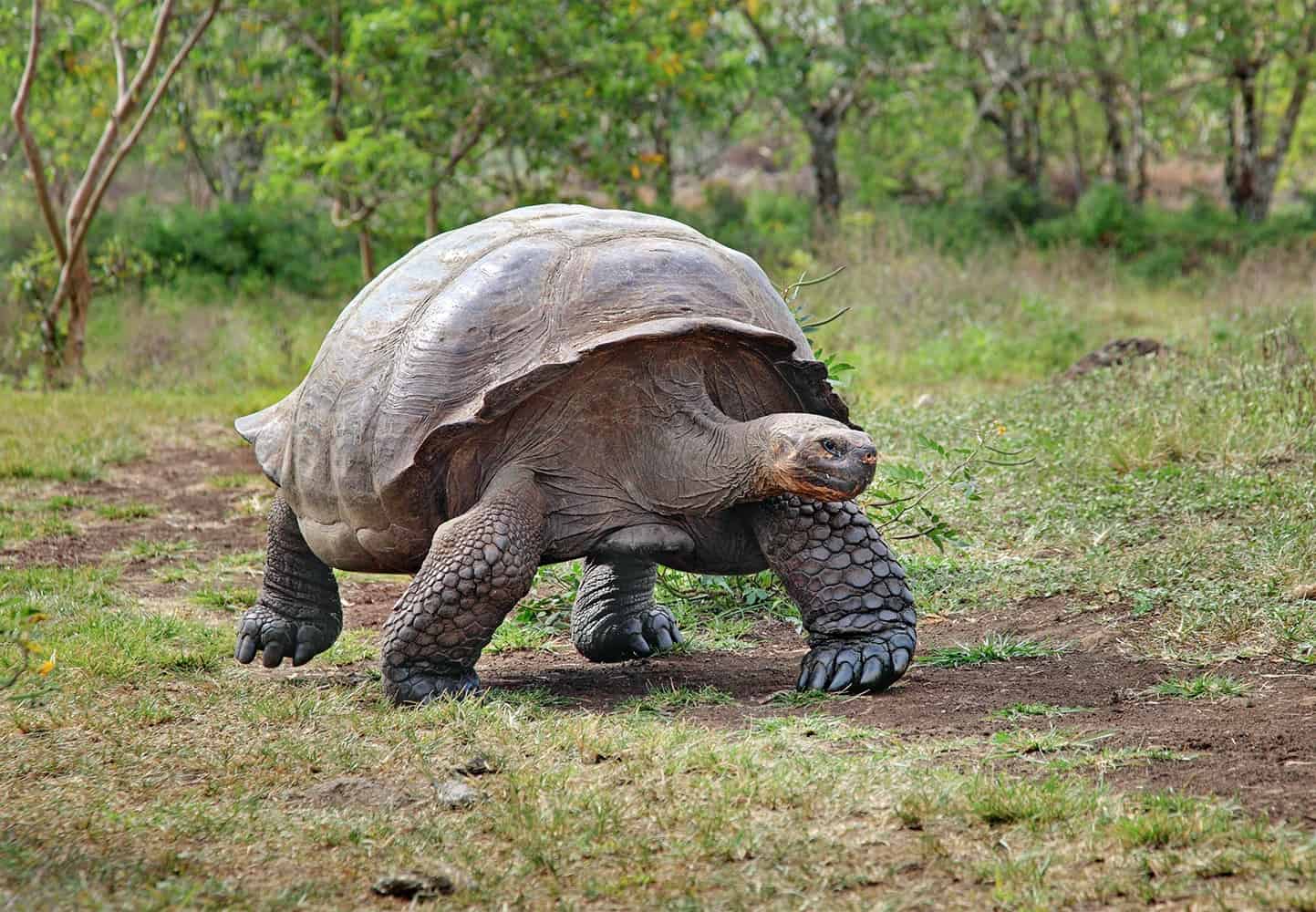
Beyond their ecological role, giant tortoises hold a special place in human culture and scientific inquiry. They have become symbols of natural heritage, resilience, and the importance of conservation. The stories of individual tortoises, such as Lonesome George, have garnered international attention, highlighting the urgent need for global conservation efforts.
Scientifically, the study of giant tortoises continues to offer valuable insights into evolutionary biology, genetics, and ageing. Their unique adaptations and extraordinary longevity make them fascinating subjects for researchers, offering potential clues to understanding similar processes in humans and other species.
Conclusion A Legacy of Patience and Perseverance
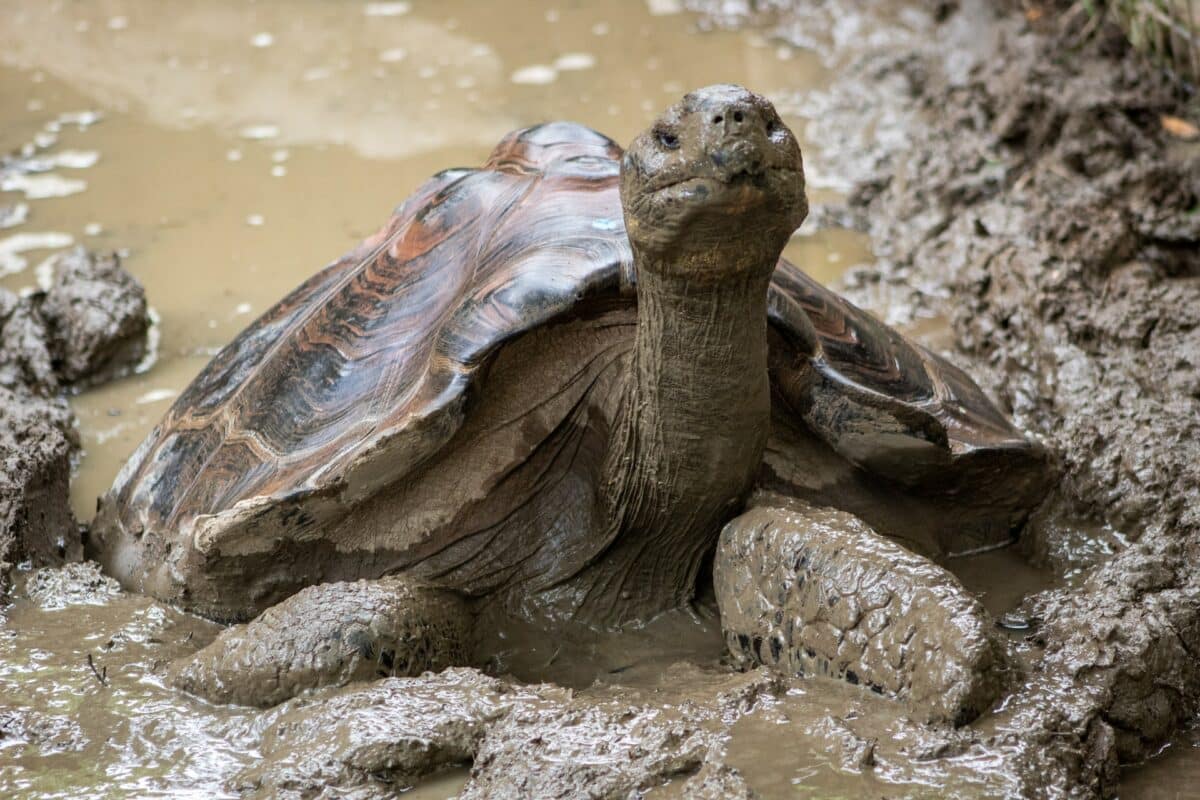
In a world that often feels fast-paced and ever-changing, giant tortoises remind us of the virtues of patience and steadiness. Their ancient lineage and enduring presence on isolated islands around the globe highlight both the fragility and resilience of life. As we strive to preserve their future, giant tortoises continue to teach us the beauty of slow and steady journeys and the importance of harmonious coexistence with the natural world.

As a little kid, I fell in love with nature, wildlife, and animals. Living in the USA, South Africa, Italy, China and Germany gave me the opportunity to discover the world's Wildlife. My favorite animals are Mountain Gorillas, Siberian Tigers, and Great White Sharks.
I'm a certified PADI Open Water Diver, went to Everest Base Camp and Trekked Gorillas in Uganda. I hold a Master of Science in Economics and Finance.
Please send any feedback to feedback@animalsaroundtheglobe.com
- Top 20 Spots for Birdwatching in the U.S. - July 20, 2026
- 13 Secrets Behind the Bald Eagle Hunting Style - July 20, 2026
- Top 10 Reasons the Amur Leopard is Racing Against Time - July 20, 2026