
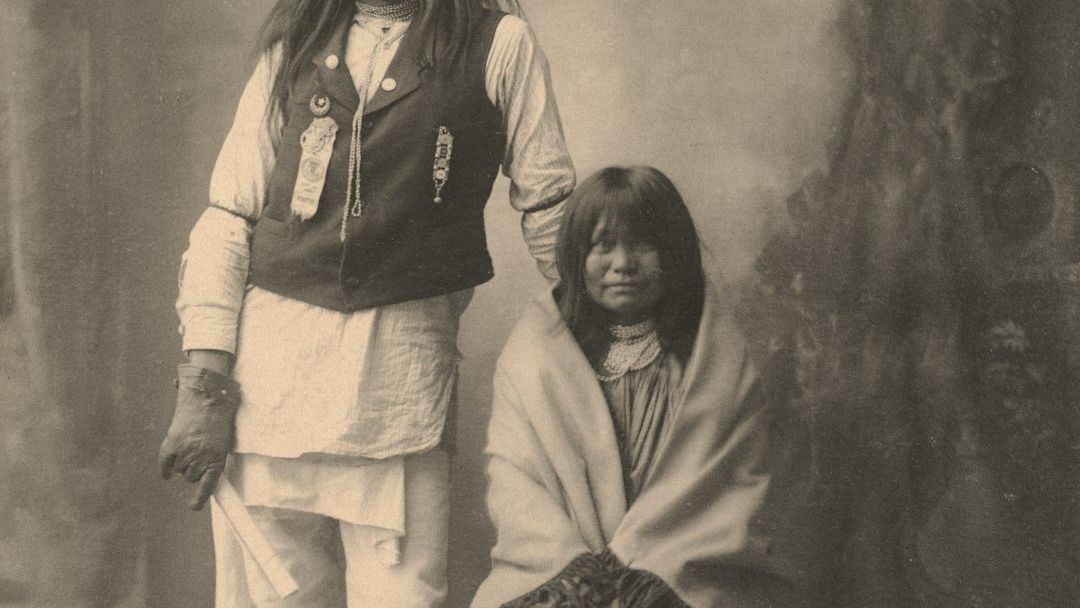
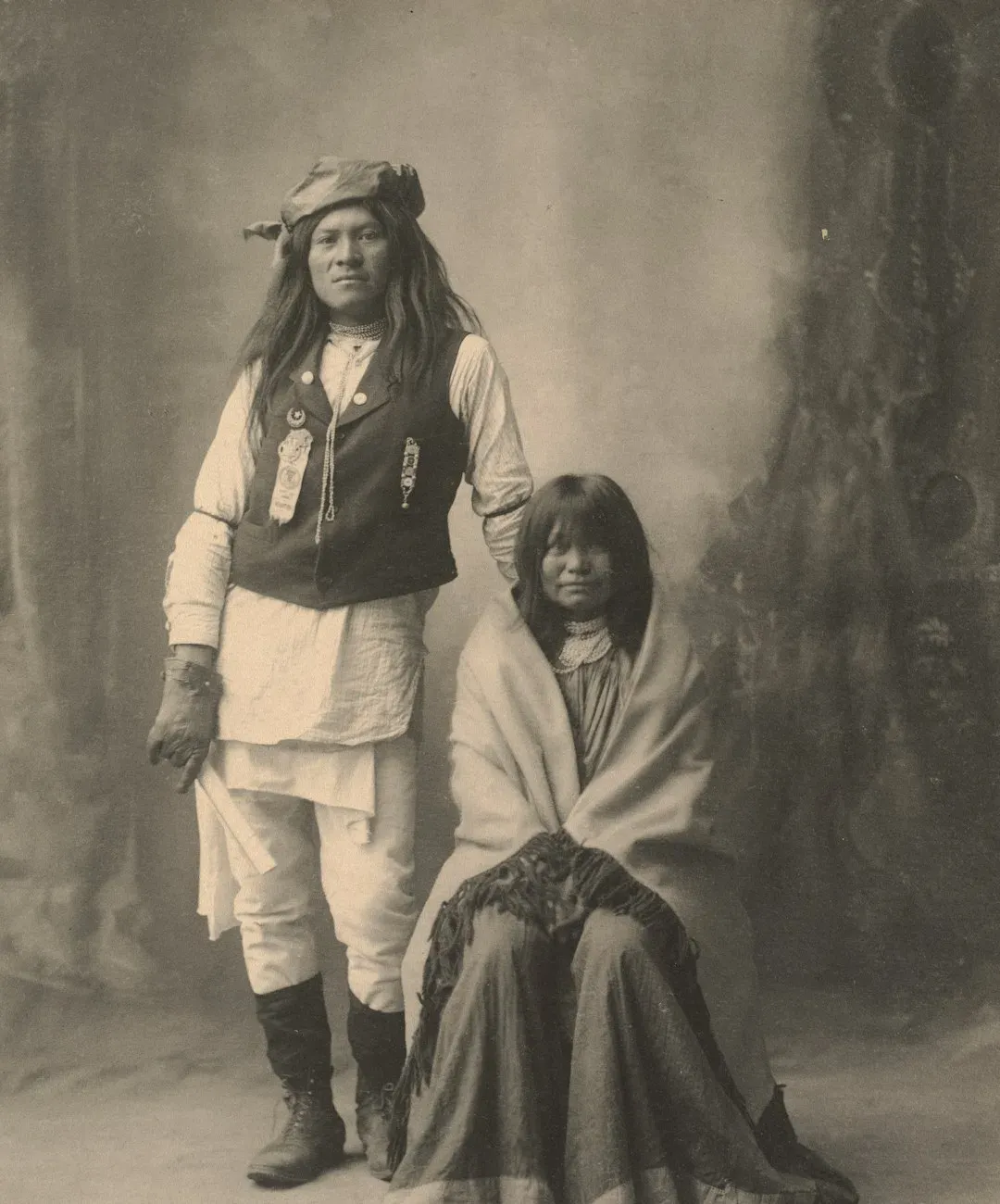
For decades, the story we’ve been told about the first Americans has been far too simple. The picture painted in dusty textbooks barely scratches the surface of what actually happened when humans first set foot on these continents.
Recent archaeological findings and genetic breakthroughs have completely upended our understanding of who the first Americans really were, when they arrived, and how sophisticated their societies actually became. These aren’t just small corrections to the historical record. We’re talking about discoveries that push back the timeline of human presence in the Americas by thousands of years and reveal civilizations far more advanced than anyone imagined.
What’s really fascinating is how many of these revelations have come about in just the last few years, thanks to new technology and a willingness to finally listen to Indigenous oral histories that have been saying all along that their people were here “since time immemorial.” Let’s dive into the discoveries that are rewriting everything we thought we knew.
Ancient Footprints Rewrite the Timeline
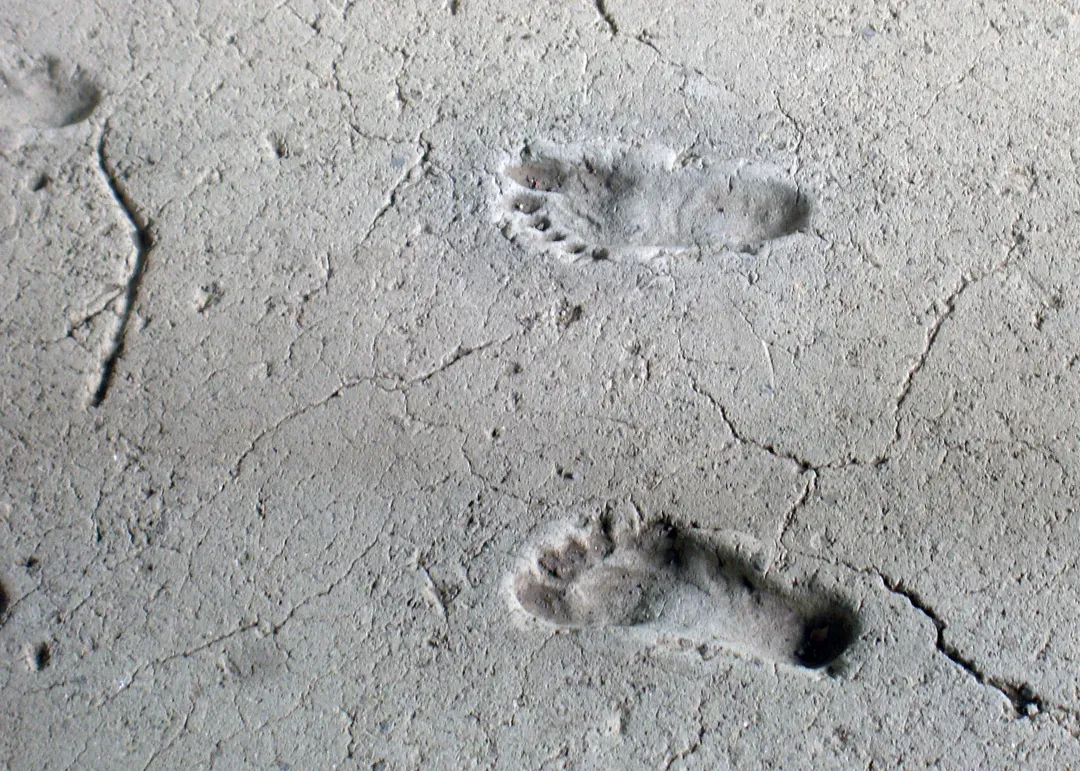
Imagine walking across muddy ground near an ancient lake, leaving behind footprints that would survive for over twenty thousand years. That’s exactly what happened at White Sands National Park in New Mexico, and the discovery has sent shockwaves through the archaeological community.
These fossilized human footprints were preserved in an ancient lakebed and initially caused controversy, though they’ve become widely accepted through subsequent research. Studies confirmed the footprints to be up to 23,000 years old, with recent dating providing estimates between more than 23,600 and 17,000 calibrated years before present.
Why does this matter so much? Well, for years the prevailing theory suggested people couldn’t have been in the Americas during the Last Glacial Maximum, when massive ice sheets covered much of the continent. After multiple studies confirmed the dates, the archaeological community realized the chronology had to be pushed back, and it’s now widely accepted that humans entered the Americas more than 20,000 years ago.
These weren’t just random wanderers either. The footprints show evidence of children and teenagers, suggesting family groups traveling together. The finding is so significant because it proves that humans were occupying North America during the Last Glacial Maximum, a theory that had previously been dismissed.
It’s honestly kind of mind-boggling when you think about it. These ancient Americans were thriving in conditions we can barely imagine, and they did it thousands of years earlier than we ever gave them credit for.
The Kelp Highway Revolution
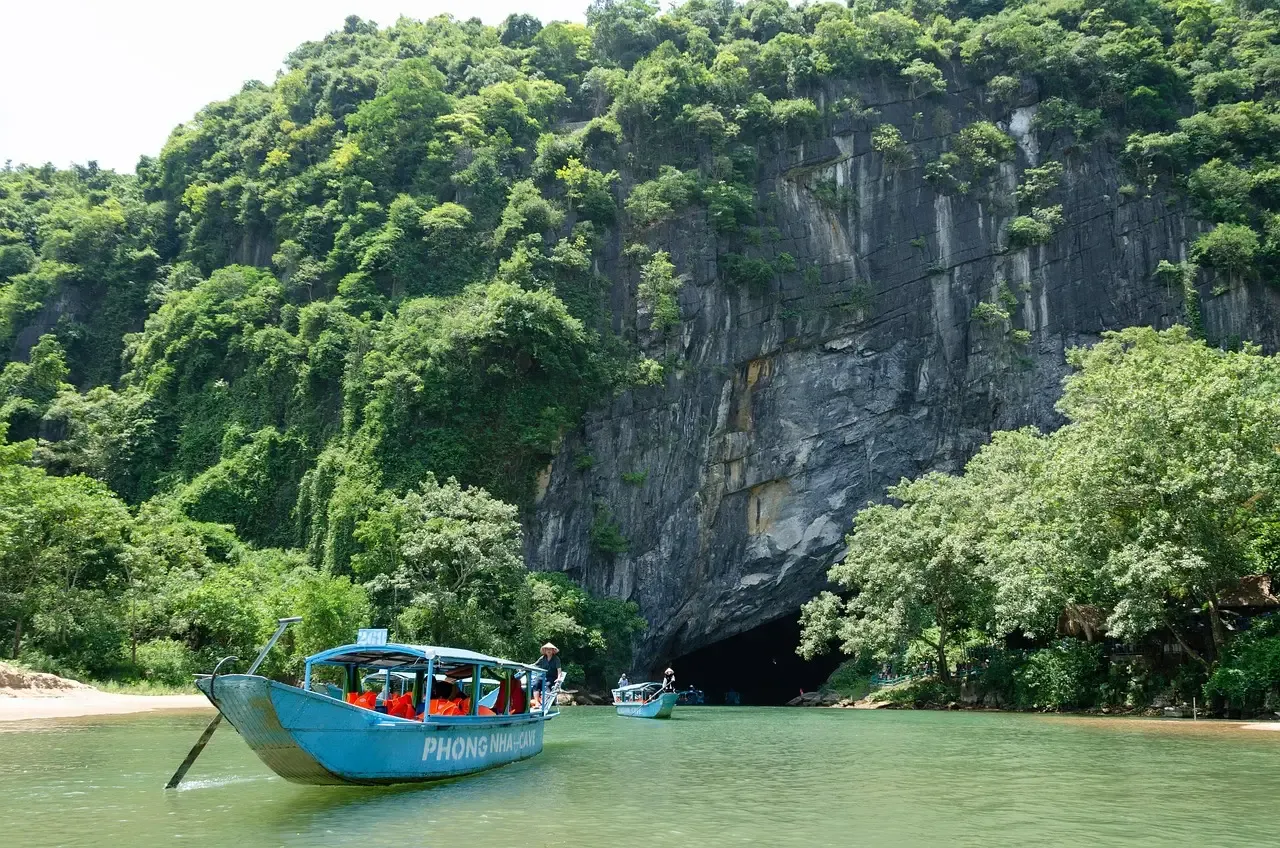
Forget everything you learned about people walking across a frozen land bridge and trudging through an ice-free corridor. The real story is probably a lot more interesting, involving boats, seafaring skills, and a coastal route rich with resources.
The “kelp highway” hypothesis proposed that the first Americans followed a Pacific Coast route from Northeast Asia to Beringia and the Pacific Northwest, using boats to navigate highly productive nearshore kelp-forest ecosystems. This theory makes a whole lot of sense when you consider that people had already used boats to reach Australia tens of thousands of years earlier.
What’s really compelling about this idea is the timing. Researchers identified two likely migration windows: between 24,500 and 22,000 years ago, and between 16,400 and 14,800 years ago. These periods had favorable climate conditions including weak ocean currents, winter sea ice to bridge island gaps, and ice-free summer water conditions.
The coastal migration theory also explains something that always bothered archaeologists about the inland route. Evidence at sites like Cooper’s Ferry in Idaho, dated to around 15,000 to 16,000 years ago, supports the idea that people moved down the Pacific coast in boats, following rich kelp forest hunting and fishing grounds.
Still, much of the evidence for this coastal route now lies underwater, submerged by rising sea levels since the Ice Age. It’s hard to prove something when your crime scene is a hundred meters below the ocean.
DNA Reveals an Ancient Beringian Mystery
In 2013, archaeologists working in Alaska made a discovery that would completely change our understanding of Native American origins. They found the remains of two infants at a site called Upward Sun River, and the DNA from one of those children revealed something nobody expected.
The infant belonged to a previously unknown population that researchers now call the Ancient Beringians. These ancient Beringians are believed to be the first Native American tribe to arrive in North America, nearly 20,000 years ago. Native Americans were somewhere in Beringia around 20,000 years ago, pushing dates back from previously supported archaeological sites.
Here’s where it gets really interesting. The analysis showed this girl was part of a previously unknown lineage that split from modern Native Americans about 20,000 years ago, suggesting her group lived in isolation in Beringia, Siberia, or North America for a long time. This means that Native American ancestry is more complex than a single wave of migration.
The genetic data also revealed something practical about these early people. Findings from Upward Sun represent the first evidence of human use of salmon in the New World. These weren’t just surviving – they were developing sophisticated food gathering techniques.
The Ancient Beringian discovery proved that multiple distinct populations contributed to Native American ancestry, not just one founding group as previously thought. It’s a reminder that human history is rarely as simple as we’d like it to be.
Pre-Clovis Sites Shatter Old Theories
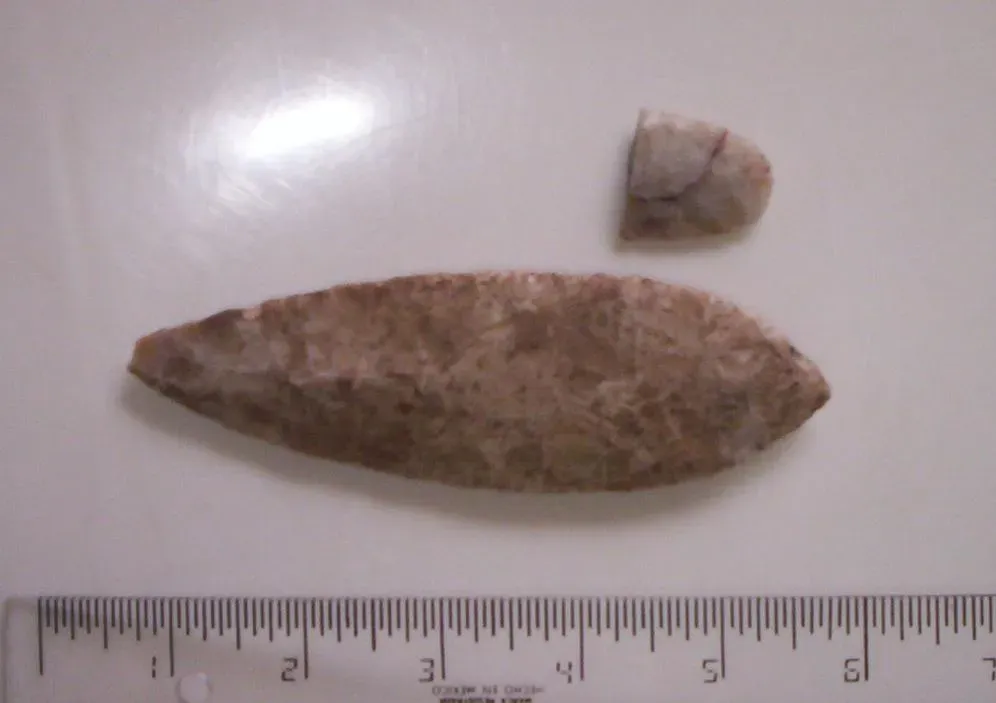
For most of the twentieth century, archaeologists were absolutely convinced they had it figured out. The Clovis people, with their distinctive spear points dating to around 13,000 years ago, were the first Americans. Case closed. Except it wasn’t.
Sites across the Americas have now definitively proven that people were here long before Clovis. Monte Verde in Chile featured exceptionally preserved wooden huts, rope, and stone tools dated to around 14,500 years ago, with more recent excavations yielding evidence dating between 14,500 and 19,000 years ago.
At Meadowcroft Rockshelter in Pennsylvania, researchers found a stone tool dated to 16,000 years ago, making it the oldest tool discovered in North America, with evidence suggesting human habitation as long as 19,000 years ago. That’s a massive difference from the Clovis timeline.
Even more impressive is what they found in Florida. At the Page-Ladson site, approximately 14,550 calendar years ago, people butchered or scavenged a mastodon next to a pond in a bedrock sinkhole. Evidence indicates that hunter-gatherers along the Gulf Coastal Plain coexisted with and utilized megafauna for around 2,000 years before these animals became extinct.
At Paisley Caves in Oregon, researchers used fecal lipid biomarkers to demonstrate unequivocally that coprolites dated to pre-Clovis times were human, with some dating to 12,400 radiocarbon years before present. Let’s be real, analyzing ancient poop isn’t glamorous, but it’s hard to argue with that kind of evidence.
Cahokia: North America’s Forgotten Metropolis
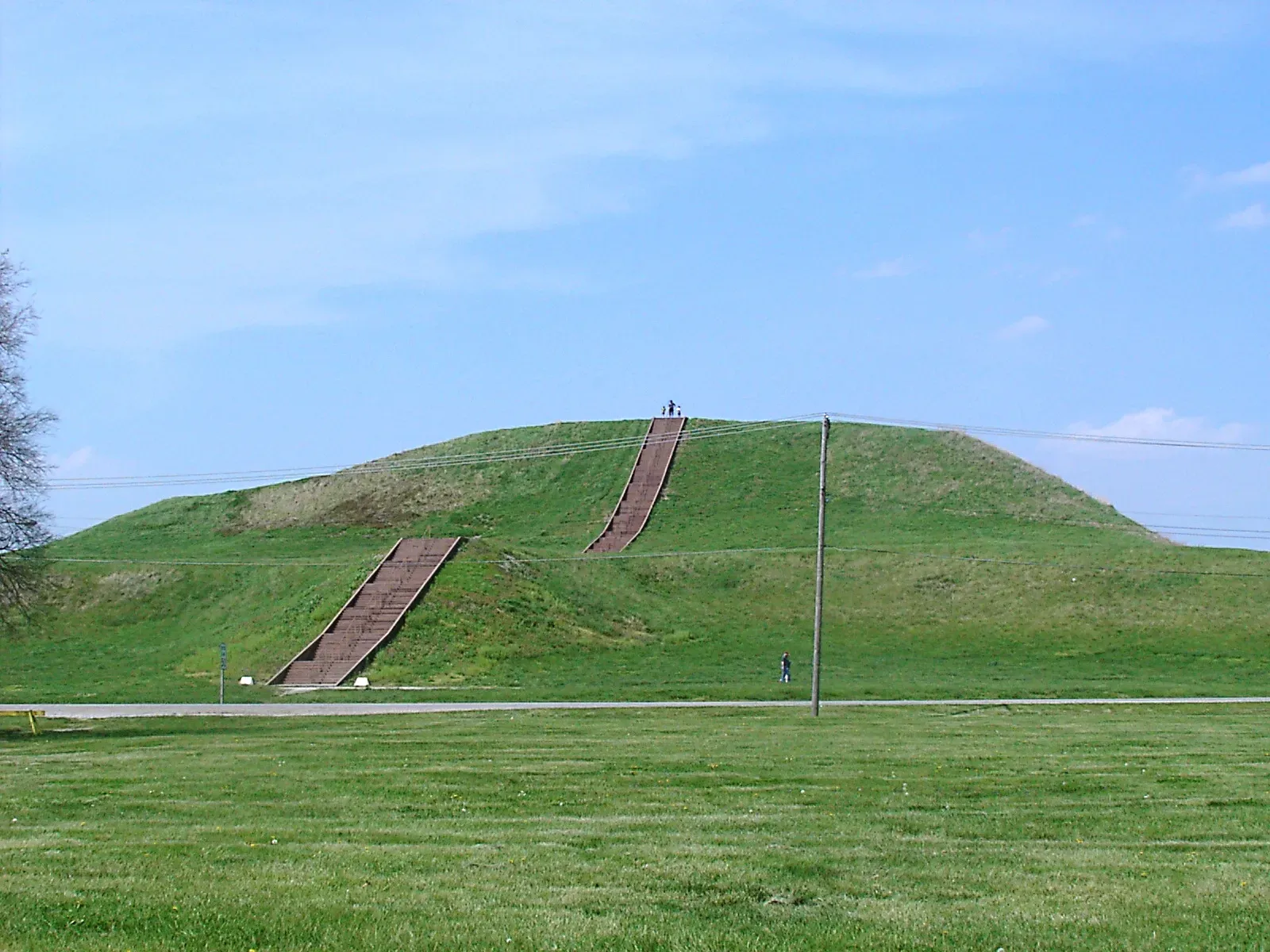
Think the only major cities north of Mexico came after Europeans arrived? Think again. Near present-day St. Louis stood one of the largest cities in the world during its time, and most Americans have never even heard of it.
Cahokia Mounds remains one of the most significant archaeological sites in the United States, and in 1100 CE, Cahokia was one of the world’s largest cities, boasting a population of up to 40,000 people. To put that in perspective, London at the same time had a similar population size.
The engineering required to build Cahokia was staggering. The people constructed massive earthen mounds, plazas, and a sophisticated urban layout without metal tools or pack animals. The largest mound, Monks Mound, rises about 100 feet high and covers more area at its base than the Great Pyramid of Giza.
Cahokia was one of the most significant urban centers of the Mississippian culture, and during its peak it was among the largest cities in the world, boasting trade networks that extended across much of North America. The city’s influence reached far beyond its physical boundaries.
What happened to Cahokia remains something of a mystery. The city was largely abandoned by around 1350 CE, possibly due to environmental changes, resource depletion, or social upheaval. Still, its existence completely undermines the myth that sophisticated urban planning was something Europeans brought to North America.
Advanced Engineering at Poverty Point
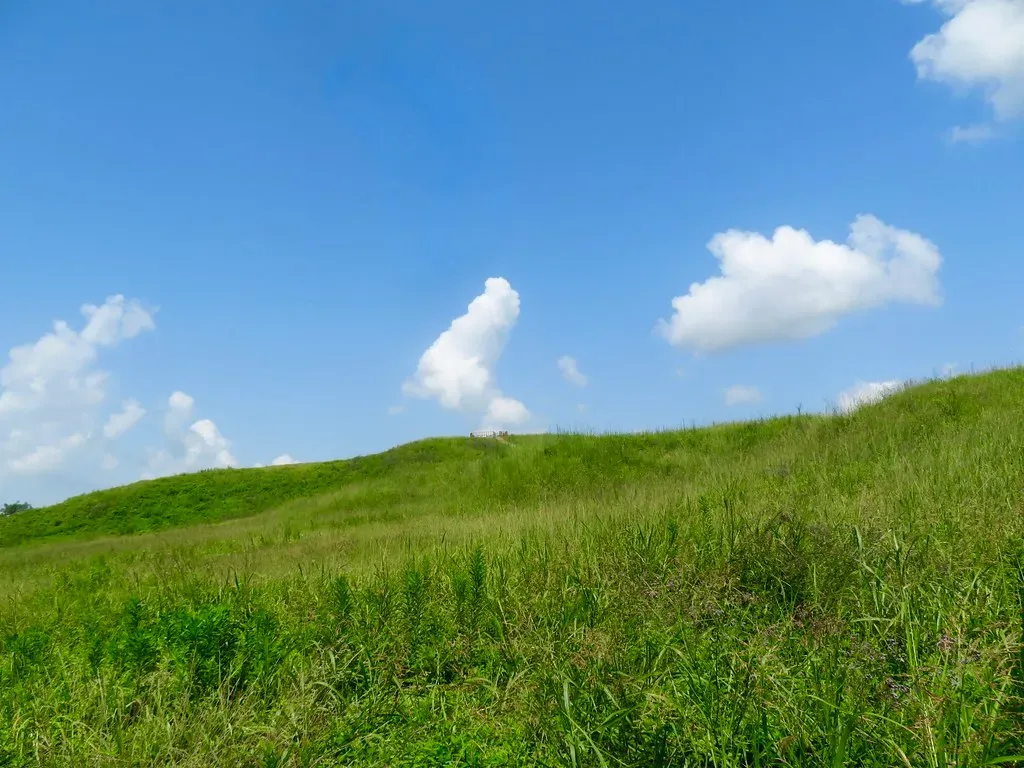
Down in Louisiana, roughly 3,400 years ago, Native Americans were building something that modern engineers still can’t quite figure out. The Poverty Point site features massive earthwork ridges and mounds that have survived millennia in an environment where earthworks should have washed away long ago.
What makes this discovery so remarkable is the speed of construction. Using radiocarbon dating and microscopic analysis, researchers provided conclusive evidence that the earthworks were built rapidly, with no signs of boundaries or weathering between levels that would have occurred if there was even a brief pause.
Microscopic analysis showed that Native Americans mixed different types of soil – clays, silts and sand – in a calculated recipe to make the structures stronger, similar to Roman concrete or rammed earth in China. The sophistication of this engineering is honestly impressive.
Here’s what really gets me. Native Americans discovered sophisticated ways of mixing materials to make them virtually indestructible despite not being compacted, and modern engineers have not been able to figure it out yet. We like to think we’re so advanced with our technology, but ancient Americans knew things we’ve forgotten.
Building the enormous mounds and ridges would have required a large, well-organized labor pool and leadership, challenging previous beliefs that hunter-gatherers shunned politics. These people were far more complex and organized than anyone gave them credit for.
The Australasian Connection Nobody Expected

When geneticists started analyzing ancient DNA from South American populations, they found something that made absolutely no sense at first. Some Indigenous groups in the Amazon showed genetic markers related to people from Australia, New Guinea, and island Southeast Asia. Wait, what?
Some Amazonian Native Americans descend partly from a founding population that carried ancestry more closely related to indigenous Australians, New Guineans and Andaman Islanders than to any present-day Eurasians or Native Americans. This mysterious “Population Y” contributed between one and two percent of Amazonian ancestry.
The 10,400-year-old Lagoa Santa remains from Brazil revealed clues of a puzzling Australasian genetic signal, revealing a previously unknown group of early South Americans, though the Australasian link left no genetic trace in North America. So whatever happened, it was confined to South America.
How did this happen? Nobody knows for sure. The signal doesn’t appear in other samples, somehow leaping over all of North America, and researchers wonder whether that Australasian ancestry was confined to a small population that remained isolated throughout the journey.
The largest number of skeletons described as having this craniofacial morphology and dating to younger than ten thousand years have been found in Brazil, home to the groups who show the strongest affinity to Australasians in genetic data. The mystery deepens, honestly.
Native Americans Traveled Back to Asia

Most people assume migration was a one-way street – people came from Asia to the Americas and that was it. Turns out, that’s completely wrong. The Bering Sea region was actually a highway with traffic going both directions for thousands of years.
The remains of three people who died on the Kamchatka Peninsula around 500 years ago showed North American ancestry, suggesting that although Native American ancestors came from Asia, the passage was not one way, and the Bering Sea region was a place of intercontinental connection where people routinely boated back and forth for thousands of years.
This wasn’t just a one-time thing either. Researchers found evidence that between 2,200 and 500 years ago, people living in northwestern Alaska boated back across the Bering Sea into Siberia. These ancient Americans were serious mariners, crossing one of the world’s most dangerous bodies of water regularly.
Native Americans migrated back into Asia several times over a span of thousands of years. The genetic evidence shows up in modern Siberian populations, particularly among the Chukchi people. Genetic studies show Amerindian-like backflow into present Siberian groups, especially those from the Kamchatka Peninsula.
What this tells us is that ancient Native Americans weren’t isolated or static. They were traveling, trading, and interacting across vast distances, maintaining connections between continents that we’re only now beginning to understand. These people were far more mobile and interconnected than the simplistic narratives would have you believe.
Conclusion
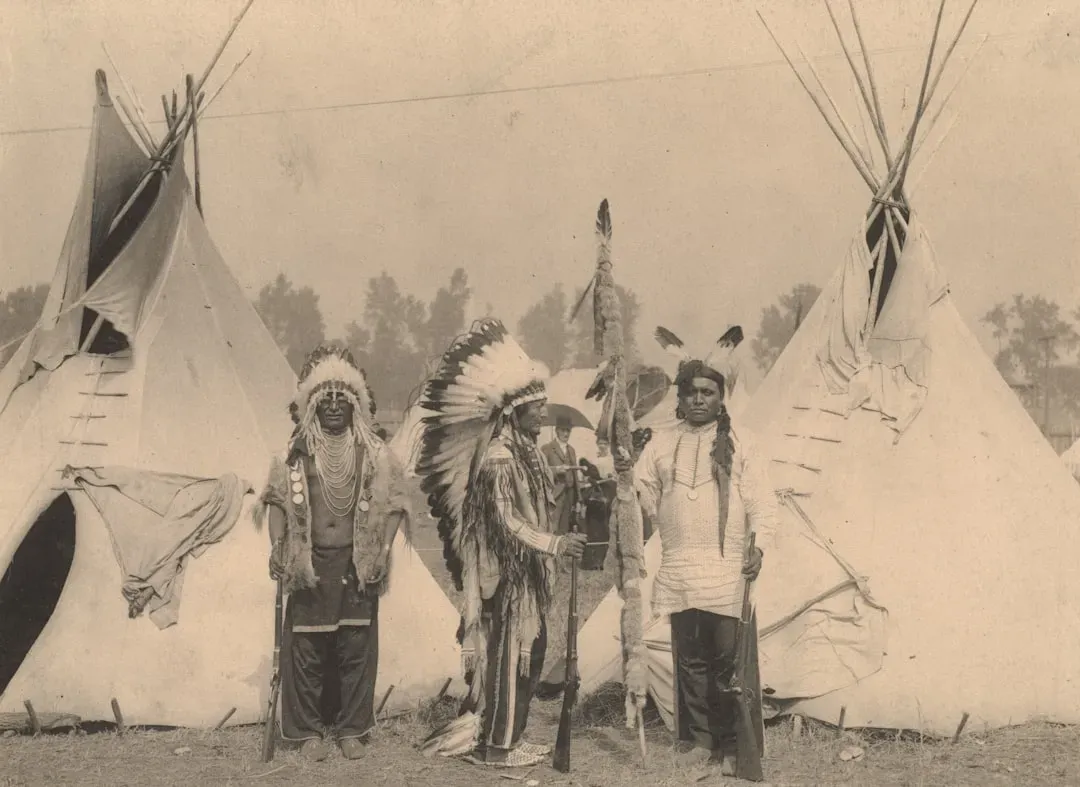
The story of the first Americans is so much more complex and fascinating than the oversimplified version taught for decades. From footprints preserved for over 20,000 years to sophisticated cities rivaling anything in the Old World, from mysterious genetic connections spanning the Pacific to engineering feats that baffle modern experts – every discovery reveals another layer of sophistication and achievement.
Native Americans truly originated in the Americas as a genetically and culturally distinctive group, and they are absolutely indigenous to this continent. That’s not just important for academic reasons. It matters because it corrects centuries of misconceptions and underestimations of Native American societies.
What’s perhaps most exciting is knowing that we’re still just scratching the surface. So much evidence lies underwater, buried under centuries of sediment, or in remote locations not yet explored. Each new technology, from advanced DNA sequencing to LIDAR mapping, reveals more secrets.
These discoveries aren’t just about the past – they’re about respecting the truth of who built these continents long before European contact. The first Americans were innovators, engineers, city builders, and seafarers whose accomplishments deserve recognition.
Did you expect that the history you learned in school was this incomplete? What other misconceptions about ancient Native American societies do you think still need correcting?

- 6 Exotic Bird Species You Can Spot in U.S. National Parks - July 19, 2026
- 11 Iconic American Birds Facing New Challenges and How You Can Help - July 19, 2026
- 10 Friendliest Animals in the World - July 19, 2026