
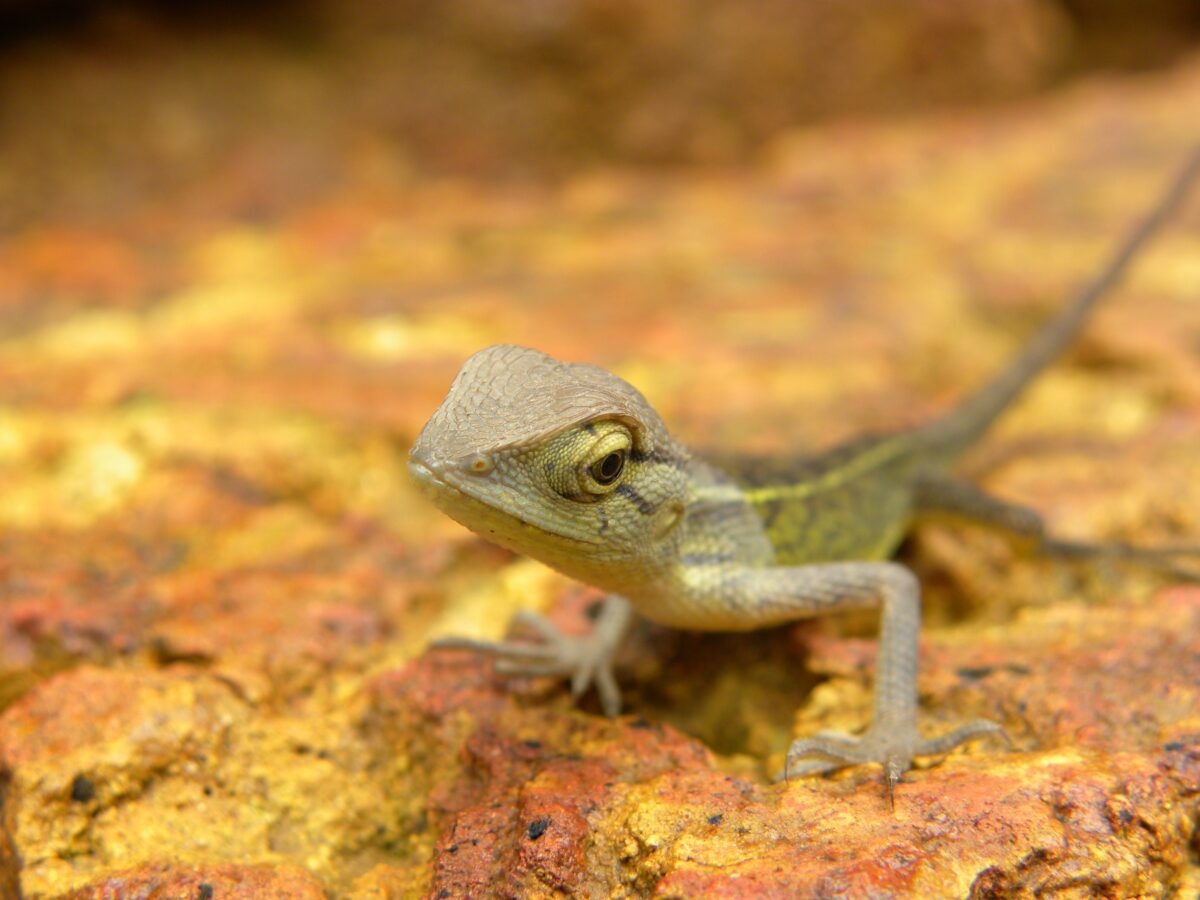
Gardening brings so much joy, yet few things dampen that pleasure quite like unwelcome reptilian visitors scurrying around your carefully tended plants. While lizards do help control insect populations, many homeowners prefer keeping these creatures at a respectful distance from their garden paradise. The good news is that nature itself provides some surprisingly effective solutions that are both environmentally friendly and aesthetically pleasing.
Rather than reaching for harsh chemicals or expensive pest control services, you can harness the power of naturally fragrant plants that lizards find absolutely intolerable. These botanical bodyguards work by overwhelming the sensitive olfactory systems of these reptiles, making your garden an unwelcome environment for them. Let’s explore the most effective plants that can transform your outdoor space into a lizard-free sanctuary.
Peppermint: The Powerful Mint Family Marvel
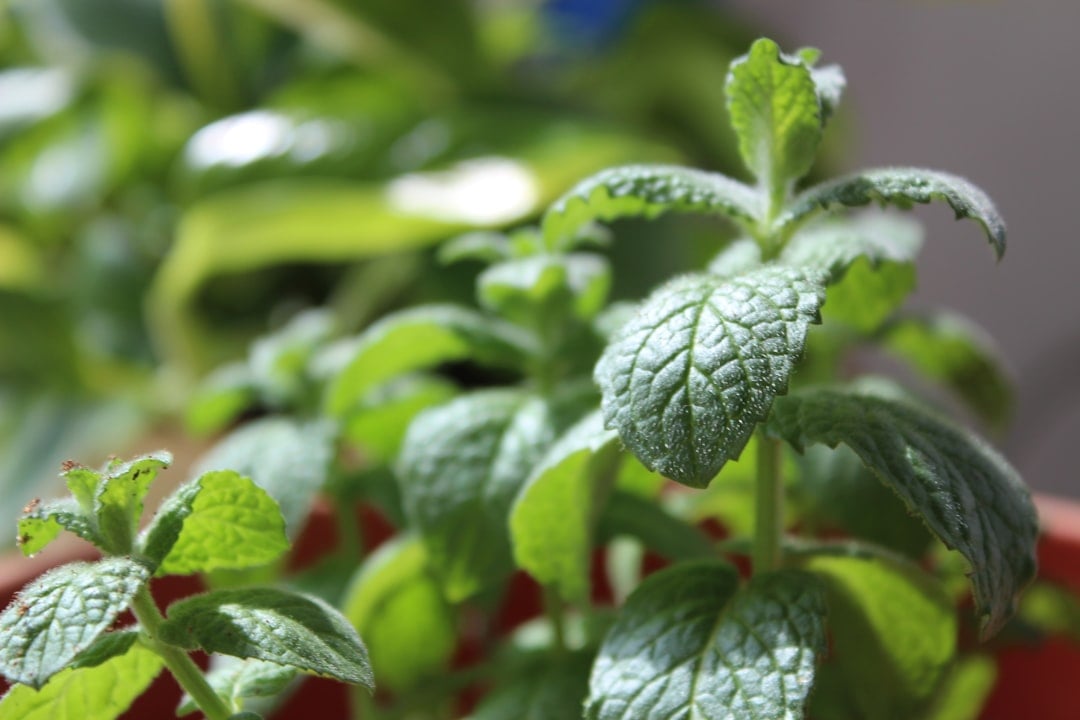
Peppermint’s strong, refreshing scent overwhelms the senses, which confuses and repels lizards. This perennial herb can grow up to 90 cm in height and is easy to maintain. The intense menthol compounds in peppermint create an environment that lizards simply cannot tolerate, making it one of the most reliable natural deterrents available.
It grows quickly and spreads, so it is best planted in containers or confined areas. Peppermint prefers moist soil and partial sun to thrive. This hardy plant requires minimal care while providing maximum protection against unwanted reptilian guests in your garden.
Eucalyptus: The Aromatic Australian Wonder
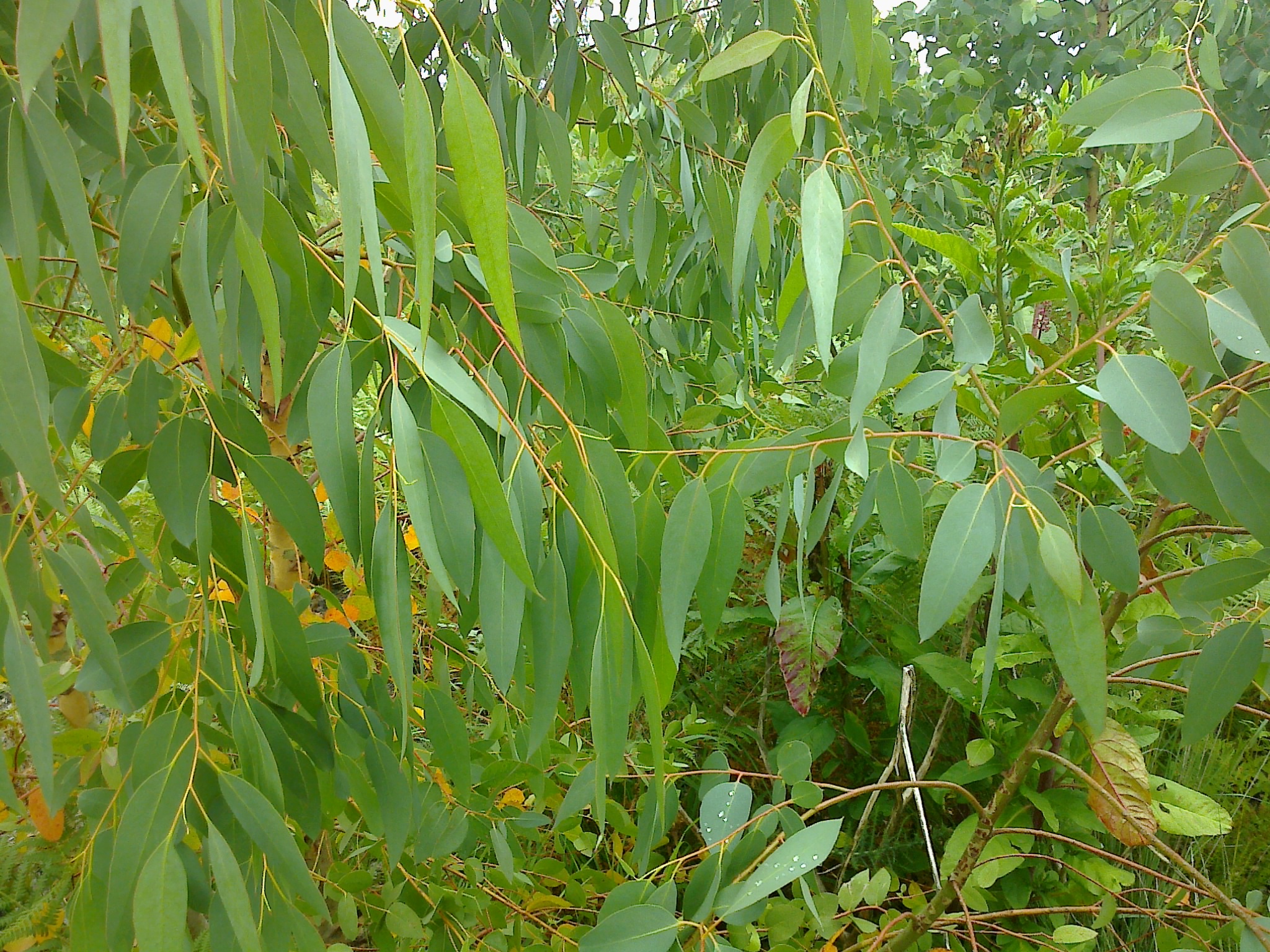
The strong, aromatic oils in the leaves give off a scent that lizards find highly unpleasant, making it an effective natural repellent. The leaves of Eucalyptus trees are filled with oil glands whose smell is found equally unattractive by lizards and insects. Thus, the eucalyptus is one of the best plants that keep lizards away.
This remarkable tree offers a double benefit by not only deterring lizards but also repelling the insects they feed on. This plant creates an unfavorable environment for the insects that lizards like to feed on as eucalyptus contains compounds such as cineole (eucalyptol). The powerful scent from eucalyptus leaves creates an invisible barrier that most reptiles won’t dare cross.
Rosemary: The Culinary Herb with Defensive Powers
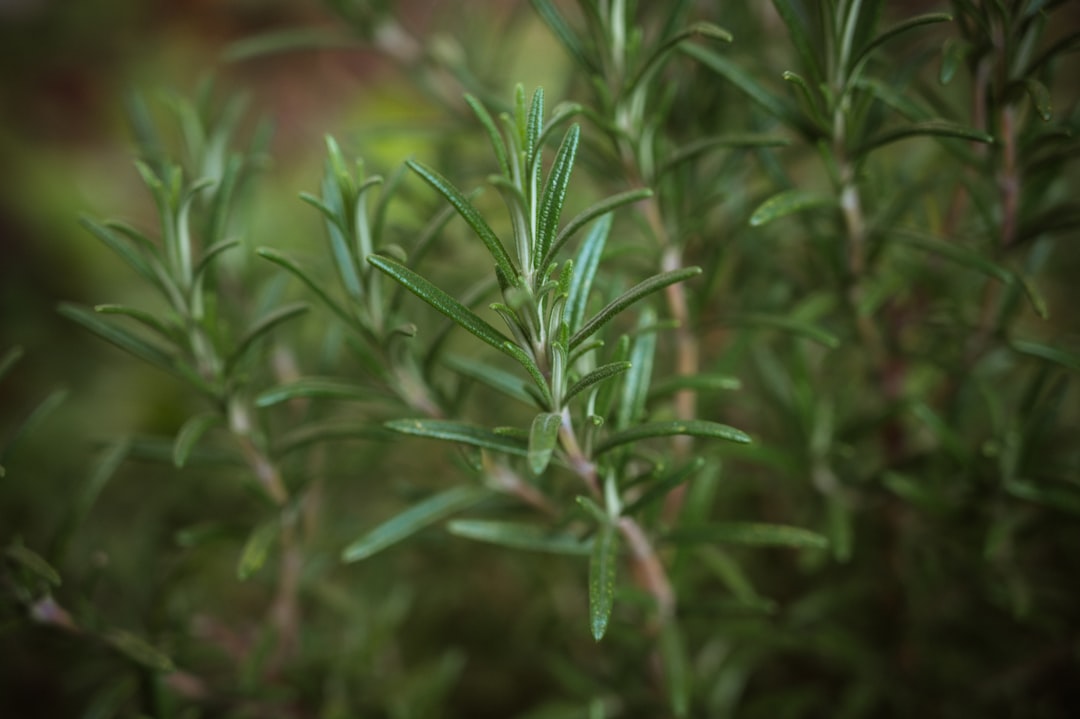
Rosemary’s strong smell deters the house lizard keeping it away from your home. Rosemary is a hardy herb with a fragrant scent that lizards avoid. This plant is drought-tolerant and does well in sunny, dry conditions. The woody, penetrating aroma of rosemary creates an effective natural barrier that lizards find overwhelming.
What makes rosemary particularly appealing is its dual purpose as both a pest deterrent and culinary herb. Also, Rosemary oil, an essential oil, holds a more potent smell to prevent lizards. You can use fresh sprigs around garden borders or create homemade sprays using rosemary essential oil for enhanced protection.
Marigolds: Vibrant Flowers with Hidden Strength

Marigolds produce a strong scent that repels lizards and other garden pests. These vibrant beauties not only brighten your garden but also act as a natural barrier to lizards and geckos. Their scent is a turn-off for these critters, keeping them far away! These cheerful flowers pack a powerful punch when it comes to natural pest control.
They grow easily in various soil types and require moderate watering. Marigolds prefer full sunlight but can tolerate partial shade. Their bright colors add visual appeal while their protective properties work silently to maintain a lizard-free environment around your garden beds.
Citrus Plants: The Zesty Deterrent Solution
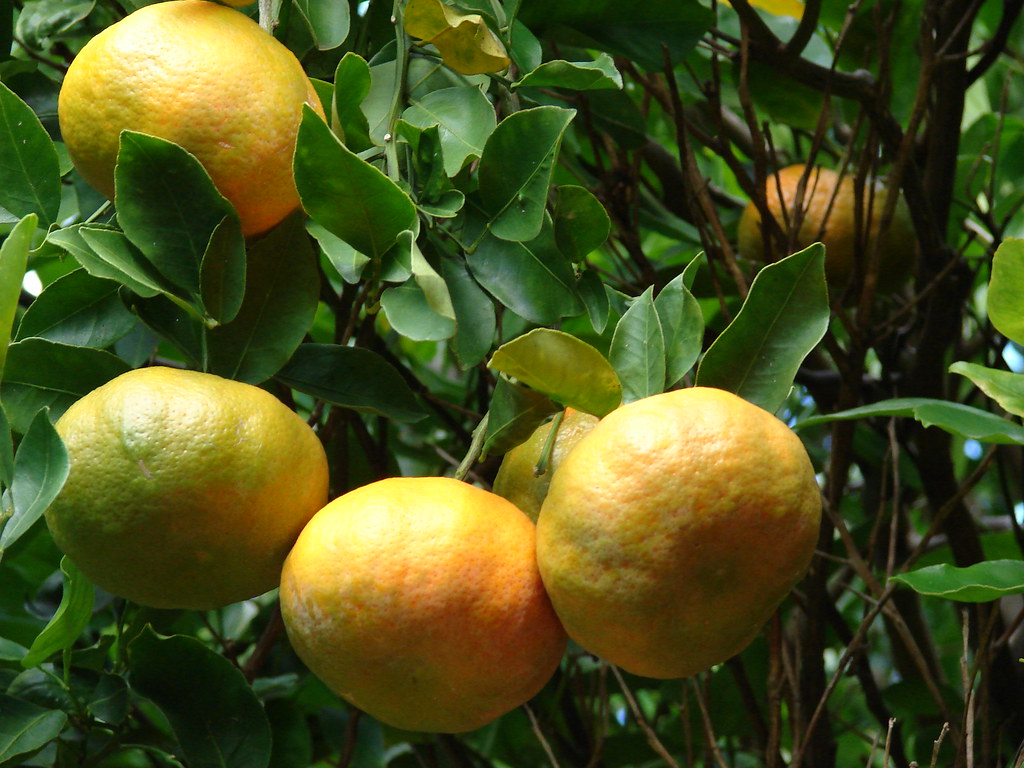
Orange Plants – The fresh, zesty citrus scent is something lizards and geckos dislike. Plus, they’ll add a touch of color and fragrance to your garden while keeping your space lizard-free! Citrus plants offer a delightfully fresh approach to garden protection that most gardeners find appealing.
The natural oils found in citrus leaves and fruit create an environment that reptiles actively avoid. Whether you choose orange, lemon, or lime trees, these plants provide both practical pest control benefits and the bonus of homegrown fruit. One way to discourage lizards from eating your plants is to spray them with a mixture of water and lemon juice. This will make the plants taste bad to the lizards and they will likely stay away.
Garlic and Onions: The Pungent Protectors
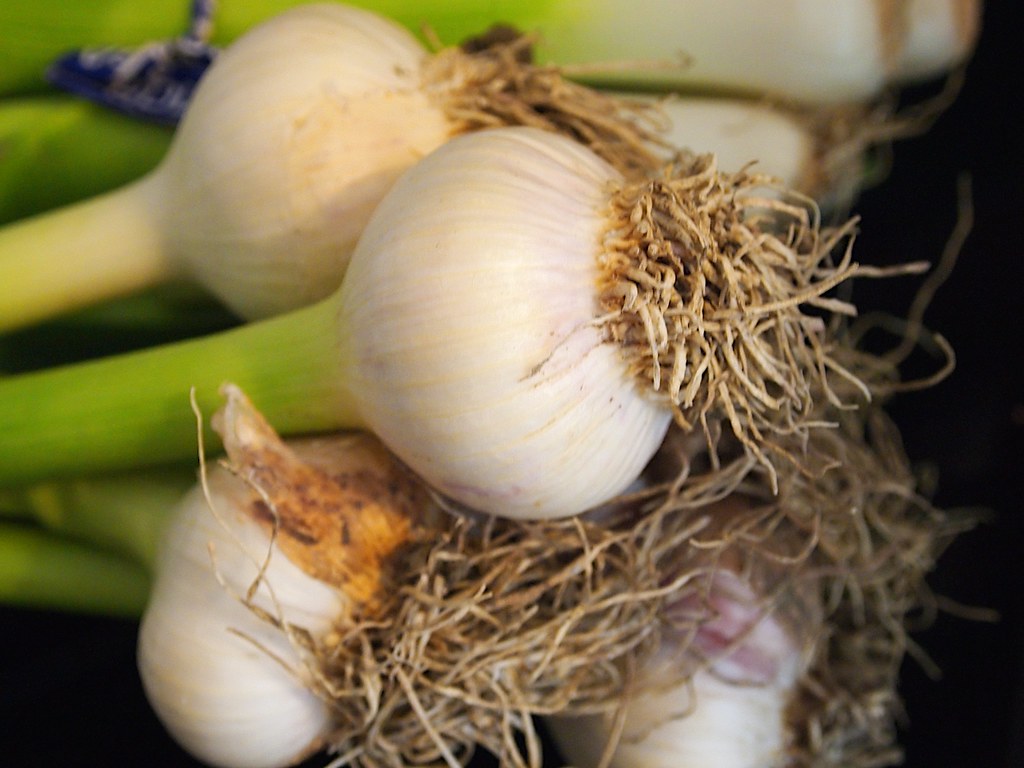
Garlic emits a strong odor that lizards avoid, making it a natural repellent. Its pungent scent acts as a barrier against lizards. Like garlic, onions have a intense scent that can deter lizards. These common garden vegetables pack an unexpected punch when it comes to reptile control.
Growing garlic adds flavor to your kitchen while protecting your garden. Its pungent scent acts as a barrier against lizards. The sulfur compounds that give these plants their distinctive smell are precisely what makes them so effective at keeping unwanted reptilian visitors away from your precious plants.
Lavender: The Calming Scent That Repels
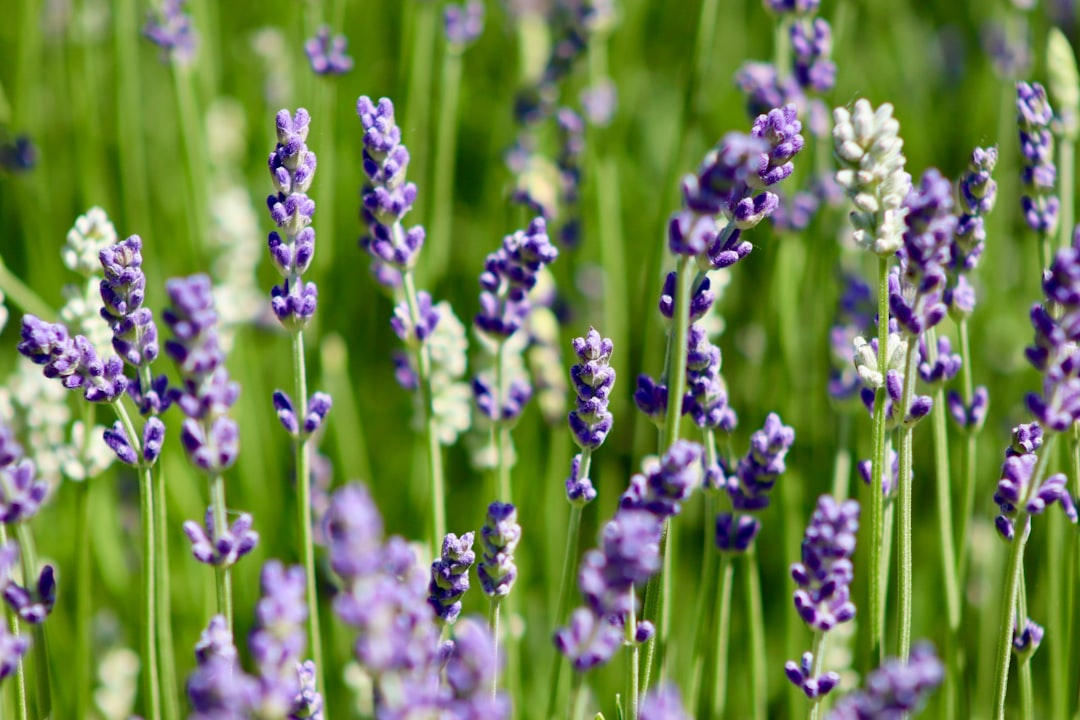
Lavender is well known for its calming scent that repels many pests, including lizards. It thrives in full sun and well-drained soil with little watering needed once mature. This beloved herb offers the perfect combination of beauty, fragrance, and natural pest control capabilities.
The scent of Lavender relaxes and soothes humans. Lizards have sensitive noses, and the Lavender plant can confuse and keep them out of your garden. The contrast between human appreciation and lizard aversion makes lavender an ideal choice for creating pleasant outdoor spaces that remain reptile-free.
Lemongrass: The Tropical Solution
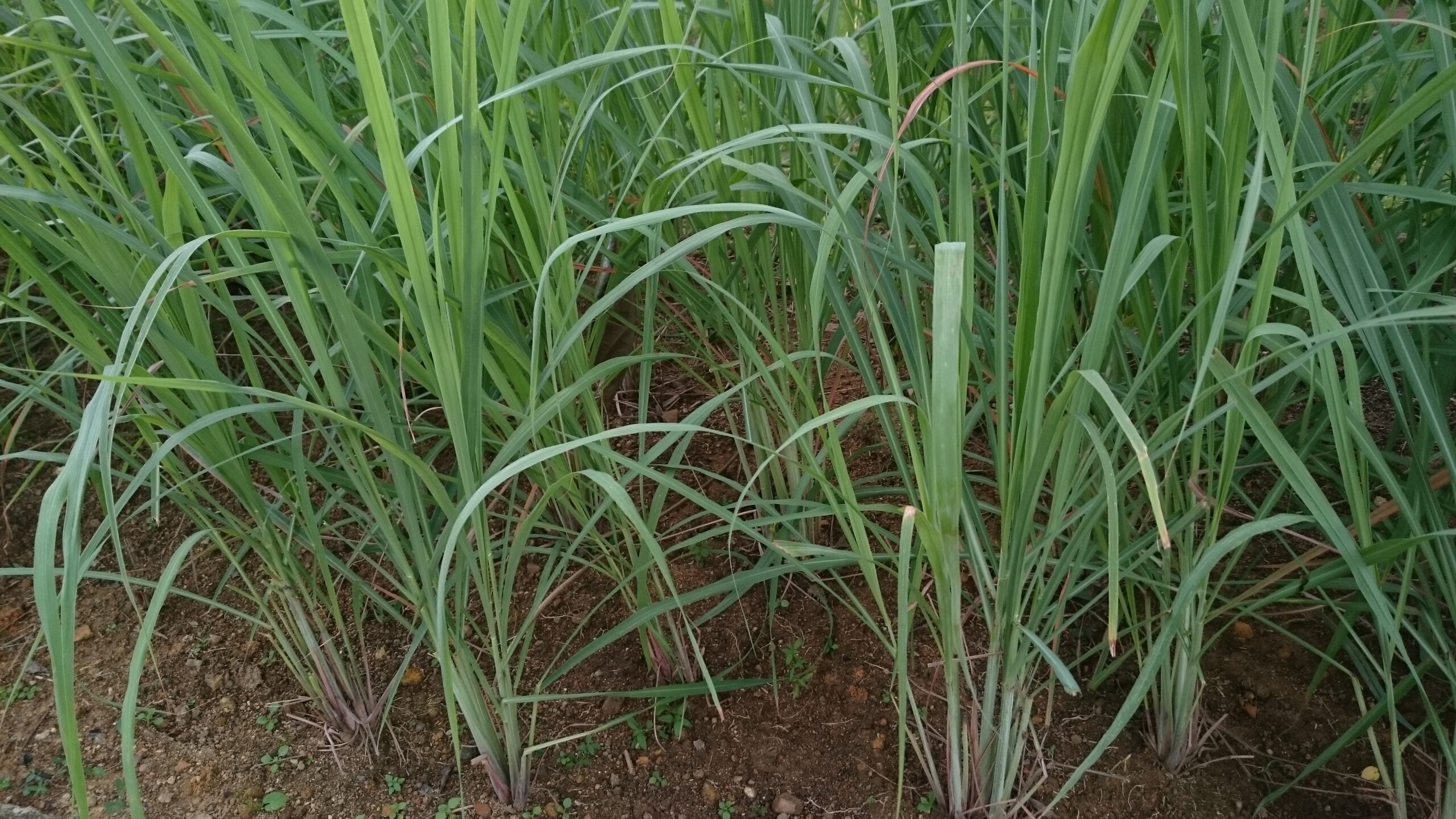
Lemongrass produces a strong citrus scent that lizards find unpleasant, helping to keep them away from your garden. As the name suggests, this grassy plant is rich in citrusy scents that lizards find repulsive to smell. It’s also best to grow lemongrass in containers due to how aggressively it spreads, so keep that in mind.
Lemongrass and citronella are two similar plants with a kind of lemony scent and are popular for keeping insects away. Citronella is probably most famously known as a mosquito repellant, and both are equally effective at keeping lizards away. This dual-action approach makes lemongrass particularly valuable for creating comprehensive pest protection in your outdoor spaces.
Conclusion
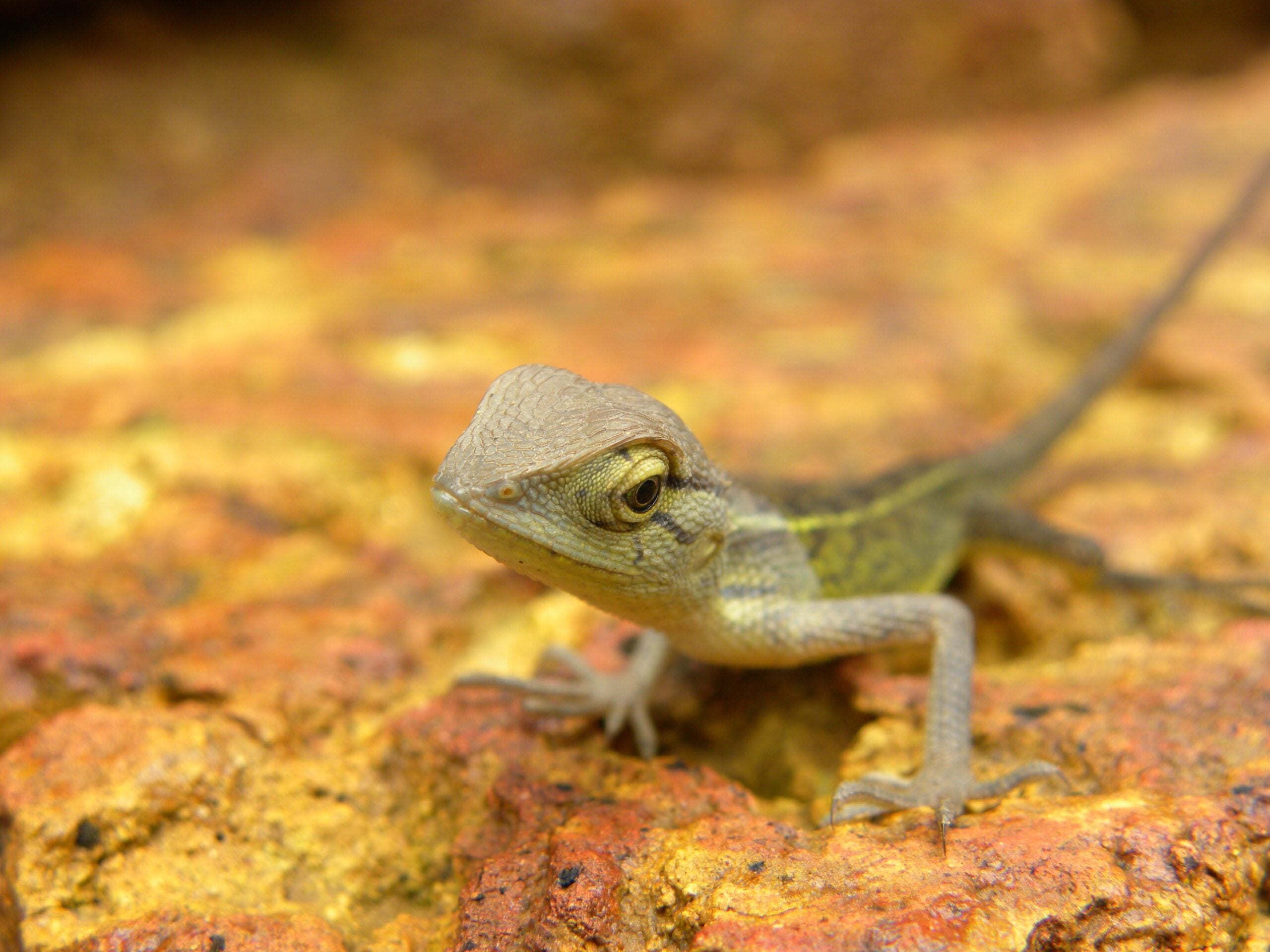
Creating a lizard-free garden doesn’t require harsh chemicals or expensive solutions. By strategically incorporating these naturally fragrant plants throughout your outdoor spaces, you can establish an effective, environmentally friendly barrier that keeps these reptiles at bay. Incorporating these plants into your garden or home can help you create an environment that is both aesthetically pleasing and free of lizards. Whether you’re growing these plants indoors or outdoors, their unique fragrances and properties make them effective natural repellents.
The beauty of using plant-based deterrents lies in their multifunctional nature, offering pest control, visual appeal, and often culinary benefits all in one package. Remember to place these protective plants strategically near entry points and areas where lizards commonly appear for maximum effectiveness. What’s your experience with natural pest control in the garden? Have you discovered any other plants that work particularly well in your area?
