
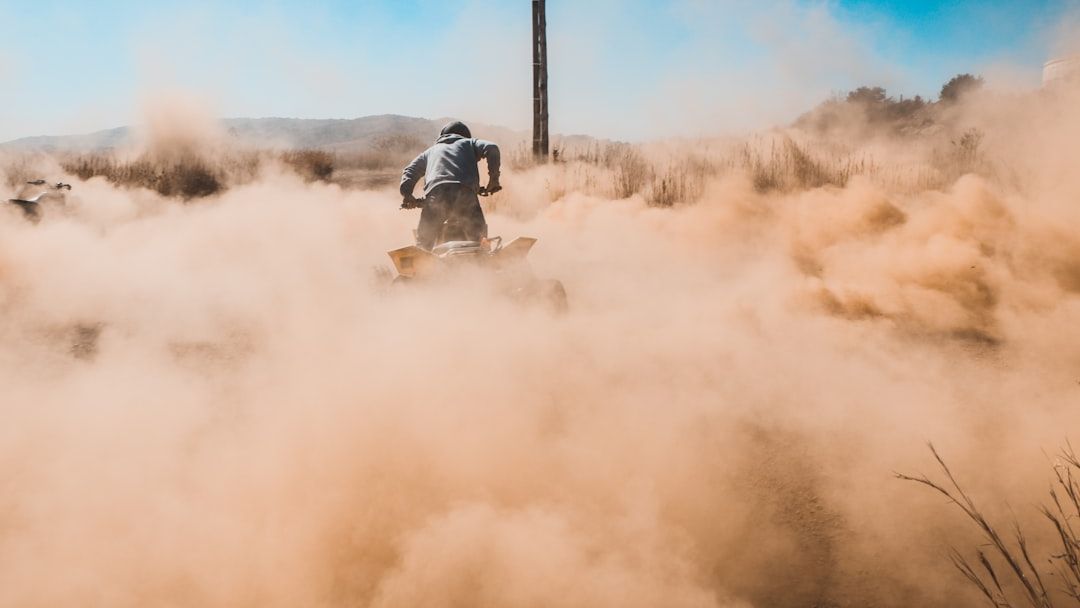
Imagine finishing your Sunday chores on a warm, calm April afternoon, the sky impossibly blue, the air still. Then, within minutes, the light disappears. Not twilight. Not overcast. Total, suffocating blackness in the middle of the day. That was April 14, 1935, the day now known simply as Black Sunday, and the people who lived through it never forgot it.
The day swept a mountain of blackness across the High Plains, instantly turning a warm, sunny afternoon into a horrible darkness that was darker than the darkest night. It wasn’t a freak weather event in isolation. It was the violent peak of a crisis years in the making, one that reshaped American agriculture, policy, and memory in ways still felt today.
A Perfect Catastrophe: How the Land Was Made Ready to Blow
The storm didn’t arrive from nowhere. The soil had been stripped of almost everything holding it in place, and that process took decades. At the time the Great Plains were settled in the mid-1800s, the land was covered by prairie grass that held moisture in the earth and kept most of the soil from blowing away even during dry spells. By the early 20th century, farmers had plowed under much of the grass to create fields.
The U.S. entry into World War I in 1917 caused a great need for wheat, and farms began pushing their fields to the limit, plowing under more grassland with the newly invented tractor. The plowing continued after the war, when even more powerful gasoline tractors sped up the process.
The Dust Bowl phenomenon was caused by a combination of natural factors, severe drought, and human-made factors, notably the failure to apply dryland farming methods to prevent wind erosion and the destruction of natural topsoil by settlers in the region. Then came the drought. The resulting soil erosion, combined with an eight-year drought which began in 1931, created a dire situation for farmers and ranchers.
The Anatomy of Black Sunday: What the Storm Actually Did
On April 14, 1935, the day started out clear and warm, with temperatures in the 80s and the air completely still, causing many people to let down their guard. It felt, for the first time in a long while, like things might be turning around.
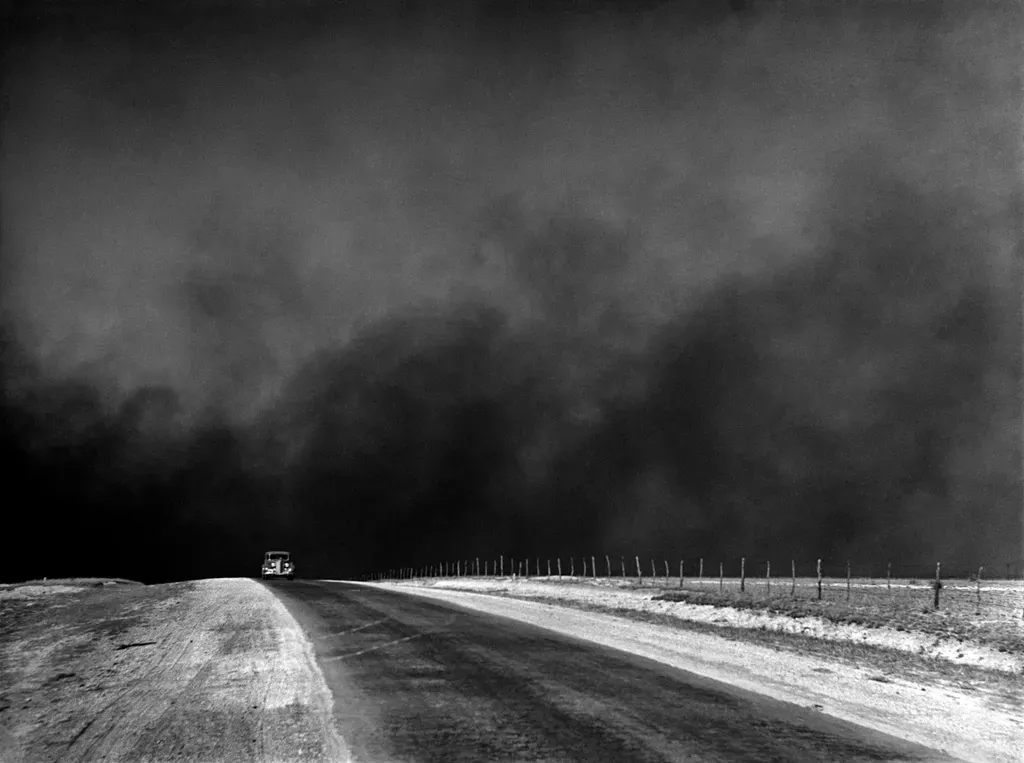
On April 14th at 2:49 PM, a great black dust cloud came in from the north. It was estimated at 500 to 600 feet in height and was moving at a rate of 50 to 60 miles per hour. The instant it struck, almost total darkness set in.
A massive black cloud of dust rolled across several states, including Oklahoma, Kansas, Colorado, New Mexico, and Texas. The wall of blowing sand and dirt coated everything, turning day into night and reducing visibility to near zero. By all accounts, it was the worst black blizzard of the Dust Bowl, lasting longer than the others and covering more ground. Later estimates placed the amount of displaced topsoil at 300,000 tons, some of which flew as far away as the East Coast.
What It Felt Like: Surviving Inside the Storm
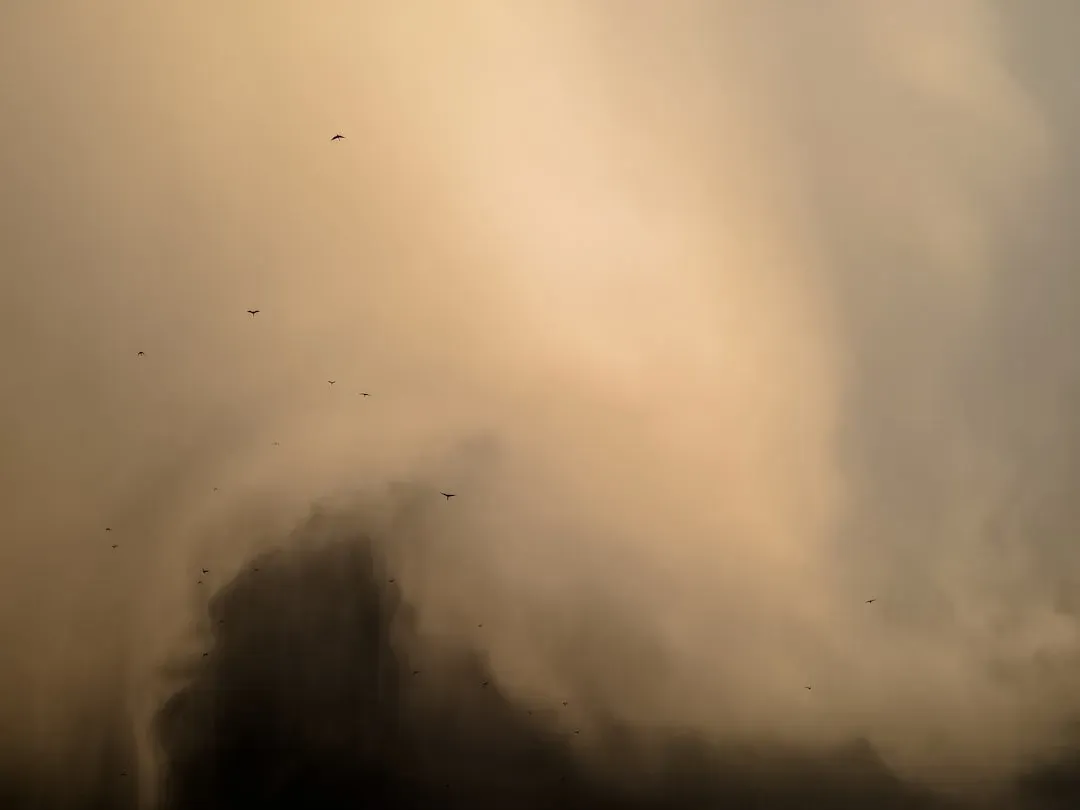
High winds kicked up clouds of millions of tons of dirt and dust so dense and dark that some eyewitnesses believed the world was coming to an end. That wasn’t exaggeration. For many people standing outside when the wall arrived, the physical experience was genuinely disorienting and terrifying.
Residents tried to protect themselves by rubbing Vaseline into their nostrils, wearing respiratory masks, sealing their windows and hanging wet sheets over their doorways. None of it was fully effective. Dust from the Black Sunday storm worked its way into homes through every crack and crevice, coating every surface. One survivor remembers how they set dinner plates upside down on the table to prevent them from getting dusty. They turned over the dishes when the food was ready, but everything still tasted gritty.
Dust pneumonia resulted when lungs were filled with dust, with symptoms including high fever, chest pains, coughing and breathing difficulties. There are also reports indicating that static electricity generated by the dust particles disrupted the ignition systems of motor vehicles. The storm was not just dark. It was physically hostile in ways that caught even the most seasoned Plains residents off guard.
The Aftermath: Policy, Names, and a Nation’s Reckoning
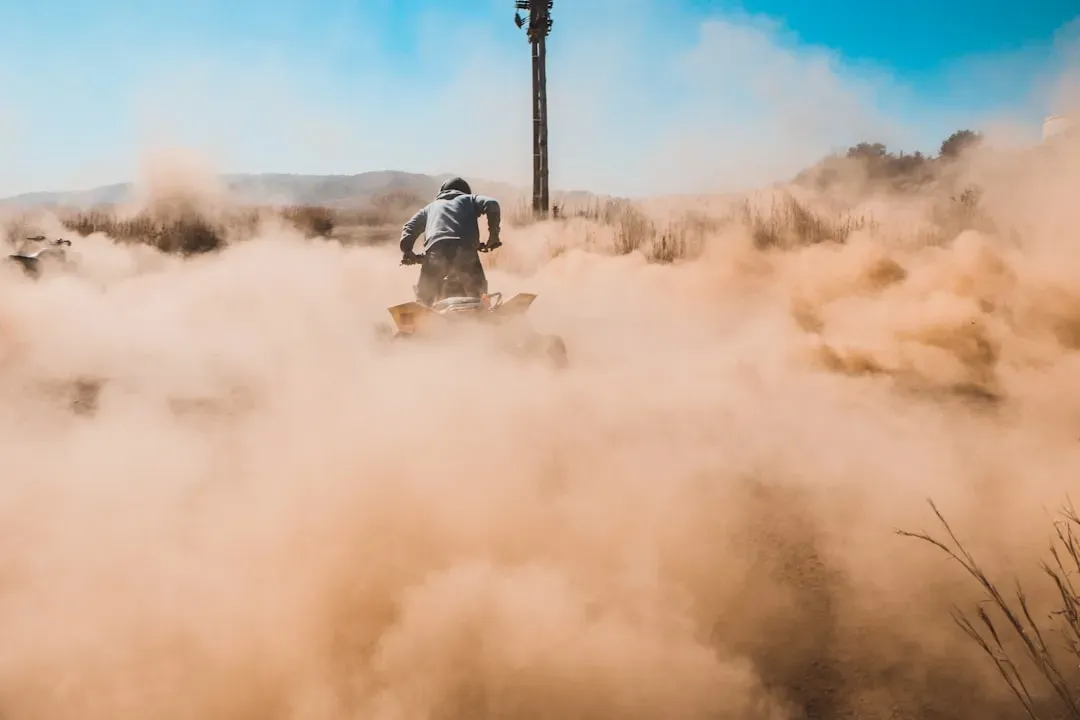
Struggling to describe the scene in Boise City, Oklahoma, on April 14, 1935, Associated Press reporter Robert E. Geiger used the phrase “dust bowl” to describe the experience. Black Sunday alone was such a strong storm that lawmakers in Washington, D.C. started paying attention, leading to significant changes in the government’s approach to land management.
Following this destructive dust storm, Congress passed the Soil Conservation Act on April 27, 1935. The speed of that legislative response says something about how viscerally the storm landed on the national conscience. The Soil Conservation Act established the Soil Conservation Service as a permanent agency of the USDA, created to guide landowners and land users in reducing soil erosion, improving forest and field land, and conserving and developing natural resources.
More than half a million people were left homeless as a result of the Dust Bowl era. Farm families lost their land and homes due to the barren land. As many as two and a half million people had migrated from the Great Plains by 1940. The storm didn’t just darken the sky. It emptied an entire region of its people.
The Warning That History Keeps Repeating
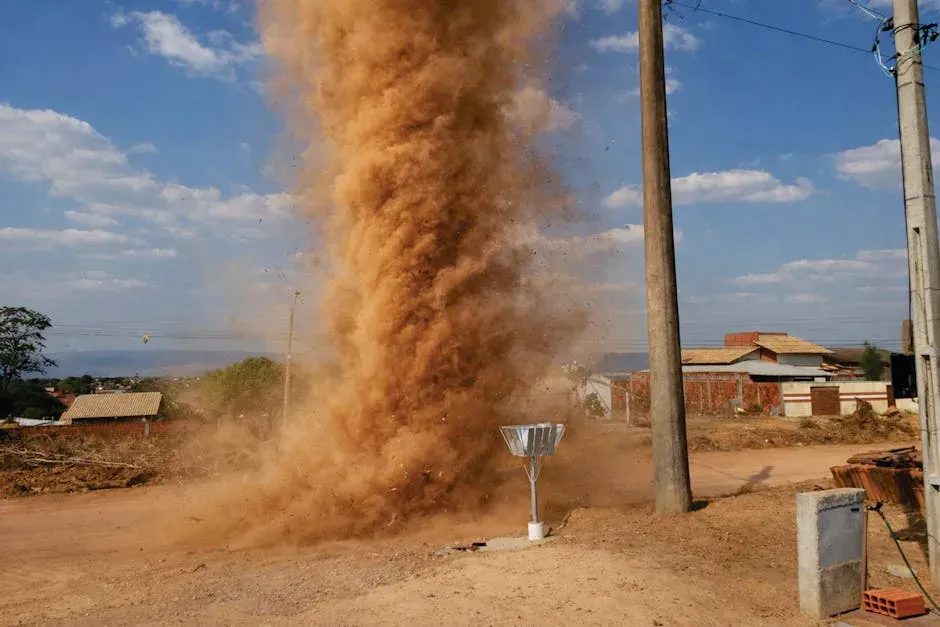
According to research, dust storms on the Great Plains have become more common and more intense in the past two decades, because of more frequent droughts in the region and an expansion of croplands. The patterns that enabled Black Sunday have not disappeared. In many ways, they’re quietly reassembling.
Research by atmospheric scientists found that atmospheric dust levels across the Great Plains increased by roughly five percent per year between 2000 and 2018, nearly a doubling of dust in two decades. The increases coincide with areas where farmers converted grassland to cropland over that period. Dust concentrations were highest during spring planting and fall harvesting.
Recent studies are showing how climate change is drying out the region. Greenhouse gases are making heat waves like those in the 1930s far more likely. Experts say that as climate continues to change, we can expect an increase in the frequency and magnitude of extreme dust storms, with extreme winds, hot days, drier summers, and high humidity all leading to loose soil prone to suspension.
Conclusion: A Day That Should Not Be Forgotten
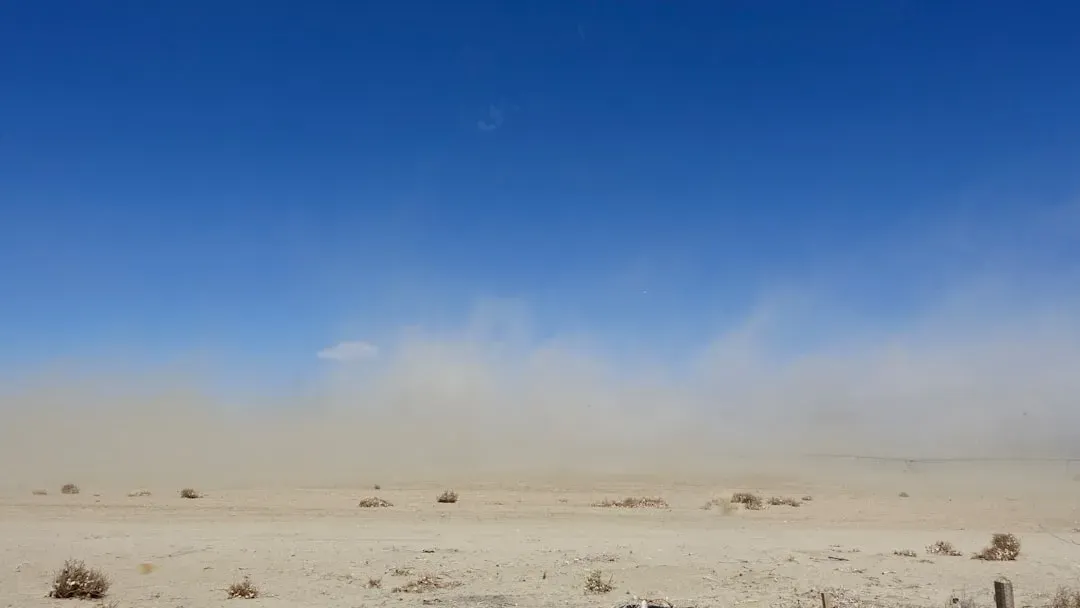
Black Sunday remains one of the most vivid examples in American history of what happens when human ambition and environmental fragility collide without restraint. It didn’t just kill crops and displace families. It demonstrated, in the starkest possible terms, that the land has limits.
The science is clear that the conditions driving dust storms have not gone away. Although drought would continue to be an inevitable part of life in the region, improved farming techniques significantly reduced the problem of soil erosion and prevented a repeat of the 1930s Dust Bowl devastation. That achievement matters, but it is not a guarantee.
What Black Sunday ultimately teaches is not just a history lesson. It is a present-tense responsibility. The soil beneath the Plains is not infinitely patient, and neither, it turns out, is the sky above it. A wall of darkness that arrives at 50 miles an hour leaves very little time for regret.

- Why Veterinarians Say If Your Cat Sleeps With Their Back to You, It's the Highest Form of Trust in Feline Behavior - July 20, 2026
- The Zodiac Signs That Owls Avoid Completely (And What Folklore Says It Means About Your Energy) - July 20, 2026
- You Won’t Believe What These 5 Animals Eat for Dinner - July 20, 2026