
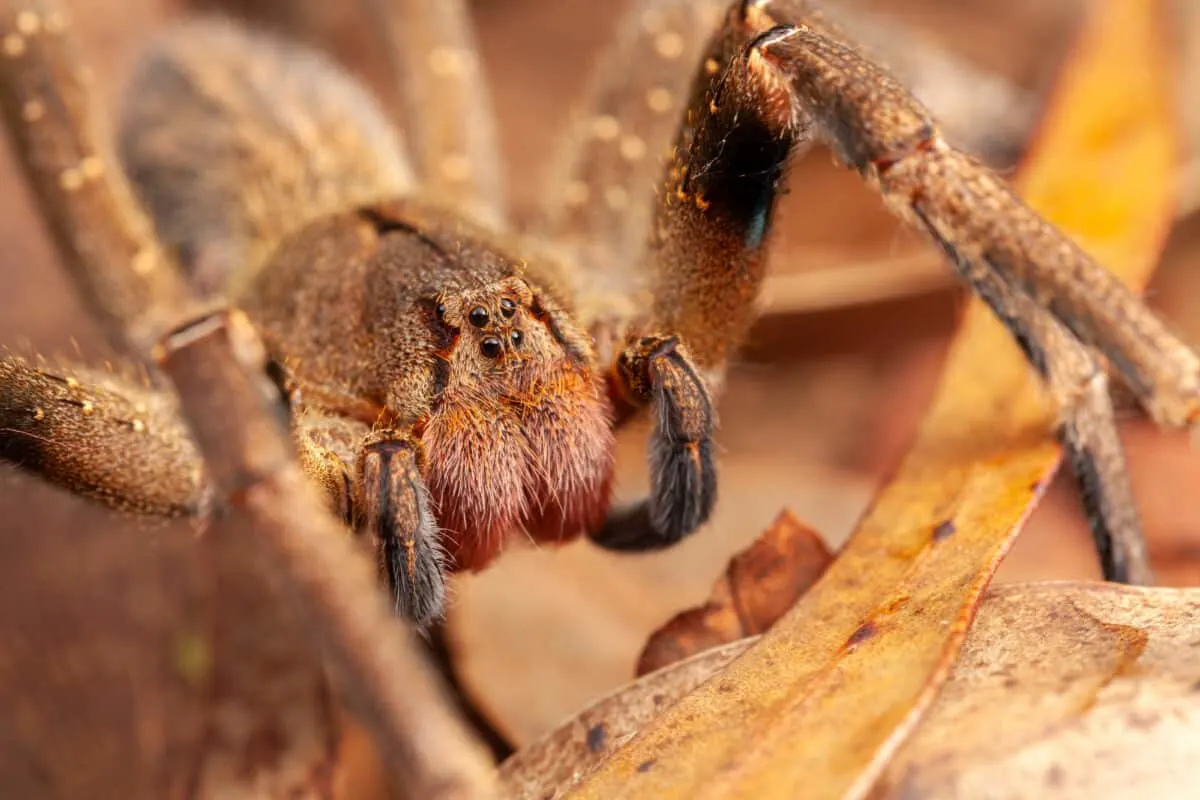
Imagine stepping out into your backyard, expecting nothing more than a few buzzing insects and the warmth of the sun, only to come across a creature so dangerous, it could put your life at risk. This is not a scenario from a fictional novel but a true case of nature’s unpredictability right here in the United States. An unsuspecting homeowner once found one of nature’s most potent predators resting in the most unlikely place: their very own backyard.
Identification of the Culprit
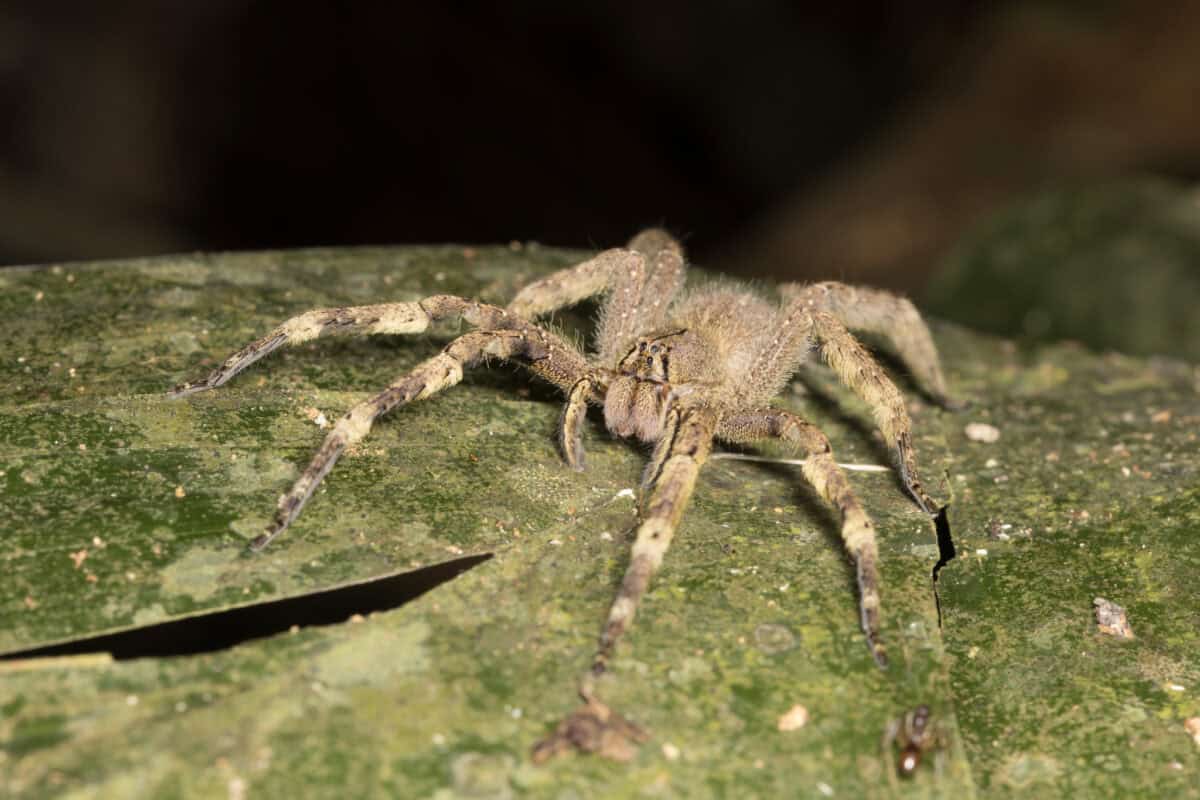
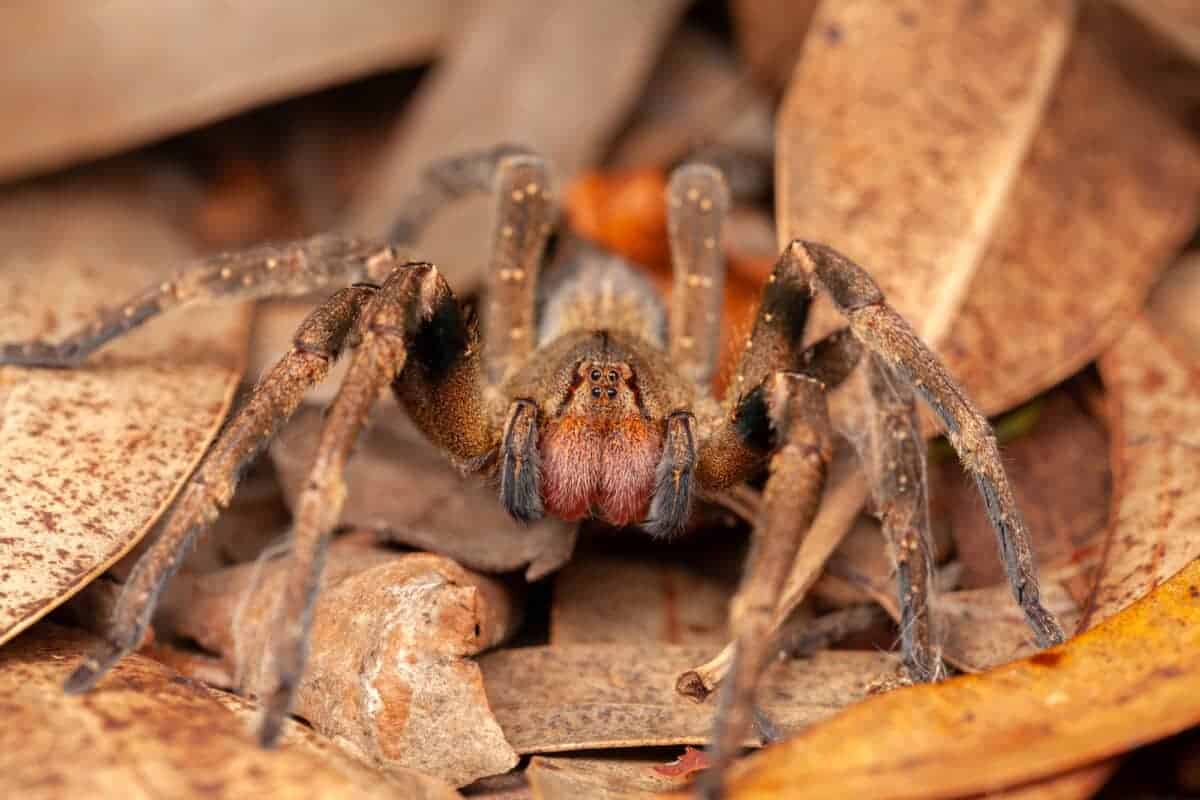
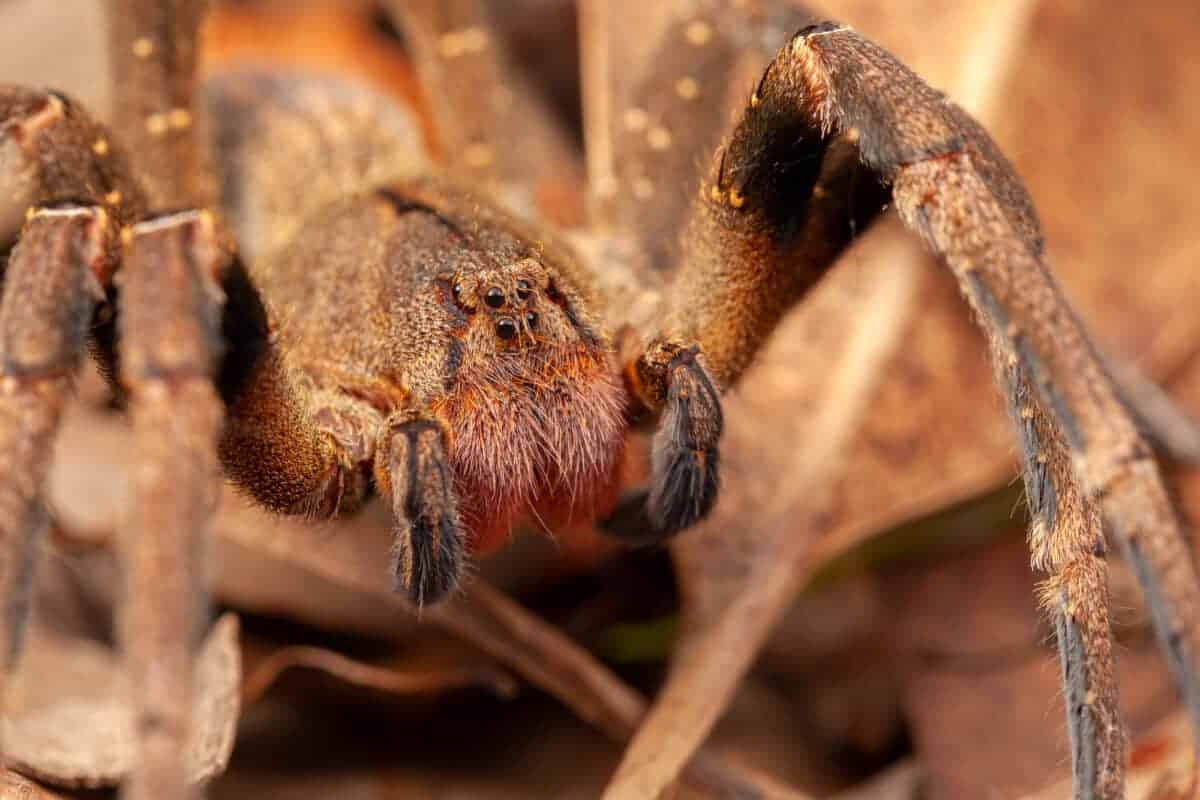
The creature in question? The Brazilian wandering spider, scientifically known as Phoneutria. While typically native to the tropical regions of Central and South America, these spiders are occasionally discovered far from home due to their accidental hitchhiking on imported produce, such as bananas. Their presence in areas outside their native habitat is rare but not impossible, as this backyard encounter proves.
Characteristics of the Brazilian Wandering Spider

This arachnid holds the record for being one of the most venomous spiders globally. Unlike many spiders which rely on webs to ensnare their prey, the Brazilian wandering spider is a ground hunter. It is a robust spider with a leg span that can reach up to five inches, making it a noticeable and intimidating arachnid.
The Potency of Its Venom

The venom of the Brazilian wandering spider contains neurotoxins that can result in muscle paralysis and respiratory depression in humans. A bite from this spider can be potentially fatal without timely medical intervention, especially to young children and the elderly. Despite its fearsome effectiveness, the spider’s venom is being researched for its potential medicinal uses, such as treating erectile dysfunction.
Behavior and Habitat Preferences
Originally, these spiders reside in the dense tropical forests of Brazil. They prefer humid climates and are nocturnal hunters, spending their nights actively seeking prey. During the day, they take shelter under logs, rocks, and in banana plants, which explains how they sometimes end up in shipments destined for the U.S.
Risks of Human Encounters

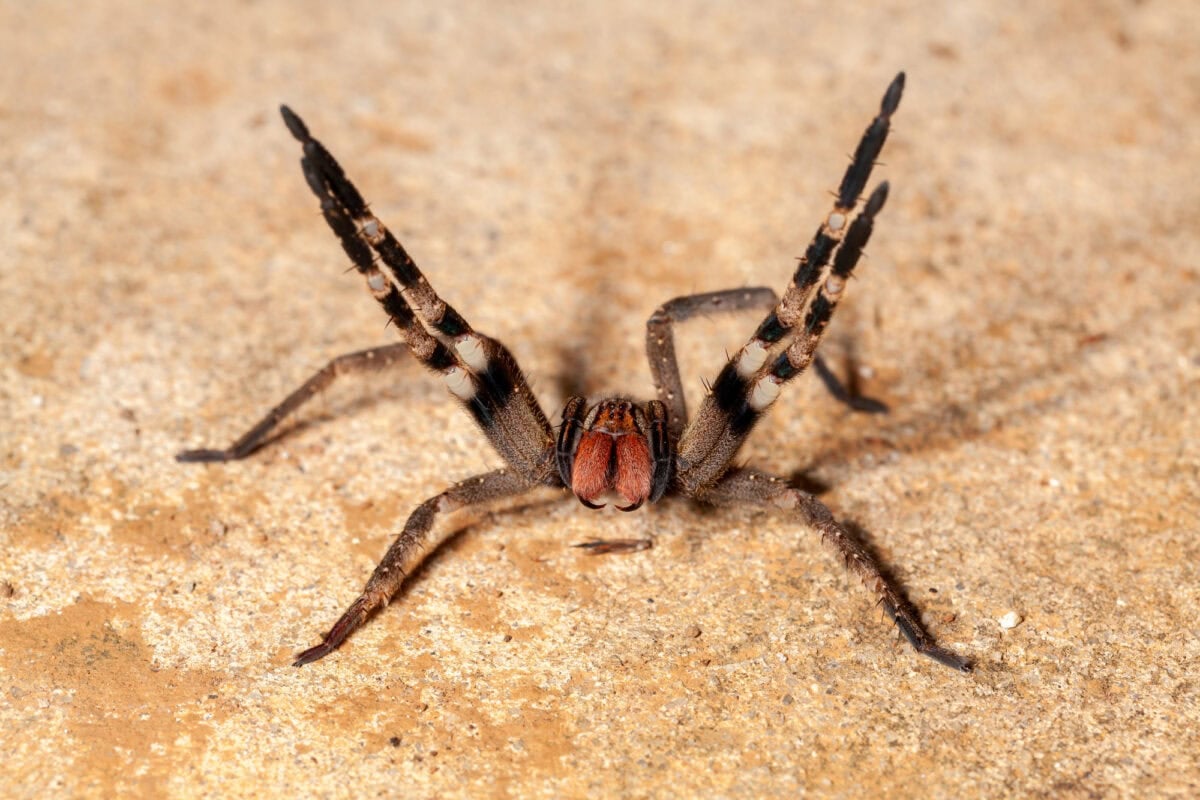
Though their presence in the U.S. is rare, the Brazilian wandering spider poses considerable danger due to its aggressive nature when threatened. They are known for their defensive posturing, which includes raising their front legs and displaying their fangs. However, bites are generally a result of accidental encounters.
What to Do If You Encounter One
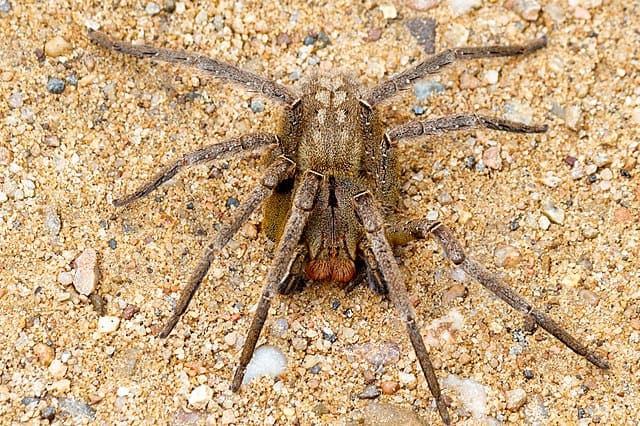
If you happen to find yourself face-to-face with a potential Brazilian wandering spider, it is crucial to remain calm. Avoid making any sudden movements that could startle the spider. Safely contain it if possible, using a jar or other barrier, and contact pest control professionals for assistance. It is advisable to seek medical attention immediately if bitten.
Prevention and Safety Measures

Homeowners can reduce the chances of encountering such a dangerous spider by regularly inspecting their homes and backyards, especially if they live in areas that receive imported goods. Ensuring that your garden and house are free of hiding places such as piles of wood or debris can also minimize the likelihood of a spider taking up residence.
Importance of Public Awareness

Incidents of venomous creatures appearing in non-native areas highlight the need for public awareness. Education regarding the identification and management of such animals is critical. This knowledge can prevent panic and ensure that responses to potential dangers are effective and safe.
Impacts on Local Ecosystems

While the occasional appearance of a Brazilian wandering spider in U.S. backyards might seem trivial, invasive species can have profound impacts on local ecosystems. These spiders could potentially disrupt the balance by preying on native insects or competing with resident spider species.
Scientific Fascination and Research

Despite their fearsome reputation, Brazilian wandering spiders are of great interest to researchers. Understanding their venom’s composition could unlock new medical treatments, presenting these spiders as both a threat and a valuable resource for scientific advancement.
The Broader Picture of Invasive Species
This incident is a stark reminder of how globalization impacts wildlife distribution. With increased trade and travel, many species end up far from their native lands, posing risks to ecosystems and human safety. Therefore, it’s imperative to adopt safer import practices and enhance biosecurity measures to protect native wildlife, human health, and the environment.
Summing It All Up
The unexpected discovery of a Brazilian wandering spider in a U.S. backyard is a tale of surprise and potential danger but also a narrative threaded with possibilities for learning and scientific exploration. It underscores the delicate balance between human activities and nature’s intrinsic unpredictability. As we navigate a world of shrinking global boundaries, awareness and understanding of such encounters become essential for the harmonious coexistence of all Earth’s creatures.

- The Secret Language of Dolphins Decoded by Researchers - July 20, 2026
- 7 Animals That Can Survive Extreme Environments You Couldn’t - July 20, 2026
- The Longest Snake Ever Found in the U.S. - July 20, 2026