

In the shadowy depths of prehistoric South America roamed a creature so immense and formidable that it defies our modern understanding of sloths. The Megatherium, often called the giant ground sloth, was a behemoth that stood up to 20 feet tall when reared on its hind legs and weighed approximately 4 tons – comparable to modern elephants. Unlike its contemporary tree-dwelling relatives, this colossus walked on the ground and possessed claws so massive and sharp that paleontologists believe they functioned similar to swords or daggers in both defensive and offensive capacities.
These ancient mammals, which disappeared only about 10,000 years ago, represent one of the most fascinating examples of megafauna that coexisted with early humans in the Americas. Their sword-like claws, measuring up to 7 inches in length, have captivated scientists and inspired numerous theories about their lifestyle, diet, and eventual extinction. As we journey through the remarkable story of Megatherium, we’ll discover how these seemingly cumbersome creatures became one of prehistory’s most effective evolutionary success stories, wielding their formidable claws as multipurpose tools that helped them thrive for millions of years.
Evolutionary Origins of the Giant Ground Sloth

The Megatherium’s evolutionary story begins approximately 35 million years ago during the Oligocene epoch, when the ancestors of modern sloths first appeared in South America. These early forms were much smaller than their giant descendants, but the isolation of South America as an island continent for much of the Cenozoic era created the perfect conditions for evolutionary experimentation. Without the presence of many large mammalian predators that existed on other continents, these early sloths gradually increased in size and diversity, culminating in the massive Megatherium species.
Fossil evidence indicates that by 5 million years ago, during the early Pliocene, Megatherium had reached its iconic massive proportions. They belonged to the family Megatheriidae and the order Pilosa, which includes modern sloths and anteaters. However, unlike today’s relatively small tree sloths, these giants evolved to be terrestrial, with strong, pillar-like legs supporting their enormous weight. Their evolutionary path included the development of their signature claws, which began as adaptations for climbing but transformed into versatile weapons and tools as these mammals abandoned their arboreal lifestyle for a ground-based existence.
Anatomy of the Megatherium’s Fearsome Claws

The most distinctive feature of Megatherium was undoubtedly its extraordinary claws. On each front limb, the giant sloth possessed three elongated, curved claws that could measure up to 7 inches (18 cm) in length. These weren’t merely overgrown nails but specialized anatomical structures with a unique composition. The claws consisted of a bony core covered by a keratin sheath, similar to modern mammalian claws, but were proportionally much larger and more robust. The bone core provided strength while the keratin exterior maintained a razor-sharp edge that could slice through vegetation and, if necessary, flesh.
Remarkably, Megatherium walked on the sides of its feet with the claws turned inward, rather than directly on the ground. This unusual gait protected the sharpness of the claws and kept them from becoming dulled through constant contact with the earth. The anatomical structure of the wrist and forearm showed specialized adaptations that allowed for tremendous striking force when the claws were deployed. CT scans of fossilized Megatherium forelimbs reveal muscle attachment sites that suggest these animals could deliver slashing blows with the force comparable to modern predators like big cats, despite their herbivorous lifestyle.
The Sword-Like Function in Defense
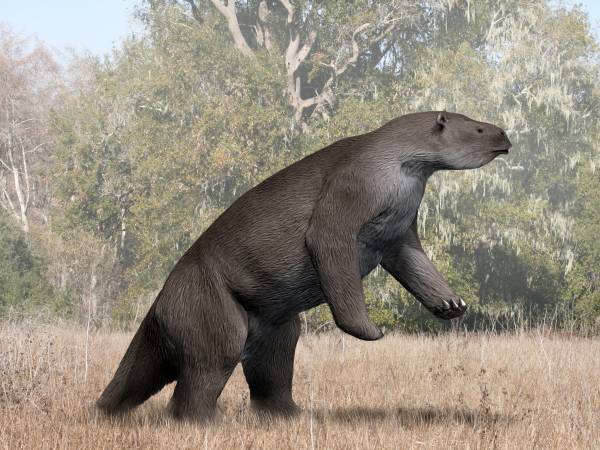
When threatened, Megatherium could rear up on its powerful hind legs and tail, reaching heights of up to 20 feet, and brandish its claws in a defensive posture that would have deterred even the fiercest predators. The formidable reach and size advantage this stance provided, combined with the slashing capability of the claws, made Megatherium an imposing adversary. Paleontological evidence suggests that even apex predators of the time, such as the saber-toothed Smilodon and dire wolves, would have thought twice before attacking an adult Megatherium.
Fossil records occasionally reveal defensive wounds on Megatherium skeletons, indicating that these animals did engage in combat when necessary. The distribution and angle of these injuries align with the defensive theory, showing that the giant sloths would swing their claws in wide, sweeping motions to create a defensive perimeter. Young Megatherium were more vulnerable to predation, but adults likely had few natural enemies thanks to their size and weaponry. This effective defensive capability explains why these seemingly slow-moving herbivores could survive for millions of years in ecosystems shared with formidable carnivores.
Offensive Capabilities and Hunting Controversies

While traditionally viewed as strict herbivores, recent scientific debate has introduced the controversial hypothesis that Megatherium may have been omnivorous, occasionally using their sword-like claws to hunt or scavenge. This theory, while not universally accepted, is supported by biomechanical analyses of the sloth’s forelimbs, which demonstrate sufficient strength and maneuverability for predatory actions. Some paleontologists suggest that Megatherium might have used its claws to disembowel prey or to fight off other scavengers from carcasses, supplementing its plant-based diet with occasional protein.
The shape and serration of the claws bear striking similarities to cutting weapons, with a curved design that maximizes tearing potential. Microscopic wear patterns on fossilized claws have been interpreted by some researchers as evidence of contact with animal tissue, not just plant matter. While the debate continues, the emerging consensus suggests that Megatherium was primarily herbivorous but opportunistically omnivorous – capable of using its sword-like claws to acquire meat when circumstances allowed. This adaptability would have been especially valuable during periods of environmental stress when plant foods might have been scarce.
Feeding Strategies and Foraging Adaptations
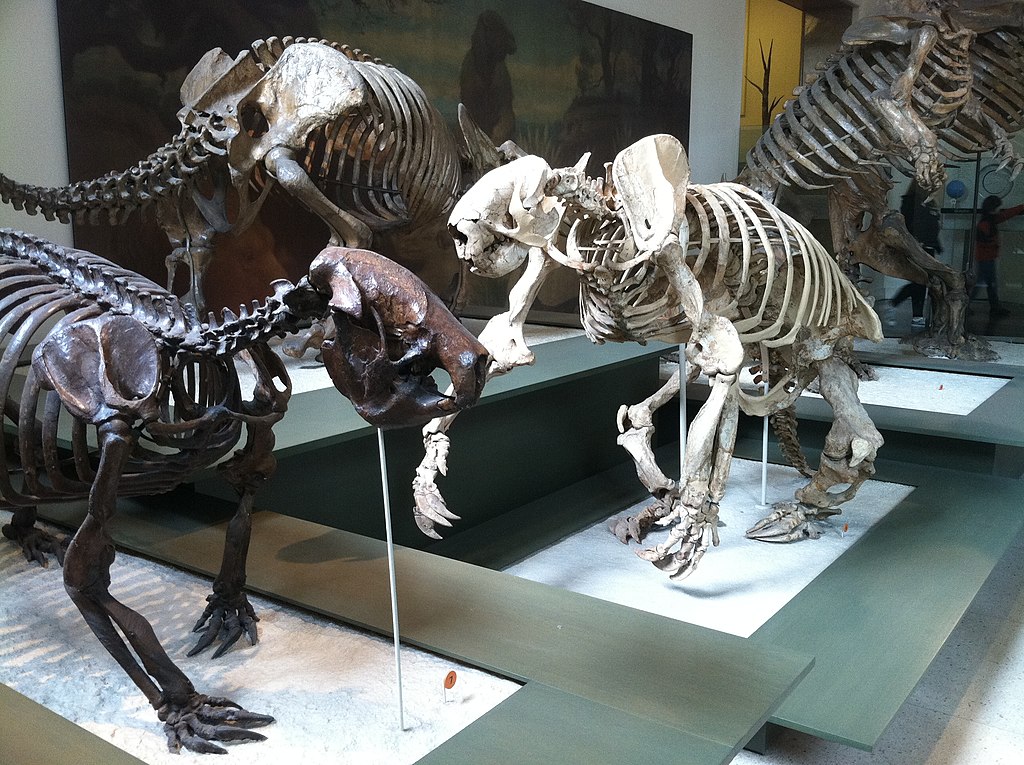
The primary function of Megatherium’s impressive claws was likely related to feeding. Standing upright on its hind legs and using its robust tail as a third support in a tripodal stance, the giant sloth could reach heights of up to 20 feet, accessing foliage that few other herbivores could reach. The claws served as hooks to pull down branches from tall trees, effectively expanding their feeding range beyond what would be available to strictly ground-level foragers. This strategy allowed Megatherium to exploit food resources unavailable to other herbivores of its time, reducing competition and supporting its massive energy requirements.
Furthermore, paleontological evidence suggests that Megatherium used its claws as digging tools to unearth roots, tubers, and bulbs – especially valuable during dry seasons when above-ground vegetation might be scarce. Isotope analyses of Megatherium teeth and bones indicate a varied plant diet, supporting the theory that these animals were adaptable feeders that could switch between browsing trees and shrubs to digging for underground plant parts as seasons and food availability changed. The sword-like claws, therefore, represented a multi-purpose feeding adaptation that gave these giants remarkable dietary flexibility across different environments and climatic conditions.
Social Structure and Claw-Based Communication

While direct evidence of Megatherium’s social behavior is limited, paleontologists have theorized that the dramatic claws may have played a role beyond mere utility. Like many modern animals with conspicuous physical features, Megatherium might have used their claws in display behaviors related to mating or establishing dominance hierarchies. The imposing sight of a fully-grown individual rearing up to display its massive claws would have been an effective way to communicate strength and fitness to potential mates or rivals without necessitating physical combat that could result in injury.
Fossil aggregations suggest that Megatherium may have gathered in small groups, particularly during mating seasons or at resource-rich feeding grounds. In such social contexts, ritual displays of the claws could have helped establish social order without damaging physical confrontations. Some Megatherium fossils show healed injuries consistent with intraspecific combat, suggesting that when displays failed to resolve conflicts, these animals did engage in physical altercations using their claws as weapons against their own kind. This dual use of claws – as both tools for survival and instruments of social communication – reflects the complex behavioral ecology of these sophisticated prehistoric mammals.
Comparison with Modern Sloth Claws

The contrast between Megatherium’s sword-like claws and those of modern tree sloths highlights the dramatic evolutionary divergence within the sloth family. Today’s sloths, represented by the three-toed (Bradypus) and two-toed (Choloepus) genera, possess much smaller claws proportional to their body size. While still impressive relative to their dimensions, modern sloth claws are primarily adaptations for arboreal locomotion – designed for hanging from branches rather than slashing or digging. They lack the robust bone structure and cutting edge that made Megatherium’s claws such effective weapons.
Modern sloth claws curve more dramatically to enhance grip on branches, while Megatherium’s were straighter and more dagger-like. The ancestral connection is evident in the basic structure, but the functional divergence illustrates how evolution shapes similar structures for different purposes based on lifestyle requirements. Interestingly, the claws of modern sloths grow continuously throughout their lives, a trait they likely share with their giant ancestors. This ongoing growth would have been particularly important for Megatherium, allowing them to maintain sharp edges on their weapon-like claws despite heavy use for feeding, defense, and possibly aggression.
Evidence from Fossil Records and Paleontological Discoveries

The first complete Megatherium skeleton was discovered in 1787 near the Luján River in Argentina, and was subsequently studied by the French naturalist Georges Cuvier, who established the creature’s relationship to modern sloths. Since then, numerous discoveries throughout South America have provided paleontologists with a wealth of information about these animals’ anatomy and lifestyle. Particularly well-preserved fossils from the Pleistocene epoch (2.6 million to 11,700 years ago) have allowed scientists to reconstruct the musculature associated with the claws, confirming their potential use as slashing weapons.
Trace fossils, including claw marks preserved in ancient cave systems and tree trunks, offer additional insights into how Megatherium used its formidable appendages. These markings show the characteristic patterns of pulling, slashing, and digging that align with theories about feeding and defensive behaviors. In some fossil sites, paleontologists have discovered Megatherium remains in association with human artifacts, suggesting our ancestors encountered these imposing creatures with their sword-like claws. These discoveries have fueled ongoing research into whether human hunting contributed to the extinction of these magnificent animals, a question that continues to intrigue scientists studying the complex relationship between early humans and megafauna.
Megatherium’s Extinction and the Role of Their Weaponry
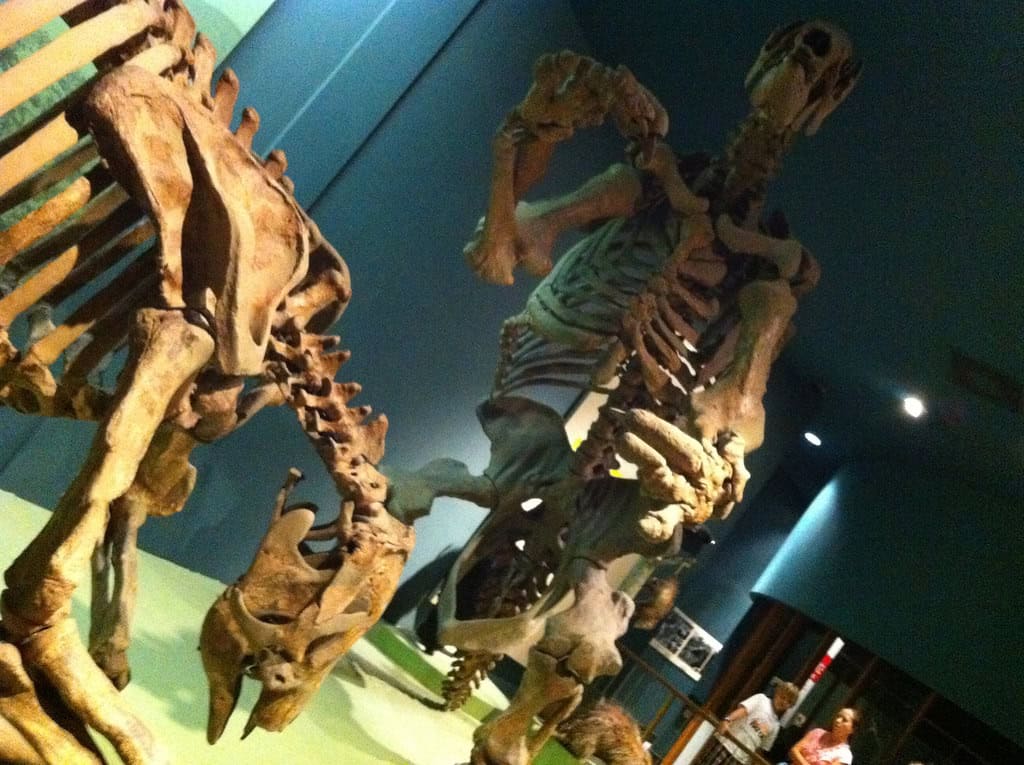
Despite their formidable size and defensive capabilities, Megatherium disappeared from Earth approximately 10,000 years ago, coinciding with the end of the last Ice Age and the arrival of human populations throughout the Americas. This timing has led to significant debate about whether climate change, human hunting, or a combination of factors led to their extinction. The paradox lies in how animals so well-equipped for survival, with effective weapons for defense and food acquisition, could vanish relatively suddenly after millions of years of evolutionary success.
Some paleontologists argue that despite their sword-like claws, Megatherium’s slow reproduction rate and relatively slow movement made them vulnerable to coordinated hunting by humans with projectile weapons. Others contend that climate change altered the vegetation these animals depended on, negating the advantage their claws provided in accessing certain food sources. The extinction debate reflects a broader question about megafauna survival: even the most impressive evolutionary adaptations, like Megatherium’s weapon-like claws, may become insufficient when environments change rapidly or new predators with different hunting strategies emerge. Understanding this extinction provides valuable insights into the delicate balance between evolutionary adaptations and environmental changes.
Cultural Impact and Representations in Modern Media
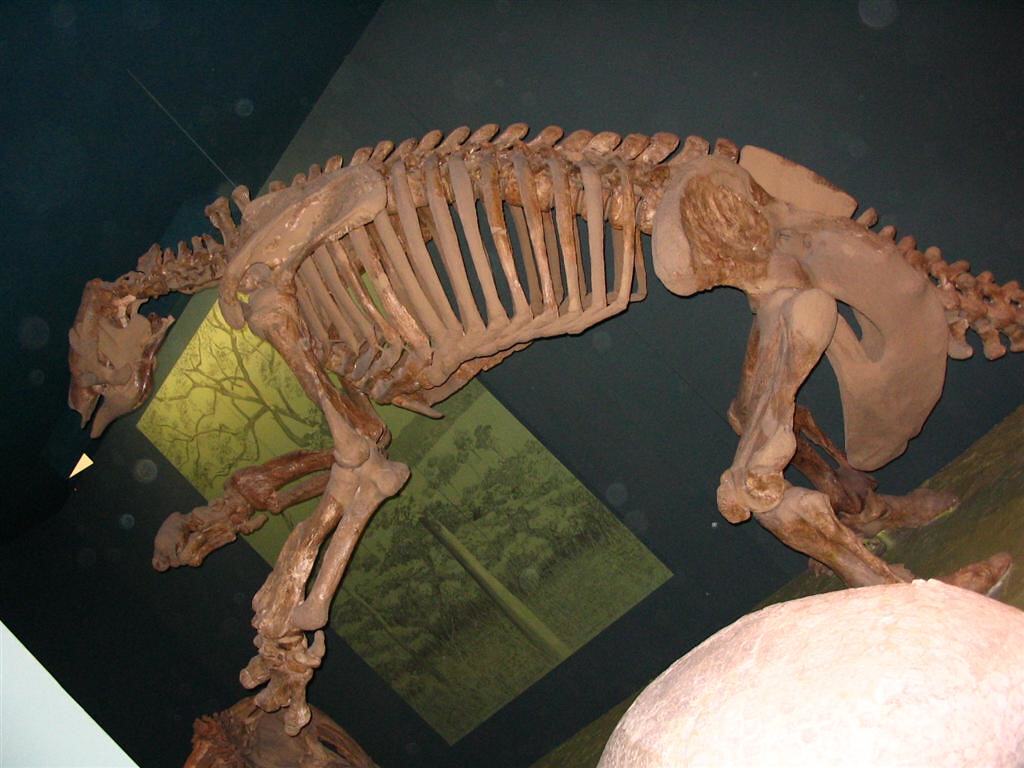
The image of the giant sloth with sword-like claws has captivated public imagination since the first complete fossils were discovered. Early scientific illustrations often emphasized the creature’s fearsome aspects, depicting Megatherium in aggressive poses with prominent claws to highlight their weapon-like nature. This tradition continues in modern museum displays, where Megatherium reconstructions frequently feature the animal in a rearing position, claws extended dramatically to maximize visitor impact. These representations have helped establish the giant ground sloth as one of the most recognizable and impressive megafauna of the Pleistocene epoch.
In popular culture, Megatherium has appeared in documentaries, animated films, and video games, often with varying degrees of scientific accuracy. The 2012 animated film “Ice Age: Continental Drift” featured a giant sloth character, while several paleontology-focused documentaries have recreated Megatherium using CGI to demonstrate how they might have used their claws in life. Despite occasional exaggerations in popular media, these cultural representations serve an important educational purpose, introducing new generations to the remarkable diversity of prehistoric life and highlighting how evolutionary adaptations like Megatherium’s sword-like claws represent nature’s ingenious solutions to survival challenges in ancient ecosystems.
Conclusion: The Evolutionary Marvel of Megatherium’s Weaponry

The sword-like claws of Megatherium represent one of nature’s most remarkable evolutionary adaptations – a specialized tool that helped these massive mammals thrive for millions of years across changing landscapes and climates. From their origins as climbing adaptations in tree-dwelling ancestors to their ultimate form as multipurpose implements for defense, feeding, and possibly limited predation, these formidable structures demonstrate evolution’s capacity to repurpose and refine anatomical features to meet new challenges. The story of Megatherium reminds us that even the most seemingly specialized creatures often display surprising versatility in their survival strategies.
As we continue to study the fossil remains of these impressive beasts, new technologies and analytical approaches may yield additional insights into how they wielded their impressive natural weaponry. Modern comparative studies with living sloths, combined with biomechanical modeling and archaeological evidence of human-megafauna interactions, continue to refine our understanding of these animals’ lives and extinction. In Megatherium, we find a compelling example of evolutionary ingenuity – a gentle giant that carried daggers on its forelimbs, perfectly adapted to its ecological niche until changing circumstances eventually overwhelmed even these impressive adaptations.

- The Story of the Arctic Fox’s Incredible Seasonal Transformation - July 18, 2026
- 10 Most Venomous Snakes in US National Parks - July 18, 2026
- The Moth That Drinks Blood - July 18, 2026