

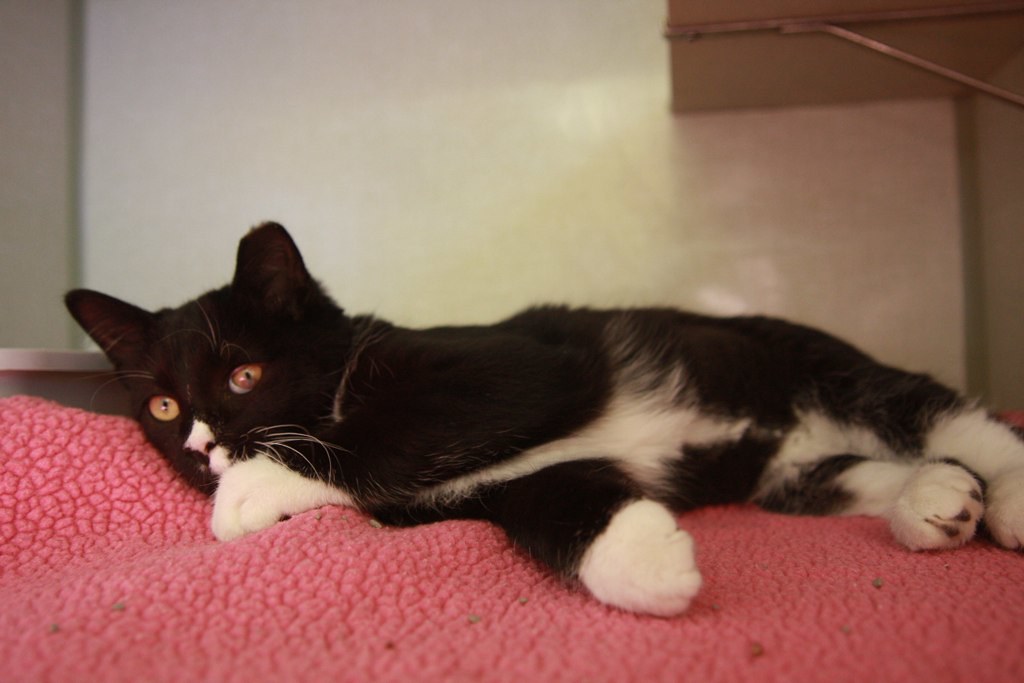

Unleashing Natural Instincts (Image Credits: Flickr)
Many cat owners face the startling moment when their indoor pet darts toward an open door, eyes wide with determination.
Unleashing Natural Instincts
Domestic cats descend from wild ancestors who roamed vast territories in search of prey and adventure. This heritage lingers in even the most pampered house cats, compelling them to test boundaries at every opportunity. Owners often witness this drive during routine activities like entering the home or opening a window.
Experts note that such behavior stems from an innate curiosity rather than dissatisfaction with indoor life. Cats perceive the world beyond the walls as a realm of scents, sounds, and potential discoveries. Without intervention, these impulses can lead to repeated escape attempts that heighten anxiety for both pet and owner.
Recognizing this as a survival trait helps reframe the issue. Cats do not scheme to rebel; they simply respond to evolutionary cues. Addressing the root cause involves channeling that energy into safer outlets.
Spotting the Warning Signs
A sudden surge in door-lurking or tail-flicking near exits signals rising interest in the outside. Indoor cats might meow insistently or paw at screens when outdoor noises like birds or rustling leaves catch their attention. These cues often intensify during warmer months when the world outside buzzes with activity.
Boredom plays a significant role too. A cat with limited stimulation may fixate on escape as the ultimate thrill. Previous outdoor exposure, even brief, can imprint lasting memories that fuel ongoing attempts.
Health factors sometimes contribute. Stress from household changes or unmet needs for play can amplify the urge to flee. Observing patterns in behavior allows owners to intervene before a dash turns into a disappearance.
Enriching the Indoor World
Transforming the home into an engaging haven curbs the desire to venture out. High perches like cat trees offer vantage points mimicking outdoor lookouts, while interactive toys simulate hunting pursuits. Rotating these items keeps interest alive and prevents routine from dulling the senses.
Window seats with bird feeders draw nature’s spectacle indoors, satisfying visual curiosity without risk. Pheromone diffusers calm anxious pets, reducing impulsive bolting. For cats with strong territorial instincts, creating dedicated zones fosters security.
- Install scratching posts in multiple rooms to mark territory safely.
- Provide puzzle feeders that dispense treats, encouraging mental exercise.
- Set up tunnels or boxes for hide-and-seek games that tap into playful instincts.
- Incorporate vertical space with shelves for climbing adventures.
- Use automated toys for stimulation when owners are away.
Proven Strategies to Secure the Home
Training forms the cornerstone of prevention. Positive reinforcement works best: reward calm behavior away from doors with treats and praise. Consistent cues, such as a verbal command paired with redirection, teach boundaries over time.
Physical barriers add layers of protection. Electronic pet doors allow controlled access if supervised outings suit the cat, locking automatically at night. Double-door entryways or baby gates near main exits block quick escapes during busy moments.
For ultimate safety, consider enclosed outdoor spaces known as catios. These screened patios let cats bask in fresh air while remaining contained. Installation varies by home layout, but they provide a compromise between instinct and security.
Monitoring tools like GPS collars offer peace of mind for rare slip-ups, though prevention remains preferable. Regular vet checkups rule out underlying issues driving the behavior.
Key Takeaways
- Channel curiosity through enriched environments to reduce escape urges.
- Employ positive training and barriers for immediate control.
- Balance indoor safety with supervised outdoor experiences when possible.
Indoor life extends a cat’s lifespan by shielding them from traffic, predators, and disease, yet respecting their wild side strengthens the bond. Owners who adapt their homes to feline needs often report fewer incidents and happier pets. What strategies have you tried to keep your cat content inside? Share your experiences in the comments.

- Urban Coyotes Show Remarkable Adaptability, Learning to Thrive in City Environments - July 22, 2026
- Beavers Are Nature’s Engineers, Creating Vital Habitats for Other Wildlife Species - July 21, 2026
- The Recovery of the California Condor Offers Hope for Other Critically Endangered Birds - July 21, 2026