

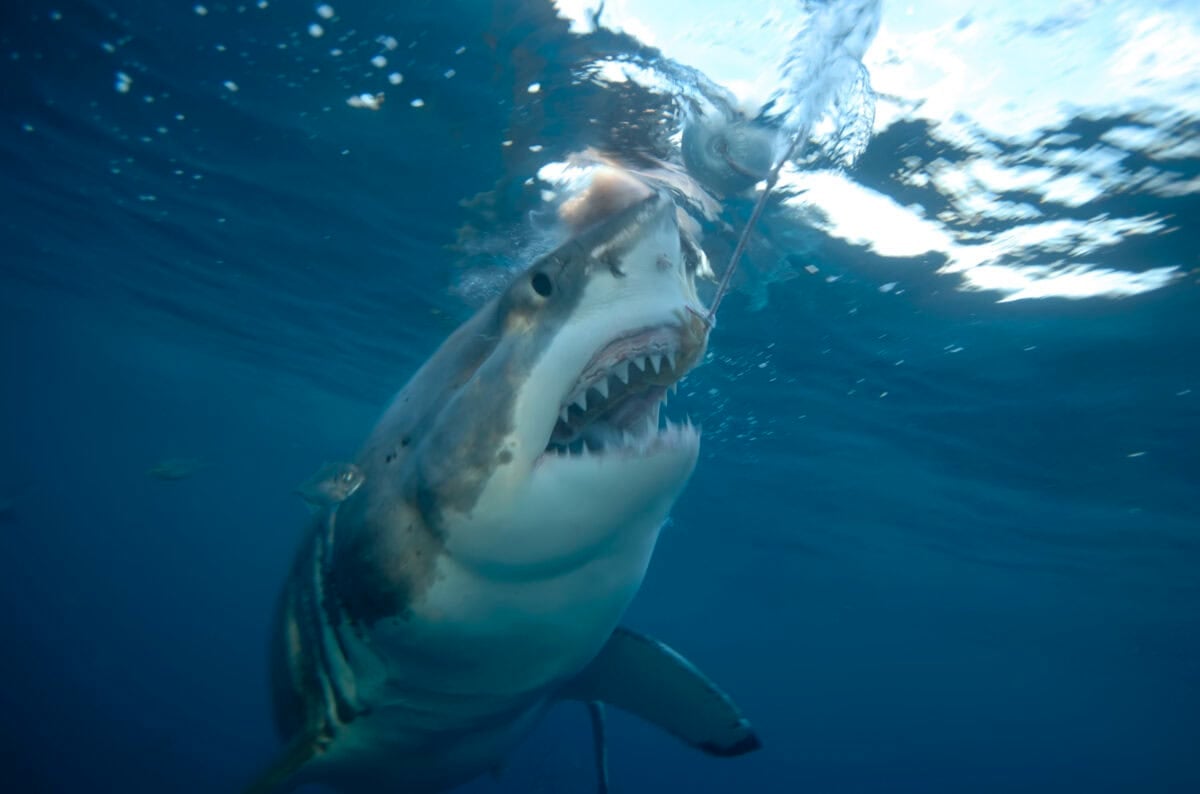
The vast Atlantic Ocean has long been home to one of the ocean’s most intriguing and feared predators: the great white shark. Recently, an extraordinary discovery of a particularly remarkable great white shark has captivated not only the scientific community but also the general public. This article delves into the fascinating details surrounding this exceptional shark, providing a comprehensive exploration of its surprising behaviors and the insights gained from its discovery.
Unveiling the Mystery: A Record-Breaking Find

In the world of marine biology, few events garner as much excitement as the discovery of an exceptional specimen. When researchers identified an unusually large great white shark in the Atlantic Ocean, it sparked widespread interest. This shark, measuring over 20 feet in length, significantly exceeds the average size of its species, challenging previous assumptions and inspiring new lines of inquiry.
The Fascinating World of Great White Sharks

Great white sharks, known scientifically as Carcharodon carcharias, have long intrigued scientists and laypeople alike. These apex predators are typically found in coastal waters around the world, noted for their distinctive appearance and formidable hunting abilities. Usually ranging from 11 to 16 feet long, they are known to live up to 70 years, a detail that renders such an enormous individual particularly noteworthy.
Tracking the Gigantic Predator
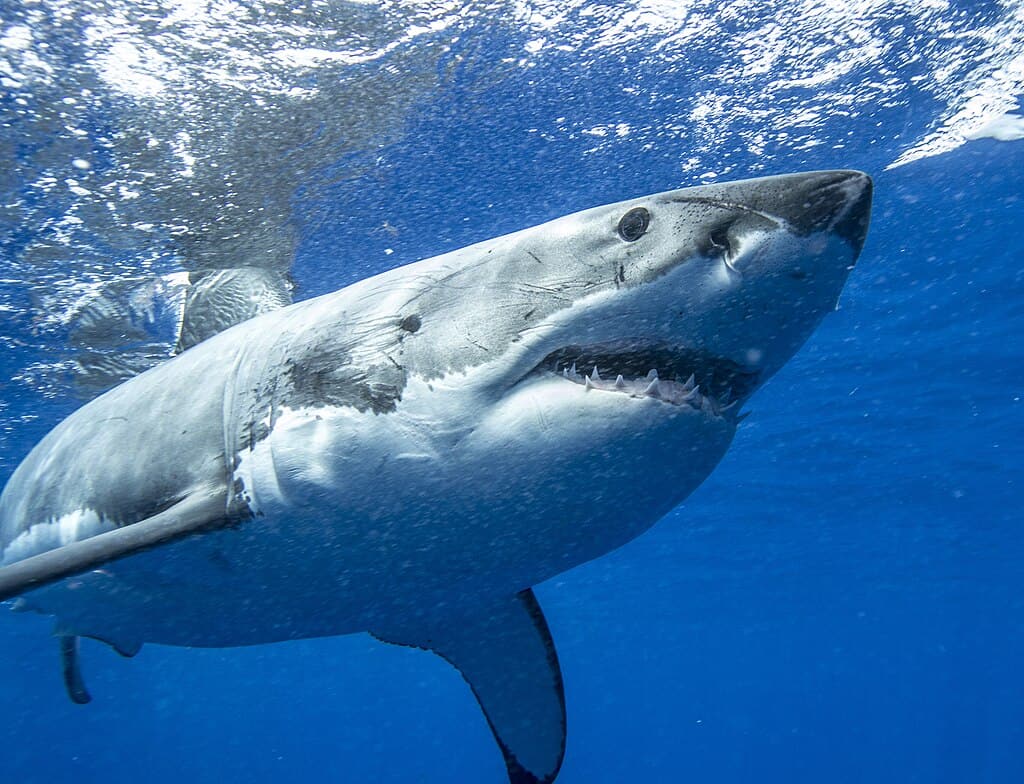
Thanks to advanced satellite tagging technology, researchers were able to track the movements of this giant great white shark. The tagging process not only confirmed the shark’s size but also facilitated a deeper understanding of its migratory patterns. Surprisingly, this individual displayed particularly erratic travel behaviors, differing substantially from typical great white shark migrations.
Feeding Habits: A Need for More Energy?

One might wonder whether the size of this great white shark correlates with a distinct dietary preference. Surprisingly, the giant predator’s diet includes larger prey, such as seals and even small whales, which likely contribute to its unusual growth. The shark’s caloric needs exceed those of its smaller counterparts, prompting unique hunting strategies to sustain its massive size.
Inter-Species Interactions: A Tale of Dominance?

Observations revealed this particular great white shark engaging with other marine species in unexpected ways. While great whites are generally solitary, this specimen displayed occasional social behaviors, perhaps due to its size commanding respect from other aquatic creatures. These interactions have provided new insights into the social dynamics of ocean predators.
Conservation Implications: Preserving a Legacy

The discovery of such a large great white shark has significant conservation implications. It underscores the importance of preserving marine habitats, as these environments support remarkable biodiversity and the potential for extraordinary life. Efforts to protect these areas from overfishing and pollution are critical to sustaining marine giants like this particular shark.
Scientific Curiosity: New Questions Arise

The study of this great white shark has prompted scientists to revisit and challenge existing theories about shark growth limits, longevity, and even genetics. New research questions focus on understanding the factors contributing to its unprecedented size, whether genetic mutations or environmental influences played a role, and what this means for our understanding of the species.
Great White Sharks in Popular Culture

Great white sharks have occupied the public consciousness largely through portrayals in media, often as fearsome predators. However, the revelation of such a large shark shifts the narrative from one of fear to one of awe and curiosity, inspiring more positive interest and awareness about shark conservation efforts.
The Role of Technology in Marine Research

Technological advancements have been instrumental in studying marine life, with satellite tagging and underwater drones now playing key roles. The study of this enormous shark was made possible by these technologies, demonstrating how modern tools can unveil the secrets of marine giants and reshape our understanding of ocean life.
Public Engagement: Educating and Inspiring

The sensational find has sparked public interest and inspired educational initiatives aimed at improving understanding of shark behavior and marine ecosystems. Schools, nature programs, and documentaries now include this remarkable discovery to spark interest in marine conservation and biological sciences.
The Importance of Collaborative Research
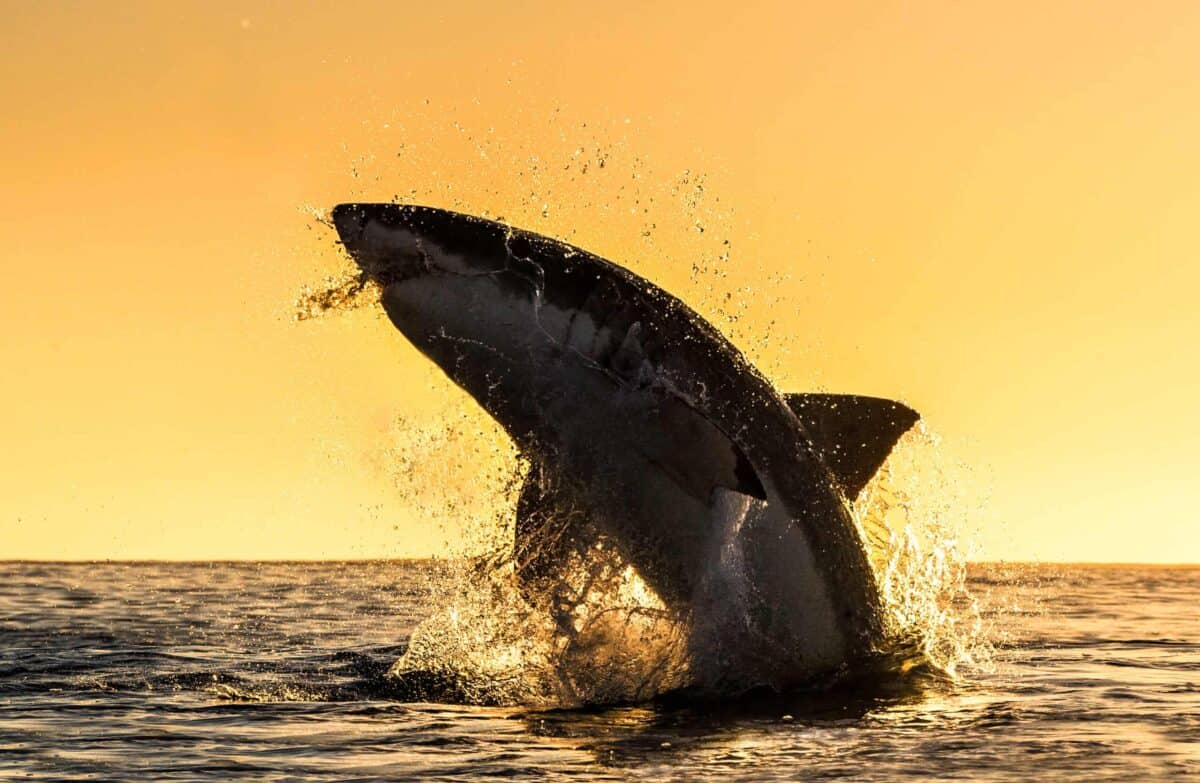
This find underscores the significance of teamwork in scientific endeavors. Collaboration between oceanographers, marine biologists, and conservationists was crucial to understanding and documenting the life of this extraordinary shark, showcasing the power of interdisciplinary cooperation in achieving groundbreaking research.
Reflecting on the Ocean’s Mysteries

The discovery of this extraordinary great white shark serves as a poignant reminder of the ocean’s vast mysteries and the potential for discovery lurking beneath its waves. It highlights the need for continued exploration and preservation, encouraging humans to steward the underwater world responsibly for future generations.
The Atlantic’s extraordinary great white shark exemplifies the awe-inspiring wonders of the natural world. Its unprecedented size and surprising behaviors challenge our understanding, pushing the boundaries of marine biology and reminding us of the need to protect these magnificent creatures. As we tread responsibly into the future, let this be a clarion call to embrace conservation initiatives, honor the ocean’s secrets, and continue exploring with curiosity and respect.

From exploring the marine wonders in the Azores and witnessing the vast savannas of Kenya, to delving deep into the rich biodiversity of South Africa and traversing iconic landscapes in Australia and the US like Yellowstone, Chris's experiences are vast.
With a penchant for diving alongside sharks, the ocean holds a special place in his heart.
Through his academic insights, he champions wildlife conservation, striving with 'Animals Around The Globe' to cultivate a profound connection between humans and animals, enhancing our mutual appreciation.
Connect with him at Feedback@animalsaroundtheglobe.com.
- Why Flamingos Are Flocking to New Jersey’s Salt Marshes - July 20, 2026
- How a Giant Sloth Skeleton Changed Evolution Theories - July 20, 2026
- The Wildlife Cost of Your Chocolate Bar—and How to Make Ethical Choices - July 20, 2026