
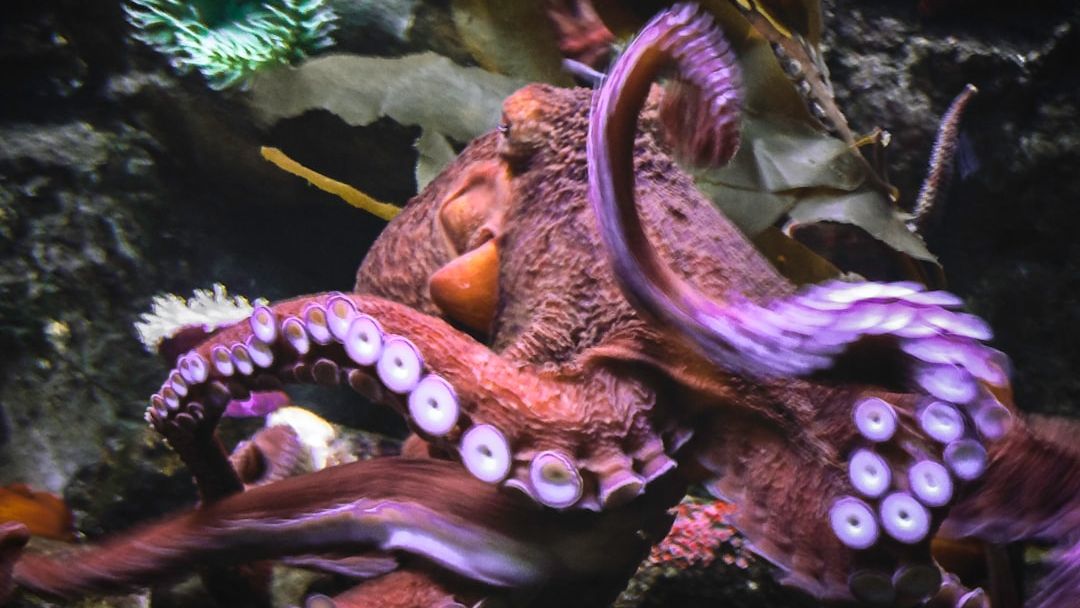
Picture an animal with nine brains, three hearts, blue blood, and the ability to squeeze its entire body through any hole bigger than its own eyeball. Now imagine that same creature sneaking out of its tank at night, crossing an aquarium floor, raiding a neighbouring fish tank, eating its fill, then returning home and closing the lid behind it. Science fiction? Not even close.
Octopuses are among the most mind-bending animals on Earth. Yet for centuries, we dismissed them as glorified sea slugs. The more closely scientists look, the more startling the truth becomes. Get ready, because what lies beneath those alien eyes is far more complex than most people ever imagined. Let’s dive in.
A Brain Like Nothing Else on Earth
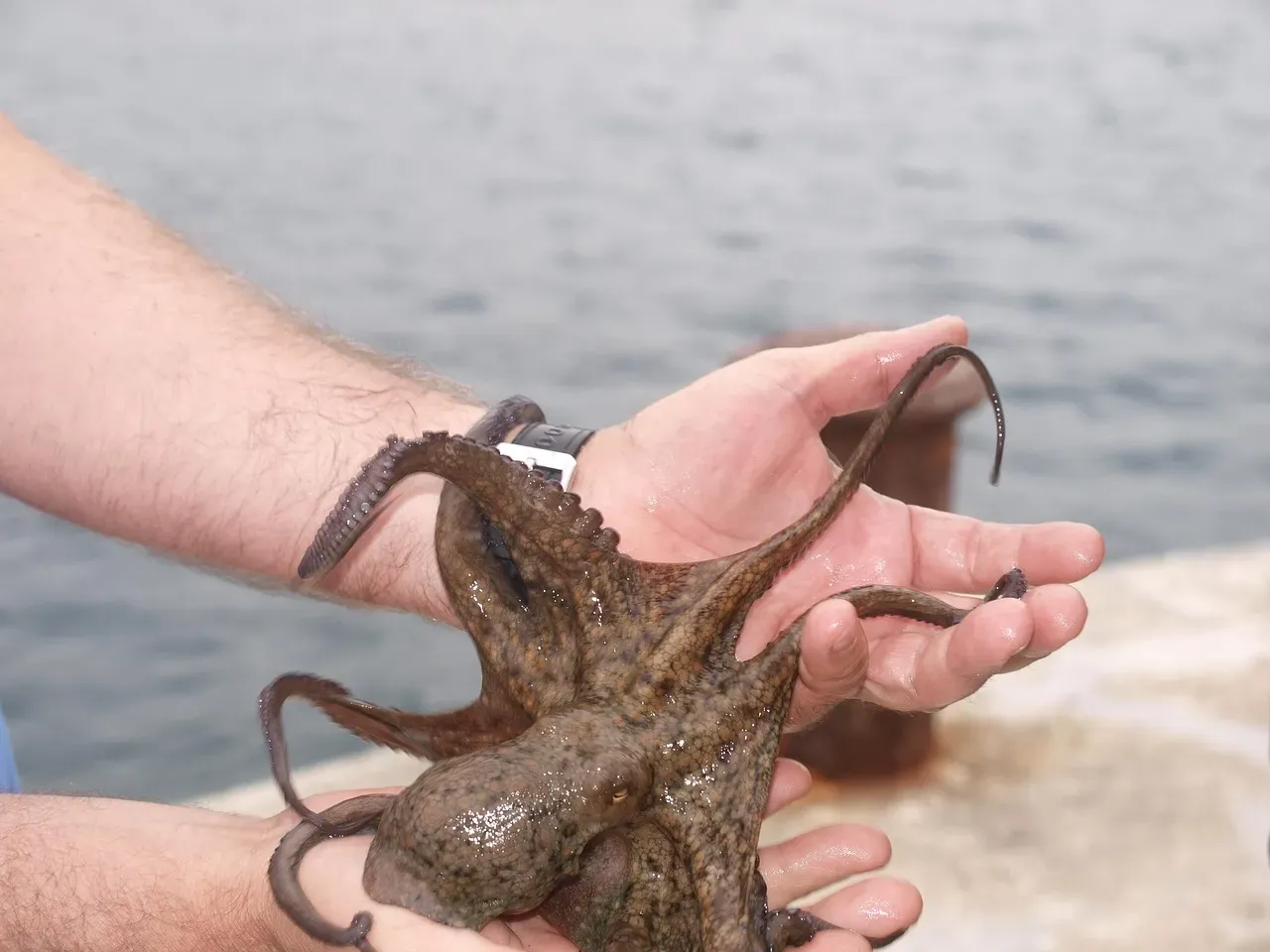
Here’s the thing – when people think of a “smart” animal, they picture dolphins, chimpanzees, maybe dogs. Octopuses rarely make the list. That’s a massive oversight. The octopus, separated from us by roughly 700 million years of evolution, is considered the most intelligent invertebrate on the planet.
An octopus’s brain-to-body ratio is the largest of any invertebrate, and it even surpasses many vertebrates, though not mammals. That alone should make you pause.
Octopuses have about as many neurons as a dog. The common octopus has around 500 million of them, and about two thirds live in its arms, while the rest sit in a doughnut-shaped brain wrapped around the oesophagus inside its head. Think about that for a second. Its brain is literally shaped like a donut, positioned around its food pipe. Nature, honestly, never stops surprising us.
Rather than having a centralized nervous system like ours, the octopus’s nervous system is spread throughout its entire body, with two thirds of its neurons not even located inside its brain. It’s a bit like if your hands could think for themselves while your head was busy doing something else entirely.
Eight Arms, Each With a Mind of Its Own
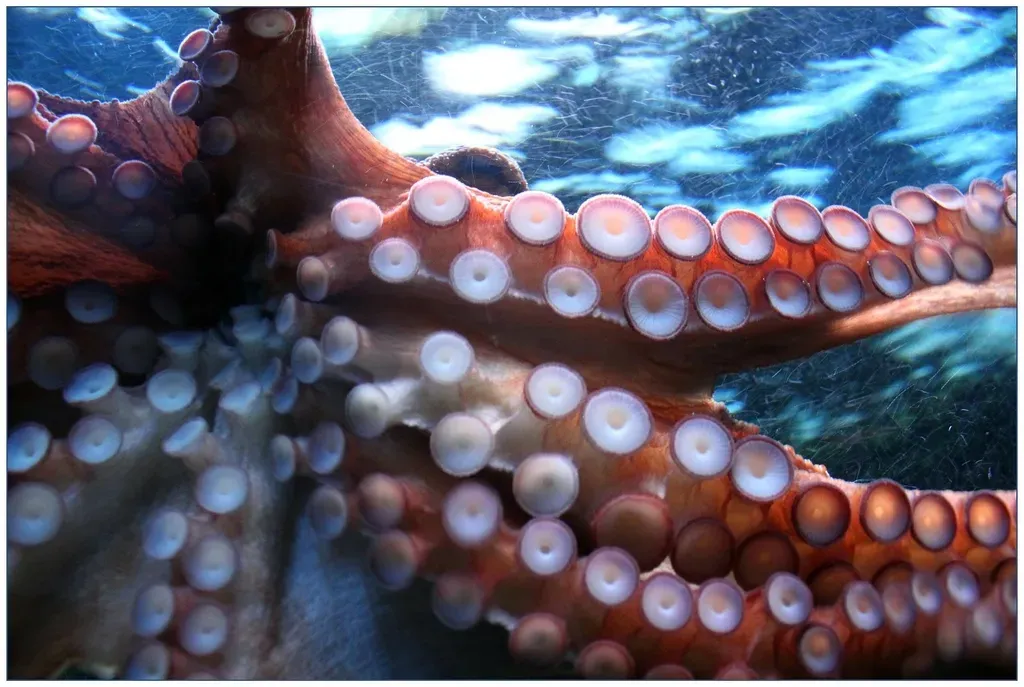
This is where things get genuinely bizarre. Each arm contains its own mini brain. This arrangement enables octopuses to complete tasks more quickly and effectively, and while each arm is capable of acting independently, able to taste, touch and move without direction, the central brain can also exert top-down control.
Their arms independently taste and touch, and control basic motions without input from the brain. Each sucker on an octopus’s arm may have 10,000 neurons for taste and touch. Imagine having over 2,000 suction cups, each packed with thousands of sensory cells. It is, in the most literal sense, tasting everything it touches.
Many of these neurons can communicate with each other without even going through the central brain. The nervous system inside the octopus’s arms can essentially bypass the brain and communicate with one another, meaning the brain is not even aware of what the arm is doing at all times. That’s not just fascinating. That’s genuinely hard to wrap a human mind around.
If you disconnect an octopus’s arm from its body and pinch its edge, the arm will quickly pull away. In contrast, if a human hand were somehow disconnected from the body and touched something hot, it would stay completely motionless. The arm, on its own, can still react and respond to the world.
Master Hunters, Master Strategists
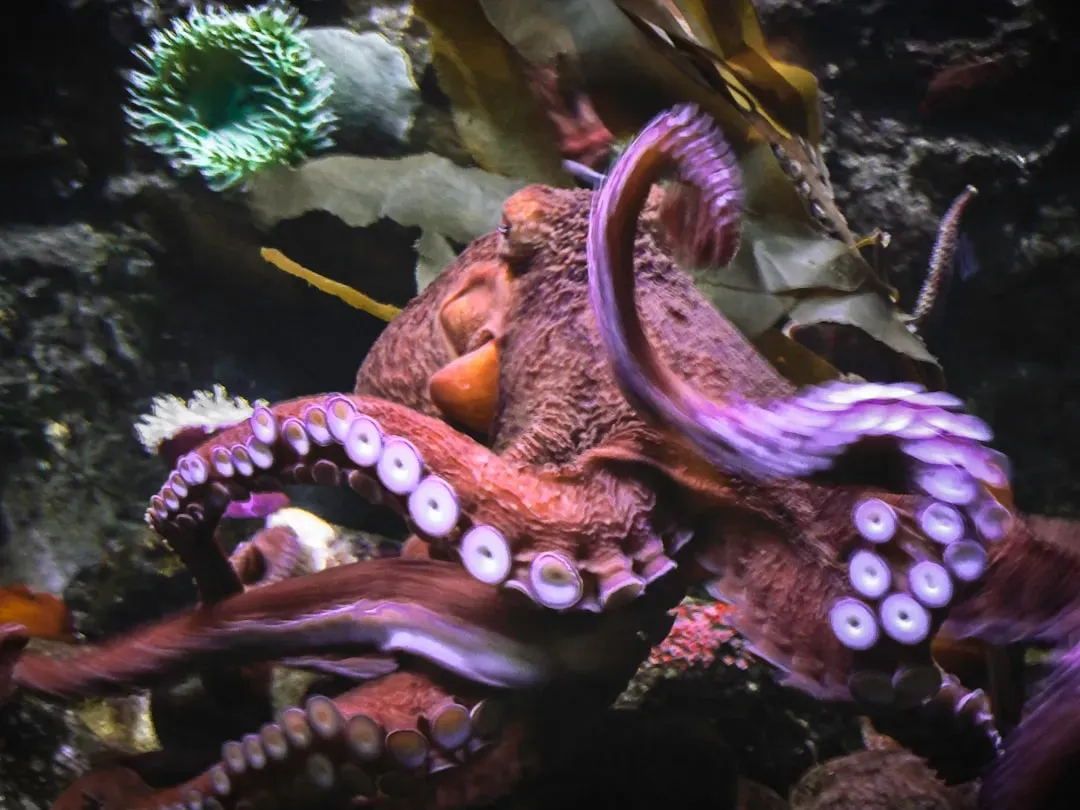
Octopuses didn’t evolve all that brainpower for nothing. Octopuses are extremely adaptive predators with a big appetite, and each type of prey requires a completely different hunting strategy. They don’t just chase things down. They think.
The best way to capture a crab requires stealth, camouflage, or a hypnotic display to mesmerise and confuse the prey. Some octopuses have even learned to hide and use the tip of one of their arms to mimic a worm, drawing fish directly into a trap. That’s not reflex. That’s planning.
An octopus will drill through a shell and inject venom to weaken the muscle before the prey can be removed and eaten. Most impressively, the octopus knows the exact spot on each prey where the venom will be most effective and where the least energy is needed to drill.
Octopuses are also master trackers. They know exactly where to find their favourite prey and create mental maps of their habitat, always aware of the quickest route home to safety. Mental mapping, strategic hunting, tool mimicry. For a creature without a backbone, that’s a staggering cognitive toolkit.
Shape-Shifting Skin That Rewrites What We Know About Camouflage
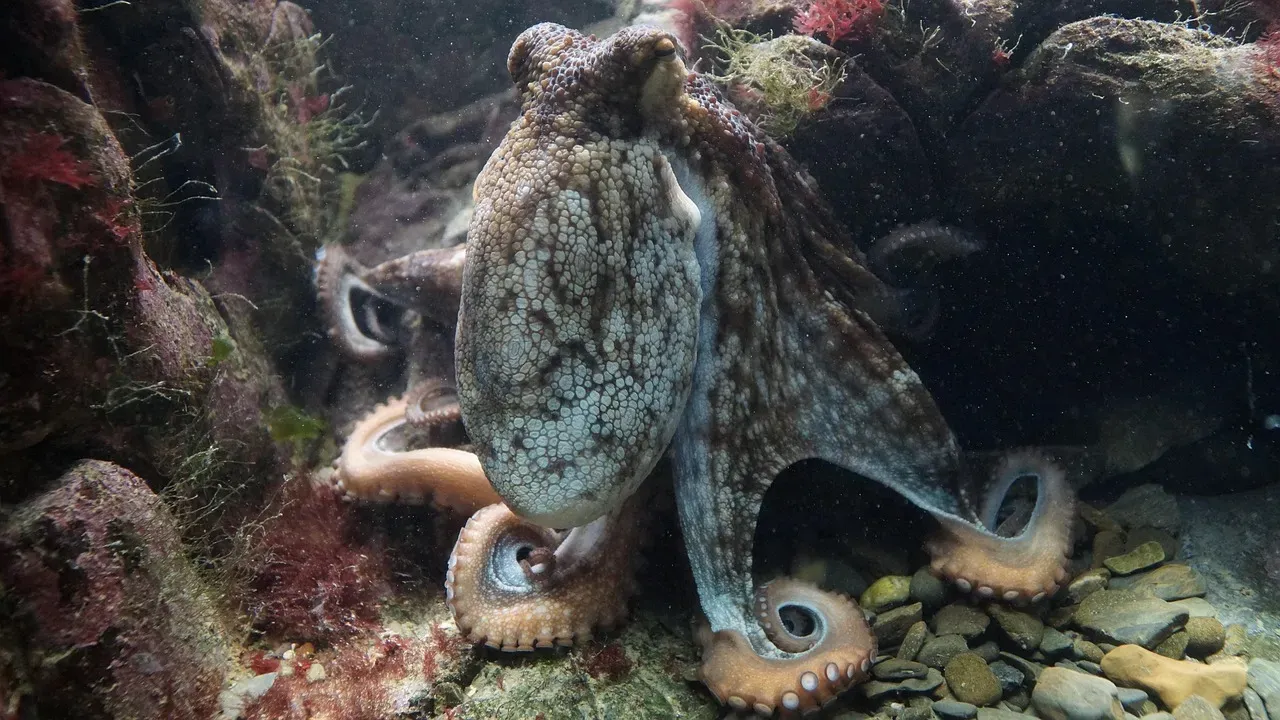
Let’s be real – even if octopuses were as dumb as rocks, their skin alone would make them one of the most extraordinary animals alive. Using three types of specialized skin cells on their body, an octopus can change color in the blink of an eye. Not only can octopuses change skin color, but they also have special cells called papillae that allow them to change their body surface to match the three-dimensional background texture of a rocky coral reef or bumpy seaweed.
Octopuses have an incredible ability not just to change the color and patterns on their skin but also to transform their body’s shape and texture. They use this ability to trick and confuse both predators and prey, impersonating animals that are more threatening or venomous than themselves, as well as changing appearance to seem less threatening and get closer to their prey.
Here is where it gets genuinely strange. This chromatic ability puzzled scientists because, looking at cephalopod eyes compared to ours, they should technically be color blind. Unlike humans, who have three types of color receptors, cephalopods have only one kind. Researchers now hypothesize that their unique dumbbell-shaped pupils act like prisms, breaking white light into the separate colors of the rainbow, and by changing the shape of their eyeballs, an octopus may bring different wavelengths into focus.
Memory, Personality, and a Few Grudges
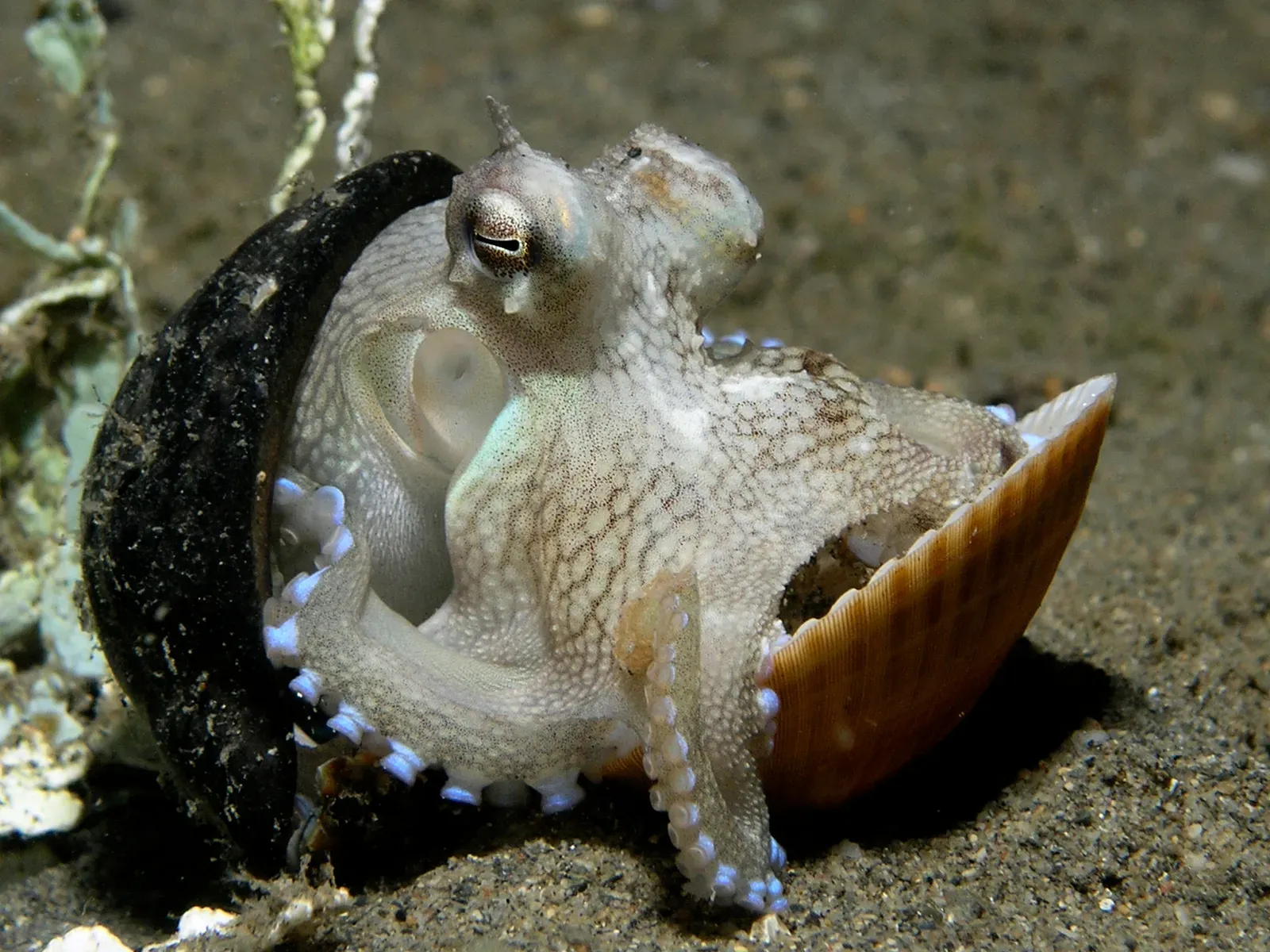
Honestly, this might be the part that surprised me most. Octopuses don’t just recognize their environments. Octopuses can remember specific individuals, including humans, and show different behaviors toward familiar versus unfamiliar caregivers. They can also retain information over days or weeks, which is impressive for any invertebrate.
Octopuses are capable of recognizing individual humans. Captive octopuses are known to squirt water jets at people they don’t like and enjoy holding the hands of their friends. That’s not just behavior. That’s personality.
Scientists now believe that cephalopods possess some cognitive abilities comparable to those of non-human primates. Unlike chimpanzees, dolphins, or elephants however, an octopus lives an independent life from birth with no parents or teachers to learn from. To survive, octopuses must quickly learn absolutely everything on their own.
Scientists suggest the octopus may also have a complex, vertebrate-like sleep pattern with two separate stages similar to REM and NREM sleep. A quiet sleep stage involves behaviors such as eyes closing and a flat body posture, lasting around 60 minutes, followed by an active sleep stage with more eye and body movements and increased breathing rate. Some researchers believe they may even dream during this active stage, producing rapid color changes across their skin as they sleep. I know it sounds crazy, but the evidence is genuinely compelling.
The Genetics of Genius and What It Means for Science
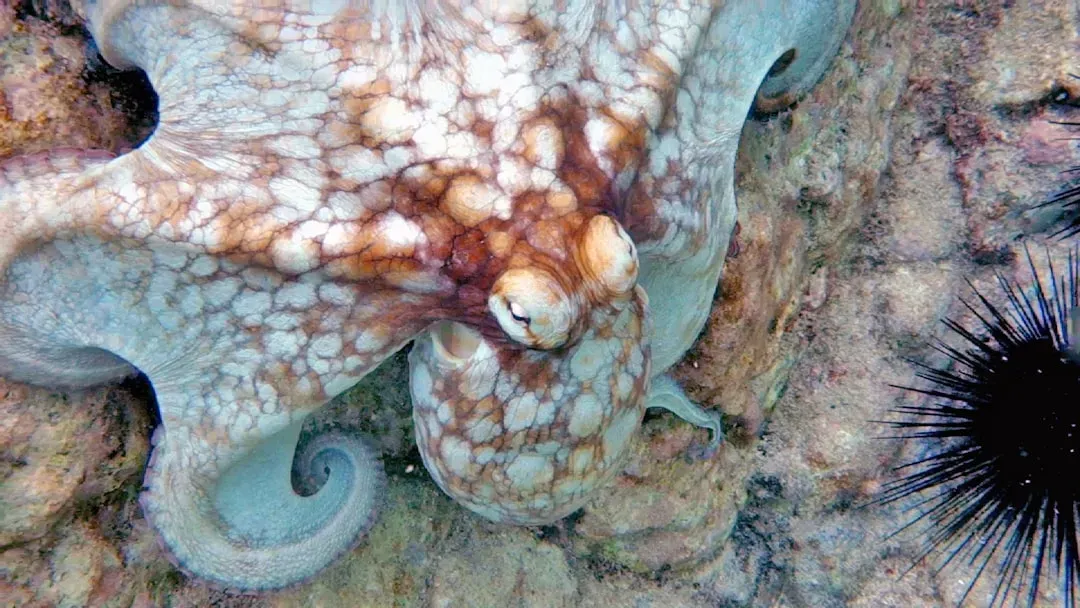
Scientists have recently started uncovering why octopuses evolved such startling cognitive power, and the answer sits deep inside their DNA. Octopuses have a genetic quirk that is also seen in humans, known as jumping genes or transposons, which make up roughly half the human genome. These are short sequences of DNA with the ability to copy and paste or cut and paste themselves to another location in the genome, and they have been linked to the evolution of genomes across multiple species.
When scientists examined octopus jumping genes that could freely copy around the genome, they discovered transposons from the LINE family. This element was active in the octopus’s vertical lobe, a brain section critical for learning that is functionally analogous to the human hippocampus.
Unlike dolphins, which rely on social learning and communication, octopuses are mostly solitary. Yet they still demonstrate memory, individual recognition, and the ability to adapt to new situations, suggesting that advanced intelligence can emerge through completely different evolutionary paths, not just in social species.
This demonstrates that complex thinking doesn’t require a large, centralized brain or social learning. Intelligence, it seems, can evolve wherever survival demands flexible problem-solving. For neuroscience and evolutionary biology, that is a genuinely seismic realization.
Conclusion: A Window Into What Intelligence Really Is
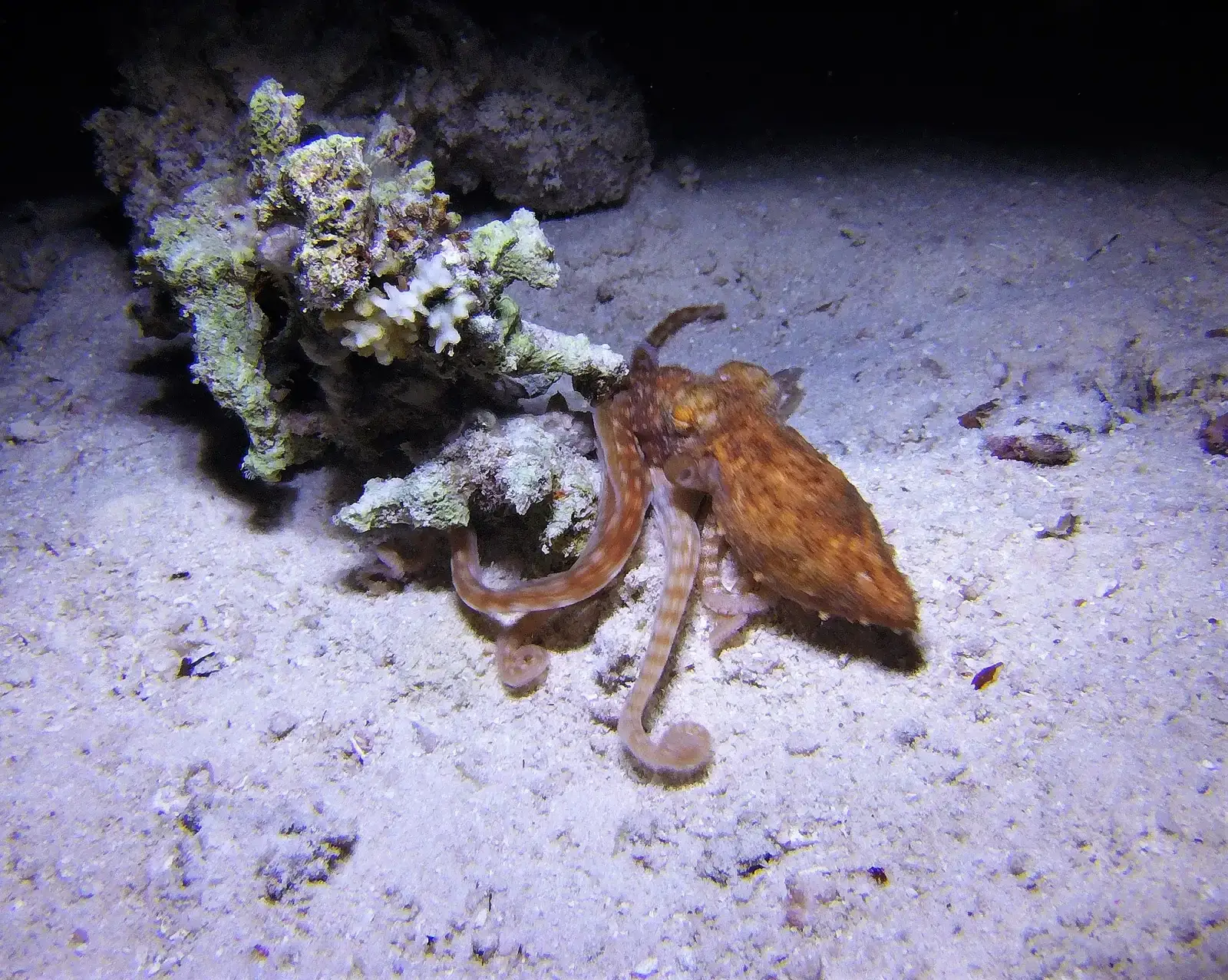
The octopus forces us to reconsider almost everything we assumed about mind and cognition. We tend to measure intelligence by how closely it resembles our own, but here is a creature that evolved its remarkable mind entirely independently, along a completely different branch of the tree of life, solving survival problems in an underwater world we barely understand.
Octopuses remind us that intelligence is not limited to creatures that look or think like us. It can evolve in completely different forms, guided by entirely distinct evolutionary pressures. That is not just a scientific insight. It’s a humbling one.
The next time you see footage of an octopus unscrewing a jar, stalking prey in a coordinated disguise, or squirting water at someone it finds irritating, don’t just marvel at the trick. Think about what it means that a soft-bodied, short-lived, solitary sea creature developed a mind capable of all that. What does your definition of intelligence look like now?
