

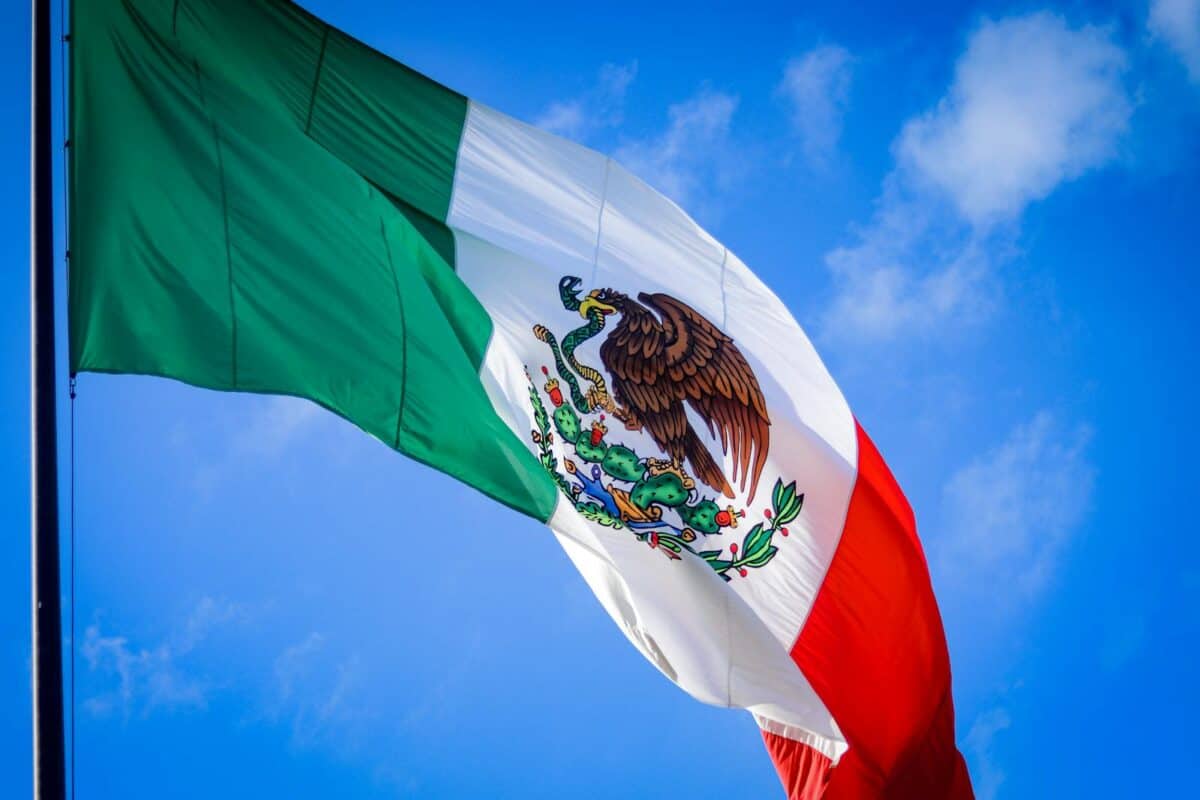
The image of the snake slithering through the pages of American history has been both enigmatic and powerful. From inspiring fear to symbolizing rebirth, snakes have played a prominent role in American culture. This complex relationship has roots that extend deep into indigenous cultures, colonial history, and modern representations. This article explores the multifaceted symbolism of snakes throughout America’s past and present.
Indigenous American Beliefs and Snake Symbolism
Long before European settlers arrived, Indigenous cultures across the Americas had already established rich mythologies around snakes. For many tribes, snakes were seen as symbols of rebirth and transformation, largely due to their ability to shed their skin. The Hopi, for example, include the snake in many of their ceremonial dances, which symbolize fertility and rainfall. Across various cultures, the rattlesnake holds a particularly sacred status, acting as a guardian and helper of the earth.
Colonial America and the Snake

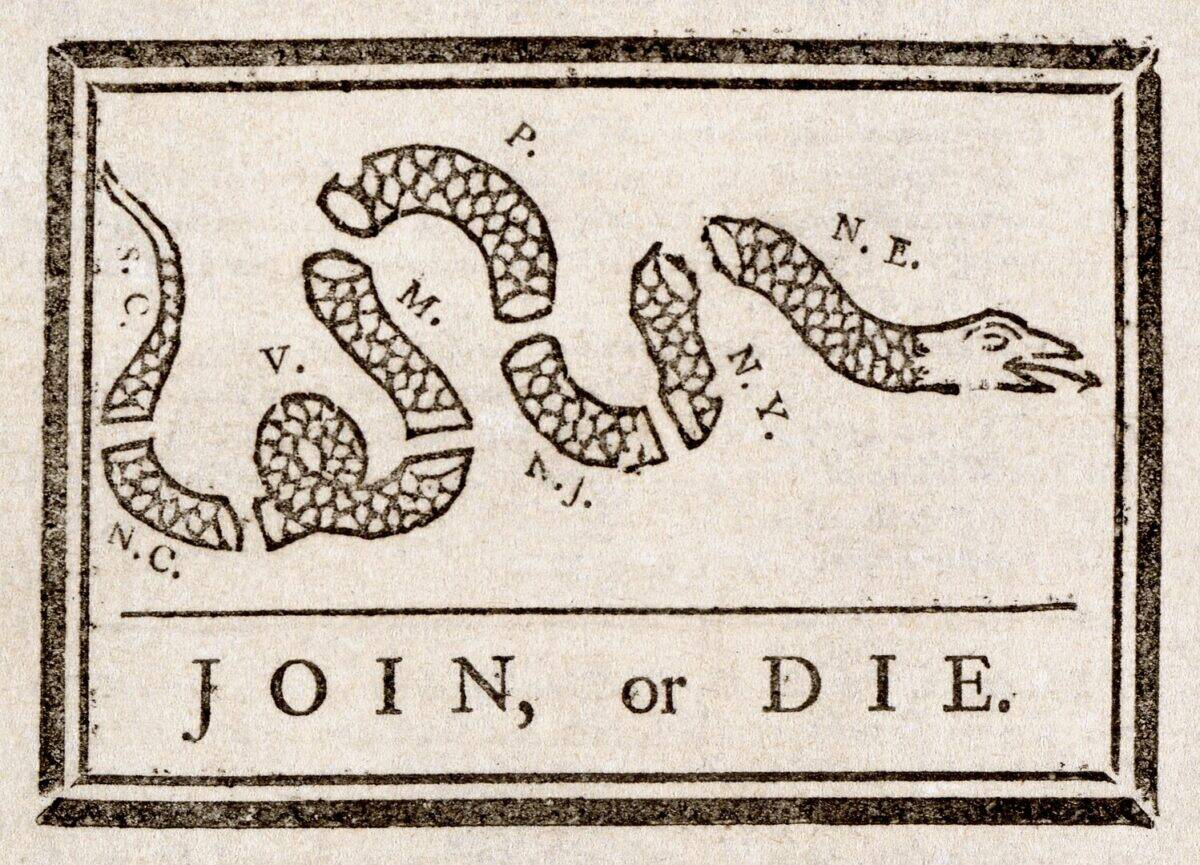
In colonial times, the symbolism of the snake took on a more political dimension. Benjamin Franklin famously used the image of a segmented snake in his 1754 political cartoon titled “Join, or Die.” The snake represented the American colonies, urging unity among them in the face of external threats. This imagery was later revived during the Revolutionary War as a potent symbol of patriotic unity and resistance against British rule.
The Snake in American Religion

The snake’s religious symbolism is extensive, drawing from Christian narratives that often depict snakes as malevolent creatures. This duality continues global patterns, where snakes can represent both good and evil. In American Christianity, the snake is often associated with the biblical serpent in paradise, representing temptation and sin. However, some sects, such as the Appalachian snake-handling churches, view snakes as a test of faith, representing the ability to overcome adversity through divine intervention.
Snakes and Medical Symbolism

The snake is an enduring figure in medical symbolism across America, derived from the caduceus—two snakes entwined around a staff, which is mistakenly used at times in healthcare branding. Although often confused with Hermes’ travel staff, the proper symbol is the Rod of Asclepius, a single serpent-entwined rod. This reveals how deeply embedded the snake is in cultural symbols, often misunderstood yet widely recognized as emblematic of healing and medicine.
Snakes in American Folklore and Literature

Folklore and literature in America are rich with snake imagery. From Mark Twain’s tales to more contemporary works, snakes often serve as characters representing trickery, danger, or wisdom. In Southern Gothic literature, the snake is a compelling figure that often embodies the dark and mysterious aspects of nature and society.
Snakes in American Popular Culture

In modern America, snakes continue to capture the imagination of filmmakers, musicians, and artists. Whether portrayed as terrifying creatures in horror films or as symbols of rebellion in music, snakes are a versatile icon. They often appear in tattoos, fashion, and art as symbols of edge and transformation, illustrating their dual nature as feared and revered beings.
Conservation and Environmental Symbolism
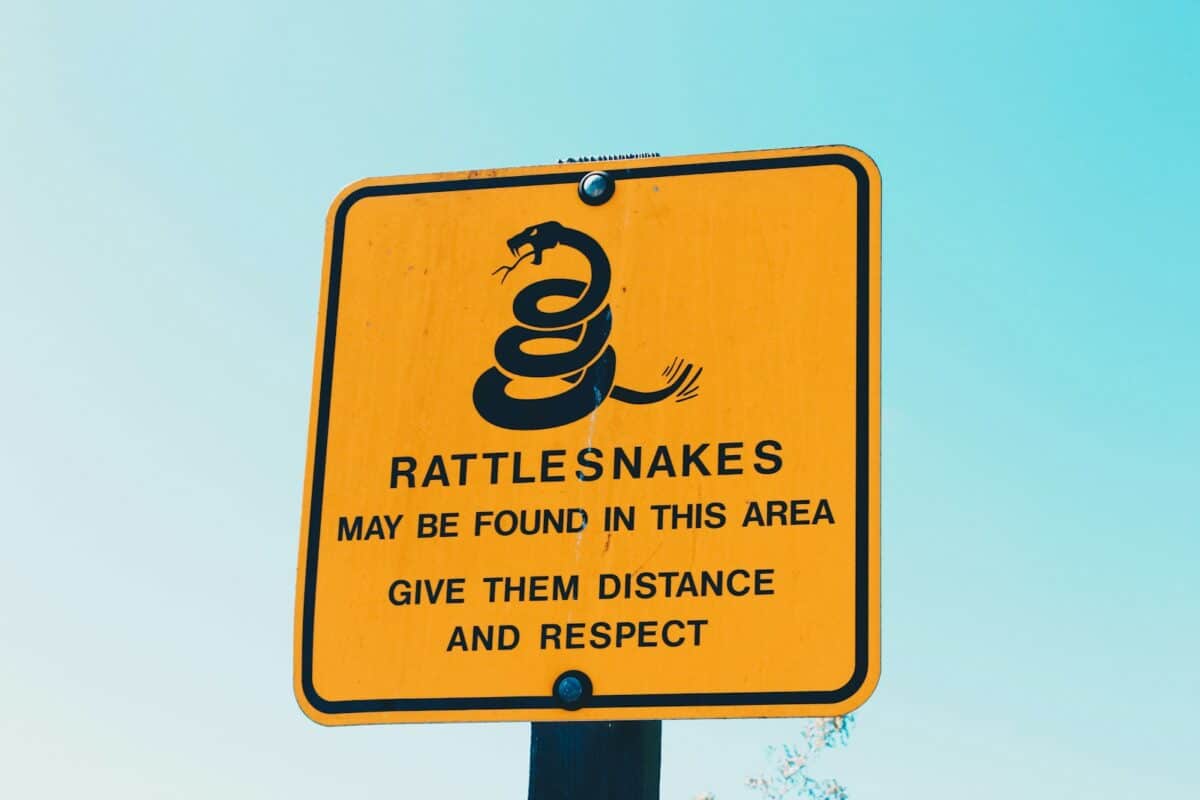
Today, snakes also embody environmental symbolism, representing the balance and health of ecosystems. Many American conservation efforts focus on protecting snake habitats, emphasizing the role they play in controlling pest populations and maintaining ecological integrity. The presence of snakes in an ecosystem often indicates its health, showcasing their essential role in biodiversity.
Pet Snakes and Their Symbolic Appeal

For some Americans, snakes are part of everyday life as pets. The decision to own a snake frequently stems from their unique characteristics, such as low maintenance and fascinating behavior. Pet snakes are often symbolically associated with individuality and nonconformity, characteristics valued by many snake owners.
Educational Initiatives and Snake Awareness

Educational programs across the U.S. aim to improve public perception of snakes, focusing on dispelling myths and promoting understanding of snake behavior and ecological importance. Zoos and wildlife centers contribute significantly by educating visitors about the diversity of snake species and the misconceptions surrounding them.
Snake Festivals and Celebrations in America

Various festivals across America celebrate snakes, such as the annual Rattlesnake Roundup in Texas. These events are shifting focus from hunting to conservation and education, reflecting a growing awareness of the need to protect these misunderstood creatures.
Snakes in American Mythmaking and Urban Legends
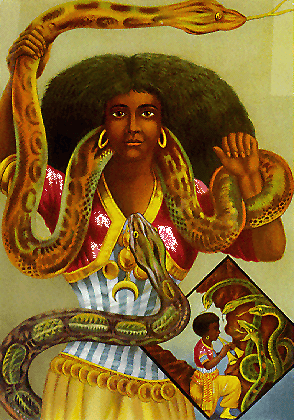
American culture is rife with myths and urban legends featuring snakes, ranging from tales of monstrous serpents to stories of snakes lurking in suburban backyards. These narratives often reflect societal fears and fascinations rather than the realities of snake behavior.
From mystical creatures in Indigenous belief systems to symbols of medical prowess, political unity, and ecological importance, the snake is a multifaceted symbol in American culture. As societal values shift, so too does the symbolism of snakes, continuously evolving to reflect humanity’s complex relationship with these enigmatic creatures. Understanding and appreciating this history helps foster respect and coexistence with snakes in modern America.

- Baby Koalas Hug Their Moms for Safety and Comfort - July 19, 2026
- 13 Most Graceful Animals Roaming North America - July 19, 2026
- 10 Incredible Turtle Species You Should Know About - July 19, 2026