
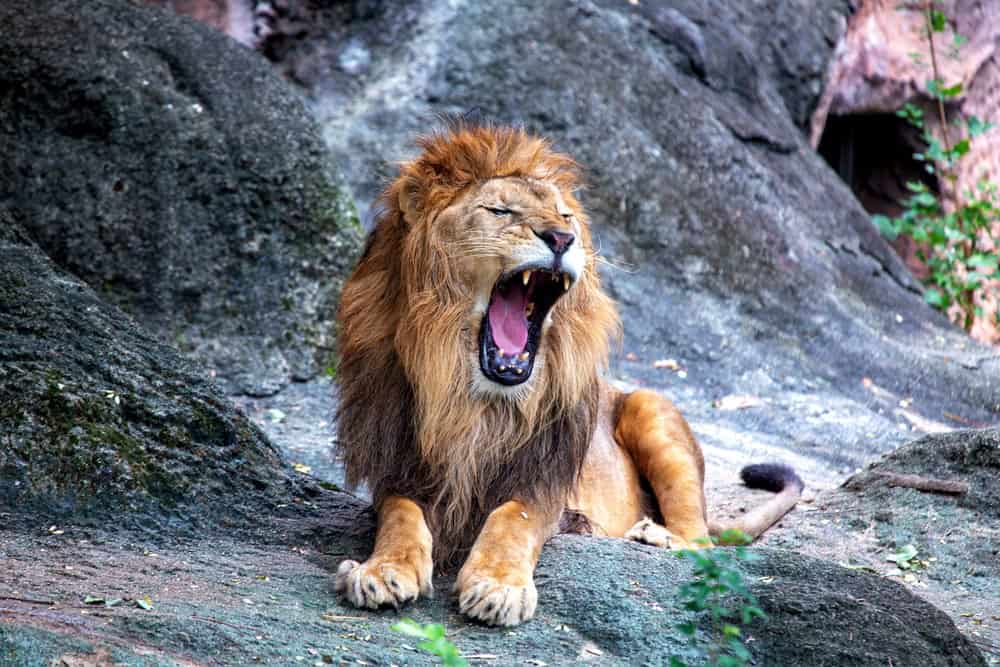
Though they are not the largest of the big cats, lions have earned their title as “The King of the Jungle” through a mix of strength, strategy, and social structure. Known scientifically as Panthera leo, these apex predators are native to the African savannah and grasslands, and their majestic presence has long captivated the human imagination. In this article, we delve into the reasons why lions are considered some of the most fearsome and dangerous animals in the wild.
Physical Strength and Power

A lion’s physical characteristics are perfectly evolved for hunting and survival. Adult male lions can weigh between 330 to 550 pounds, while females range from 260 to 400 pounds. Packed with muscle, their bodies are designed for power rather than speed over long distances. Lions can run at speeds of up to 50 mph but only for short bursts, allowing them to launch intense ambushes.
Their powerful jaws and sharp teeth are key tools for taking down prey. Lions have a bite force that rivals some of the strongest in the animal kingdom, capable of quickly dispatching their targets. Their retractable claws, sharp and curved, are also crucial for gripping and maiming prey effectively.
Pack Hunting Strategies
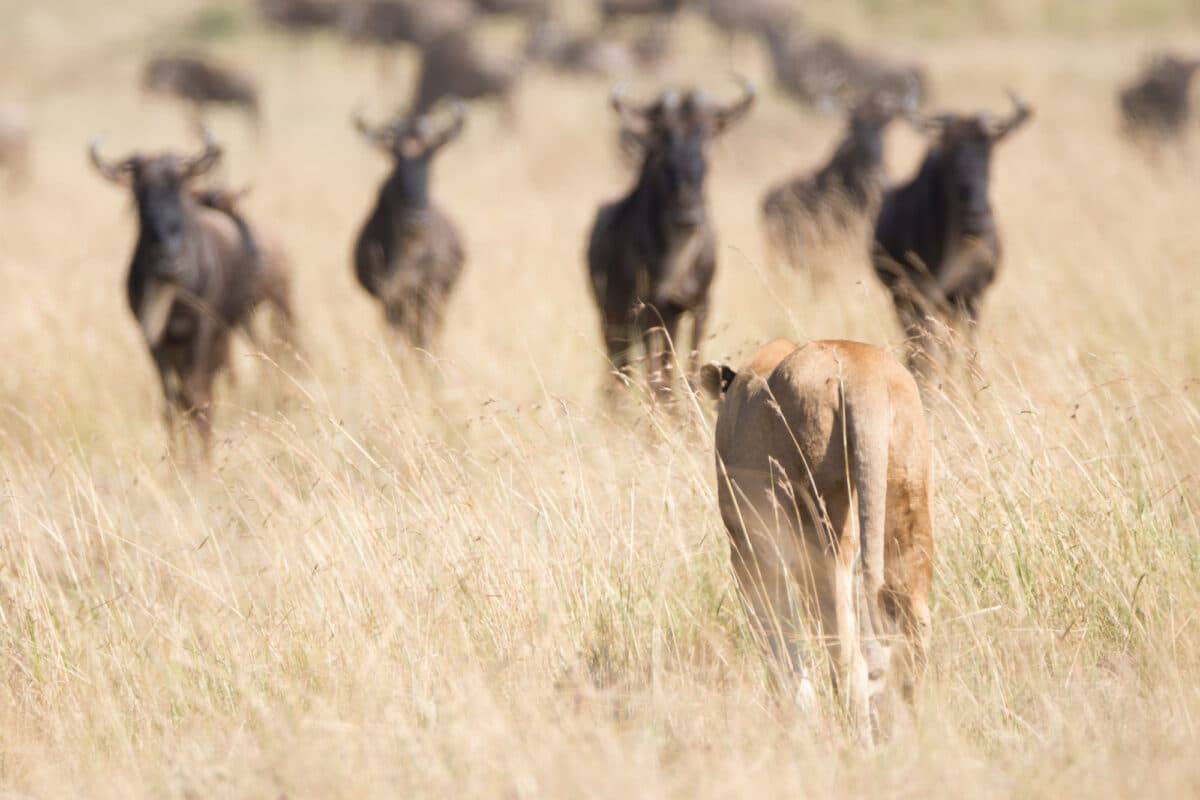
Unlike most big cats, lions are highly social animals and live in groups known as prides. These social structures can range from a few individuals to over a dozen, usually consisting of related females, their offspring, and a few resident males. This social lifestyle gives lions an advantage when hunting.
Females typically take on the primary role of hunters within the pride. Their cooperative strategies include flanking and encircling prey, increasing the chances of a successful kill. By working together, they can take down larger prey like zebras, buffalo, and even young elephants or giraffes. This cooperative hunting technique not only makes them more efficient but also minimizes the risks involved when taking down large and potentially dangerous animals.
Territorial Domination
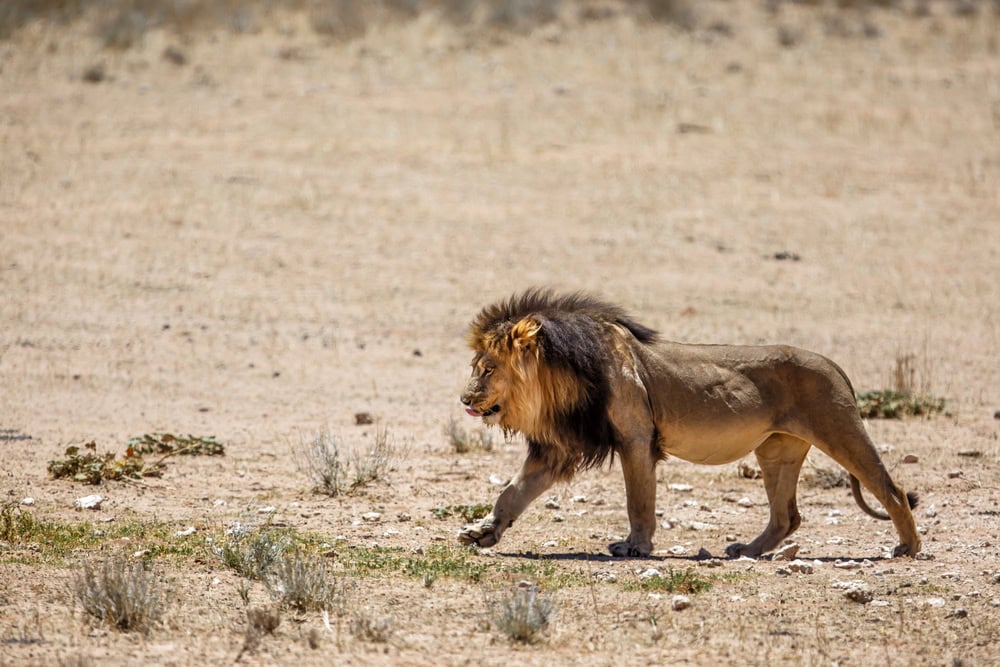
Lions are highly territorial animals, and this trait contributes to their fearsome reputation. Males are particularly aggressive in defending their territory, which can span up to 100 square miles. Territories are marked with scent markings, roars, and visible boundaries, which effectively warn intruders.
In confrontations with other lions, dominant males will not shy away from violent conflict to maintain control over their domain. Such battles are often brutal and can result in serious injuries or even fatalities. This territorial behavior ensures the safety and stability of the pride, maintaining their access to food, water, and mating opportunities.
Adaptability and Resilience
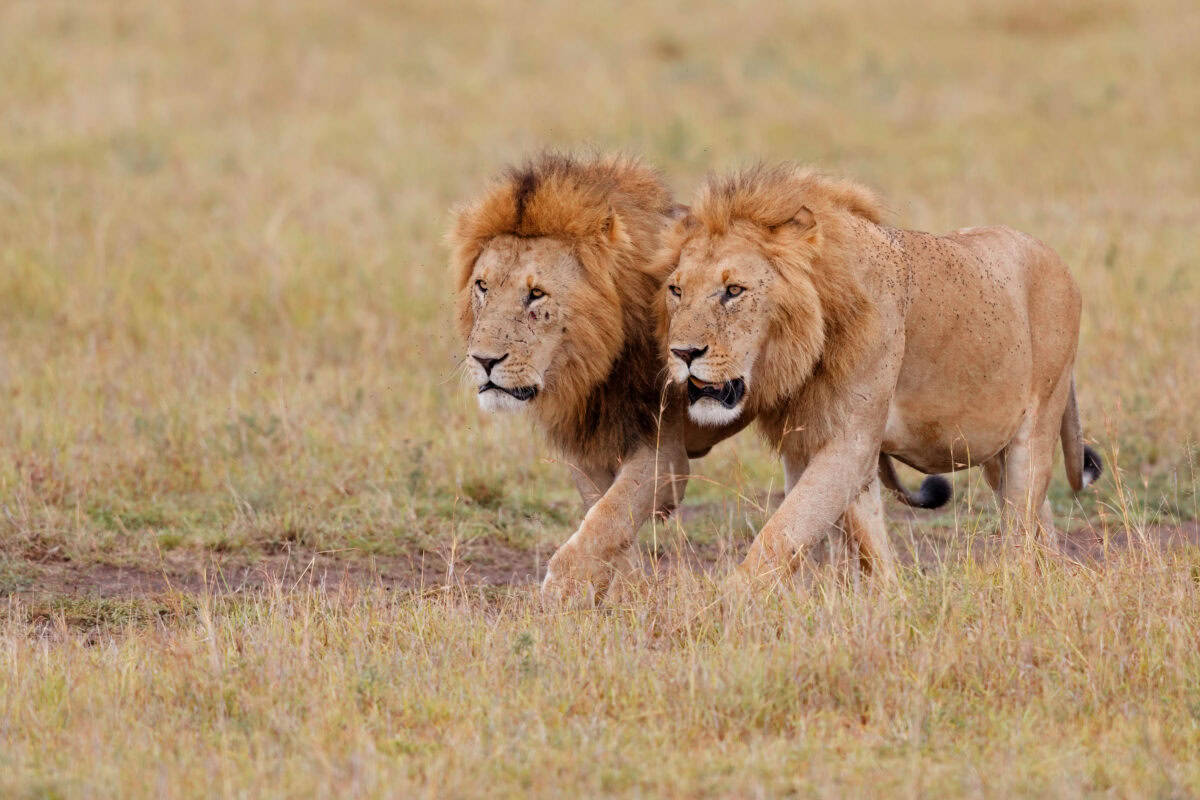
Lions have adapted to a variety of habitats, from the savannahs to semi-arid regions, showing their incredible resilience. Their diet is not strictly carnivorous; although they primarily hunt large herbivores, they can also scavenge when necessary. This opportunistic feeding behavior allows them to survive in challenging circumstances, demonstrating their adaptability and resourcefulness.
Even their sleeping patterns contribute to their survivability. Lions spend much of the day resting and are primarily active at night, reducing the risk of overheating and optimizing their hunting effectiveness under the cover of darkness.
The Human-Lion Conflict
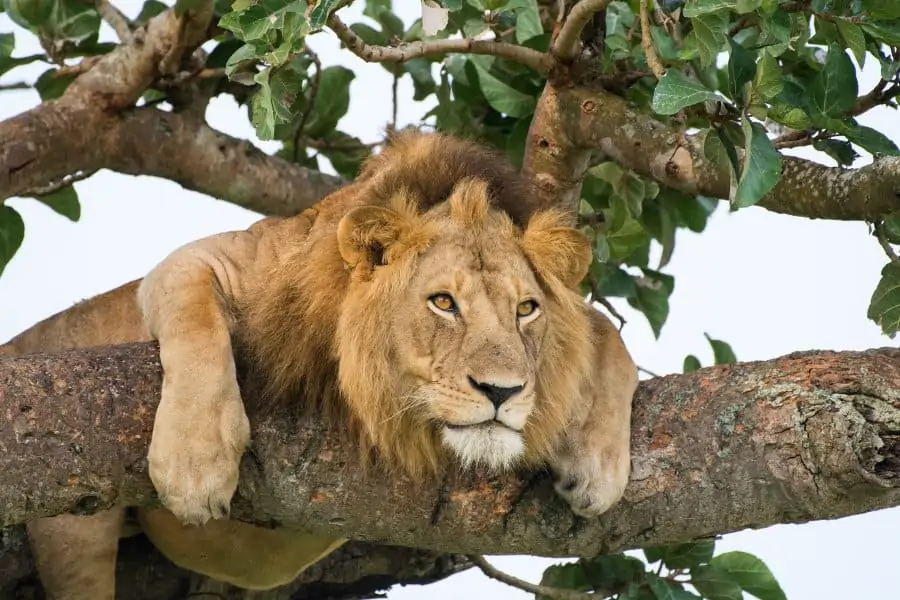
While lions generally avoid human interaction, conflicts arise as human populations encroach on their habitats. These encounters accentuate their dangerous reputation, primarily when lions prey on livestock or, in rare instances, turn into man-eaters. Conservation efforts focus on minimizing these conflicts by conserving their natural habitat and implementing protective measures for both humans and lions.
Conclusion: Respect and Protection
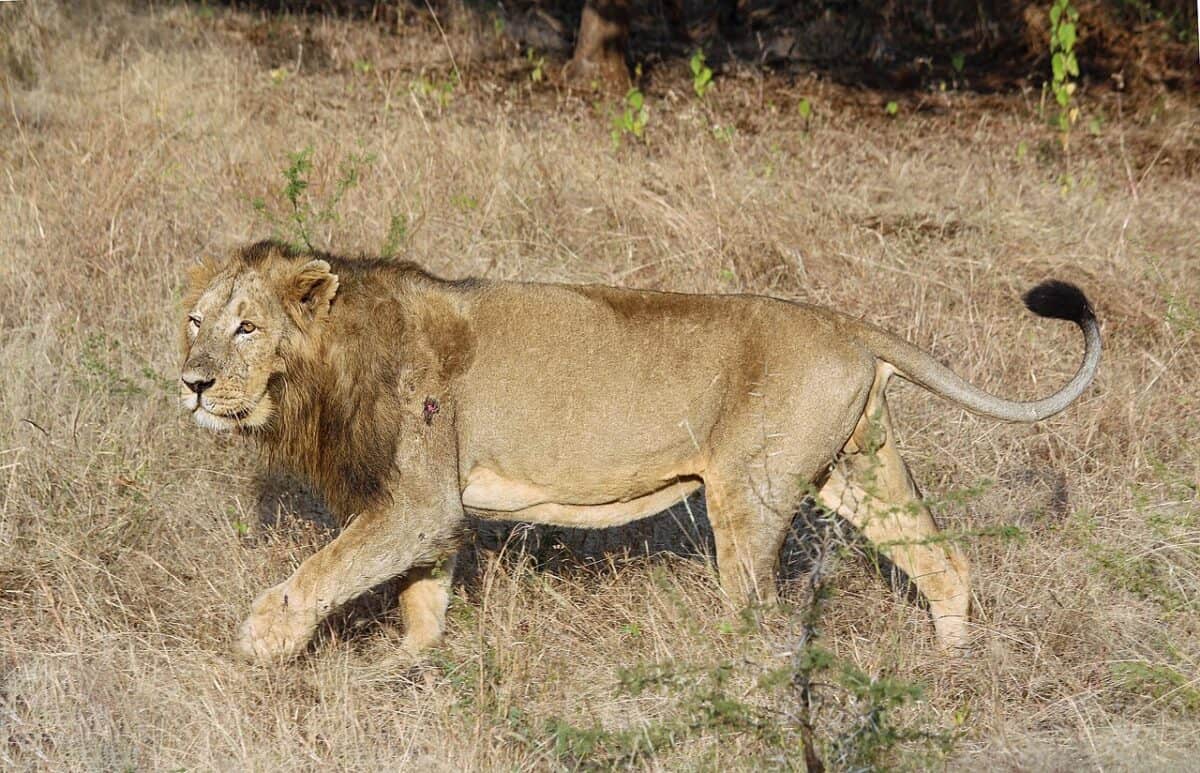
Lions command our respect not just for their fearsome capabilities but also their beauty and role in the ecosystem. By understanding the reasons behind their formidable nature, we can adopt a balanced view that appreciates their power and emphasizes the importance of conservation. Ensuring the survival of “The King of the Jungle” means preserving one of nature’s most magnificent and fearsome creatures, allowing future generations to admire their majesty in the wild.

- The Glasswing Butterfly: Nature’s Invisible Beauty - July 21, 2026
- What Happens If a Whale Dies in the Ocean? - July 21, 2026
- Why You Should Stop Feeding Ducks at the Park - July 21, 2026