


Coyotes, remarkable and adaptable creatures, have fascinated humanity with their haunting howls and clever behavior. While many have encountered these elusive canines individually or in small groups, a recent event in Arizona has captured the attention and imagination of wildlife enthusiasts and researchers alike: the largest coyote pack ever heard howling. This breathtaking natural occurrence provides a unique opportunity to explore the fascinating world of coyotes. Join us as we delve into this extraordinary event and unpack the intricate dynamics of coyote packs.
Understanding Coyotes An Overview

🔥 Would you like to save this?
We'll email this post to you, so you can come back to it later!
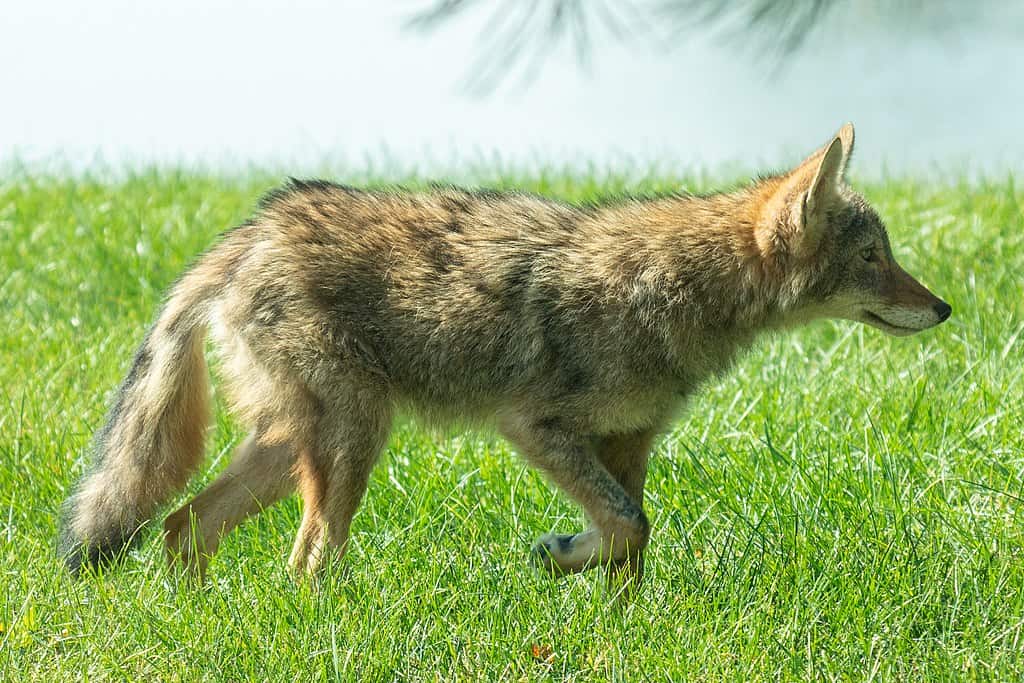
Coyotes (Canis latrans), often nicknamed the “song dogs,” are native to North America. Known for their adaptability and intelligence, these canids have thrived across diverse ecosystems, from dense forests to urban areas. With a wolf-like appearance yet smaller and leaner, they possess remarkable endurance and hunting skills.
The Social Structure of Coyote Packs

🔥 Would you like to save this?
We'll email this post to you, so you can come back to it later!
Unlike wolves, whose packs are typically larger, coyotes often form smaller family units. These packs consist of the mated alpha pair and their offspring from multiple litters. The pack collaborates in raising pups, hunting, and defending territory, showcasing their socially complex nature.
The Significance of Howling

🔥 Would you like to save this?
We'll email this post to you, so you can come back to it later!
Howling serves crucial communication functions for coyotes. It helps maintain pack cohesion, assert territorial boundaries, and attract mates. The haunting sound often echoes through the night, allowing packs to coordinate their activities and establish their presence in the landscape.
The Unprecedented Howling Event in Arizona

🔥 Would you like to save this?
We'll email this post to you, so you can come back to it later!
Recently, wildlife biologists and residents near the Sonoran Desert reported an extraordinary coyote howling event. Estimates suggest that over 30 coyotes were heard howling simultaneously, a phenomenon not typically observed in Arizonan wilderness. This unprecedented gathering piqued the interest of scientists eager to understand its implications.
Possible Explanations for the Large Pack

🔥 Would you like to save this?
We'll email this post to you, so you can come back to it later!
Several factors may have contributed to this unusual congregation. Increased food availability, a shared threat (such as a larger predator), or temporary unification of neighboring packs for a specific purpose might explain this occurrence. It’s also possible that human activities have concentrated resources, drawing multiple packs together.

Halloween Cat Costume Cloak Witch Hat Pet Accessories
Check Price on AmazonAs an Amazon Associate, we earn from qualifying purchases.
10/9/2026 2:44 pm GMTi

2 Pcs Halloween Pet Hat Bandana Set, Witch Pumpkin Costumes for Dogs
Check Price on AmazonAs an Amazon Associate, we earn from qualifying purchases.
10/9/2026 2:45 pm GMTi

Portable Dog Water Bottle Foldable Dog Travel Water Bottle
Check Price on AmazonAs an Amazon Associate, we earn from qualifying purchases.
10/7/2026 1:29 pm GMTi

Hand Blown Glass Hummingbird Feeders for Outdoors Hanging, 24oz Wild Bird Nectar Feeder
Check Price on AmazonAs an Amazon Associate, we earn from qualifying purchases.
10/7/2026 1:23 pm GMTi

Air Purifiers for Home Pets Large Room Up to 3000 Ft²,HEPA Air Cleaner with Washable Double-Side Filter, PM2.5 Air Quality Monitor,15dB Sleep Mode for Bedroom Odor Dust Pollen,White
Check Price on AmazonAs an Amazon Associate, we earn from qualifying purchases.
10/8/2026 8:23 am GMTi
The Role of Environment and Climate

🔥 Would you like to save this?
We'll email this post to you, so you can come back to it later!
Environmental conditions and climate can significantly influence coyote behavior. Droughts or abundant rainfall may affect prey populations, leading to larger gatherings when resources are scarce or plentiful. Observing these howling events could provide valuable insights into ecological changes in the region.
Coyotes in Urban and Rural Landscapes

🔥 Would you like to save this?
We'll email this post to you, so you can come back to it later!
Coyotes have increasingly adapted to urban environments, where food sources like rodents, pets, and garbage are readily available. This versatility has allowed their populations to grow in both metropolitan and rural areas, playing a vital role in controlling pest populations.
The Impact of Human Activity
🔥 Would you like to save this?
We'll email this post to you, so you can come back to it later!
Human activity can heavily impact coyote behavior and distribution. Urban development and habitat fragmentation can influence their movement patterns, diet, and social structures. Understanding these dynamics is crucial for managing human-coyote interactions and ensuring coexistence.
Protecting Coyote Populations

🔥 Would you like to save this?
We'll email this post to you, so you can come back to it later!
Conservation efforts focus on promoting coexistence while minimizing conflicts. Educating communities about securing trash and protecting pets is essential. Preservation of natural habitats further supports their ecological role as predators and scavengers.

Halloween Dog Collar with Bow, Orange Cute Ghost Collar,
Check Price on AmazonAs an Amazon Associate, we earn from qualifying purchases.
10/9/2026 2:43 pm GMTi

Glass Hummingbird Feeder for Outdoors Hanging
Check Price on AmazonAs an Amazon Associate, we earn from qualifying purchases.
10/7/2026 1:21 pm GMTi

Earth Rated XL Dog & Puppy Pee Pads, Discreet Top, Max Absorbency
Check Price on AmazonAs an Amazon Associate, we earn from qualifying purchases.
10/7/2026 1:28 pm GMTi

Professional 7 in 1 Dog Paw Cleaner for Dogs & Cats - Includes 1 Portable Paw Washer, 1 Bath Brush
Check Price on AmazonAs an Amazon Associate, we earn from qualifying purchases.
10/7/2026 1:26 pm GMTi

Glass Hummingbird Feeder for Outdoors Hanging, 16 oz Leak-Proof Nectar Feeder with Bee Guards & Ant Moat
Check Price on AmazonAs an Amazon Associate, we earn from qualifying purchases.
10/7/2026 1:22 pm GMTi
The Cultural Perception of Coyotes
🔥 Would you like to save this?
We'll email this post to you, so you can come back to it later!
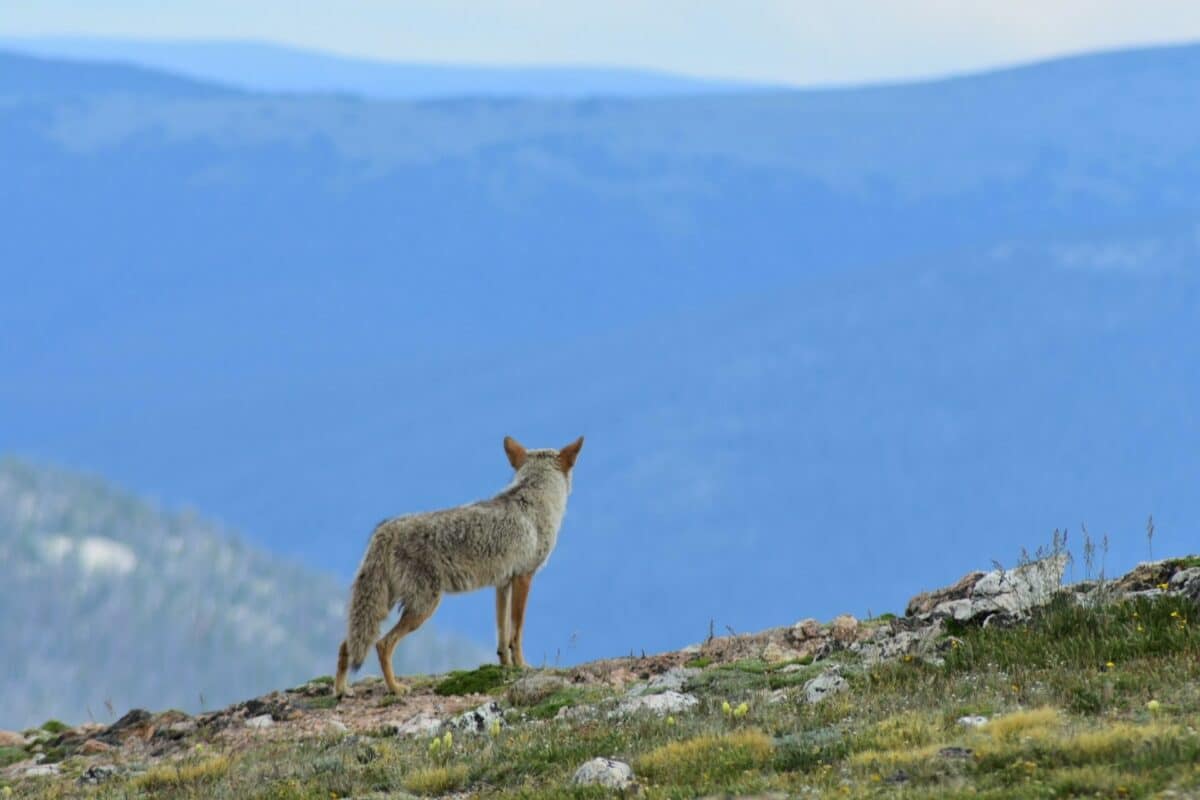
Coyotes hold a prominent place in Native American mythologies, often symbolizing both cunning and survival. Despite modern challenges, their ability to adapt continues to shape their complex relationship with humans, reflecting both fear and admiration.
Research and Conservation Efforts

🔥 Would you like to save this?
We'll email this post to you, so you can come back to it later!
Organizations and researchers are dedicated to studying coyote populations to better understand their behavior and ecology. Data from events like the Arizona howling can inform conservation strategies and guide humane management practices, ensuring the preservation of these fascinating canids.

PetSafe Oasys Pet Fountain, 1/2 Gallon (64 oz), Small Dogs & Cats
Check Price on AmazonAs an Amazon Associate, we earn from qualifying purchases.
10/8/2026 8:14 am GMTi

Smart Bird Feeder with Camera Solar Powered, 2K HD Live Video, 10,000+ Bird Species AI Identification
Check Price on AmazonAs an Amazon Associate, we earn from qualifying purchases.
10/7/2026 1:22 pm GMTi

Dog Stairs for Bed 18" H, 4-Step Dog Steps for High Bed
Check Price on AmazonAs an Amazon Associate, we earn from qualifying purchases.
10/9/2026 2:42 pm GMTi

Orthopedic Extra Large Dog Bed, Waterproof Washable XL Pet Bed 44"
Check Price on AmazonAs an Amazon Associate, we earn from qualifying purchases.
10/7/2026 1:32 pm GMTi
Conclusion: Embracing the Wild

🔥 Would you like to save this?
We'll email this post to you, so you can come back to it later!
The largest coyote pack ever heard howling in Arizona serves as a poignant reminder of nature’s complexity and the enduring resilience of its inhabitants. Observing these events provides invaluable opportunities to appreciate and learn about the intricate social dynamics of wildlife. By fostering awareness and understanding, we can ensure that coyotes and other creatures continue to thrive alongside us, enriching our world with their presence.

As a little kid, I fell in love with nature, wildlife, and animals. Living in the USA, South Africa, Italy, China and Germany gave me the opportunity to discover the world's Wildlife. My favorite animals are Mountain Gorillas, Siberian Tigers, and Great White Sharks.
I'm a certified PADI Open Water Diver, went to Everest Base Camp and Trekked Gorillas in Uganda. I hold a Master of Science in Economics and Finance.
Please send any feedback to feedback@animalsaroundtheglobe.com
- The Largest Coyote Pack Ever Heard Howling in Arizona - November 10, 2026
- 11 Things Dogs Crave From Their Owners And 3 They Do Not Want - November 10, 2026
- 12 Deadliest Creatures in North America - November 10, 2026
Leave a comment
You must be logged in to post a comment.