

Freshwater ecosystems boast a diversity of fish species, many of which are renowned for their size and strength. Among these aquatic behemoths, the largest freshwater fish ever caught in U.S. waters is of particular interest to both anglers and biologists. This remarkable catch not only highlights the grandeur of freshwater biodiversity but also serves as an emblem of the untamed wilderness still present in American waters.
The Magnificent White Sturgeon

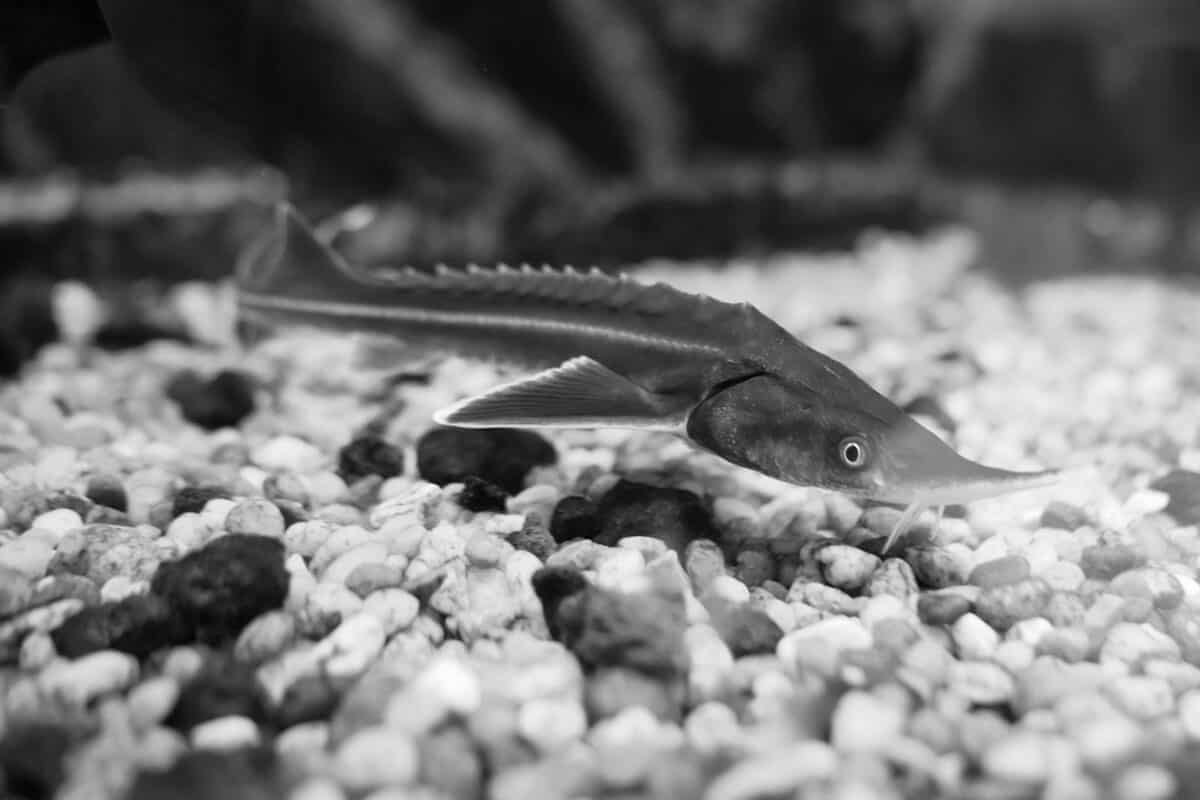
The white sturgeon, *Acipenser transmontanus*, holds the title for the largest freshwater fish ever caught in the United States. These prehistoric creatures, with their armored bodies and elongated snouts, have dwelled in North America’s river systems for over 200 million years. Known for their impressive size, white sturgeons can weigh over a thousand pounds and stretch longer than 20 feet.
The Record-Breaking Catch

In 1983, a white sturgeon caught in the Snake River in Idaho made headlines for its enormous size. This fish measured an astounding 12 feet, 4 inches, and was estimated to weigh over 1,000 pounds. The notable size of this sturgeon not only amazed the angling community but also emphasized the ecological significance of maintaining healthy river systems.
The Sturgeon’s Ancient Heritage

White sturgeons belong to a lineage that outdates the dinosaurs, making them living fossils. This lineage has changed relatively little over millions of years, allowing researchers to study evolution and adaptability in long-lived species. Their resilience and adaptability contribute to their survival, yet they remain vulnerable to environmental changes.
Habitat and Range

White sturgeons inhabit the large river systems of the Western United States and Canada, including the Columbia, Fraser, and Snake Rivers. They favor deep, slow-moving waters where they can find shelter and a constant supply of food. Their remarkable ability to adapt to a wide range of water quality conditions is crucial for their survival, given the world’s changing freshwater environments.
Diet and Feeding Habits

As opportunistic feeders, sturgeons’ diet consists mostly of small fish, crustaceans, and worms found in river bottoms. Their vacuum-like mouths allow them to consume a wide variety of food, ensuring sustenance even in environments where food sources fluctuate. This adaptability is a key survival trait for these massive fish.
Reproduction and Lifespan
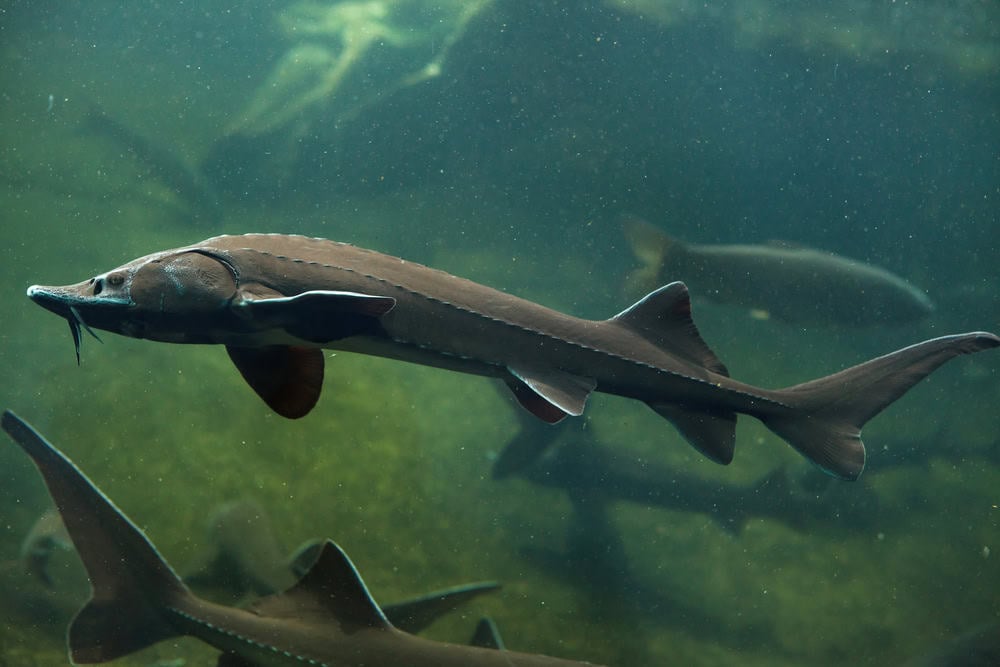
White sturgeons are remarkable not only for their size but also their longevity. They can live over 100 years, and females often don’t reach maturity until around 15 to 20 years of age. Their reproductive cycle is lengthy, with spawning events occurring only every three to five years. Their lengthy lifespans and delayed maturity make them especially vulnerable to overfishing and habitat disturbances.
Conservation Status
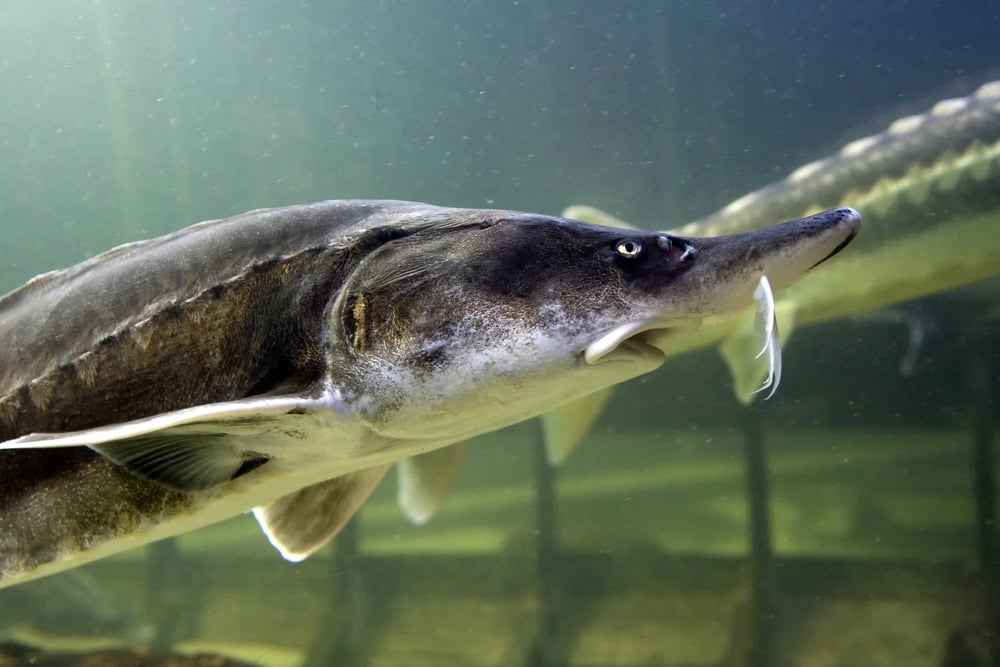
White sturgeon populations face significant threats due to habitat loss, pollution, and overharvesting. Conservation efforts are in place to protect these iconic fish through habitat restoration projects, fishing regulations, and the establishment of protected areas. Sustaining their populations requires a concerted effort from both governmental and environmental organizations.
Angling Challenges

Catching a white sturgeon is no small feat. These powerful fish are known for their intense fights when hooked, testing the skills and endurance of anglers. Strict regulations are in place for sturgeon fishing to ensure that these encounters are sustainable and do not harm populations. Catch-and-release practices are encouraged to preserve these giants for future generations.
The Role of Captive Breeding
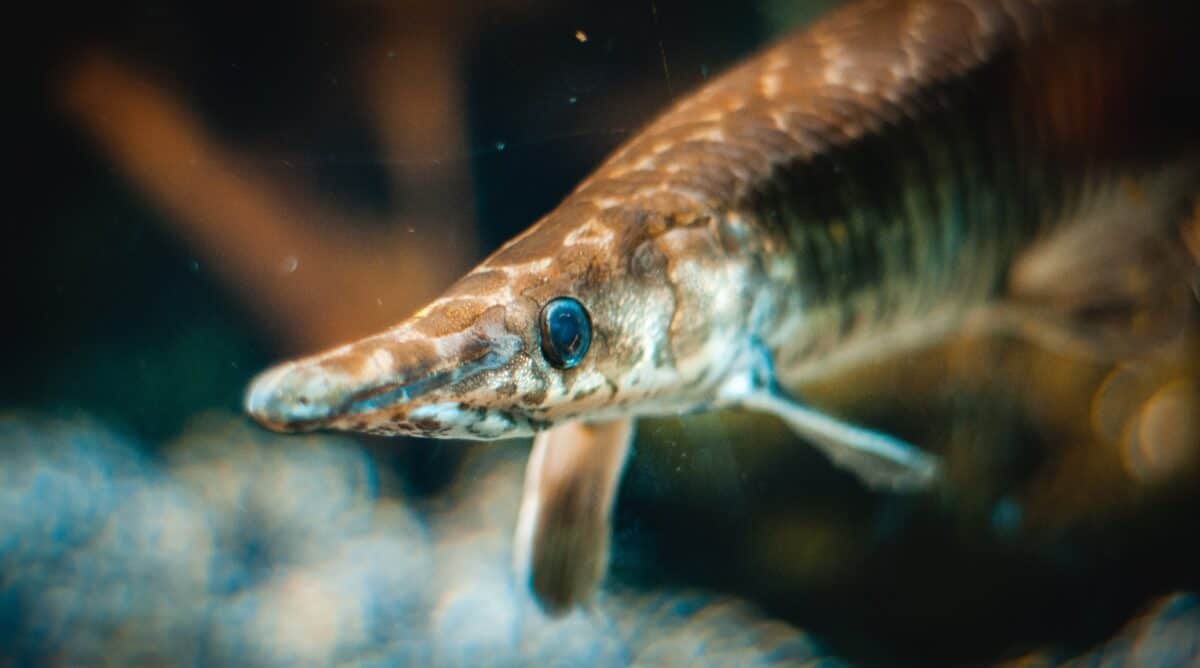
Numerous conservation programs focus on captive breeding to support white sturgeon populations. These programs aim to increase numbers and maintain genetic diversity by releasing bred individuals into their natural habitats. Such initiatives are vital in aiding the recovery of depleted populations and ensuring the species’ long-term survival.
Ecological Importance
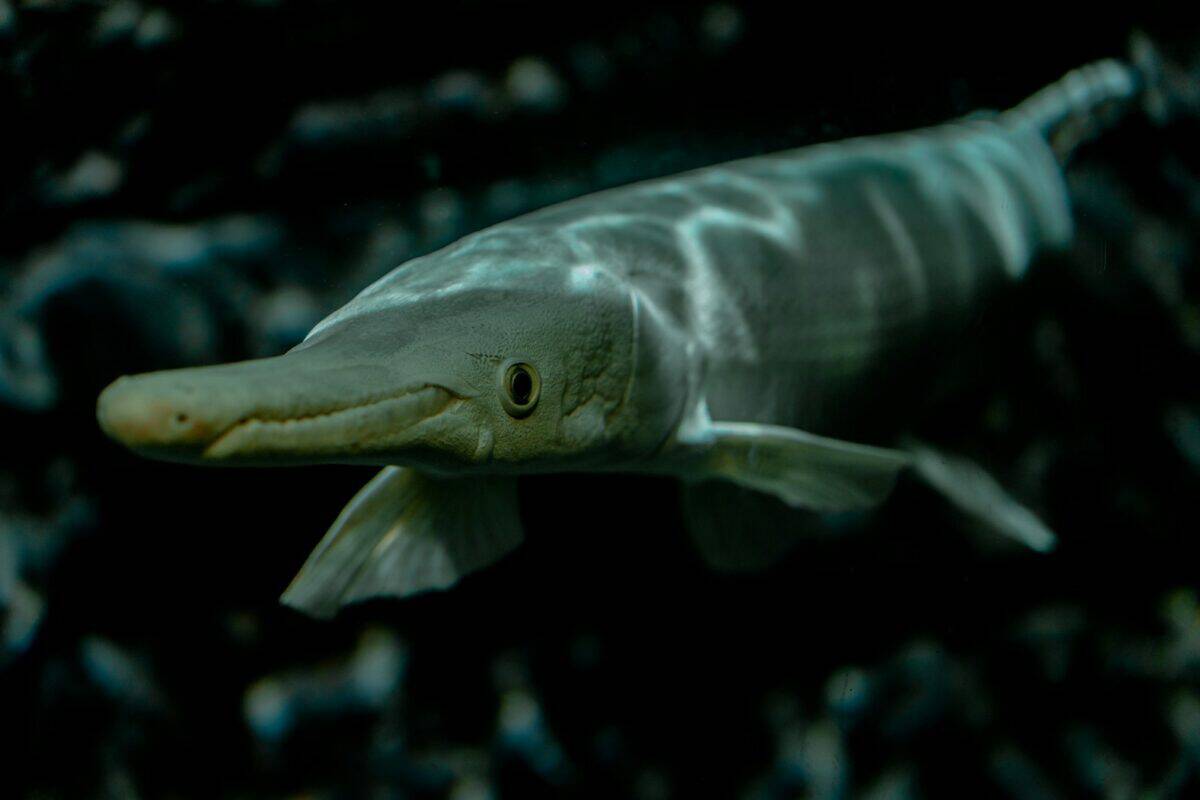
White sturgeons play a critical role in their ecosystems as both predators and scavengers. They help maintain the balance of aquatic habitats by controlling species populations and contributing to nutrient cycling. Furthermore, their presence is an indicator of a healthy, functioning ecosystem.
Public Awareness and Engagement
Public awareness campaigns are essential for the conservation of white sturgeons. By educating people about the importance of these fish and the challenges they face, conservationists hope to inspire action and support for protective measures. Community involvement in conservation efforts can lead to more sustainable practices and policies that benefit both sturgeons and their habitats.
Giants of the Freshwater Realm

The largest freshwater fish ever caught in U.S. waters, the white sturgeon, symbolizes the majesty and mystery of aquatic life. Its size and ancient lineage continue to captivate scientists, conservationists, and anglers alike. Ensuring the survival of these extraordinary creatures relies on ongoing conservation efforts, public engagement, and a strong commitment to preserving freshwater ecosystems. Only through such dedicated efforts can we hope to share our waterways with these giants for generations to come.

- The Deadliest Floods That Wiped Out Entire Cities - July 17, 2026
- How a Fisherman’s Shocking Discovery Led to a Scientific Breakthrough - July 16, 2026
- The Largest Bobcat Ever Spotted in U.S. Woods - July 15, 2026