
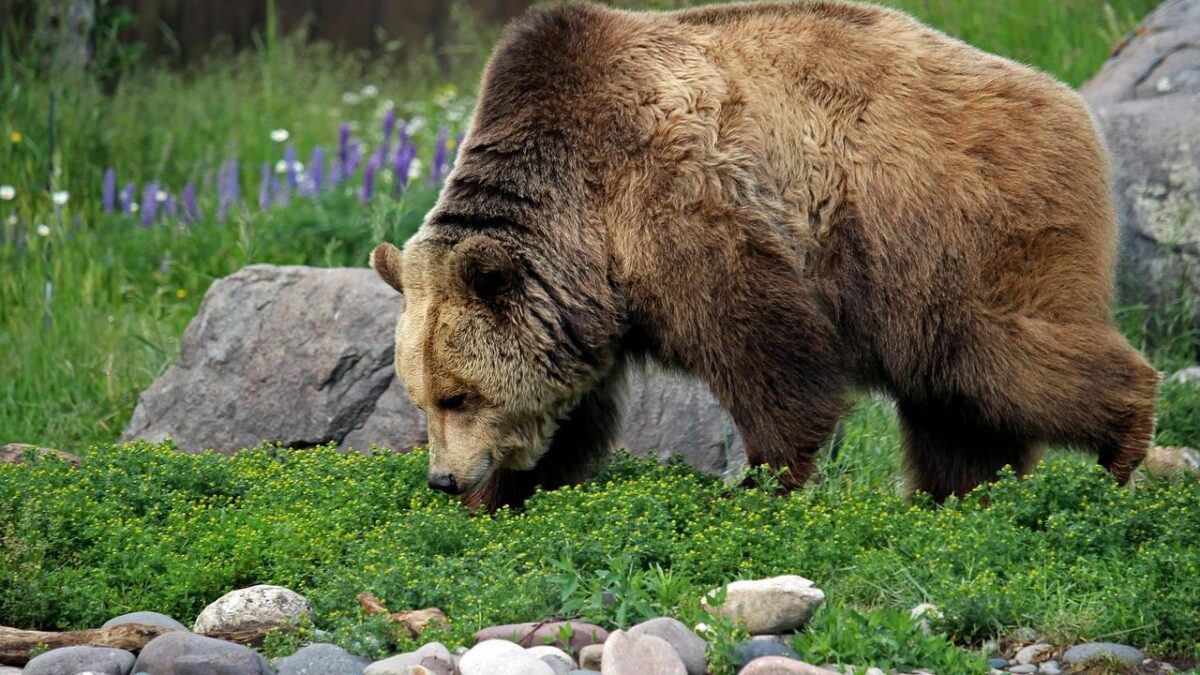
There’s something about the idea of a skull sitting forgotten in an attic for three decades that manages to rewrite history. That’s exactly what happened with the world record grizzly bear, and the story behind it is just as fascinating as the measurement itself. Alaska has long been the land where the rules of scale seem to shift, where the wilderness operates on terms that make everything elsewhere feel comparatively small.
This isn’t simply a story about a big animal. It’s about what it takes to produce a creature of that magnitude, where the record truly stands, and why Alaska keeps rewriting it.
#1: The World Record Skull and How It Almost Went Unnoticed
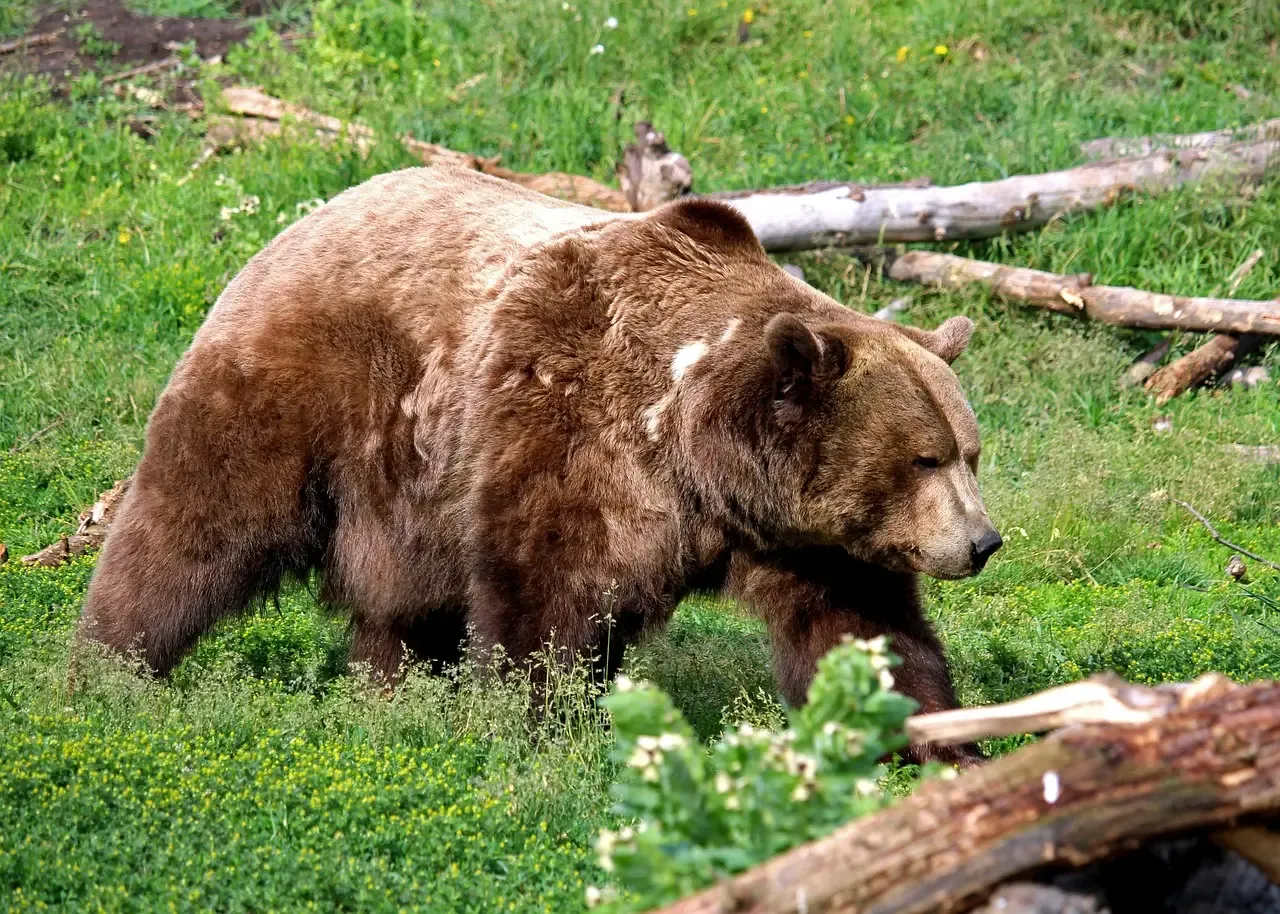
Of all the ways a world record could be established, this one might be the least expected. A hunter found the world’s record grizzly skull near McGrath, Alaska, in 1976, then stored it in his attic for 30 years before having it officially scored. It wasn’t arrogance or indifference that kept it hidden. It was simply the quiet, unsentimental way of a man who didn’t know what he had.
Almost 30 years later, while remodeling the attic, he came across the skull, decided to score it, and was surprised to find it was larger than he had thought. After studying the Boone and Crockett boundary descriptions for grizzlies and brown bears, he determined the skull should be scored as a grizzly, and when it was officially measured, it turned out to be the largest grizzly ever recorded.
The skull scored 27 and 13/16 inches and was found near Lone Mountain, Alaska, listed as a picked-up trophy and owned by Gordon E. Scott, dated 1976. That single measurement, locked away in an attic for a generation, now sits permanently at the top of the Boone and Crockett record books as the definitive world record for the species.
#2: Alaska’s Grizzly Population and Why It Produces Giants
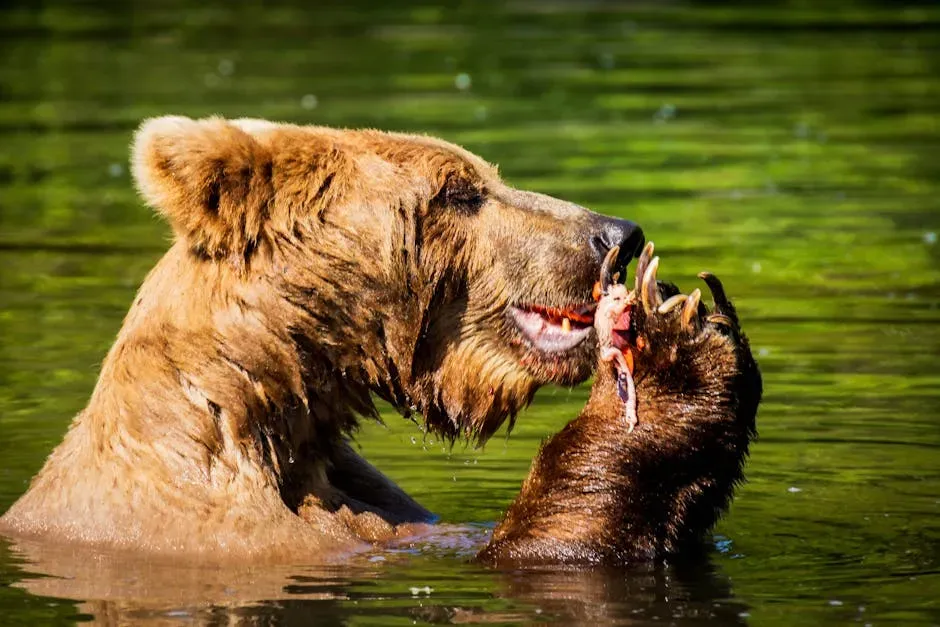
Alaska boasts one of the largest and healthiest grizzly bear populations in North America, with an estimated population of around 30,000 individuals, representing the majority of the U.S. brown bear population. The sheer scale of the land gives these animals room to grow old, grow large, and, in some cases, grow extraordinary.
Grizzly bears are widespread across Alaska, inhabiting nearly all parts of the state, from coastal areas and river bottoms to interior forests, subalpine meadows, and arctic tundra. The diversity of habitat matters more than people might expect. Different regions produce bears of very different sizes, and that gap can be dramatic.
Brown bears typically live along the southern coast of the state where they have access to seasonally abundant spawning salmon. The coastal areas also provide a rich array of vegetation and a milder climate, allowing them to grow larger and live in higher densities than their grizzly cousins in the northern and interior parts of the state. It is the salmon, above all else, that builds the giants.
#3: The Biology Behind the Size
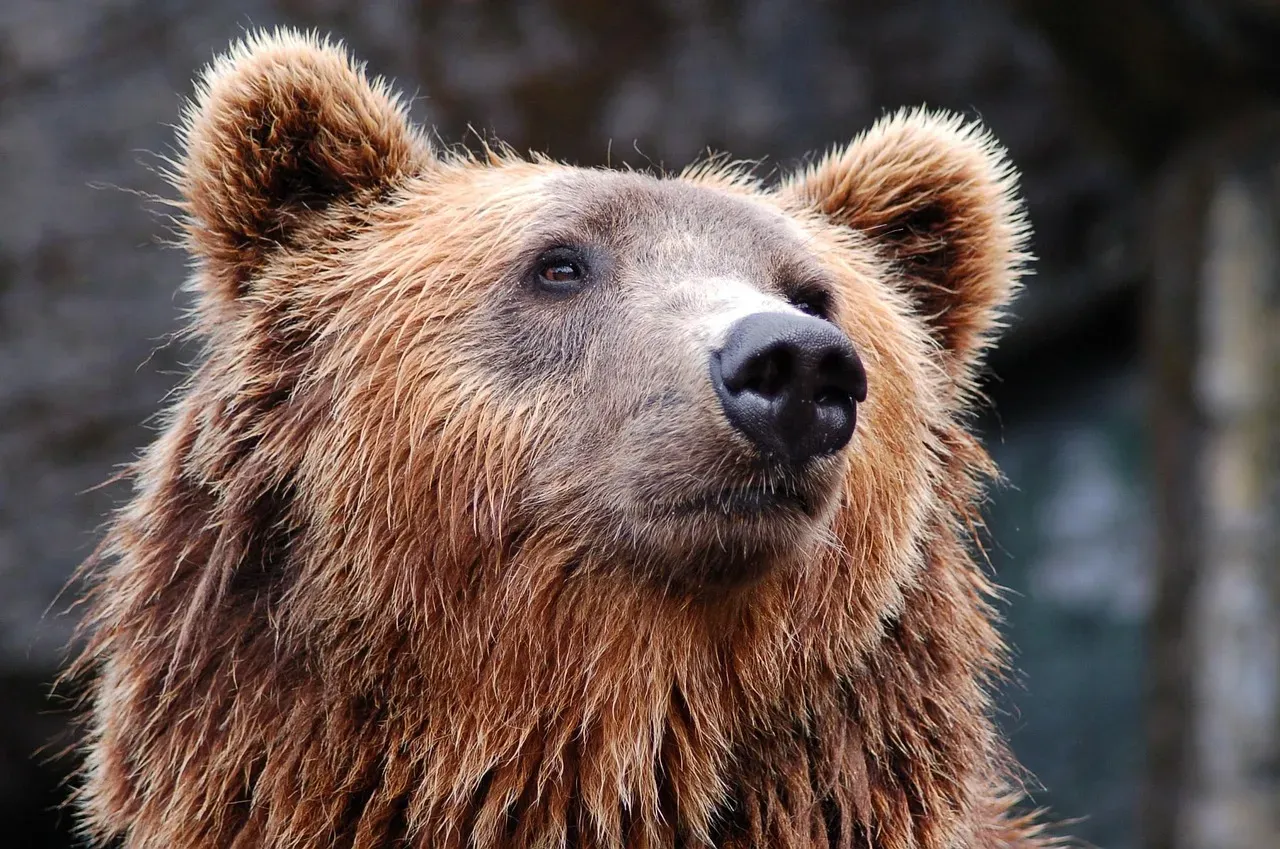
The largest grizzly populations are the coastal grizzlies of the Alaskan peninsula, with males weighing an average of around 858 pounds. That’s already a staggering figure, but it represents the average. True outlier individuals can climb well beyond even that baseline, shaped by decades of access to rich food sources.
Occasional huge male brown bears have been recorded that greatly exceed ordinary size, with weights reported up to around 1,500 pounds. A large coastal male of that size may stand up to nearly 10 feet tall on its hind legs and reach nearly 5 feet at the shoulder. Standing beside one in the wild would be a genuinely humbling experience, not in a figurative sense.
Grizzlies typically weigh between 400 to 600 pounds for males and 250 to 350 pounds for females, and they stand between 3.5 and 4.5 feet tall at the shoulder when on all fours, reaching over 8 feet tall when standing on their hind legs. The world record bear would have towered well above even those impressive averages, its skull alone telling the story of a life spent eating well and surviving everything the wild threw at it.
#4: The Largest Hunter-Killed Grizzly and a 2024 Record
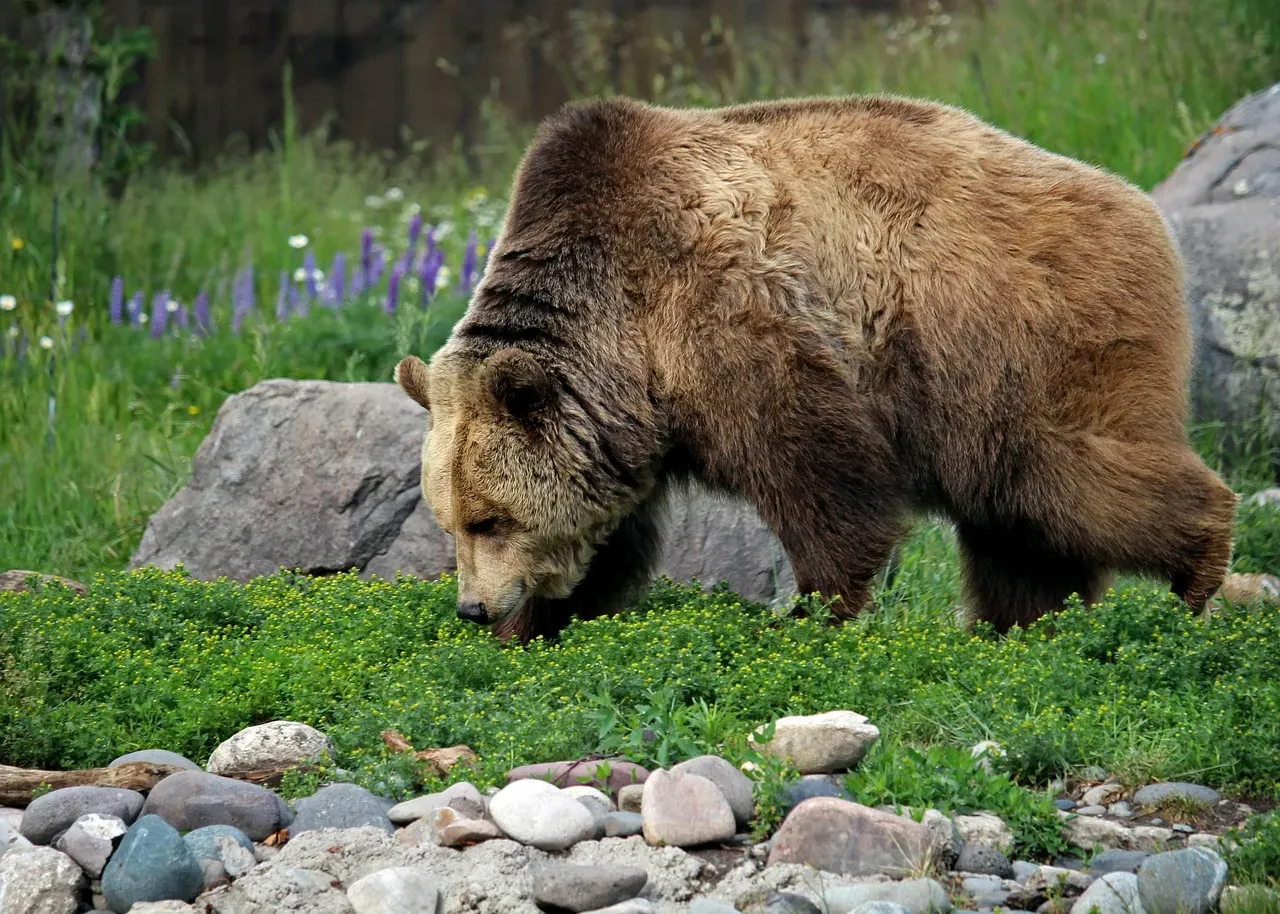
While the Lone Mountain skull holds the overall world record, the record for the largest grizzly bear ever killed by a hunter changed hands as recently as 2024, and the story behind it is remarkable in its own right. Brian Van Lanen, of Wisconsin, killed the record-setting grizzly on a guided hunt near Norton Sound, Alaska, hunting alongside guide Lance Kronberger with both a moose tag and a grizzly bear tag when they set out in September, having spotted the huge grizzly in an alder patch near a river.
They came back the next morning to find the bear fighting a similarly sized but younger boar over a fishing hole, and the younger boar was about to chase their target bear away when Van Lanen fired his .338 Lapua, rolling the bear. It was the kind of moment that unfolds fast and leaves little time to think about what it might mean for the record books.
The bear’s teeth were worn down to nubs, and guide Lance Kronberger estimated it to be between 20 and 25 years old, with an official skull score of 27 and 9/16 inches. Van Lanen’s grizzly is the largest hunter-killed grizzly on record according to the Boone and Crockett Club, though it is not a new world record for the species overall. The distinction matters, but the achievement is staggering either way.
#5: How Boone and Crockett Measures Bears and Why It Matters
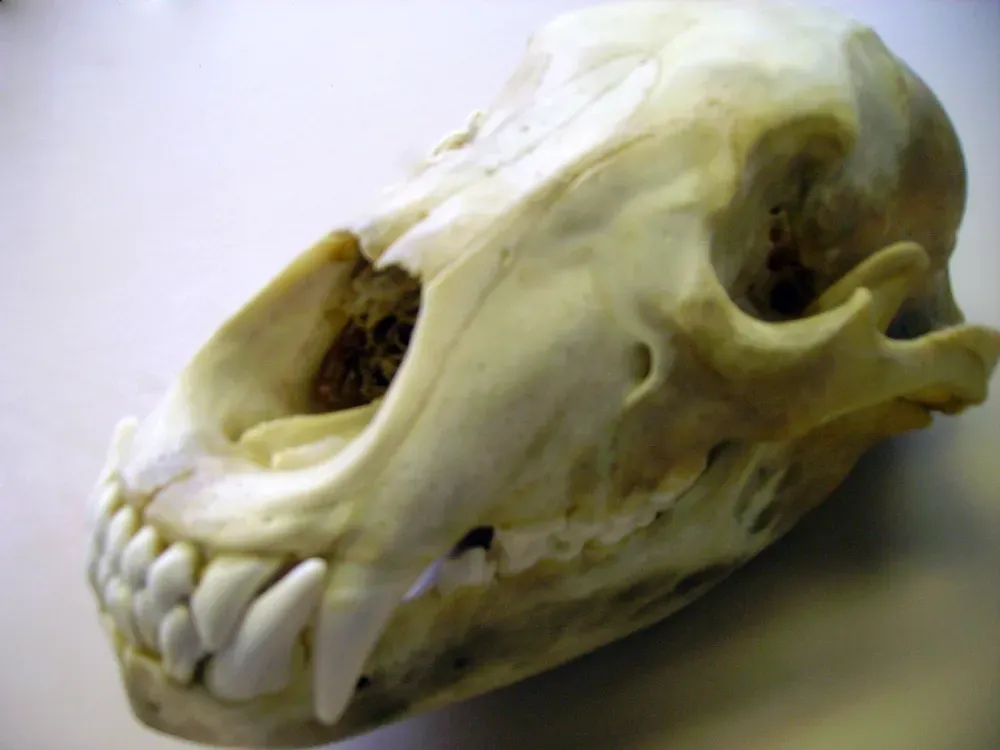
Bears are scored based on skull length and width measurements, and conservationists use Boone and Crockett trophy data to gauge outstanding habitat, strong recruitment of game animals into older age classes, sustainable harvest objectives, and other elements of sound wildlife management. It’s a system that serves science as much as it serves the record books.
Van Lanen’s skull beat all other hunter-taken entries since the 1920s when the Boone and Crockett Club first started keeping records, and is second only to Gordon Scott’s world record at 27 and 13/16 inches. The margin separating the two is just a quarter of an inch, which is both remarkable and a reminder of how extreme the top end of this species truly is.
The Boone and Crockett Club recognizes found or picked-up trophies, like the reigning world record grizzly, alongside hunter-taken trophies, because all are useful for documenting historic conservation successes. That philosophy keeps the record books honest and scientifically meaningful, not just a list of hunting achievements but a living archive of what the Alaskan wilderness is capable of producing when conditions align.
Conclusion
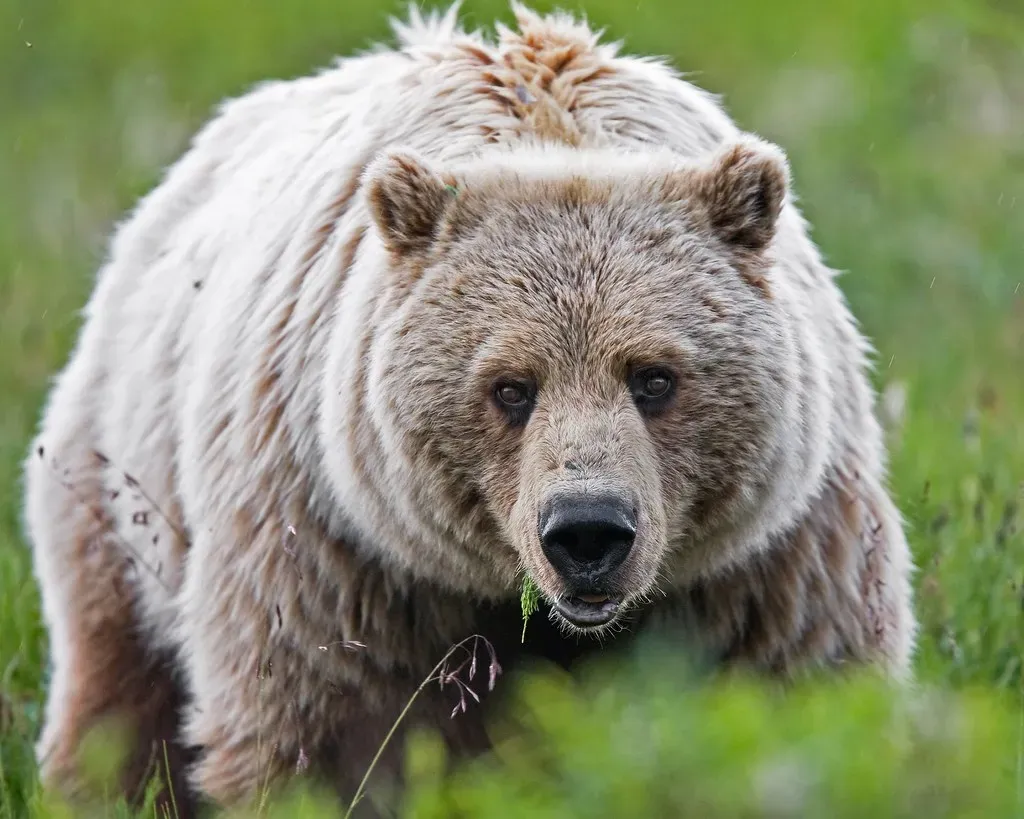
The story of Alaska’s largest grizzly is, at its core, a story about what genuine wildness produces when left to run its course. A skull in an attic for 30 years. A scarred old boar fighting over a fishing hole with teeth worn to nubs. These aren’t the dramatic images you’d expect from a world record, and that’s precisely what makes them so compelling.
Alaska remains, without question, the place where grizzly bears reach their most extraordinary potential. The science behind that is clear: access to salmon-rich coasts, vast undisturbed terrain, and decades of undisturbed life allow these animals to grow in ways that simply don’t happen elsewhere on the continent. The record books reflect that reality in ink.
There’s a broader point worth sitting with. The world record wasn’t found in a managed reserve or a controlled environment. It wandered freely near Lone Mountain, grew enormous on its own terms, and ended up in an attic by accident. Alaska still holds the upper hand in producing creatures that exceed expectations. And if the past few years of record-breaking hunts near Norton Sound and Fairbanks are any indication, it’s not finished surprising us yet.

- The 14 Habits Only Border Collie Owners Will Ever Fully Get - July 30, 2026
- 19 Odd Habits Only Great Dane Owners Would Instantly Recognise - July 30, 2026
- 12 Tender Things a Senior Dog Does Only for the Person It Loves Most - July 30, 2026