


The United States is home to a vast array of marine life, with its beaches hosting a diverse ecosystem of creatures. However, a new wave of aggressive crabs is making its presence known on the sandy shores, surprising beachgoers and scientists alike. This article dives into the background, behavior, and ecological impact of these crustacean invaders, providing an informative overview for beach lovers and nature enthusiasts.
Introduction to Beach-Crashing Crabs

In recent years, various species of aggressive crabs have been reported along U.S. coastlines. These crabs are not only an unusual sight for beachgoers but are also changing the dynamics of local marine ecosystems. Their size, behavior, and dietary habits pose a challenge to native marine life, making them a topic of interest among marine biologists.
The Invaders: Identifying the Culprits
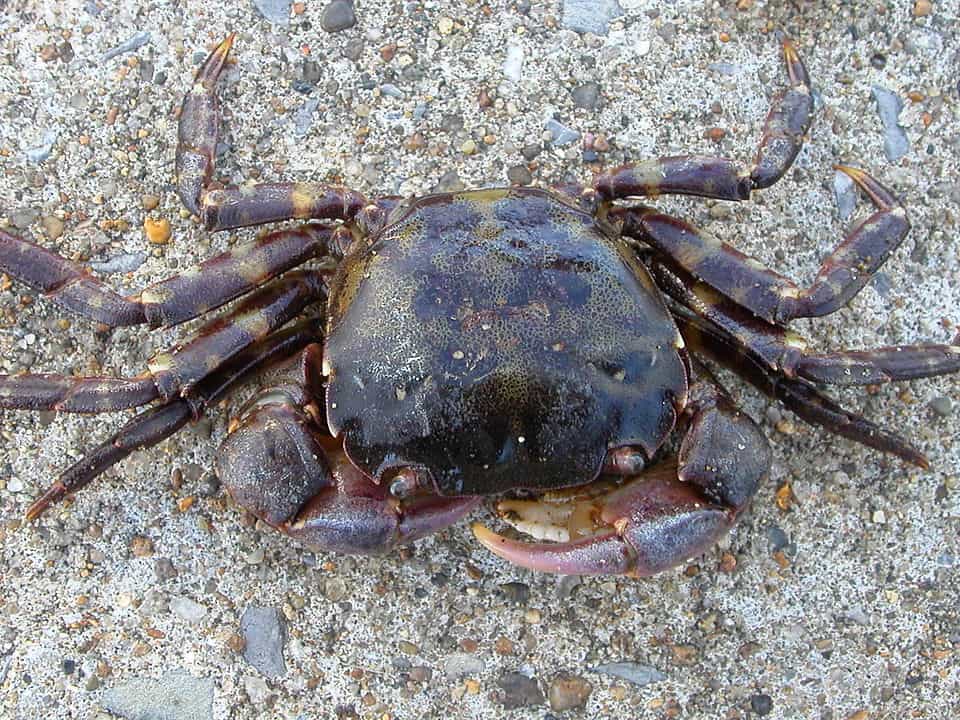
The primary culprits include species like the Asian shore crab and the green crab. Both species are known for their adaptability and prolific breeding, which contribute to their rapid spread along the coastlines. These crabs are considered invasive species and have drawn attention due to their aggressive nature and impact on local biodiversity.
Origin and Spread

Originally hailing from different parts of the world, such as Japan and Europe, these crab species were believed to have arrived in the U.S. via ballast water from ships. Over time, they have established strong populations along the Atlantic coast, showing resilience in various environmental conditions.
Physical Characteristics and Identification
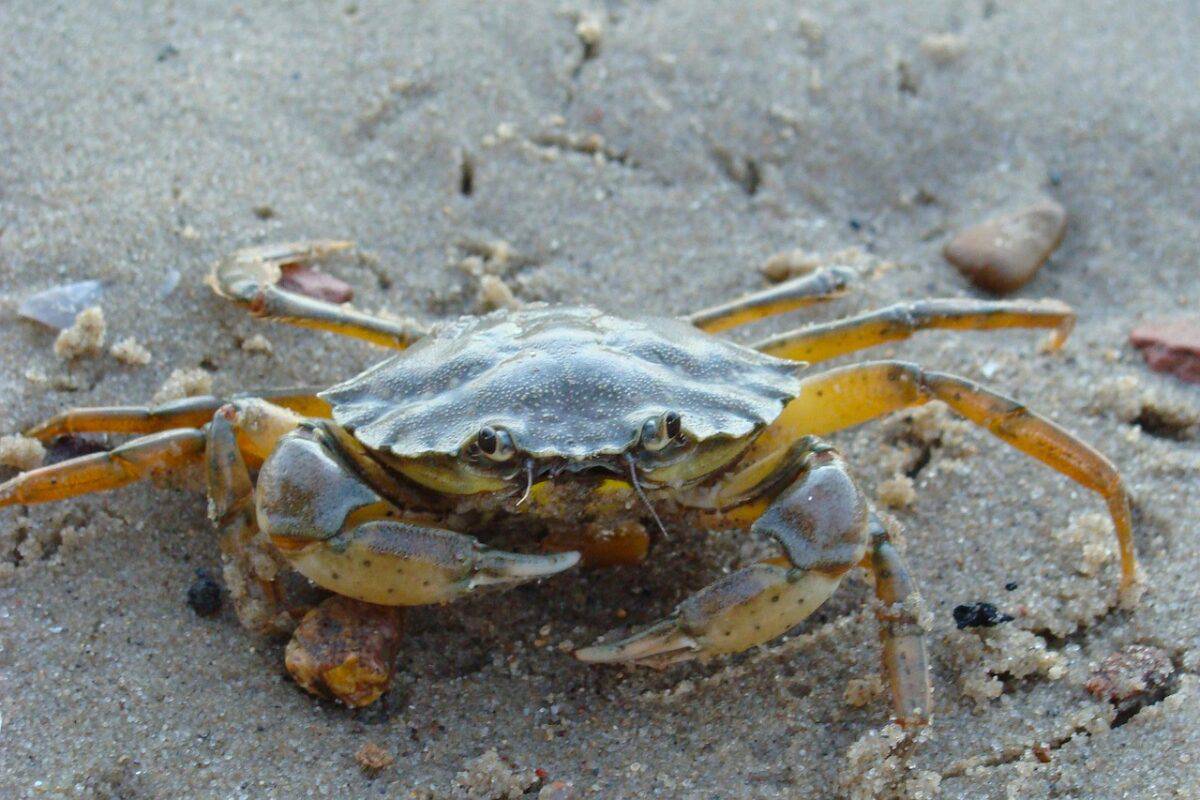
The Asian shore crab is relatively small, about the size of a human palm, and can be identified by its square-shaped shell and three spines along each side. The green crab, on the other hand, is slightly larger and distinguishable by its mottled green coloration. Both species are equipped with robust claws capable of delivering a noticeable pinch.
Behavior and Feeding Habits
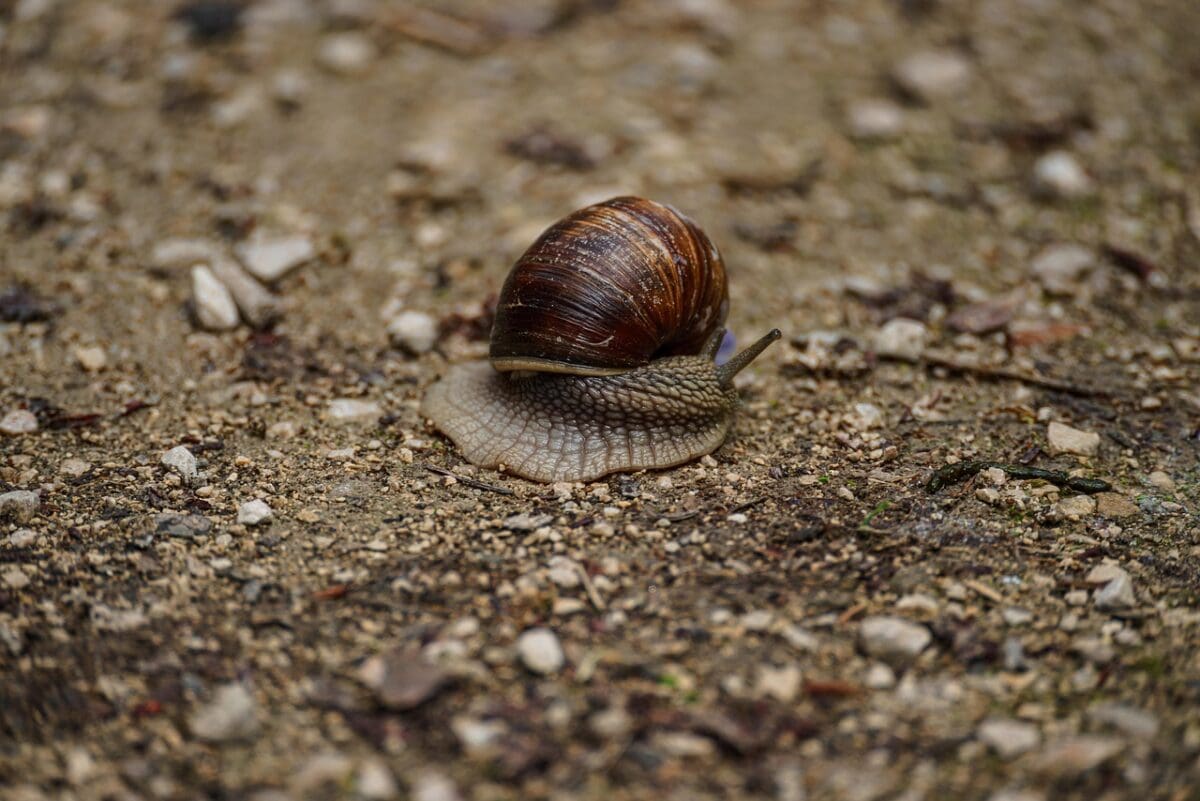
These invasive crabs are aggressive predators and opportunistic feeders. They are known to consume a variety of organisms, including small fish, mollusks, and other marine invertebrates, which they hunt with precision. Their voracious appetite often leads to the depletion of resources needed by native species, disrupting the local food web.
Reproductive Rates and Population Growth

A key factor contributing to their invasiveness is their high reproductive rate. Both the Asian shore crab and the green crab can produce multiple broods each year, with each brood containing thousands of eggs. This prolific breeding results in rapid population growth, making it challenging for local ecosystems to adjust.
Impact on Native Species and Ecosystems
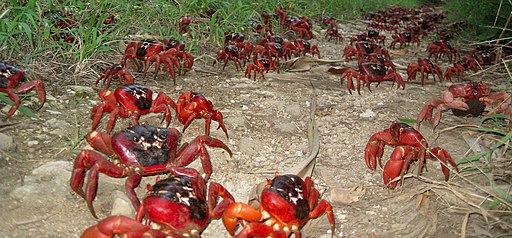
The arrival and settlement of these crabs have several ecological implications. By preying on native species and competing for food, they threaten biodiversity and destabilize ecosystems. Their presence can lead to a decline in the population of native crabs and other marine organisms, causing ripple effects throughout the food chain.
Interaction with Humans and Beaches
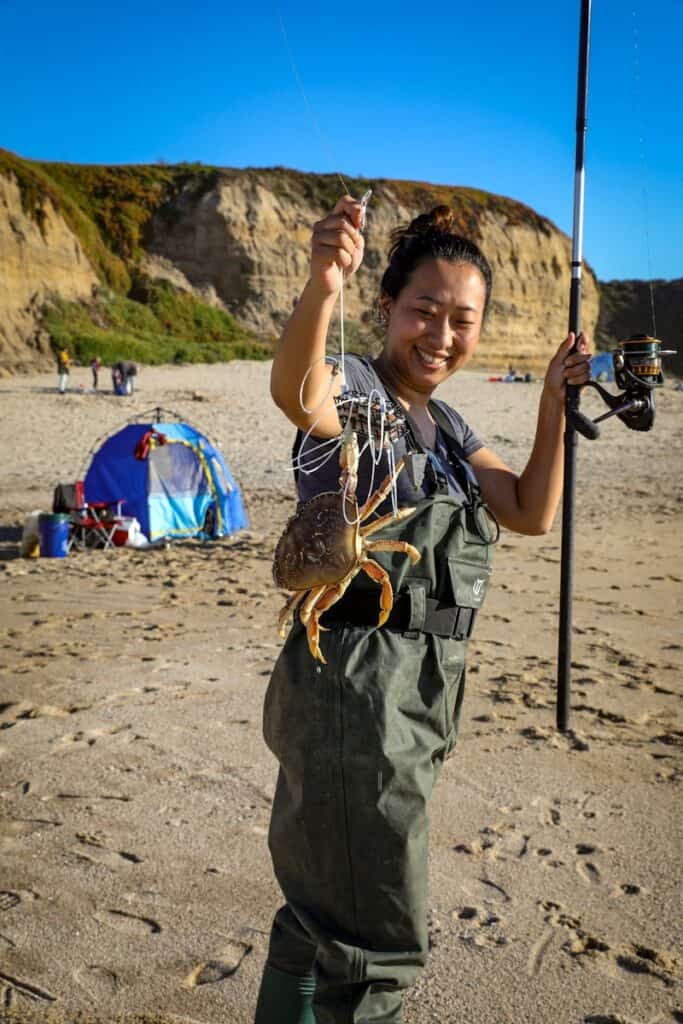
While these crabs are generally not harmful to humans, their aggressive behavior can be startling to beachgoers. They tend to be more active during low tide, when they scour the beach for food. Additionally, their burrowing activities can affect the physical structure of the beach, contributing to erosion over time.
Management and Control Strategies

Efforts to manage the spread of these invasive crabs involve a combination of biological, chemical, and physical control methods. Public awareness campaigns, targeted removal, and habitat management practices are key strategies employed by conservationists to mitigate their impact.
Role of Scientific Research and Monitoring
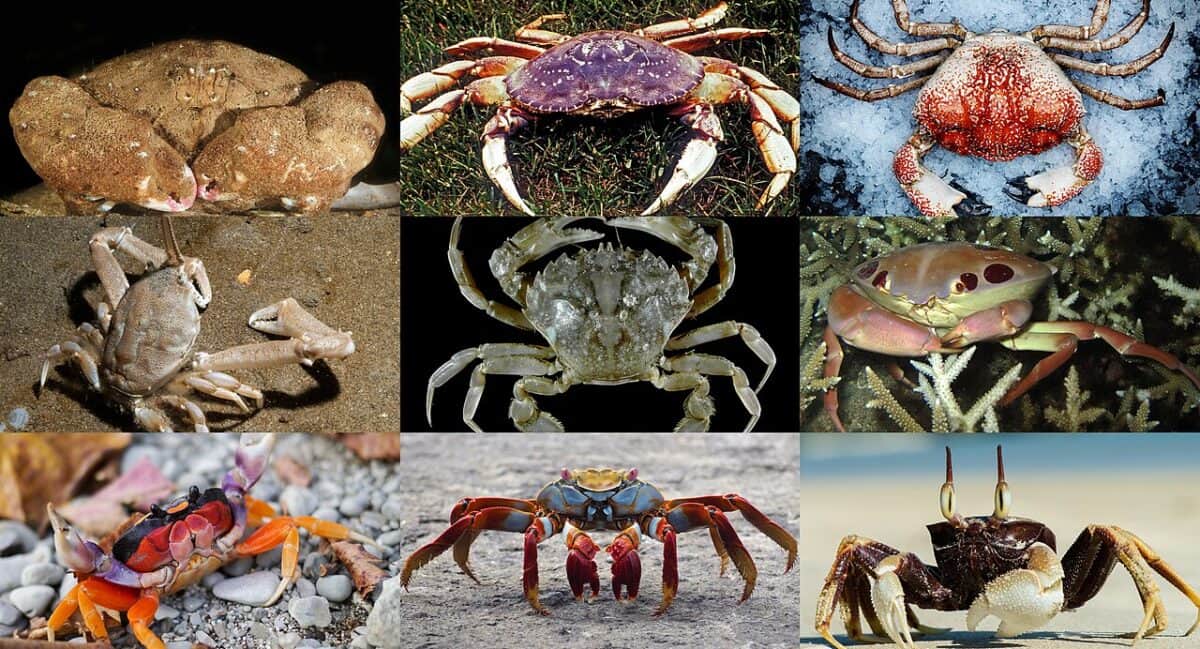
Continuous scientific research and monitoring are crucial in understanding the full extent of these crabs’ impact on U.S. beaches. Researchers are studying their behavior, reproductive cycles, and interactions with native species to develop effective management plans and safeguard coastal ecosystems.
Community Engagement and Involvement

Local communities play a vital role in combating invasive crab species. Citizen science initiatives allow volunteers to participate in monitoring efforts and beach clean-ups, helping to control crab populations and preserve marine biodiversity.
The aggressive crabs invading U.S. beaches pose significant ecological challenges, highlighting the importance of understanding and managing invasive species. Through scientific research, community engagement, and conservation efforts, we can protect our beaches and preserve the rich tapestry of marine life they support. As these endeavors continue, it is crucial to remain vigilant and proactive in safeguarding the delicate balance of our coastal ecosystems.

- Fastest Fish in American Waters Identified - July 15, 2026
- How Ants Build Living Bridges - July 15, 2026
- Why Foxes Scream at Night—and What It Means - July 15, 2026