
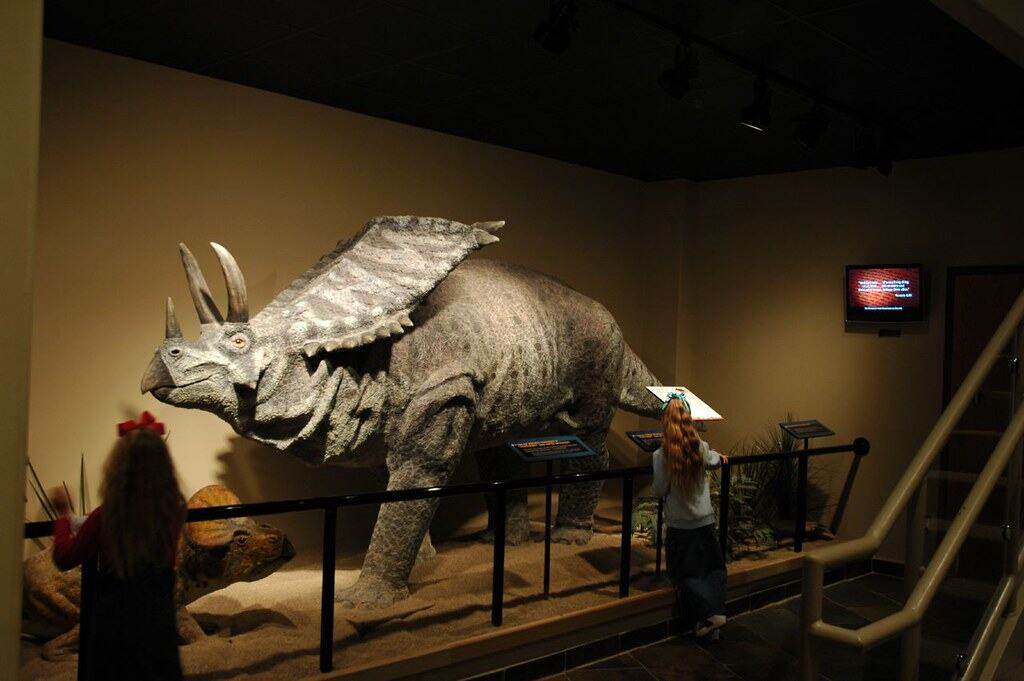
When Steven Spielberg’s “Jurassic Park” roared into theaters in 1993, it revolutionized how the public imagined dinosaurs. The film’s groundbreaking special effects brought these prehistoric creatures to life in ways never before seen, leaving an indelible mark on popular culture. However, while “Jurassic Park” captivated audiences worldwide and sparked renewed interest in paleontology, it also perpetuated numerous scientific inaccuracies that continue to shape public perception today. The film prioritized spectacle over scientific accuracy, creating dinosaur portrayals that were more monstrous and dramatically compelling than their real-life counterparts. As paleontological research has advanced significantly since the 1990s, many of the film’s most iconic dinosaur depictions have been revealed as creative liberties rather than scientific fact. Let’s explore the most significant dinosaur myths that “Jurassic Park” popularized and what scientific evidence actually tells us about these fascinating prehistoric creatures.
The Myth of Velociraptors as Man-Sized Hunters
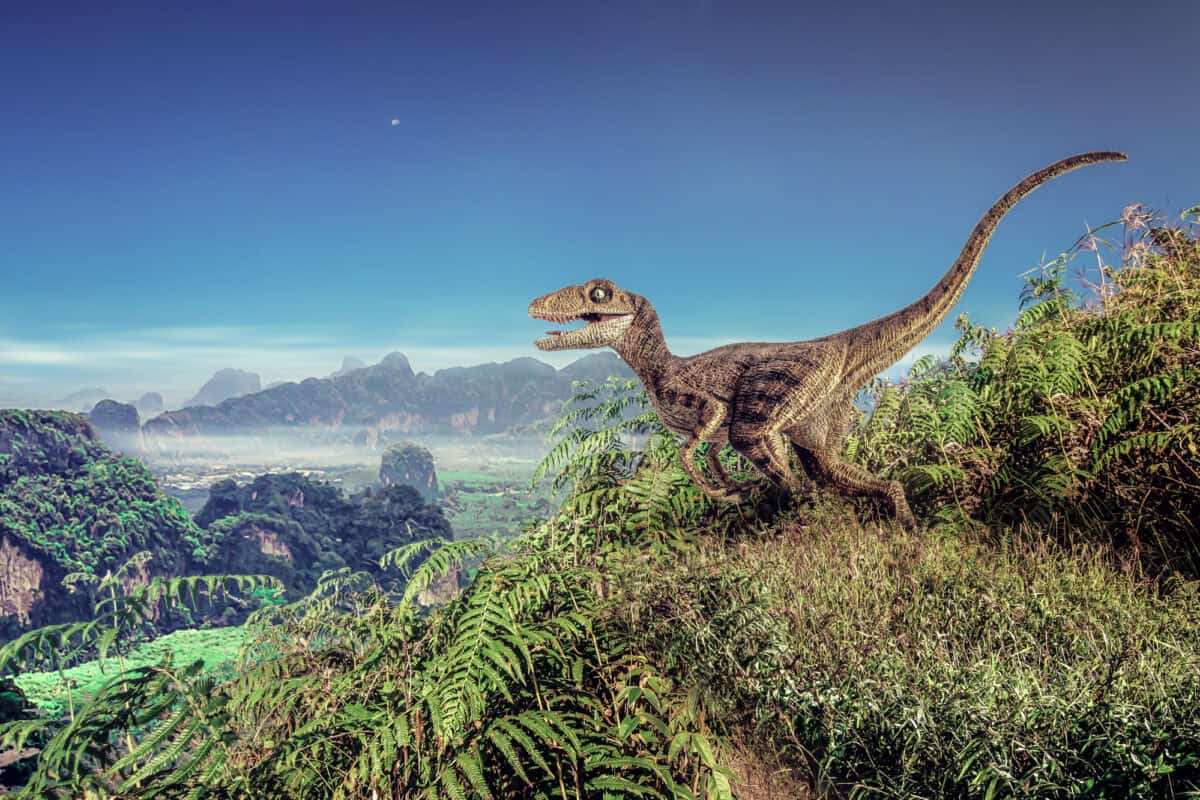
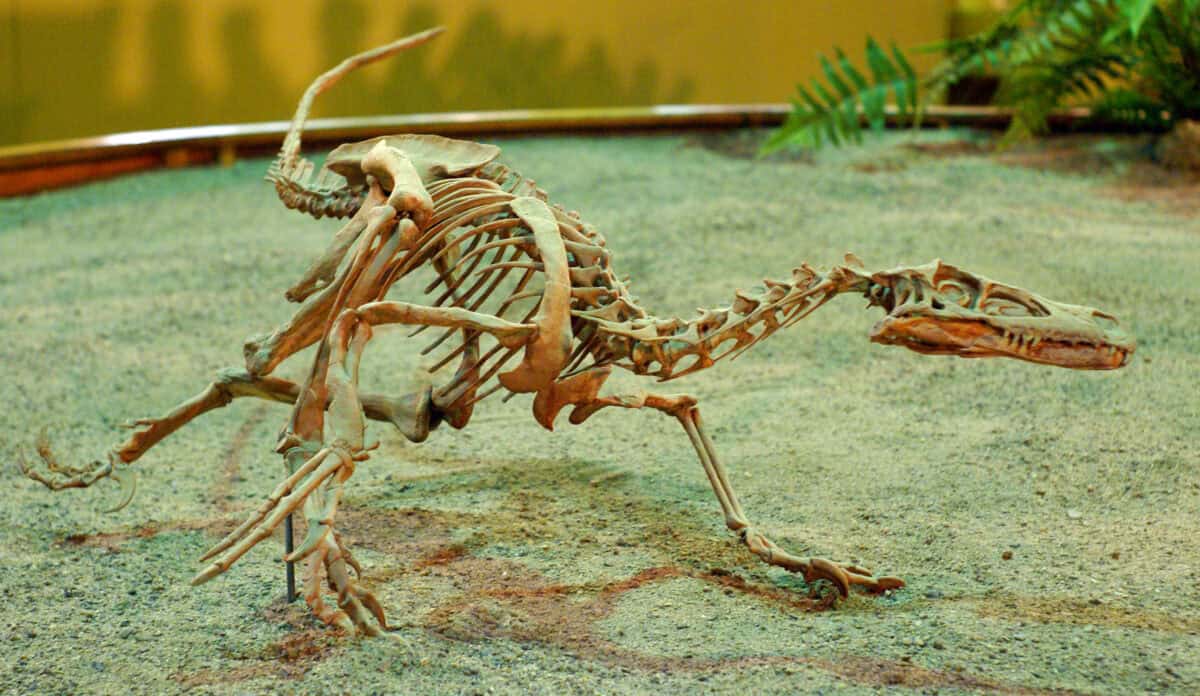
Perhaps the most enduring dinosaur myth from “Jurassic Park” involves the film’s portrayal of Velociraptors. In the movie, these dinosaurs are depicted as man-sized, highly intelligent pack hunters that could open doors and communicate with each other. In reality, actual Velociraptors were roughly the size of turkeys, standing about 1.6 feet (0.5 meters) tall and measuring approximately 6.8 feet (2.07 meters) long—with much of that length coming from their tails. They weighed only about 33 pounds (15 kg), making them significantly smaller than the film’s representation.
The “Velociraptors” in “Jurassic Park” were actually more similar in size to Deinonychus or Utahraptor, two larger dromaeosaurid relatives discovered around the time the film was in production. Michael Crichton, author of the original novel, likely based his raptors on Deinonychus but used the more dramatic-sounding name “Velociraptor” instead. Additionally, while raptors were certainly formidable predators for their size, their hunting behaviors and intelligence levels in the film were greatly exaggerated for dramatic effect. The real Velociraptor was a nimble predator adapted to hunting small prey in the arid environments of what is now Mongolia’s Gobi Desert.
Featherless Dinosaurs: A Major Scientific Oversight
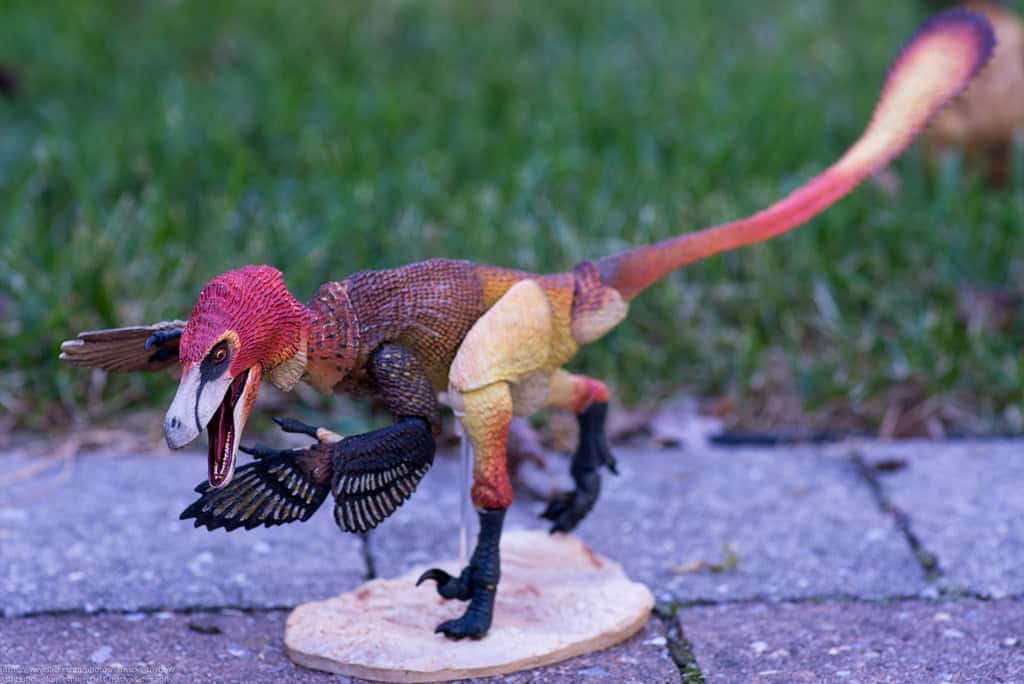
One of the most significant scientific inaccuracies in the Jurassic Park franchise was the complete absence of feathers on its dinosaurs. When the original film was released in 1993, evidence for feathered dinosaurs was just beginning to emerge. However, by the time later sequels were produced, substantial fossil evidence had confirmed that many theropod dinosaurs—including Velociraptors and their relatives—were covered in feathers or feather-like structures. Despite this scientific consensus, the franchise continued to depict these dinosaurs with scaly skin reminiscent of modern reptiles.
The discovery of exceptionally preserved fossils from China’s Liaoning Province in the late 1990s and early 2000s revealed numerous feathered dinosaur species, confirming the evolutionary link between dinosaurs and modern birds. Velociraptor itself was likely covered in feathers, as evidenced by the discovery of quill knobs (attachment points for feathers) on a Velociraptor forearm fossil found in Mongolia. These feathers would have served various functions, including insulation, display, and possibly even limited gliding capabilities in some species. The continued portrayal of featherless dinosaurs in popular media, influenced heavily by Jurassic Park’s iconic designs, has significantly delayed public acceptance of this major scientific revelation.
Dilophosaurus: Frills, Venom, and Fiction
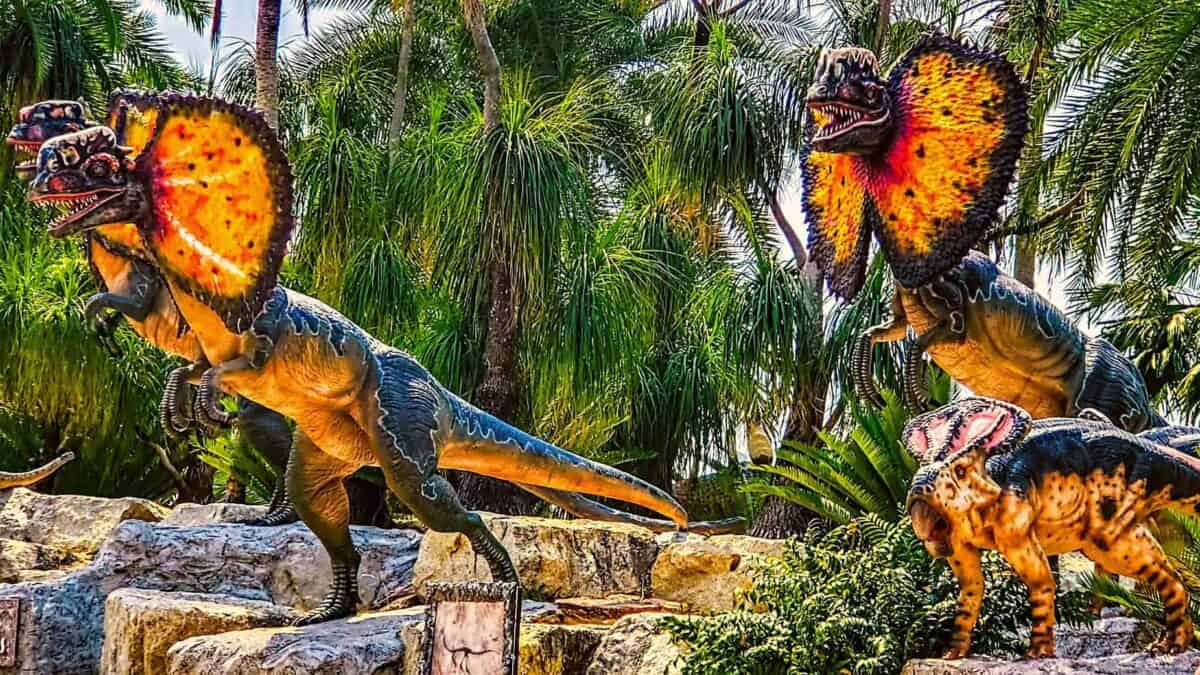
The Dilophosaurus in “Jurassic Park” is perhaps one of the most fictionalized dinosaurs in cinema history. The film portrays this Early Jurassic predator as a small dinosaur with a colorful expandable neck frill similar to today’s frilled lizard, and the ability to spit venom at its prey. Both of these dramatic features were complete fabrications with no basis in the fossil record. The real Dilophosaurus was actually much larger than depicted, reaching lengths of about 20 feet (6 meters) and standing around 6 feet (1.8 meters) tall at the hip, making it one of the largest predators of its time.
There is no evidence whatsoever that Dilophosaurus had a neck frill or venom-spitting capabilities. These features were added purely for dramatic effect in the film. The dinosaur’s most distinctive actual feature was the pair of thin, semicircular crests on its skull, which likely served as display structures for attracting mates or intimidating rivals rather than any practical hunting purpose. While the film’s version created a memorable movie monster, it bears little resemblance to the actual predator that lived approximately 193 million years ago during the Early Jurassic period. This fictional portrayal has unfortunately become so entrenched in popular culture that many people are surprised to learn about the actual appearance and size of this fascinating dinosaur.
T. Rex Vision: The Myth of Movement-Based Sight
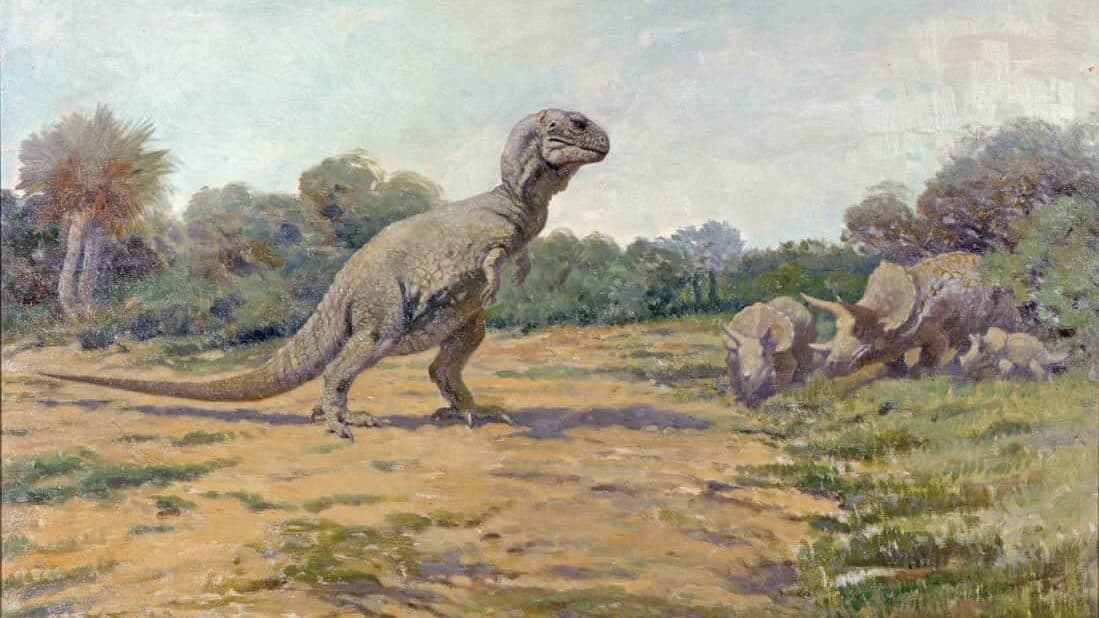
One of the most memorable scenes in “Jurassic Park” features the Tyrannosaurus rex unable to see stationary humans, with Dr. Alan Grant explaining that “T. rex can’t see you if you don’t move.” This dramatic plot device suggesting that T. rex had vision based solely on movement became widely accepted by the public. However, there is no scientific evidence supporting this claim. In fact, current research indicates that Tyrannosaurus rex likely had exceptional vision, possibly even better than modern birds of prey.
Tyrannosaurus had forward-facing eyes with overlapping fields of view, suggesting binocular vision and good depth perception—adaptations typical of predatory animals. Examination of T. rex skull endocasts (casts of the brain cavity) indicates large optic lobes, further supporting the likelihood of keen vision. Additionally, T. rex had some of the largest eyes relative to its head size among dinosaurs, with eye sockets approximately the size of softballs. These features point to a predator that relied heavily on vision for hunting, rather than being limited to detecting only movement. The misconception about T. rex vision served the film’s narrative by creating tension but has unfortunately led to a widespread misunderstanding about one of history’s most formidable predators.
Brachiosaurus: Upright Posture and Nostril Placement

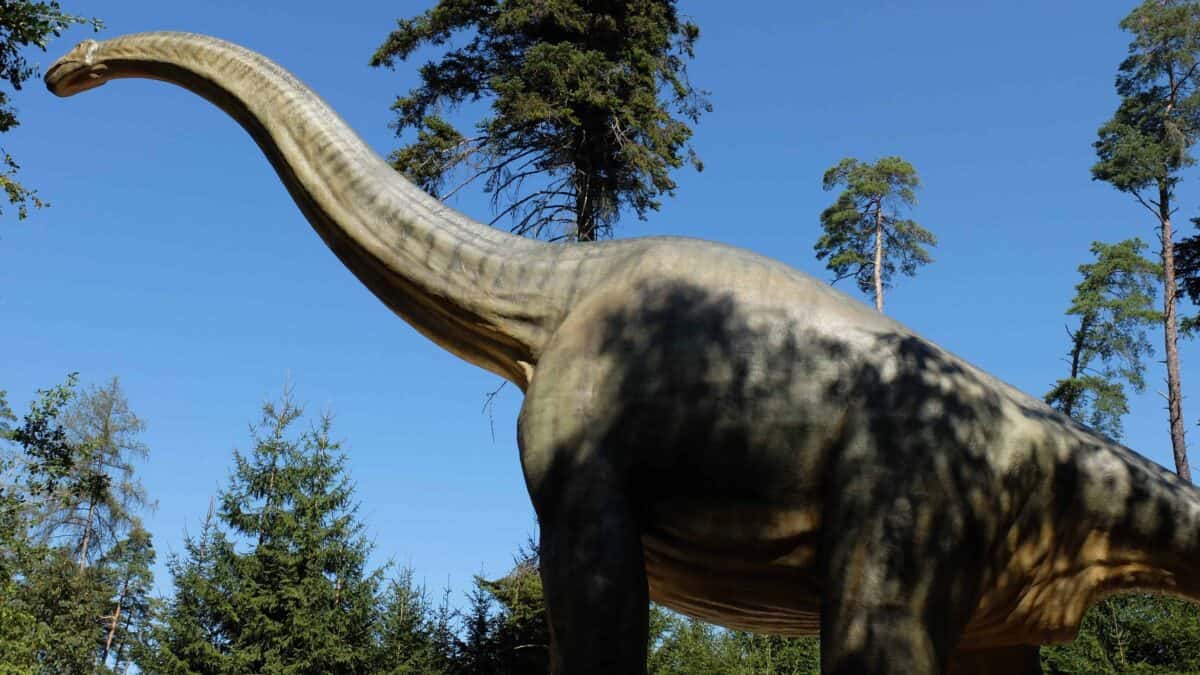
“Jurassic Park” featured an iconic scene where a Brachiosaurus rears up on its hind legs to reach high vegetation, showcasing it with an upright, giraffe-like neck posture. This portrayal, while visually impressive, contradicts what scientists now understand about sauropod anatomy. Modern studies of vertebral structure and muscle attachments suggest that Brachiosaurus and other sauropods likely held their necks in a more horizontal position, forming a gentle arc rather than the steep vertical posture shown in the film. The biomechanics of their neck vertebrae would have made the dramatic upright posture extremely difficult to maintain.
Another inaccuracy involves the placement of Brachiosaurus nostrils. In the film, the nostrils are positioned at the top of the head, creating the dramatic scene where the dinosaur “sneezes” on a character. Fossil evidence indicates that sauropod nostrils were actually located in the front portion of the skull, similar to most other terrestrial vertebrates, not on top of the head as portrayed. This misconception likely arose from earlier interpretations of sauropod anatomy that have since been revised based on more detailed fossil analyses. The film’s dramatic representation of these gentle giants, while memorable, has unfortunately cemented incorrect ideas about their physical capabilities and anatomical features in the public imagination.
Oversized and Overly Aggressive Velociraptors
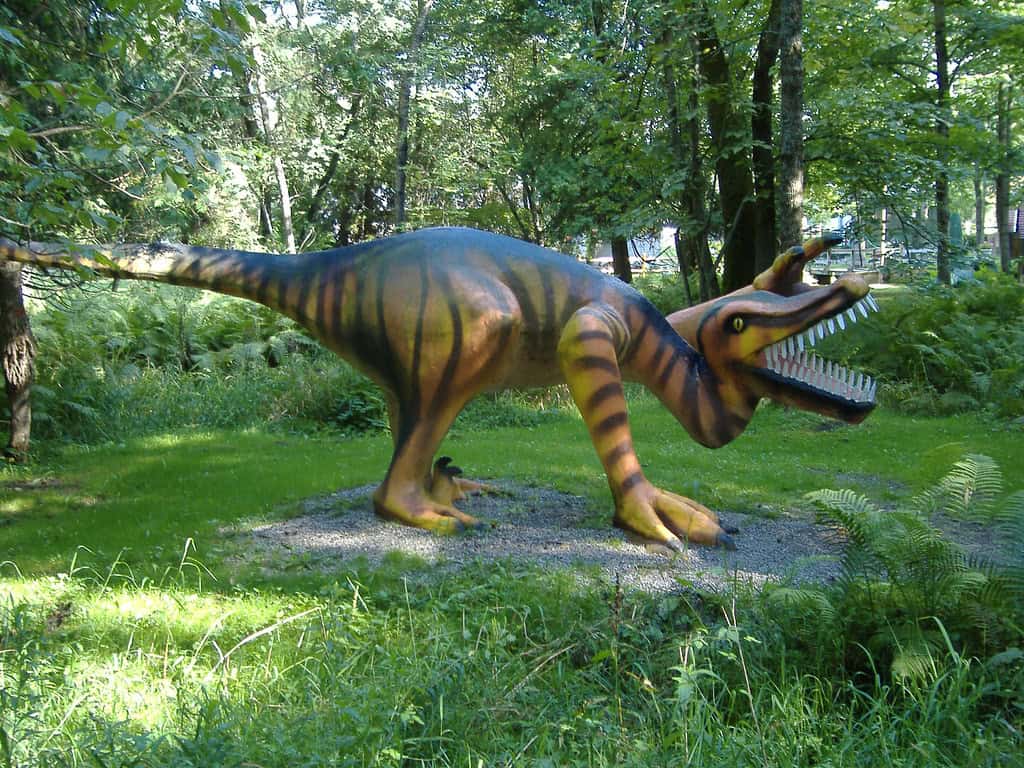
Beyond their incorrect size, “Jurassic Park” portrayed Velociraptors as unnaturally aggressive and seemingly motivated to hunt humans out of malice rather than necessity. In the film, raptors are shown relentlessly pursuing humans through complex environments, working together with almost supernatural coordination to outsmart and corner their prey. They’re depicted as calculating killers that take pleasure in the hunt. This characterization dramatically exaggerates the likely behavior of these predators, which, like modern predatory animals, would have hunted primarily for sustenance and would likely have avoided unfamiliar prey that could pose a risk.
Real-world predators typically conserve energy and avoid unnecessary confrontations that might result in injury. While some evidence suggests certain dinosaur species may have engaged in social hunting behaviors, the complex, almost human-like tactics and apparent vendetta against humans shown in the film are purely fictional embellishments. The Velociraptors of reality were likely opportunistic hunters focused on prey they could easily overpower, such as small dinosaurs and primitive mammals. Their hunting strategies would have been governed by efficiency and survival, not the vindictive intelligence portrayed in the film. This exaggeration of predatory behavior creates compelling cinema but distorts our understanding of natural predator-prey dynamics in prehistoric ecosystems.
The Myth of Dinosaur Sounds
The roars, screeches, and bellows of dinosaurs in “Jurassic Park” have become iconic, influencing how generations imagine these ancient creatures sounded. However, these vocalizations were largely creative inventions by sound designers rather than scientifically informed reconstructions. The Tyrannosaurus rex’s thunderous roar was famously created by combining sounds from various modern animals, including alligators, tigers, and baby elephants. Similarly, the distinctive Velociraptor calls were created using recordings of dolphins, walruses, geese, and tortoises.
Scientists studying the sound capabilities of dinosaurs have a much more limited understanding of their actual vocalizations. While some dinosaurs likely could produce sounds, the exact nature of these sounds remains speculative. Studies of dinosaur anatomy provide some clues: many had kinetic skulls (movable skull bones) that might have allowed for sound production, and some hadrosaurs had elaborate hollow crests that could have functioned as resonance chambers. However, soft tissues like vocal cords rarely fossilize, making precise sound reconstruction challenging. Birds, as modern dinosaur descendants, suggest some theropods may have been capable of complex vocalizations, while others might have been relatively silent. The dramatic, mammalian-like roars from the film are almost certainly inaccurate for reptilian-related creatures and represent one of the most persistent yet scientifically unsupported aspects of dinosaur portrayal in popular media.
Dinosaur Skin Textures and Colors
“Jurassic Park” depicted most of its dinosaurs with scaly, reptilian skin in relatively muted colors and patterns. While appropriate for some dinosaur species, this uniform approach to dinosaur appearance oversimplified the likely diversity of dinosaur integuments (skin coverings). Recent fossil discoveries have revealed that dinosaur skin textures varied considerably across different groups. Some had scales similar to modern reptiles, others had feathers or feather-like structures as previously discussed, and some may have had both features on different parts of their bodies. Additionally, evidence suggests some dinosaurs had other unique integumentary features like quills or filamentous structures that don’t precisely match either scales or feathers.
Regarding coloration, the film’s muted, generally earth-toned dinosaurs likely underrepresent the color diversity that existed. Groundbreaking research using electron microscopy to analyze fossilized melanosomes (pigment-containing structures) has allowed scientists to determine the actual colors of some dinosaur species. These studies have revealed surprisingly vibrant patterns in some cases, including reddish-brown feathers, striped tails, and possibly even iridescent plumage in some species. Many dinosaurs likely displayed bold patterns and colors for species recognition, mating displays, or camouflage, similar to modern birds. The film’s conservative approach to dinosaur appearance, while understandable given the scientific knowledge available in the early 1990s, has contributed to an overly standardized public perception of dinosaur aesthetics that modern paleontology has shown to be far more diverse and colorful.
Impossibly Fast Genetic Engineering

The central premise of “Jurassic Park”—extracting dinosaur DNA from mosquitoes preserved in amber and using it to clone dinosaurs—simplifies and misrepresents the extreme challenges of ancient DNA preservation and genetic engineering. The film suggests that scientists could recover complete dinosaur genomes and fill in any missing genetic information with frog DNA. In reality, DNA degrades over time, with a half-life of approximately 521 years under ideal conditions. This means that even in perfectly preserved specimens, DNA from the Mesozoic Era (which ended 66 million years ago) would be far too degraded to sequence or clone.
Recent advances have allowed scientists to recover fragmentary DNA from specimens up to about 1 million years old in exceptional cases, but this is still far short of the 66+ million years needed to reach dinosaur DNA. Furthermore, the film’s suggestion that gaps in dinosaur DNA could be neatly filled with frog DNA oversimplifies the immense complexity of genomes. Modern genetic engineering, even with complete genomes from living species, faces significant challenges and limitations. The film’s approach to genetic engineering, while providing a compelling narrative device, created unrealistic expectations about the possibility of resurrecting extinct species through cloning. Though some aspects of ancient DNA research and de-extinction efforts have progressed, the specific method described in “Jurassic Park” remains firmly in the realm of science fiction rather than scientific possibility.
Triceratops Behavior and Appearance
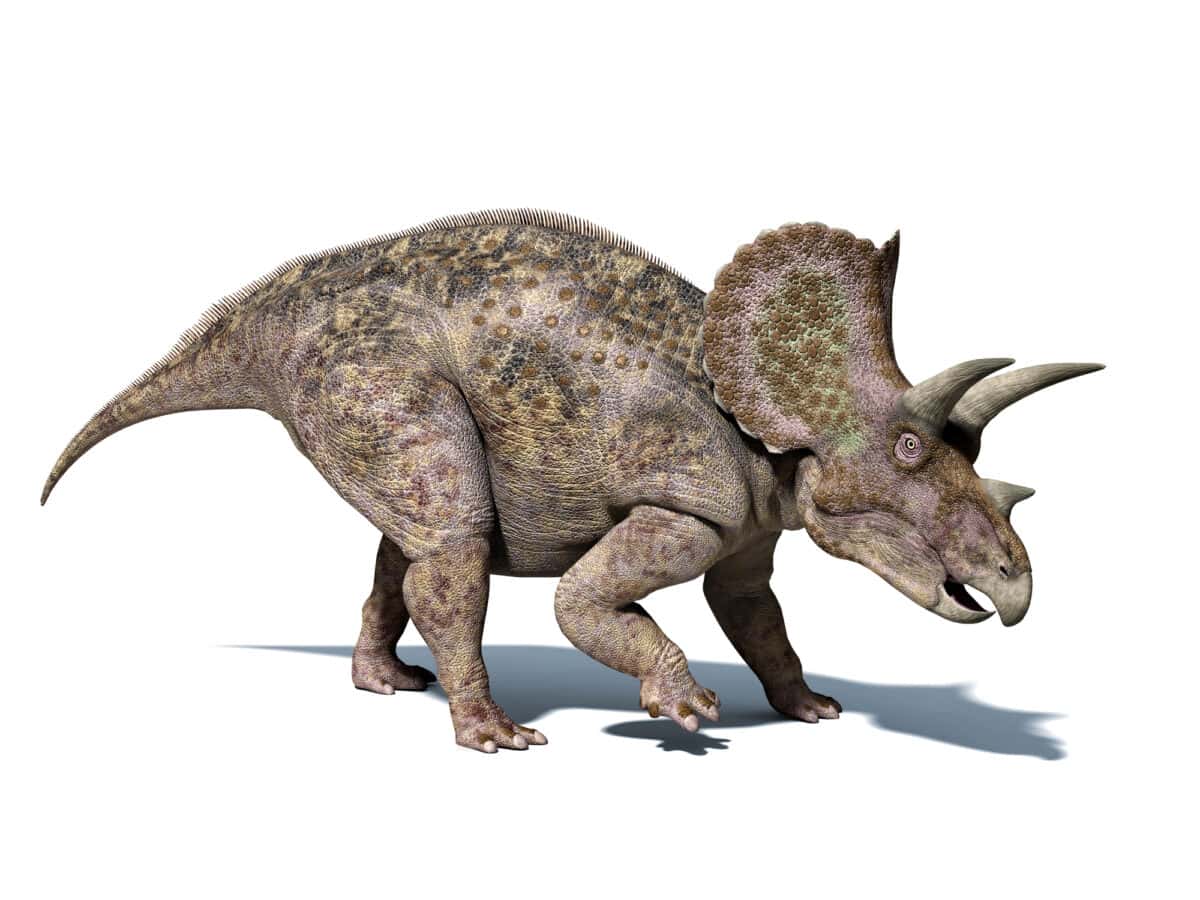
The beloved scene where characters encounter a sick Triceratops in “Jurassic Park” contains several misconceptions about this iconic horned dinosaur. The film portrays Triceratops as a solitary animal, but fossil evidence suggests they were likely social dinosaurs that traveled in herds. Multiple bone beds containing numerous Triceratops individuals of different ages have been discovered, supporting the theory that these animals lived in multi-generational groups similar to modern elephants. This social behavior would have provided protection against predators like Tyrannosaurus rex and facilitated care for younger individuals.
The film also presents a somewhat outdated model of Triceratops posture, with legs splayed slightly outward in a more reptilian stance. Modern skeletal reconstructions indicate that Triceratops had a more upright, columnar limb posture similar to modern rhinos and elephants. This posture would have better supported their substantial body weight, which could reach up to 12 tons. Additionally, the skin texture shown in the film was speculative, as few Triceratops skin impressions had been found at the time. Recent discoveries suggest their skin featured large, non-overlapping scales with smaller scales between them, creating a more complex texture than the relatively smooth hide depicted in the film. While the Triceratops scene remains one of the most scientifically accurate dinosaur portrayals in the film, it still reflects the limitations of paleontological knowledge available in the early 1990s.
Exaggerated Size of Prehistoric Species

“Jurassic Park” frequently exaggerated the size of many of its prehistoric creatures for dramatic effect. The most notable example is the Dilophosaurus, which as previously mentioned, was depicted as much smaller than its actual size. Conversely, the film’s Velociraptors were portrayed as much larger than their real counterparts. Even the depiction of other prehistoric creatures contained size inaccuracies—the pterosaur Pteranodon was shown as being enormous enough to carry off a human child in “Jurassic Park III,” despite real Pteranodons likely being too light to carry such weight.
These size alterations served the narrative by either making certain dinosaurs more intimidating (in the case of the enlarged raptors) or by creating different threat profiles for various species (making Dilophosaurus smaller but adding venom to compensate). However, these creative liberties have led to persistent misconceptions about the actual proportions of these ancient animals. Size is one of the most fundamental and easily measurable aspects of an animal from fossil remains, and paleontologists have established relatively accurate size ranges for most well-known dinosaur species. The film’s willingness to adjust these scientifically established dimensions for storytelling purposes demonstrates how entertainment value was consistently prioritized over scientific accuracy, contributing to public misconceptions about these prehistoric creatures.

- The Secret Language of Dolphins Decoded by Researchers - July 20, 2026
- 7 Animals That Can Survive Extreme Environments You Couldn’t - July 20, 2026
- The Longest Snake Ever Found in the U.S. - July 20, 2026