

The Rocky Mountains, a vast and rugged range that stretches from the northernmost areas of British Columbia in Canada to New Mexico in the southwestern United States, are home to an inspiring array of wildlife. Among the many fascinating species inhabiting these peaks, bighorn sheep are undoubtedly one of the most majestic. Recently, a remarkable individual from this species captured the attention of wildlife enthusiasts, scientists, and nature lovers alike. Known as the most massive bighorn sheep ever seen in the Rockies, this impressive creature has become a living symbol of the rugged beauty and resilience found in these mountainous terrains.
History of Bighorn Sheep in the Rockies
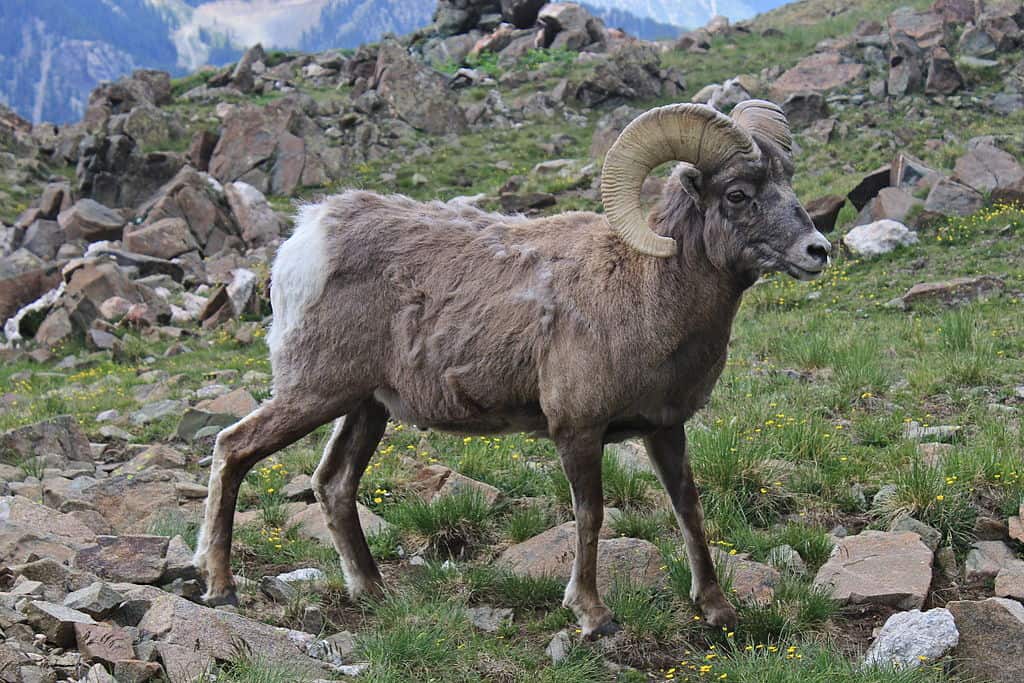
Bighorn sheep have roamed the Rockies for thousands of years, living in the steep, rocky regions where few other creatures dare to tread. These amazing animals are known for their iconic spiraled horns, impressive agility, and a remarkable ability to survive in harsh environments. Historically, they have been a vital part of the ecosystem, contributing to the ecological balance and serving as an important species for indigenous cultures in the region.
What Makes Bighorn Sheep Unique?
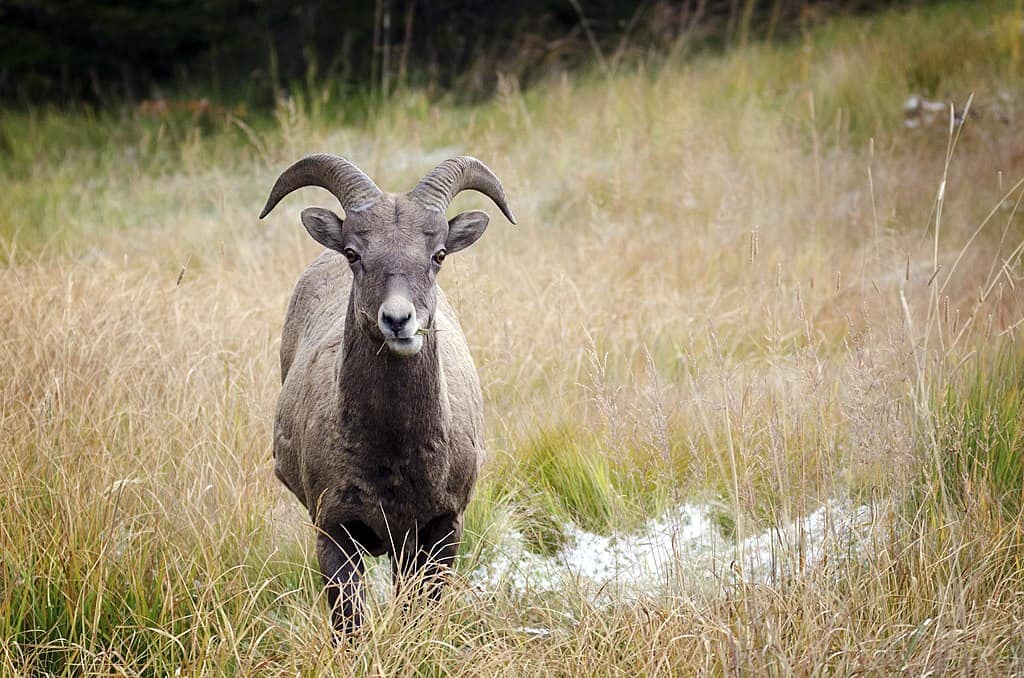
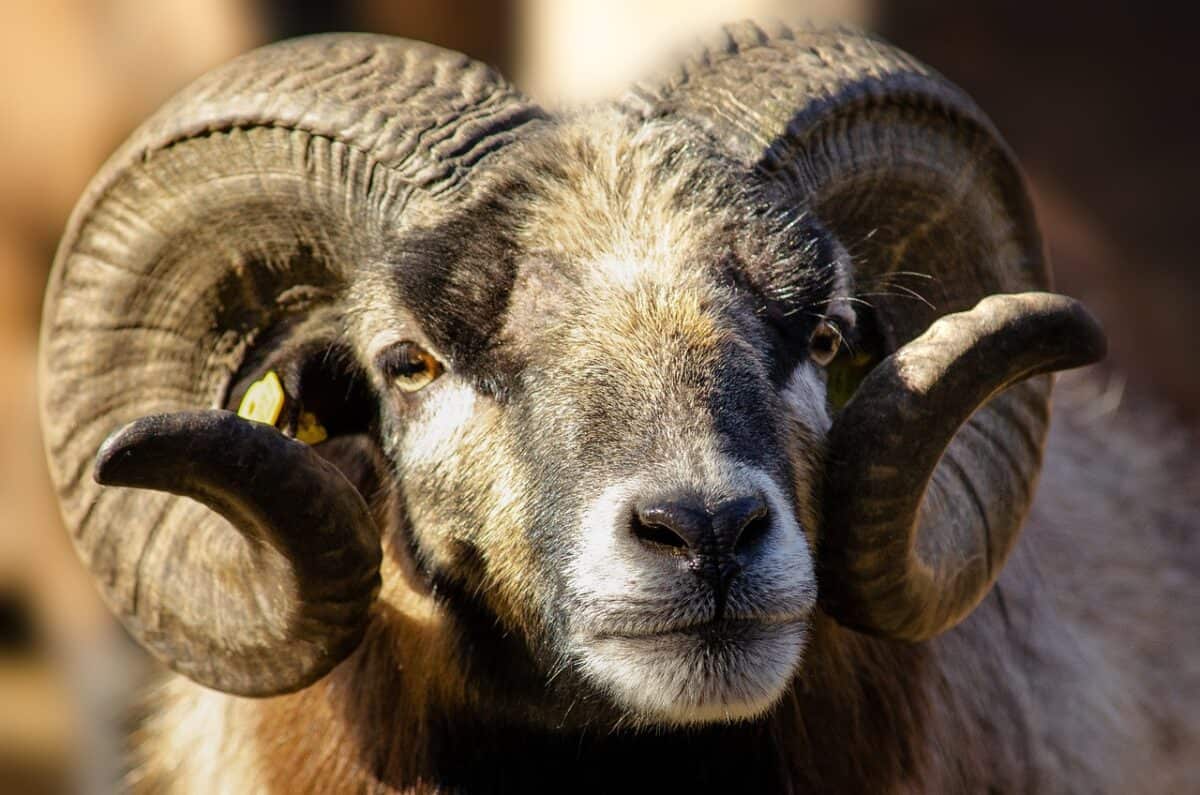
Bighorn sheep are a distinct and resilient species. Their most recognizable feature is their tremendous, curved horns, which can grow to weigh up to 30 pounds. Not only are these horns spectacular to behold, but they are also instrumental in male bighorn sheep’s mating rituals, where rams clash horns in dramatic displays of strength. Additionally, bighorn sheep are characterized by their incredible climbing skills, which allow them to navigate rocky, steep terrains with exceptional ease.
The Legendary Massive Bighorn
Recently, the largest known bighorn sheep was spotted in the Rockies, earning it a legendary status. This massive ram is not only impressive due to its sheer size but also because it defies expectations of typical bighorn growth. Wildlife researchers have keenly observed this individual, taking detailed measurements and studying its behavior, all while ensuring the creature remains undisturbed in its natural habitat.
Implications for Wildlife Research

The discovery of such a large bighorn sheep provides valuable insights into the species’ growth patterns, genetics, and health. Researchers are particularly interested in what environmental factors or genetics might have contributed to the extraordinary growth of this animal. Understanding these elements can contribute to the broader study of species adaptation and health management, offering potential benefits for conservation efforts.
Significance to Conservation Efforts
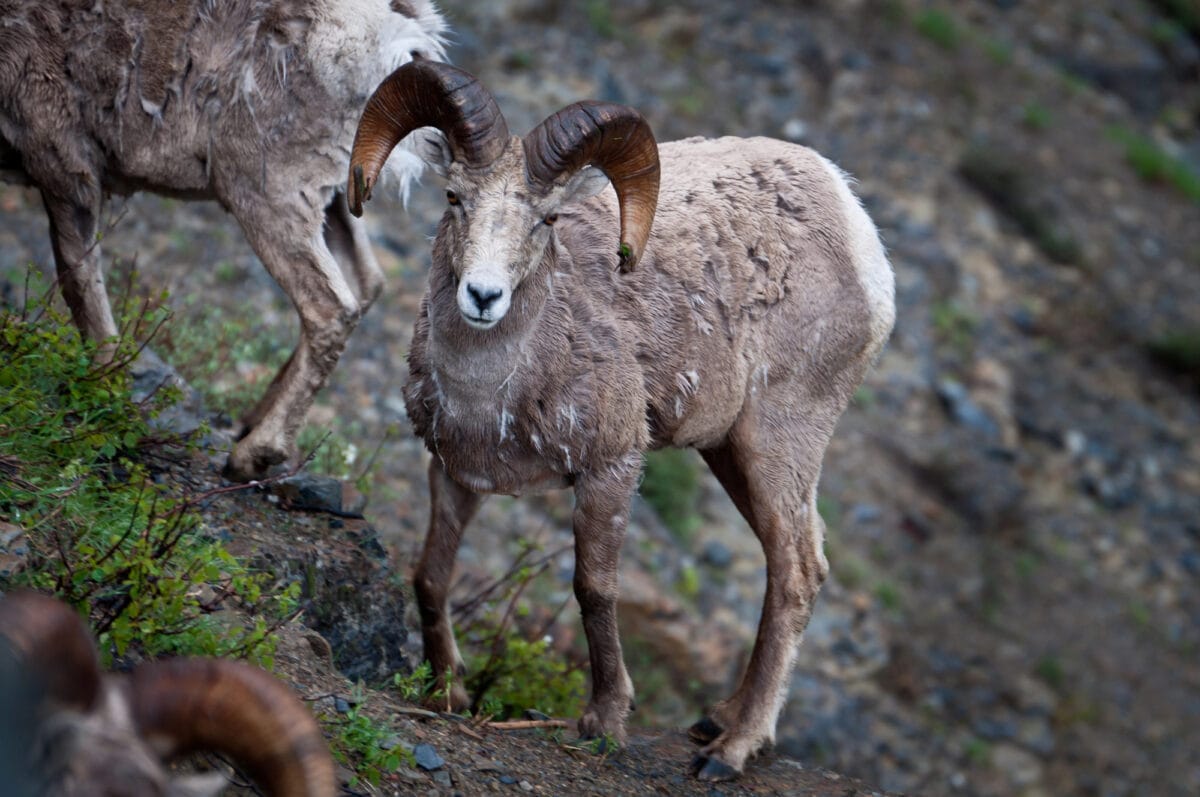
The presence of a massive bighorn sheep in the Rockies underscores the importance of ongoing conservation efforts. By protecting their natural habitats, we ensure that not only do these magnificent creatures thrive but also maintain the diverse ecosystem they inhabit. The sighting of such an extraordinary individual calls for renewed emphasis on preserving habitat corridors and minimizing human impact.
Challenges Bighorn Sheep Face

Despite their ability to adapt to rocky terrains, bighorn sheep in the Rockies face numerous challenges. Predation, competition for food, diseases, and human activities all pose significant threats. Particularly concerning is the transmission of diseases from domestic livestock, which can devastate bighorn populations. Conservation measures are essential to mitigate these risks and protect this iconic species.
The Role of Bighorn Sheep in Ecosystems
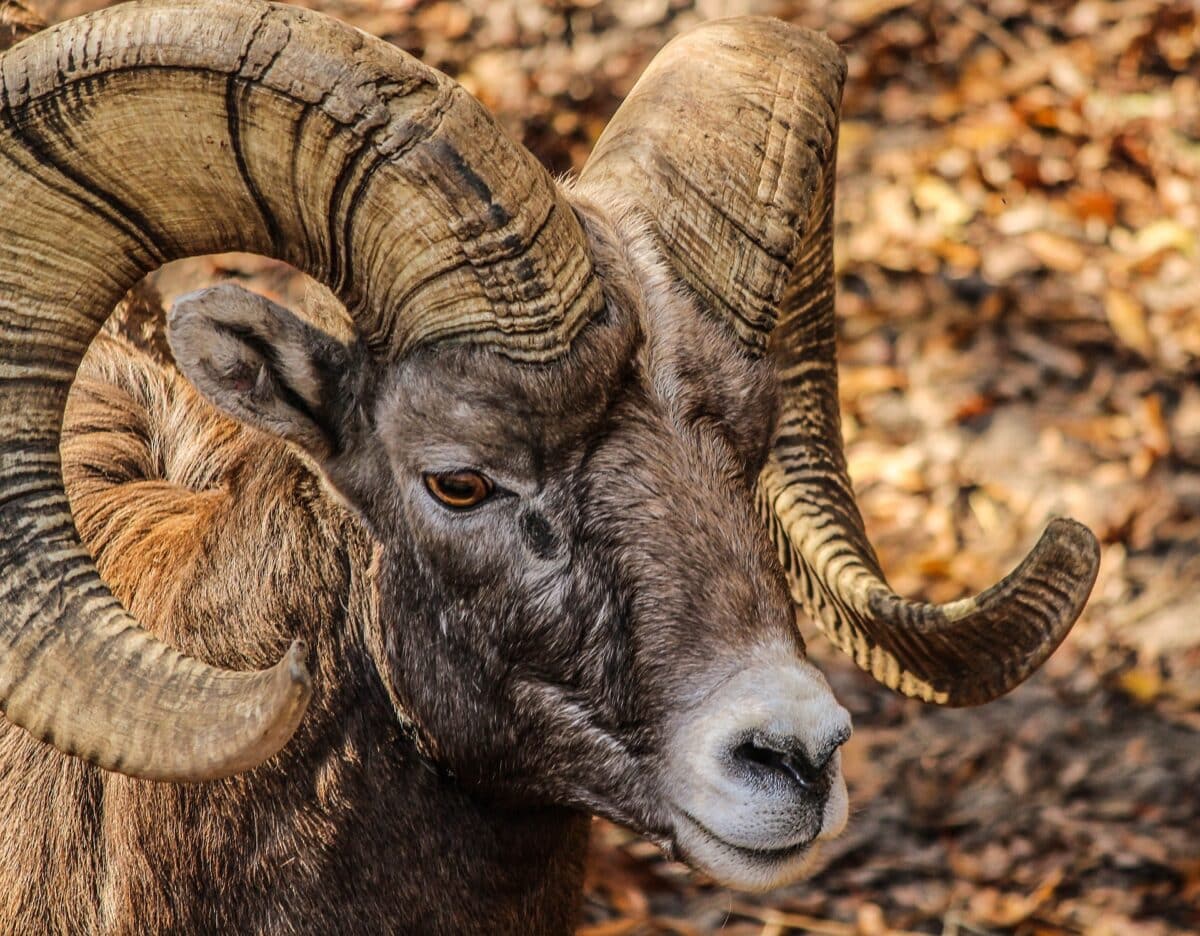
Bighorn sheep are keystone species in the Rockies. They play a crucial role in structuring plant communities through grazing, which in turn affects the distribution and abundance of other wildlife. Furthermore, as a prey species, they are an important food source for predators like mountain lions and wolves, thus contributing significantly to the ecological balance in their habitat.
Adaptations of Bighorn Sheep
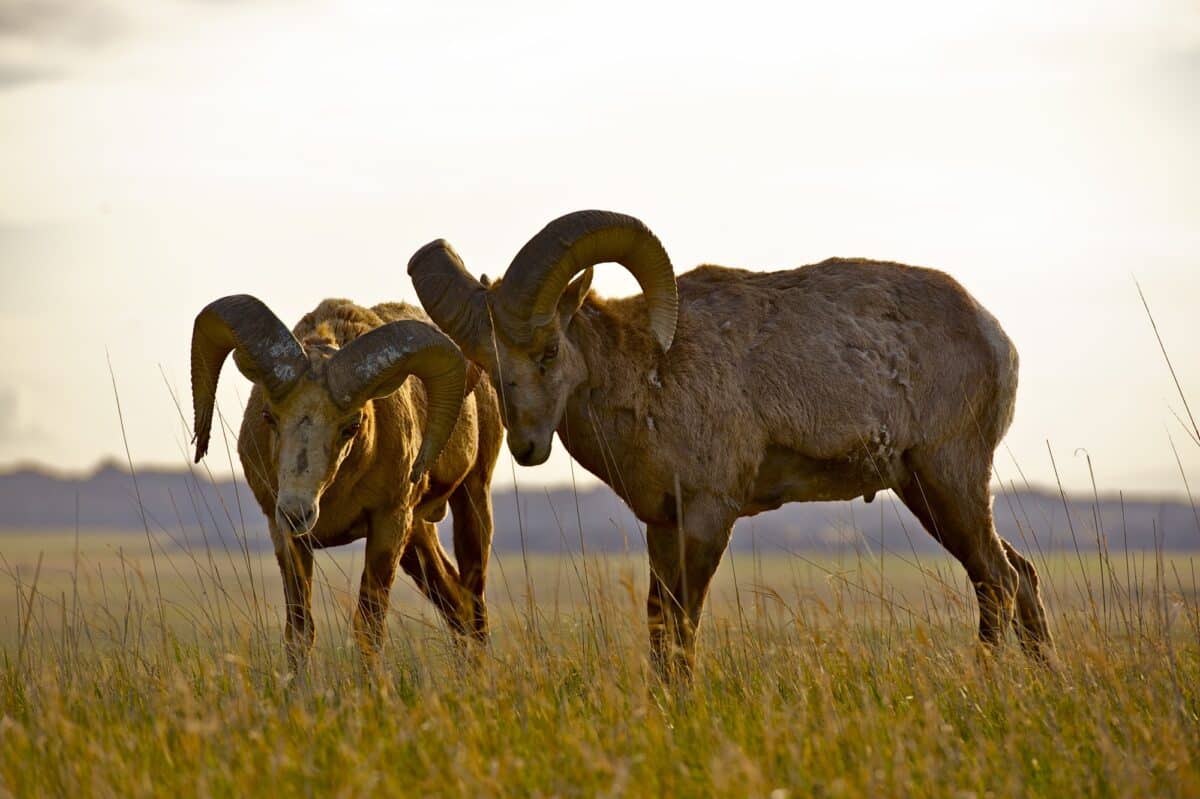
Adapted to a life in mountainous environments, bighorn sheep possess unique physiological and behavioral traits. Their specialized hooves have a rough, textured outer edge and a soft, padded interior, providing them with excellent grip on rocky surfaces. These animals also have a highly developed sense of sight and balance, aiding them in navigating the treacherous terrains of their natural habitat.
The Social Structure of Bighorn Sheep
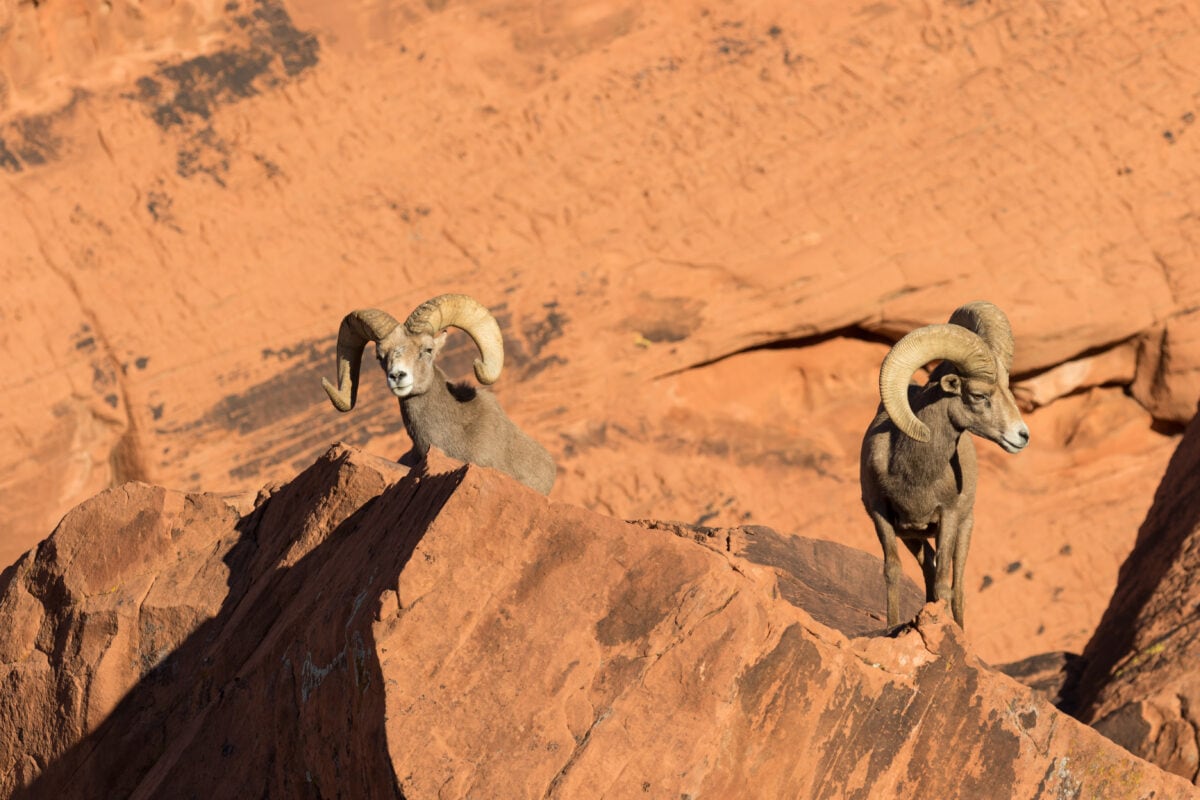
Bighorn sheep live in social groups, with a notable separation of the sexes outside of mating season. Rams typically live in bachelor flocks, whereas ewes form maternal groups with their lambs. This social behavior plays an essential role in their survival strategies, as it maximizes foraging efficiency and enhances the safety of individuals by providing protection from predators.
Importance of Monitoring Wildlife
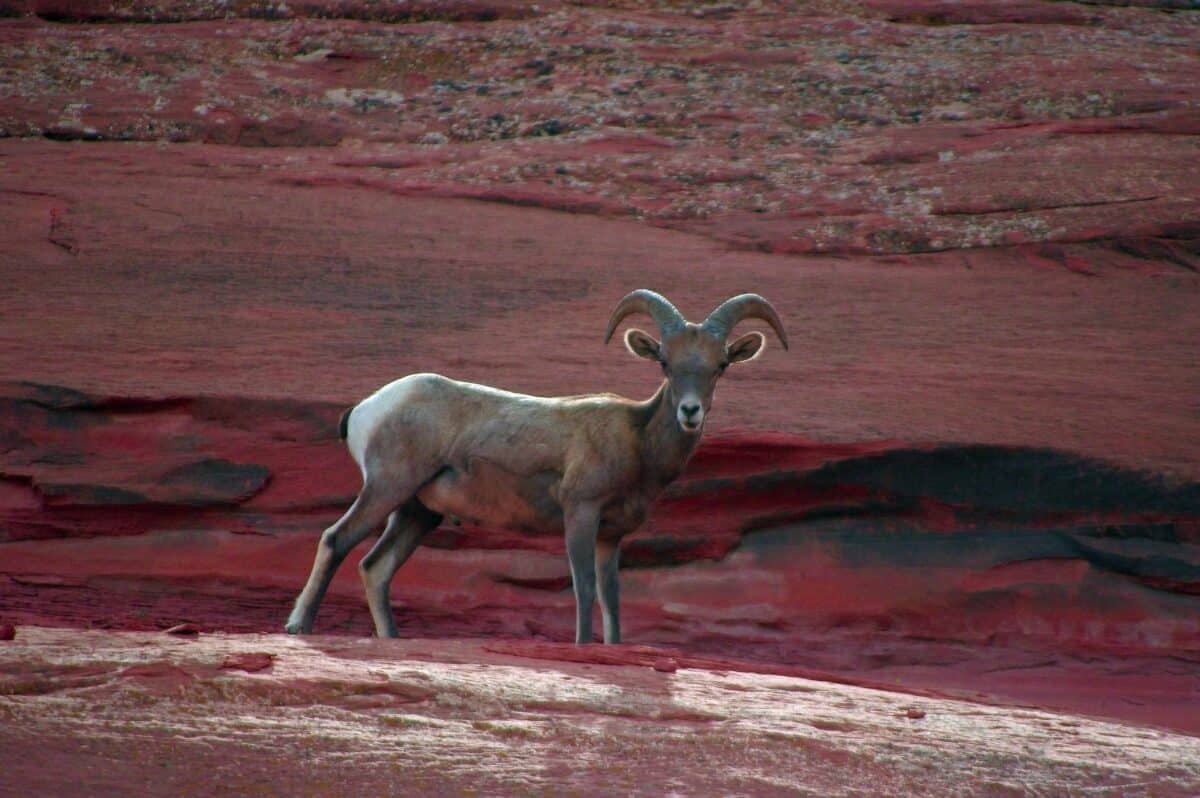
Continual monitoring of wildlife, including bighorn sheep, is vital for understanding ecological changes and the impacts of human activities. Through regular observation and data collection, researchers can track population health, identify potential threats, and assess the success of conservation strategies. The study of the massive bighorn sheep adds invaluable data to this ongoing research.
Future Prospects for Bighorn Sheep
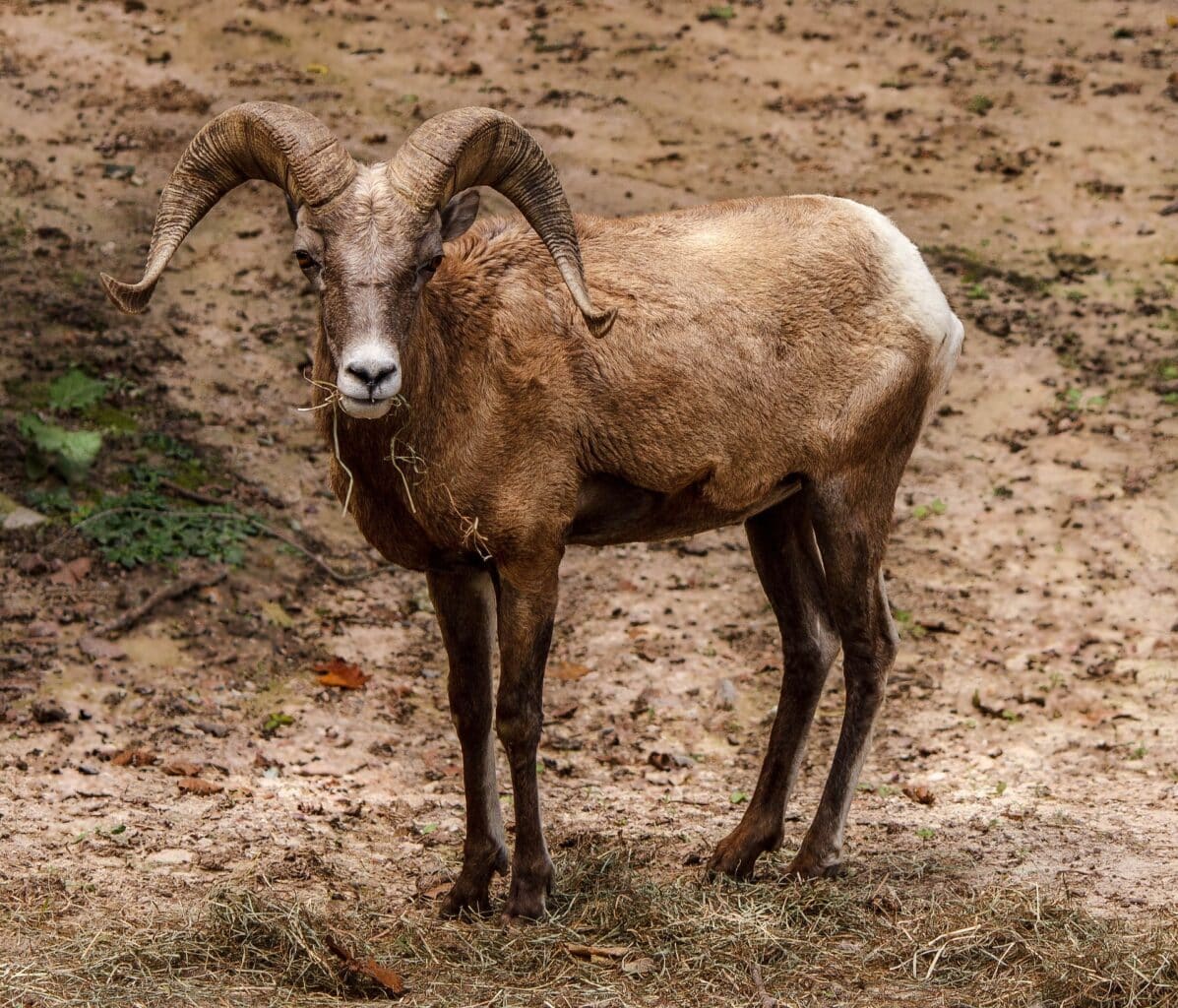
Looking forward, the future of bighorn sheep in the Rockies relies heavily on the success of conservation initiatives. Protecting their habitat from human encroachment, maintaining healthy populations, and ensuring genetic diversity through wildlife corridors are all critical for the continued survival of this iconic species. As our understanding and appreciation of these creatures grow, so too must our efforts to protect them.
Conclusion: A Symbol of Nature’s Majesty
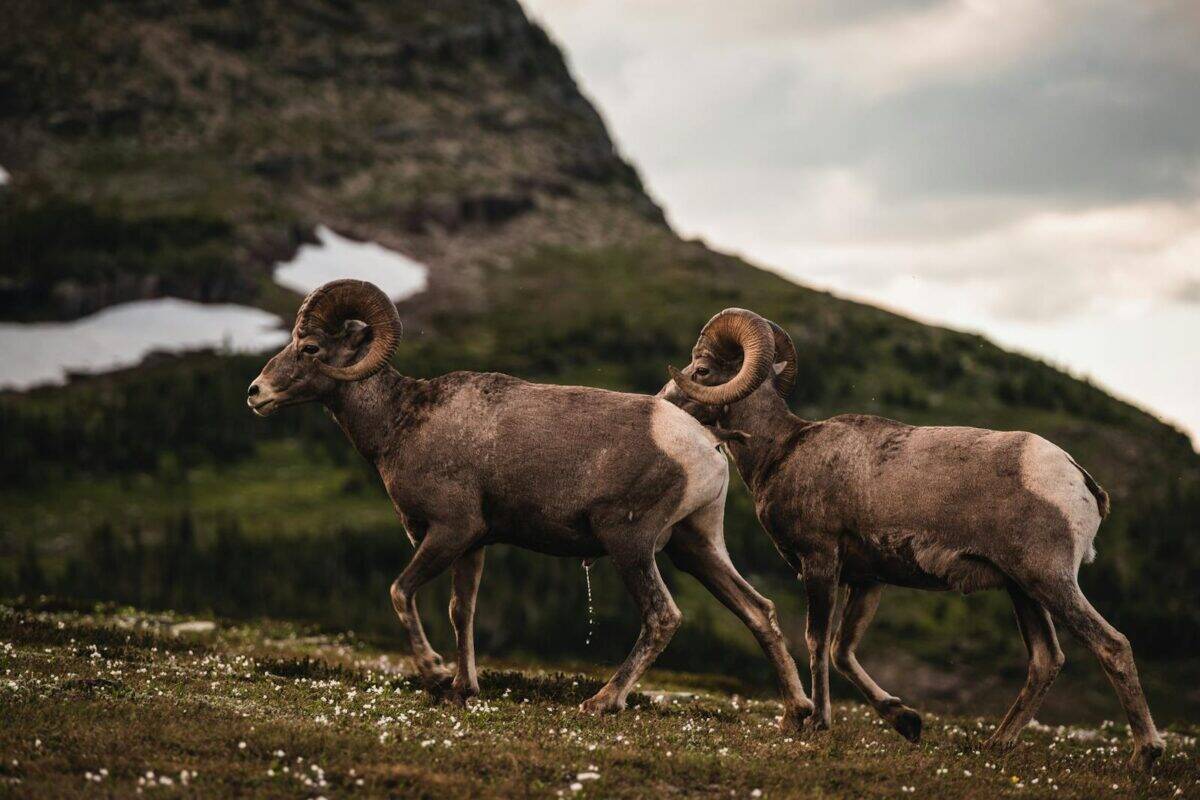
The most massive bighorn sheep ever seen in the Rockies serves as a poignant reminder of the majestic and resilient nature of wildlife. It underscores the importance of preserving our natural world, reflecting the enduring beauty that these creatures represent. As we learn more about this incredible animal and its environment, we foster a deeper respect and commitment to ensuring that future generations can also marvel at the wonders of the wild Rockies.

- What Happens If You Lock Eyes With a Wild Leopard? - July 19, 2026
- 10 Fastest Racing Dog Breeds You Must Know - July 19, 2026
- The Story of the Arctic Fox’s Incredible Seasonal Transformation - July 18, 2026