
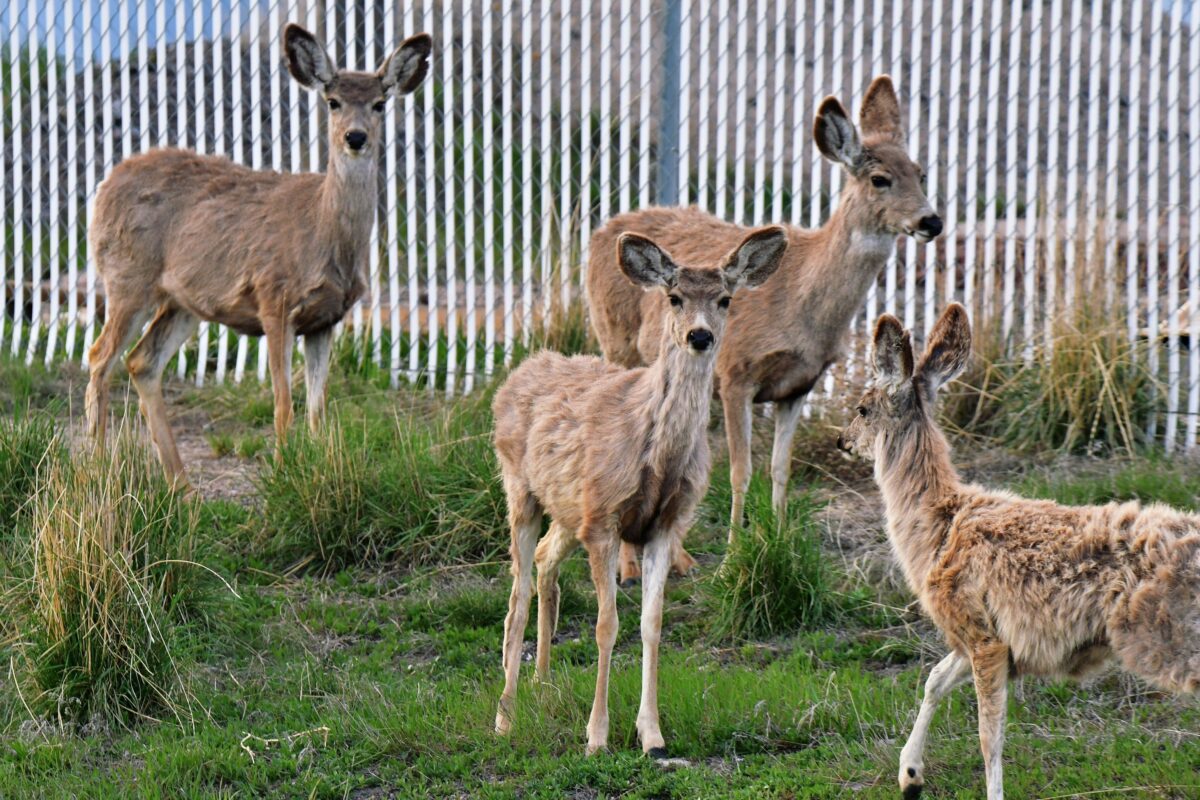
Imagine stepping into your backyard at dusk, expecting to see the familiar silhouettes of deer grazing peacefully, only to find the landscape eerily devoid of their presence. For years, these graceful creatures have been a constant, yet now they’ve vanished without a trace. What could be causing this sudden disappearance?
Habitat Loss and Fragmentation
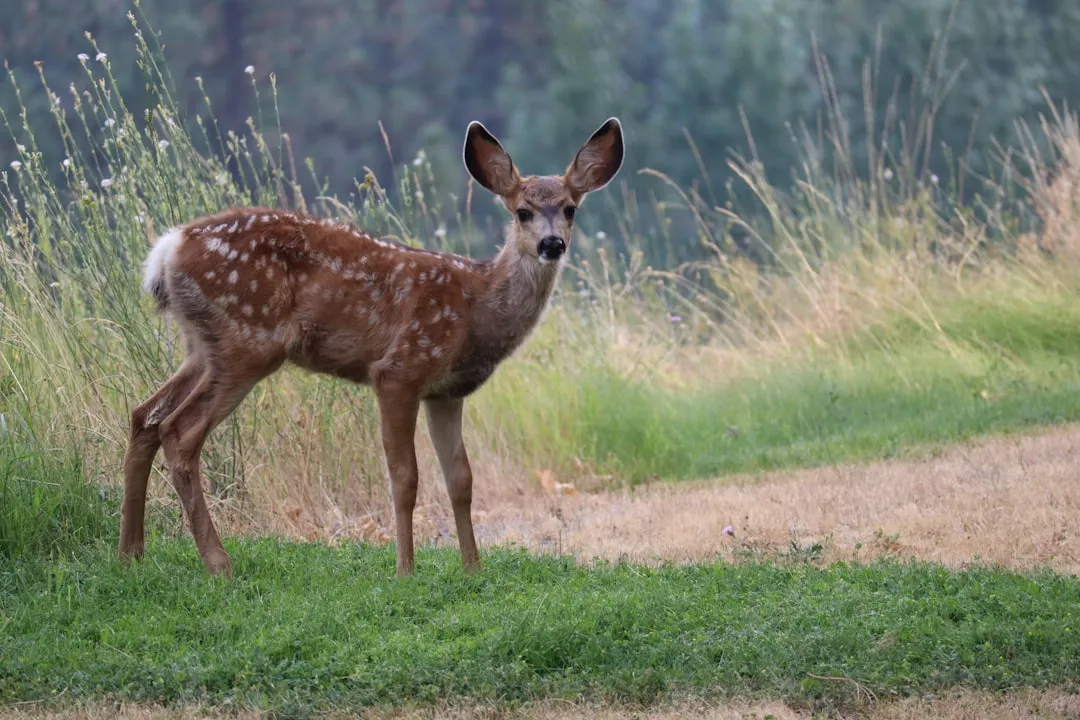
One of the primary reasons deer may abandon an area is the loss or fragmentation of their habitat. Urban development, agriculture, and deforestation can drastically alter the landscapes deer rely on for food and shelter. As their natural environments shrink or become fragmented, deer are forced to seek new territories that can support their needs.
For instance, the expansion of suburban neighborhoods into previously forested areas can disrupt established deer habitats. The construction of roads and buildings not only reduces the available space but also creates barriers that hinder deer movement, leading them to relocate to more hospitable environments.
Overpopulation and Resource Depletion
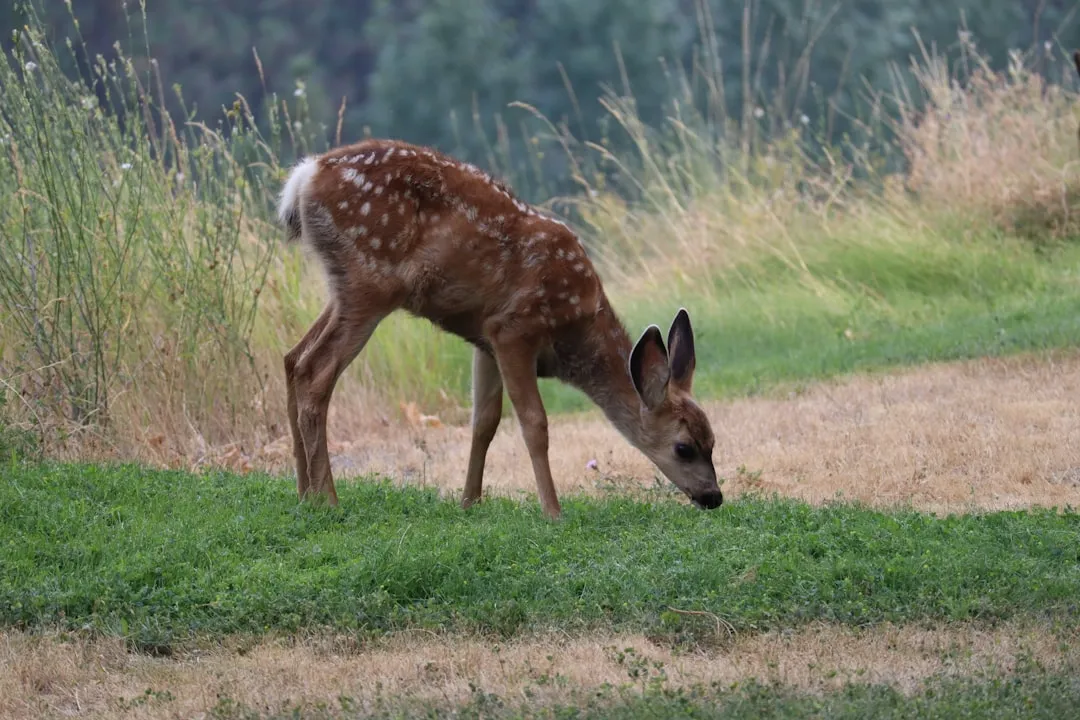
Ironically, an overabundance of deer in a given area can lead to their own decline. When deer populations exceed the carrying capacity of their habitat, they can overgraze vegetation, leading to a depletion of food resources. This overbrowsing can result in significant ecological damage, affecting not only the deer but also other wildlife that depend on the same plants.
In such scenarios, deer may be compelled to move to new areas where food is more plentiful. This migration can be a natural response to the scarcity of resources, ensuring their survival but leaving previously populated areas barren.
Predation and Disease
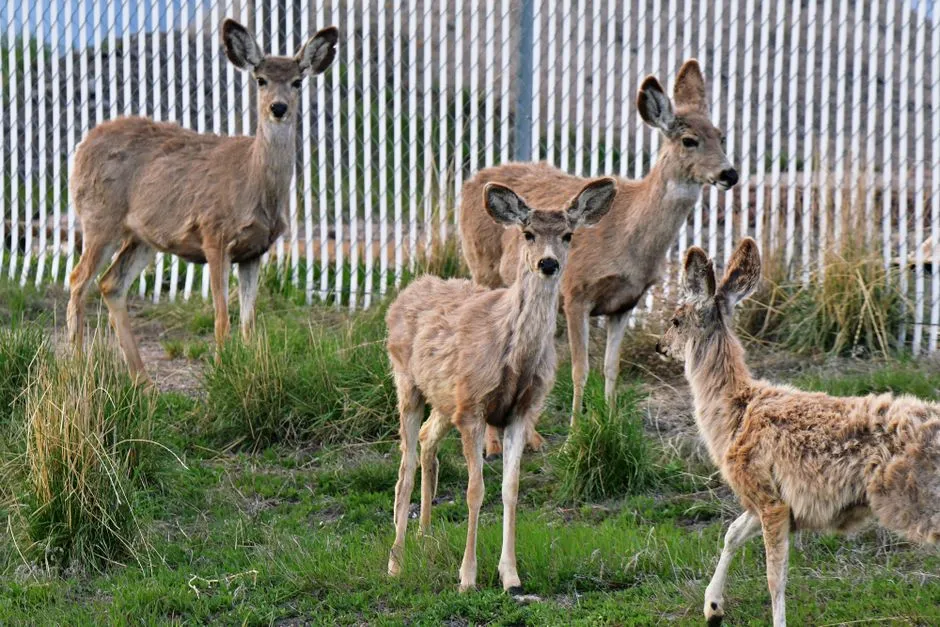
The presence of predators or the outbreak of diseases can also influence deer movements. An increase in predator populations, such as coyotes or wolves, can make certain areas less safe for deer, prompting them to seek refuge elsewhere. Similarly, diseases like Chronic Wasting Disease (CWD) can decimate local deer populations, leading to noticeable declines in their numbers.
Wildlife biologists have observed that areas with high prevalence of CWD experience significant reductions in deer populations. The disease affects the nervous system of deer, leading to weight loss, behavioral changes, and ultimately death. As a result, affected areas may see a sharp decline in deer sightings.
Human Disturbance and Hunting Pressure
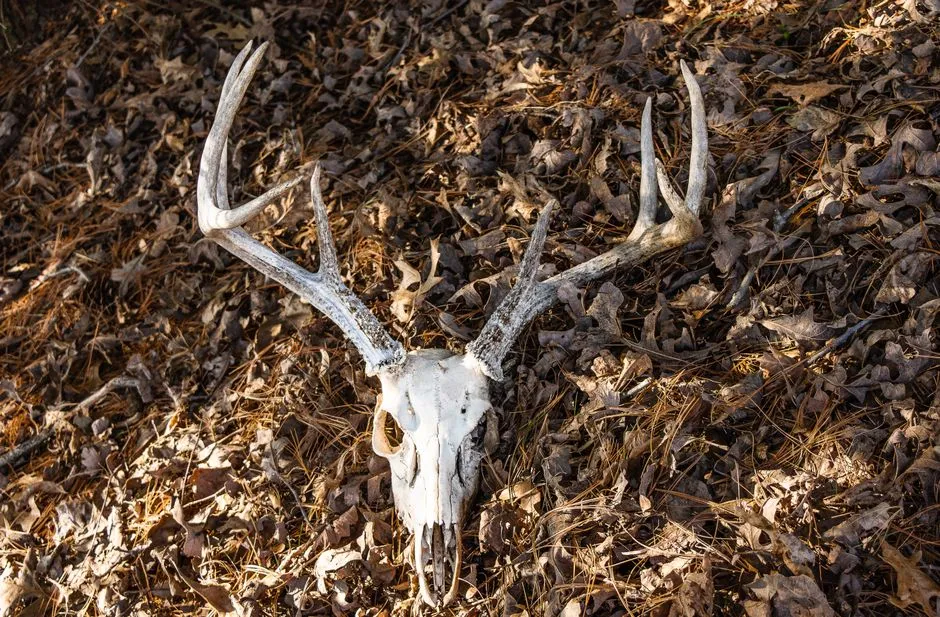
Human activities, including increased hunting pressure and recreational use of natural areas, can cause deer to avoid certain regions. Frequent human presence can disrupt deer behavior, making them more skittish and likely to relocate to less disturbed areas.
For example, during hunting seasons, deer often move to areas where hunting is restricted or less prevalent. This behavior is a survival strategy to avoid predation by humans, leading to temporary or permanent shifts in their distribution.
Climate Change and Environmental Factors
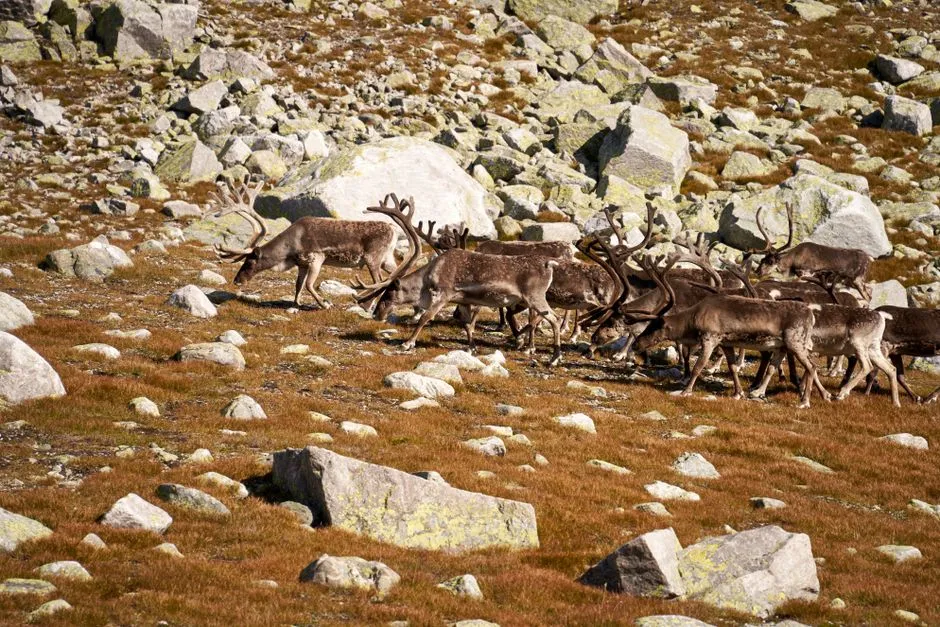
Changes in climate and environmental conditions can also impact deer movements. Alterations in temperature, precipitation patterns, and the availability of water sources can make certain habitats less suitable for deer. These changes can affect the growth of vegetation that deer rely on for food, prompting them to move to areas with more favorable conditions.
Additionally, extreme weather events, such as droughts or severe winters, can force deer to seek new habitats that can better support their survival needs.
Natural Succession and Habitat Changes
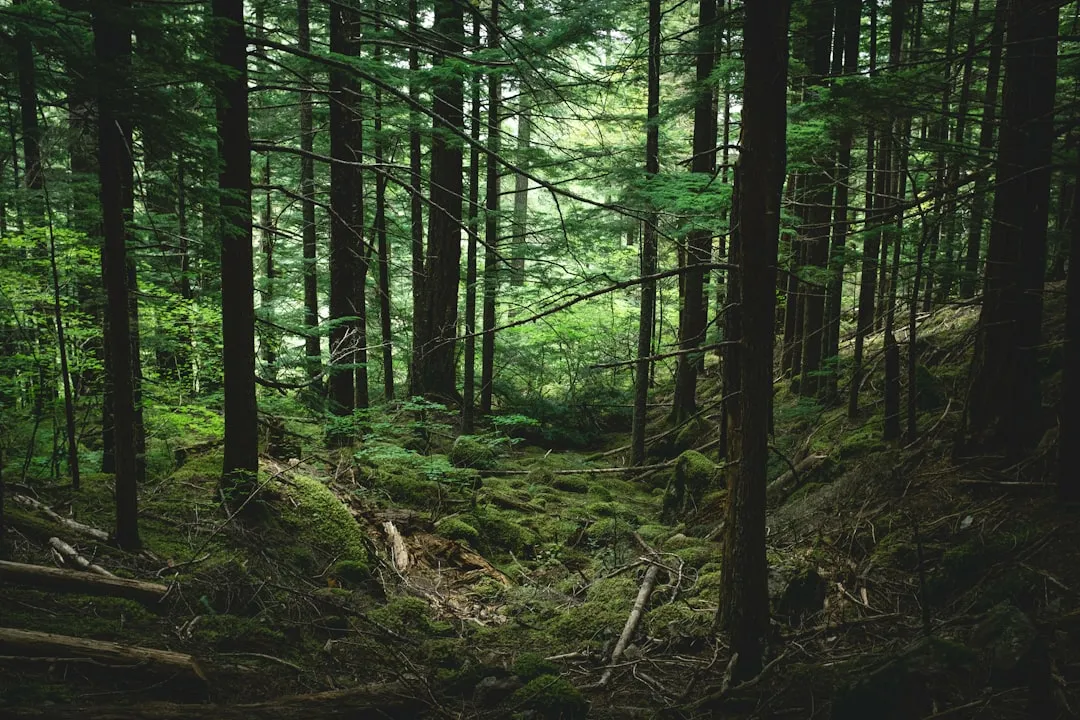
Natural ecological processes, such as forest succession, can lead to changes in habitat that affect deer populations. As forests mature, the understory vegetation that deer feed on may become less abundant, making the area less attractive to them.
In such cases, deer may move to younger forests or areas where food is more readily available. This natural progression can result in the gradual disappearance of deer from areas they once frequented.
Conservation Efforts and Management Practices
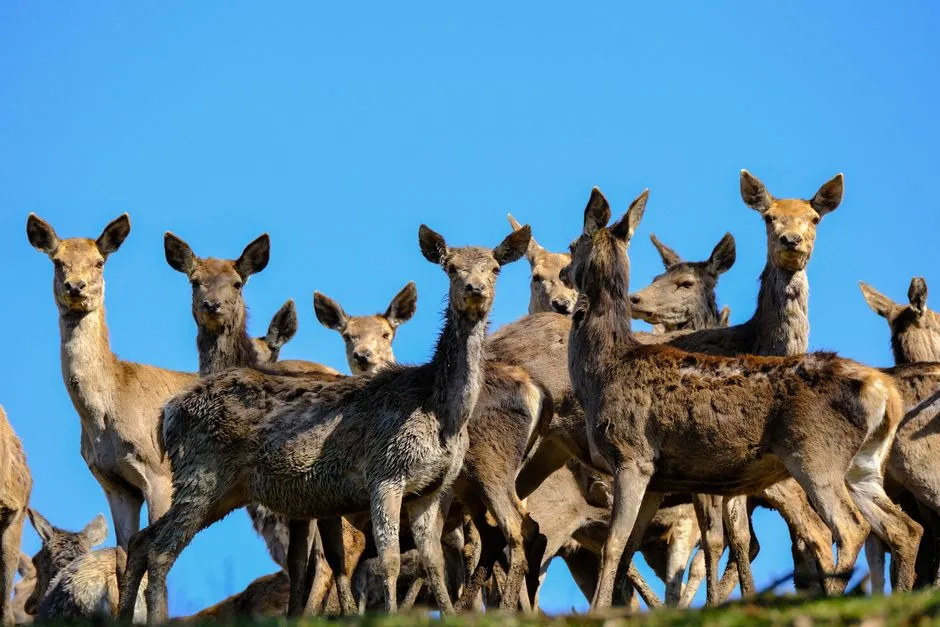
Conservation initiatives aimed at controlling deer populations or restoring habitats can also influence deer distribution. Efforts to reduce overpopulation through controlled hunting or sterilization programs can lead to decreased deer numbers in certain areas.
Similarly, habitat restoration projects that involve reforestation or the removal of invasive species can alter the landscape in ways that may not immediately support deer populations, causing them to relocate temporarily.
Conclusion
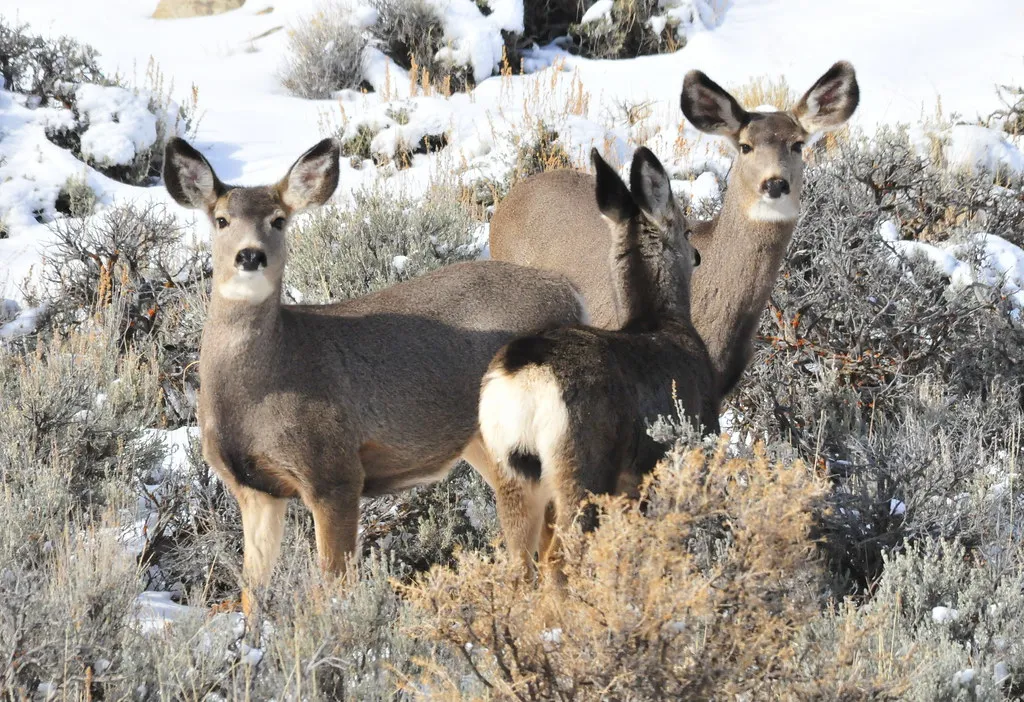
The sudden absence of deer from areas they’ve inhabited for years is a multifaceted issue, often resulting from a combination of habitat changes, resource availability, predation, disease, human activities, and environmental factors. Understanding these dynamics is crucial for wildlife biologists and conservationists aiming to maintain balanced ecosystems.
As we continue to encroach upon natural habitats and alter the environment, it’s imperative to consider the impacts on wildlife and strive for sustainable coexistence. After all, isn’t the sight of a deer grazing at dusk a reminder of the delicate balance we share with nature?

- 6 Exotic Bird Species You Can Spot in U.S. National Parks - July 19, 2026
- 11 Iconic American Birds Facing New Challenges and How You Can Help - July 19, 2026
- 10 Friendliest Animals in the World - July 19, 2026