
Picture this: places where temperatures swing from near absolute zero to boiling hot, pressures that crush submarines, or radiation levels that would fry any human in seconds. Yet life not only persists but flourishes there. These tiny warriors and deep-sea oddities push the boundaries of what we thought possible.[1]
Honestly, it makes you wonder about our own fragility. What secrets do these creatures hold? Let’s dive into five of the toughest animals on the planet.
Tardigrades: Indestructible Water Bears
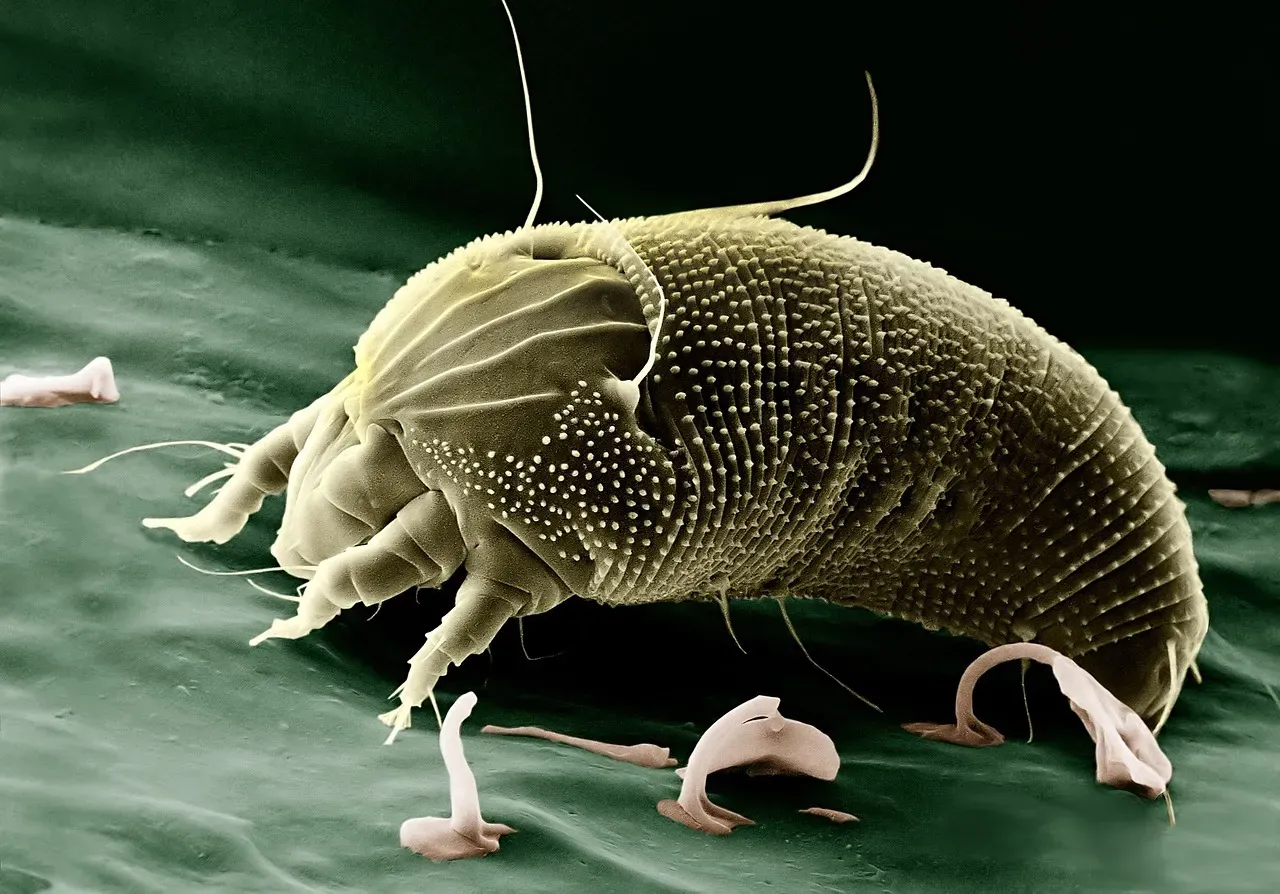
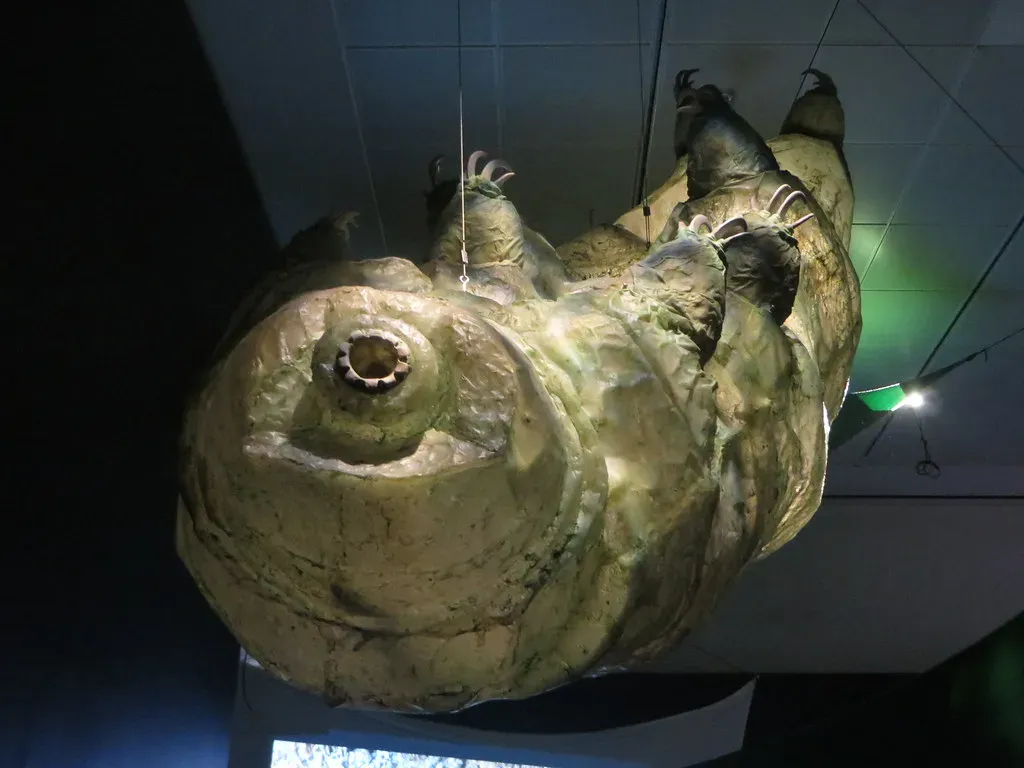
Imagine a creature smaller than a grain of sand surviving the vacuum of space for days.[2] Tardigrades, or water bears, curl into a tun state, losing over 95 percent of their water, and endure temperatures from nearly absolute zero to 150 degrees Celsius.
They shrug off radiation doses thousands of times higher than lethal for humans. Even desiccation for decades doesn’t faze them. Researchers exposed them to outer space on satellites, and many revived upon rehydration.[3]
Here’s the thing. These micro-beasts thrive in Antarctica’s dry valleys, boiling hot springs, and ocean trenches. I think they’re nature’s backup plan for life itself.
Pompeii Worms: Heat Lords of the Abyss
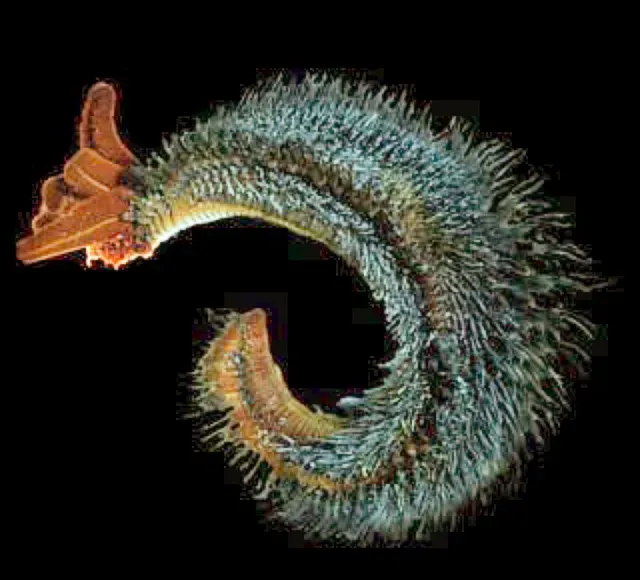
Could you hold your hand in 80-degree Celsius water for long? Pompeii worms build tube homes right at hydrothermal vents where superheated, mineral-rich water spews out.[4] Their heads poke into water over 176 degrees Fahrenheit, while their tails stay cooler in surrounding seas.
Symbiotic bacteria on their backs help process toxic chemicals for food. This setup lets them tolerate the steepest temperature gradient known, up to 140 degrees Fahrenheit across their body.[5]
Deep at 2,500 meters, pressure crushes everything else. Yet these polychaete worms reproduce rapidly in this unstable hellscape. Truly mind-blowing resilience.
They remind me of those folks who walk on coals, but underwater and permanent.
Wood Frogs: Masters of Frozen Hibernation
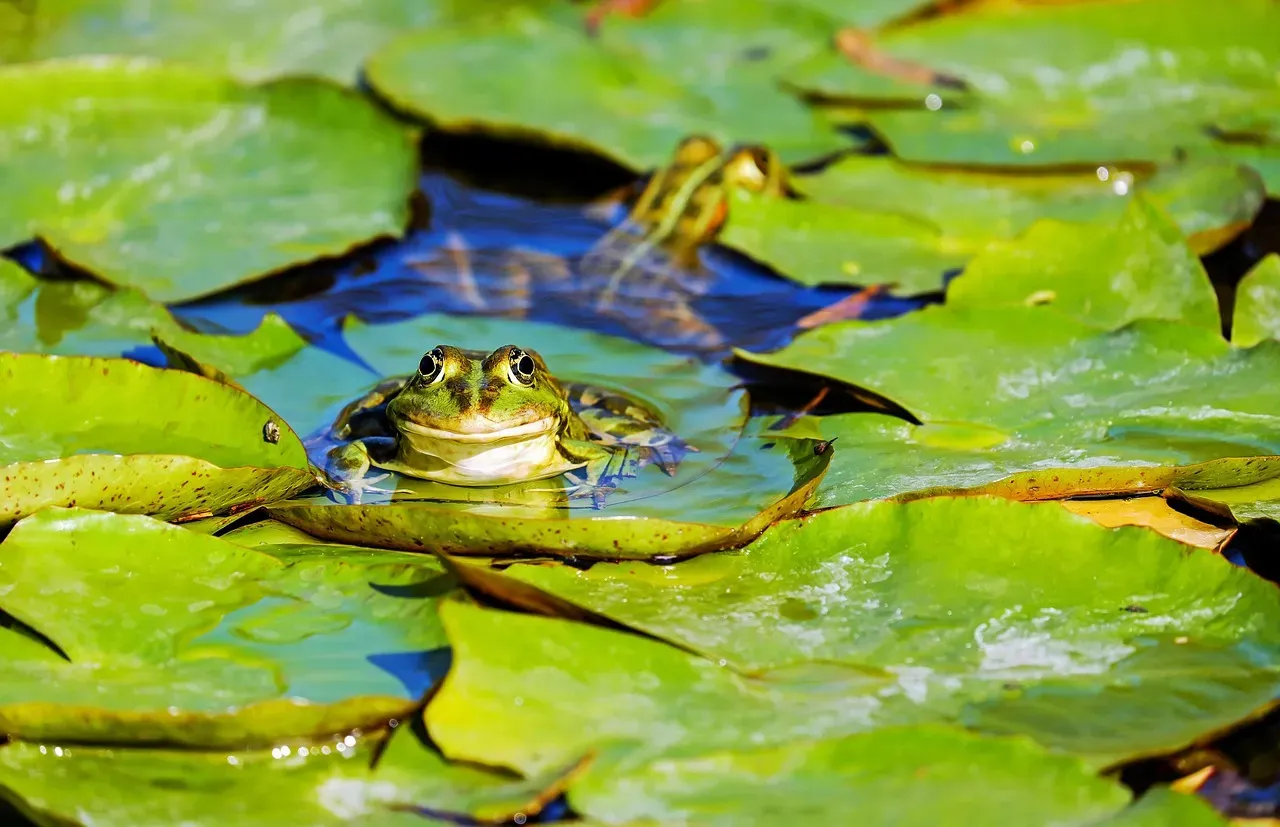
What if your body turned to ice, heart stopped, yet you thawed alive? Wood frogs in North America freeze solid each winter, with ice filling 65 percent of their body.[6]
They produce glucose as natural antifreeze, protecting cells from crystal damage. Breathing halts, blood vitrifies, but they revive in spring. Temperatures drop to minus 16 degrees Celsius without harm.
It’s like hitting pause on life. No other vertebrate pulls this off so dramatically. Let’s be real, it’s straight out of sci-fi.
Antarctic Icefish: Transparent Blood Survivors
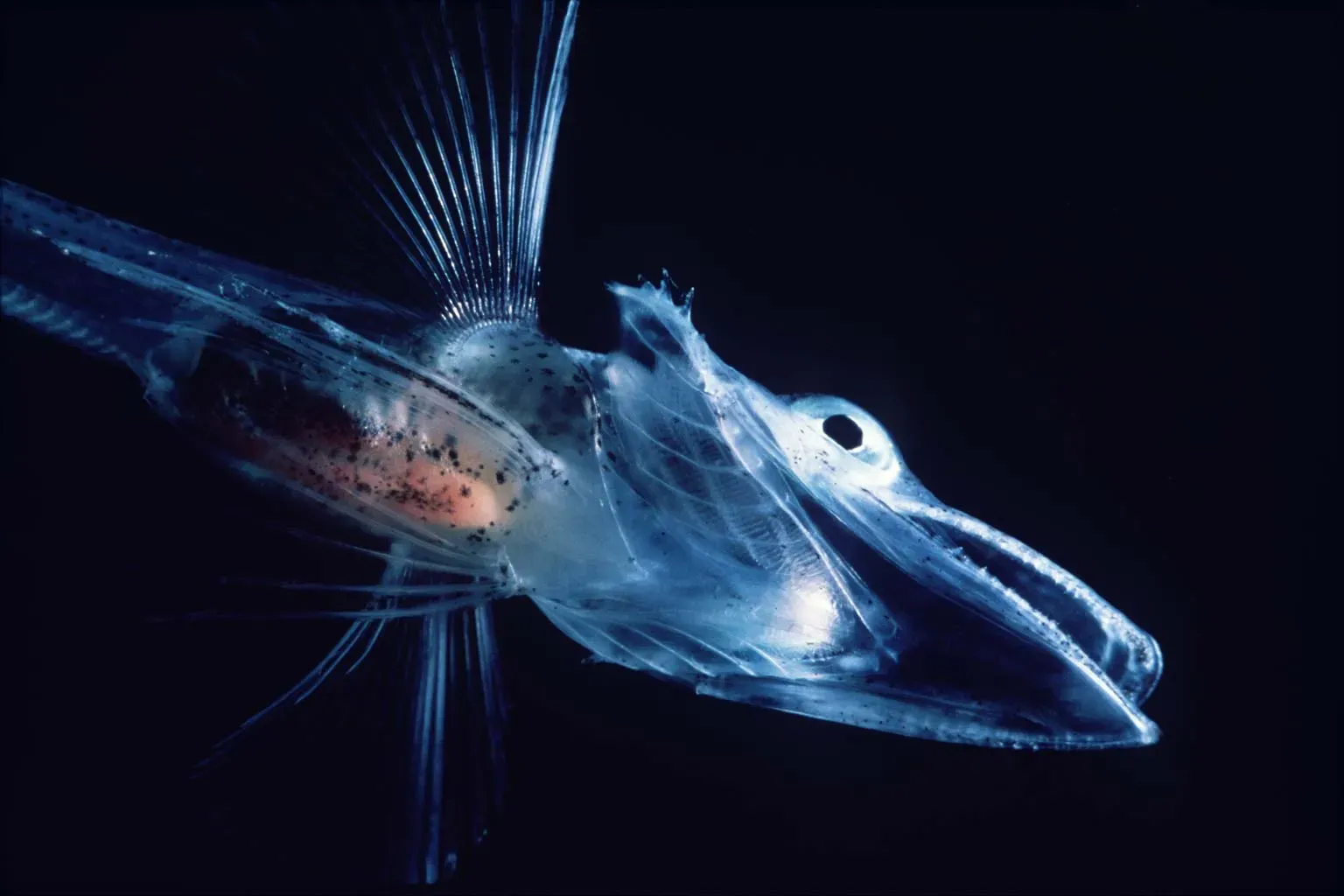
Blood without red cells? Icefish in Southern Ocean waters near minus 2 degrees Celsius have clear, hemoglobin-free blood.[7] Antifreeze glycoproteins keep it liquid in icy seas.
Large hearts pump this thin blood efficiently, absorbing max oxygen from frigid water. They thrive where others freeze solid. Evolution ditched hemoglobin for this extreme cold adaptation.
Scales reduce drag in currents. Their slow metabolism suits the perpetual chill. Remarkable how they turned a weakness into strength.
Sahara Desert Ants: Scorching Sand Navigators
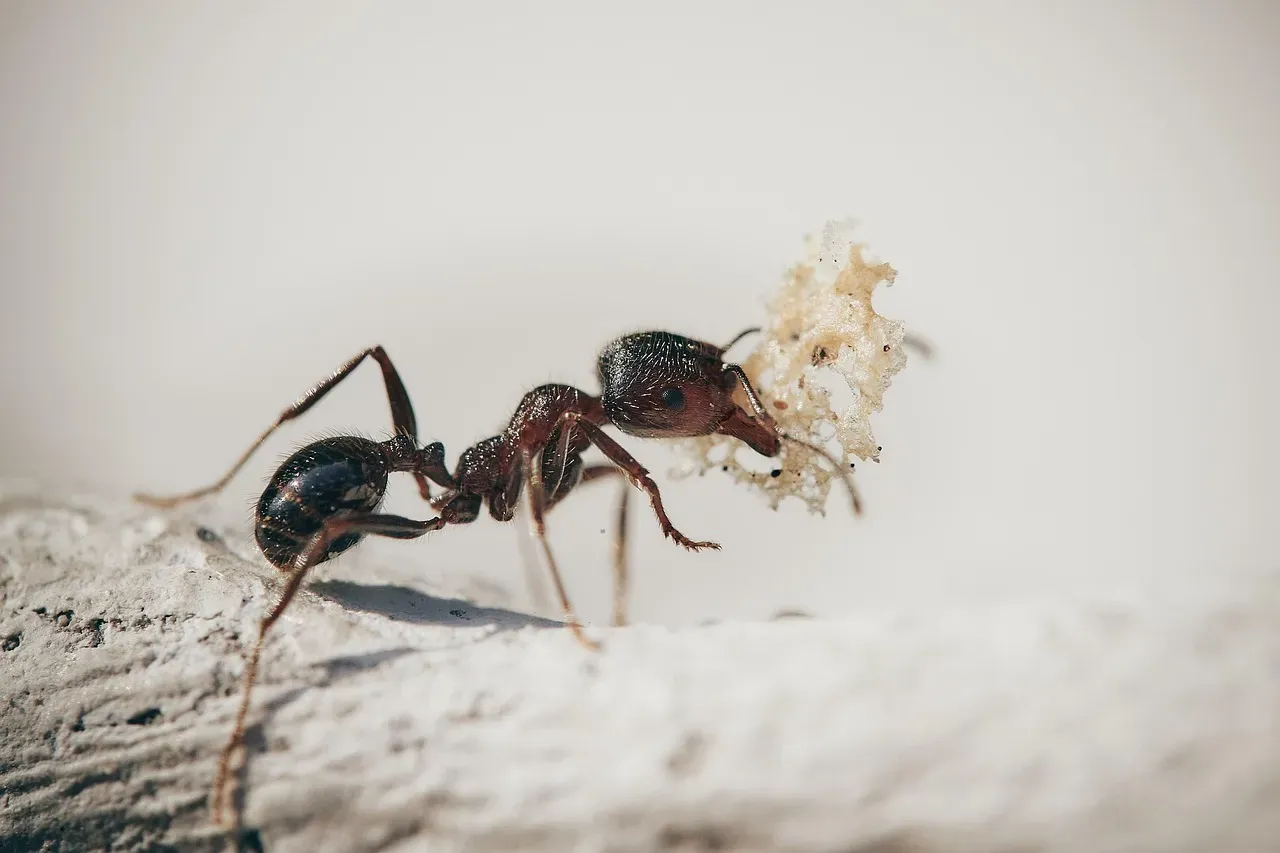
Surviving 70 degrees Celsius surface temps? Sahara silver ants dash across hot dunes at noon, when rivals hide.[6] Silver hairs reflect sunlight and vent heat like a spacesuit.
They forage in 15-second bursts, feet toughened against burns. Long legs lift bodies above searing sand. Back home, they cool by fanning wings.
These ants beat the desert’s brutal peak heat. Speed and smarts make them unbeatable. Nature’s little engineers at work.
Lessons from Nature’s Tough Guys
These animals show life’s incredible adaptability. From micro to macro, they conquer extremes that doom us. Studying them could unlock biotech breakthroughs, like better preservation or radiation shields.
Next time you complain about weather, think of a tardigrade chilling in space. What extreme would you survive? Share in the comments.
