


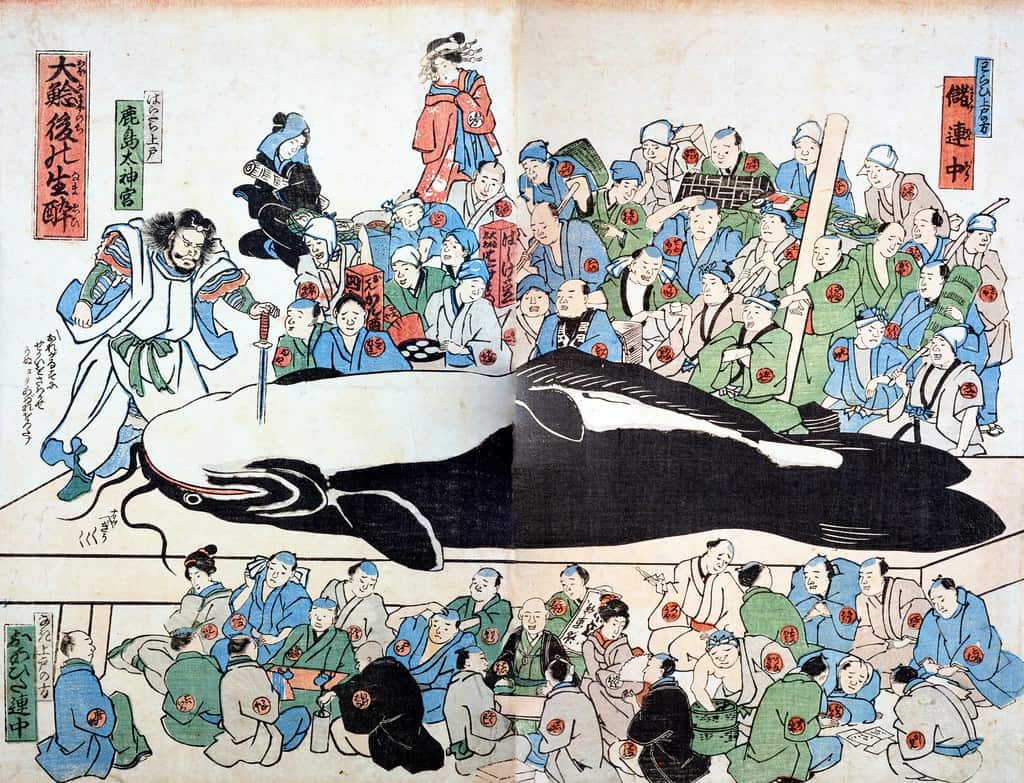
In the rich tapestry of Japanese mythology and folklore, few creatures are as peculiar yet significant as Namazu (鯰), the giant catfish believed to cause earthquakes. This mythological entity has deep roots in Japanese culture, dating back to at least the Edo period (1603-1868). According to traditional belief, Namazu dwells beneath the islands of Japan, typically restrained by the Kashima deity who uses a giant stone called kaname-ishi (要石) to keep the massive fish in check.
The legend holds that when Kashima becomes distracted or neglects his duty, Namazu thrashes about, causing the earth to shake violently. This supernatural explanation for seismic activity reflects pre-scientific attempts to make sense of Japan’s frequent earthquakes, a natural consequence of the country’s position along the Pacific Ring of Fire. Over centuries, the Namazu legend evolved from a simple explanatory myth to a complex cultural symbol that appears in art, literature, and social commentary.
Geological Reality Behind the Myth

Japan’s geographical location makes it particularly vulnerable to seismic activity. Situated at the convergence of four major tectonic plates—the Pacific, Philippine, Eurasian, and North American plates—Japan experiences approximately 1,500 earthquakes each year. This geological reality provided fertile ground for the Namazu myth to take root and flourish. Before modern scientific understanding of plate tectonics, the unpredictable and destructive nature of earthquakes demanded explanation, and the thrashing catfish offered a compelling narrative.
The concept of a giant underground creature causing earthquakes isn’t unique to Japan—similar myths exist across cultures, from the giant turtle in Chinese mythology to the world serpent Jörmungandr in Norse legends. However, Namazu stands out for its endurance in cultural consciousness and its evolution alongside Japanese society’s understanding of natural disasters. Even as scientific knowledge advanced, Namazu remained a powerful cultural symbol, representing the unpredictable forces of nature that humans struggle to control.
Namazu in Visual Arts and Iconography

During the Edo period, particularly following the Great Ansei Earthquake of 1855 that devastated Edo (modern Tokyo), Namazu imagery flourished in popular woodblock prints known as “namazu-e” (catfish pictures). These prints depicted the giant catfish in various scenarios—being subdued by the Kashima deity, wreaking havoc on buildings, or even as an agent of wealth redistribution. Artists portrayed Namazu with human-like features, often wearing a mischievous expression that reflected its dualistic nature as both destroyer and renewer.
These namazu-e weren’t merely artistic expressions but served multiple social functions. They helped people process trauma through humor, provided supernatural explanations for natural disasters, and sometimes subtly criticized the ruling class. The prints often showed Namazu being punished by angry citizens or deities, reflecting the public’s desire for control over the unpredictable forces that disrupted their lives. Today, these prints provide valuable insights into Edo-period social attitudes toward natural disasters and the psychological coping mechanisms employed by communities facing frequent seismic threats.
The Dual Nature of Namazu: Destroyer and Benefactor
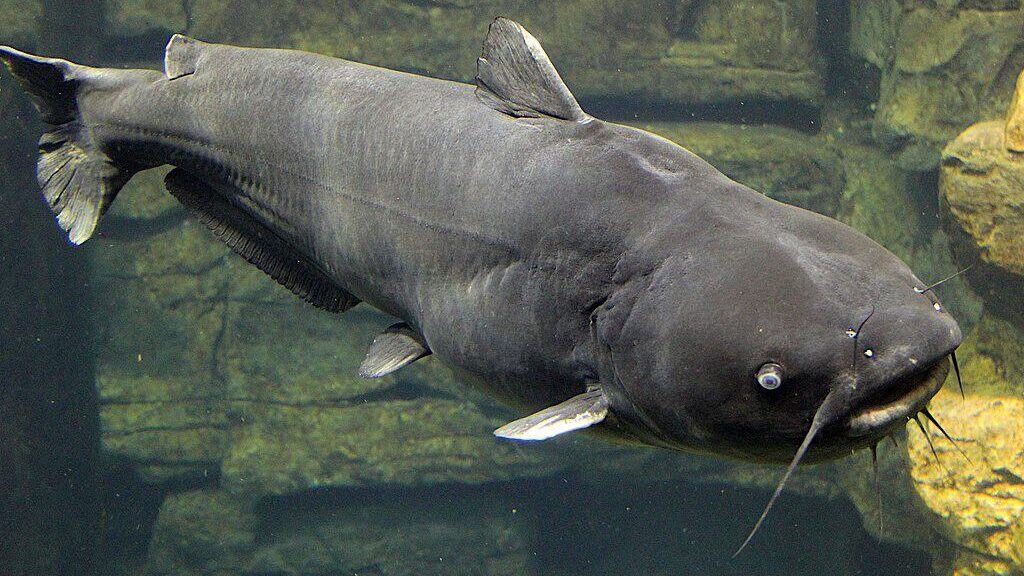
Intriguingly, Namazu was not viewed solely as a destructive force in Japanese folklore. The catfish possessed a complex dual nature that evolved over time. While its thrashing caused devastating earthquakes, Namazu was also considered a yonaoshi (world rectifier) who brought about necessary social and economic change. This perspective emerged strongly after the 1855 Ansei Earthquake, when some namazu-e depicted the catfish forcing wealthy merchants to disgorge money to the poor, essentially redistributing wealth in society.
This positive interpretation stemmed from the economic reality that followed major earthquakes—the destruction necessitated rebuilding, which created jobs for carpenters, plasterers, and other construction workers. The disaster that ruined some brought unexpected prosperity to others. Consequently, Namazu became a symbol of economic renewal and social justice, punishing the greedy and helping the downtrodden. This ambivalent characterization reflects the Japanese cultural tendency to recognize the interdependence of creation and destruction, prosperity and hardship—a worldview influenced by Buddhist concepts of impermanence.
Kashima and the Restraining Stone
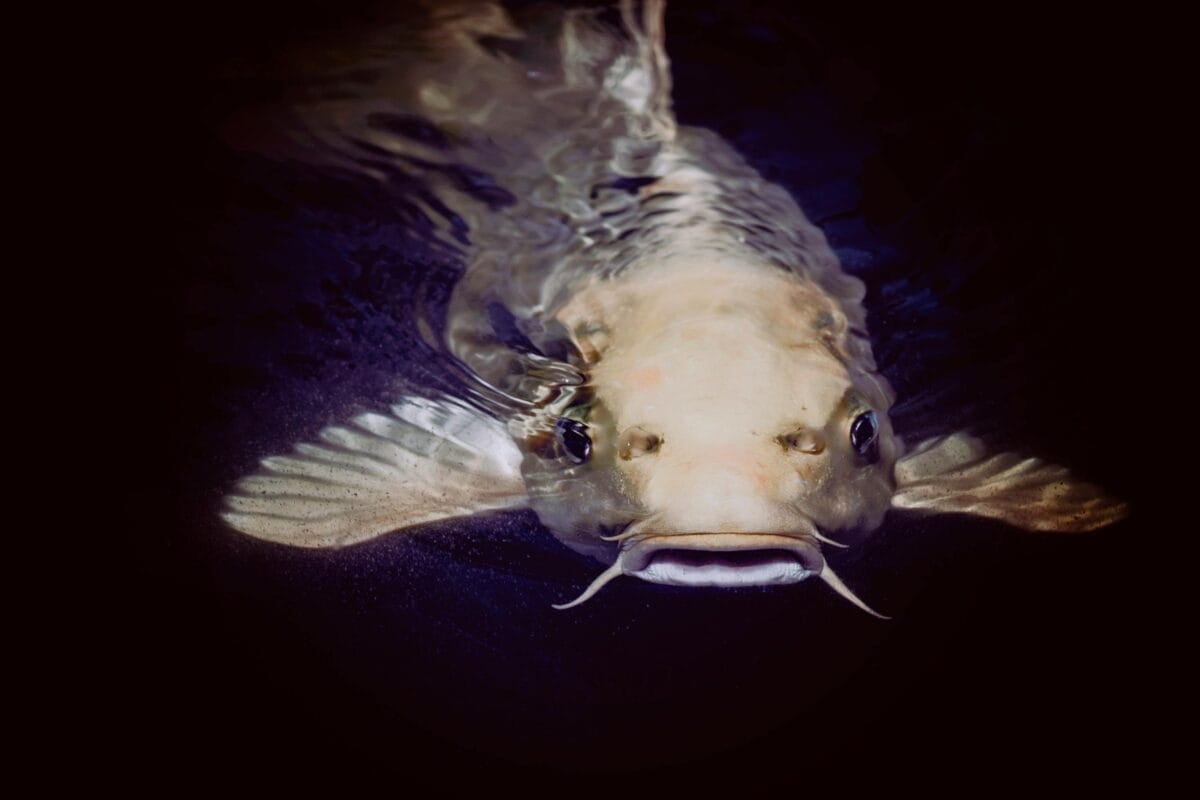
Central to the Namazu legend is Kashima, one of the most important Shinto deities in Japanese mythology. Kashima Daimyōjin (鹿島大明神) is associated with martial prowess and is the guardian deity of the Kashima Shrine in present-day Ibaraki Prefecture. According to the myth, Kashima uses a special foundation stone called kaname-ishi to pin down Namazu’s head, preventing the catfish from moving freely and causing earthquakes. This mythological explanation provided comfort to people living in earthquake-prone regions, suggesting that divine forces were working to protect them.
The actual kaname-ishi can still be seen today at Kashima Shrine, where it emerges slightly from the ground—most of the sacred stone remains buried, symbolizing its function as a foundation stone that stabilizes the earth. When earthquakes occurred, people believed that Kashima had temporarily left his post or loosened his grip on the stone. During the Edo period, worshippers would visit Kashima Shrine to pray for protection from earthquakes, demonstrating how deeply this myth was integrated into religious practice. The relationship between Kashima and Namazu represents the eternal struggle between order and chaos, with human settlements caught in the balance.
The Great Ansei Earthquake and Namazu’s Cultural Peak
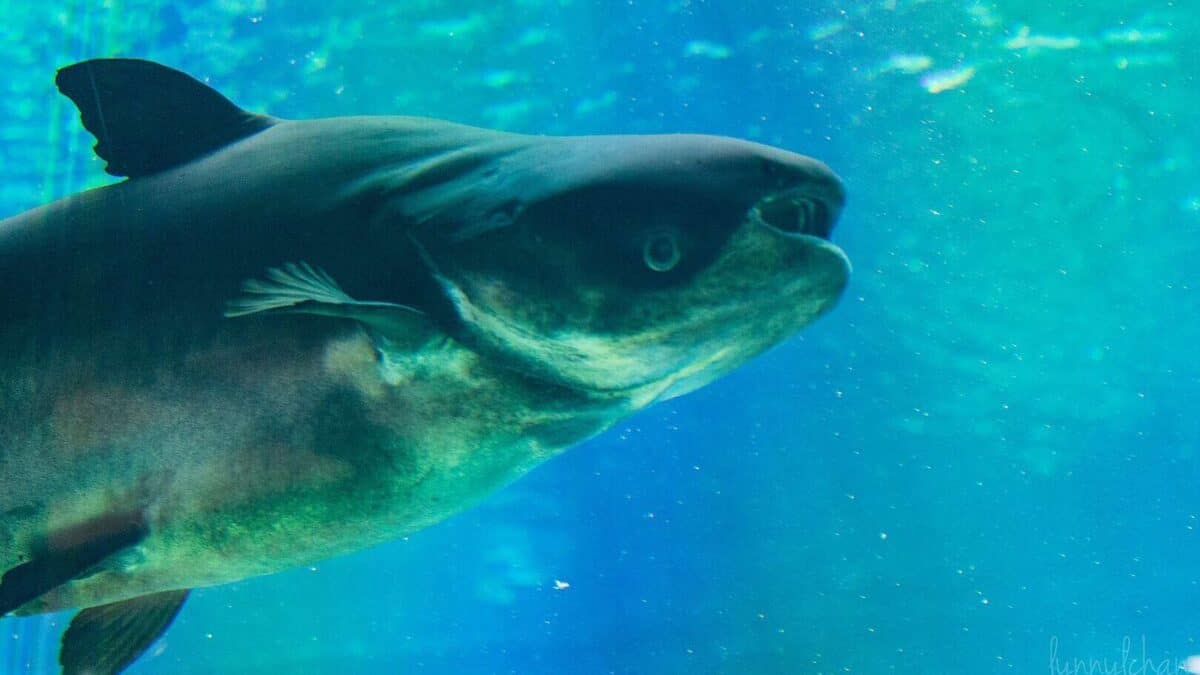
The Ansei Earthquake of 1855, which struck the Edo (Tokyo) region with devastating force, marked a pivotal moment in Namazu folklore. This catastrophic event, estimated at around magnitude 7.0, destroyed much of the city and claimed thousands of lives. In the aftermath, namazu-e prints proliferated at an unprecedented rate, with over 400 different designs produced within weeks of the disaster. These prints captured the public’s complex emotional response—fear, anger, humor, and even hope for positive social change emerging from the destruction.
The earthquake occurred during a period of social and political instability, as Japan faced pressure from Western powers to open its borders after centuries of isolation. Many interpreted the disaster as divine punishment for moral corruption or as a harbinger of greater changes to come. Namazu imagery reflected these anxieties, with some prints showing the catfish dressed as a foreigner or surrounded by symbols of Western influence. The 1855 earthquake thus transformed Namazu from a relatively obscure mythological figure into a powerful cultural symbol that embodied Japan’s uncertain transition into the modern era.
Scientific Interpretation and Catfish Behavior

While the Namazu legend might seem purely fanciful to modern readers, there’s an intriguing scientific dimension to the myth. Actual catfish (particularly the species native to Japan) exhibit unusual behavior before earthquakes, becoming noticeably more active. This phenomenon was observed empirically by Japanese people for centuries before modern science could explain it. Research has shown that catfish are sensitive to changes in electrical currents in water and subtle variations in the Earth’s electromagnetic field that can precede seismic activity.
Some scientists theorize that before an earthquake, released charged particles affect groundwater, which catfish can detect. This heightened sensitivity makes catfish potential biological earthquake predictors. Historical records from the Edo period mention unusual catfish behavior before major earthquakes, suggesting that the mythological association wasn’t entirely arbitrary. The folk belief in Namazu thus contains a kernel of scientific truth, demonstrating how careful observation of nature sometimes leads to insights that anticipate scientific discovery, even when those insights are embedded in supernatural explanations.
Namazu in Modern Japanese Culture

Though modern Japan has embraced scientific explanations for earthquakes, Namazu remains a significant cultural symbol. The Japan Meteorological Agency uses a cartoon catfish as a mascot for earthquake preparedness programs, and stylized Namazu images appear on hazard maps and emergency information materials. This modern incarnation serves an educational purpose, transforming an ancient fear into a friendly reminder about earthquake safety. Some emergency management centers in Japan are even nicknamed “Namazu Centers,” showing how deeply this mythological figure is woven into contemporary disaster response.
Beyond official usage, Namazu appears in popular culture through anime, manga, video games, and merchandise. The character is often reimagined as a guardian rather than a destroyer, warning people of impending disasters. This transformation reflects how Japanese society has maintained cultural continuity while adapting traditional symbols to contemporary contexts. Rather than discarding Namazu as a superstitious relic, modern Japan has repurposed the earthquake catfish as an educational tool and cultural touchstone that connects present-day disaster management to traditional knowledge systems.
Regional Variations of the Earthquake Catfish

While the Namazu legend is often discussed as a unified myth, regional variations existed across Japan, reflecting local geological conditions and cultural practices. In some areas, particularly around the Kanto plain, Namazu was depicted as a single giant catfish. However, in other regions such as parts of Kyushu and Tohoku, the earth was said to be supported by multiple catfish, each responsible for different types of earthquakes or different geographical areas. These regional differences highlight how communities adapted the core myth to explain their specific experiences with seismic activity.
In addition to variations in Namazu itself, different regions featured alternate deities responsible for controlling the catfish. While Kashima is the most famous catfish-restrainer, in some areas this role was attributed to other local deities. The physical manifestation of the restraining mechanism also varied—beyond the kaname-ishi stone, some versions mentioned special swords, ropes, or other divine implements used to subdue the creature. These regional adaptations demonstrate how the Namazu myth functioned as a flexible template that could be customized to integrate with local religious practices and provide explanations for particular patterns of seismic activity experienced in different parts of Japan.
Comparative Mythology: Earthquake Creatures Worldwide
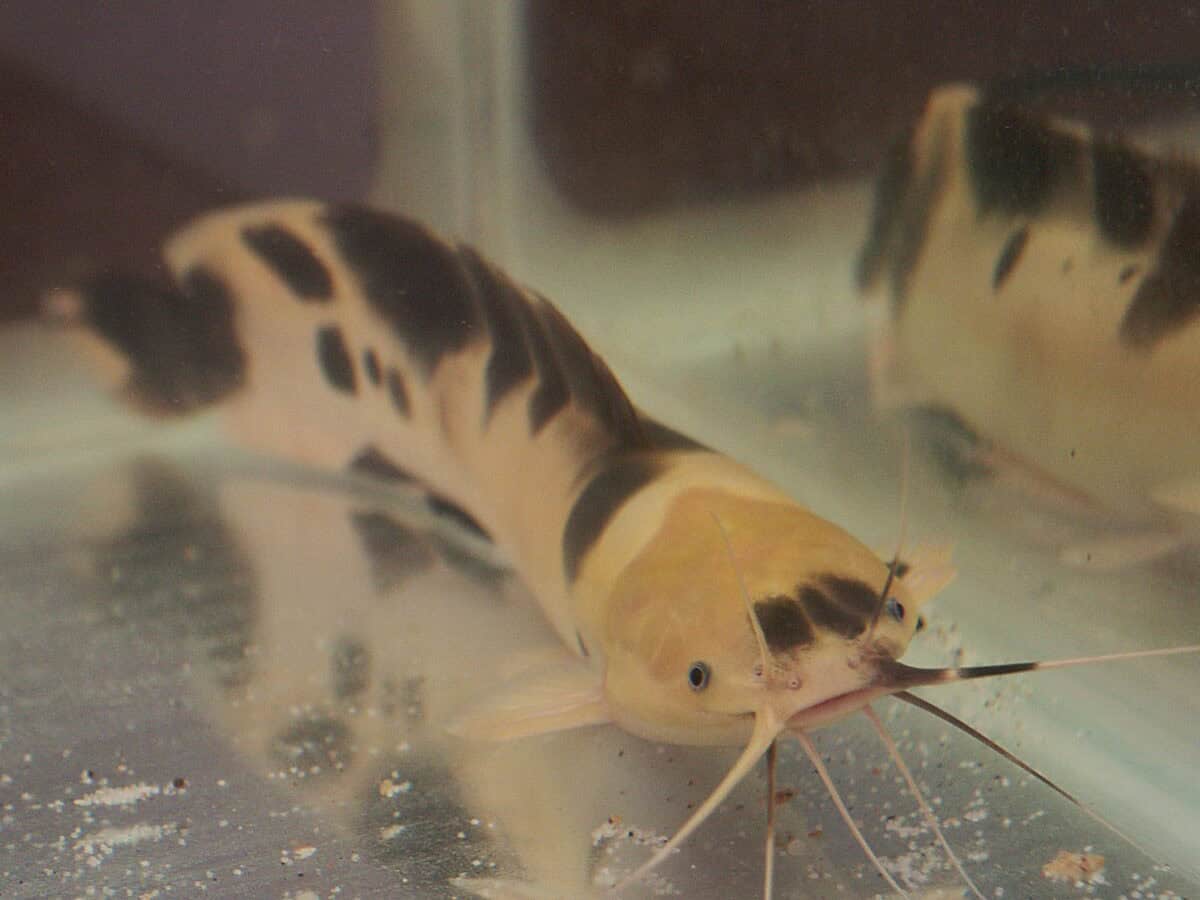
Japan’s Namazu is part of a global pattern of mythological creatures blamed for earthquakes. Across cultures, people developed similar explanations for seismic events, typically involving large creatures moving beneath the earth. In North America, some indigenous traditions attribute earthquakes to the movement of a giant turtle carrying the world on its back. Hindu mythology features Vasuki, a cosmic serpent associated with earthquakes, while ancient Mongolian legends blame a giant frog. In Norse mythology, earthquakes occur when the bound god Loki writhes in pain as venom drips onto his face.
These parallels suggest a universal human tendency to anthropomorphize natural phenomena, particularly those that are frightening and unpredictable. By attributing earthquakes to living creatures with motivations and behaviors that humans could comprehend, these myths made the terrifying experience of the ground shaking more psychologically manageable. What distinguishes Namazu from many other earthquake creatures is its moral ambiguity and its evolution into a complex cultural symbol that transcended its original explanatory function. While most earthquake creatures remained purely destructive forces in their respective mythologies, Namazu developed a redemptive dimension that reflects Japan’s nuanced approach to natural disasters as both destructive and regenerative events.
Namazu and Earthquake Prediction in Pre-Modern Japan

Before modern seismology, the Namazu myth informed rudimentary earthquake prediction systems in Japan. Officials and common people alike would observe potential warning signs that Kashima might be neglecting his duties, thereby allowing Namazu to move. These included unusual weather patterns, strange animal behavior (particularly among actual catfish in ponds), and astronomical events like comets or eclipses. During certain festival periods when deities were believed to leave their shrines temporarily, people would be especially vigilant about earthquake risks, believing Kashima might be away from his post guarding the kaname-ishi.
Some Edo-period documents record attempts at systematic earthquake prediction based on seasonal patterns and astronomical calendars, often incorporating Namazu beliefs into these systems. While lacking scientific validity by modern standards, these prediction efforts represented sophisticated attempts to identify patterns in seemingly random events. They also served a social function by giving people a sense of preparedness and agency in the face of unpredictable natural disasters. The Namazu myth thus not only explained earthquakes but provided a framework for anticipating them, demonstrating how pre-scientific societies developed complex systems for managing environmental risks through a combination of careful observation and mythological interpretation.
Legacy and Significance of the Earthquake Catfish
The enduring legacy of Namazu extends far beyond its role as a mythological explanation for earthquakes. As one of the most distinctive symbols in Japanese folklore, the earthquake catfish provides valuable insights into historical Japanese attitudes toward natural disasters, social hierarchy, and environmental change. The evolution of Namazu from a feared destroyer to a complex agent of social renewal reflects broader cultural patterns in how Japanese society has historically framed disasters—not merely as catastrophes but as opportunities for renewal and reformation, a perspective that continues to influence modern disaster management approaches in Japan.
Namazu also represents an important case study in how traditional knowledge systems interact with scientific understanding. Rather than being entirely displaced by modern seismology, elements of the Namazu tradition have been incorporated into contemporary earthquake awareness programs, demonstrating cultural continuity amid technological change. For folklorists, historians, and anthropologists, the earthquake catfish offers a fascinating window into the intersection of mythology, natural disaster, social criticism, and visual culture in Japanese history. The story of Namazu reminds us that myths are not simply primitive explanations eventually replaced by science, but complex cultural adaptations that help societies process traumatic experiences and maintain resilience in the face of recurring natural threats.

From exploring the marine wonders in the Azores and witnessing the vast savannas of Kenya, to delving deep into the rich biodiversity of South Africa and traversing iconic landscapes in Australia and the US like Yellowstone, Chris's experiences are vast.
With a penchant for diving alongside sharks, the ocean holds a special place in his heart.
Through his academic insights, he champions wildlife conservation, striving with 'Animals Around The Globe' to cultivate a profound connection between humans and animals, enhancing our mutual appreciation.
Connect with him at Feedback@animalsaroundtheglobe.com.
- Why Spiders Don’t Get Stuck in Their Own Webs - July 20, 2026
- What Scientists Found in a 10,000-Year-Old Beehive - July 20, 2026
- This Spider Builds Fake Decoys of Itself - July 20, 2026