

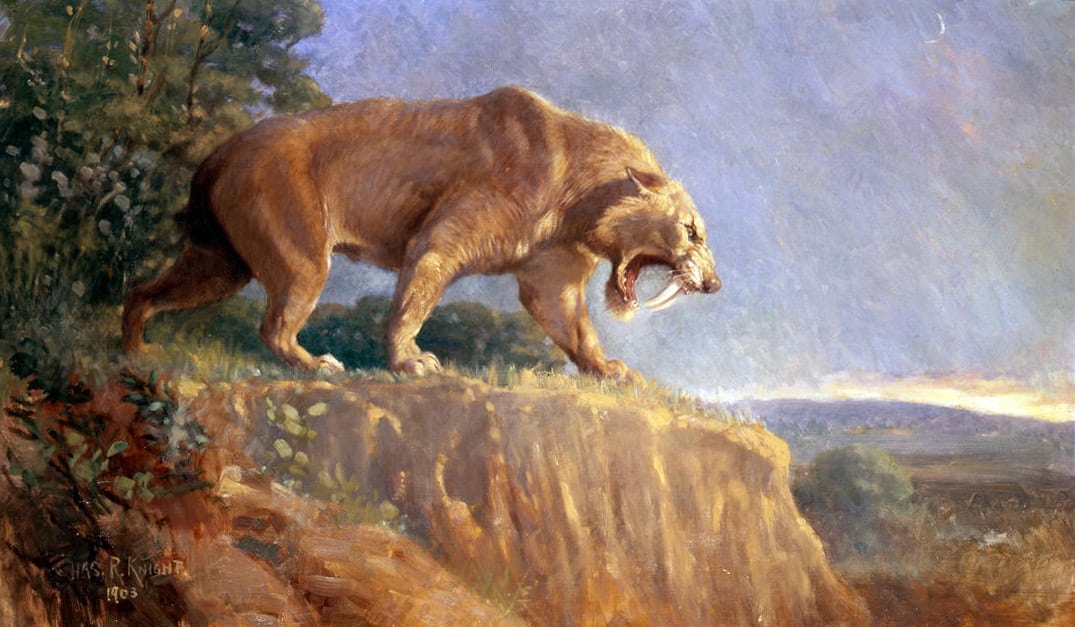
Exploring the annals of ancient history often reveals creatures that seem to leap out of our wildest imaginations. Among these, the prehistoric beasts found preserved in U.S. rocks offer a glimpse into an era dominated by terrifyingly grand and fearsome beings. From immense sea predators to ferocious land dwellers, these creatures capture the essence of timeless fear and fascination. Embark on a journey to discover the most terrifying prehistoric creatures that once roamed and ruled the lands of ancient America.
The Reigning Giants of the Prehistoric Seas
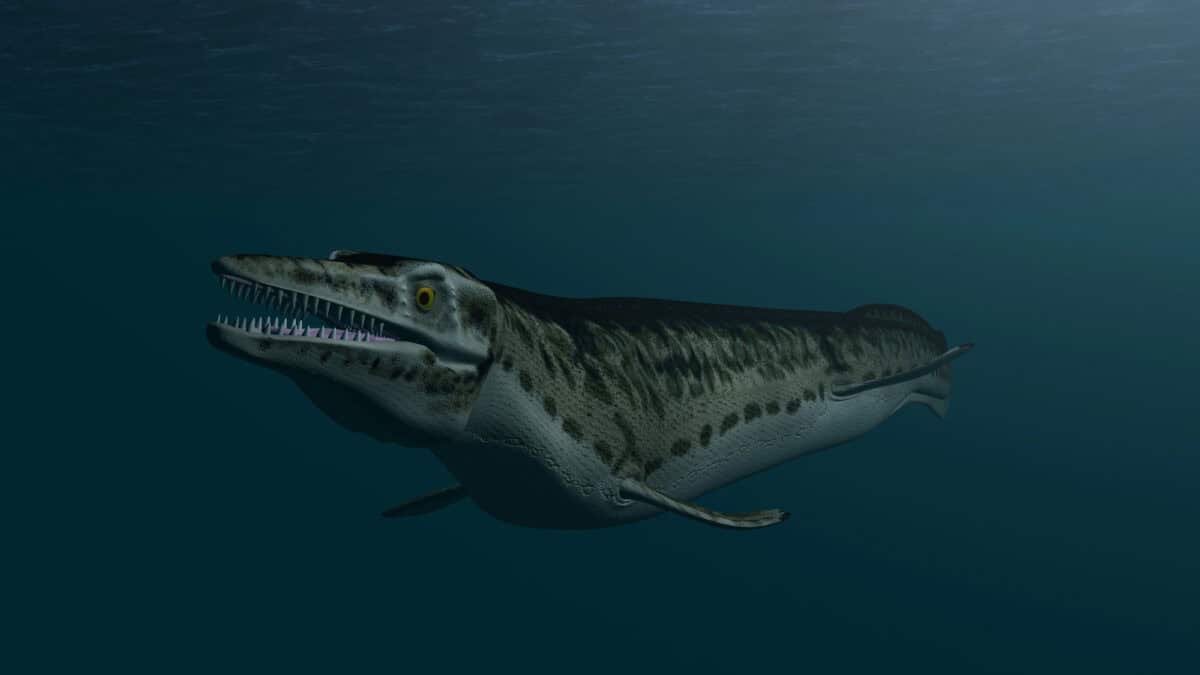
Among the vast expanse of ancient seas, it was the gigantic mosasaurus that held dominion. These behemoths could reach lengths of up to 50 feet, commanding the waters with their elongated, muscular bodies and strong, paddle-like limbs. Equipped with a double-hinged jaw and a fearsome set of teeth, Mosasaurus was the terror of the deep, preying on anything from fish to other marine reptiles.
Titanoboa: A Snake Like No Other
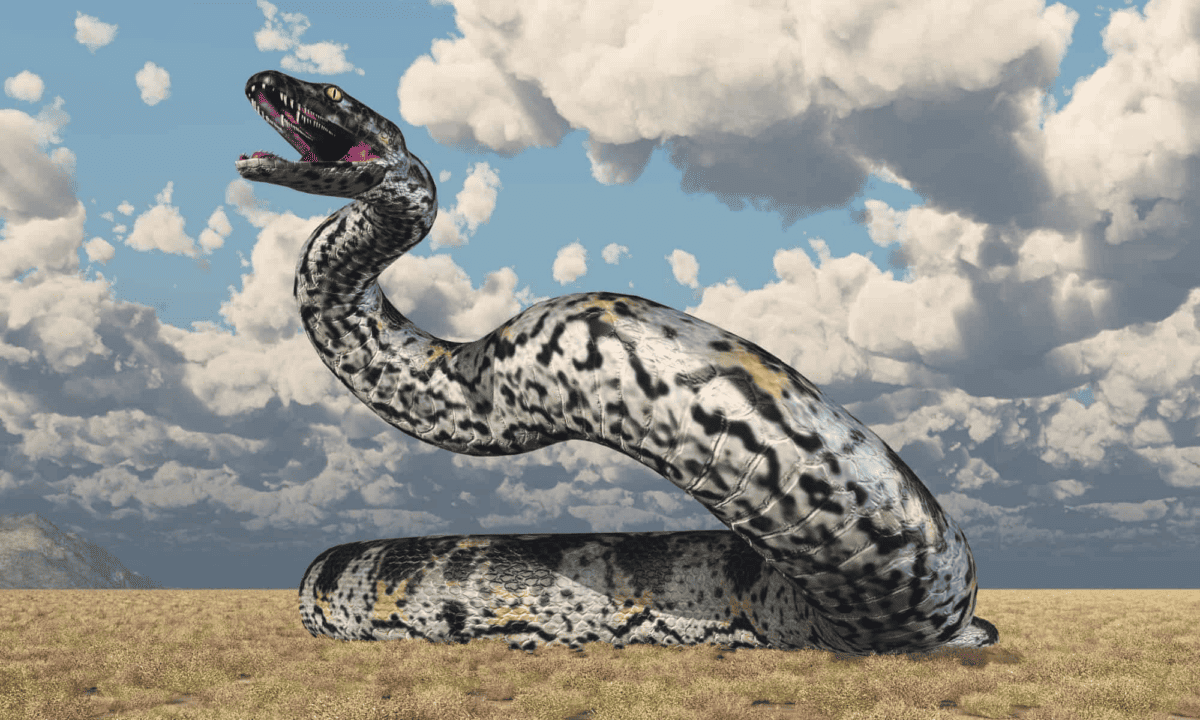
Deep in the tropical warm regions that now house parts of the United States, the world was home to Titanoboa—a snake so large that it defies comprehension. This serpent stretched over 40 feet long and weighed over a ton. Its ability to constrict and overpower large prey made it a force of nature, feeding on species best left untouched by smaller predators.
Unearthing the Fiercest Land Predator: Tyrannosaurus Rex

The Tyrannosaurus Rex, often dubbed the ‘king’ of the dinosaurs, roamed North America with impressive might. Towering at a height of nearly 20 feet with teeth as long as six inches, this creature’s powerful bite and sharp sensory abilities marked it as an apex predator. Despite its fearsome reputation, T. Rex may have also been a scavenger, utilizing its size to claim meals rather than purely hunt.
Quetzalcoatlus: The Sky’s Ultimate Predator
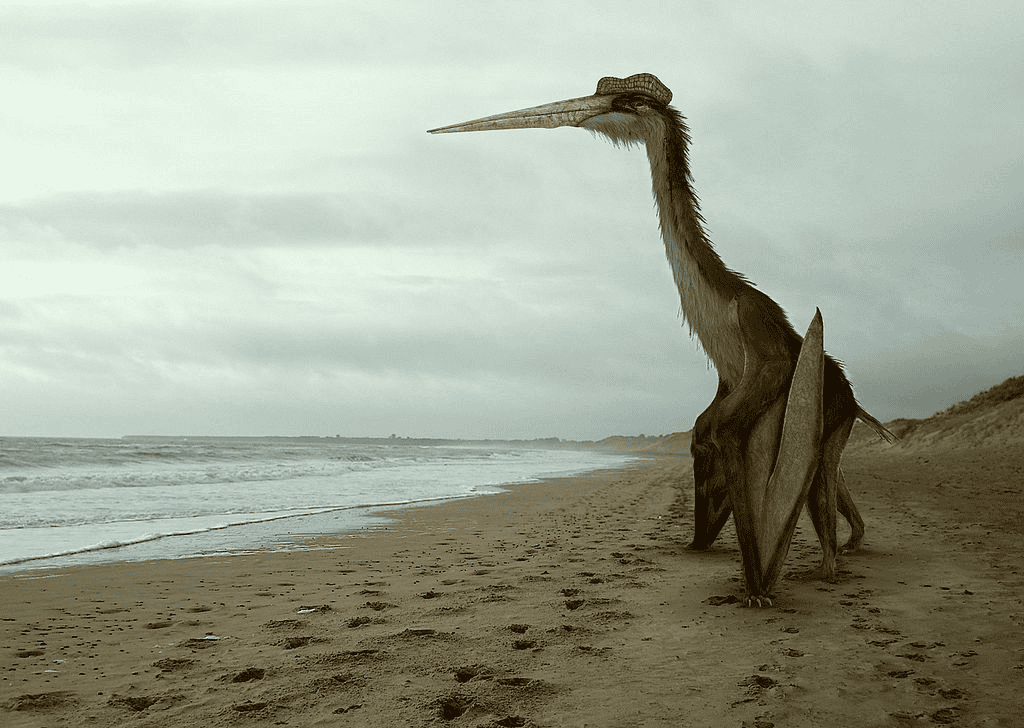
Soaring the skies above the primitive terrain, Quetzalcoatlus was the largest known flying animal of all time, with estimated wingspans reaching over 30 feet. As a member of the pterosaur family, this creature was not only formidable in size but also ingenious in its hunting strategies—likely using a combination of soaring for maximum efficiency and ambush tactics for capturing prey.
Megalodon: Ruler of Ancient Oceans

Earning the status as perhaps the most fear-inducing predator of the prehistoric oceans, Megalodon was an ancestor of the modern great white shark but at a much larger scale. With jaws able to exert immense pressure and serrated teeth as long as seven inches, Megalodon dominated the ancient seas, standing atop the marine food chain during its reign.
The Ghost of the Valley: American Lion
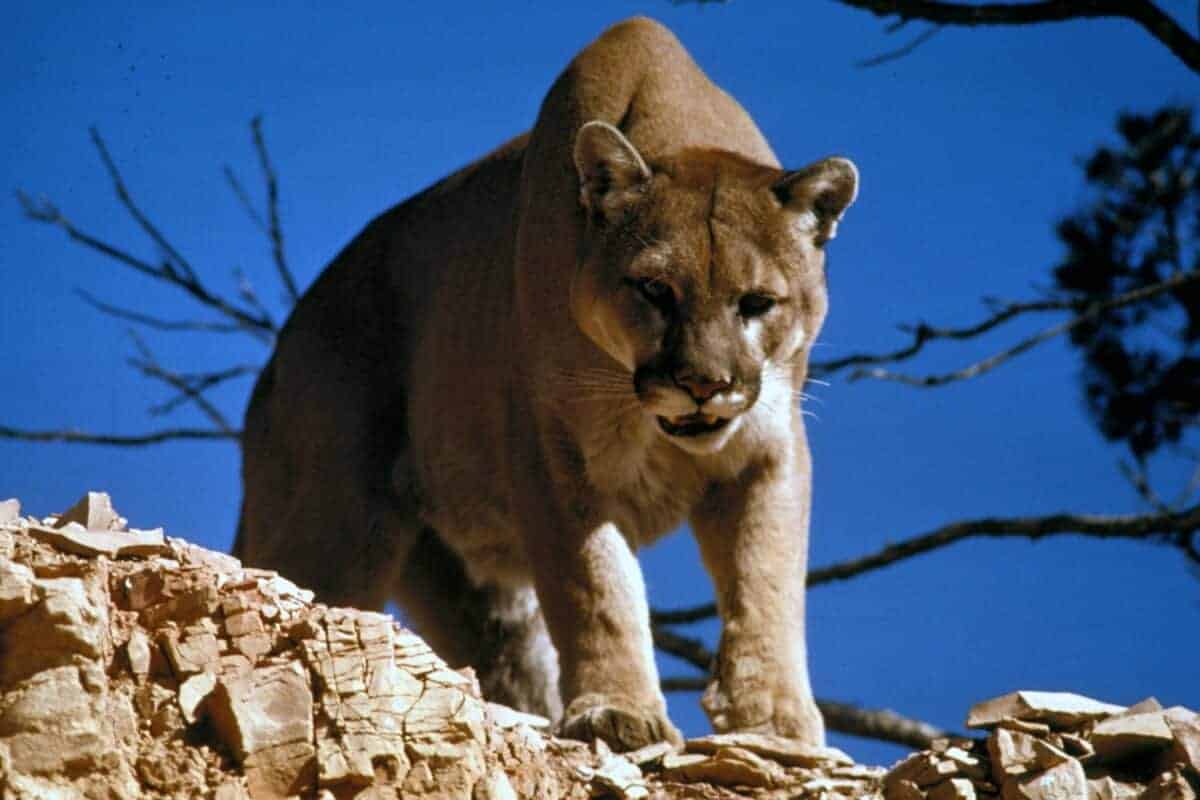
Larger than any modern-day big cat, the American lion roamed North American deserts and plains, leaving its mark as one of the most powerful ice age predators. It was skilled at ambushing prey, using its substantial size and strength to bring down large herbivores such as bison or young mammoths. This powerful creature vanished about 11,500 years ago, likely due to changing climates and human expansion.
The Saber-Toothed Predator: Smilodon
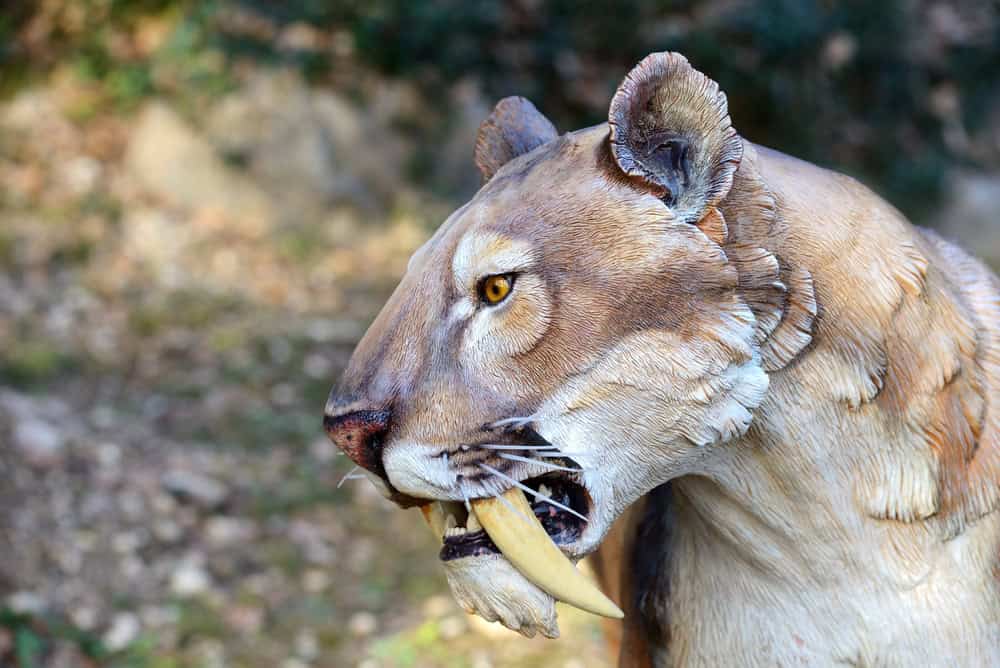
Beyond lions, Smilodon, better known as the saber-toothed cat, incorporated its iconic elongated canine teeth in its hunting arsenal. These fearsome felines were powerful ambush predators capable of tackling formidable prey. Their skeletal structure suggests exceptional power, enabling quick, powerful pounces that defined their predatory dominance.
Glyptodon: Armored Tanks of the Past

Resembling gigantic prehistoric armadillos, the Glyptodon were armored mammals that lived primarily in the warmer regions of present-day America. Well-protected by their domed shells reaching up to 10 feet in length, they originated as herbivores but were far from defenseless. These creatures wielded strong, spikey tails and held a robust defense against numerous predators.
Deinosuchus: The Terrible Crocodile
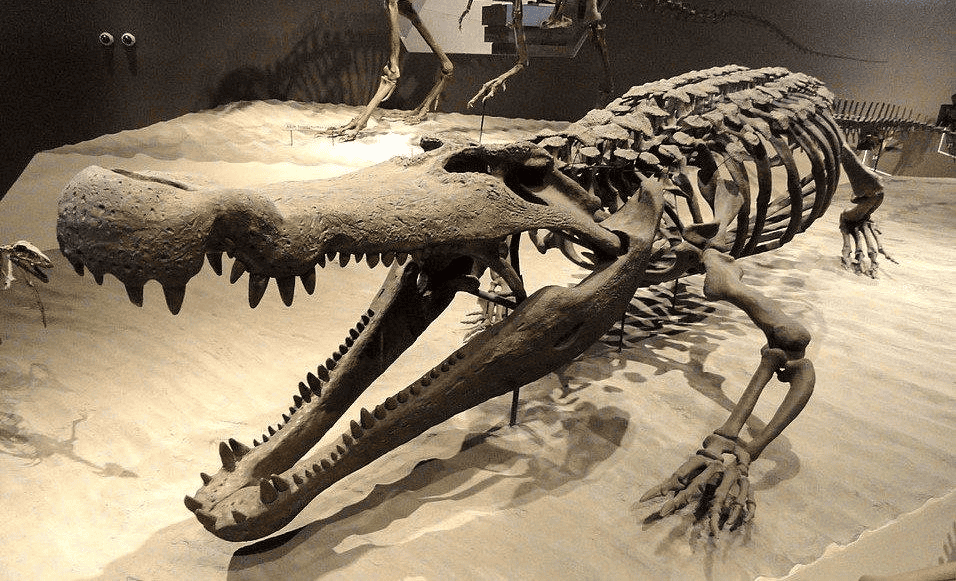
Deinosuchus, aptly named the “terrible crocodile,” was an ancient giant of the geographically dispersed crocodilian family. Its estimated length of up to 40 feet and strength in its jaws likened it to a fearsome predator of aquatic and land prey. This creature’s fossilized remains hint at a considerable variation of diet, likely ranging from large fish to potentially even dinosaurs.
Paleoloxodon: The Colossal Elephantine Ancestor
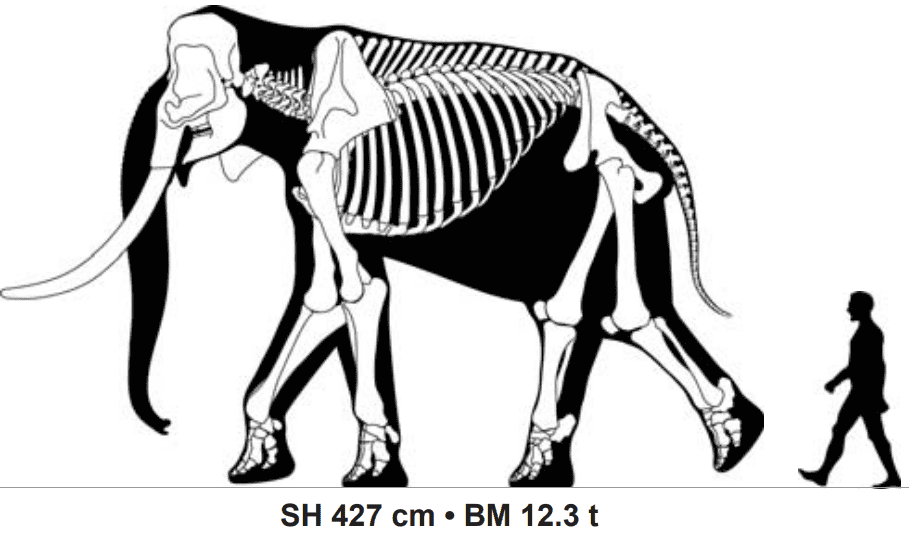
Paleoloxodon, ancestors of today’s elephants and known for massive proportions, spanned an impressive size with some species weighing up to 22 tons. These giants roamed parts of what is now North America, using their colossal strength and towering presence as a deterrent against potential predators.
Daeodon: The Fearsome Entelodont
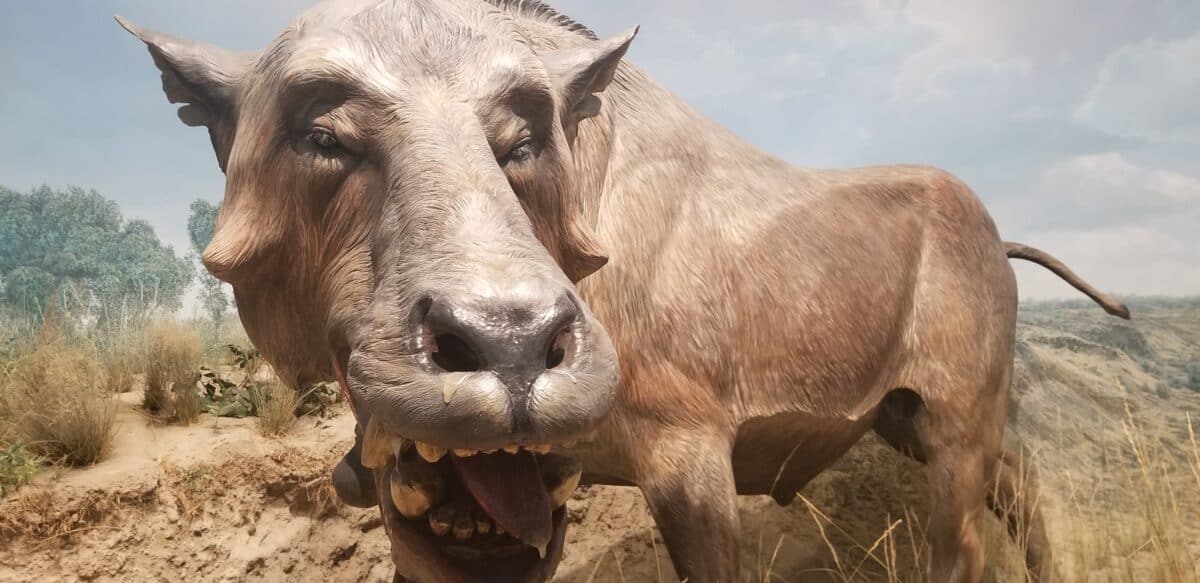
Daeodon, often referred to as a “hell pig” despite not being related to true pigs, was a fearsome omnivore with an appetite to match its size. Possessing strong jaws lined with sharp teeth, this massive animal, roughly the size of a rhinoceros, was known for voraciously scavenging or hunting across its prehistoric habitat.
The Mysterious Chalicotherium: A Beast Unlike Any Other
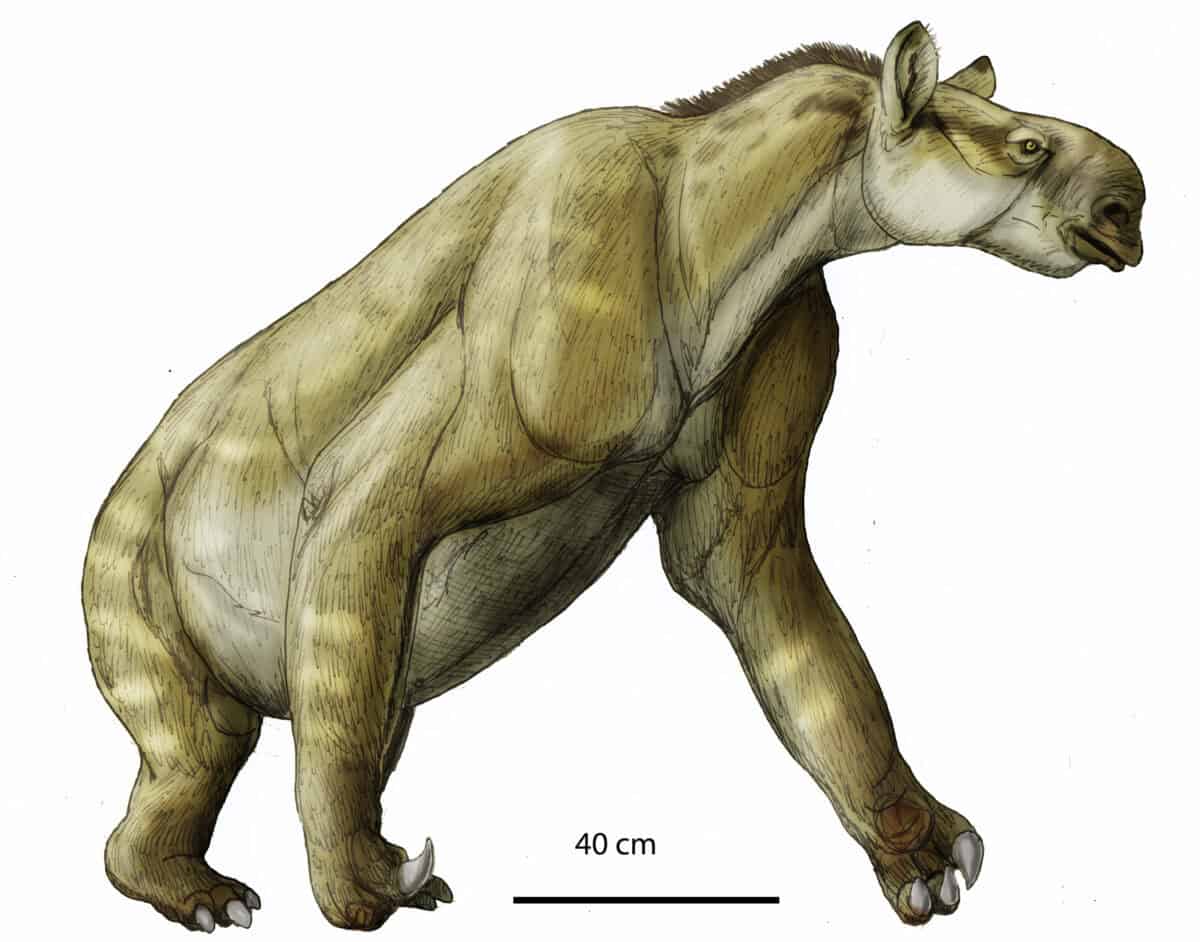
The Chalicotherium, an enigmatic relative of horses and rhinoceroses, roamed American landscapes with a peculiar sloth-like appearance. It wielded large claws and possibly implemented bipedal feeding behaviors, giving it a unique edge in its environment. Despite its daunting morphology, these creatures are believed to have primarily browsed for vegetation in the ancient eco-systems.
In conclusion, the terrifying prehistoric creatures of the United States forge a window into a world of awe, intrigue, and fantastic natural diversity. From sky-dominating flyers to ocean-based mega-predators, these ancient beasts showcase a time when nature crafted some of the most astonishing beings imaginable. Understanding these creatures allows us not only to appreciate the Earth’s rich past but also the extraordinary evolutionary tales that led to the modern world’s natural splendor.

- How Crickets Chirp Using Their Wings - July 20, 2026
- The Largest Sea Turtle Ever Rescued Off North Carolina - July 20, 2026
- The Ocean’s Escape Artist: Why Octopuses Outsmart Us All - July 20, 2026