
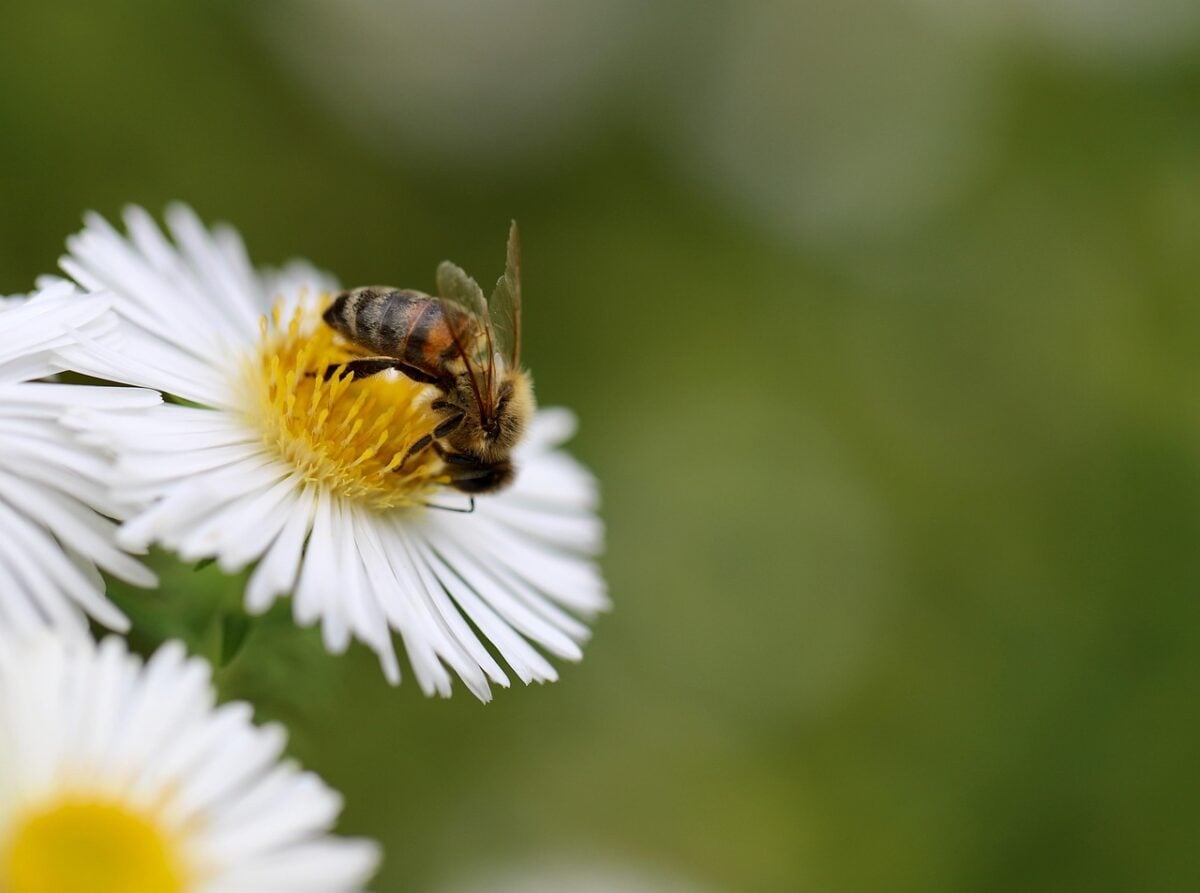
When we think of venomous creatures in North America, images of slithering snakes and lurking spiders often come to mind. However, the most lethal venomous animal on the continent is neither of these. It’s an insect that many of us encounter regularly during the warm summer months, often without a second thought. This unsuspecting killer is responsible for more human fatalities annually than any other venomous creature in the region.
The Unseen Threat: Hornets, Wasps, and Bees
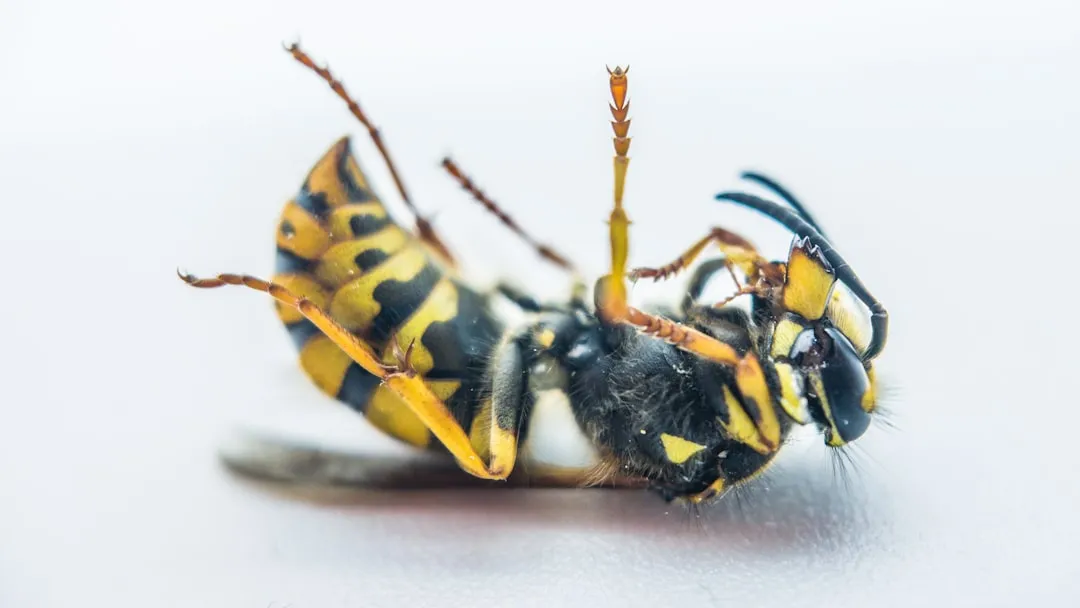
Collectively known as Hymenoptera, hornets, wasps, and bees are the deadliest venomous animals in North America. These insects are ubiquitous, buzzing through our gardens, parks, and even urban areas. While their stings are often dismissed as mere nuisances, they can be fatal, especially to those with allergies.
Each year, these stinging insects are responsible for approximately 60 human deaths in the United States. This figure surpasses fatalities caused by snakes, spiders, and scorpions combined. The primary cause of death is anaphylaxis – a severe allergic reaction that can lead to respiratory failure and cardiac arrest if not treated promptly.
Why Are They So Dangerous?
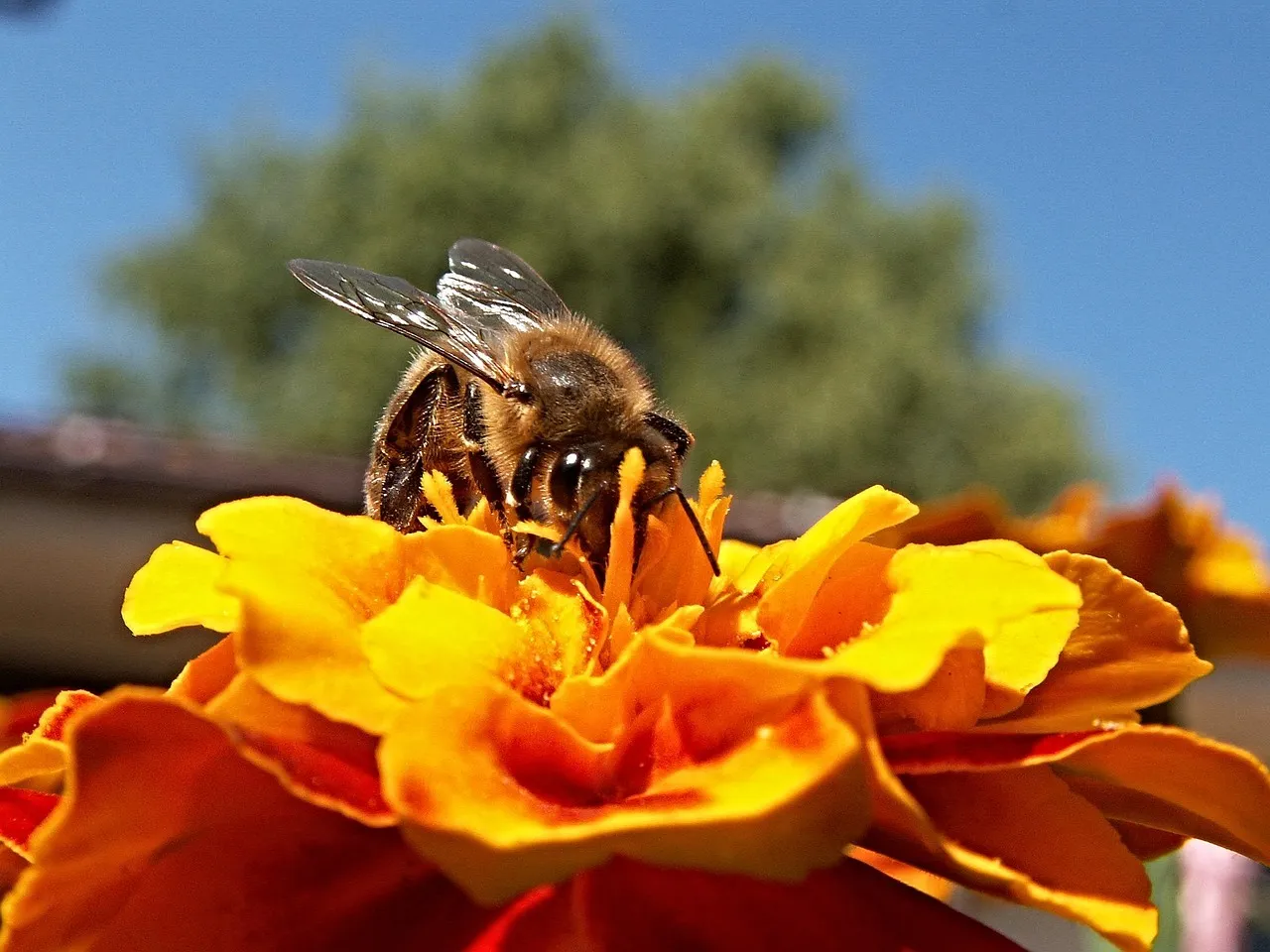
The potency of their venom isn’t the sole reason for their deadliness. It’s their sheer numbers and proximity to human habitats that make them particularly hazardous. Unlike snakes or spiders, which tend to avoid human interaction, these insects are often found in close quarters with people, increasing the likelihood of stings.
Moreover, certain species, like the aggressive Africanized honeybee, can attack in swarms, delivering multiple stings that can overwhelm the body’s defenses, even in individuals without known allergies. This aggressive behavior, combined with their widespread presence, elevates the risk they pose.
Recognizing the Risk
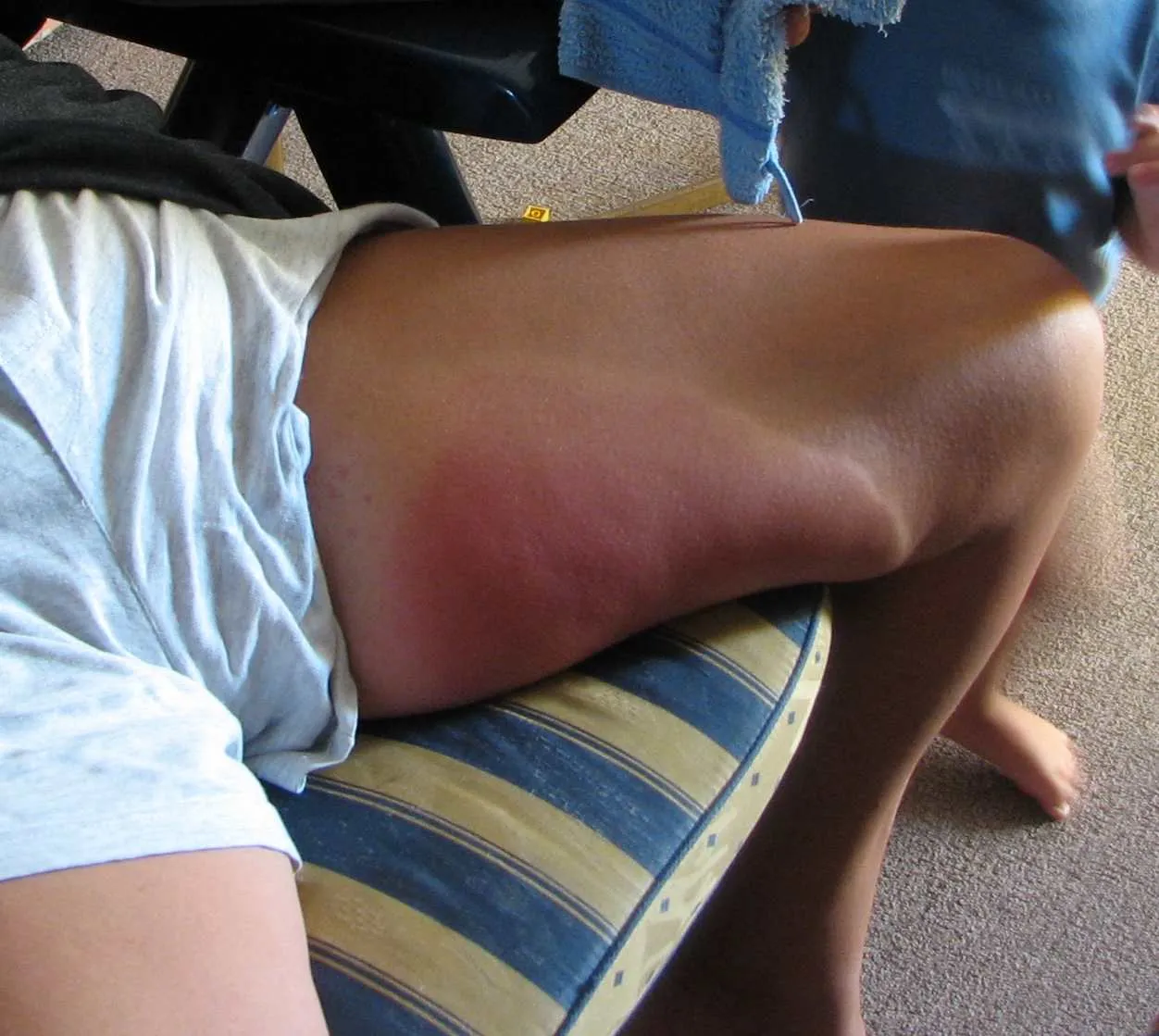
Many people underestimate the danger posed by these insects. A single sting can trigger a life-threatening reaction in sensitive individuals. Symptoms of anaphylaxis include difficulty breathing, swelling of the face and throat, rapid heartbeat, and a sudden drop in blood pressure. Immediate medical attention is crucial in such cases.
Even those without known allergies aren’t entirely safe. Multiple stings can lead to toxic reactions, causing symptoms like nausea, vomiting, diarrhea, headaches, and convulsions. In rare cases, these reactions can be fatal.
Preventive Measures
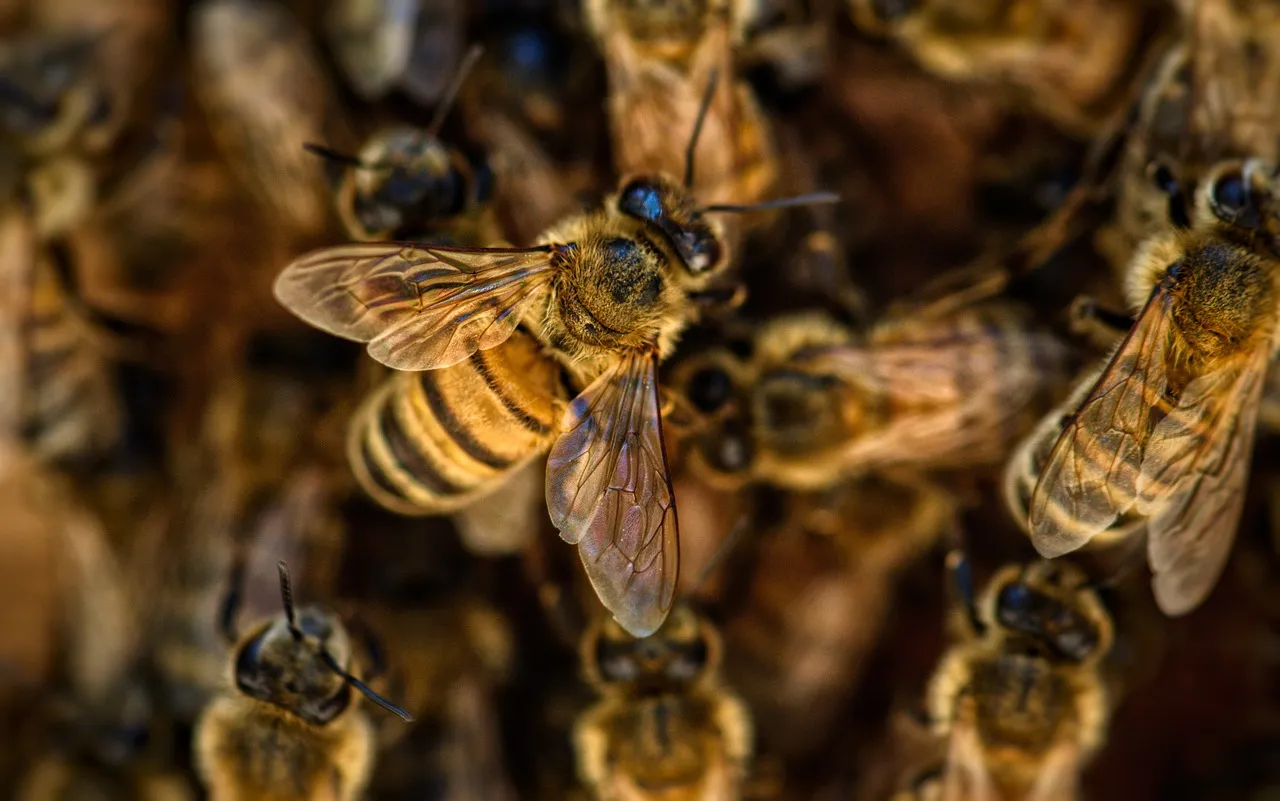
Awareness and caution are key to preventing stings. Avoid wearing bright colors and floral prints, as these can attract bees and wasps. Keep food and sugary drinks covered when outdoors, as they can lure these insects. Be cautious when walking barefoot in grassy areas, and always inspect areas like eaves, attics, and sheds for nests before disturbing them.
For those with known allergies, carrying an epinephrine auto-injector (EpiPen) is essential. Educating family and friends on its use can be life-saving in emergencies.
What to Do If Stung
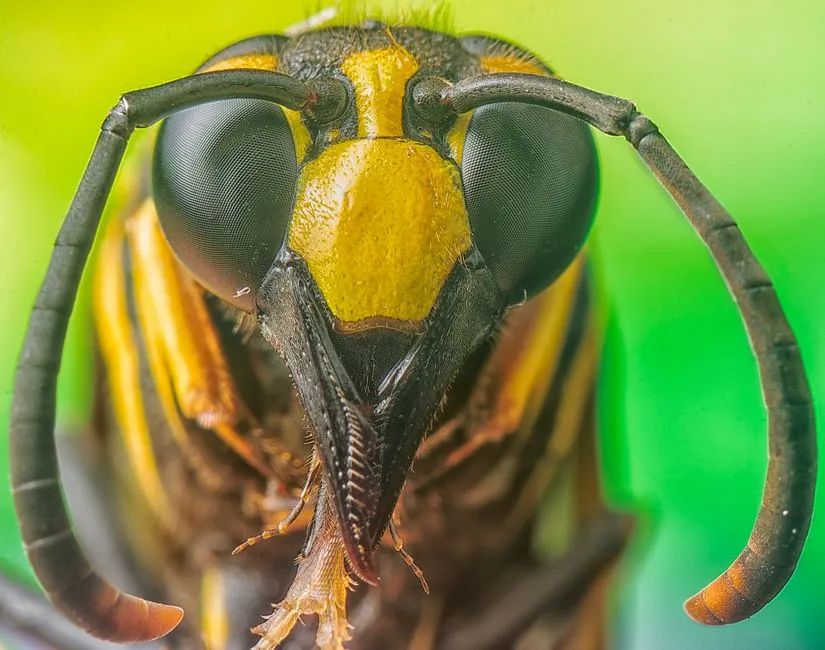
If stung, move away from the area to avoid attracting more insects. Remove the stinger promptly by scraping it out with a fingernail or a card; avoid using tweezers, as squeezing can release more venom. Clean the area with soap and water, apply a cold pack to reduce swelling, and take an antihistamine to alleviate itching.
Seek immediate medical attention if you experience signs of anaphylaxis or if you’ve been stung multiple times. Even if symptoms seem mild, it’s better to err on the side of caution.
The Bigger Picture
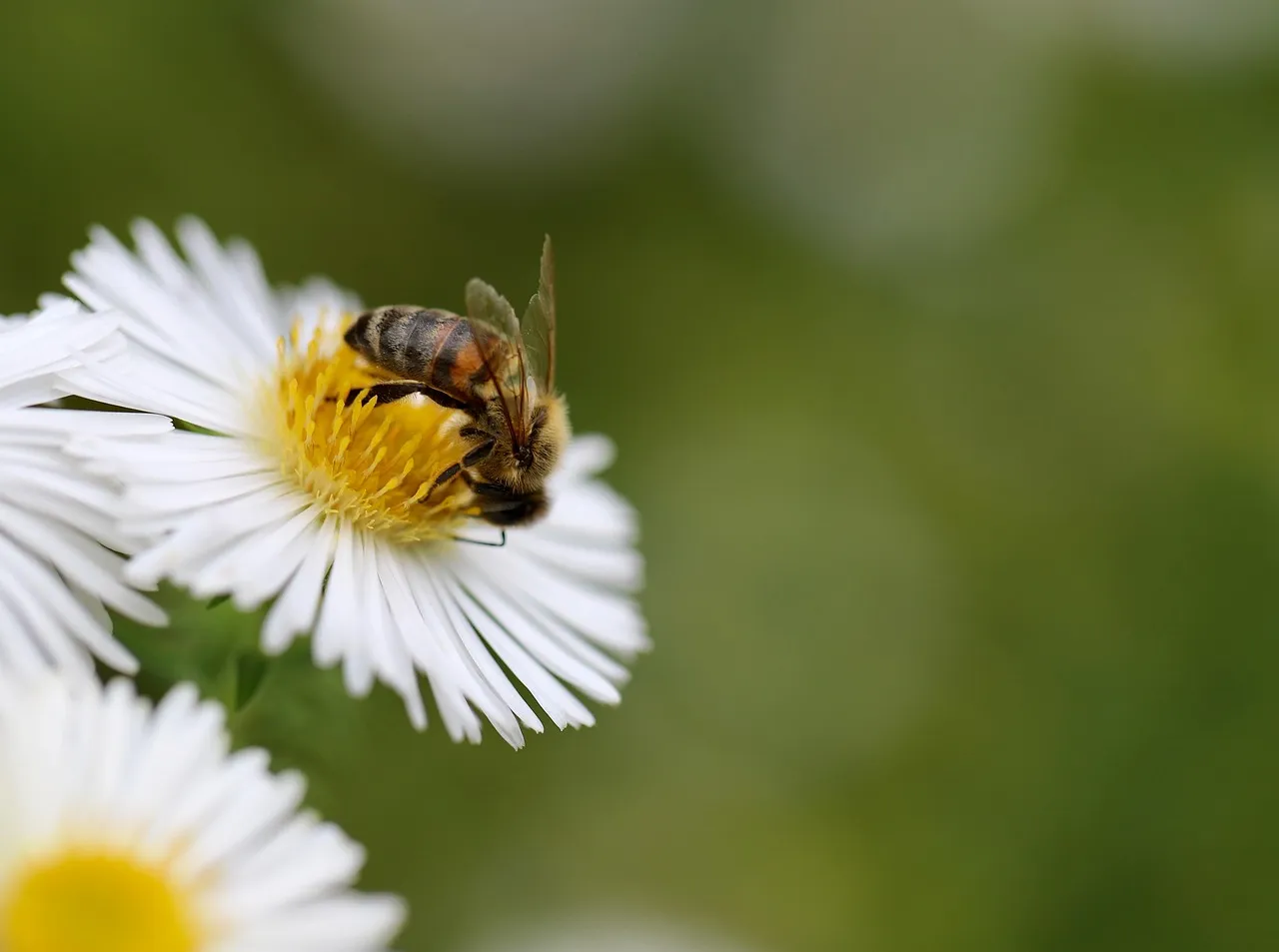
While these insects pose a significant risk, it’s essential to remember their role in the ecosystem. Bees, for instance, are vital pollinators, contributing to the health of our environment and agriculture. The goal isn’t to eradicate them but to coexist safely.
Understanding the risks and taking appropriate precautions can help minimize the danger they pose. By respecting their space and being prepared, we can enjoy the outdoors without undue fear.
Conclusion
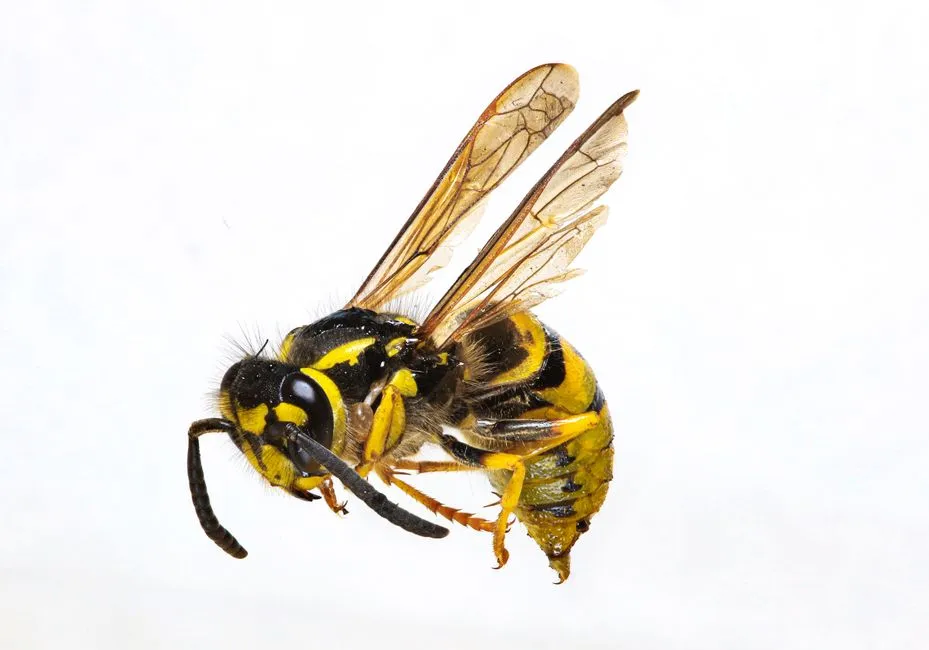
It’s startling to realize that the most venomous threat in North America isn’t a lurking snake or a hidden spider but the familiar buzz of a bee or wasp. Their proximity to our daily lives makes them a danger we often overlook. By staying informed and cautious, we can reduce the risk they pose and appreciate the vital roles they play in our world. Next time you hear that buzz, will you see it as a mere annoyance or a reminder of nature’s delicate balance?

- The Most Venomous Animal in North America Is Not a Snake or a Spider and Most Americans Walk Past It Every Summer Without Knowing - July 18, 2026
- There Is a Spot in the Pacific Ocean So Remote That the Nearest Humans Are Sometimes the Astronauts on the International Space Station Overhead - July 18, 2026
- The Oldest Living Animal Ever Documented Was Killed the Moment Scientists Discovered How Old It Was - July 18, 2026