


When we think of animals with formidable bites, our minds typically drift to the usual suspects: sharks with their rows of serrated teeth, crocodiles with their bone-crushing jaws, or perhaps big cats with their powerful killing bite. However, the animal kingdom often surprises us with unexpected champions. Lurking in the shadows of North and South America is a diminutive mammal whose bite force relative to its size outclasses all these fearsome predators. The short-tailed shrew (genus Blarina), weighing merely 15-30 grams—about the weight of a AA battery—possesses what scientists have determined to be the most vicious bite-to-size ratio of any mammal on Earth.
This seemingly innocuous creature, often mistaken for a mouse by casual observers, packs venomous saliva and a bite force that would be equivalent to a human being able to bite through metal. Their remarkable biting capability isn’t just a fascinating biological oddity; it’s a finely-tuned evolutionary adaptation that has enabled these tiny mammals to become efficient predators in their ecological niche. This article explores the extraordinary abilities of the short-tailed shrew and how this unassuming creature earned its title as the pound-for-pound biting champion of the mammalian world.
Meet the Short-Tailed Shrew
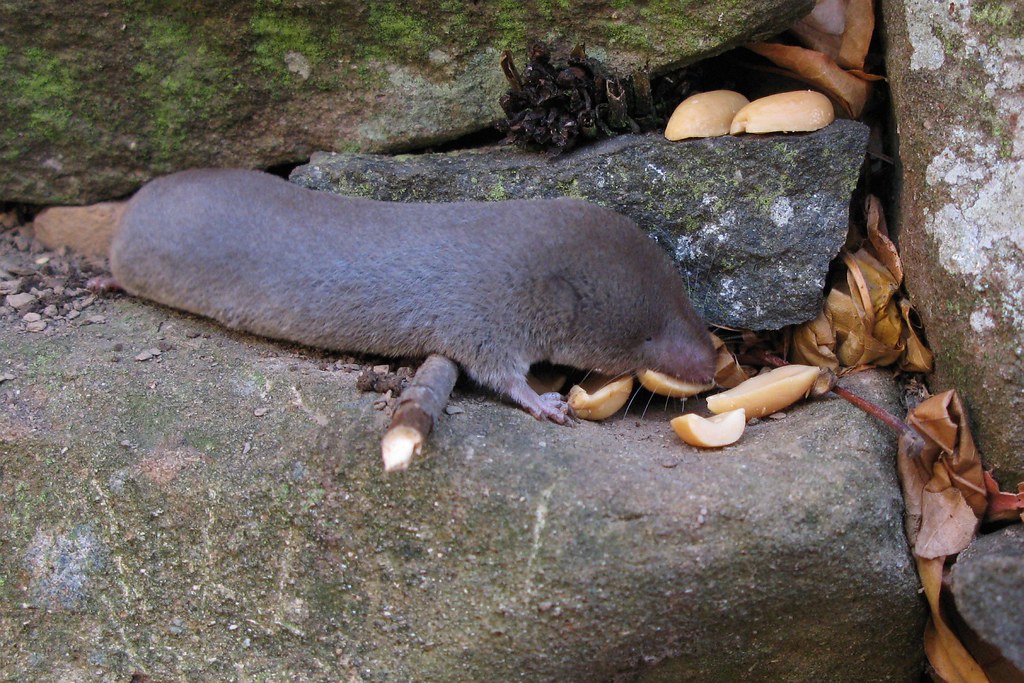
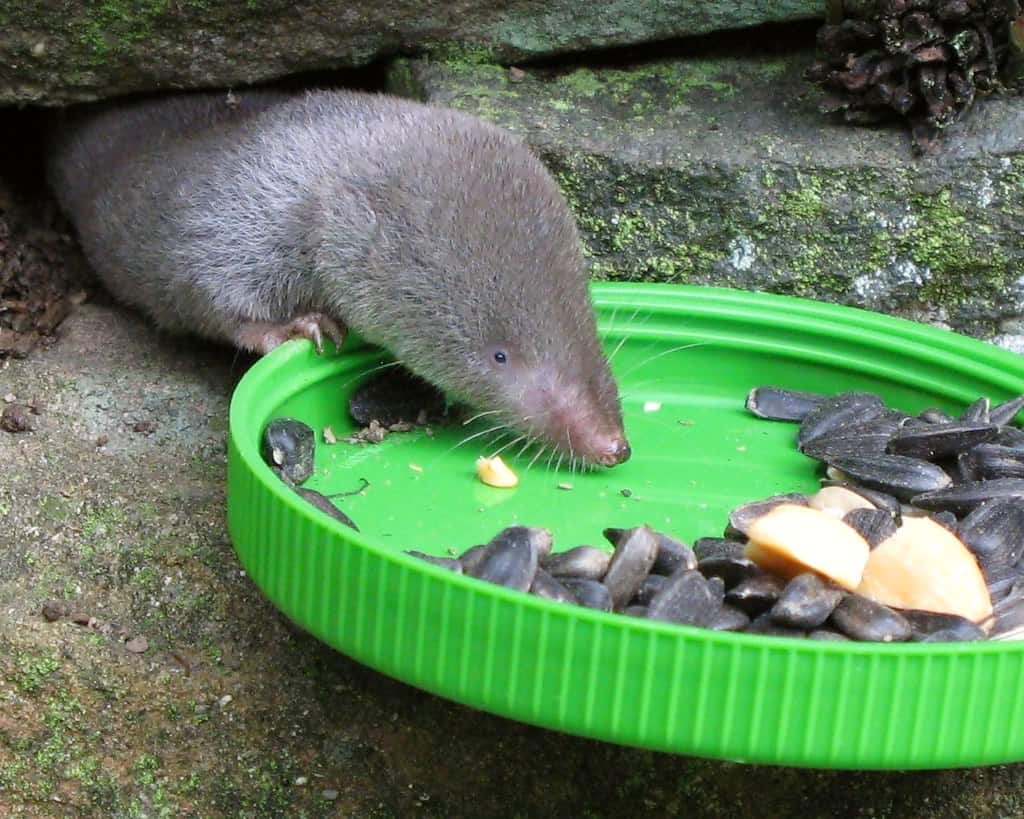
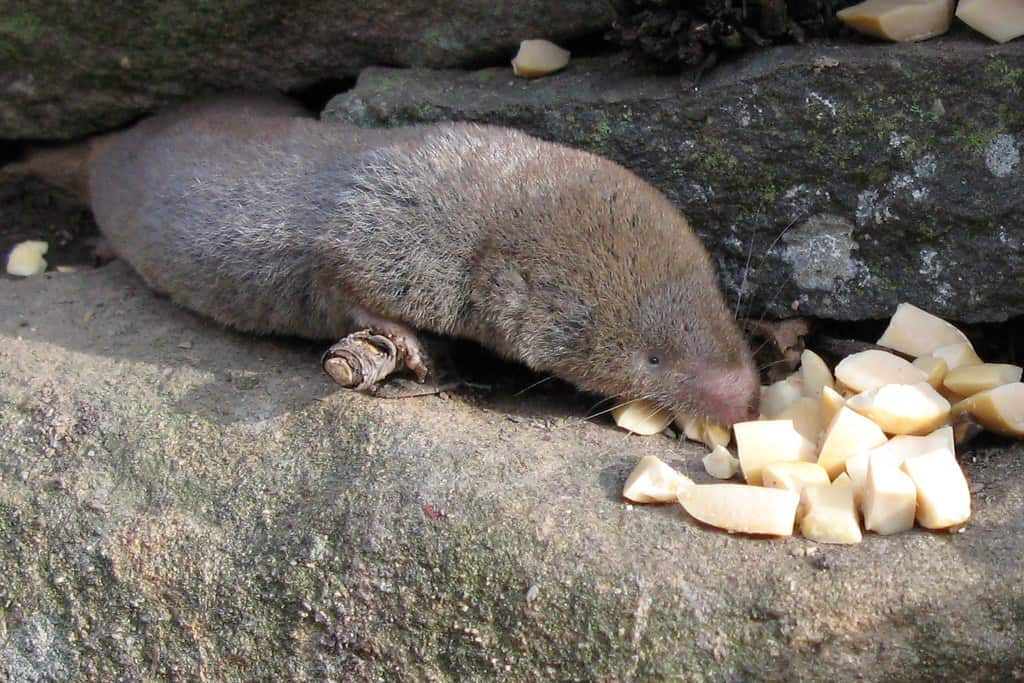
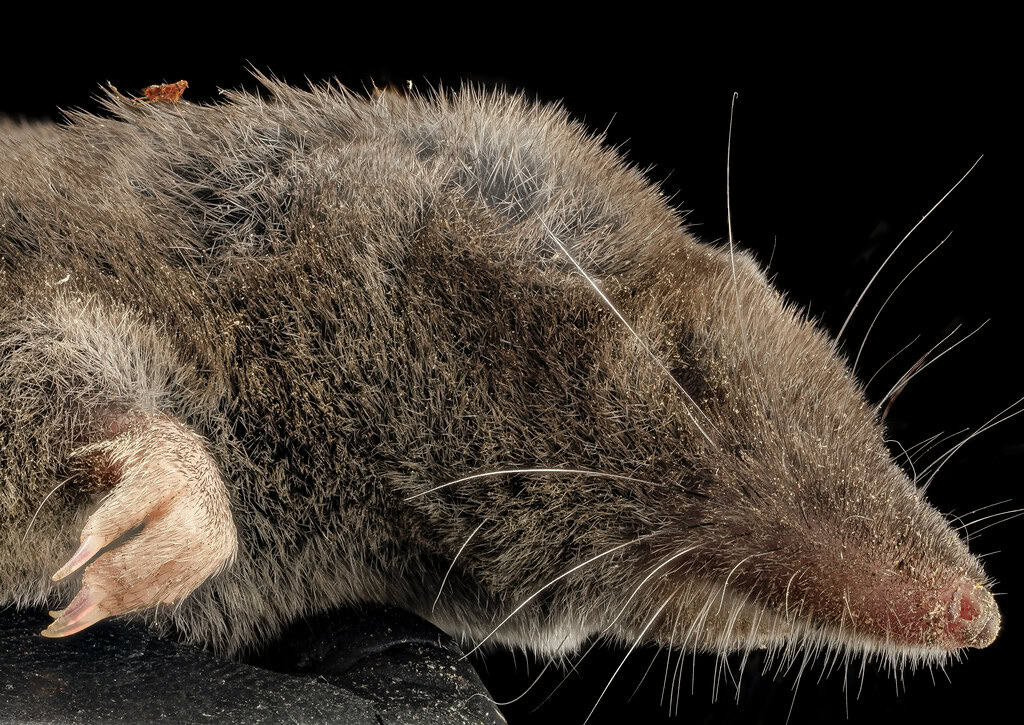
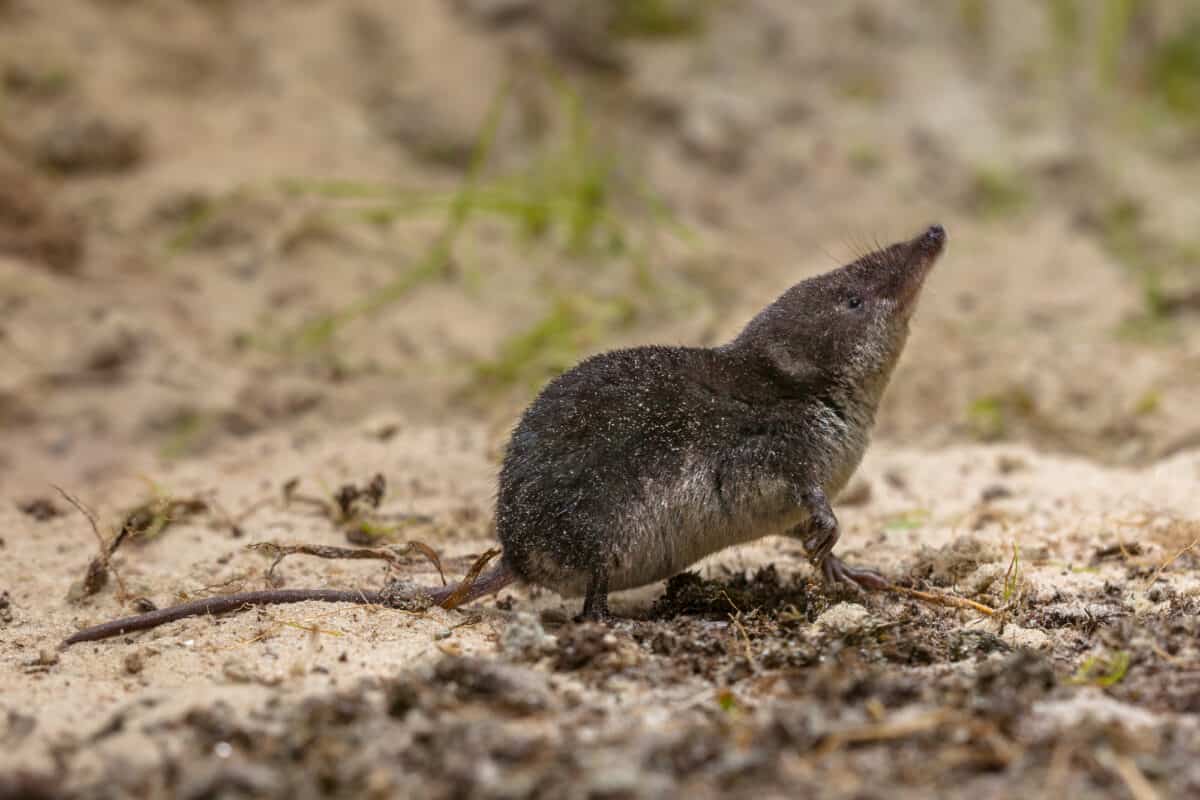
The short-tailed shrew belongs to the family Soricidae and is primarily found throughout the eastern United States and parts of Canada and Mexico. Despite their mouse-like appearance, shrews are not rodents but belong to the order Eulipotyphla, making them more closely related to moles and hedgehogs than to mice or rats. These diminutive creatures typically measure between 3 to 4 inches in length, including their short, distinctive tail that gives them their name. Their fur is velvety and ranges from dark gray to nearly black, with a slightly lighter underside.
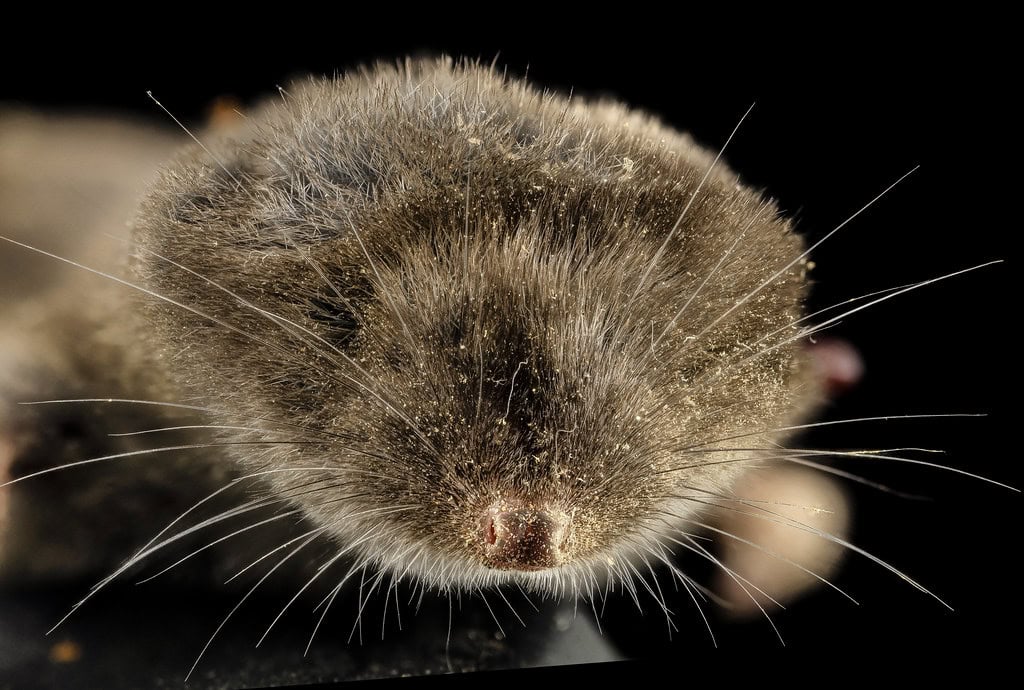
Short-tailed shrews have poor eyesight, relying instead on their acute senses of hearing, touch, and smell to navigate their environment and locate prey. Their elongated snout is constantly in motion, sniffing and probing as they search for food. Unlike many mammals, shrews have an incredibly high metabolism that requires them to eat nearly constantly—consuming up to three times their body weight daily. This metabolic demand drives their aggressive hunting behavior and has contributed to the evolution of their remarkable bite and venom system that makes them such effective predators despite their tiny size.
The Science Behind the Bite
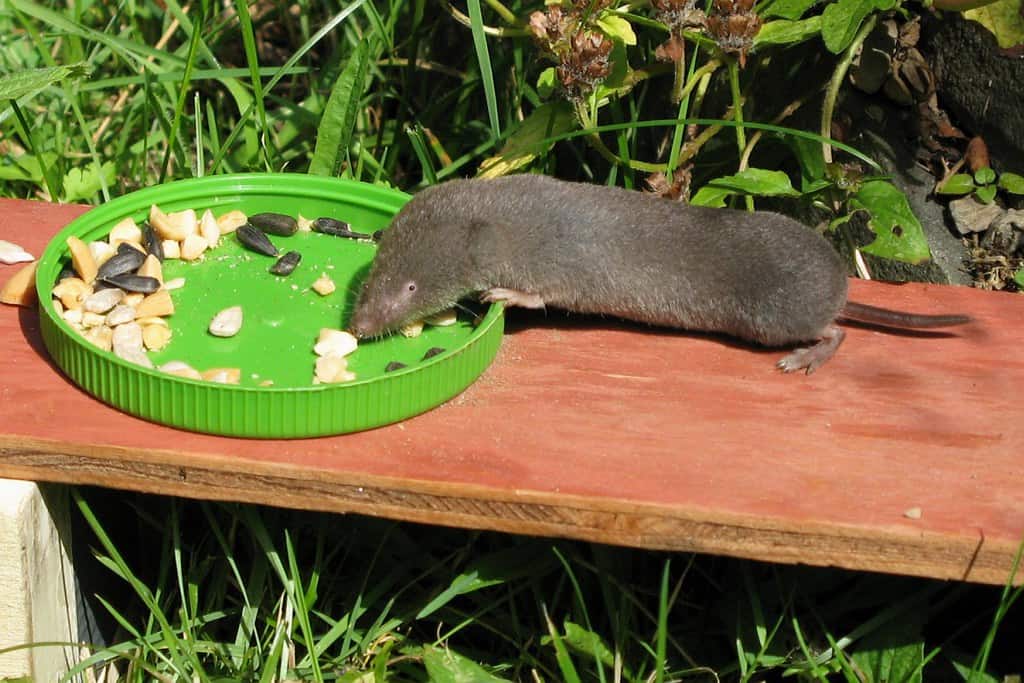
The bite force of the short-tailed shrew is truly extraordinary when considered in proportion to its size. Research conducted at the University of Minnesota determined that these tiny mammals can exert a bite force of approximately 24 newtons. While this might seem insignificant compared to a lion’s 1,300 newtons or a crocodile’s 16,000 newtons, when adjusted for body size, the shrew’s bite force quotient (BFQ) is among the highest recorded in mammals. This disproportionate strength allows them to penetrate the exoskeletons of insects and even crack the bones of small vertebrates.
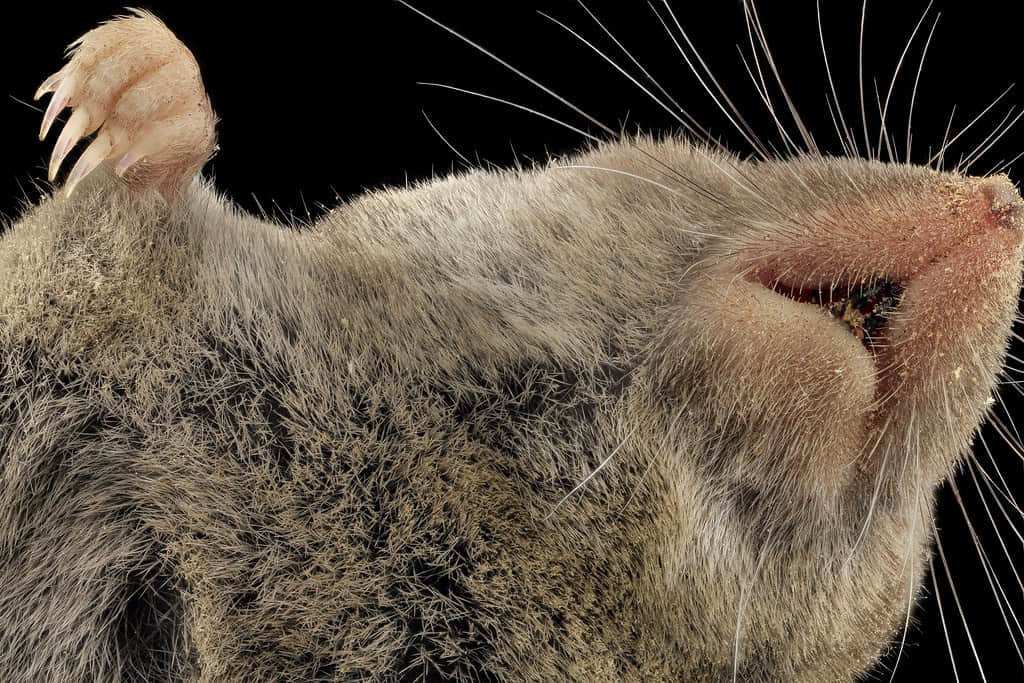
The mechanics behind this impressive bite involve specialized jaw muscles and a skull structure optimized for maximum force generation. Shrews possess a relatively robust skull with reinforced bone structures that anchor powerful masseter and temporalis muscles. These muscles, though tiny, are proportionally larger and more densely packed with muscle fibers than those of many larger mammals. The short-tailed shrew’s dental anatomy further enhances its biting capability, with sharp, pointed teeth that concentrate force on a small area—similar to how a sharp knife requires less pressure to cut than a dull one. This combination of muscular power and dental efficiency creates a biting apparatus that is remarkably effective for an animal of such diminutive size.
Venomous Saliva: A Rare Mammalian Trait
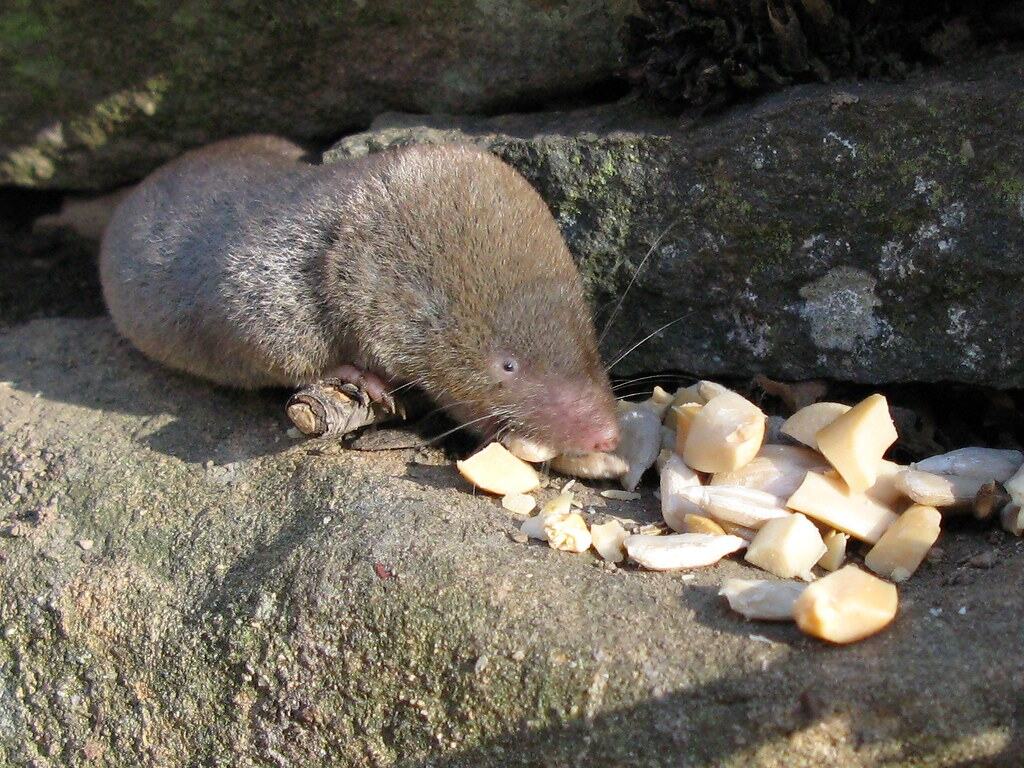
What makes the short-tailed shrew’s bite even more formidable is that it delivers a toxic cocktail along with its mechanical force. Short-tailed shrews are among the few venomous mammals on Earth, a club that includes platypuses, some species of moles, and solenodons. The venom is produced by submaxillary glands and flows through a duct to grooves in the shrew’s lower incisors. When the shrew bites, this toxic saliva enters the wound, causing paralysis in smaller prey and significant pain in larger animals, including humans who handle them carelessly.
The venom contains multiple compounds, including blarina toxin (BLTX), a neurotoxic protein similar to kallikrein that causes paralysis by affecting the victim’s nervous system. This toxin helps shrews subdue prey larger than themselves and allows them to store immobilized but living prey for later consumption—an important adaptation for an animal with such high metabolic demands. Interestingly, research on shrew venom has potential applications in medical science, particularly in developing new pain management drugs and treatments for certain neurological conditions. The ability to rapidly paralyze prey without killing it has inspired researchers looking into reversible anesthetics and pain blockers.
Hunting Habits of a Miniature Predator
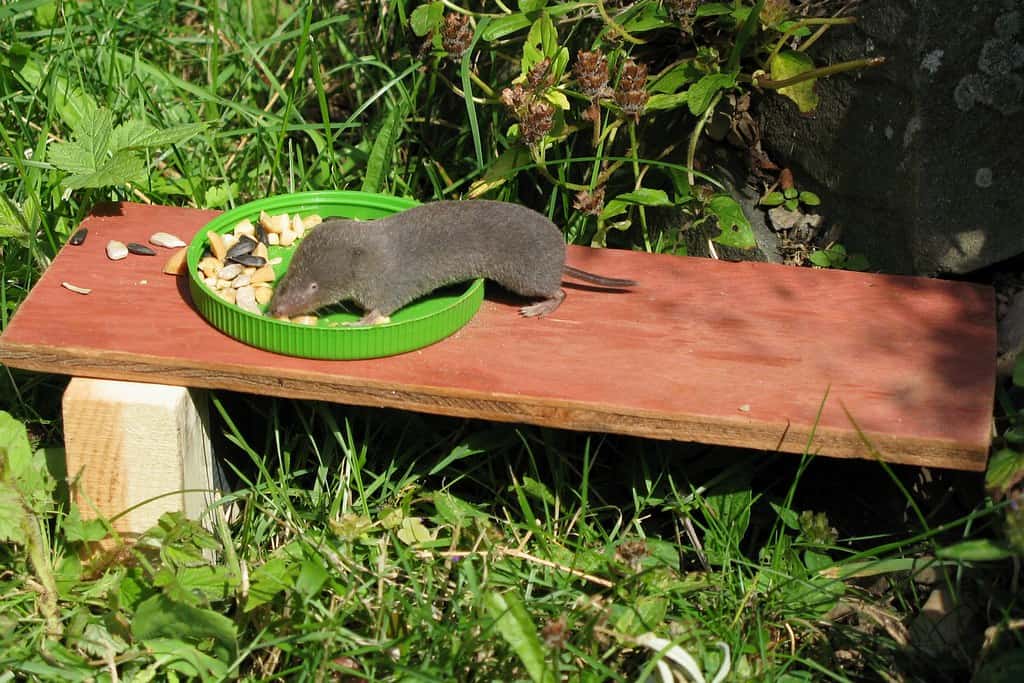
The hunting behavior of short-tailed shrews is as impressive as their bite. These voracious predators are active both day and night, constantly searching for food to sustain their rapid metabolism. They primarily hunt insects, worms, snails, and other invertebrates, but they don’t stop there. Short-tailed shrews regularly take down prey that would seem far too large for them, including mice, small birds, salamanders, and small snakes. Their hunting strategy relies on stealth, speed, and the devastating effectiveness of their venomous bite.
When hunting, shrews use their sensitive whiskers (vibrissae) and excellent sense of smell to detect prey, often in complete darkness or underground. Once prey is located, the shrew launches a lightning-fast attack, delivering multiple bites to inject sufficient venom. For larger prey, the shrew may bite and then retreat, waiting for the venom to take effect before returning to feed. This strategy minimizes the risk of injury from struggling prey. Observations have shown that shrews can subdue mice nearly twice their size—a feat equivalent to a human overpowering a rhinoceros. Their relentless appetite and efficient hunting make them important predators in their ecosystems, despite their diminutive size.
Evolutionary Advantages of a Powerful Bite
The evolution of such a formidable bite and venom system in the short-tailed shrew represents a fascinating example of natural selection. These adaptations likely emerged as solutions to several evolutionary pressures. First, as tiny endothermic (warm-blooded) mammals, shrews face tremendous energetic challenges, especially in colder climates. Their high surface-area-to-volume ratio causes rapid heat loss, requiring constant caloric intake to maintain body temperature. The ability to quickly subdue prey of various sizes ensures a steady food supply in diverse environments.
Additionally, the powerful bite and venom allow shrews to occupy a predatory niche that might otherwise be unavailable to such small mammals. By evolving these specialized traits, short-tailed shrews reduced competition with other small mammals like mice, which primarily feed on seeds and plant matter. This niche specialization also provides access to high-protein food sources crucial for their energetic needs. From an evolutionary perspective, the investment in developing powerful jaw muscles and venom glands has paid off handsomely, allowing these tiny mammals to thrive across a wide geographic range for millions of years despite their seemingly vulnerable size.
Comparing Bite Forces in the Animal Kingdom
To truly appreciate the short-tailed shrew’s biting prowess, it helps to place it in context among other animals. When absolute bite force is measured, the champions are predictably large animals: the saltwater crocodile (16,000 newtons), the hippopotamus (12,600 newtons), and large sharks. However, when scientists calculate bite force quotient (BFQ)—which adjusts for body size—the rankings shift dramatically. By this measure, the short-tailed shrew ranks among the elite biters in the animal kingdom, alongside animals like the Tasmanian devil and certain species of ants.
For perspective, if a human had the bite force-to-body weight ratio of a short-tailed shrew, we could easily bite through steel bars. Among mammals specifically, pound-for-pound, the short-tailed shrew outclasses iconic predators like lions, wolves, and bears. Even compared to other small predators with formidable bites, such as weasels and small cats, the shrew’s combination of mechanical force and venom places it in a class of its own. This remarkable disproportion between size and biting capability makes the short-tailed shrew one of nature’s most impressively armed predators relative to its modest dimensions.
The Ecological Role of These Tiny Predators
Despite their small size and often overlooked presence, short-tailed shrews play crucial roles in their ecosystems. As voracious insectivores, they help control populations of potentially destructive insects, including many agricultural pests. A single shrew can consume thousands of insects over the course of a year, making them valuable allies to farmers and gardeners. Additionally, their predation on slugs and snails helps protect vegetation from these herbivorous mollusks.
Short-tailed shrews also serve as important prey for larger predators, including owls, hawks, snakes, and foxes, thus transferring energy up the food chain. Their extensive tunneling activities aerate soil and promote nutrient cycling, benefiting plant growth and soil health. Furthermore, as one of the few venomous mammals, they represent a unique evolutionary pathway and contribute to biodiversity. Their specialized adaptations and ecological functions underscore the importance of these small but mighty predators in maintaining balanced and healthy ecosystems across North America.
Human Encounters and Misconceptions
Despite their impressive armament, short-tailed shrews pose little threat to humans. While their bite can be painful and may cause swelling due to their venomous saliva, the effects are typically mild and temporary for humans, comparable to a bee sting. Most human encounters with shrews occur when gardening or moving logs or rocks where shrews might be hunting or nesting. Many people mistake shrews for mice, but their pointed snouts, smaller eyes, and velvet-like fur distinguish them from rodents upon closer inspection.
Numerous misconceptions surround these small mammals. Contrary to some folklore, shrews are not poisonous to touch, nor do they target humans or pets. Their aggressive reputation stems from their intense metabolism and constant need to feed rather than any inherent hostility toward larger animals. When captured or cornered, they will certainly defend themselves vigorously, but they generally avoid confrontations with creatures much larger than themselves. Conservation efforts for shrews are minimal compared to more charismatic species, but habitat preservation, reduced pesticide use, and maintaining natural ground cover all help protect these beneficial predators and the ecological services they provide.
Research Challenges and Recent Discoveries
Studying short-tailed shrews presents unique challenges to researchers. Their small size, rapid movements, and largely subterranean lifestyle make them difficult to observe in natural settings. Additionally, their high metabolism means they cannot survive long in captivity without careful attention to their dietary needs. Despite these challenges, scientists have made significant progress in understanding shrew biology through innovative research methods, including radio tracking with miniature transmitters, infrared observation systems, and advanced biomechanical modeling of their bite mechanics.
Recent research has yielded fascinating discoveries about these remarkable mammals. Studies of the genetic basis for their venom production have revealed evolutionary connections to other venomous and non-venomous mammals. New insights into their sensory capabilities suggest they may use a form of echolocation similar to but less sophisticated than that of bats, emitting high-frequency sounds to navigate in dark underground environments. Ongoing research into shrew venom compounds continues to identify potential medical applications, including novel analgesics and treatments for hypertension. As technology advances, our understanding of these fascinating but elusive mammals continues to grow, revealing ever more impressive aspects of their biology.
Conservation Status and Threats
Most species of short-tailed shrews, including the common Blarina brevicauda, are listed as species of “Least Concern” on the IUCN Red List, indicating stable populations across their range. However, this relatively secure status doesn’t mean they face no threats. Habitat fragmentation due to urban development, intensive agriculture, and deforestation impacts local shrew populations by reducing suitable hunting grounds and disrupting the underground tunnel networks they depend on. Additionally, the widespread use of insecticides reduces their prey base and may cause secondary poisoning when shrews consume contaminated insects.
Climate change presents another emerging challenge, as it alters precipitation patterns and soil moisture levels that affect both shrews and their invertebrate prey. Some localized shrew populations, particularly those in isolated habitats or with specialized needs, face greater conservation concerns. For example, the Everglades short-tailed shrew (Blarina carolinensis minima) has a restricted range and faces threats from drainage and development of wetlands. Conservation efforts that preserve diverse natural habitats, promote organic farming practices, and maintain connectivity between habitat patches benefit not only shrews but also the many other species that share their ecosystems.
Conclusion: Small Package, Mighty Impact

The short-tailed shrew stands as a remarkable testament to nature’s capacity to pack extraordinary capabilities into seemingly ordinary packages. With the most formidable bite-to-size ratio among mammals and one of the few venom delivery systems evolved by a mammalian species, this tiny predator defies our expectations of what small animals can achieve. Their evolutionary success story reminds us that physical power in nature isn’t always about absolute size but about specialized adaptations perfectly suited to ecological niches.
Beyond their biological curiosities, short-tailed shrews perform vital ecological functions that benefit ecosystems and, by extension, human interests. From controlling pest populations to contributing to soil health, these diminutive hunters punch well above their weight class in terms of ecological impact. Their unique venom even holds promise for medical applications that could benefit human health in the future.
As we continue to explore and understand the natural world around us, the short-tailed shrew serves as a powerful reminder that some of nature’s most impressive achievements exist in its smallest creations. These overlooked mammals demonstrate that extraordinary capabilities can evolve in unexpected places, and that even the tiniest predators can play outsized roles in the complex web of life. The next time you spot movement in the leaf litter or garden soil, remember that you might be witnessing one of nature’s most impressively armed hunters going about its business—tiny in stature but unmatched in its pound-for-pound biting power.
The short-tailed shrew stands as a testament to the fact that in nature, appearances can be deceiving, and remarkable adaptations often come in the most unassuming packages. Their story encourages us to look more closely at the seemingly ordinary creatures that share our world, as they may harbor extraordinary secrets waiting to be discovered.

From exploring the marine wonders in the Azores and witnessing the vast savannas of Kenya, to delving deep into the rich biodiversity of South Africa and traversing iconic landscapes in Australia and the US like Yellowstone, Chris's experiences are vast.
With a penchant for diving alongside sharks, the ocean holds a special place in his heart.
Through his academic insights, he champions wildlife conservation, striving with 'Animals Around The Globe' to cultivate a profound connection between humans and animals, enhancing our mutual appreciation.
Connect with him at Feedback@animalsaroundtheglobe.com.
- This Monkey Has a Mustache - July 21, 2026
- How Steve Irwin Changed the World’s View of Wildlife - July 21, 2026
- The Catfish That Caused Earthquakes in Japanese Folklore - July 21, 2026