

You’ve probably seen one shuffling through your yard at night. Maybe you’ve even mistaken it for a very large rat with a ridiculously long tail. The truth is, this humble creature has been living right under our noses, and most people have absolutely no idea just how extraordinary it really is. Here’s the thing: what seems like a slow, somewhat dopey marsupial might just hold the key to saving thousands of human lives.
Let’s be real, most of us don’t think twice about the wildlife that wanders through our backyards. Sure, we notice the deer nibbling on flowers or the raccoons raiding trash cans. Yet one particular animal goes largely ignored, dismissed as a pest or a nuisance. What if I told you this unassuming backyard dweller has a biological superpower that scientists are racing to understand? It’s a defense mechanism so potent, so remarkable, that it could revolutionize medicine as we know it.
Meet the Misunderstood Opossum
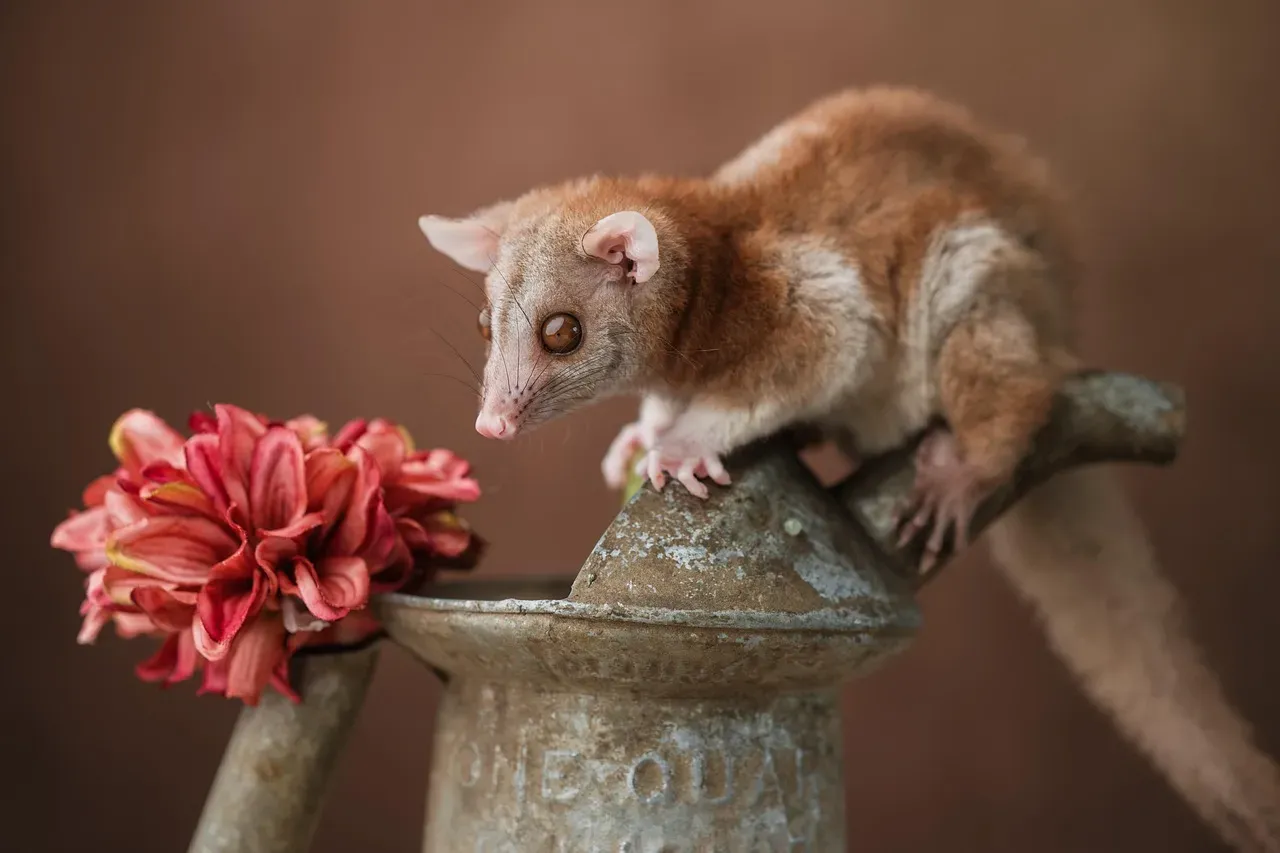
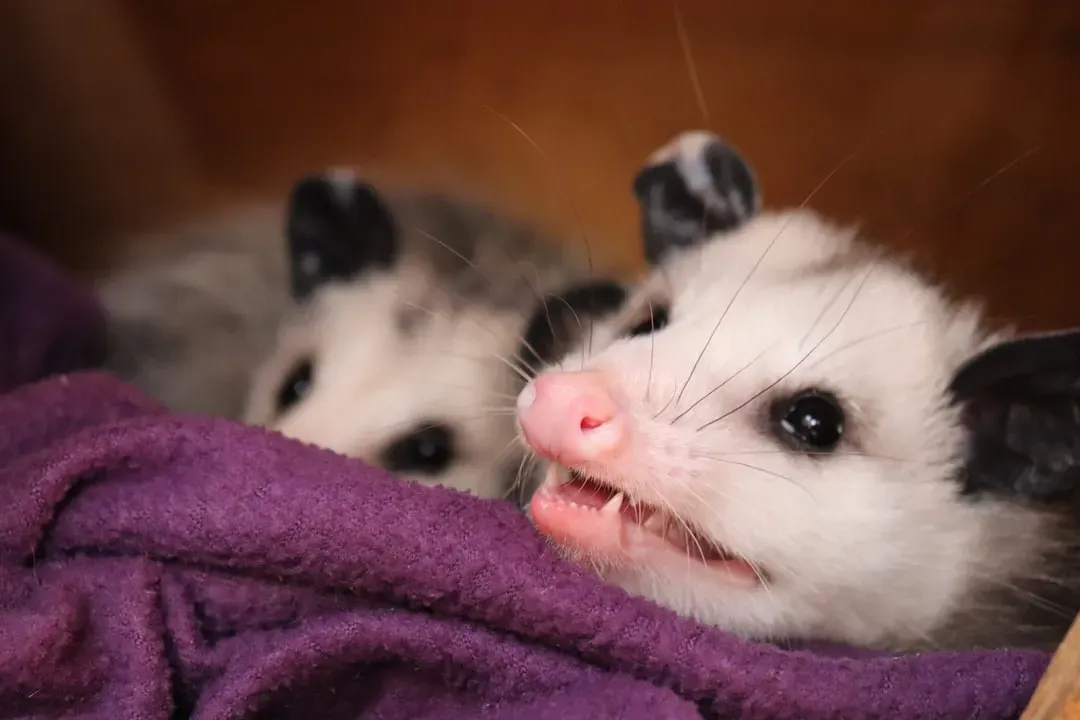
The opossum may sport an intimidating, toothy grin when threatened, but these creatures are incredibly docile and unlikely to cause harm. Most people see that hissing face and assume danger. Reality? Opossums use their infamous defense mechanism of playing dead, though there’s nothing playful about it – the act is completely involuntary, causing them to fall into a comatose-like state that can last for hours.
Their famous “playing possum” is an involuntary fear response, and because they’re such effective tick-eaters and are resistant to rabies, they’re a fantastic animal to have around. Honestly, I think these guys deserve way more credit than they get. Fear causes these animals to emit a corpse-like smell that only adds to their act. It’s basically nature’s version of method acting, except the opossum isn’t consciously choosing to do it.
Opossums provide some defense for us too: they eat venomous snakes and ticks, gobbling up to 4000 insects a week. That alone should earn them a spot on any homeowner’s favorite creatures list. Opossums have a lower body temperature than most mammals, which makes it very difficult for the rabies virus to survive in their bodies. Pretty clever design, if you ask me.
The Venom Immunity Secret
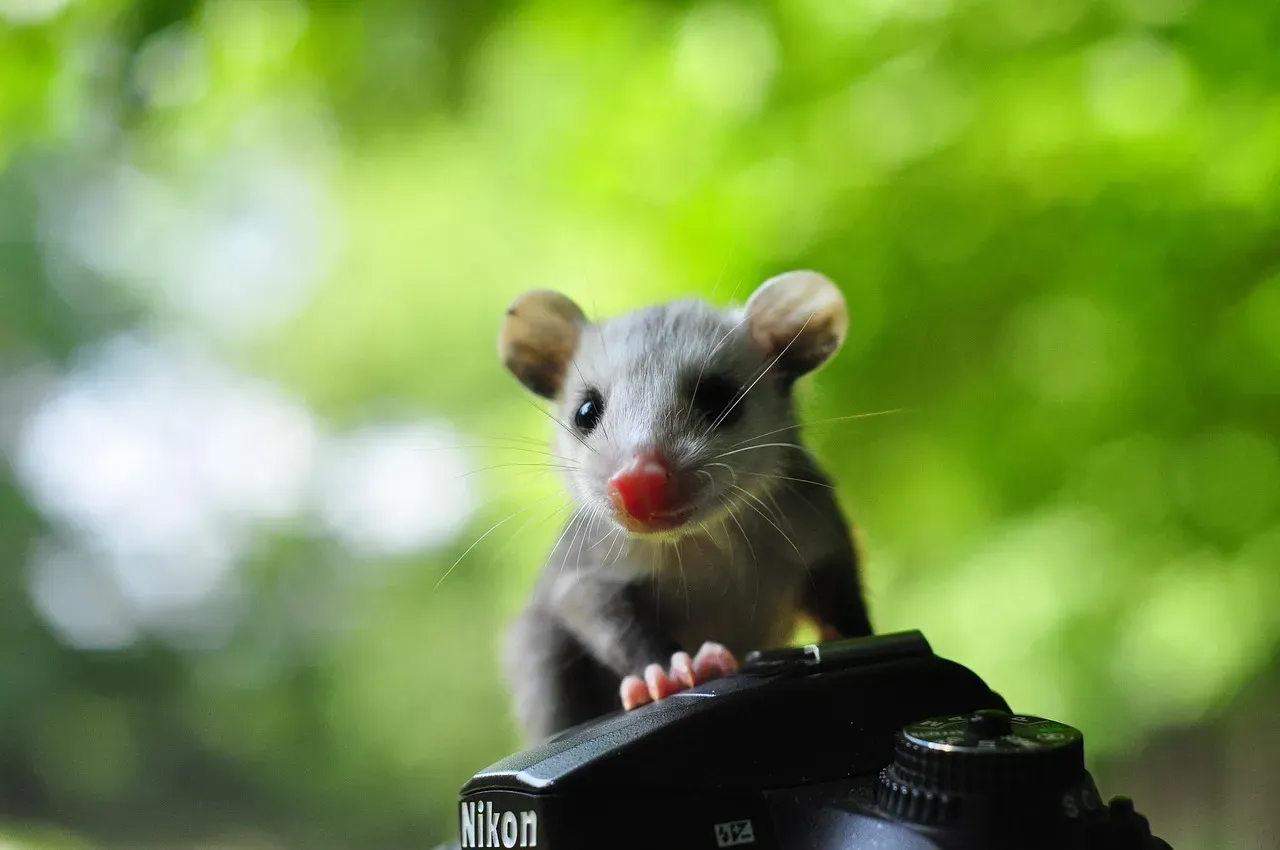
Scientists have known since the 1940s that Virginia opossums possessed some level of immunity to snake venom. Yet it took decades before anyone really dug into the mystery of how these marsupials pull off this incredible feat. Opossums are resistant to snake venom because a protein in their blood binds to the toxins and neutralizes them.
Opossums in the clade Didelphini are well known to be resistant to snake venom due to endogenous circulating inhibitors which target metalloproteinases and phospholipases. Translation? They’ve got built-in molecular bodyguards patrolling their bloodstream. Studies have shown that opossums can withstand doses of snake venom that would be lethal to other mammals, with researchers believing this immunity stems from the opossum’s unique immune system.
Research has shown that opossums are resistant to poisonous vipers, including the eastern and western diamondback rattlesnake, copperheads and many South American viper species. It’s hard to say for sure, but this ability probably evolved over millions of years as these animals encountered venomous predators. Other mammals, such as ground squirrels and honey badgers, also have natural immunity to venom.
Cracking the Molecular Code
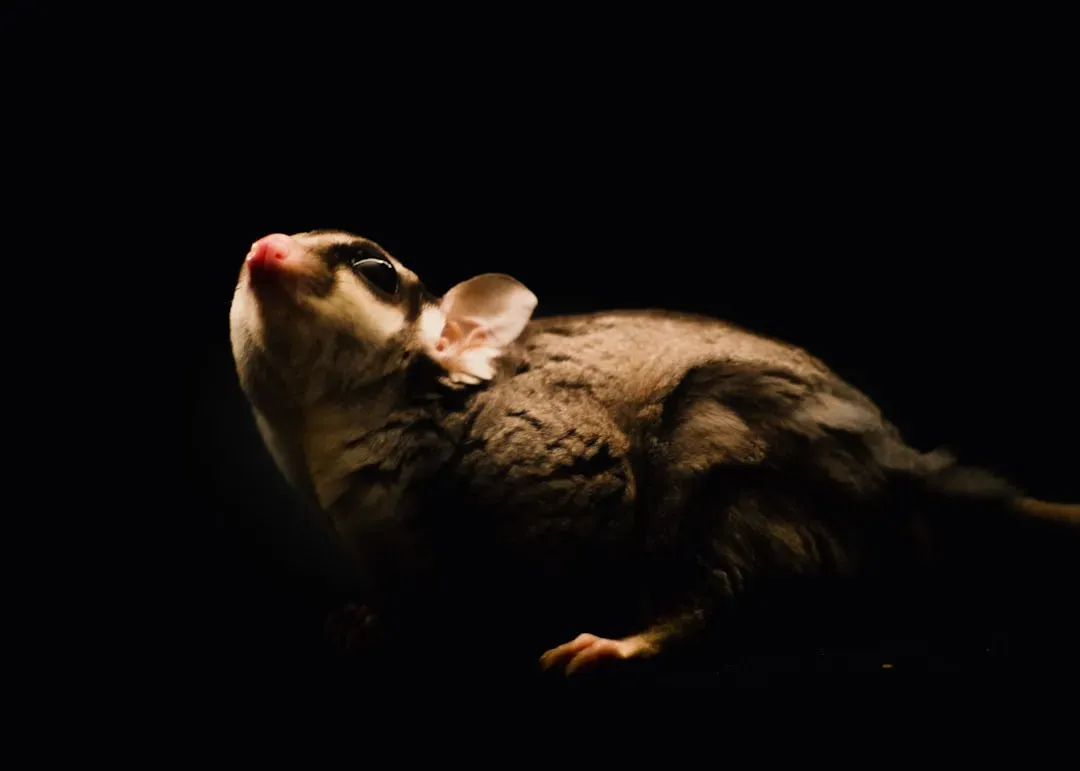
In the early 1990s, a group of researchers identified a serum protein from the opossum that was able to neutralize snake venoms, and one researcher found that a smaller chain of amino acids from the opossum protein, called a peptide, was also able to neutralize the venom. This was the breakthrough moment. Peptides containing the protein’s first 10 or 15 amino acids seemed to contain all of the protein’s antivenomous properties, and she first patented the work in 1996.
In lab experiments with mice, a team discovered the exact molecule, called a peptide, in the North American marsupial’s blood that can neutralize snake venom. The peptide worked against several venomous snake species, including America’s western diamond back rattlesnake and India’s Russell viper. I know it sounds crazy, but this tiny molecular fragment could protect against some of the world’s deadliest snakes.
An eleven amino acid ribosomal peptide was shown to completely neutralize Western Diamondback Rattlesnake venom in mice when a lethal dose of the venom was pre-incubated with the peptide prior to intravenous injection. Eight mice that were given a lethal dose of rattlesnake venom died overnight – but another eight mice that got venom along with the peptide all survived for weeks. The results speak for themselves, really.
A Life-Saving Breakthrough
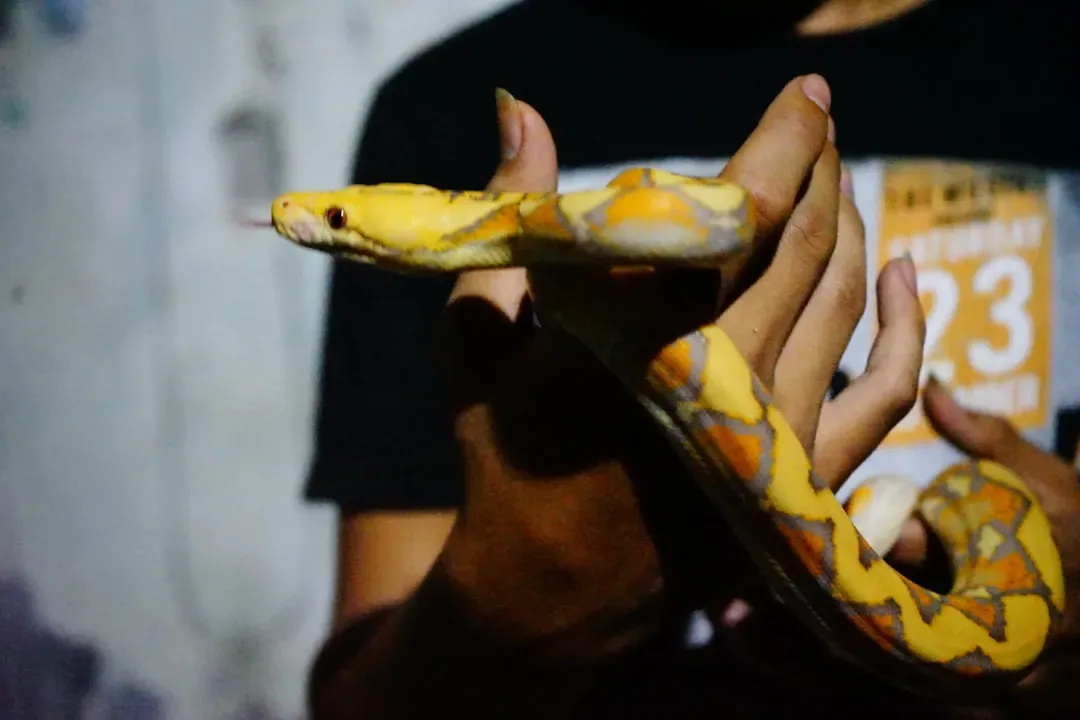
The World Health Organization estimates that as many as 94,000 people die each year as a result of snakebites. Most of these deaths occur in developing countries where access to expensive antivenoms is limited or nonexistent. Deaths from snakebites are incredibly rare in the U.S., but they are surprisingly common in India, where according to some estimates, snakes are responsible for 100,000 deaths every year, and rural areas don’t always have access to antivenoms.
Current antivenoms are hard to make and expensive – large amounts of venom first need to be milked from snakes, which is dangerous, then small amounts are injected into animals such as horses and pigs for about a year, and each vial costs thousands of dollars with some people requiring twenty to thirty vials to treat a single snake bite. That’s an astronomical price tag for many communities.
Current antivenoms are made by injecting venom into a horse and processing the serum, but the serum has additional components, so patients often have some kind of adverse reaction such as a rash, itching, wheezing, rapid heart rate, fever or body aches, while the peptide being used does not have those negative effects on mice. Because the process is inexpensive, the antivenom has a good chance of being distributed to underserved areas across the globe, including India, Southeast Asia, Africa and South America, where venomous snakes bite thousands of people every year.
Turning Science Into Medicine
Working with collaborators, researchers engineered Escherichia coli to synthesize peptides containing multiple repeats of the first 11 amino acids of the opossum protein, then use a protease to cleave at the final amino acid to release the individual peptides, requiring simply ordering a plasmid and growing engineered bacteria. This is where things get exciting from a production standpoint.
Once scaled up, companies could produce the peptides at roughly one dollar per gram. Compare that to the thousands of dollars for traditional antivenoms. So far, the peptide works on venom from different families of snakes, which could never happen with a horse-serum-based antivenom.
Since when a snake bites, it injects venom into the victim in different ways depending on which part of the body is bitten and the angle of the bite, each snake bite would need to be treated differently, but because the new antidote appears to have no side effects, at least in mice, it probably could be given in one large dose to attack all of the venom. Horse serum can only be administered at the hospital, but we need something people can take right when they get bitten, which would give them time to go to the hospital before the severe damage starts, and that would save a lot of lives.
The Backyard Hero We Never Appreciated
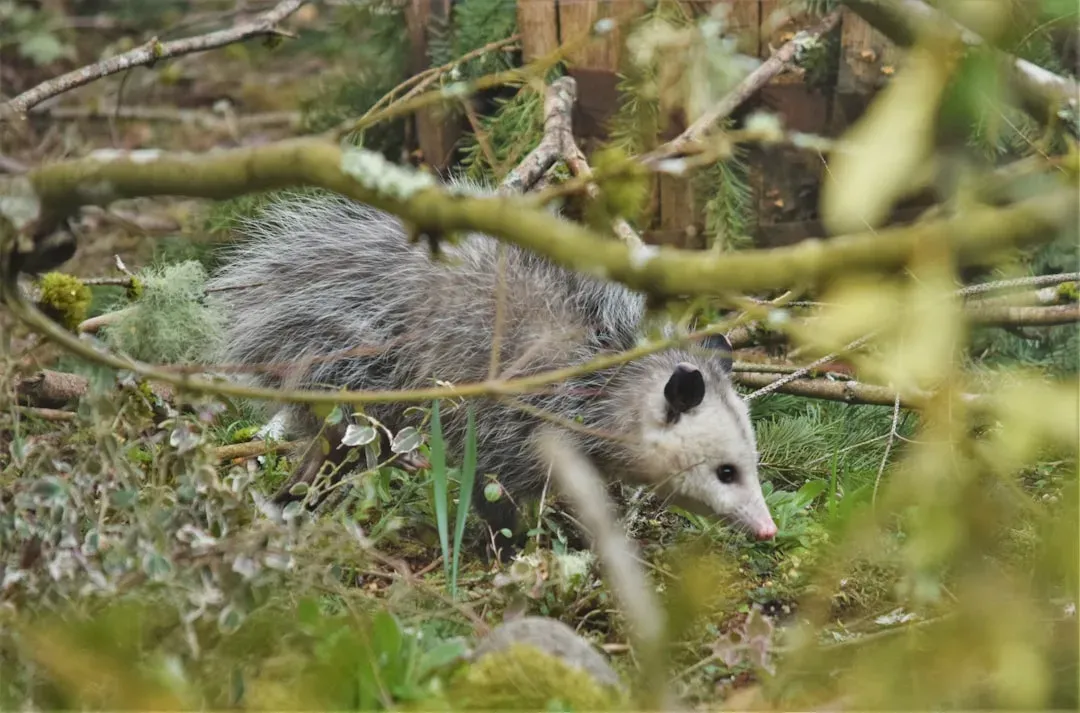
The study of opossums and their unique adaptations highlights the importance of biodiversity and the need for conservation efforts, as habitats are destroyed and wildlife populations decline, we risk losing not only fascinating creatures like the opossum but also the potential medical breakthroughs they may offer. It’s a sobering thought. We’re so quick to dismiss these animals as nuisances, yet they could literally save human lives.
Simply leave them be, and they will quietly clean up your yard at night. That’s all they ask for, really. No fanfare, no special treatment. Based on the original publications, the antivenom would probably work against venoms from other venomous snakes, as well as against scorpion, plant and bacterial toxins. The potential applications extend far beyond just snake bites.
These findings show promise of the opossum being an excellent experimental animal for venom research, particularly by identifying its protective mechanisms. Let’s be honest, how many of us would have ever guessed that this scraggly backyard wanderer held such secrets? The next time you spot one near your garbage cans, maybe consider giving it a respectful nod instead of a dismissive wave.
Conclusion
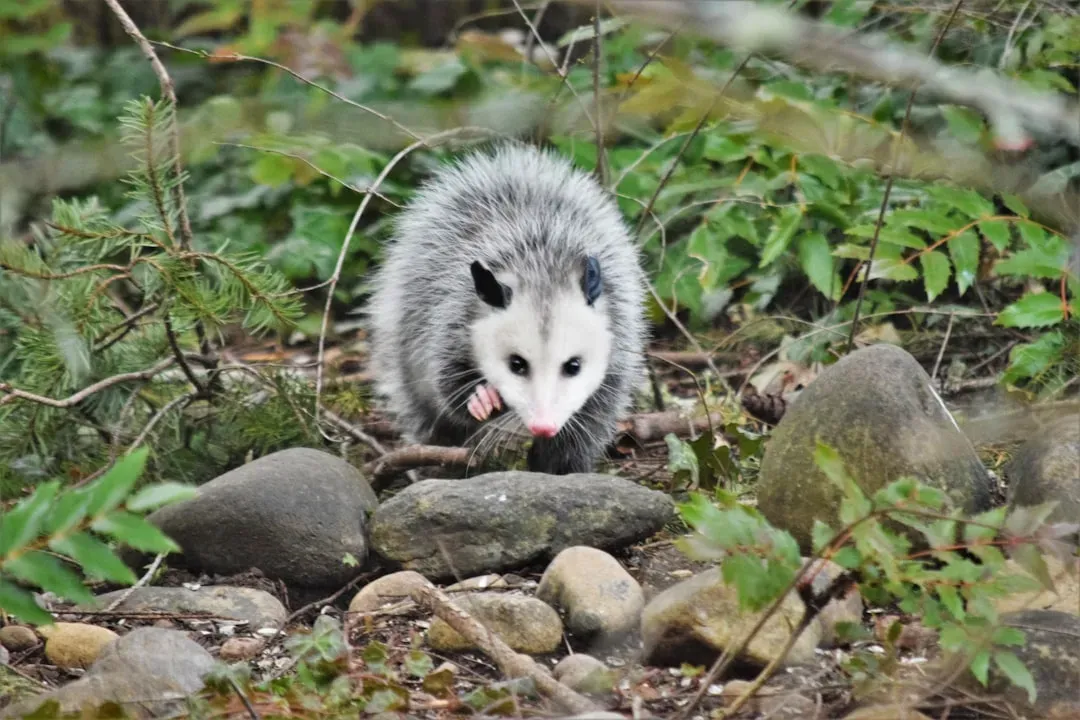
The opossum’s remarkable venom immunity reminds us that nature’s greatest innovations often come in the most unexpected packages. This common backyard marsupial, frequently overlooked or misunderstood, carries within its blood a potential solution to a global health crisis that claims tens of thousands of lives each year. Scientists continue working to refine and test this opossum-derived antivenom, bringing us closer to a world where deadly snake bites become far less terrifying.
Perhaps the real lesson here is simpler than molecular biology or peptide sequences. It’s about paying attention to the creatures we share our spaces with, recognizing that even the most humble animal might possess extraordinary gifts. The opossum didn’t ask to be a hero. It just evolved to survive, and in doing so, it might end up saving countless human lives.
What do you think about this unlikely backyard superhero? Would you look at opossums differently now?
